
IN CONVERSATION WITH JOHN MAGARO
words by FRANCESCO PIZZUTI
interview by TIMOTEJ LETONJA
JOHN MAGARO has built one of the most respected and consistently impressive careers of his generation, moving seamlessly between acclaimed independent cinema, prestige television, studio films and celebrated stage work. Known for bringing emotional depth and understated intensity to every role, he has become a favourite collaborator of visionary filmmakers like KELLY REICHARDT, appearing in projects such as First Cow, Showing Up and The Mastermind. Recent years have further cemented his range through standout performances in Past Lives, September 5 and Omaha, while upcoming projects, including season two of The Agency, continue to position him at the centre of some of contemporary cinema and television’s most compelling storytelling.
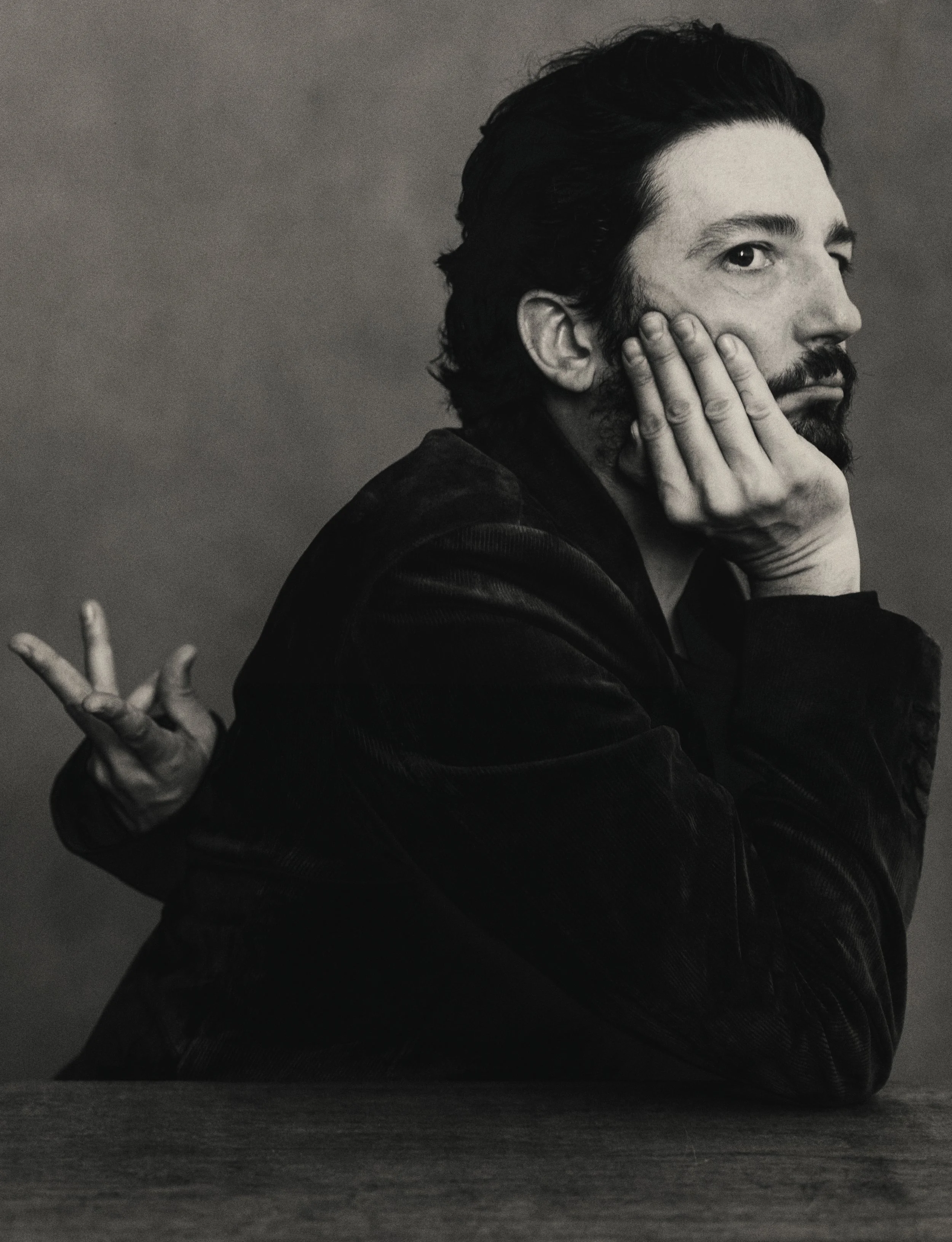
blazer and sweater GABRIELA HEARST
Your filmography feels like it has developed in close dialogue with contemporary auteurs from KELLY REICHARDT to CELINE SONG to TIM FEHLBAUM. Do you consciously seek out directors with distinct cinematic languages, or does that creative alignment happen more instinctively?
I think it’s a mix of several things. Especially as a young actor, I don’t think you can ever really decide, consciously, that you’re only going to work with auteurs. It doesn’t quite work that way.
But there is a kind of law of attraction to it. You tend to draw in the things you run toward, the things you respond to. And for me, I respond to auteur filmmakers. Those are the directors I’ve always felt some kind of resonance with, even just watching their films. It’s also the kind of work that made me want to become a film actor in the first place.
I was lucky to fall into that world, especially with Kelly. And then I think it also becomes about personality. I tend to see eye to eye with these people. What I find with these directors, especially in whatever state cinema is in right now, is that they have a singular focus. They really know what they want. They’re driven. And in a lot of ways, that makes my job much easier.
Cinema is changing in many ways, but international films also seem to be reaching wider audiences. Do you feel that shift?
I couldn’t agree more. Now is, in a way, a heyday for international cinema. And that doesn’t just mean European cinema. We’re talking about so many parts of the world: Iranian voices, Palestinian voices, East Asian voices, Southeast Asian voices. It’s amazing.
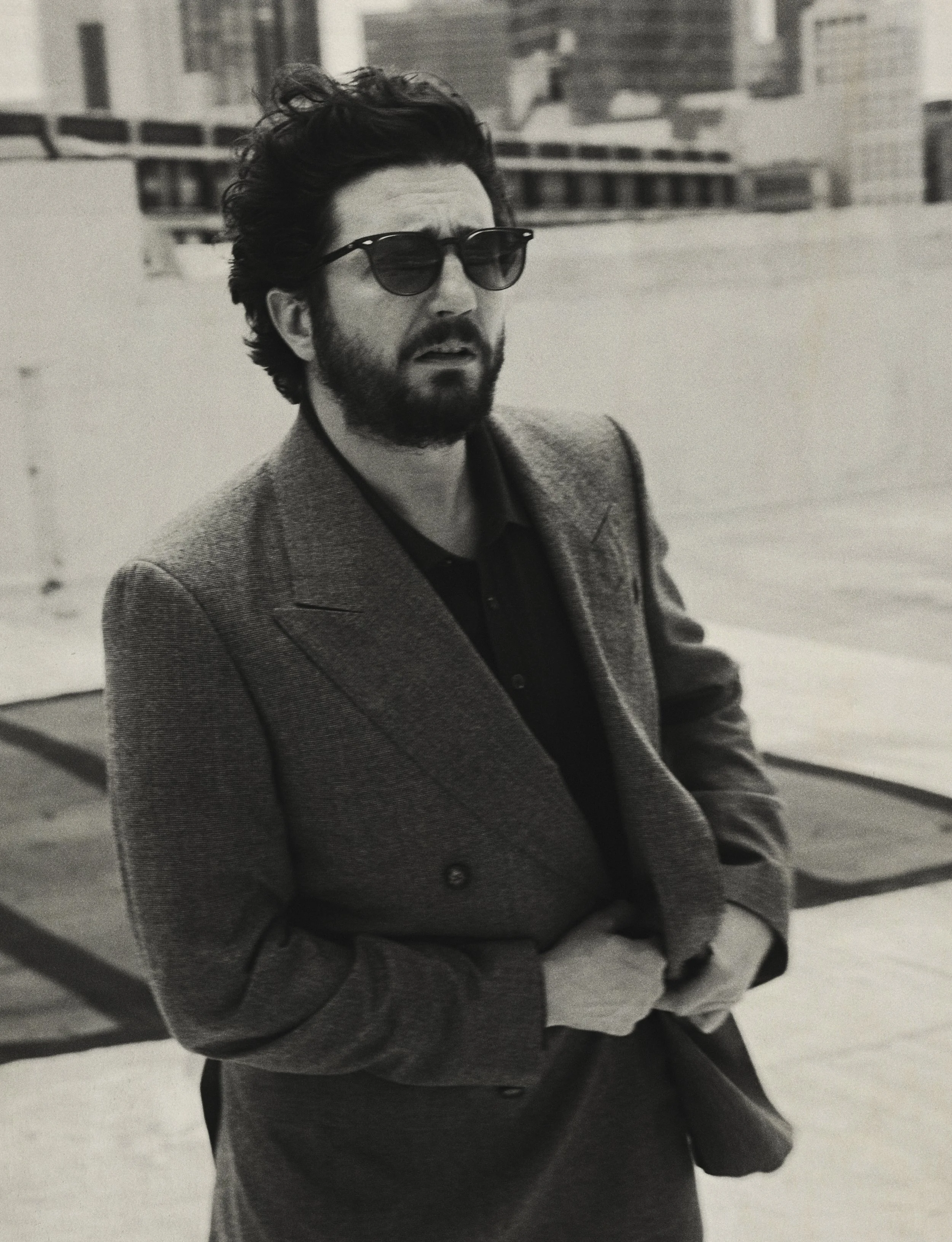
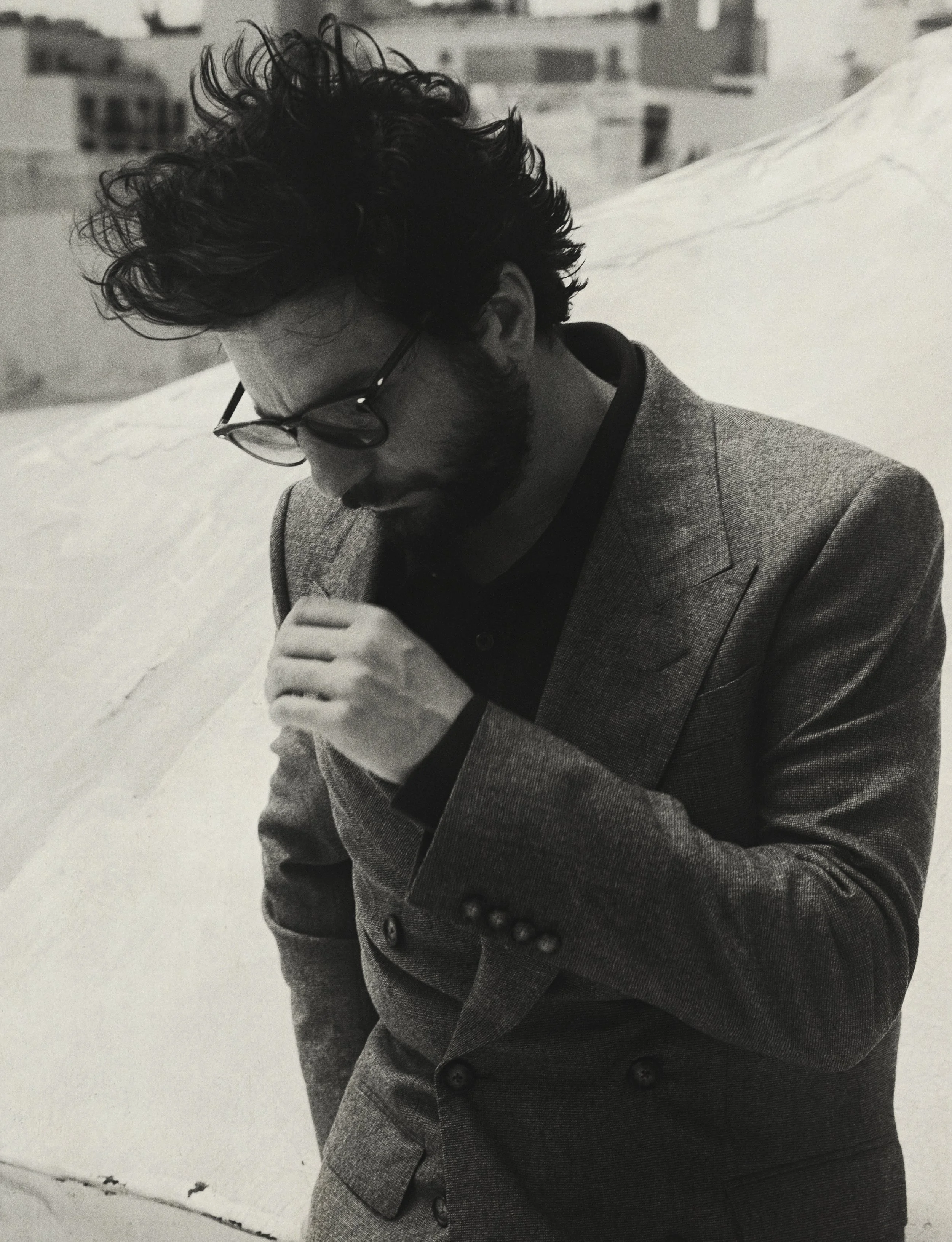
sweater, blazer, and trousers BOSS
sunglasses MOSCOT
Many of your performances are defined by restraint rather than overt emotional display. What is it about understatement as a cinematic tool that interests you?
I would argue that demonstrative storytelling has always been there. Even when I was a kid, those are often the first films you watch, where everything is laid out for you. The emotions are clear. Right and wrong are black and white.
But going back to my personal taste, I think the grey area and the subtleties of nature are far more intriguing. That’s not to say there isn’t a time and place for bold storytelling, but I don’t want subtlety to be crowded out. There is a lot to be learned in what’s said between the lines. To have the opportunity to work in that space is a really fortunate thing, because it is kind of rare nowadays.
COLE WEBLEY’s 2025 film, Omaha, confronts economic instability, fatherhood and quiet emotional survival through an intimate lens. What drew you toward its exploration of precarity and contemporary American life?
When you watch the film, I think it’s pretty clear, especially with that role. It was a part that really spoke to me. It is so much of what is going on in America currently. There are so many people struggling, which has always been true, but it feels like it’s rapidly growing. The disparity between rich and poor, the lack of safety nets and help for people in their most desperate moments, whether financially or mentally, all of that is present in this character.
And then there is the component of being a father, which I am myself. That really drew me into it. It was unlike anything I had ever played. Even though it was Cole’s first feature, the language on the page was so rich and enticing that I knew I had to be part of it.
The Mastermind from 2025 marked your third collaboration with Kelly Reichardt. What continues to draw you back to her cinematic world?
It’s gotten much simpler. There’s a shorthand there now. At the end of the day, we’re friends, which is really a joy. When you’re doing anything creative in a collaborative form, the better you know each other, the easier it becomes. You have a history, a language, an understanding of how the other person works.
But beyond the friendship, as a film lover, I think Kelly is one of the best filmmakers working right now. I think she’s doing something incredibly unique. She’s one of those people who could call me and I’d be happy to do anything for her, whether that’s making sandwiches on set or playing a part. I just think she’s doing something so special.
Köln 75 (2025) is a film that places music, performance and artistic mythmaking at its centre through KEITH JARRETT’s legendary concert. What fascinated you about inhabiting him?
I knew of Keith Jarrett before, but once I read the script and started listening to his music, I immediately wanted to play him. The love people had for that concert and album really blew me away. Learning piano and inhabiting such an iconic jazz figure was exciting, but difficult. Since he wasn’t involved, we spoke to people close to him and tried to find our own impression of him.
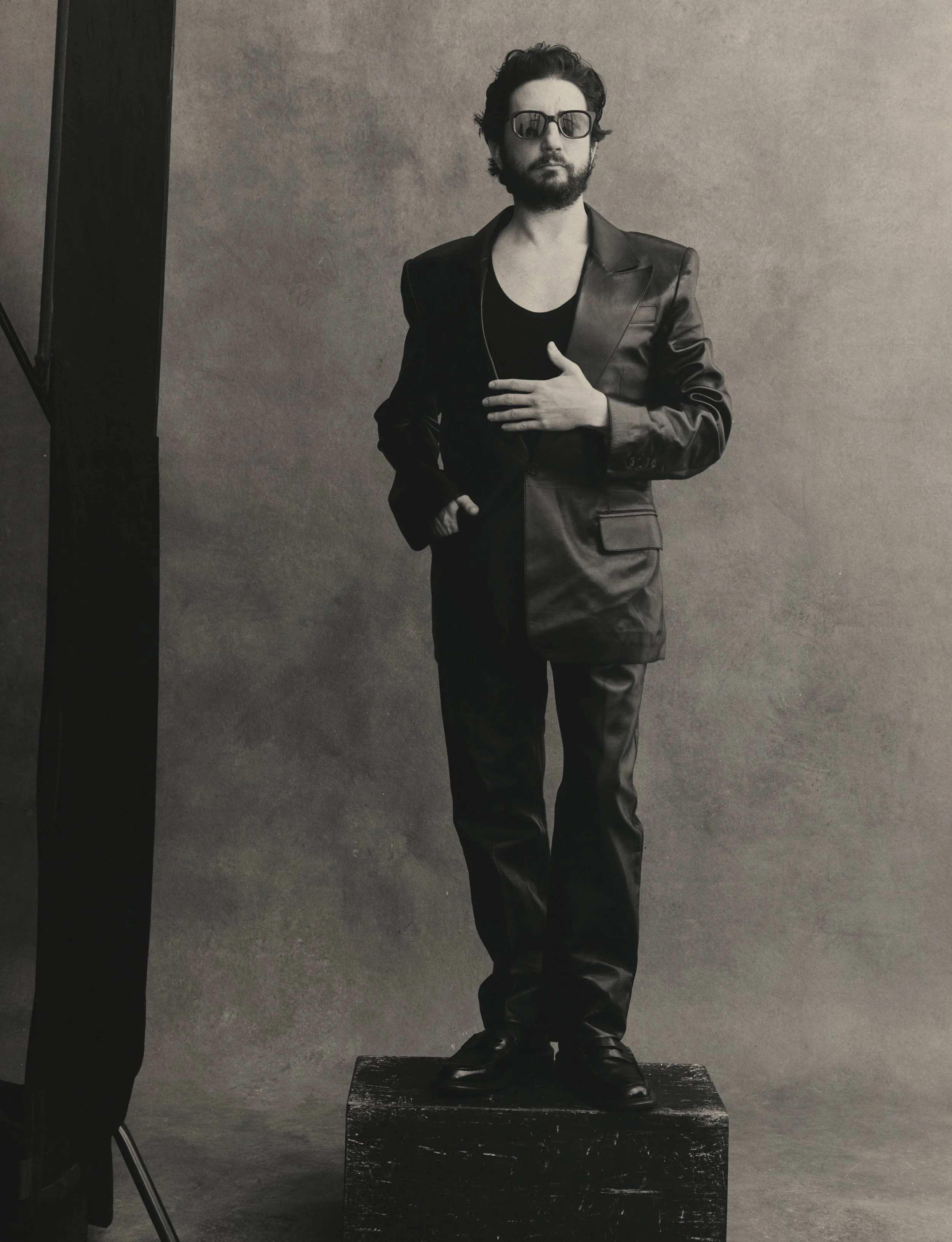
blazer, trousers, and loafers GIVENCHY
sunglasses SATO
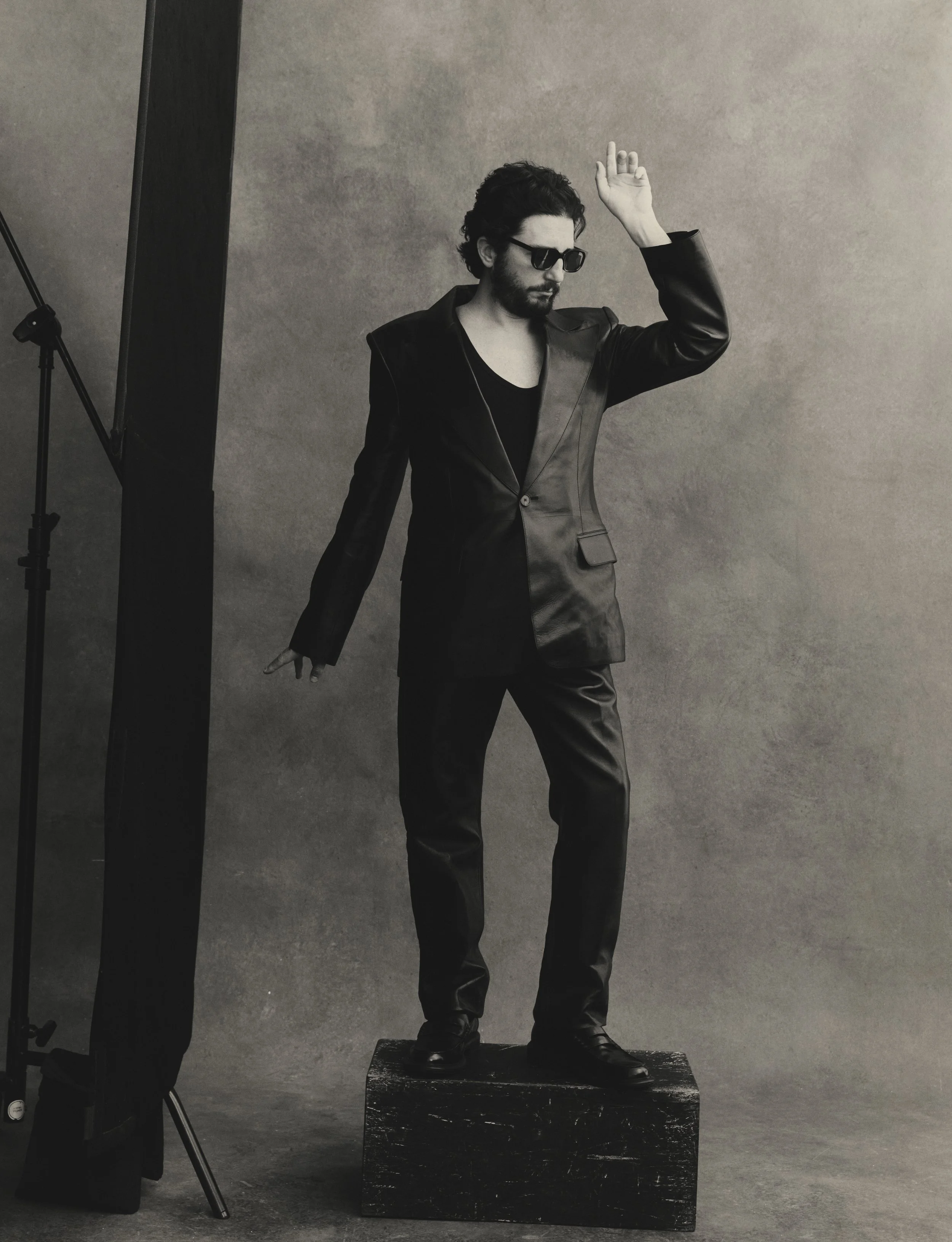
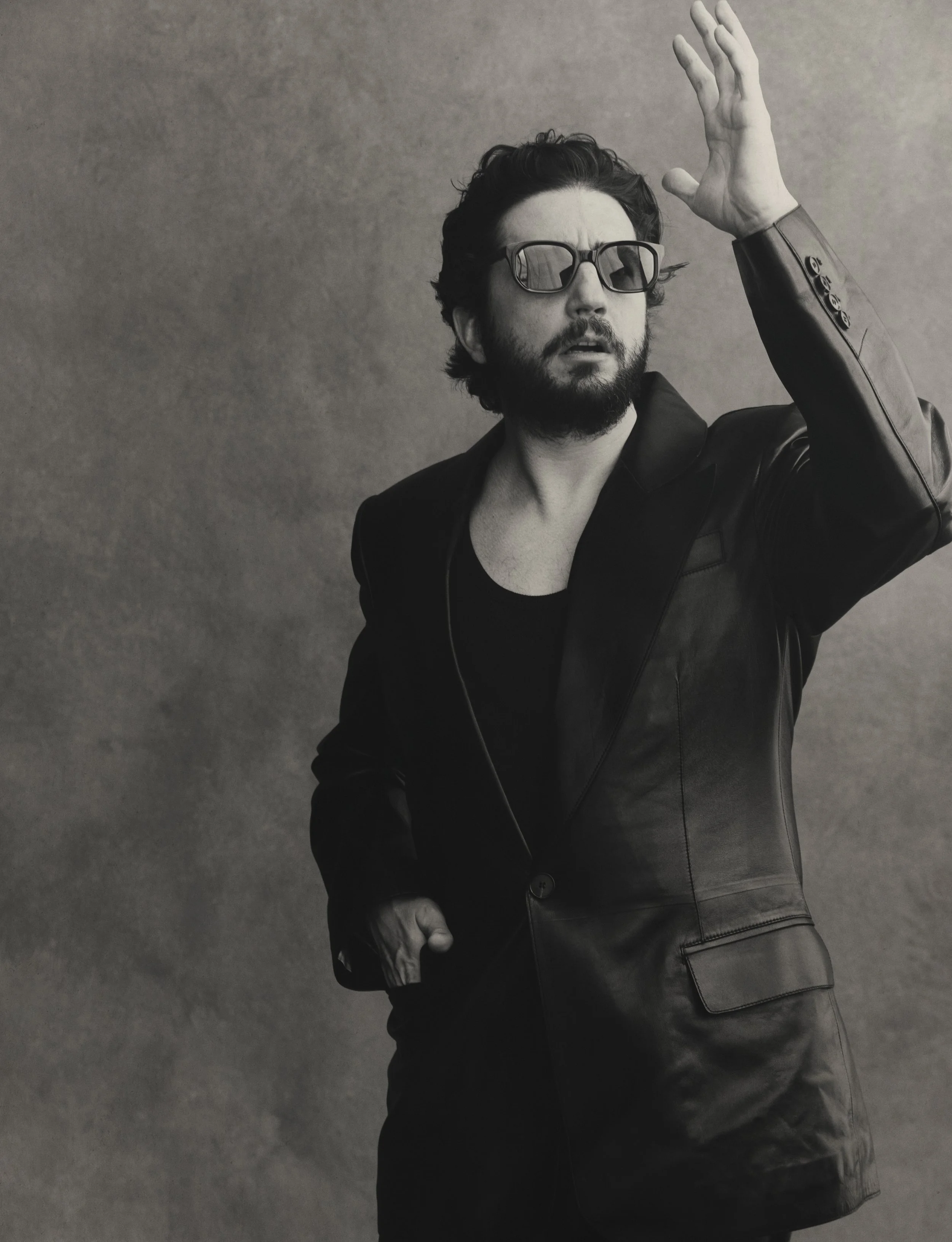
Across projects like Past Lives (2023), September 5 (2024) and First Cow (2019), your work often engages with history, memory, longing and systems larger than the individual. Are you drawn to films that place personal emotion within broader cultural or political contexts?
Yes, I think you just hit it on the head. That’s exactly my mission. Those are the kinds of films I love. And then, if you add the historical element, because I’m a history nerd, then it’s the best thing ever. History with a social context, work that asks questions or offers a new perspective on things that maybe weren’t discussed in the broader sense of that history. I love doing that stuff.
I also think when you visit history, it’s a chance to learn. Unfortunately, I don’t think we do that enough. Our collective memory is incredibly short. But if you visit the past and are willing to learn from it, you can avoid a lot of pitfalls in the present. And I think film is one way to do that.
With our current issue centred on the love of cinema, is there a film that changed the way you looked at life, art or storytelling?
Oh my goodness. That’s so difficult. There are so many. Probably one of the earliest was 2001: A Space Odyssey (1968). I saw it pretty young, and it was definitely above my way of understanding things at the time, but it showed me that cinema could be done in a very different way.
Then Funny Games (1997), the original MICHAEL HANEKE version, had that effect on me too. I saw it when I was still in college, and the subtle shifts in it, the class dynamic, all of that was really impressive to me.
And then The Apu Trilogy (1955, 1956 and 1959), which I saw later, around 30. I hadn’t really watched Indian cinema until then, and that was my first real introduction to it. The way that world was captured was really impressive. So, I’d say those three, though I could keep going. There are a million more.
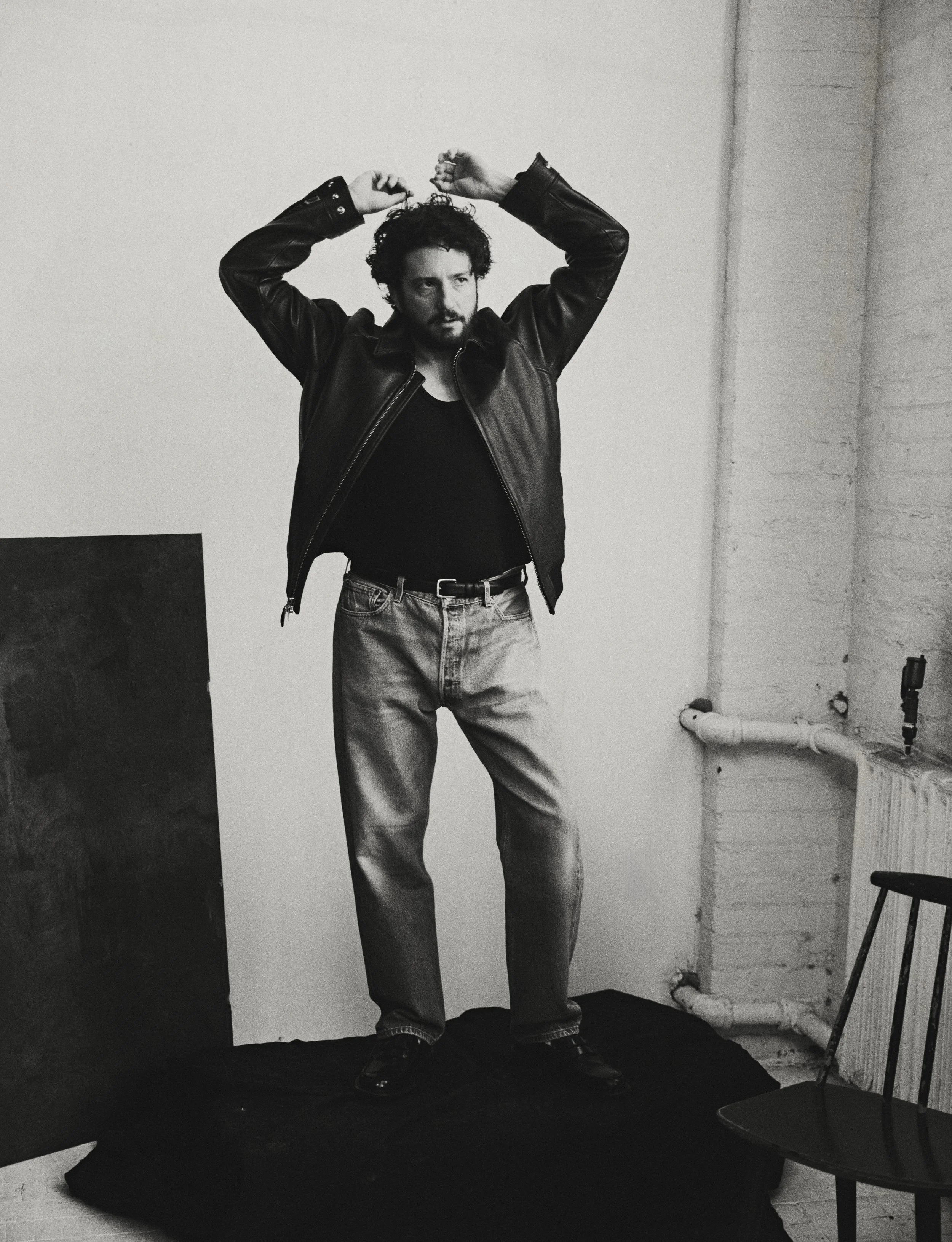
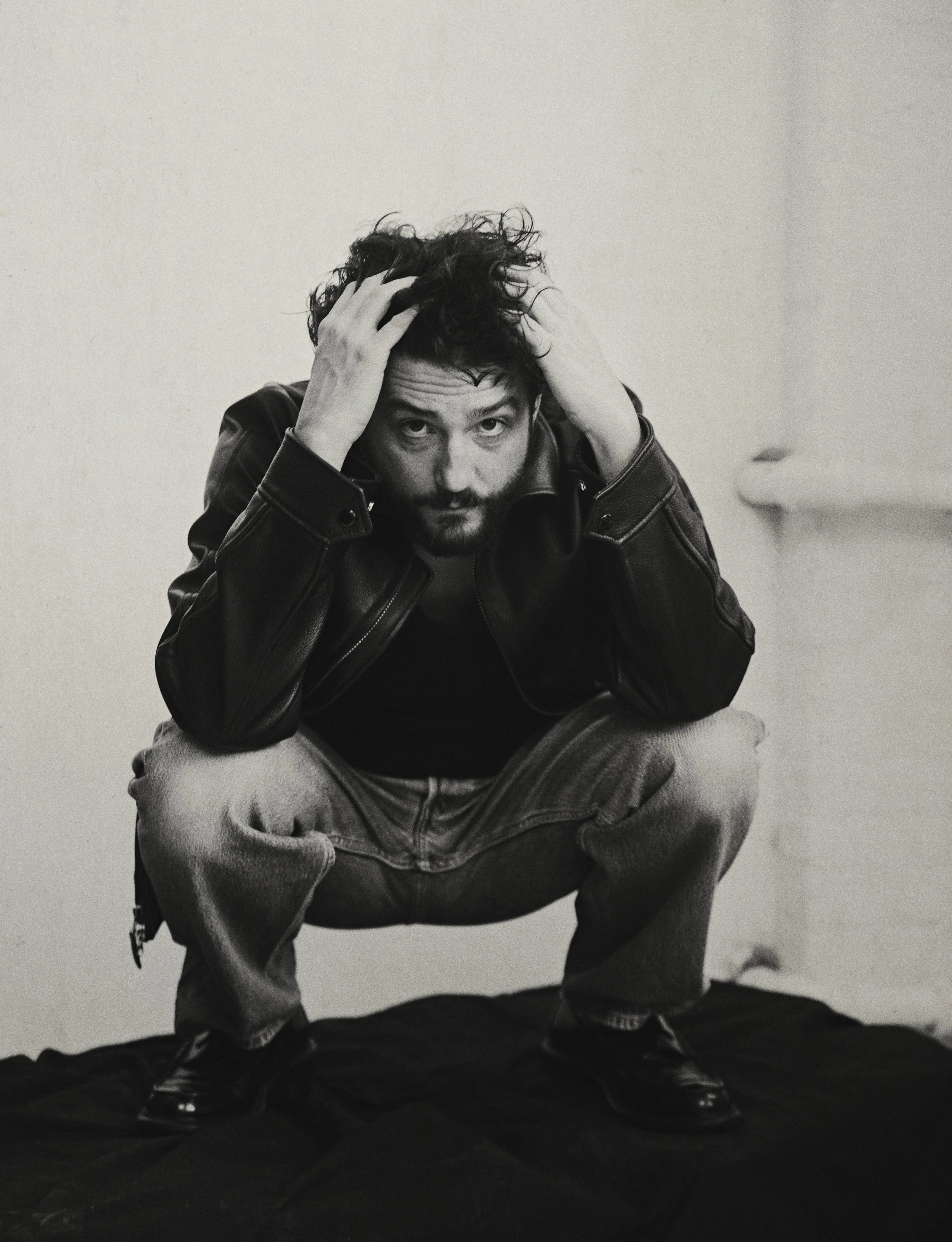
jacket AYR
jeans VINTAGE LEVI’S
loafers GIVENCHY loafers
tank CALVIN KLEIN
Having worked across film, television and theatre, does your understanding of performance change between mediums?
The way I approach it is that I have to be a truth teller, no matter the medium. Whether it’s film, television or theatre, that’s the basic job. With theatre, there is also the component of playing to a house of a few thousand people, so sometimes you have to speak louder, which I’m not a fan of, but you still have to find as much truth in it as possible. Television and film, especially now in this era of streaming television, have become very blurred. I think most actors today probably approach them in a similar way. But really, the basic job is to tell the truth.
Independent American cinema has undergone enormous shifts. As an actor deeply associated with that landscape, how do you view its evolution today?
It’s constantly changing, and I’ve seen a lot of things affect it. The financial collapse in 2008 affected it. Covid affected it. AI looming on the horizon, cinemas closing, all of that naturally impacts independent cinema. But independent cinema, almost by definition, is scrappy. It fights. You don’t do independent cinema if you don’t have a fighting spirit. I don’t know what the future holds, but I know I will continue to champion it, and I hope its voice will still be heard.
Your career has resisted obvious archetypes and the conventional leading-man trajectory. Has protecting artistic unpredictability been a conscious choice?
No, it hasn’t. I just don’t think I’m a conventional leading man. I never saw myself as that kind of guy, and I don’t think many people did either. I’ve always been seen more as a character actor, and I’ve always felt that way about myself. It hasn’t been an avoidance. I think it goes back to the material I respond to. I tend to respond to characters that have some sort of quirk about them. There’s something exciting to me about playing opposites, playing against expectation.
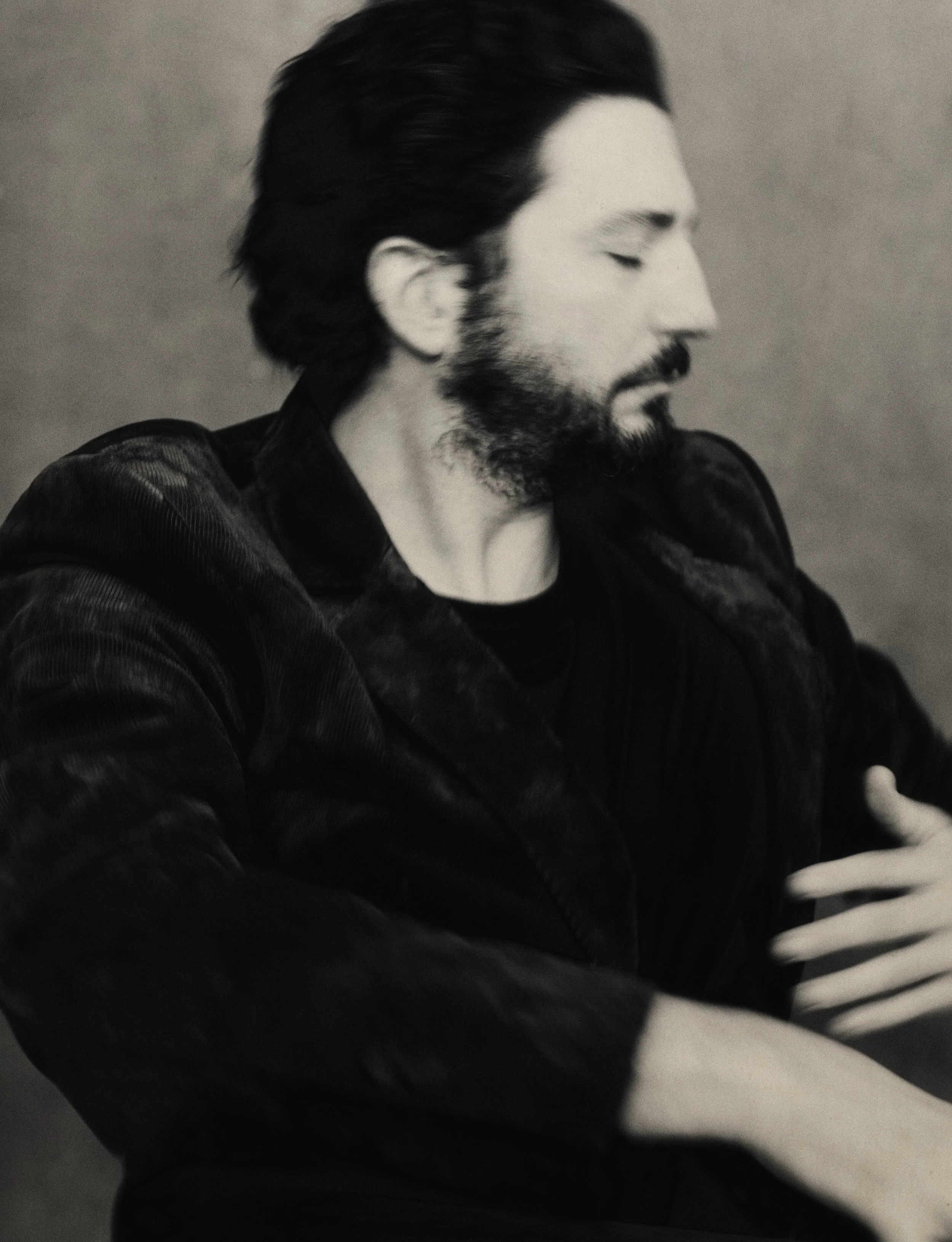
blazer and sweater GABRIELA HEARST
When you’re creatively recharging between projects, what reconnects you to inspiration and curiosity?
I love cooking and food. I love exploring recipes and cooking big meals for friends and family. I’m also a huge rock and R&B fan, especially music from the 1950s to the 70s, and I have a pretty extensive record collection from those eras. I also play the drums when I need to get some aggression out. Those are my creative outlets when I’m not working.
And then there’s my family. I have a daughter who’s six, and spending time with her is a tremendous joy. It gets me excited to come back home from a job.
After spending so much time inhabiting different characters, is it strange to move back and forth between that work and your private life?
Yeah. It’s a weird thing, the back and forth, but it’s fun. I think the healthy way is not to overthink it and to be able to let go as much as you can when you’re not on set. Otherwise, you’re probably going to go a bit cuckoo.
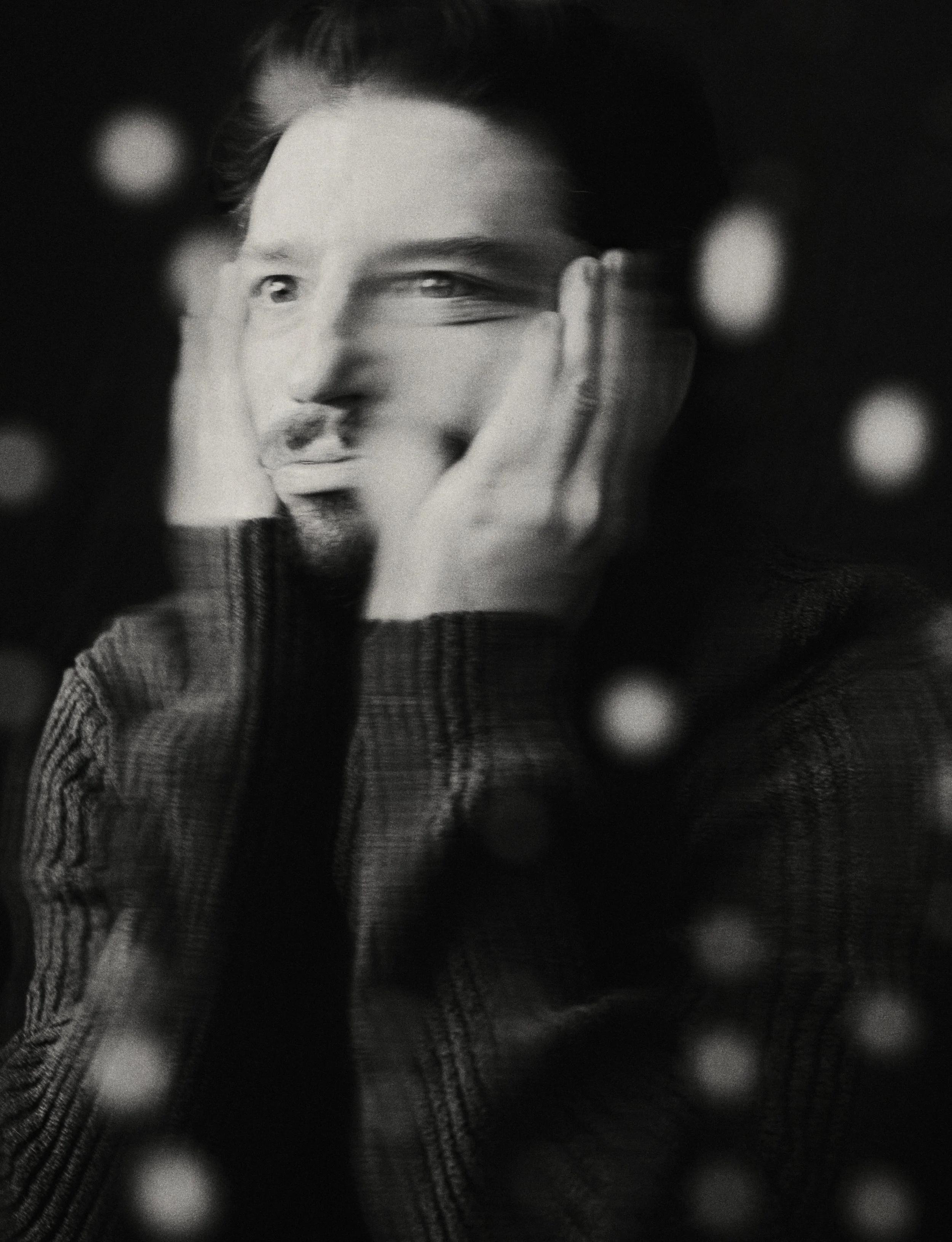
sweater LORO PIANA
TEAM CREDITS:
talent JOHN MAGARO
photography AARON KIRK
styling SEPPE TIRABASSI at THE WALL GROUP
grooming DANA BOYER at THE WALL GROUP
executive producer JAMES LENNON CHUANG
photography assistant MAX D'AMICO
styling assistant AMANDA ESTRADA
production assistant DAVID MATTOS
editor and interview TIMI LETONJA
words FRANCESCO PIZZUTI
