
Interview by Samo Šajn
Photography by Josh Katz
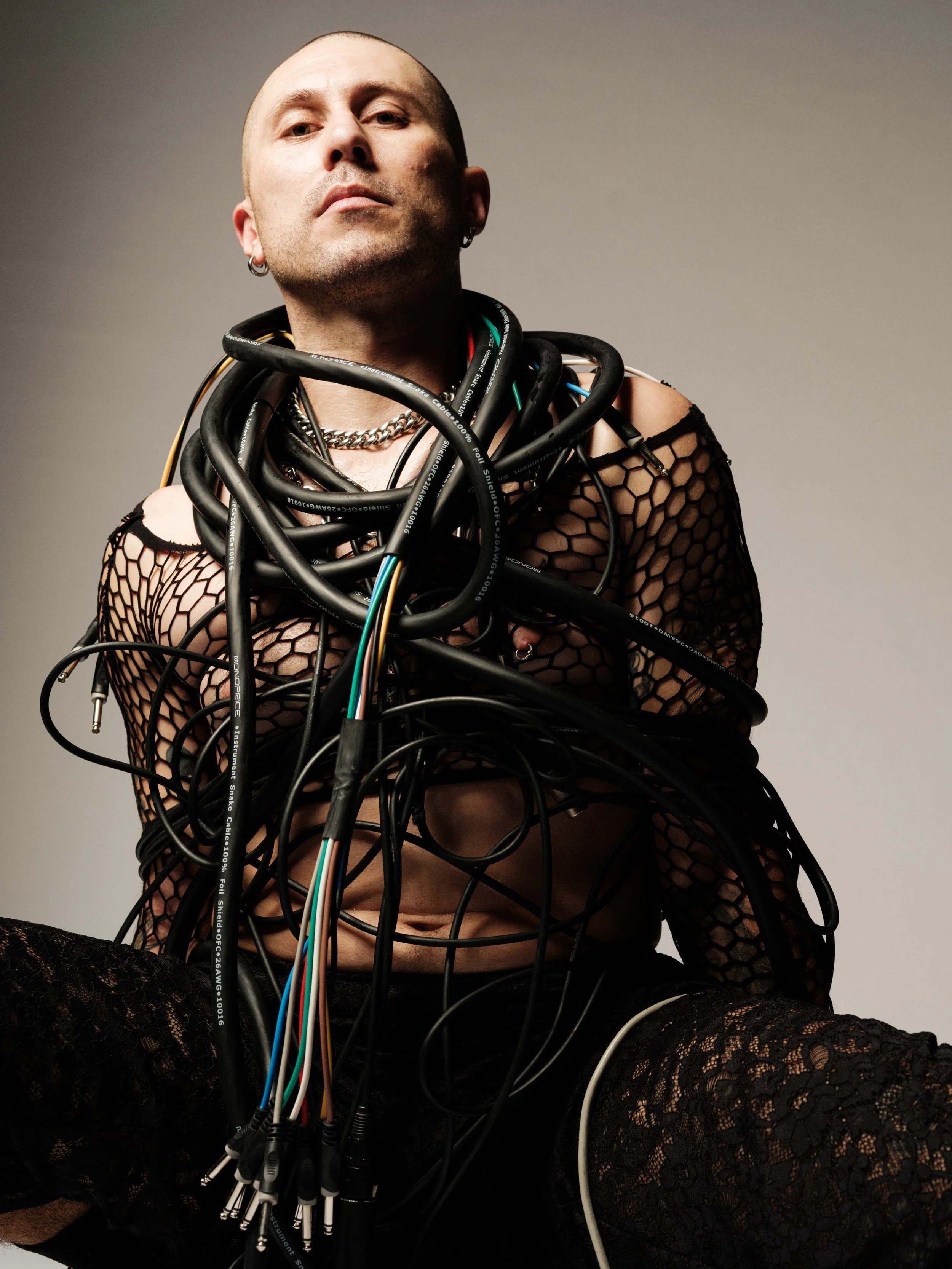
After years of playing in punk and hardcore bands, Los Angeles producer John Rojas turned to the human body for inspiration on “SKIN,” his mini-album for Noetic Music. Each of the five original tracks takes its name from a body part, giving Rojas a starting point to explore movement and learn to trust his instincts as a solo artist. We caught up with him to talk about making the record, the joy of getting things wrong in the studio, and his live session with David Castellani and Chris Liebing at ADE.
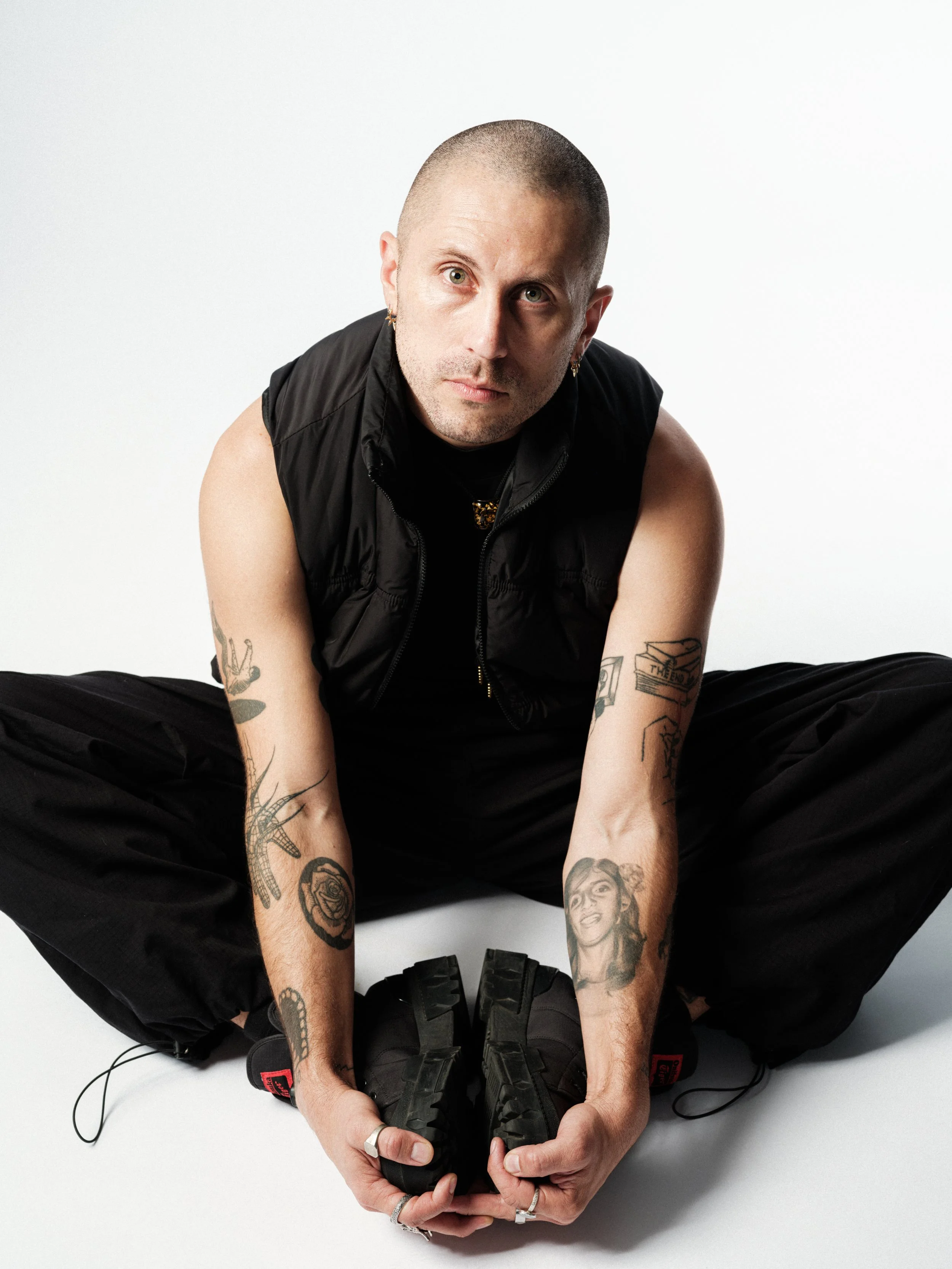
For “SKIN,” you chose a body part before each studio session and let it guide the music. How did that process work?
Since I knew what the record was ultimately about, I wanted to give the sounds a symbolic meaning, and the first thing that came to mind was the human body. The idea was to have specific parts of the body represent movement, so I thought about how the sound might make each body part move. For example, “Mouth” illustrates a conversation. The sounds represent mouths moving.
I took a different approach to each track. That was the exciting part: I could visualize the sound and let it lead me into unfamiliar territory.
You’ve described the project as a way of confronting your personal and social insecurities. What did making these tracks help you understand about yourself?
This record helped me understand myself as an artist and the way I approach my craft. A lot of it has to do with how natural it is for artists to look for validation. I wanted to confront that impulse so I could find my own voice without relying on validation. I was looking to grow, and I still am. To me, growth starts with the kind of raw, honest self-reflection that scares you. Facing that opens the door to a new world.
Coming from punk and hardcore, what first drew you towards electronic music, and how do those roots still influence your sound?
I’ve been going to raves since I was 18, and I’ve always been part of the underground community. I was naturally drawn to that world and its energy, and eventually I started making electronic music myself.
My band MACHINEKIT was another way in. We’re an aggressive band with a very electronic sound, and we use drum machines and synthesizers alongside our other instruments. Being in the band keeps expanding what I know about everything from gear and synthesis to mixing and production. The more I learn, the more I love electronic music and what you can do with it.
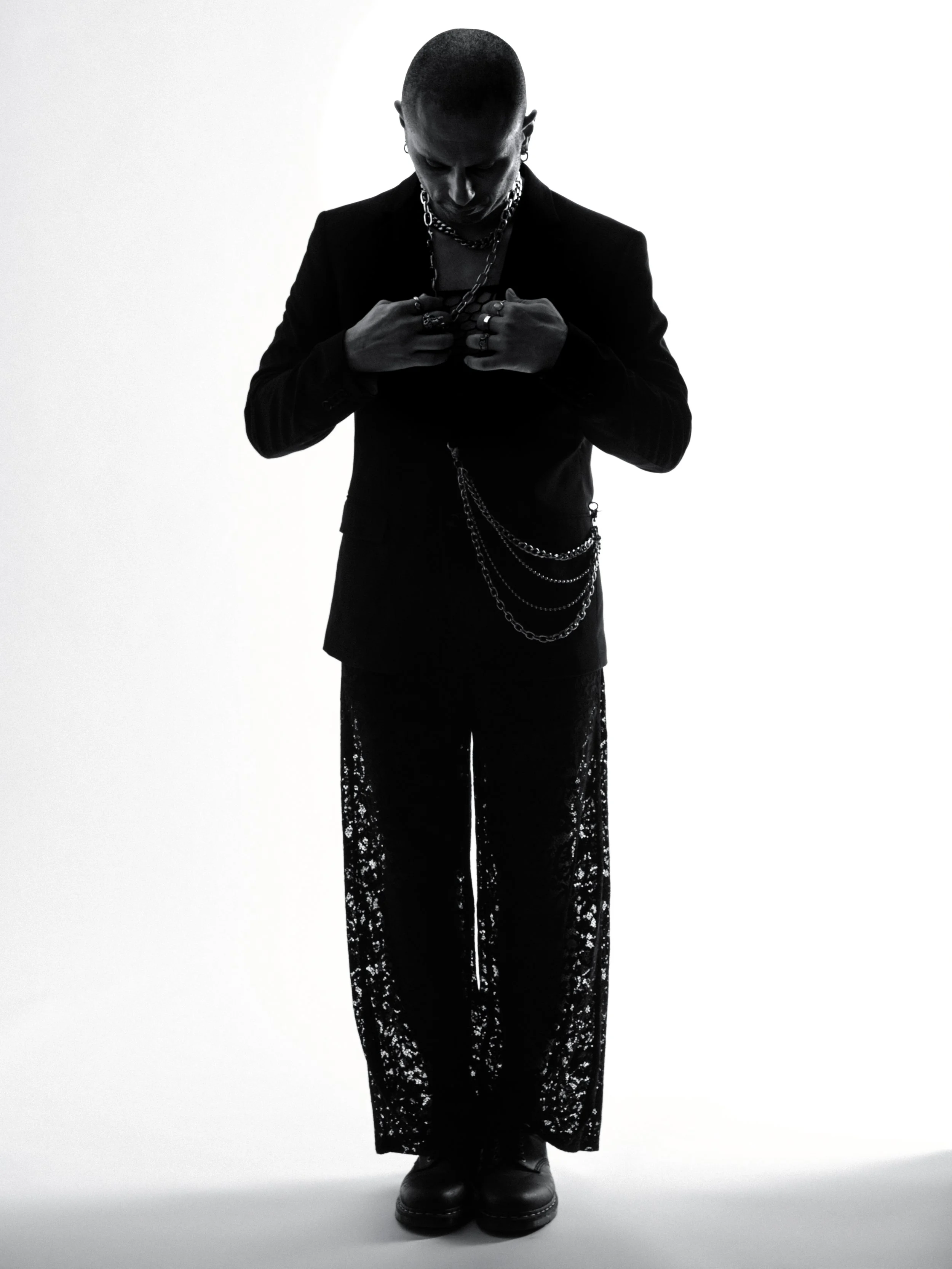
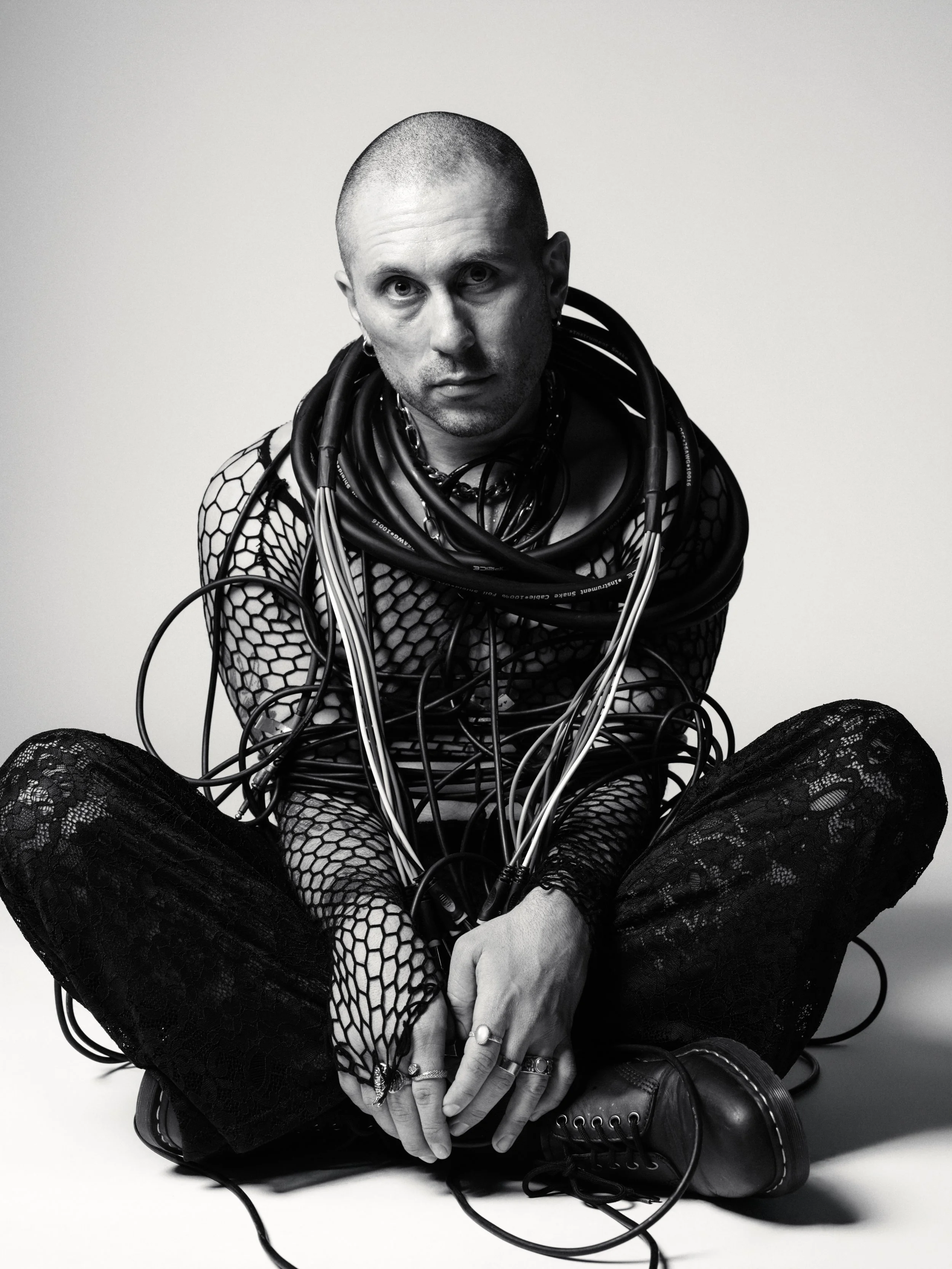
You’ve spoken about the vulnerability of making music alone after years of playing in bands. What did you find most challenging, and what did you enjoy about having that independence?
The hardest part is exactly what the record is about: learning to trust yourself without looking for validation. In a band, it’s easy to turn to a bandmate and ask if they think a riff is cool. When you’re making all the decisions yourself, it’s hard not to think about what other people might think. You have to trust your instincts. It’s challenging, but it’s also rewarding.
The same things that made me anxious also excited me. Once I leaned into the fear and got clear about what I wanted to do, I felt like I was feeding my soul. As weird as it sounds, I started to enjoy that fear.
Spontaneity, mistakes and imperfection were central to making “SKIN.” Can you share a moment when an unexpected sound or mistake became an important part of a track?
“Oblique” is the best example. The entire thing is one giant mistake. It was the last track I wrote, and I had no intention of putting it on the record.
That session was fun. I kept thinking about the way I perform in MACHINEKIT. I jump on everyone, I eat the microphone, and I do stupid shit. I wanted to capture all that movement, and I think “Oblique” really does that. I made most of the sounds on the spot and performed the automation in real time. I just went with my gut the whole way through.
The five originals move between hypnotic techno and broken beats. What connects them for you, and how did you choose which tracks would make the final release?
Honestly, these five just felt right. I wrote a lot of tracks, and I like to give myself time to sit with them before deciding what to release. I spent months thinking about it. What ties these five together for me is the vibe, the intention behind them, and how clearly they express the theme as a group.
You and David Castellani first bonded over music and gear. How did that friendship develop into a creative relationship, and what made Noetic feel like the right home for “SKIN”?
Dave and I met in 2023 through our partners. We immediately bonded over our love of music and gear, but we also got along beyond that. When he lived here in Long Beach, we spent a lot of time together in the studio. We made all kinds of music and got to know how each other worked. We grew closer through those sessions, and that really inspired me.
When I finished “SKIN,” my girlfriend, Brenda, was the first person I showed it to. Dave was the second. He liked it right away and eventually offered to release it on Noetic. It was a no-brainer. Our hangs and studio sessions had helped inspire the record, so getting to release it on his label felt like coming full circle. Truly a blessing.
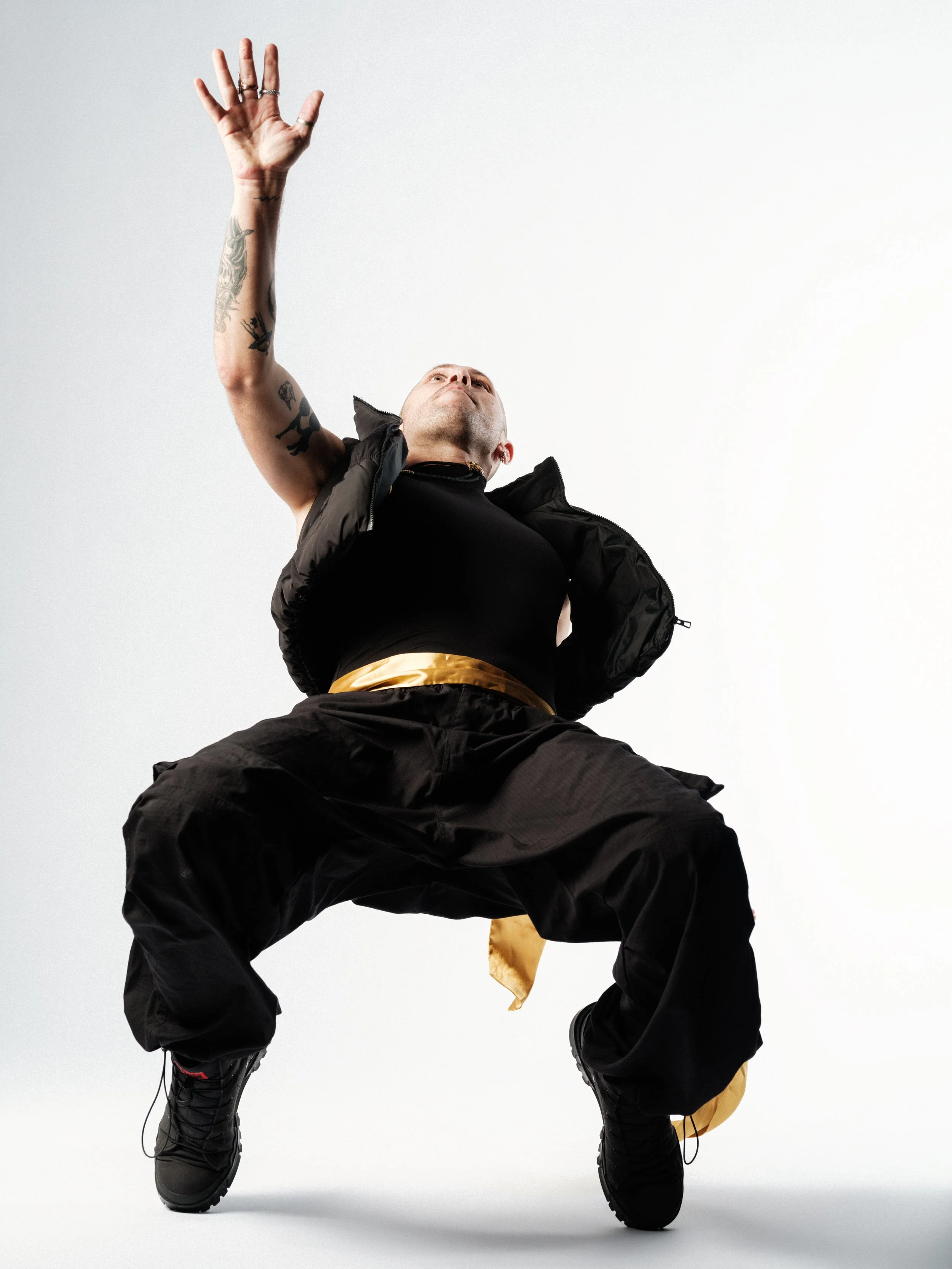
“SKIN” includes remixes by MAEDON, Trovarsi and David Castellani, and Unfuckable. What surprised you most about hearing other artists reinterpret such personal material?
Everything. It’s always exciting to hear someone take your work in a different direction. Each remix is awesome, and I enjoyed every second. It was an honor to have MAEDON, Trovarsi and Dave remix my work.
As a multi-instrumentalist and live performer, how do you translate your studio productions into a live set, and how much room do you leave for improvisation?
Live sets are spontaneous by nature, and that’s where playing instruments and performing live come together for me. I love being hands-on, whether I’m making music in the studio or playing onstage. I want it to feel real and raw, so I always leave room to improvise and risk making a mistake.
At the Noetic x KEYI event during ADE, you played a live hardware set with David Castellani, and Chris Liebing. What was that experience like?
It was incredible, to say the least. It was an honor to play alongside a great friend and a legend. I was at a loss for words, so I just took it all in.
Before ADE, I flew to Lisbon to visit Dave. We spent most of our time in his studio, connecting our gear and working out what we could do together live. When Chris joined us, he jumped on the CDJs and beatmatched what we were playing. From there, we went on instinct. It was exciting and unpredictable, but it all came together, and there were so many moments when the three of us really clicked.
TONGUES video directed by ASTRAL PROJEKTOR
