
IN CONVERSATION WITH JUAN D’ONOFRIO
interview by TIMOTEJ LETONJA
Chispa Bistró opened in 2022 and has since become one of Madrid’s most reliable spots for anyone craving exceptional food. Chef Juan D’Onofrio who runs a Michelin-star kitchen talks about his cross-continental inspirations and love for simply great food.
Chispa Bistró earned a spot in the Michelin Guide just six months after opening. What do you think the Michelin inspectors noticed in those first months that so clearly defined Chispa?
I think they saw honesty. From day one, we cooked with a very straightforward energy, no pretenses, with a small team working with total dedication. Chispa was born with the idea of creating lively, very direct cuisine that moves people. I suppose they sensed that conviction and the intense pace we had from the very first minute.
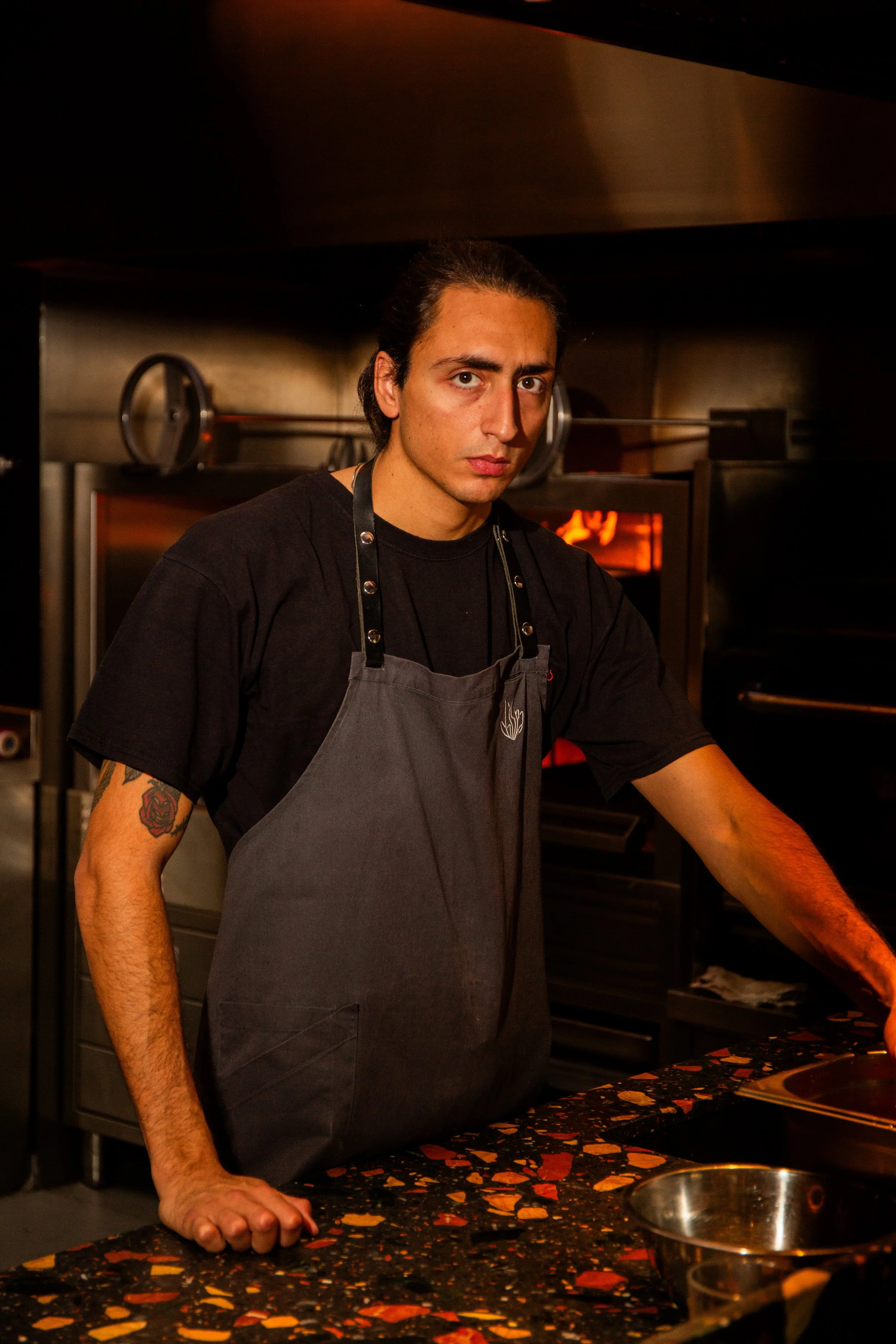
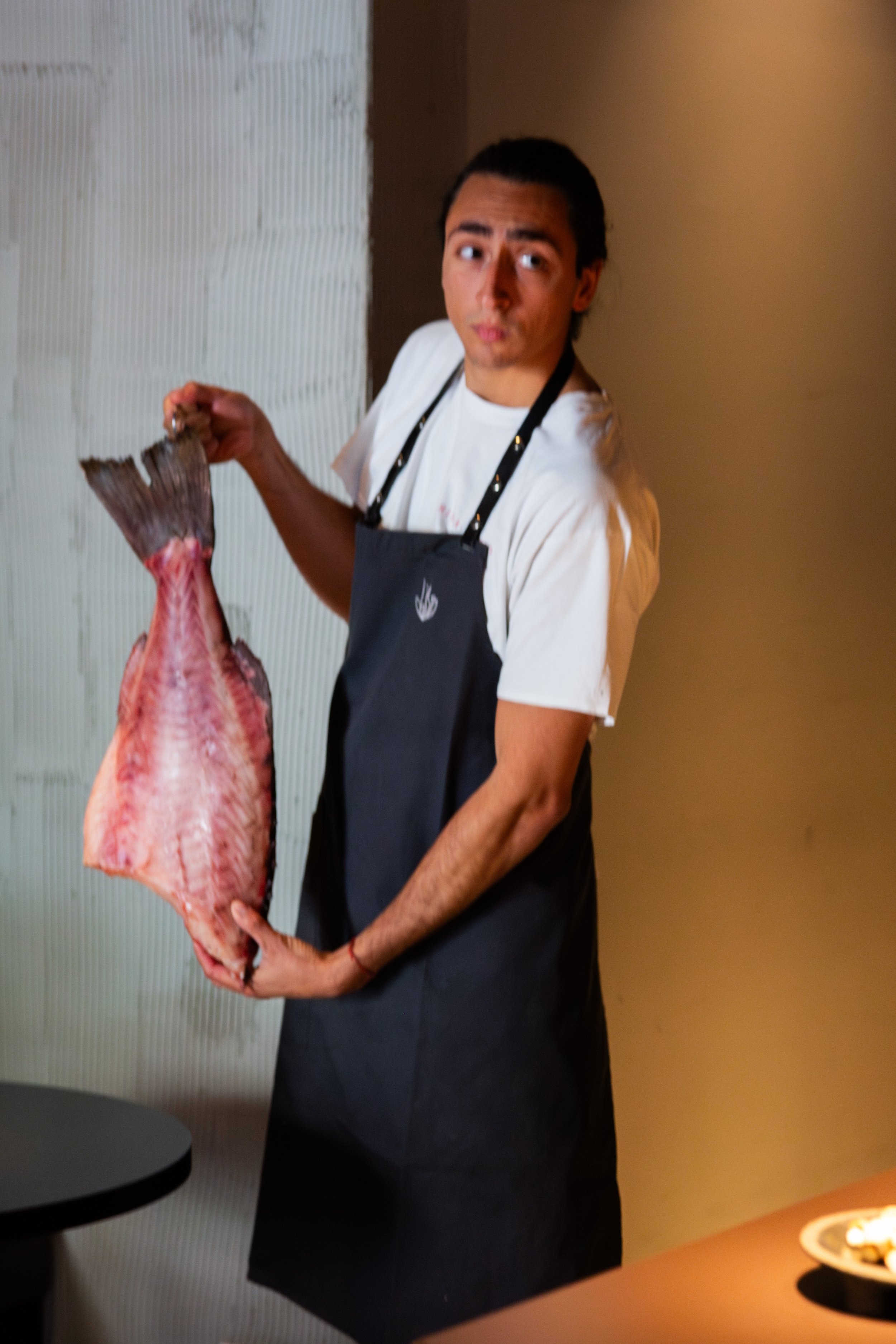
images courtesy of CHISPA
Your cooking is marked by an international journey that began in Buenos Aires and took you through Spain, Asia, and Latin America. How do you capture the world in a single dish?
For me, it’s very natural. When I cook, I don’t think about “adding Asia” or “adding Latin America,” but rather about working with flavors that have been with me for years. My mind works by mixing memories: a scent from Bangkok, a stew from my childhood, a texture I tried in Lima. All of that coexists, and when a dish is built with intention, it feels organic.
You’ve said that “the whole world is our pantry.” In a time when borders seem more blurred than ever, what does global cuisine mean to you?
It means freedom. I’m not tied to any particular tradition; I respect them all but submit to none. Global cuisine is being able to recognize that we live in a connected world, where an ingredient travels faster than an idea. It’s an invitation to explore without fear.
Seasonality guides your work, with dishes that constantly evolve, inspired by the moment. What do micro-seasons reveal to you that a traditional calendar does not?
Micro-seasons force you to truly listen. Nature doesn’t change abruptly on the 21st of each month; it changes day by day. Suddenly, you notice that a vegetable has more fragrance, or that a citrus is at its perfect point three weeks earlier than expected. These are very subtle signals that push you to adjust, to keep moving.
Sauces and stews are fundamental to your identity, almost like the emotional architecture of your cooking. What draws you so much to these slow and deeply expressive techniques?
I’m drawn to time. A sauce or stew forces you to care, to wait, to understand the order of each step. They are preparations that tell stories: they start with a sofrito and finish hours later with a flavor that cannot be rushed.
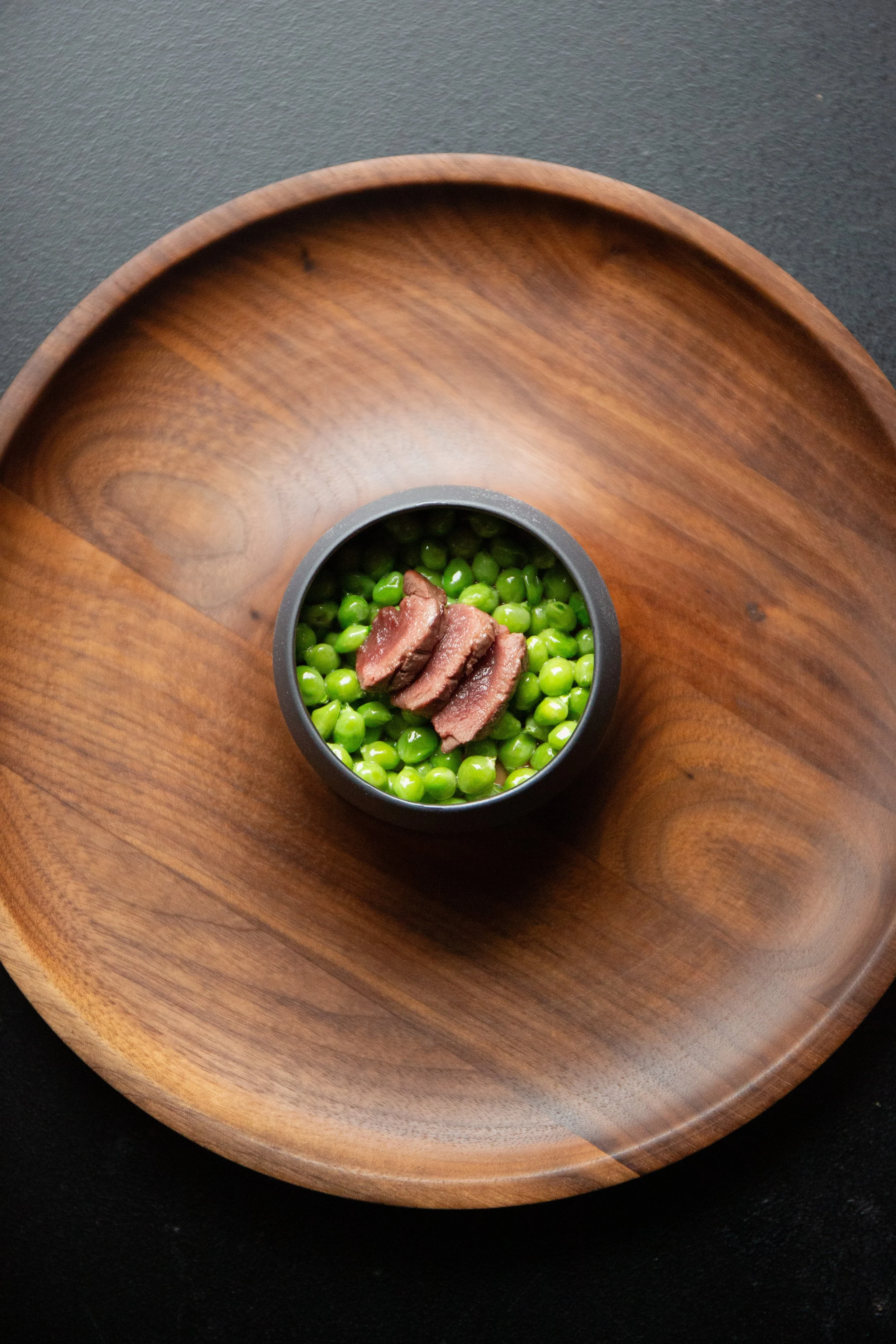

Sweetness, acidity, spice, smokiness… Your dishes are built on contrasts. What story do these juxtapositions tell about your approach to flavor?
They tell that I enjoy life with nuances. A dish with only one flavor note feels incomplete; I’m interested in that moment when the palate wakes up because something moves, something surprises. Contrasts are my way of keeping cooking alive and dynamic, of ensuring nothing is flat.
You’ve worked with chefs like Álvaro Garrido and Dante Liporace, names known for their intensity and vision. What was the most transformative lesson you learned in those kitchens?
From Álvaro, I learned the importance of purity: that a dish should have a clear idea. From Dante, discipline and ambition.
Argentina, your birthplace, and Spain, your current home, share a strong culinary tradition. How do these two worlds coexist at Chispa?
They coexist without clashing. Argentina gave me intuition and spontaneity. Spain gave me ingredients and technique. At Chispa, both are present: the Argentine soul and Spanish precision. And I think that mix is part of our identity.
Grilling is the foundation of your technique. What is it about fire that captivates you as a chef?
Fire is truth. It gives what you give it. If you know it, it brings you closer to the product; if not, it takes it away. I love that tension, that direct dialogue. Fire forces you to be present, to cook with your whole body.
Dishes like the shrimp, banana, and palo cortado plate have become emblematic. How do you approach creating a dish that is surprising and, at the same time, inevitable?
I aim for the surprise to make sense. I don’t want to surprise for the sake of it. I want that when you taste the dish, you say, “I didn’t expect this, but now that I try it, it makes perfect sense.” It’s like solving a puzzle you didn’t know existed.
After traveling the world, you chose Madrid, “the place where everyone finds their spot,” to open Chispa. What did you find here that made this project possible?
I found balance. Madrid has a very open, very human energy. It welcomes you, lets you do your thing, listens to you. I also found a curious audience, willing to try and go along for the ride. Without that, Chispa wouldn’t exist.