
IN CONVERSATION WITH JULIA FILIPPO
interview JANA LETONJA
Julia Filippo is part of a new generation redefining influence in fashion. With a global digital audience and a growing presence across the international fashion circuit, she has turned social media into a platform for personal style, experimentation and creative expression. Equally at ease on the front row at Fashion Week as she is speaking directly to millions online, Julia embodies the evolution of the modern It Girl: digital-first, globally connected and instinctively authentic. As her relationship with fashion deepens, we speak with Julia about developing a point of view, resisting the algorithm and what a new generation expects from style.

You’ve built such a significant audience at a young age. When did you first realise fashion could become more than an interest and actually turn into a career?
I think it happened when I started creating more content and allowing myself to experiment. I was trying new silhouettes, playing with different looks and figuring out what actually felt like me. Fashion became a way to express a point of view. Once I saw how strongly people connected with that side of me, I realized something I naturally loved could become a real part of my career.
How would you describe your personal style today, and how has it evolved since you first started creating content?
My style today is much more instinctive. Early on, I was influenced by what I saw around me and what was trending. Now I’m much more confident in my own taste. I love experimenting with proportion, mixing unexpected pieces and choosing things because they speak to me, not because everyone else is wearing them. My style has evolved with me.
Does seeing a collection from the front row change the way you understand a designer compared with discovering it online?
Completely. From the front row, you enter the designer’s world. You experience the movement, styling, music and atmosphere as one complete vision. Online, you might fall in love with a single piece. In person, you understand why that piece exists within the collection. It gives you a much deeper appreciation for the intention and artistry behind it.
You’re part of a generation that often encounters fashion through a screen first. Do you think social media has democratized the industry?
Definitely. Social media has made fashion far more accessible and introduced people to designers they might never have discovered otherwise. It’s especially powerful for emerging brands because they can build an audience and communicate a strong point of view without relying on traditional fashion institutions. You can discover an incredible designer anywhere in the world just by scrolling. It has opened fashion up to so many more voices and perspectives.
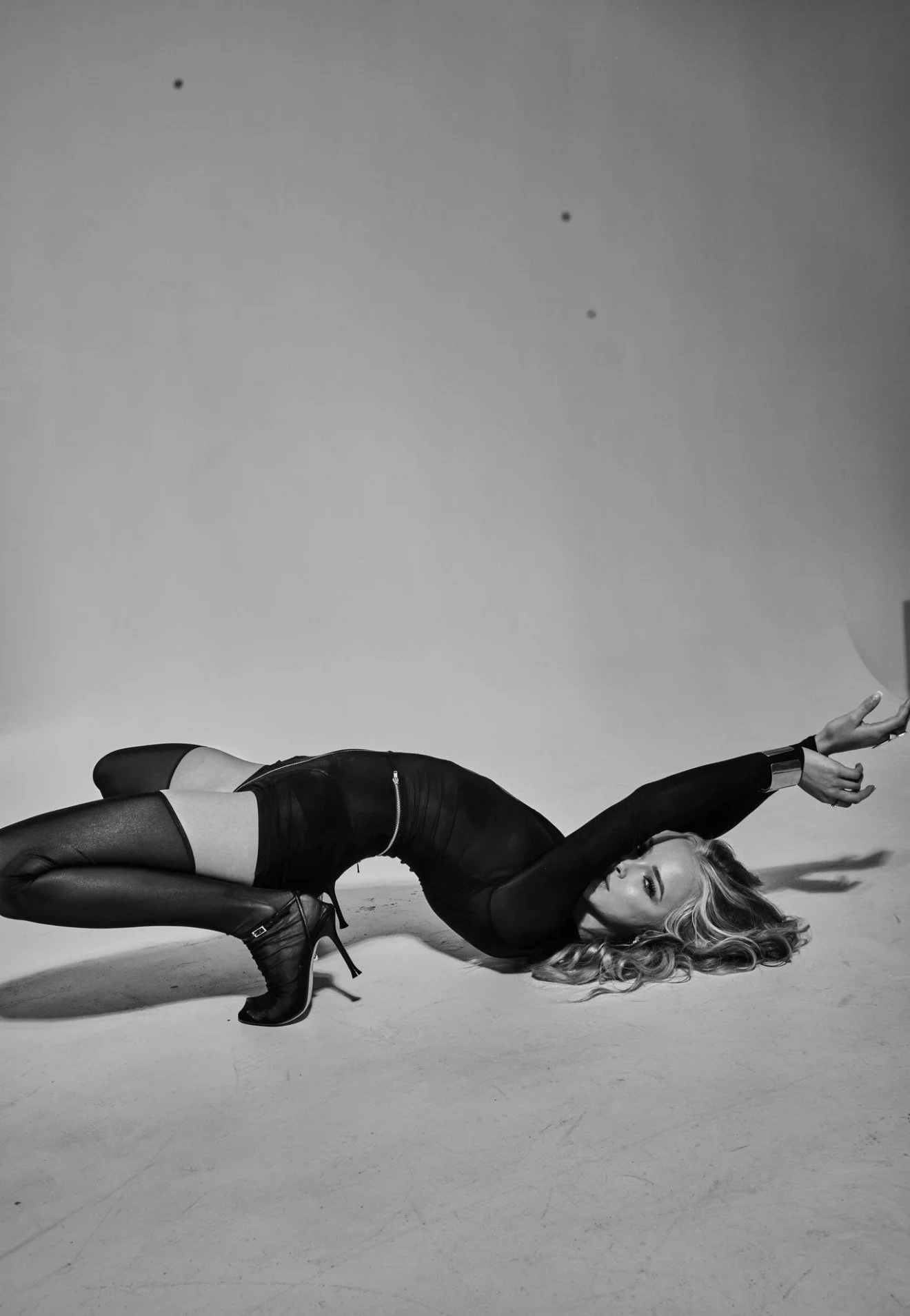
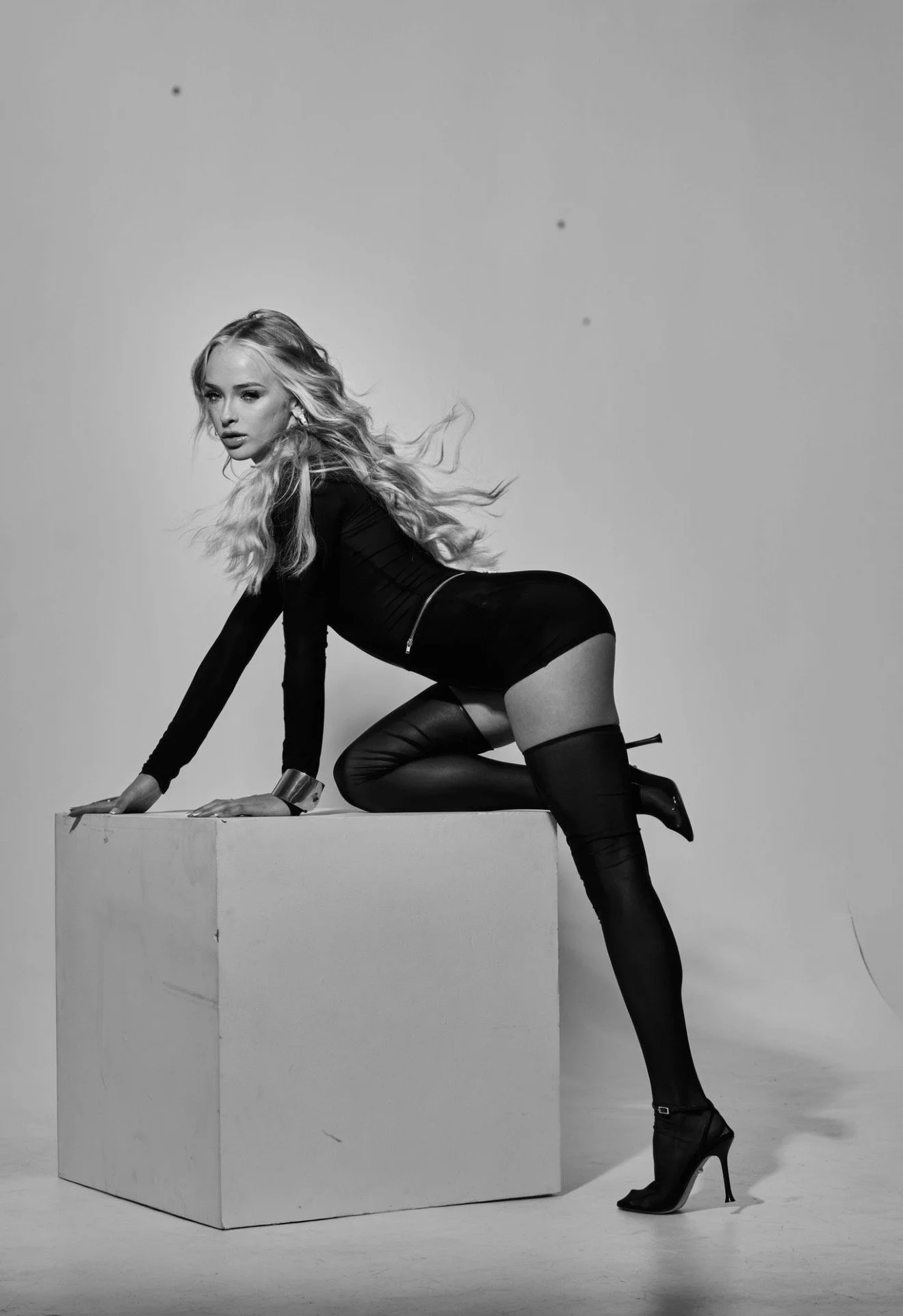
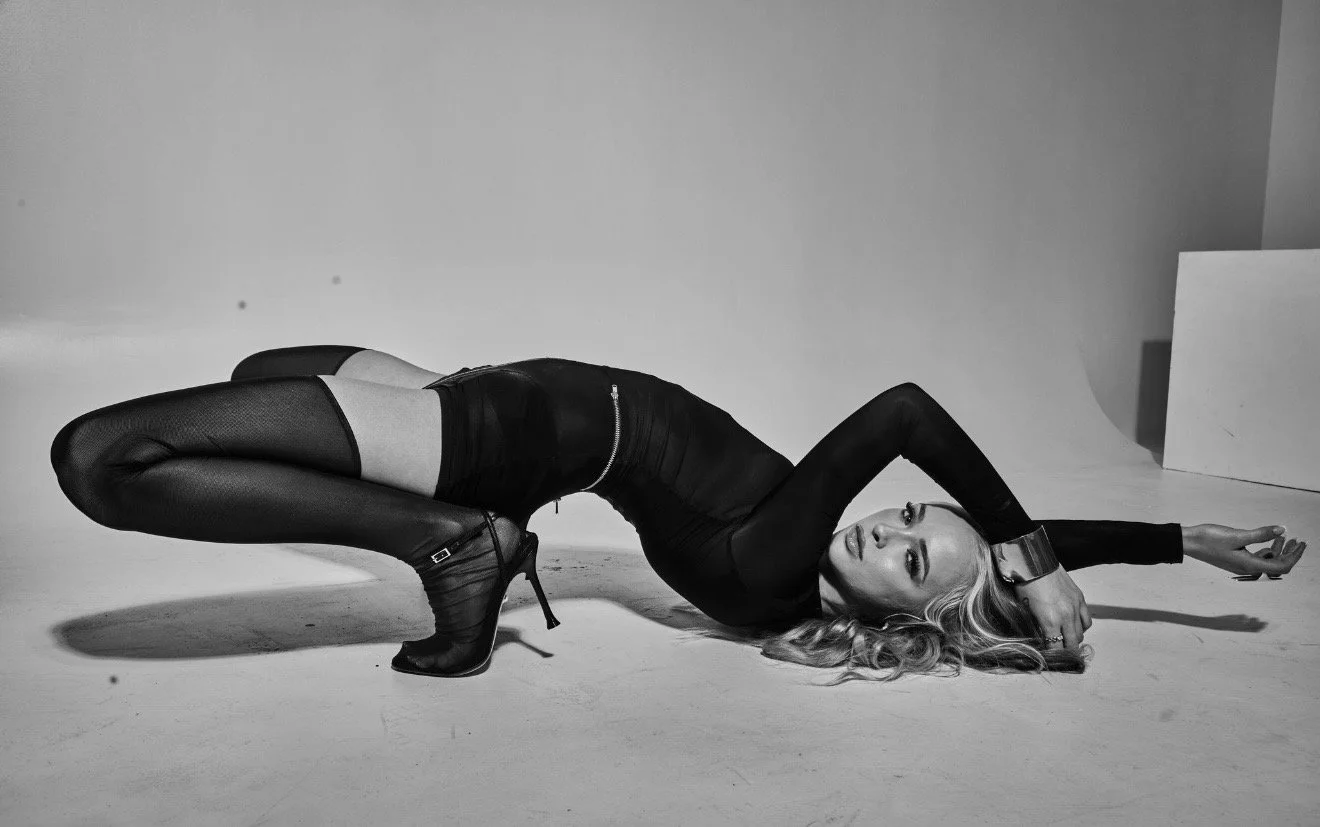
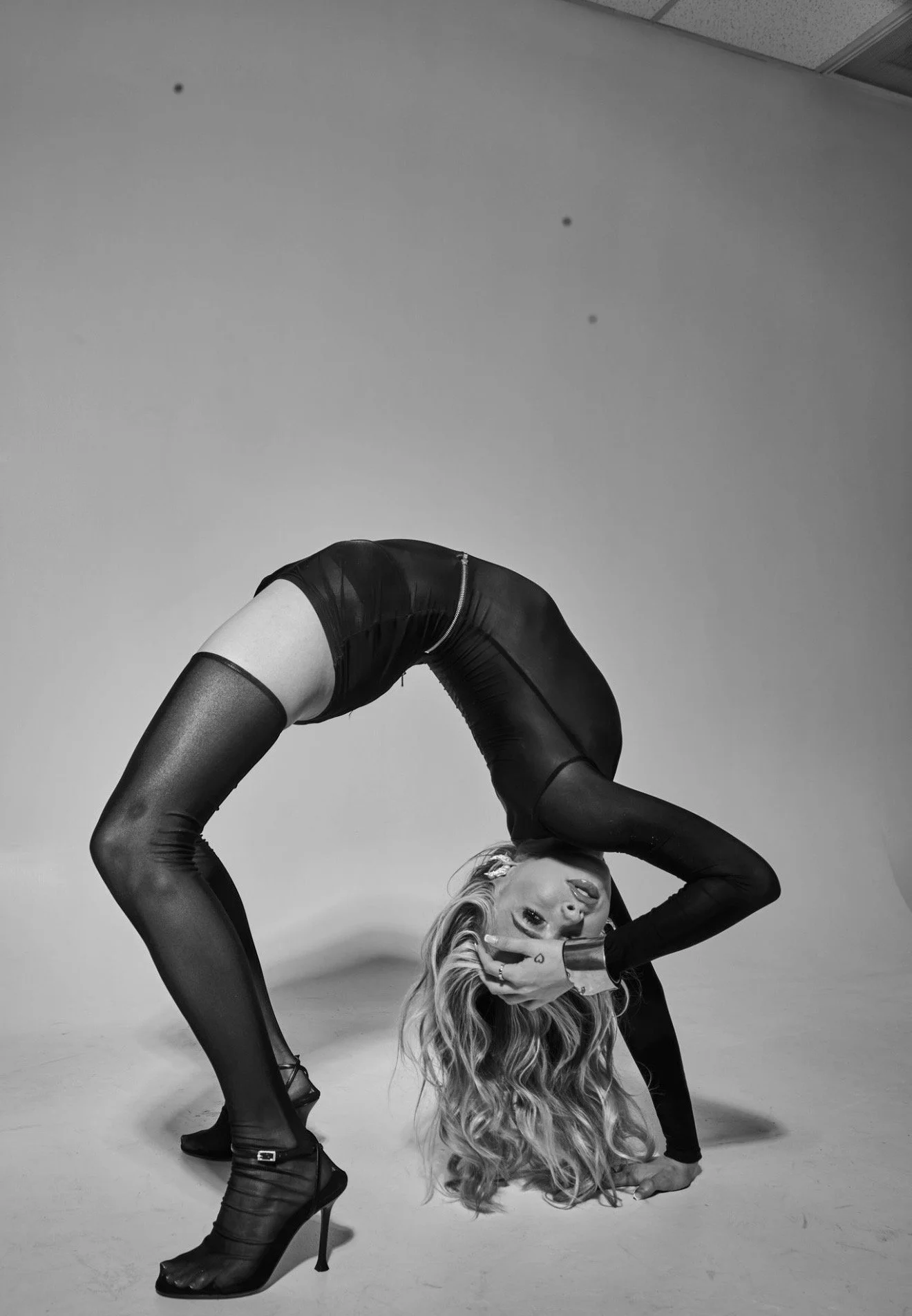
bodysuit LUNATIC FEMME
shoes ALEVÍ MILANO
earrings and ring SETURI
ring HEFANG
bracelet NORITAMY
At the same time, algorithms can encourage everyone to dress similarly. How do you maintain individuality when trends move so quickly online?
I don’t feel the need to participate in every trend. Sometimes I’ll go out and see so many girls in the same black bodysuit and jean skirt, and there’s nothing wrong with that, but it just isn’t me. I’d rather find something unexpected and make it my own. Trends move incredibly fast online, but personal style shouldn’t feel disposable. Individuality is always more interesting to me than blending in.
You move between luxury fashion and an audience that values relatability and authenticity. How do you balance those two worlds?
I don’t really see them as separate worlds. As I’ve attended more fashion events and worked with different brands, I’ve been able to explore a more elevated side of my style, but I can be completely casual the next day. Through vlogging, people see both. I’m not interested in presenting one perfectly curated version of myself. The contrast is what makes it real.
The term “It Girl” has returned in a major way. What do you think makes someone an It Girl in 2026?
To me, an “It Girl” is a woman with a strong sense of self. She has her own world and doesn’t reshape herself to fit someone else’s idea of what she should be. It isn’t just about what you wear, where you’re invited or who knows your name. It’s about presence, individuality and confidence. There’s something magnetic about a woman who completely owns who she is.
With millions of people potentially watching and commenting on what you wear, have you ever felt pressure to dress for your audience rather than for yourself?
Especially in the beginning. I would see girls online in yoga sets or tighter looks and wonder if that was what audiences expected from me too. It’s easy to absorb that pressure without realizing it. Now I’m much more protective of my own taste. I don’t want to wear something because I think it will perform well. I want to wear it because I love it. Fashion became much more fun once it felt like self-expression again instead of performance.
How do you separate Julia the person from Julia the public figure when so much of your career exists online?
I don’t really create a separate version of myself for the camera. I’m the same person on and off screen. I absolutely value having private time and being able to step away, but I don’t feel like I need to become a character when the camera turns on. What people see online is genuinely me. It’s just the parts of my life I choose to share.
Gen Z has a very different relationship with fashion than previous generations, mixing vintage, luxury, fast-moving trends and niche aesthetics. What do you think your generation is looking for from brands now?
I don’t think there’s one answer, and that’s what makes it interesting. Traveling has shown me how much style is shaped by place and culture. One city might be about vintage, layering and experimentation, while somewhere else is more minimal and comfort-driven. Gen Z has access to almost every aesthetic at once, but we interpret those influences differently. There isn’t one Gen Z uniform anymore, and brands have to understand that.
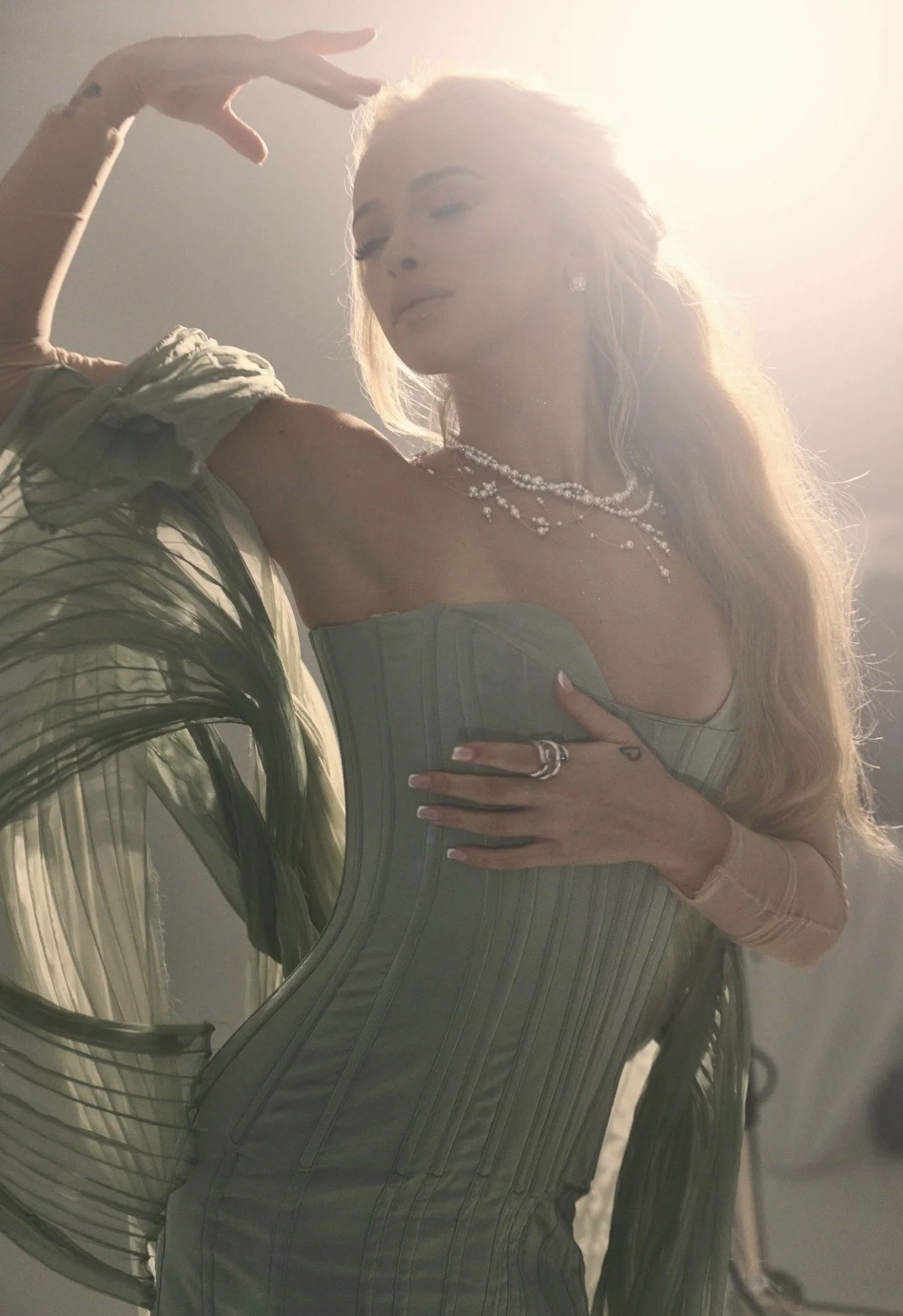
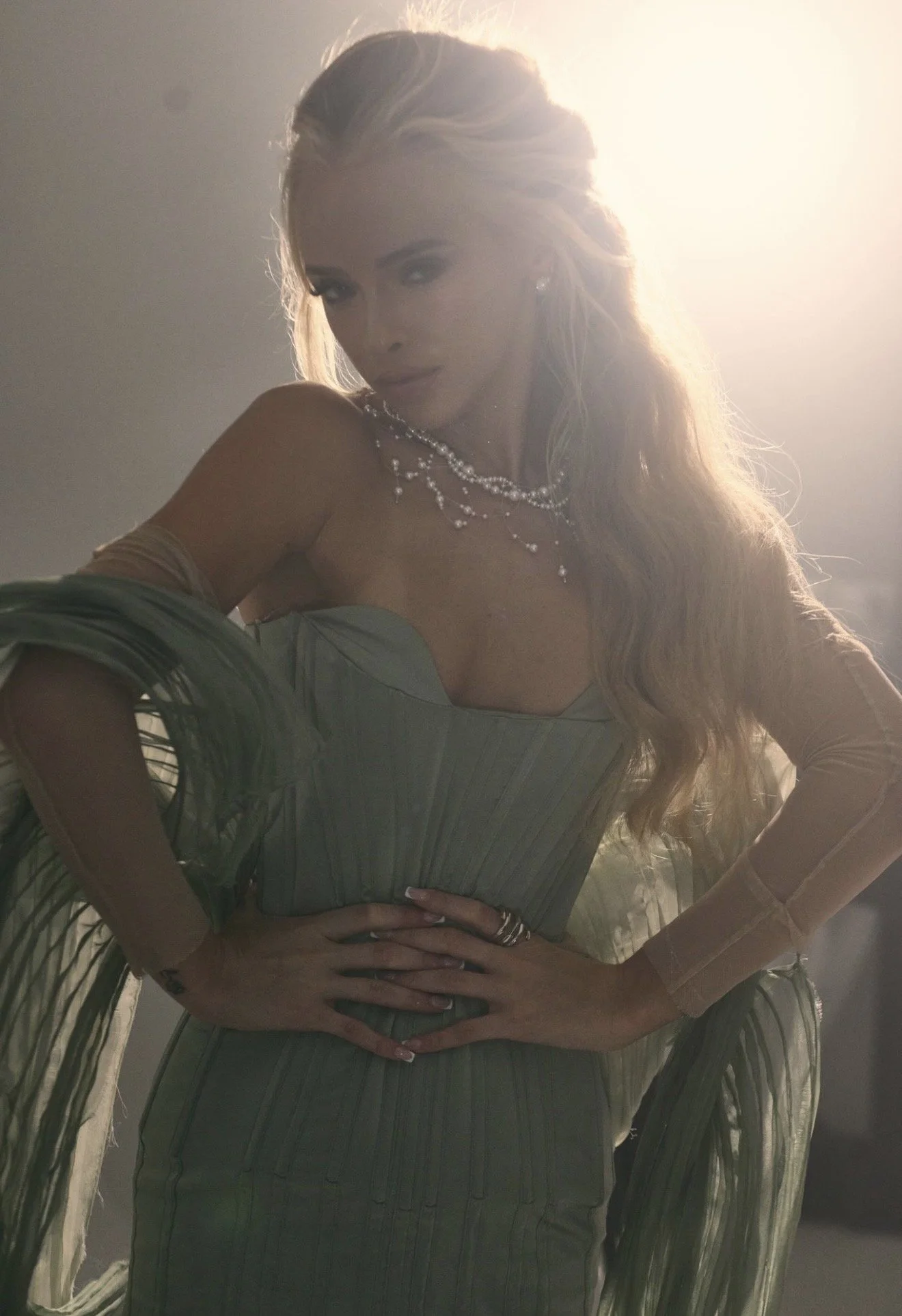
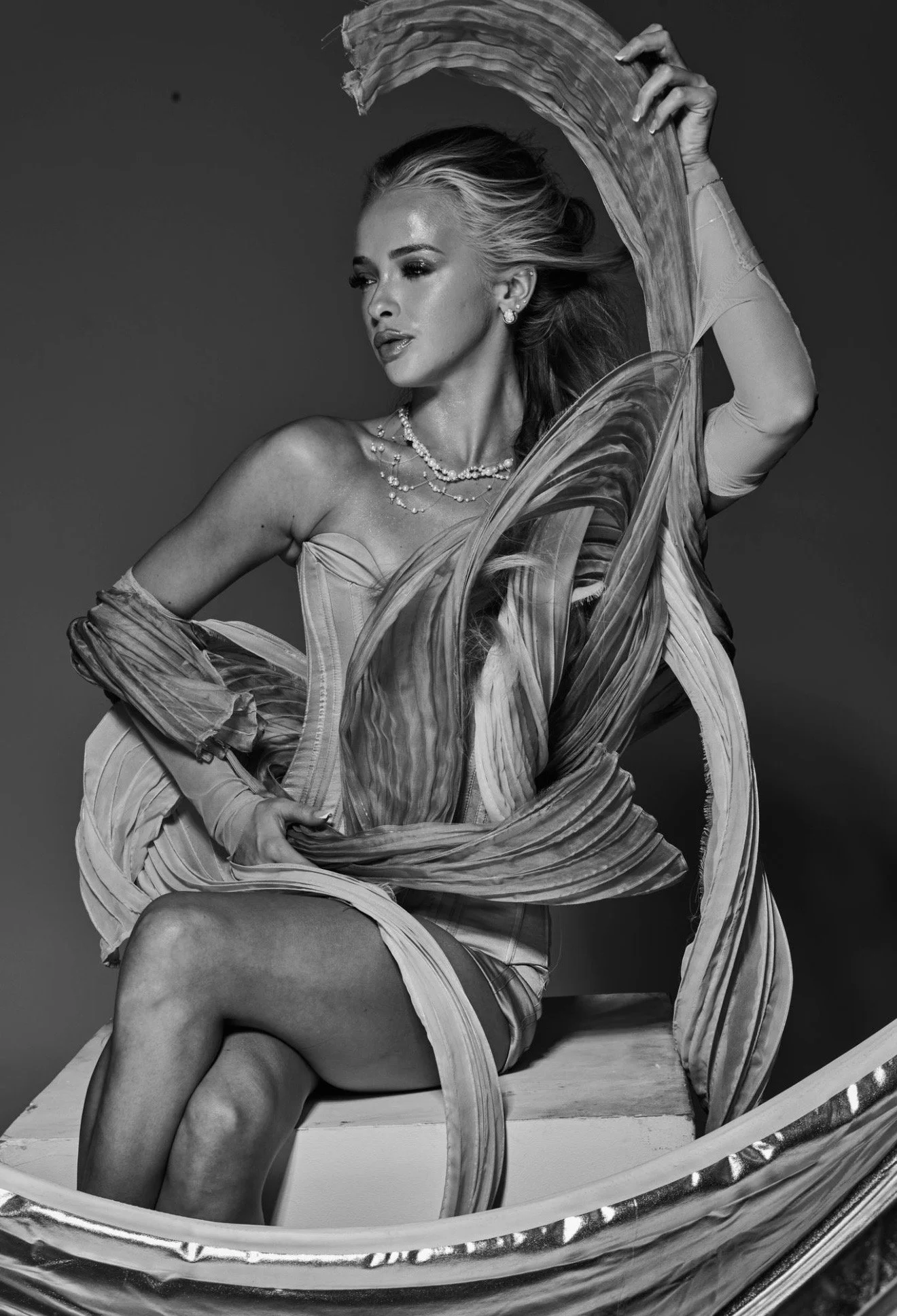
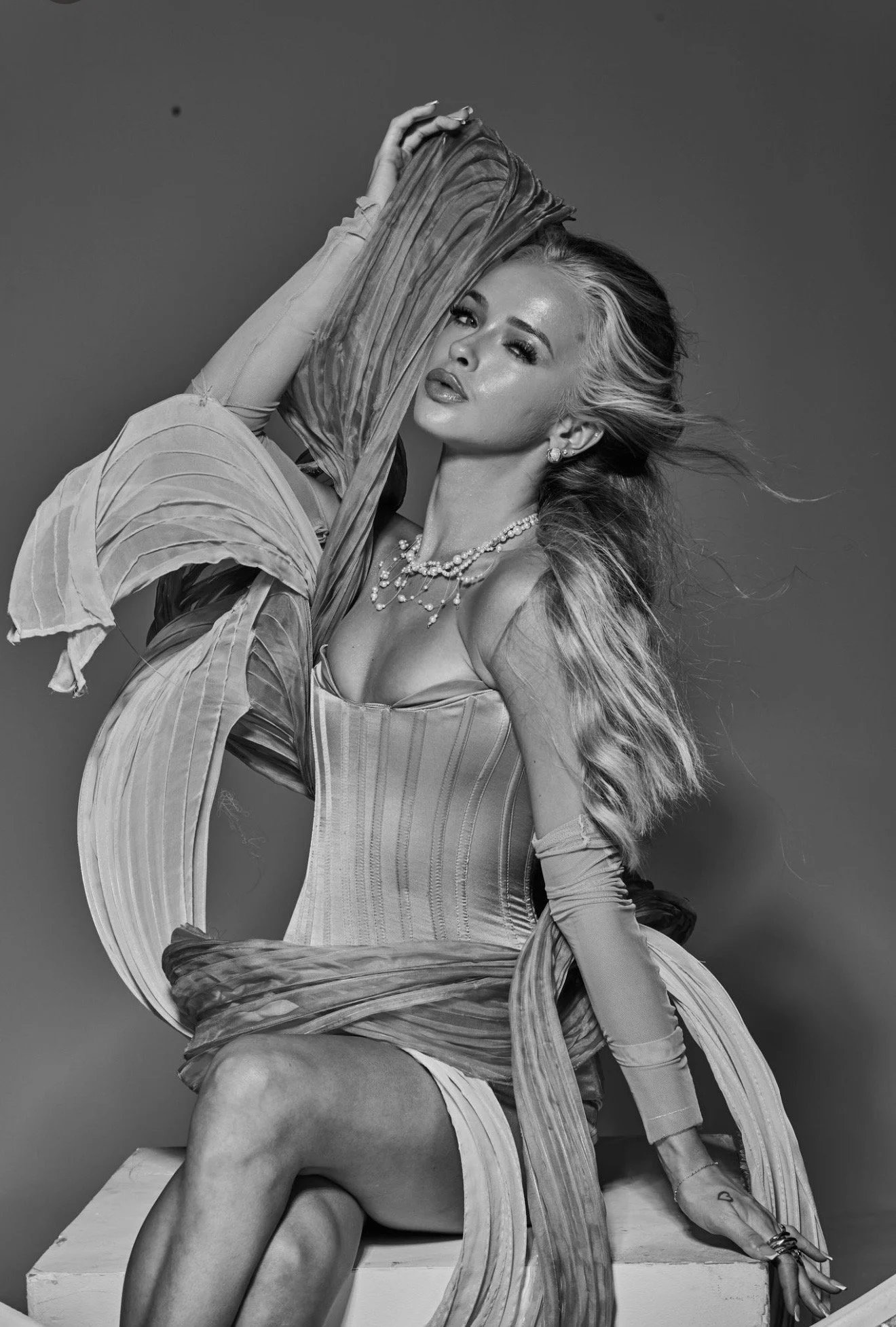
dress LUXI DENG
shoes ALEVÍ MILANO
earrings and necklace HEFANG
ring DAVAN
Is there a designer, past or present, whose archive you would love to have unlimited access to for one day?
I really love Alpinestars. I’m drawn to the sporty, oversized aesthetic and the way the pieces can have such a strong presence while still feeling effortless. That mix of fashion and sport feels very natural to me. I’d love to go through the archives, discover older pieces and reinterpret them in my own way. But honestly, being invited into any designer’s archive would be incredible. There’s something special about experiencing pieces that carry the history of someone’s creative world.
Beyond fashion, what influences your visual identity most—music, cinema, travel, art or the people around you
Travel, definitely. Every place has its own energy and approach to style, and I’m constantly absorbing what I see around me. Music is a huge influence too, it can completely change your mood and how you want to express yourself. And the people around me matter just as much. Travel, music and the people I love all shape who I am, so naturally they shape my style too.
As your platform grows, are you interested in moving beyond content creation into areas such as design, creative direction, acting or building your own brand?
Absolutely. Acting is something I really want to pursue more seriously. I also have my own merchandise coming out, and I’ve been very hands-on with the creative process, from how the pieces look and feel to making sure they genuinely represent what I would wear. I love being involved creatively rather than simply putting my name on something. I want to keep exploring different worlds and not be defined by one medium.
TEAM CREDITS:
talent JULIA FILIPPO
production PR BURGERROCK MEDIA
creative director JOANNA DEMARZO
photographer YASMINE KATEB
stylist IAN MARTIN
location + BTS video MARCELO RAMOS STUDIOS
hair EJ KESHISHIAN
makeup DAVID VELASQUEZ
editor TIMI LETONJA
interview JANA LETONJA
cover design ARTHUR ROELOFFZEN
