IN CONVERSATION WITH JULIA SEDEFDJIAN
interview by TIMOTEJ LETONJA
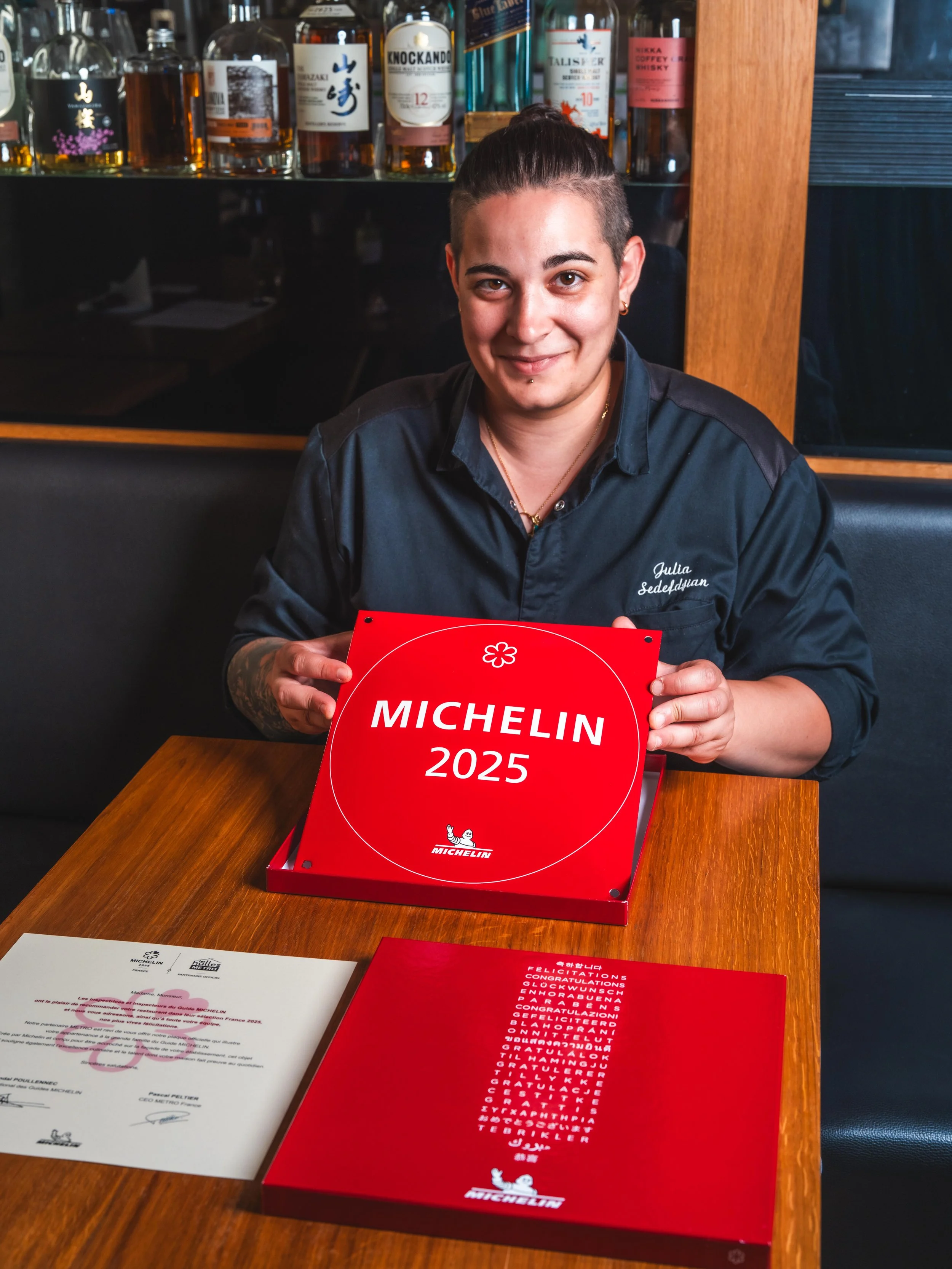
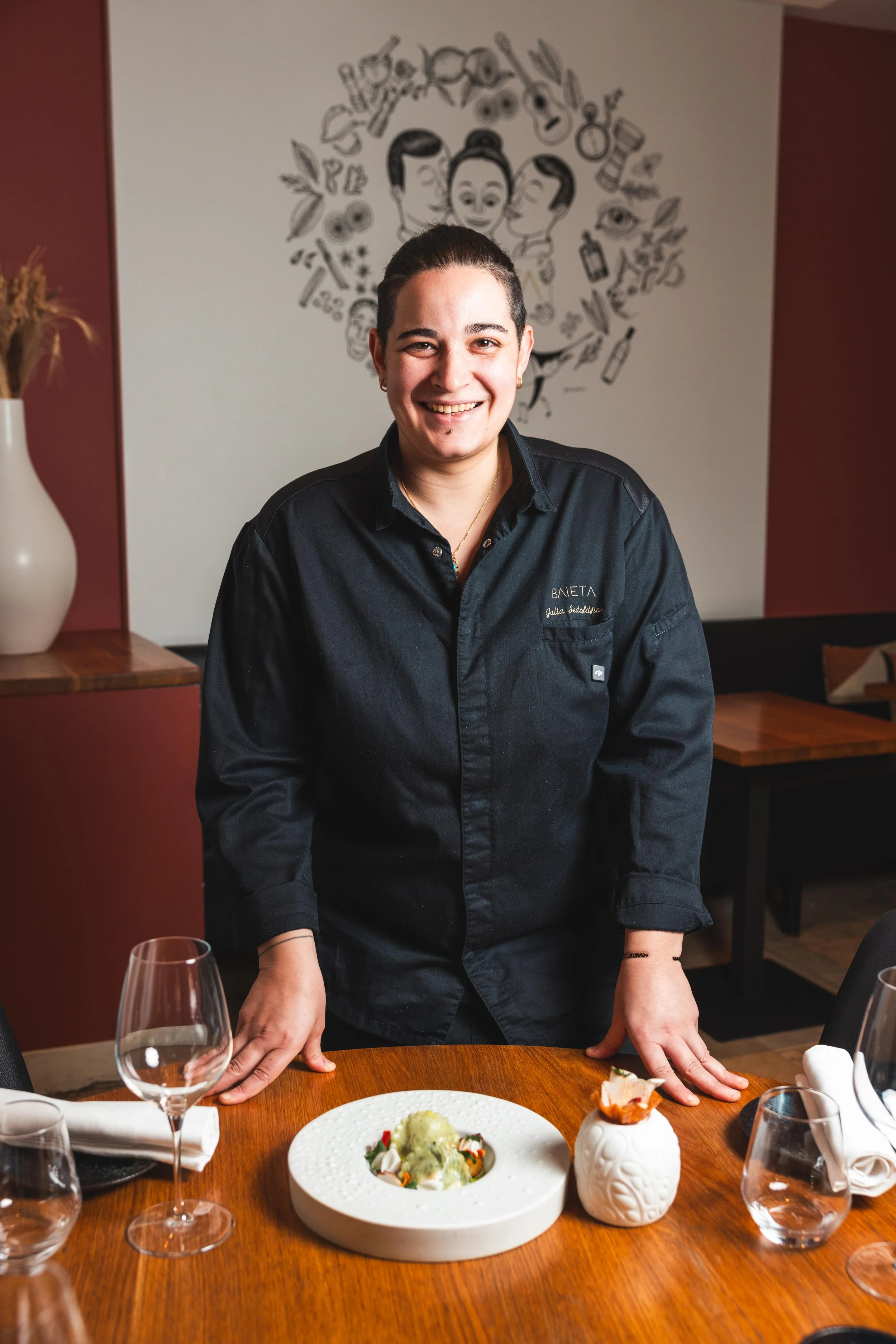
At just 21, Julia Sedefdjian became the youngest Michelin-starred chef in France, a career-defining moment that for her marked only the beginning. Born and raised in Nice, her cooking stays loyal to her Mediterranean roots; sunlit memories guided by outstanding technique and instinct. Now at the helm of Baieta in Paris, Sedefdjian has built a cuisine where precision never overshadows emotion, and where each dish carries the trace of something lived, remembered, or felt. Her approach is rooted in respect for ingredients, elevated with incredible technical rigor, and softened by a desire to create spaces of care, both within and beyond the kitchen.
all images credits ROCH DEBACHE
You became the youngest Michelin-starred chef in France at just 21. Looking back, what do you remember most vividly about that moment in your life?
Right after the star was announced, I of course felt an immense sense of joy and pride. Those emotions were intertwined with a kind of inner stillness, a feeling of disorientation, as if everything had paused for a few seconds.
In hindsight, at 21, you don’t fully grasp it all; you’re in the heat of the moment, you have to be responsive, and you move forward with great motivation and enthusiasm without overthinking things. And with time and the projects you take on, you quickly realise that it isn’t an end in itself, but rather the beginning of something far more demanding.
Growing up in Nice, what were the flavours or dishes from your childhood that still shape your cooking today?
My childhood tastes of sunshine, of olive oil drizzled over a piece of focaccia, of dishes fragrant with the Mediterranean, simmered slowly without ever being complicated.
At home, cooking was alive; it brought people together. It smelled of fresh herbs, of fish, of sharing. It’s a deeply sensory memory that I still carry with me today in every dish.
You entered professional kitchens very young. Was there a moment when you realised cooking would become your life’s path rather than simply a passion?
I quickly realised that sitting on school benches wasn’t for me, that time moved differently in the kitchen, that it was where I felt happiest.
There wasn’t a dramatic turning point, just a quiet certainty that settled in over time. One day, I understood that it wasn’t a rational choice, but a necessity — the thing that made me feel alive.
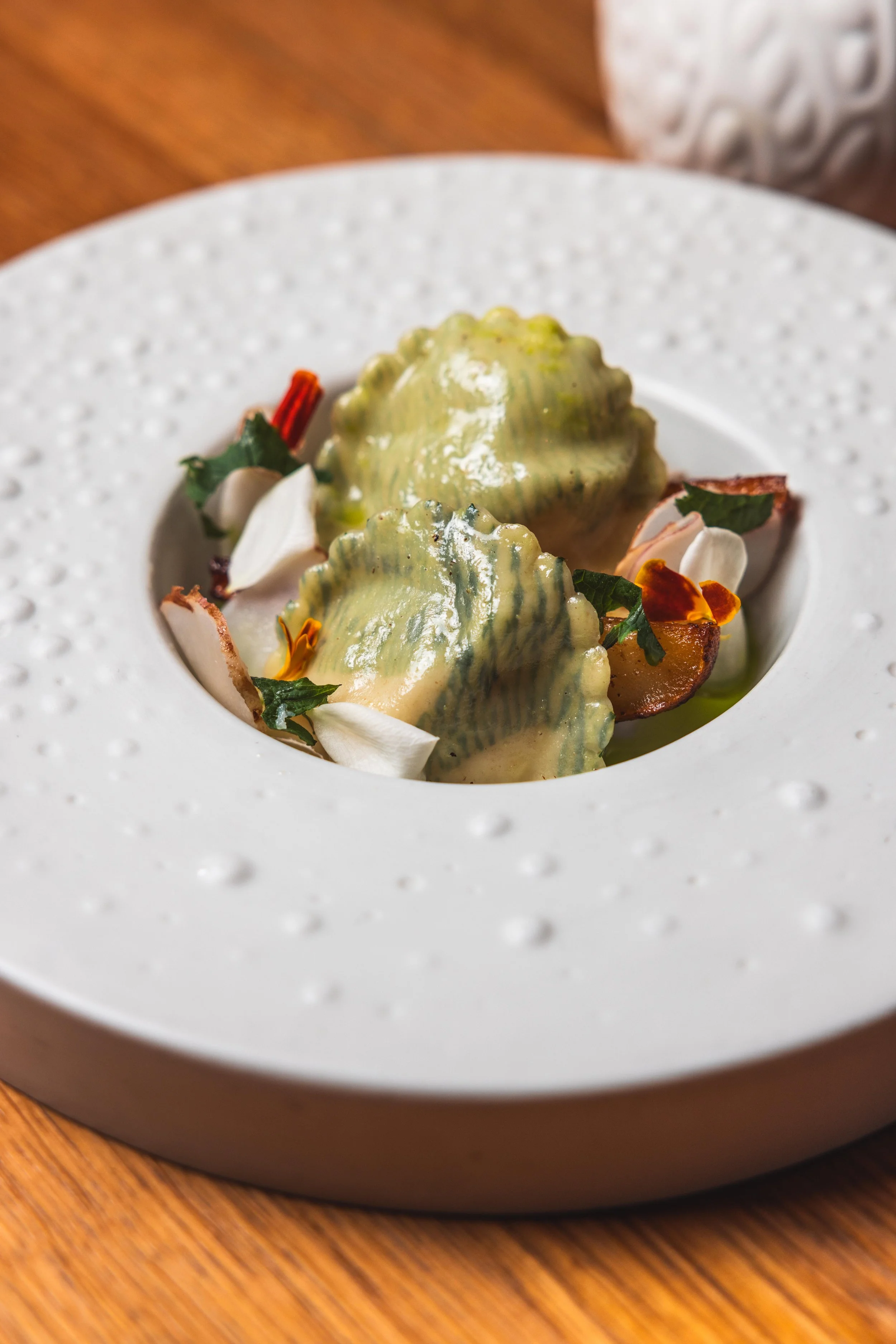
Your restaurant Baieta, which means “little kiss” in Niçois dialect, feels deeply personal. What does the restaurant represent emotionally for you?
“Baieta” means “little kiss” in Niçois. I love the idea of something gentle, sincere, and affectionate. Each dish tells a part of me — my story, my childhood, my emotions.
It’s not just a restaurant; it’s a place where I lay myself bare.
Mediterranean cuisine can be both humble and extremely refined. How do you balance simplicity with haute cuisine precision?
I believe everything begins with respect — respect for the product and for the people who grow and supply it, without whom we couldn’t feed ourselves or create.
To me, simplicity is truth. Technique is there to support the story I want to tell and the emotions I want to convey; it should never take over. What I love is when something very humble becomes memorable, almost without you even realising it.
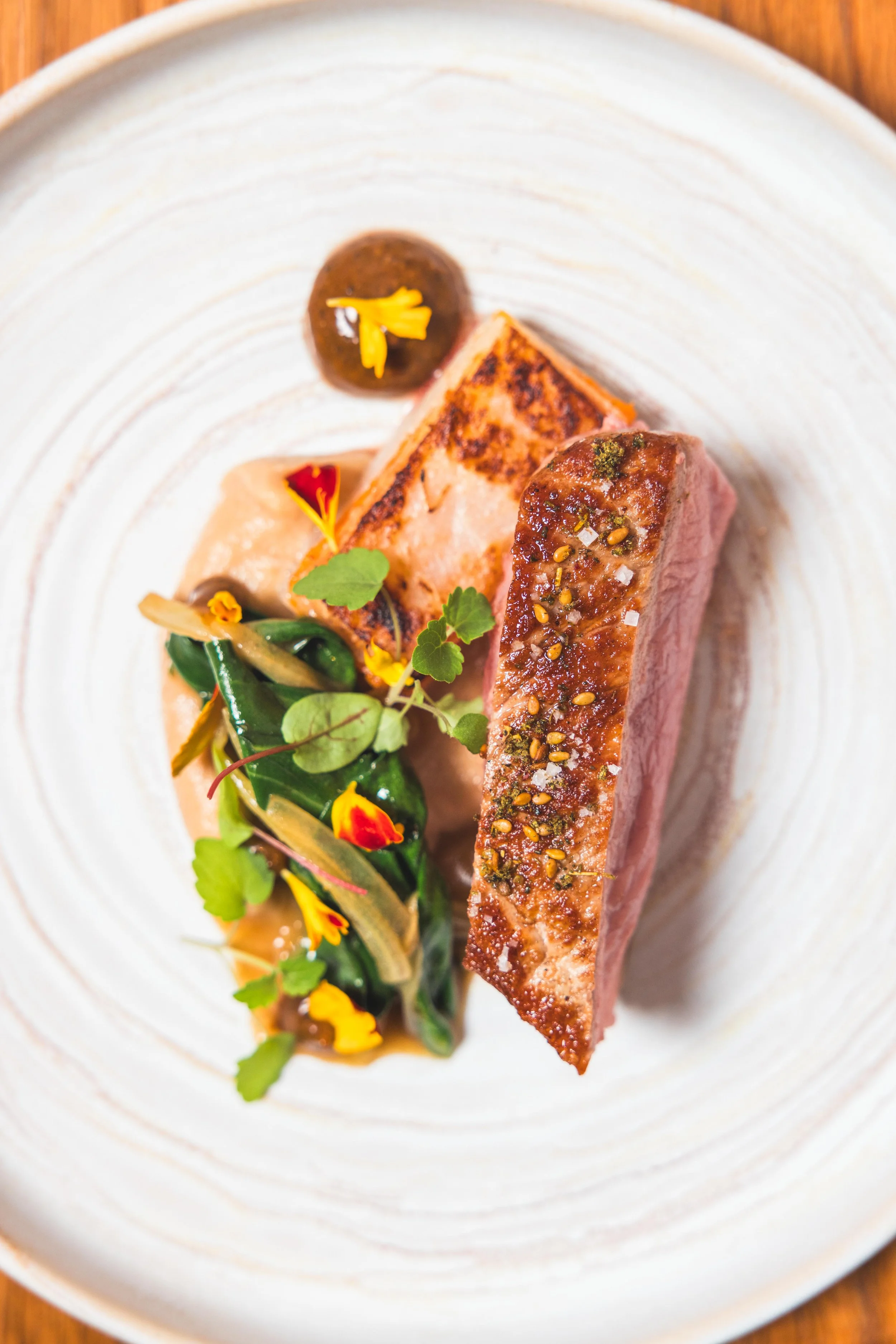
Dishes like your reinterpretation of bouillabaisse show strong technical discipline. When you create a new dish, do you begin with memory, product, or technique?
It often begins with an image, a smell, a sensation, a childhood memory… Then, quite naturally, the ingredient emerges, giving shape to that emotion.
Technique comes afterwards, like a language used to tell the story.
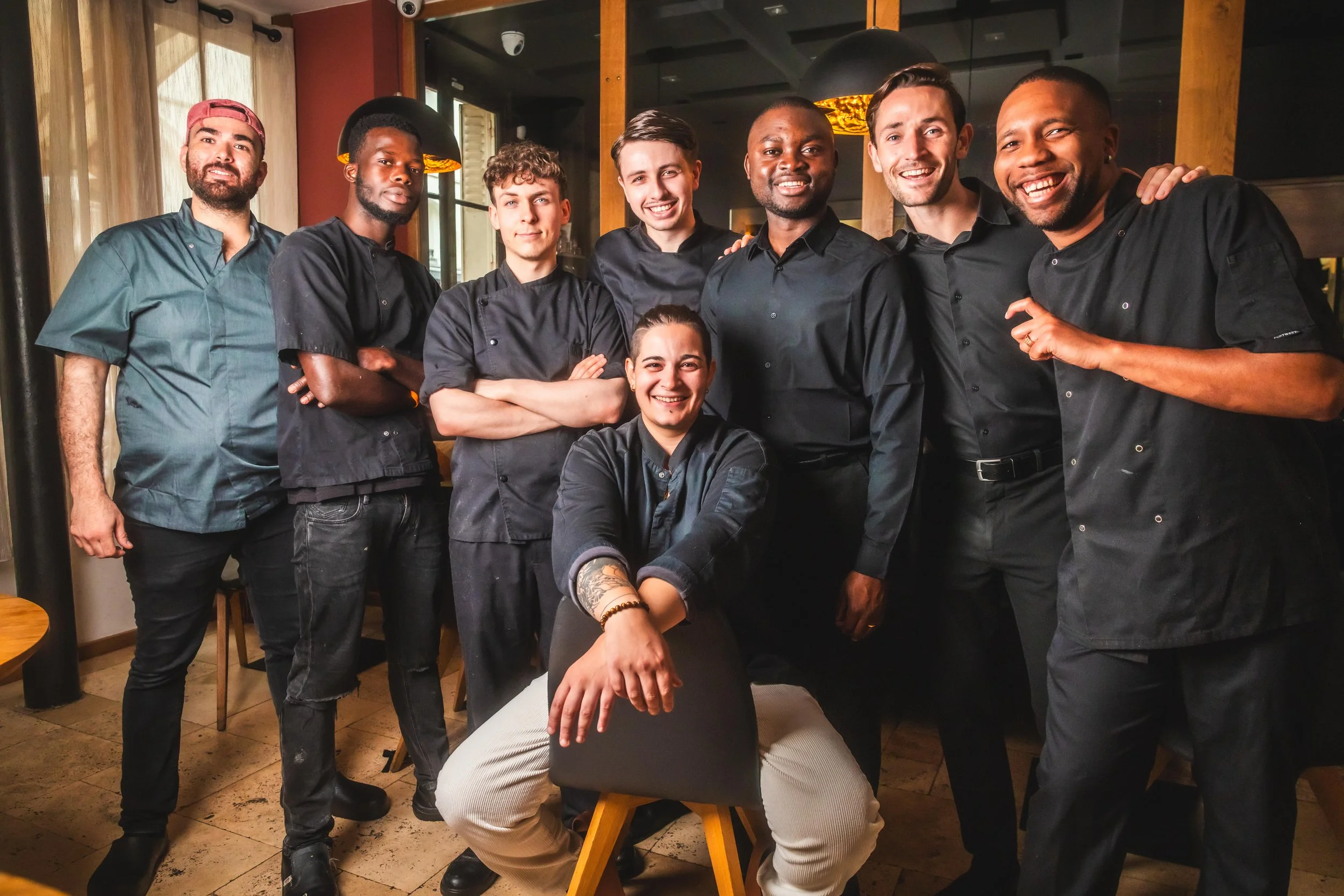
Paris is one of the most competitive culinary scenes in the world. How do you keep your cooking distinctive in such a dense gastronomic landscape?
I try to remain sincere in what I offer, not to give in to pressure or passing trends, but to cook with precision and with feeling.
The Mediterranean is my guiding thread; for me, staying true to myself means constantly returning to my roots. Deep down, I believe it’s this fidelity to who you are that allows you to find your place, even in a city as intense as Paris.
I don’t think identity is built by trying to be different, but by being deeply honest with yourself. And in the end, that’s what truly sets you apart.
You became head chef very early in your career. How did that responsibility shape the way you lead a kitchen today?
Becoming a head chef at a very young age forced me to grow up quickly — to learn how to make decisions, to lead a team, to face challenges, and to doubt as well.
Today, I try to create an environment where people feel at ease, where high standards exist alongside respect. I believe strongly in kindness.
What do you think defines the new generation of chefs compared with the previous one?
The new generation of chefs wants to be freer, less confined by traditional models. It is also more attuned to ecological and social issues.
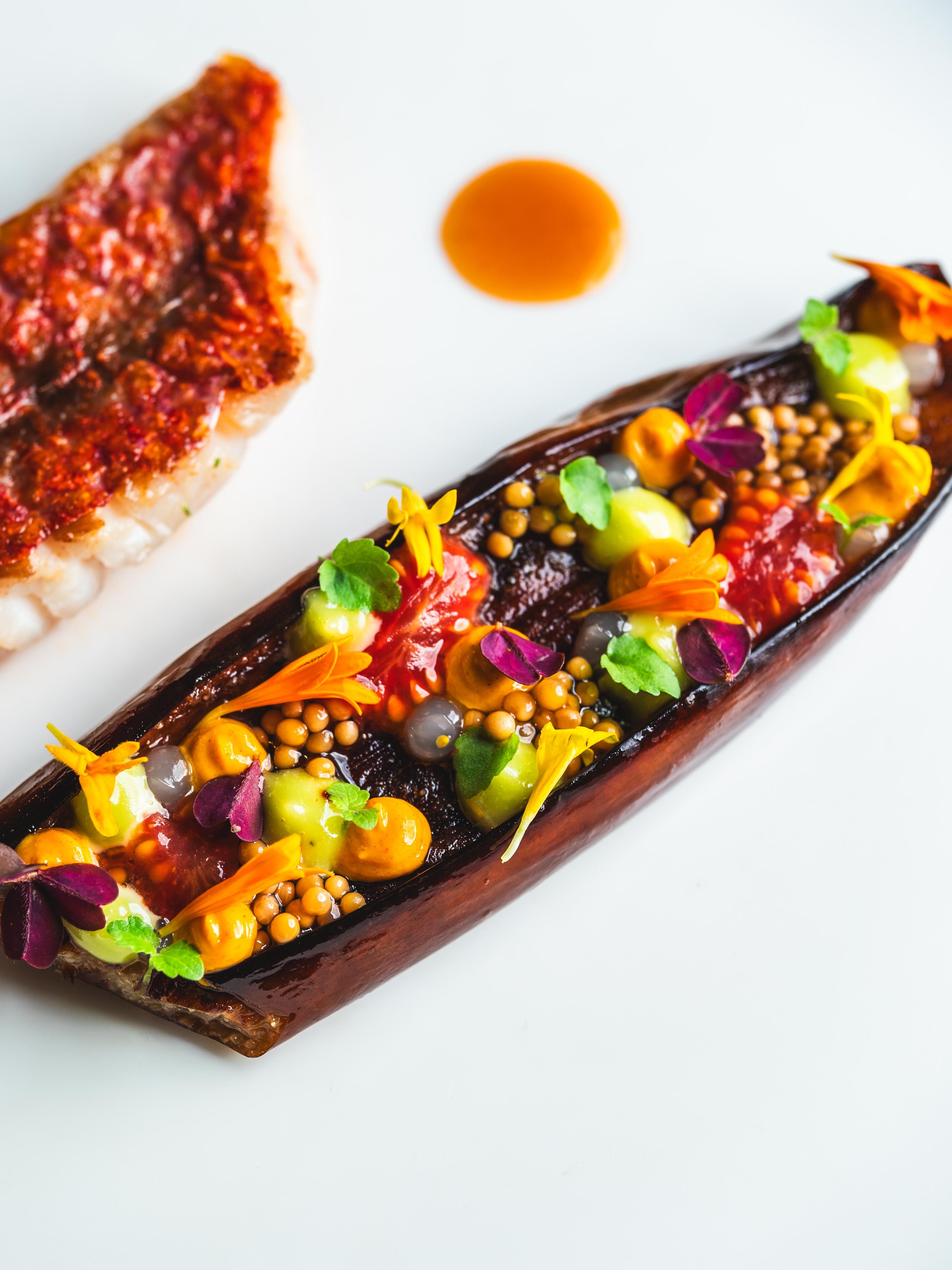
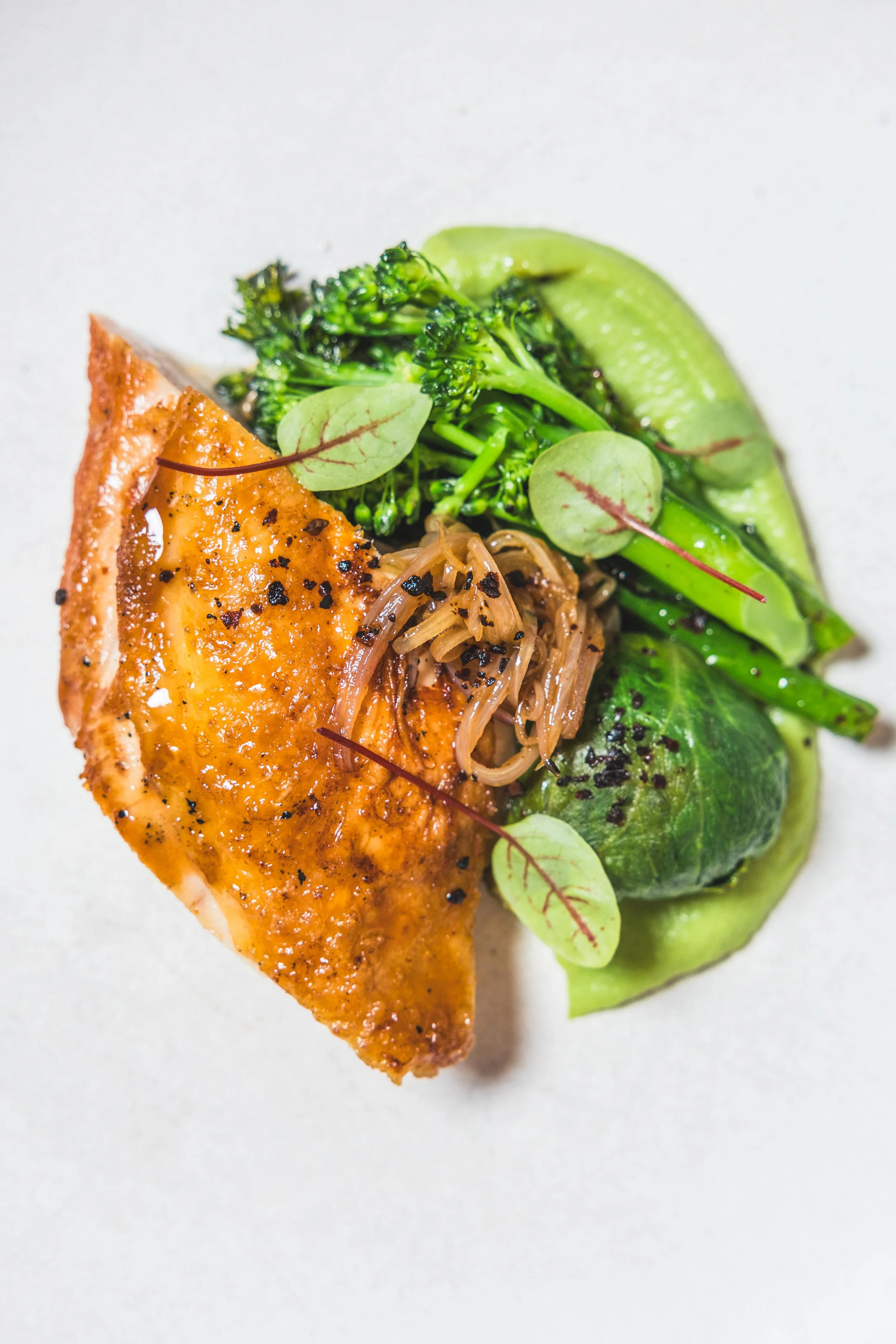
Beyond the restaurant, you are involved in several initiatives supporting food education and social inclusion. Why is this commitment important to you as a chef?
These commitments matter to me because cooking is a universal language. It brings people together, passes things on, and can even help.
Stepping outside the restaurant, reaching out to others, sharing knowledge and educating — it all gives even greater meaning to what I do.
Teaching cooking to young students or preparing meals for hundreds of people requires a very different mindset than fine dining. What do those experiences give back to you?
These experiences bring me back to what matters. They remind me of the essentials: to nourish, to share, to pass things on, to communicate, to create connection, to love.
It’s incredibly powerful.
Outside the kitchen, what inspires your creativity — travel, art, music, fashion?
Interactions with people, nature, art, music, a colour, light, a texture… Inspiration is everywhere, as long as you remain attentive.
What does success mean to you today compared with when you first received a Michelin star?
When I received my first Michelin star, success was very closely tied to recognition. It felt like validation, almost an achievement in itself. At 21, it was a dream come true — something incredibly powerful, almost unreal.
Today, I would say that success is something much more intimate and balanced. It is about continuing to move forward, to create, without losing sight of the meaning behind what I do.
It is also about standing the test of time, remaining true to my values, surrounding myself with the right people, and taking pleasure every day in the kitchen with my teams.
If you could cook one meal that perfectly tells the story of Julia Sedefdjian, what would be on the table?
The meal that would define me would be a sun-drenched one: a very plant-led starter, almost raw, with the scent of olive oil like a memory of the market.
A fish dish that evokes the Mediterranean — inevitably, my own version of bouillabaisse.
A dessert built around citrus fruits: simple, delicate and luminous.
A meal that does not seek to impress, but to move.