
IN CONVERSATION WITH LARENZ TATE
interview by JANA LETONJA
For more than three decades, Larenz Tate has shaped the cultural landscape of Black. From Menace II Society and The Inkwell to Ray, Crash, Girls Trip, and his commanding run in Power Book II: Ghost, his presence has always carried depth, cool, and intention. Most recently, he stepped into history as Berry Gordy in Lionsgate’s highly anticipated biopic Michael, portraying the visionary founder of Motown Records, the architect behind legends like Diana Ross, Stevie Wonder, Marvin Gaye, and The Jackson 5, embodying a man who didn’t just make music, but reshaped culture. With Netflix’s Don’t Ever Wonder, a follow-up to Love Jones also on the horizon, he stands at a powerful full-circle moment, honouring legacy while continuing to build his own.
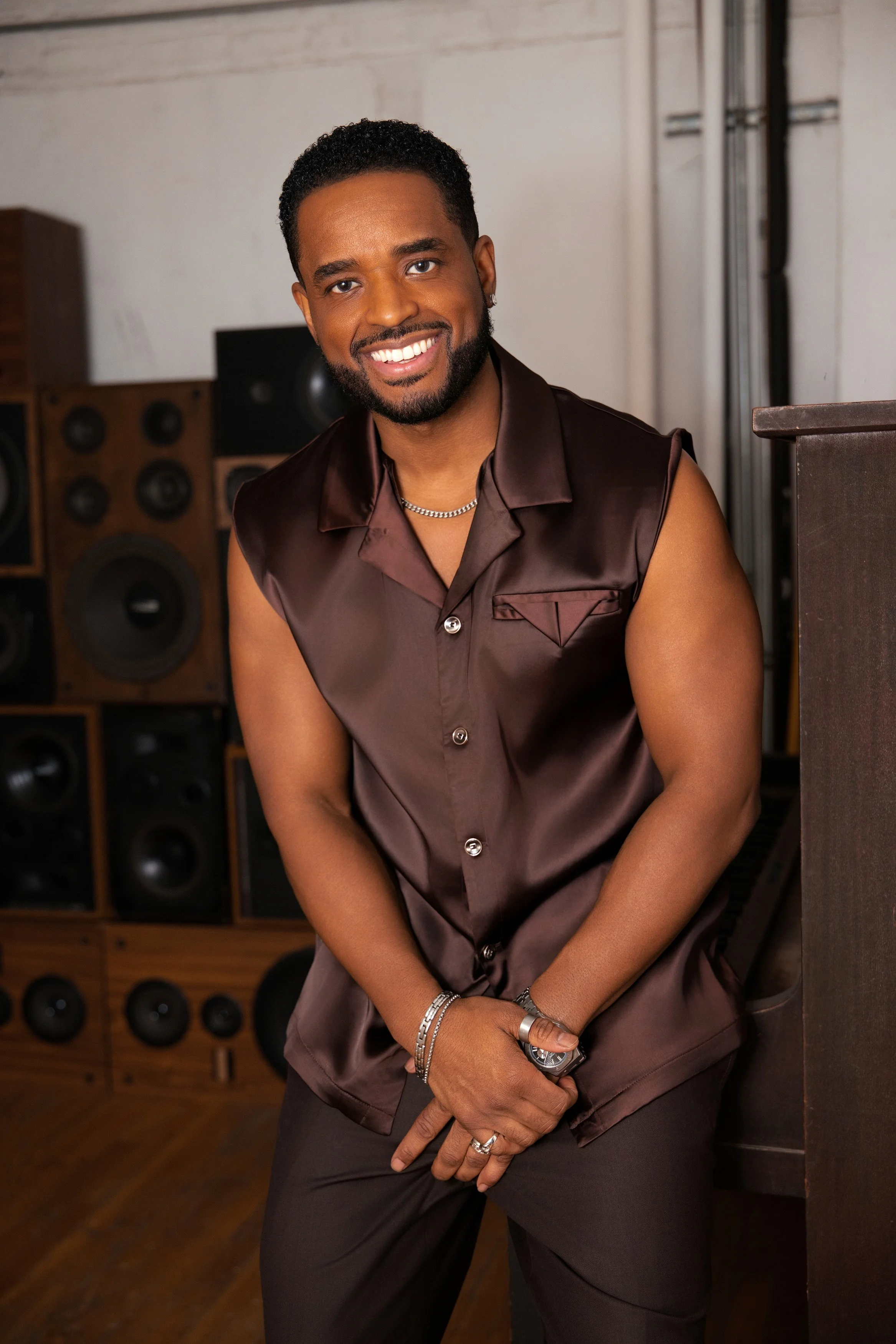
When you were first approached to play Berry Gordy in Michael, what was your immediate reaction?
When I was first approached to play Berry Gordy in Michael, I was thrilled, to say the very least. I was incredibly excited by the opportunity to portray an icon who didn’t just shape music history, but helped define the soundtrack of our lives. Berry Gordy wasn’t simply a record executive; he was a visionary businessman, a tastemaker, and a cultural force whose influence stretched across generations. To step into the shoes of someone with that kind of impact was both exciting and deeply meaningful.
Gordy wasn’t just a producer, he was a cultural architect. How did you approach embodying that level of vision and influence?
I grew up listening to the Motown sound, so I was already very familiar with who Mr. Gordy was and what he represented. While I wasn’t able to sit down with him prior to filming, I did immerse myself in his memoir, To Be Loved: The Music, the Magic, the Memories of Motown, which gave me incredible insight into the man behind the empire. I honestly could not put the book down. It helped me better understand not just his business mind, but his instincts, his discipline, and the kind of visionary thinking it took to build something as culturally transformative as Motown.
What responsibility comes with portraying a real-life figure who shaped the soundtrack of generations?
There’s a tremendous level of responsibility that comes with portraying a real-life figure, especially someone whose contributions have had such a lasting cultural impact. For me, authenticity was everything. I wanted to be as truthful as possible, not just in appearance, but in spirit. That meant paying close attention to his physicality, his walk, how he carried himself in the studio, how he commanded a room, even the subtle energy he projected in a tailored suit. There is a confidence about him, but also precision, discipline, and excellence. And beyond that, there was a protective nature, particularly during an era when many Black artists were being exploited. Capturing that complexity mattered to me.
How did you prepare to capture Gordy’s leadership style and quiet authority?
I found archived interviews, listened to radio broadcasts, and spoke with people who knew Mr. Gordy personally to better understand his essence. I also watched the Motown 50th special, which offered another window into who he was. What stood out immediately was his quiet confidence. He didn’t need to be loud to command attention. You could see how proud he was of what he built, the lives he impacted, and the legacy he created. That kind of authority comes from vision, certainty, and lived experience, and I wanted to honour that.
The film explores Michael Jackson’s journey from Gary, Indiana, to a global icon. How does Gordy’s presence shape that trajectory within the story?
Berry Gordy had an extraordinary eye for talent and an even sharper eye for true star power. He recognised something special in Michael almost immediately, the first time he heard him performing alongside his brothers. Gordy understood what it meant to nurture talent, refine it, and position it for the world stage. His presence in Michael’s story is pivotal because he helped create the ecosystem where that brilliance could be seen, developed, and ultimately introduced to the world.
Your career has spanned over 30 years. What feels different about this chapter?
After a career spanning more than 30 years, what feels different about this chapter is the clarity and gratitude I have for the journey. I still feel like there’s so much more I want to accomplish, not just as an actor, but as a producer and businessman. What’s beautiful is that the passion is still there. I still get excited walking onto set on day one. I still love the process, the collaboration, the community that comes with creating alongside talented people. At this stage, it’s less about proving anything and more about continuing to grow, create meaningful work, and enjoy every part of the journey ahead.
There’s a throughline in your work, a kind of lived-in cool and emotional precision. How do you maintain that authenticity?
I maintain authenticity in my work by staying true to who I am, unapologetically. I think audiences can feel when something is honest versus performed for perception. I’ve never believed in chasing an image. I believe in grounding every character in truth, in humanity, and in lived emotion. That honesty naturally finds its way into the work.
Motown transcended race and reshaped American music. What does that legacy mean to you personally?
Motown has always had a profound impact on me through its music, artistry, and the standard of excellence it represented. It wasn’t just about hit records, it was about possibility. Berry Gordy created a platform that elevated Black artistry on a global scale during a time when those opportunities were far more limited. That kind of vision, determination, and pride is incredibly inspiring. Motown’s legacy is proof of what happens when talent meets discipline, innovation, and belief.
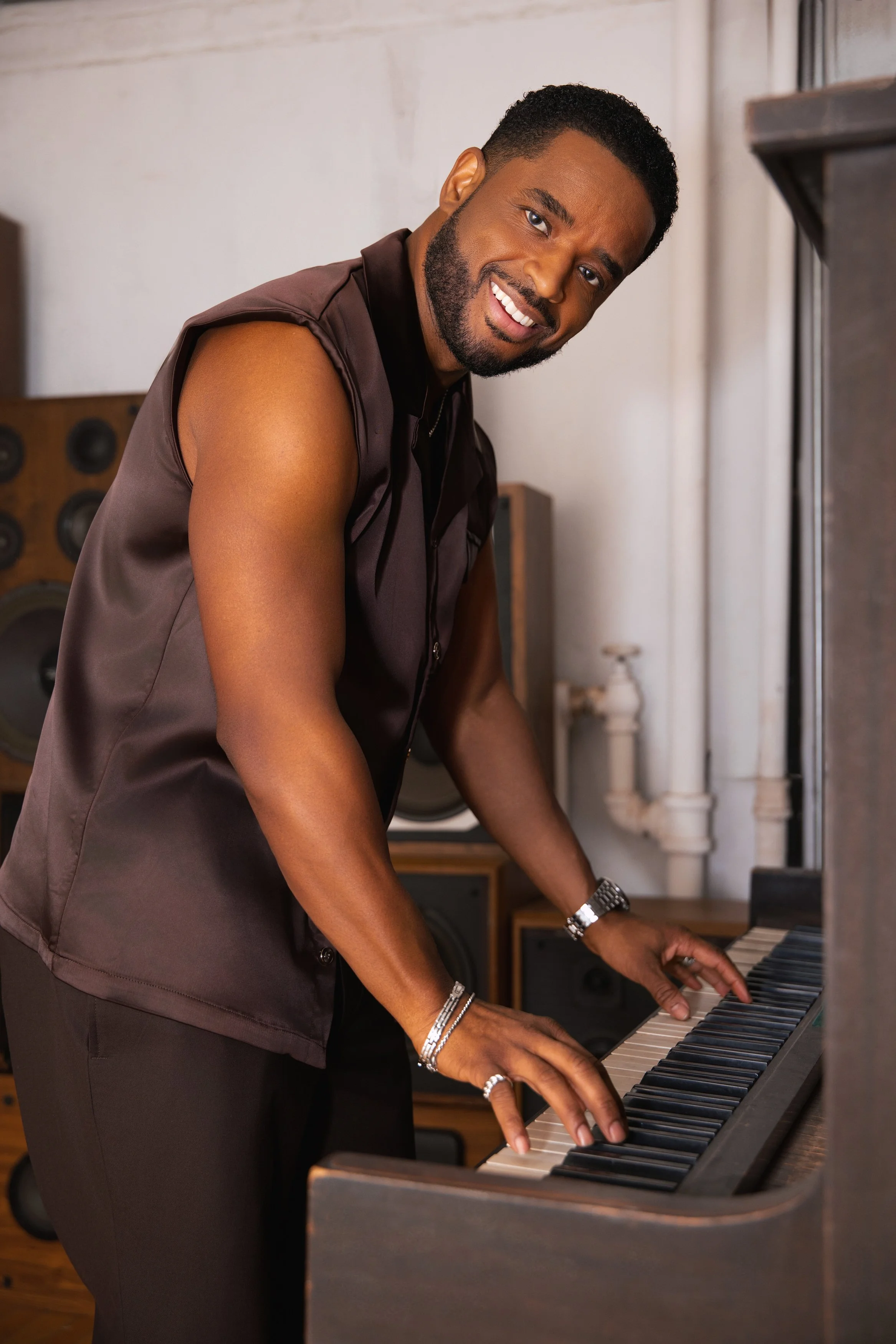

You’ve never seemed to chase relevance, yet you remain culturally essential. How have you navigated longevity in Hollywood?
I was taught a long time ago that this business is a marathon, not a sprint. That mindset has stayed with me throughout my career. I’ve always tried to take a steady, intentional approach to be in the business, but not consumed by it. Trends come and go, but authenticity, consistency, and good work have staying power. Longevity comes from understanding who you are, staying grounded, and continuing to evolve without losing yourself in the process.
With Don’t Ever Wonder revisiting the emotional territory of Love Jones, what does returning to that kind of romance mean at this stage of your life?
I’m really excited to return to the screen with Don’t Ever Wonder and explore romance from a more seasoned, honest perspective. This story allows us to dig into the truths and realities of marriage, long-term relationships, and emotional intimacy in a way that feels mature and authentic. Love evolves, relationships evolve, and I think audiences will really connect with seeing that reflected onscreen in a meaningful way.
As both an actor and cultural figure, how do you balance nostalgia with forward momentum?
I think it’s about honouring the work that brought you here while staying open to what’s ahead. Nostalgia is beautiful because it reflects the impact certain stories and characters have had on people’s lives, and I never take that for granted. But I’m also deeply motivated by growth. I’m always asking myself what new stories I want to tell, what challenges I haven’t explored yet, and how I continue evolving creatively. You respect the past without living in it.
What conversations do you hope Michael sparks for younger audiences discovering this history for the first time?
After seeing Michael, I hope younger audiences feel inspired to chase their dreams with passion and understand that growth is rarely linear. Where you begin is not necessarily where you’ll end up. Michael’s story is one of extraordinary talent, but also discipline, sacrifice, ambition, and humanity. I hope new audiences see the person behind the icon and, despite the fame, the lights, and the millions of records sold, at his core, he simply wanted to be Michael. That human truth is powerful.
After three decades in the industry, what still excites you about stepping onto a set?
Even after three decades, the freedom that comes with becoming someone else still excites me every time I step onto a set. Acting has always been a true comfort zone for me, a place where creativity, discipline, and imagination all meet. I love the collaboration, reconnecting with fellow actors, and being part of the collective effort to bring a story to life. That first day energy never really leaves you, and I’m grateful for that.
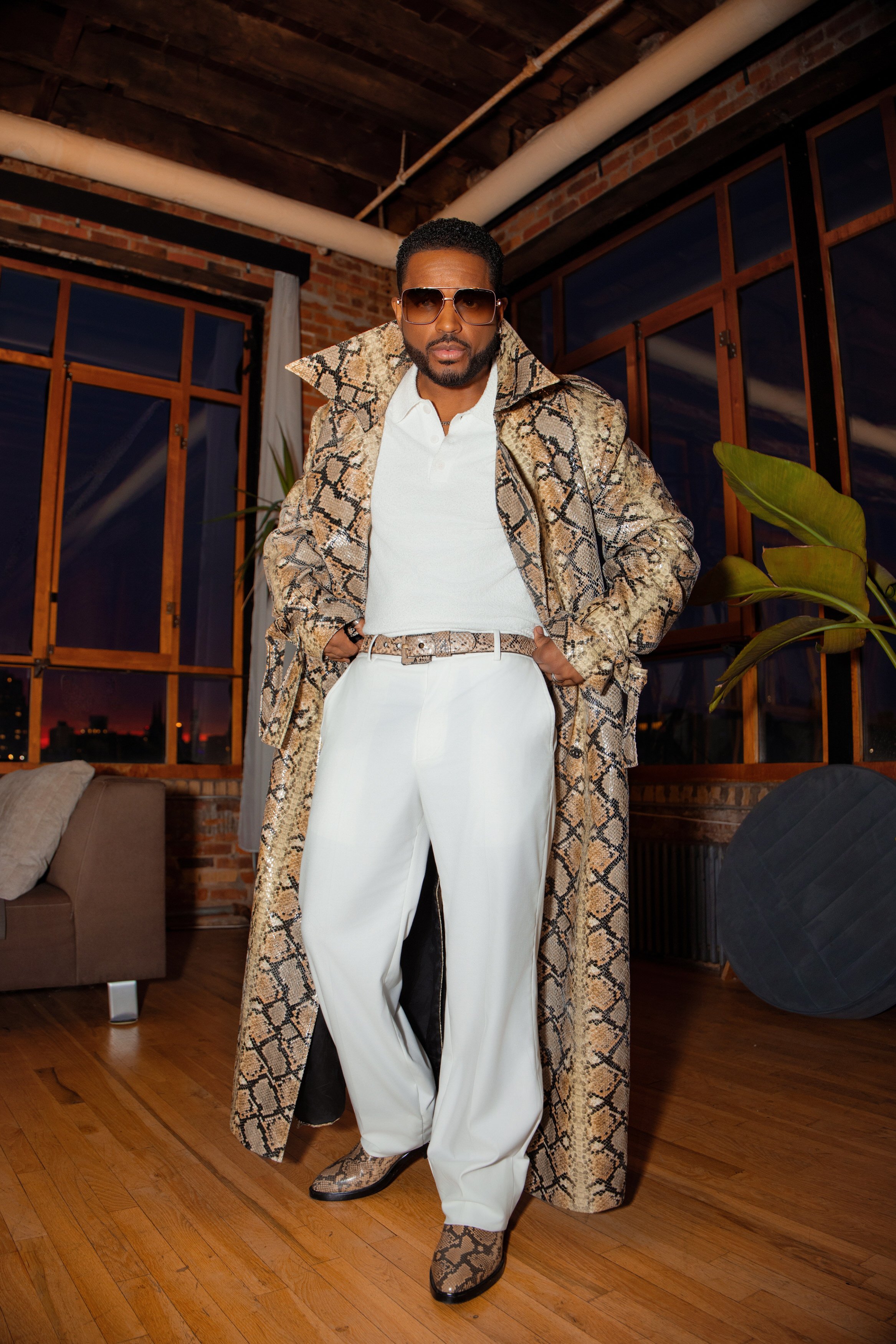
TEAM CREDITS:
photography JONAVENNCI DIVAD
styling MICKEY BOOM
grooming ANITA GIBSON
