
IN CONVERSATION WITH LEE ANN ROBERTS
Interview by Samo Šajn
Photography by Nik Mueller
After years of building a name in the techno world, Lee Ann Roberts is stepping into a new chapter. Her upcoming EP TAKE CONTROL sees her reconnect with her psytrance roots while exploring a more personal and emotional side of her sound. We spoke with Lee Ann about the changes behind this new era, finding the way back to herself, and why now felt like the right time to take control.
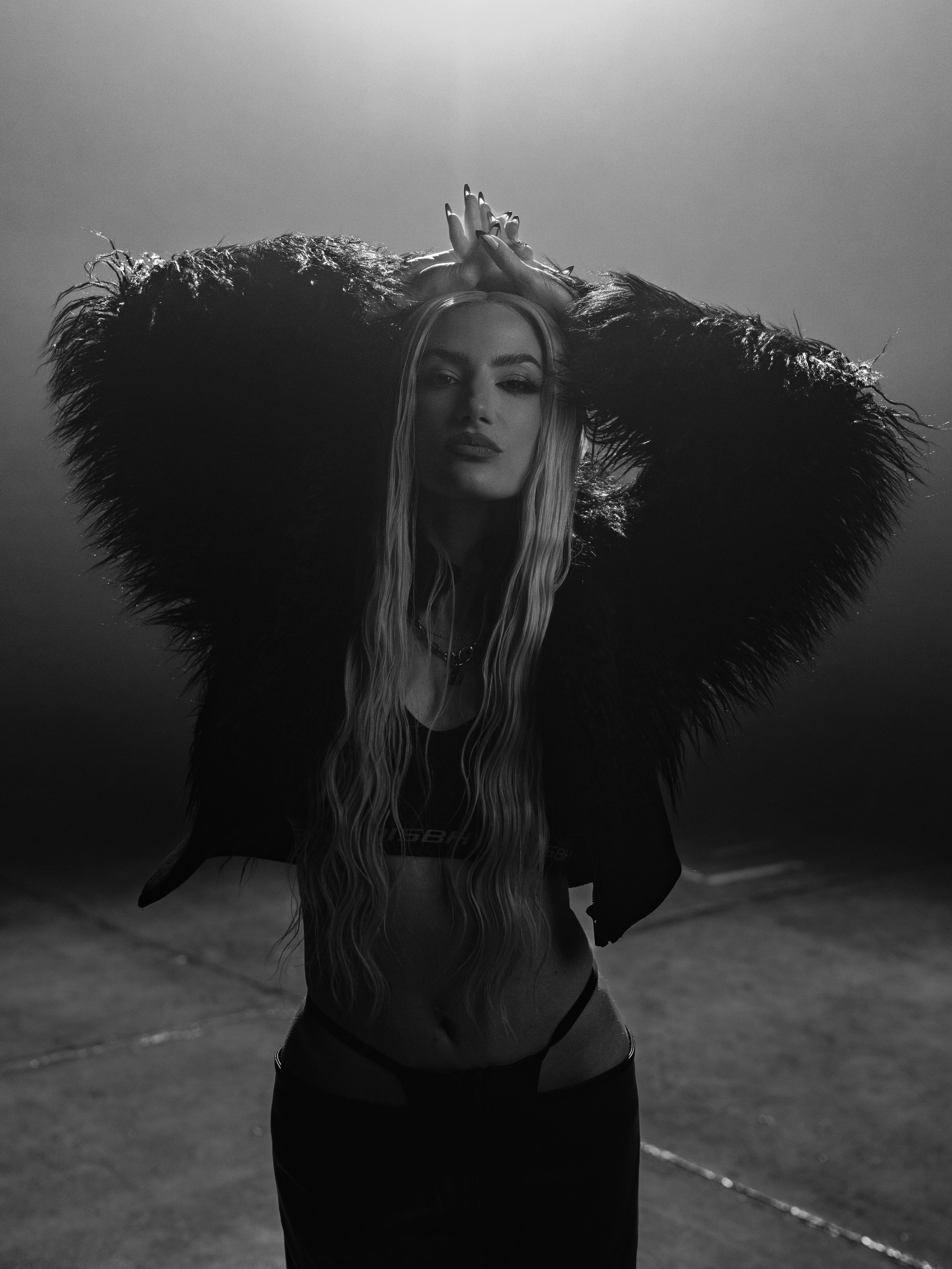
TAKE CONTROL feels like a very personal title. What does taking control mean to you right now?
For me, taking control isn’t about controlling everything around me. It’s about taking ownership of my life, my choices, and my future. There have been periods in my life where I felt like I was simply reacting to whatever circumstances were put in front of me. This chapter is about stepping back into the driver’s seat. It’s about trusting myself, making decisions that align with who I am, and no longer allowing my past or other people’s expectations to define my future.
TAKE CONTROL isn’t just a track title for me; it’s a mindset. After a period of reflection and growth, it felt like the perfect way to define both the music and the chapter of life I’m currently living. That’s why the title felt so important. It isn’t just the name of a track—it became the theme of this entire era.
You took a break and completely reset your social media and career. Why did you feel it was the right time for a fresh start?
I think I reached a point where I realised I had outgrown the version of myself that people knew. So much had changed in my personal life and behind the scenes, but my public image hadn’t caught up yet. I also felt it was time to reconnect with who Lee Ann Roberts really is. Over the years, life moves fast, and things can start to snowball. At times, I felt like I was losing parts of myself in the process. Taking a step back gave me the opportunity to reflect, reconnect with my values, and remember why I started this journey in the first place.
The reset wasn’t about starting over. It was about coming back to myself—creating space to define who I am today, both as an artist and as a person, and making sure the music and everything around it truly reflected that. I wanted this new chapter to feel honest—not just a new sound or a new look, but a deeper reflection of who Lee Ann Roberts really is. In many ways, this wasn’t a fresh start. It was a return to myself—a chance to reconnect with my roots, my values, and the person I was always meant to become.
You’ve spoken about dealing with pressure and constant change throughout your life. How have those experiences shaped you as an artist?
Change has been one of the few constants in my life. From my childhood, to modelling, to moving countries, to building businesses and a music career, I’ve had to reinvent myself more times than I can count. Those experiences taught me resilience, adaptability, and the importance of trusting myself.
As an artist, they’ve given me depth and taught me empathy. They’ve made me curious about people, emotions, and the complexity of the human experience, which naturally finds its way into my music. I don’t think my creativity comes from having an easy journey. It comes from learning how to take difficult experiences and transform them into something meaningful.
Every challenge has shaped the person I am today, and every version of myself has left a fingerprint on the music. I have a tattoo that says, "Never a failure, always a lesson," and that mindset has carried me through so many chapters of my life. Even the moments that felt like setbacks taught me something valuable. They helped me grow, evolve, and ultimately become a stronger artist and person.
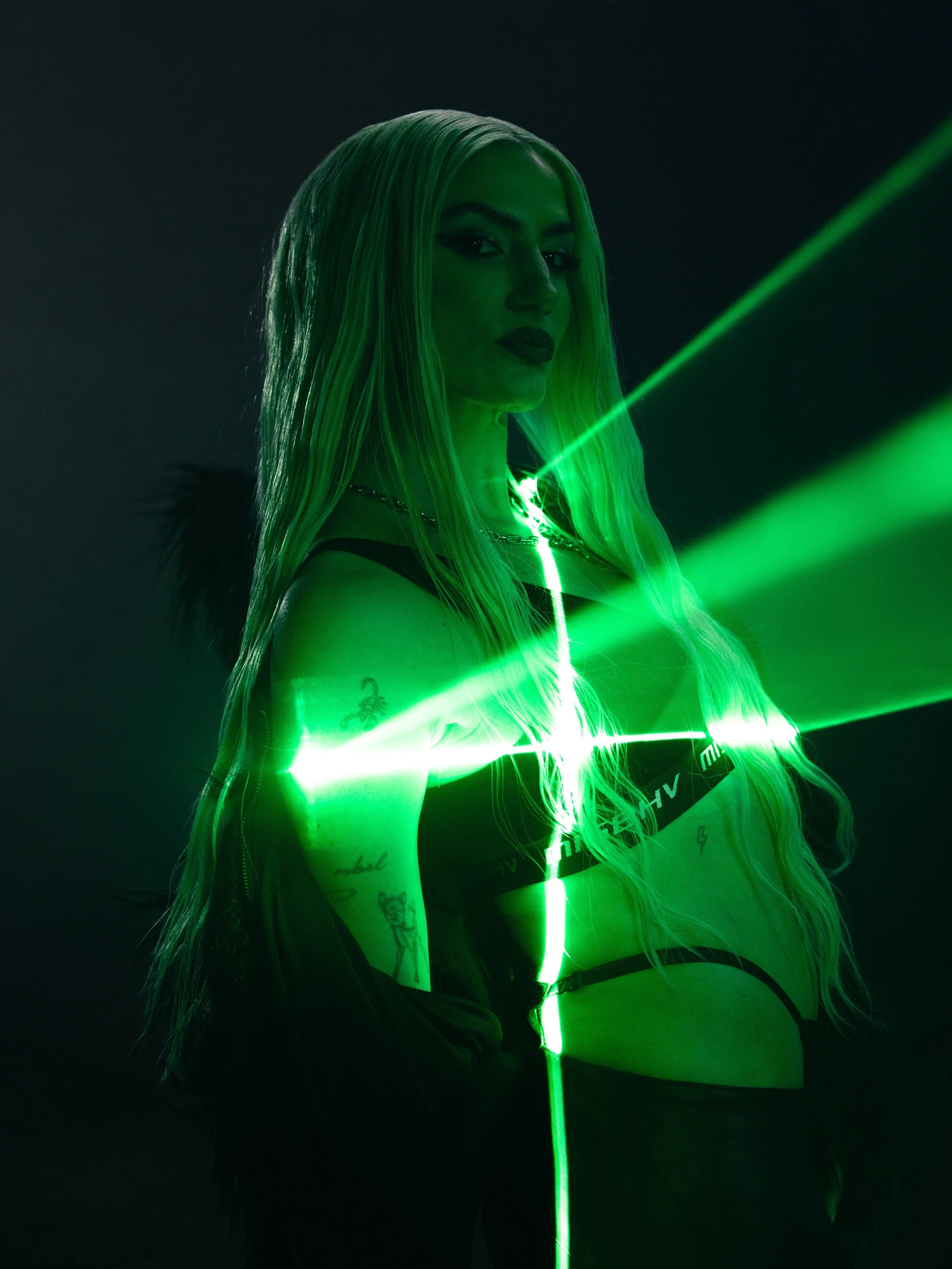
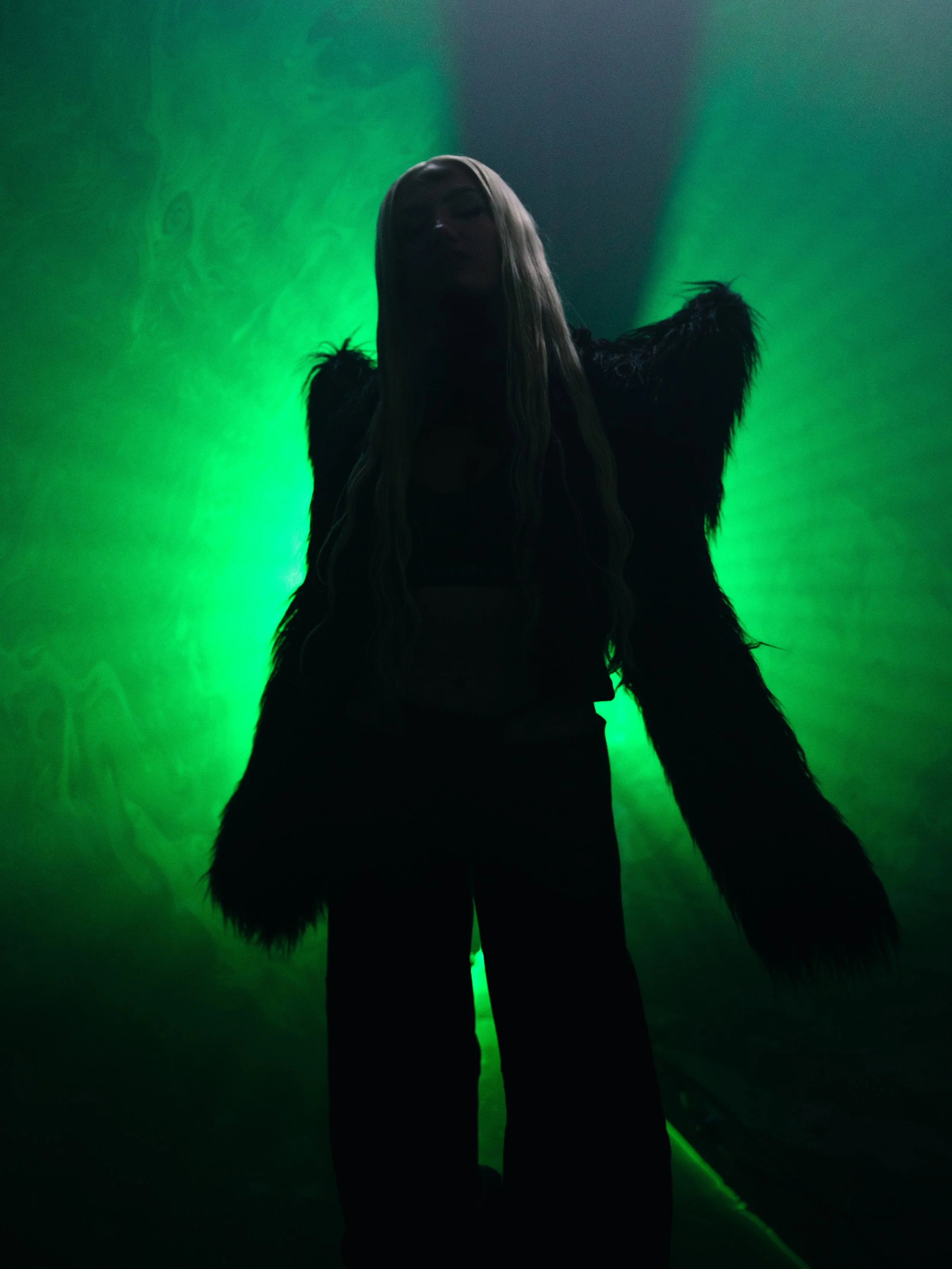
A lot of people know you for hard techno, but this project brings you back to your psytrance roots. Why did you want to explore that side of your sound again?
Psytrance is where my journey began. It’s who I am. It’s in my blood, my DNA. Before I was a DJ, I was spending every weekend stomping for days at psytrance festivals in the vineyards and mountains of South Africa, completely losing myself in the music. Those experiences shaped me long before I ever stepped behind the decks.
As my career evolved, I explored different sounds and genres, but over the last few years I’ve found myself reconnecting with the music that first made me fall in love with electronic music. There’s something about psytrance that feels like home. The energy, the freedom, the sense of community—it’s always been a part of me. This chapter isn’t about going backwards. It’s about embracing the foundation that shaped me and bringing it together with everything I’ve learned along the way.
This EP feels more emotional and cinematic than some of your previous work. Did making these songs help you express a different side of yourself?
Definitely. Music has always been how I process things that I struggle to put into words. A lot of these tracks were written during a period of huge personal growth and reflection. There are emotions, memories, and experiences woven into the music that people might not immediately hear, but they’re there. This project allowed me to be more vulnerable and tell a deeper story.
The visuals for this new era are very striking and fashion-focused. How important was it to create a new visual identity alongside the music?
Very important. I’ve always believed that music is more than just sound. It’s a feeling, a world, and an experience. The visuals help tell the story behind the music. Fashion has always been part of my life, so it felt natural to bring that influence into this chapter. I wanted the visuals to feel powerful, mysterious, and cinematic while reflecting the confidence and evolution behind the music.
The tracks on the EP move between dark and uplifting moments. Was there a story or feeling you wanted listeners to experience?
The EP reflects a journey. There are moments that represent struggle, uncertainty, and confronting parts of yourself, but there are also moments of freedom, strength, and hope. Life isn’t one emotion. It’s all of those things at once. I wanted listeners to feel like they were moving through different chapters and ultimately arriving somewhere stronger than where they started.
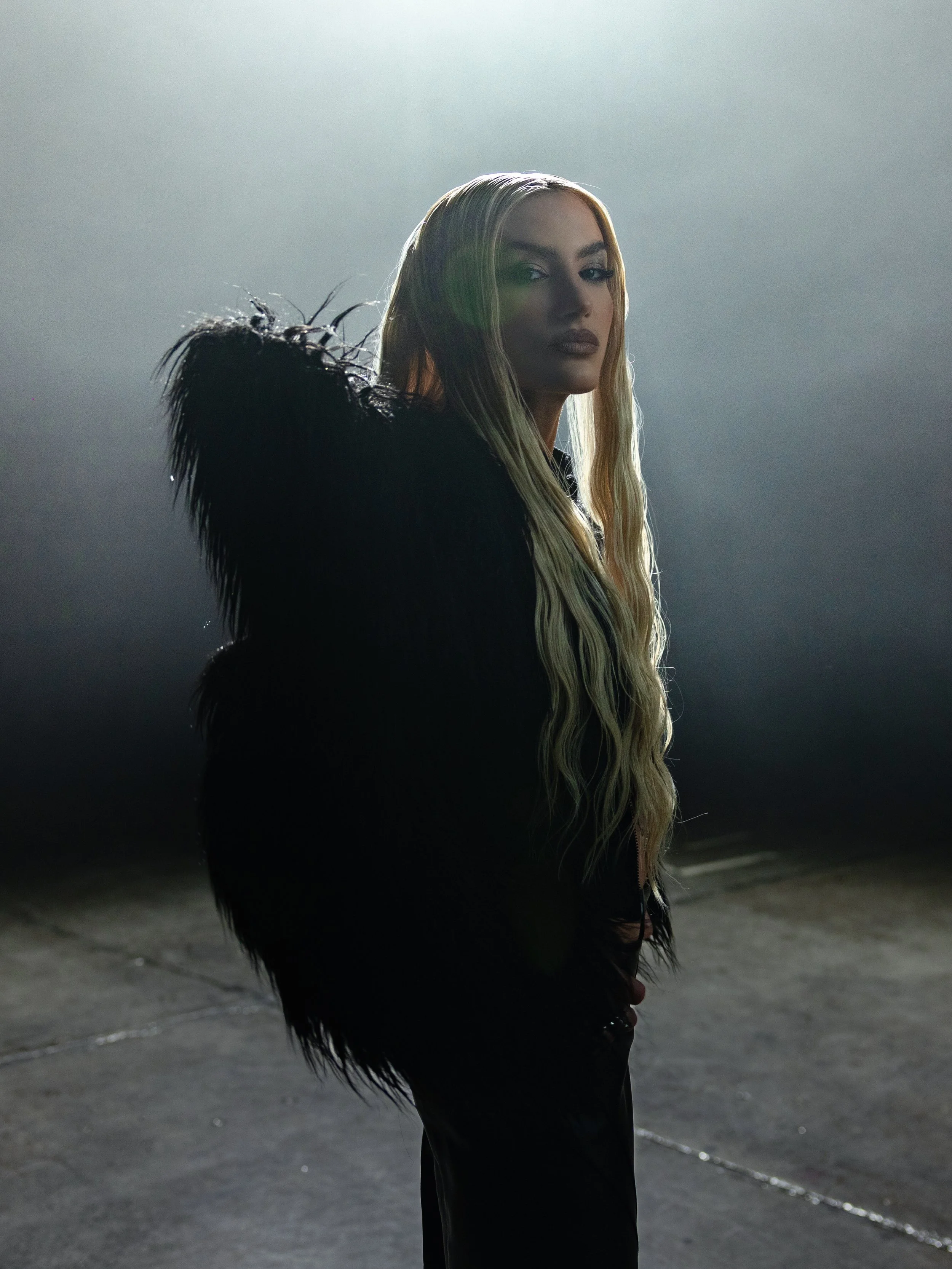
As a female producer, have you ever felt pressure to fit into a certain box, and how have you learned to stay true to yourself?
Of course. There are always expectations about how you should look, sound, or behave. Early on, I probably felt those pressures more strongly, but over time I’ve realised that authenticity is your biggest strength. The moments where I’ve grown the most have been the moments where I’ve stopped trying to fit into someone else’s idea of who I should be and simply focused on being myself.
After years of touring and building your career, what have you learned about yourself during this new chapter?
I’ve learned that success means very little if you’re disconnected from yourself. For a long time, I was focused on the next show, the next milestone, and the next goal. This chapter has taught me the importance of balance, self-worth, and creating a life that feels meaningful outside of music as well. I’ve also learned that some of my greatest strengths come from the challenges I’ve overcome.
This feels like the start of something new for you. What do you hope people take away from TAKE CONTROL and this new era of Lee Ann Roberts?
I hope people see that it’s never too late to evolve. We all go through difficult periods, setbacks, and moments where we lose our way. TAKE CONTROL is a reminder that you can always choose to begin again. If this music inspires even one person to trust themselves, embrace change, or step into their own power, then I’ve achieved what I set out to do.
