
IN CONVERSATION WITH LOLSNAKE
interview by MARIE-PAULINE CESARI
Berlin-based DJ and producer Lolsnake approaches electronic music with the vision of immersion and emotion — built slowly and shaped by atmosphere. Drawing from a background in classical music, neuroscience, and a lifelong curiosity for sound, she treats the dance floor as a shared experience rather than a performance. Through her Weeeirdos project and residencies in Berlin and beyond, Lolsnake has cultivated spaces that feel open, expressive, and deeply human.
How did your classical training shape your approach to electronic music?
One of the biggest ways it shaped my perspective is that when you really know the rules, you can break them—and you can also shape them however you want. That’s where the fun lives. I was admittedly a major nerd growing up. I started clarinet at 10, sax later, then bass clarinet, all mostly classical in band, with some early-morning jazz band in high school. This is embarrassing, but I was in marching band too, which was intense—you have to be on point with timing, marching in sync, hitting every mark while playing, no lagging.
Looking back, I think it really drilled in precision, discipline, and endurance from an early age. You get into a flow state, staying locked in rhythm, responding instantly if something changes. Fast forward all these years later, I feel that muscle memory got activated when I started DJing. In electronic music now, when I’m DJing, I think about how long to leave loops or how tension builds, like holding a note with crescendos. I love twisting those rules and adding the unexpected. If my expression is the sum of all of my experiences, then ultimately it all comes down to using and trusting intuition. Knowing the correct way gives me freedom to inject playful disruption. That’s techno mischief.
How do Western and Arabic influences show up in your sets?
I became such an emotional kid growing up in California. We had very limited copies of cassettes in my house—my Iraqi mom and dad had tapes from their favorite artists like Oum Kalthoum and Fairouz, with their emotional lyrics and large ceremonial intros. That music is pretty deep; there is so much yearning, but also a lot of drama and intensity. It impacted me heavily—I became almost melancholic as a baseline.
Western influences played a major role too, with me always hungry for more, finding new ways to access music, discovering dark wave and industrial, then dance and electronic, plus indie and pop. That constant search and curiosity really shaped me. I do believe the harmony of those two worlds found its way into my sets naturally. I lean toward tracks and experiences as a DJ that evoke yearning and intensity, touching the essence of humanity with its undercurrent of suffering—that’s the shadow. But another part of being human is our capacity to hold that suffering and still play, still be mischievous. I believe that’s why we have raves and always will gather for this ritual.
I always set an intention before some sets, and a major one is that I want the dance floor simultaneously raging and crying—caught in the intensity of the sound and its beauty.
Did studying neuroscience change how you think about rhythm or atmosphere?
Yeah, it really shaped a large part of how I see things now—knowing how the brain ticks, how the nervous system regulates. Neuroscience taught me how powerful environment, repetition, and intention are; I apply that to everything, and it definitely shaped how I think about my sets. When I’m playing, it’s a mix of the spiritual and the scientific.
As a DJ, you learn to lead the crowd into a realm—getting there collectively takes repetition, tension building with subtle shifts, so you can guide them into that trance-like state together. That’s basically entraining brainwaves and motor systems to sync; the whole room starts moving as one. The longer they’re entrained, the easier it is to lead them into that weightless flow state—the immersive zone where the vestibular system kicks in.
That’s why early in sets I keep the same mood and BPM locked in for longer periods. Especially in my four-hour sets, I do long build-ups, and subconsciously the audience starts anticipating it. Atmosphere works the same way—building tension or release, syncing the room through collective entrainment. Funny thing is, I know I did my job when I also find myself locking into that same flow state as everyone else—goosebumps!
How do you decide which textures to mix in a set? Is there a depth of sound or music?
It’s really based on the room and the sound system, the mood I’m in, and the vibe of the party. When it comes to selection, I think about the level of information in a track—what depth and intensity it carries, how it fills space without overwhelming. Depth is in the sound and music; it’s layers creating an immersive wall people can explore.
I layer a lot. I love blending tracks that feel like they match or complement one another, like they love each other. I mix in key most times, grouping those tracks so playing them turns into a new piece through DJing. For example, I might take the kick from one track to anchor a three-deck blend for 20 minutes, weaving melodies from another and pulling textures to create a full spectrum on the club system.

Did you expect Weeeirdos to grow into what it is today?
It’s a beautiful thing, really. Weeeirdos has been this nine-year creative project of mine, with pretty much no expectations from the beginning. I tried to keep my ego from meddling too much into what it is or what it isn’t. I love bringing people together. I saw it as a conversation and collaboration with the city I live in, letting it evolve.
It started with DIY concerts and raves—quite exciting, quite grueling, but fun. The parties were raw, scrappy good times. Later, I worked with a lot of clubs in Berlin and got a little residency at OHM back in 2018. Then the pandemic hit, and we went back to DIY raves. After the pandemic, it grew even more—hosting a Friday at Berghain and Boiler Room during Pride in 2023. Now it’s a residency in Säule, the ground floor of Berghain, six times a year, plus events worldwide.
I do believe the core of the project remains intact. It’s a celebration of freedom to express our truest selves. It’s really humbling how the community and passion grew it.
How do different club environments change the way you DJ?
They change everything. The size of the room, the city, the history—all impact how I build energy, how fast I mix tracks, how long moments stay in a loop. In large spaces with high ceilings, you can really stretch atmospheric builds, and the sound and reverb of the room can hold them. In small, sweaty boxes, punchier transitions work great.
Another consideration is asking who this audience is. Crowd loyalty matters—are they new to techno, or freaks hungry for the tunes? This shapes whether I start steady or go weird with jumps. It always comes back to the question: how do we reach that trance realm together, or inspire playful mischief in different situations? Those are the questions I usually ask before I play and as I go along.
How does fashion fit into your artistic identity?
As an artist, I strive to remain on a journey toward expressing myself in the truest form. It feels so good getting closer and more free through the years. Fashion plays a large part in this, as it’s another mode of expression, like music.
I grew up going to the library regularly, consuming any bit of culture I could get my hands on. Often I’d go through fashion magazines, secretly clipping pages of things I loved. I think I got trained from a young age to understand how to build looks and be a bit more daring. For me, it’s not about labels, but the attitude and confidence you wear something with. I love letting my freak flag fly.
How do collaborations influence your creative vision?
Living as an artist, to me, is also about the ongoing exploration of the essence of humanity and learning to channel it—the light and the dark, the big mess. When collaborating with other artists and creatives, they bring their own take. It’s so gratifying diving into new perspectives, and I often apply what they teach me, sometimes immediately, sometimes it brews in the background.
I believe we are all teachers to one another, and no one figures things out on their own—there are no rules to the creative act. I find collaborations can be transformative. I also love it when my perspective is challenged.
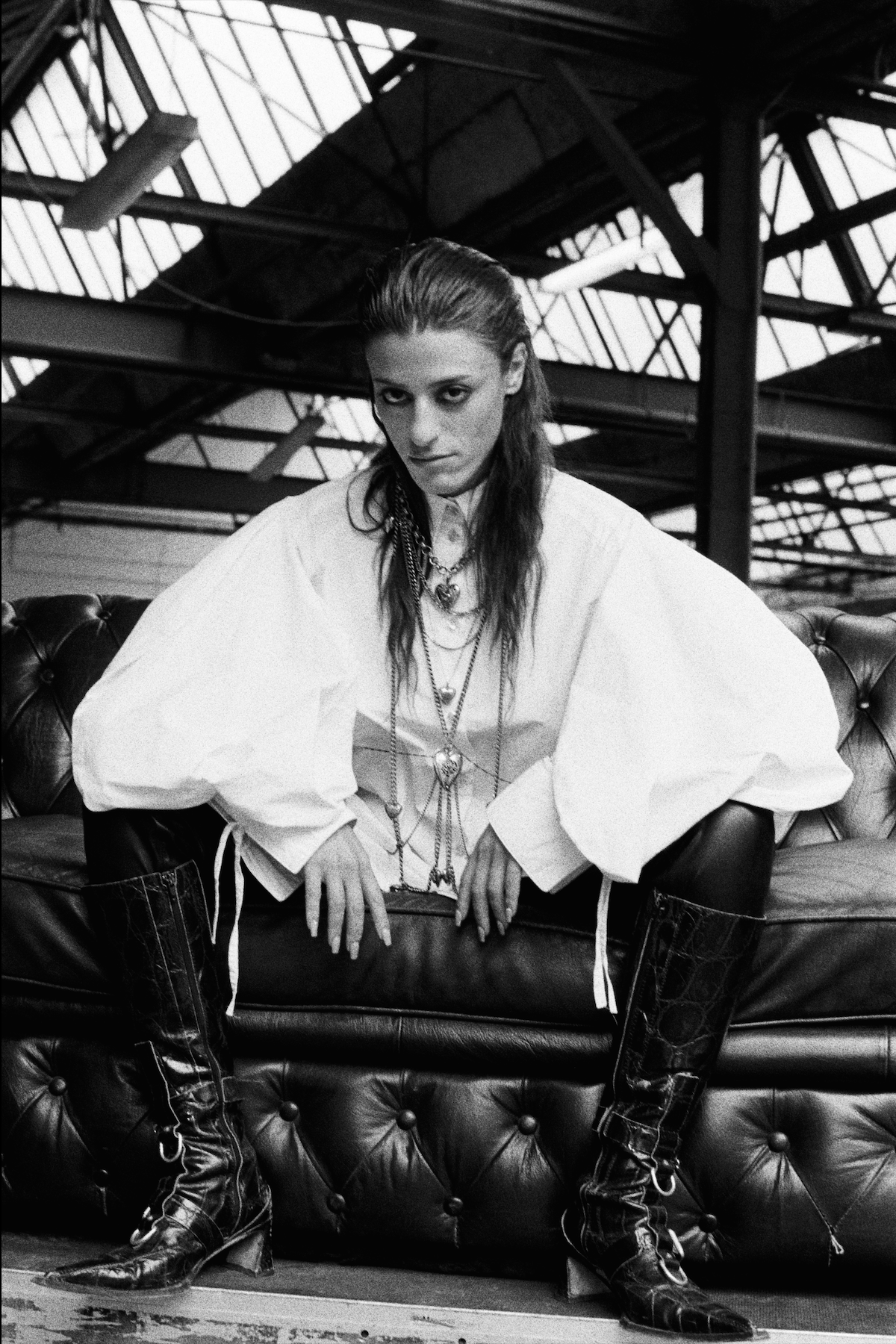
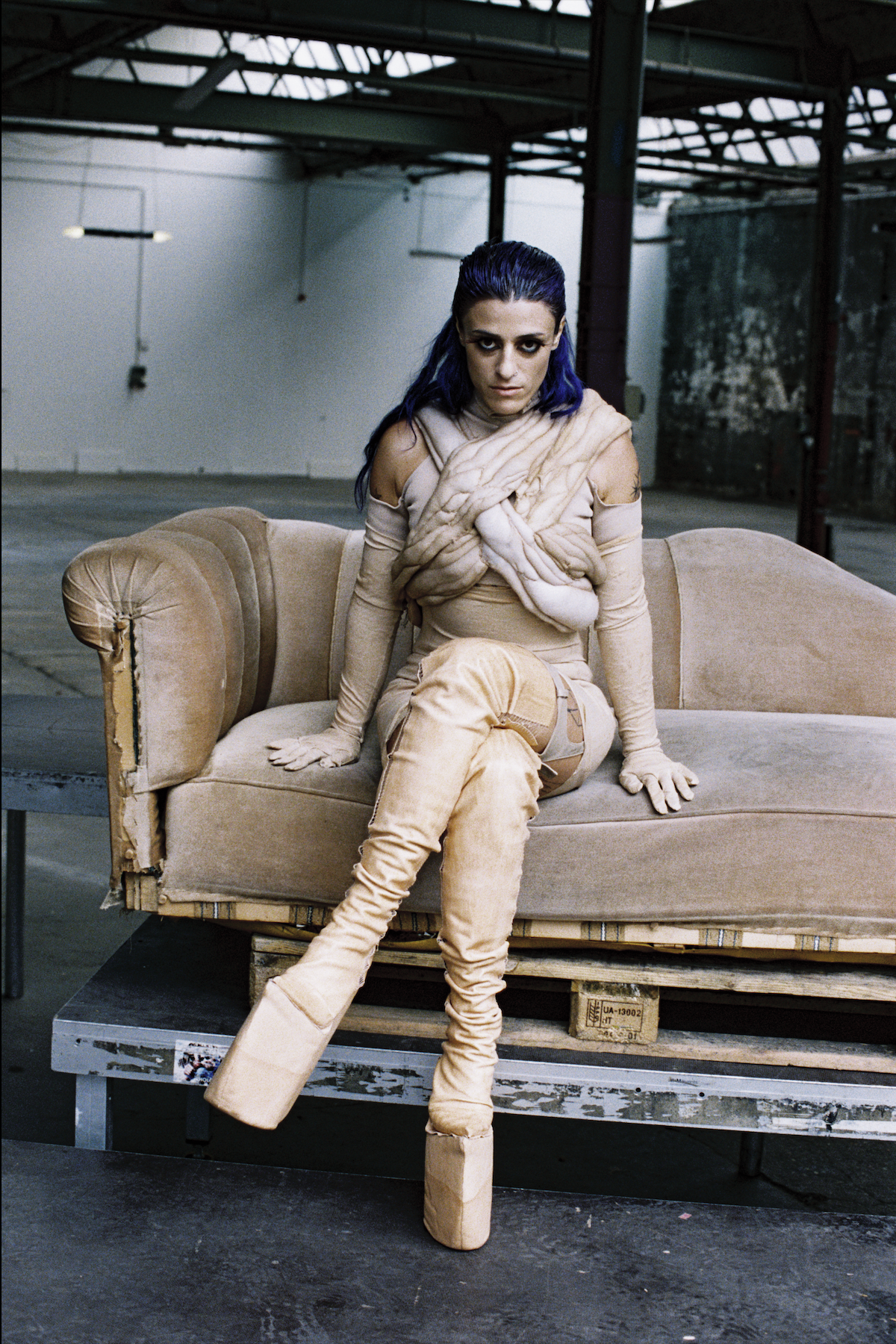
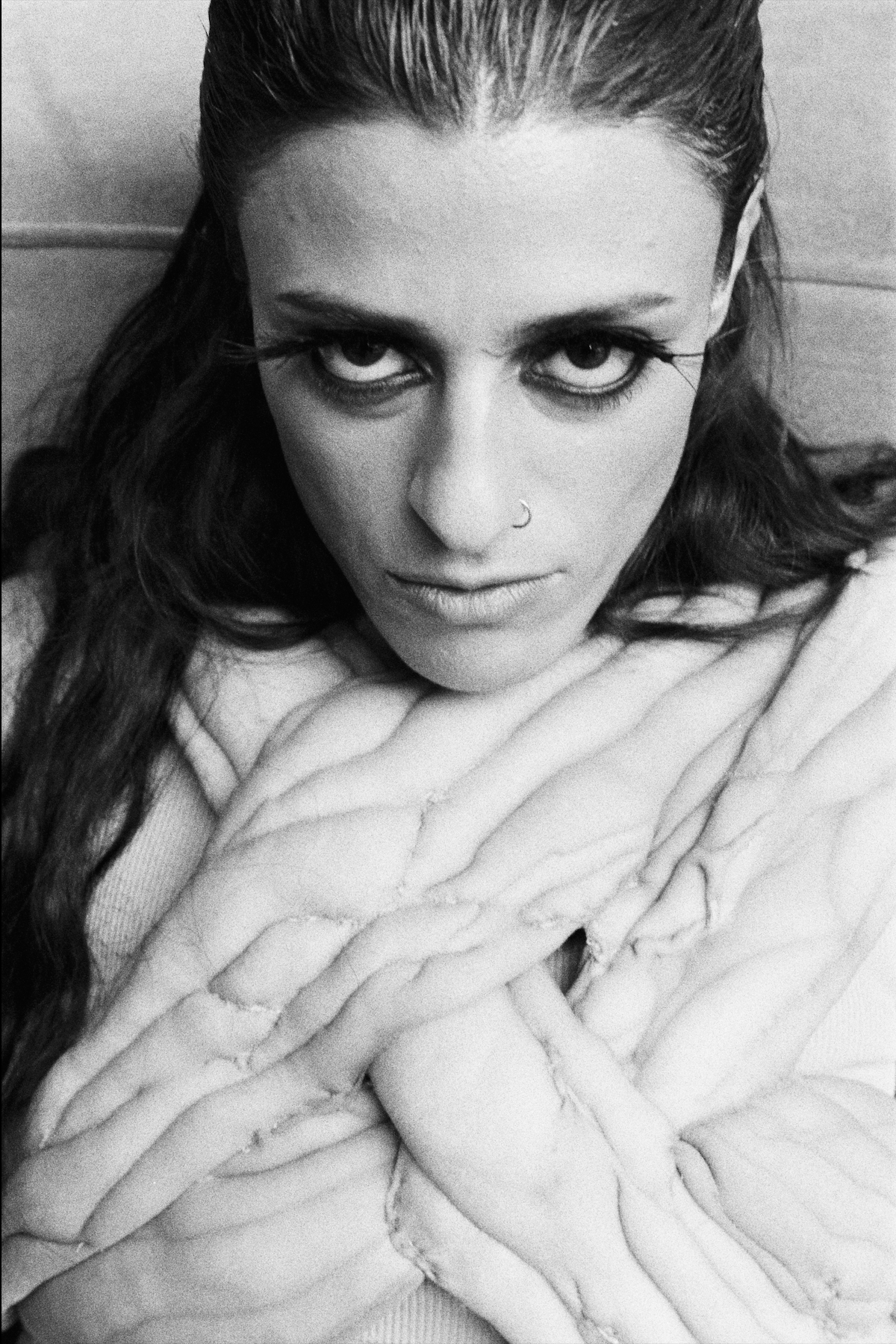
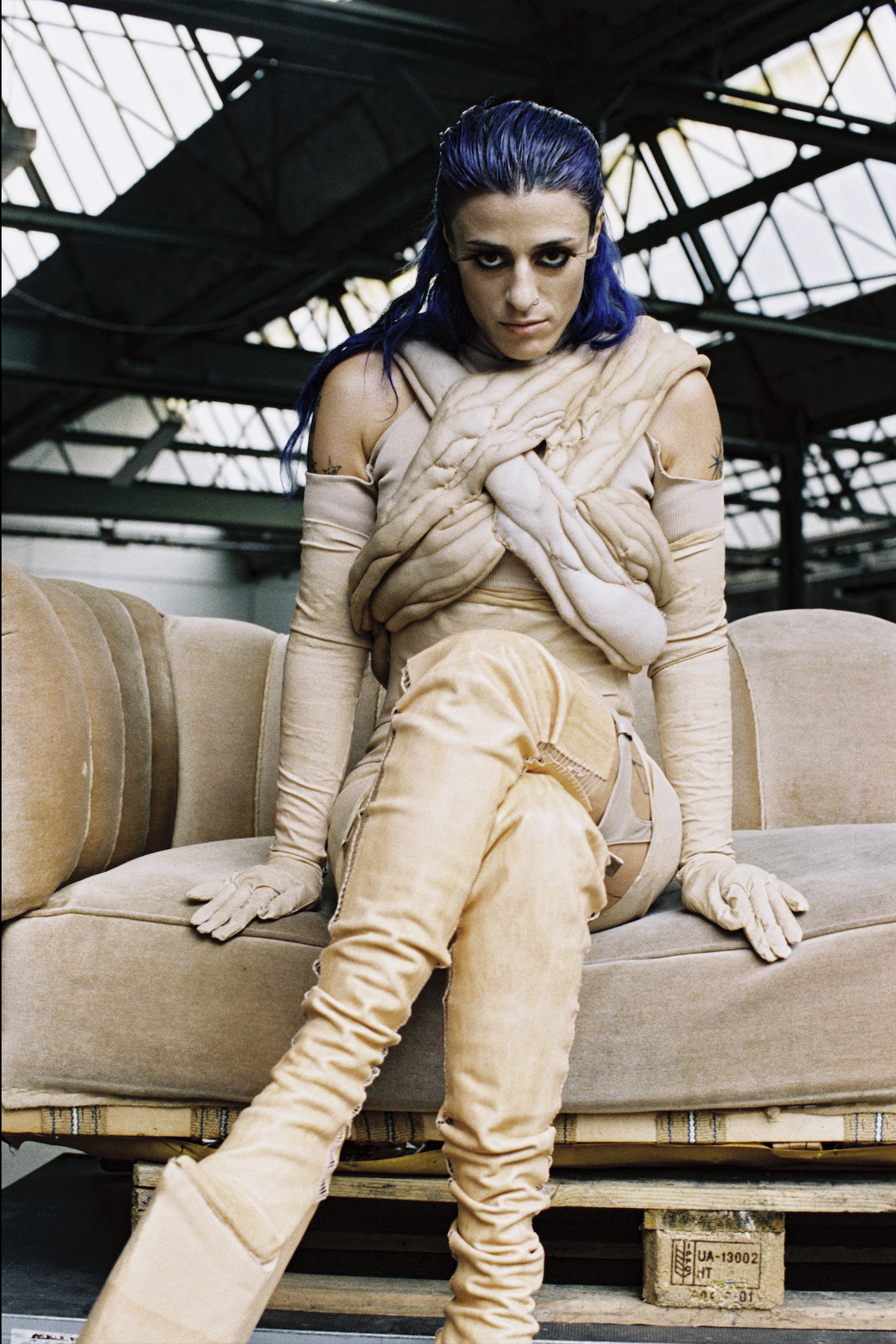
What was it like shooting with Sven—what mood were you going for in this editorial?
It was a full day at Haus der Visionäre. Sven had his trusted team, all so wonderful. The shoot felt great—everything clicked: the energy, pacing, and vision matched. I felt that I could be myself fully. Sven is a master at capturing the true essence of a person—raw and unfiltered. I felt we were aligned.
With the shoot, we emphasized the natural mixed with the uncanny. We also went with the mood of the aftermath of a party—after I finish playing, behind the scenes—exploring that almost vulnerable space. It felt honest.
What’s guiding your next chapter with Weeeirdos and your global tour?
More collaborations, more mischief :)
TEAM CREDITS:
talent LOLSNAKE
photography SVEN MARQUARDT
styling DANNY MUSTER
makeup and hair SASKIA KRAUSE
production and photography assistant HARDY PAETKE
location HAUS DER VISIONÄRE
