IN CONVERSATION WITH LOUIS LETERRIER
interview TIMOTEJ LETONJA
words LEANDRO DA SILVA
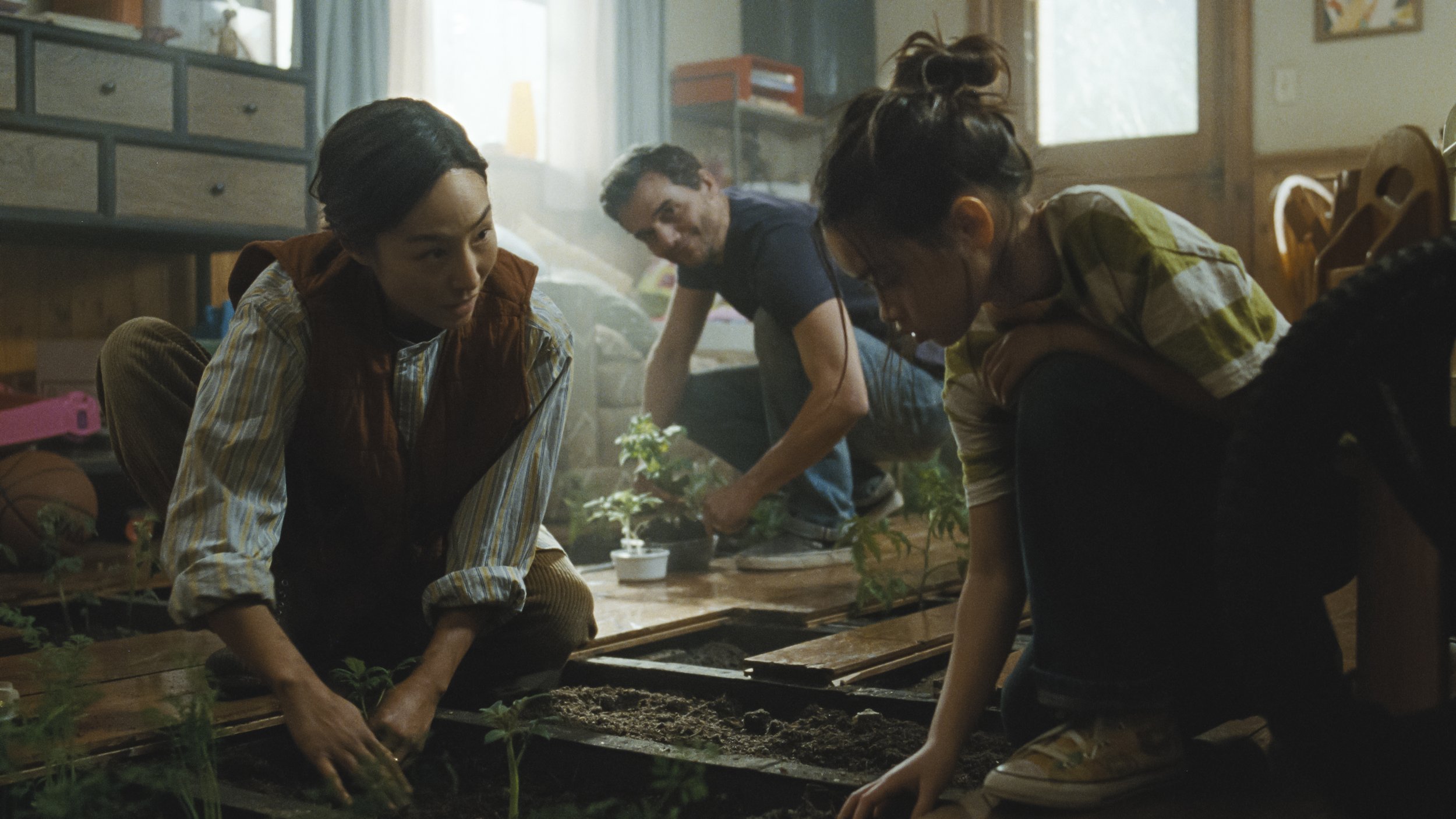
Every house holds memories. In The Last House, it also holds fear. Louis Leterrier transforms one of the safest places we know into a prison, where every room becomes a battlefield and every window a reminder of the unknown waiting outside. Blending science fiction, psychological suspense and intimate family drama, the film explores not only the instinct to survive, but the equally powerful instinct to protect those we love.
For Leterrier, the story resonated on a deeply personal level. Beneath its high-concept premise lies a reflection on parenthood, vulnerability and the anxieties of a world that often feels impossible to understand. In our conversation, the filmmaker reflects on the fears that inspired him, embracing creative limitations, and why Greta Lee and Wagner Moura became the emotional heart of the film.
all images courtesy of NETFLIX
Throughout your career, you've explored a wide range of genres, from action and adventure to thrillers. What was it about The Last House and its exploration of fear and isolation that made you want to tell this story?
It felt very personal. When I first read the script, it was very different, but there was something that really hit me deep inside. I thought, "I know this story. I've dreamt it. I've had nightmares about it."
Being a father with a family you always want to protect — that was the inspiration from the beginning. That's why I wanted to make this film.
Psychological thrillers and horror films seem to resonate with the audiences now more than ever. Why do you think stories that explore fear and uncertainty feel especially relevant today?
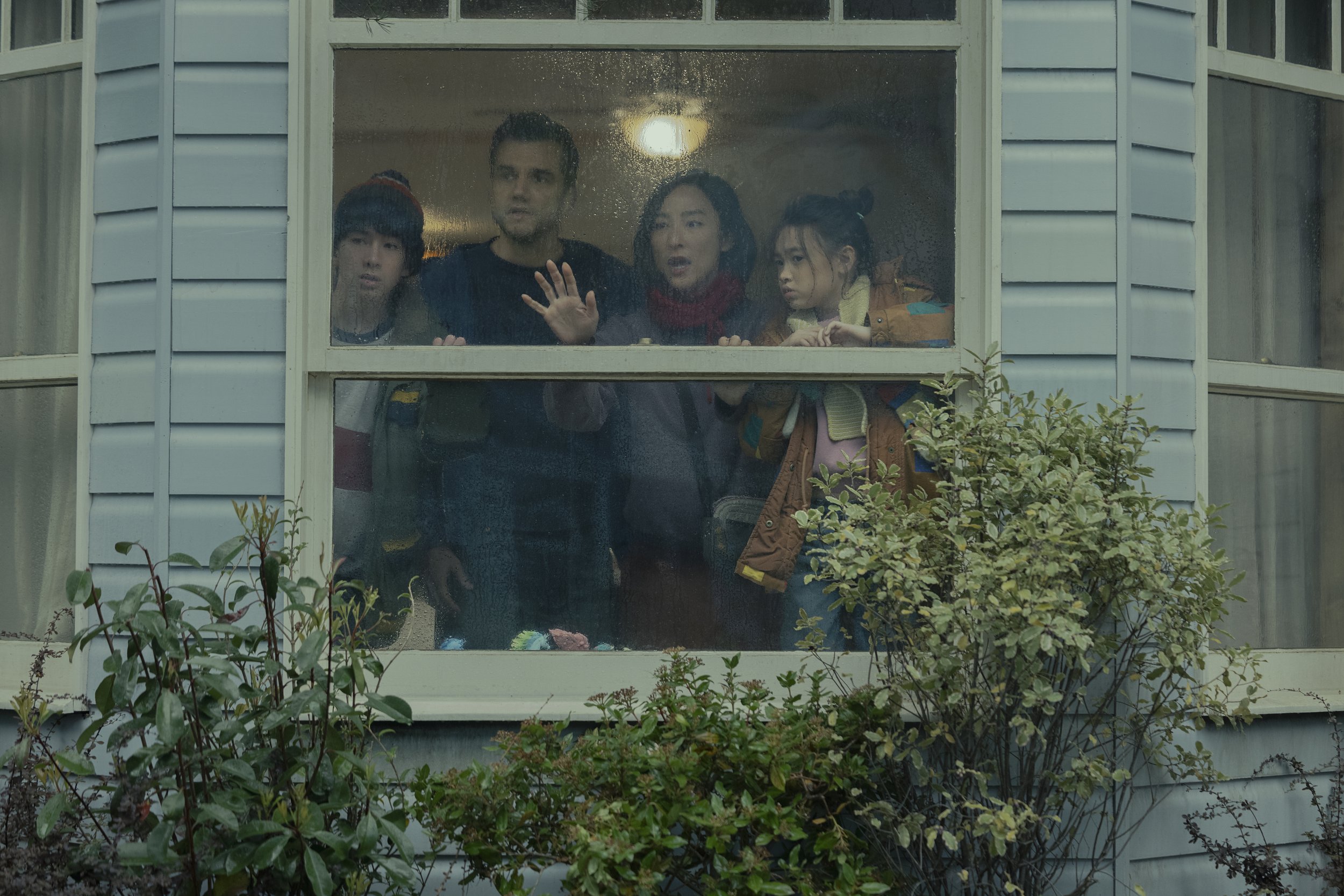
I think the world today is more frightening than ever because of the unknown. Our relationship with the truth has become very vague. Whether it's UAPs, what's happening in the news, or everything we're constantly exposed to, there's this overwhelming feeling of uncertainty.
That's the experience I wanted to put our characters through. They don't see the world directly anymore — they only experience it through the frame of their front window.
Much of The Last House unfolds within a single location. How did that creative constraint influence the film's visual language and the way you built the suspense?
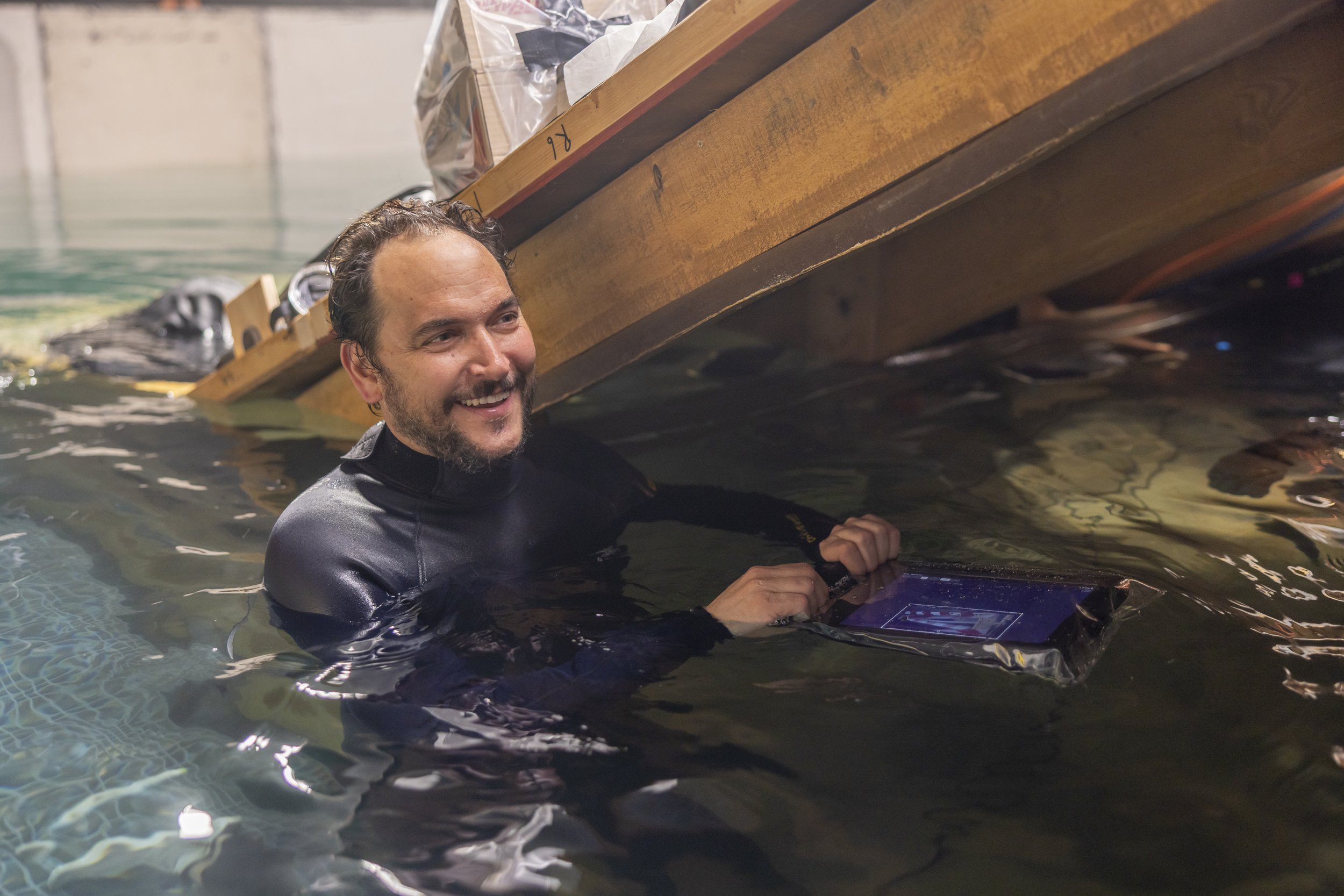
A director is always best served when we build a box around ourselves. In this case, we literally built one. I told myself I didn't want to shoot anything outside, except at the beginning.
Those constraints really helped us tell the story in a simple way. We didn't want to go through walls with the camera. We used big, bulky, old film cameras just to make sure the filmmaking felt like it was shot by humans, made by humans, and not by the digital aspect of it.
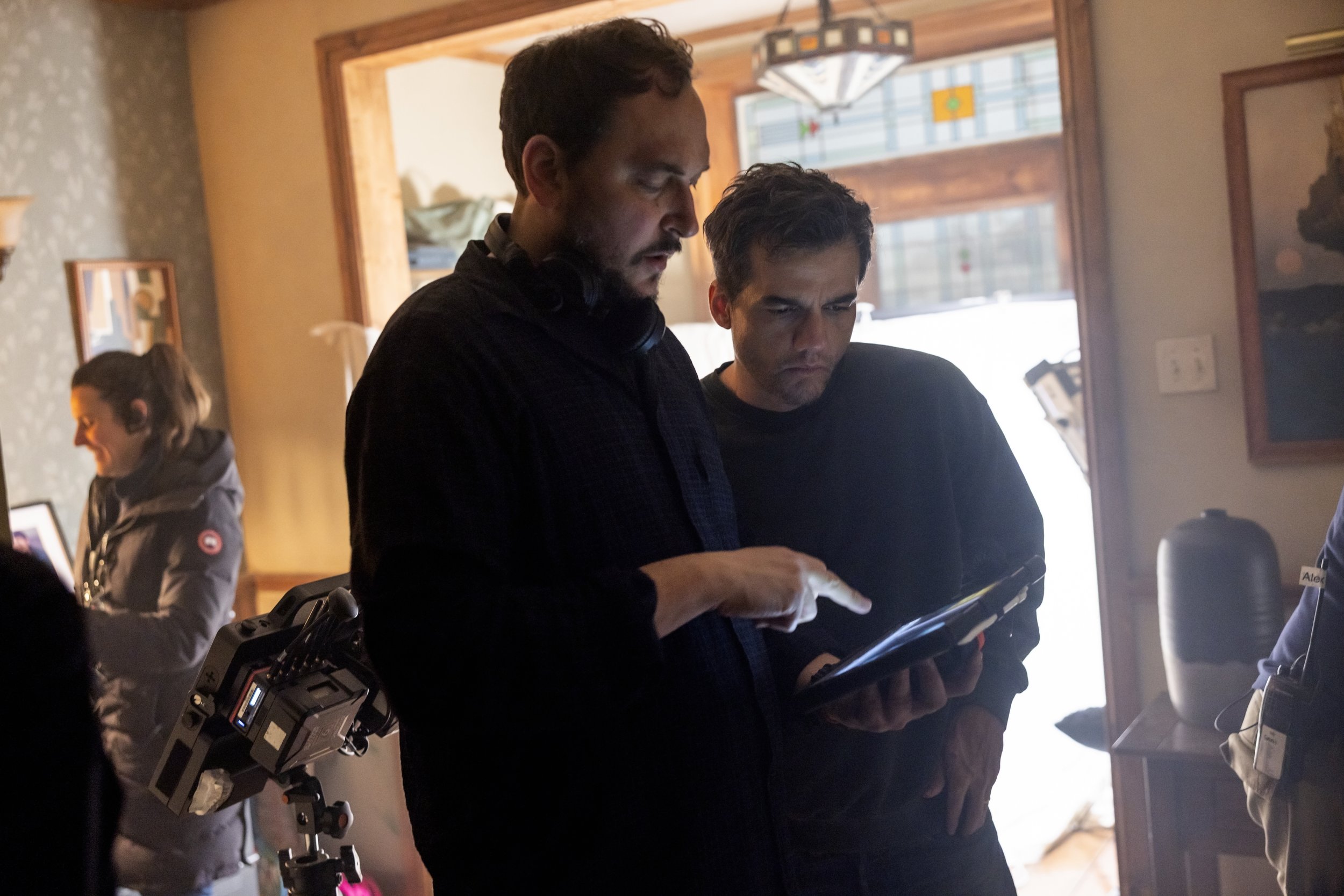
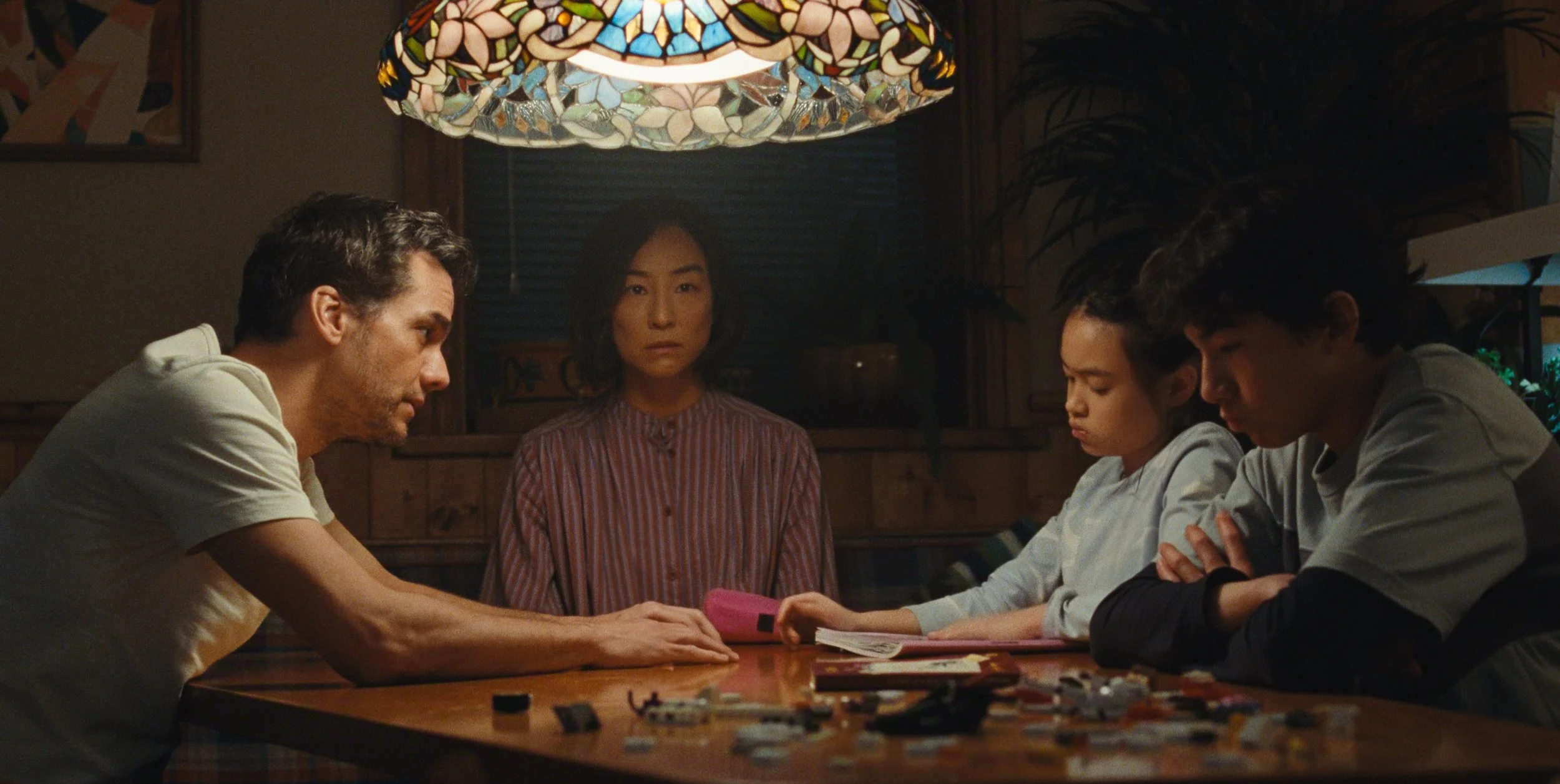
Greta Lee and Wagner Moura are two of the most compelling actors working today. What made them the right pairing to bring this family to life?
Their reality. They're both amazing parents. An actor can do anything, but when they can draw from their own lives and experiences and bring that into a performance, it becomes something very special.
It's about chemistry and the pairing. They're obviously very different people in real life, but the emotion and the truth they bring to their acting felt very real.
There's only so much I can do with kids, animals, and everything else. Everything was practical. I can direct and tell them what I want, but ultimately, acting is reacting. I say "Action," and from that moment on, it's up to them to make it work.