
IN CONVERSATION WITH LUCAS PINHEIRO BRAATHEN
interview by TIMI LETONJA and LEANDRO DA SILVA
Lucas Pinheiro Braathen is an Olympic gold medallist and one of the most distinctive voices in modern sport. Representing Brazil on the global stage, he is part of a new generation of Brazilian figures gaining international recognition across sport, fashion, culture, and creativity.
Born between Norwegian and Brazilian cultures, his journey has been shaped by bold choices, including his decision to compete for Brazil. Known for his precision and expressive style on the snow, Braathen has established himself among the world’s best athletes while using his platform to champion individuality, authenticity, and self-expression.
Beyond competition, his influence extends into fashion, identity, and contemporary culture, building bridges between performance and creativity in a way that reflects the many dimensions of modern Brazilian representation.
“It is exactly your difference, whatever that is, that is your superpower. That is your currency.”
— Lucas Pinheiro Braathen
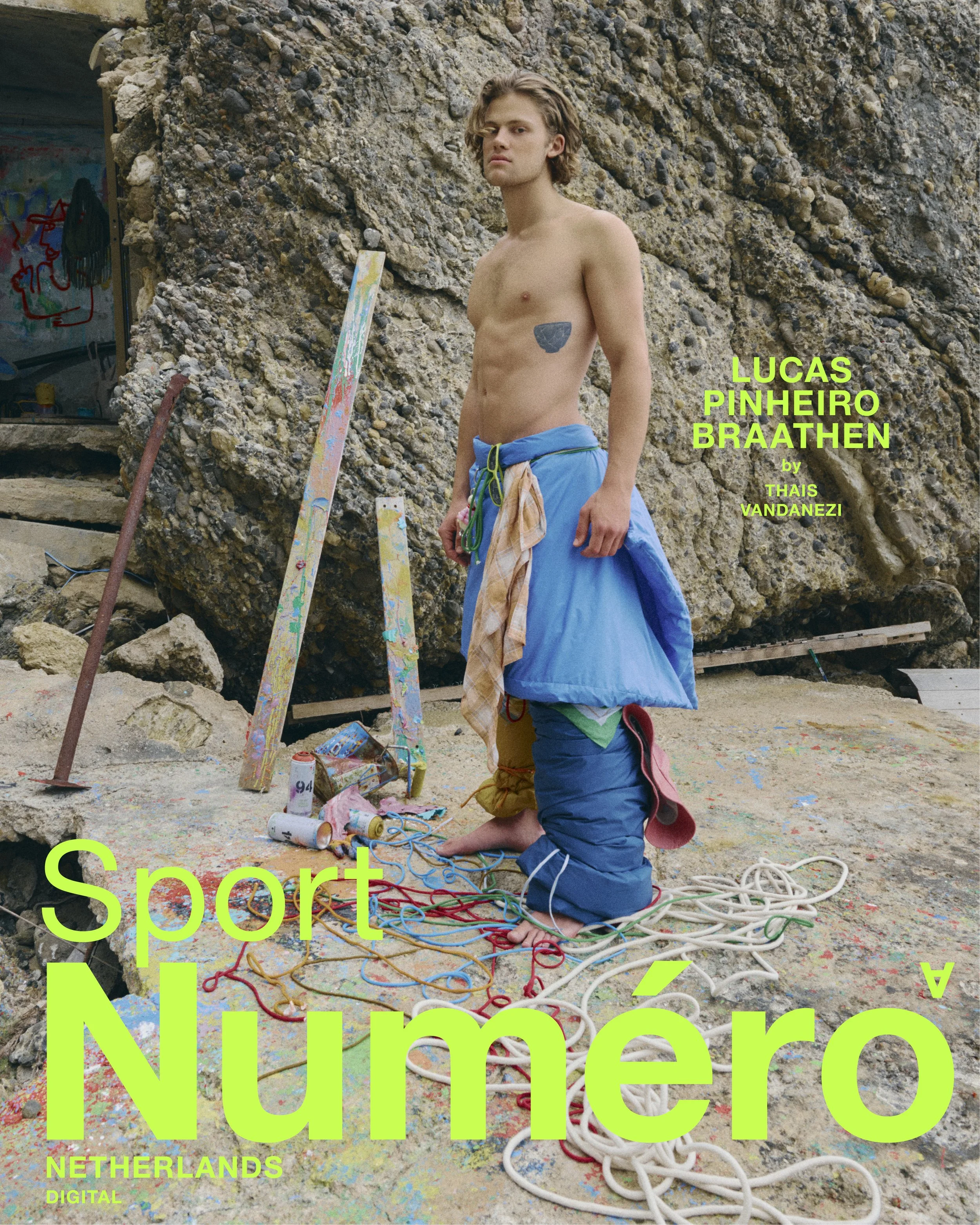
full look MONCLER
Timi Letonja: You represent a new chapter for Brazil in winter sports, especially after your Olympic victory. As a Brazilian athlete on a global stage, what does this moment represent to you personally?
Lucas Pinheiro Braathen: I think this moment represents diversity. I think my answer has two aspects to it.
For me personally, it shows what is truly possible when daring to be who you are and follow your intuition. And then, for Brazil, I think it really represents our diversity as a country and our culture, because Brazil is a country that’s formed by many, many cultures.
I find that the reason why I’ve always felt such a home in Brazil, even though I’m half Brazilian, half Norwegian, always had a bit of a funny accent, been a skier but been Brazilian, always this contrast that doesn’t add up, is that Brazil is a country that embraces that with curiosity.
When you walk the streets in Brazil and you see an Asian-looking guy, you see a Black guy, you see a Latin guy, you can’t say that one is more Brazilian than the other. And that, for me, is what this moment represents. It represents that Brazilians are represented by all cultures.
And the oxymoron of this is that Brazilians very often look outside of their own borders in order to seek inspiration. If we want to eat well, we eat at an Italian or French restaurant. When it comes to fashion, we also aspire to Italian, American, or European fashion houses. But we have so much to be proud of ourselves.
Very often, we look at ourselves as a bit of the failed cousin. And I really hope that a moment like this can inspire Brazilians to dare to be who they are, be proud of who they are, and believe that they can accomplish anything as well, even as Brazilians.
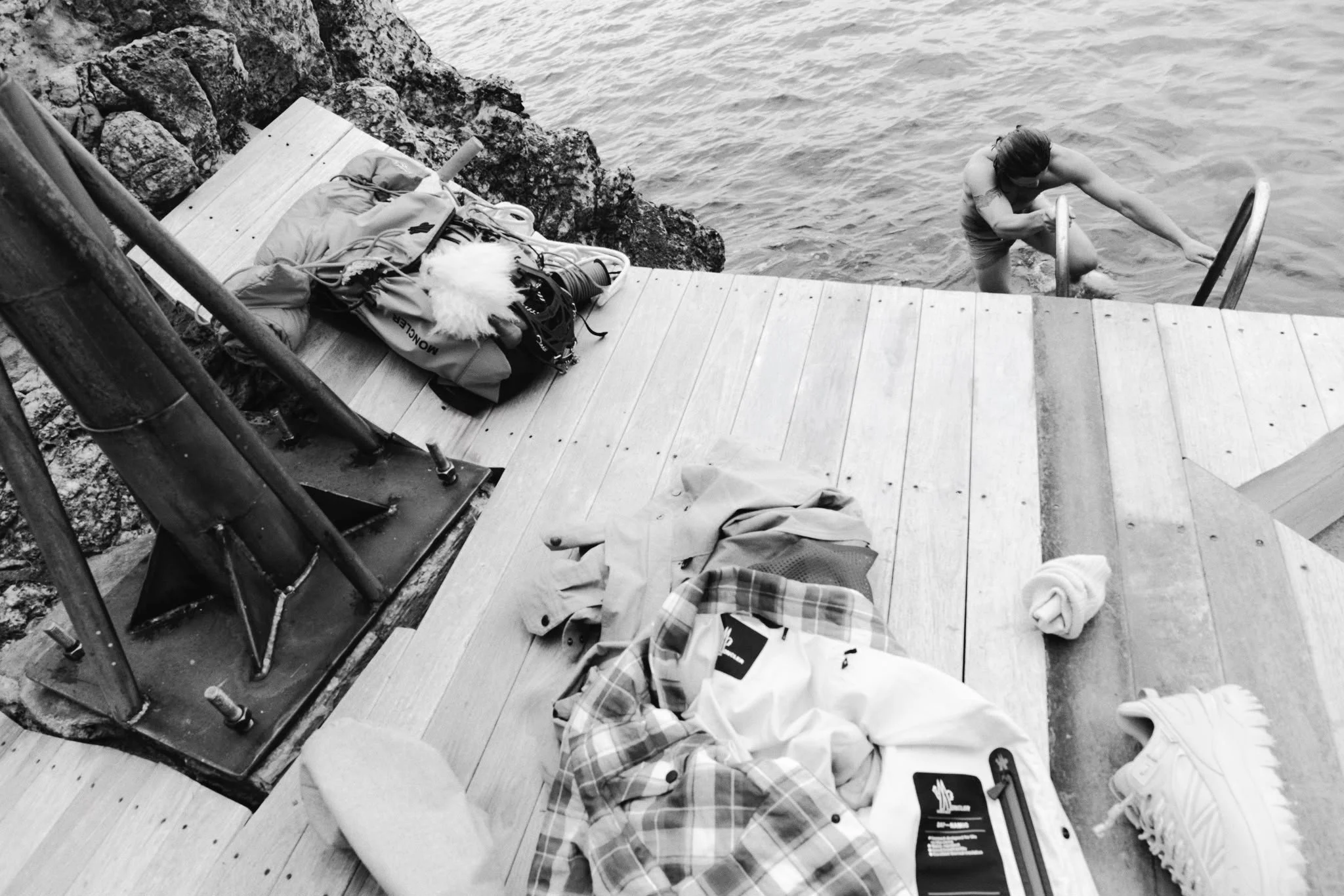
Timi: Thank you. I do think Brazil is growing so much internationally. I wouldn’t use the word popularity, but awareness more than anything. And that’s also true of the cuisine, for example, which surprised me. I’m a foodie, and it is such a diverse cuisine. And then everything else comes with it too, from music to cinema and so many amazing aspects of the culture.
Lucas: I find that Brazil is in a transformation right now. Various industries are stepping onto global stages and not only taking part, but making a difference.
That was really important for me leading up to the Olympics. To say: hey, yes, we’re already writing history by taking part the way we are now, but we’re not here to take part. We’re here to make a difference.
And I think that was really important. Thank God that we did make a difference by pulling the gold in the end. But it was so important for me to have Brazilians really believe, all the way until the day of the competition, that we had something to do there. It wasn’t just about, “Oh, some Brazilian guy is taking part.”
No. It’s like the Oscars now. The Secret Agent is taking part. Kleber Mendonça Filho is representing the Northeast of Brazil. Then you have Alex Atala finally making Brazilian cuisine aspirational by bringing the Amazon into the city of São Paulo.
Timi: Like you, I’m a foodie, so here I jump in immediately. But there are so many good restaurants in São Paulo. It’s insane. Especially São Paulo, I would say.
Lucas: Very much so. São Paulo is the capital of all cultures.
My point being, like Alex Atala did with the culinary scene, like Oskar Metsavaht did with fashion in Brazil, like Kleber Mendonça Filho, Wagner Moura, and Fernanda Torres are doing in cinema, I feel like this moment steps into one of these pillars of expanding what being Brazilian now means.
And that is what makes me the proudest.
I don’t see it as a moment about skiing. I don’t see it about sports. I see it as an expansion of what being Brazilian means.
And I’m happy for Brazil to see that we’re gaining this position across these industries, because that’s important for the people walking out in the streets here.
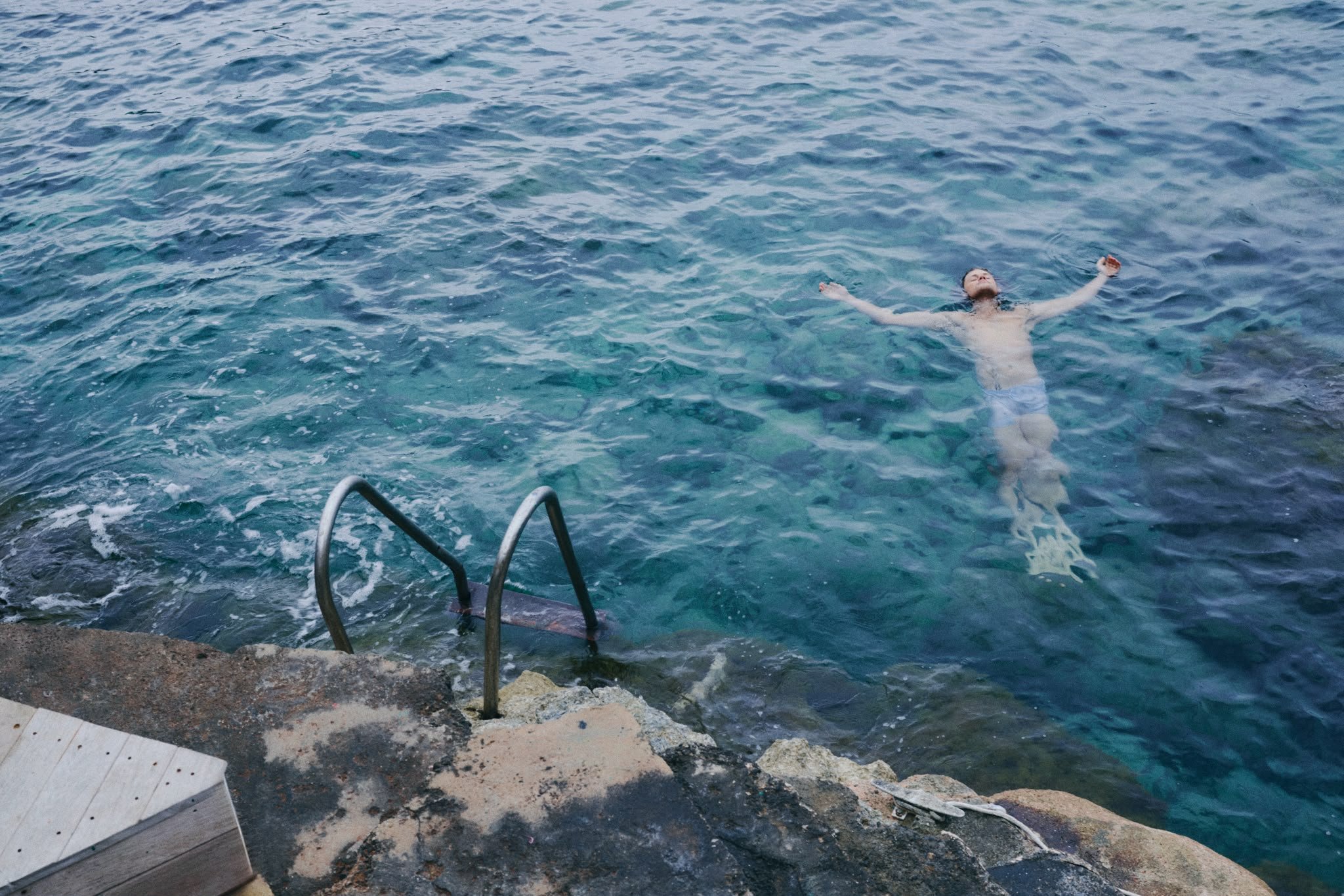
Timi: That’s so cool. I’m Slovenian, so I grew up skiing. For example, Tina Maze, the most successful Slovenian ski racer in history, was a huge inspiration to me. I also skied as a kid, although not professionally. You grew up between Norwegian and Brazilian cultures, and at a certain point, you made a conscious choice about where you wanted to belong. How did that decision reshape your sense of identity?
Lucas: That’s a great question, because honestly speaking, I’ve had a very tense relationship with my identity for the majority of my life.
I also think this moment, this transformation in Brazil, represents this topic of identity. And that’s also what I mean when I speak about the expansion of what being Brazilian means through the things that are happening now, because they are shaping the identity of Brazilians.
Speaking about me personally, I’ve always found it difficult. In Norway, I was a Brazilian. In Brazil, I was a gringo. My accent in Brazil was weird. It’s always been this thing of, I’ve never fitted anywhere, so I don’t feel like I have a home.
That’s where sport came in.
I became an athlete because football was the first place I ever felt at home. In the quadra, as we call it in Brazil. I started with futsal. When I was playing in the quadra, it was the first place that I found that my identity, so to speak, didn’t matter.
My accent didn’t matter. The color of my skin didn’t matter. The way I looked didn’t matter. The clothes that I wore didn’t matter.
The only thing that mattered was how I played ball.
And that’s the same relationship I had with skiing. For me, they were spaces of freedom to be who I am and to express myself freely.
That’s why I became an athlete at the start. That was my introduction. Later on, it became this obsession, this becoming my purpose and wanting to become the best in the world. But that was my introduction to sport.
And so, this multiculturality has always been very difficult for me. I only grew to realize, thankfully through many aspects, but especially through sport, how my difference was my superpower.
The reason I think I could become better than everyone else in the world was because I came from a different background, which gave me different abilities than the others.
Hence why I really try to stress, for the next generation, whenever I get an opportunity to be in an interview after achieving some sporting success, that what I try to leave the kids watching with is this:
It is exactly your difference, whatever that is, that is your superpower. That is your currency.
And so it grew from being something that had been difficult for me for the majority of my life to becoming something I’m very proud of and that I embrace.
That’s the piece of inspiration I’m trying to leave with the next generation in this day and age.
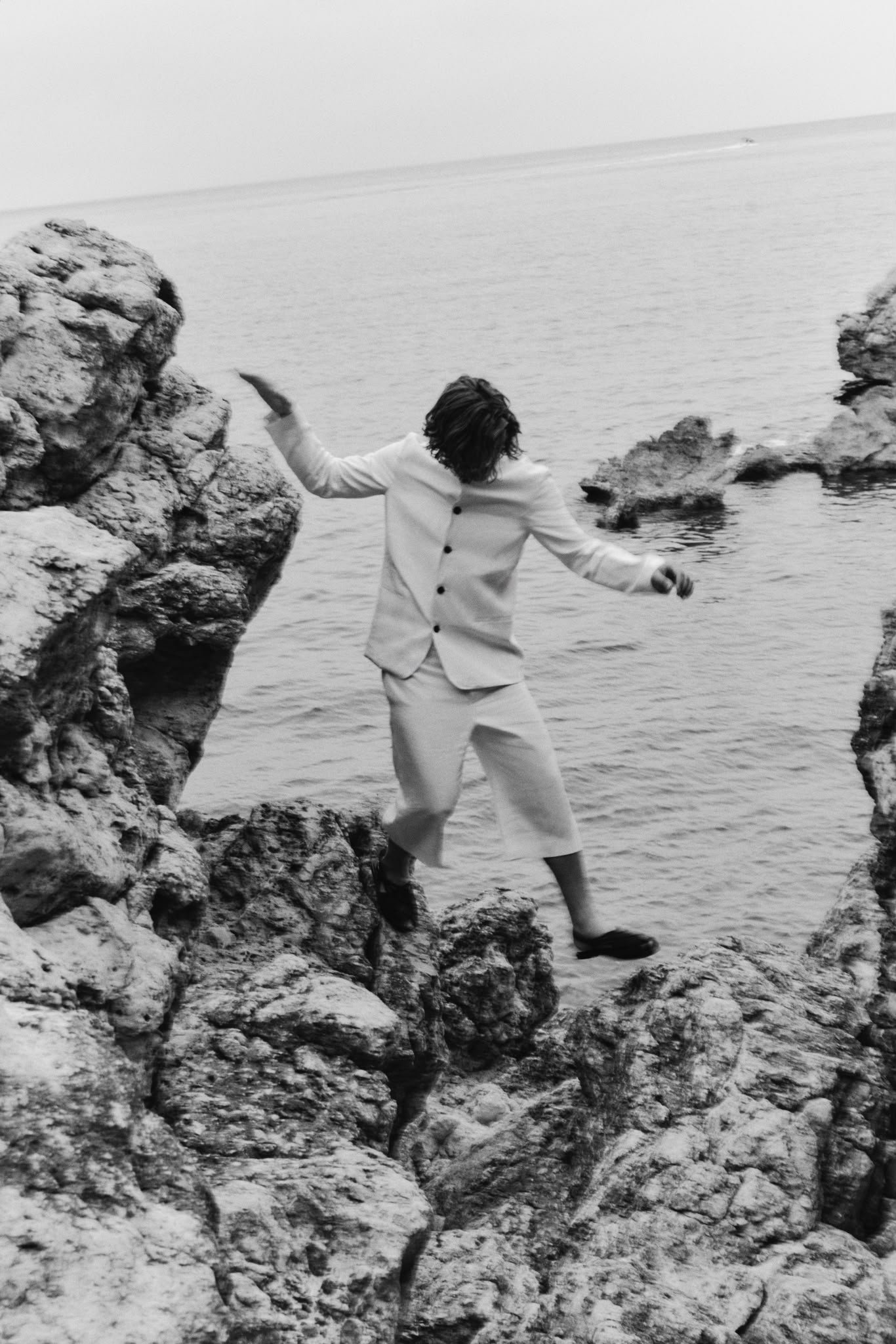
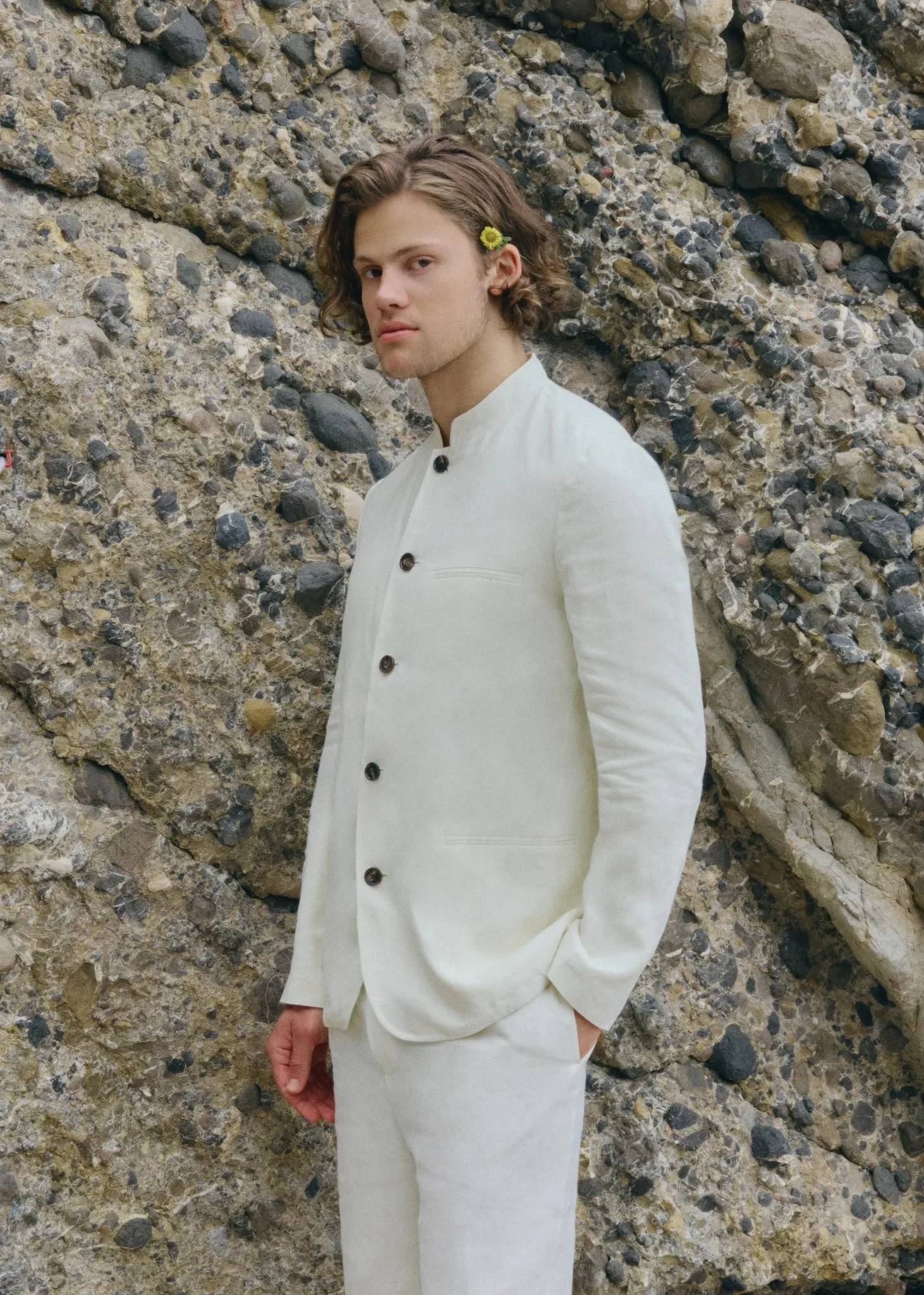
full look LOROPIANA
Timi: Totally. I have a follow-up question. You mentioned football and skiing, but how did you end up choosing skiing?
Lucas: There are several aspects, but what I found in skiing was that, because I hated skiing growing up.
My father tried to introduce me to it at age five. I told my dad, “I have Brazilian blood. I can’t do these temperatures. I will get sick. It’s so much clothing. I can’t do this. I’m not made for plastic boots. I’m made for what we call chuteiras, the football shoes, and to have my feet in the sand at the beach.”
I did that so well. I fought so well against it that he gave up.
It was only at age nine, after I started pursuing to become the best in football, that he asked me again. And just because I wanted my father to be able to ski with his son, because I knew that was such a big wish for him, not professionally, just to be able to share that experience, because skiing is a big love of his, I said, “I’ll go out to the mountains with you.”
So I went to try it, not because I genuinely wanted to. But what I found in the mountains was several things.
The most important was that I found other kids traveling from various locations in search of snow, like me, which naturally creates diversity in the group you’re skiing with. We’re connected through this one thing that we love. We search for it by searching for snow in the mountains, and then we embrace that activity and that sport together.
In this group, I found that because it’s not so geographically bound, I was even more freed from prejudice and preconceptions. We all came from different financial backgrounds. We all had different accents coming from different parts of the country.
And so I found a group where none of my differences were looked upon as something bad. I didn’t feel weird because we were all equally weird to one another.
So that is what I fell in love with.
And then I also fell in love with this experience with nature, and the individual and rather spiritual experience that it is, being in harmony with nature at such a high risk, balancing its climate and its snow conditions.
It makes me feel so one and so connected. And it is the feeling that I chase every single day.
And when I am able to do that in competitions, I win.
So for me, success is not winning. It’s not trophies. It is achieving that state of mind. And as a result of that, I know I win.
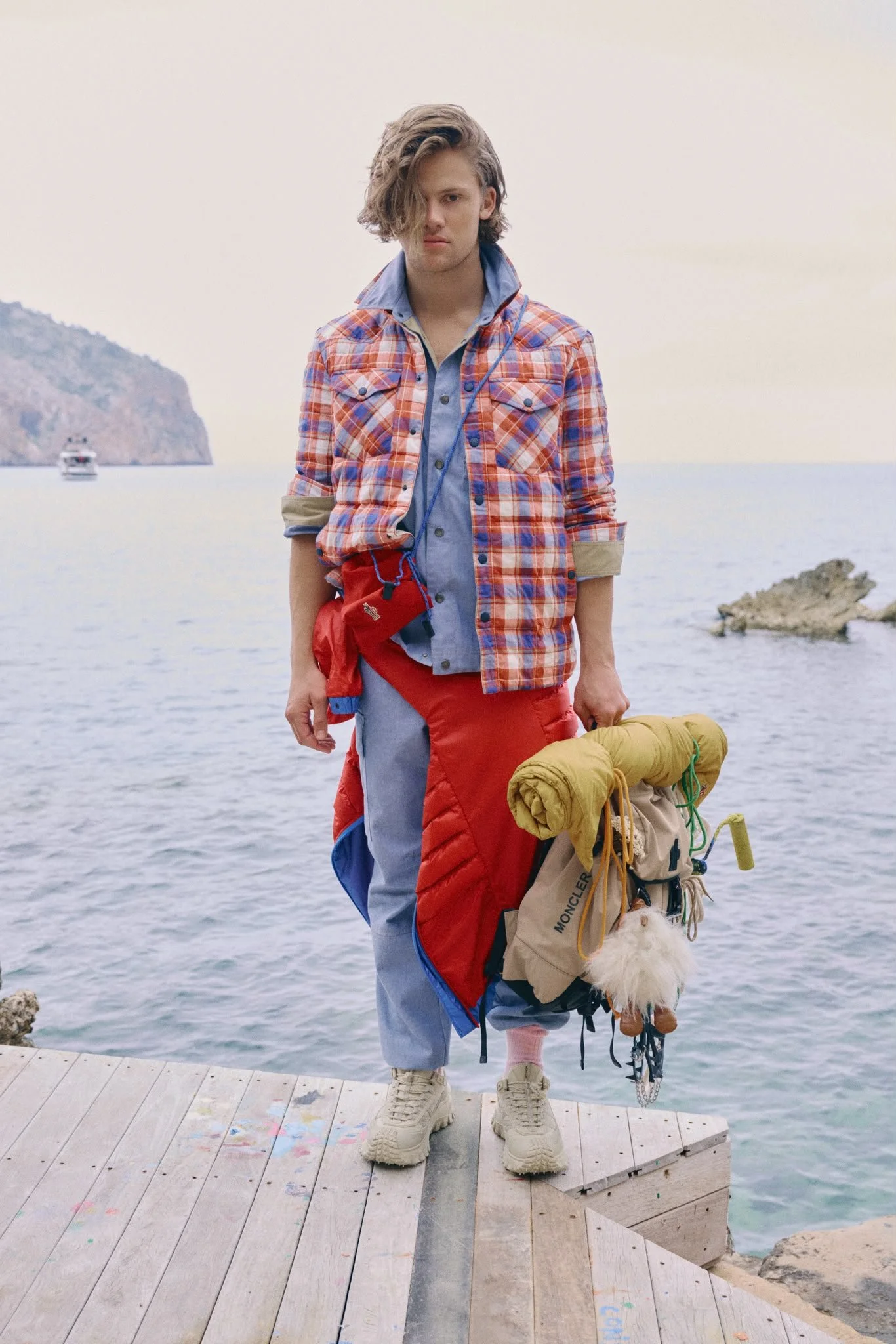
full look MONCLER
Leandro da Silva: Choosing to compete for Brazil was not only a professional decision, but a symbolic one. What did that shift mean to you beyond sport?
Lucas: First of all, a cycle was closing for me.
I was introduced to my love of sports through football in São Paulo, visiting my family, playing with my primos, my cousins, and the neighbours in the neighbourhood.
My first source of inspiration, and still my biggest one to this day, is Ronaldinho. It was a Ronaldinho Joga Bonito advertisement back in the day. I don’t know if you guys remember those. It was that video that made me turn around to my dad and say, “I’m going to become the best football player in the world.”
And ever since then, I’ve pursued becoming the best in sport.
So for me, it’s a homecoming. It’s closing a cycle. It is coming back to represent the country where I found my love for sport and bringing success back to them in a new sport where they’re yet to be represented.
So that’s one.
Number two, for me, is that if a Brazilian can become an Olympic champion in a winter sport, then you can become whatever it is that you’re dreaming of right now.
It’s a representation of what’s possible if you truly dare to believe in who you are, no matter what that is.
As a Norwegian, winning Olympic gold medals and World Cup titles is amazing. But the impact can only be so much.
Doing that with the Brazilian colours can go far beyond sport.
And as my purpose is to inspire people all over the world to dare to be who they are, that’s why this is a symbolic one.
That story can reach people who don’t even care about sport or skiing at all.
Timi: That’s true. I mean, it did reach people who have no interest in watching skiing, who have no knowledge of or interest in this particular sport, or even sport in general. How do you deal with pressure at this high level of competition? And what has been the biggest risk you’ve taken so far in your professional career?
Lucas: Well, how I deal with high pressure. I’ve grown to realize this, and I’ve worked on it for the last three years now.
Thankfully, because of that work, I was able to bring home this gold medal and the World Cup titles, because it was essential.
I still remember when I transitioned to representing Brazil. The question I got most often was: how will it be when you get to the Olympics being the only person representing well over 200 million people, and being solely responsible for whether Brazil leaves as a failing country or a succeeding one?
That’s a responsibility that was unheard of for me. Representing a country of six million people is one thing. Then suddenly you add over 200 million people in Brazil, and you’re the only one there, whereas before you were part of a collective.
That was really challenging during those two years leading up to the Olympics, because I know what that responsibility feels like.
What I do is work a lot with meditation, and I have spiritual work that complements it.
I would actually give a lot more credit to the work I do outside of the hill than to what I do on the hill when it comes to dealing with pressure and the responsibility I’ve put on myself.
Thankfully, because of that, I’m able to live more at peace and more centered every single day. That makes me more connected to my purpose and more disconnected from the search for fame, money, trophies, medals, World Cup points, and titles.
Instead, I’m searching for the feeling I spoke about a couple of questions ago, that feeling of being one. Connected with yourself, connected with nature, and simply being authentic.
Because it is in that state that pressure gets dissolved.
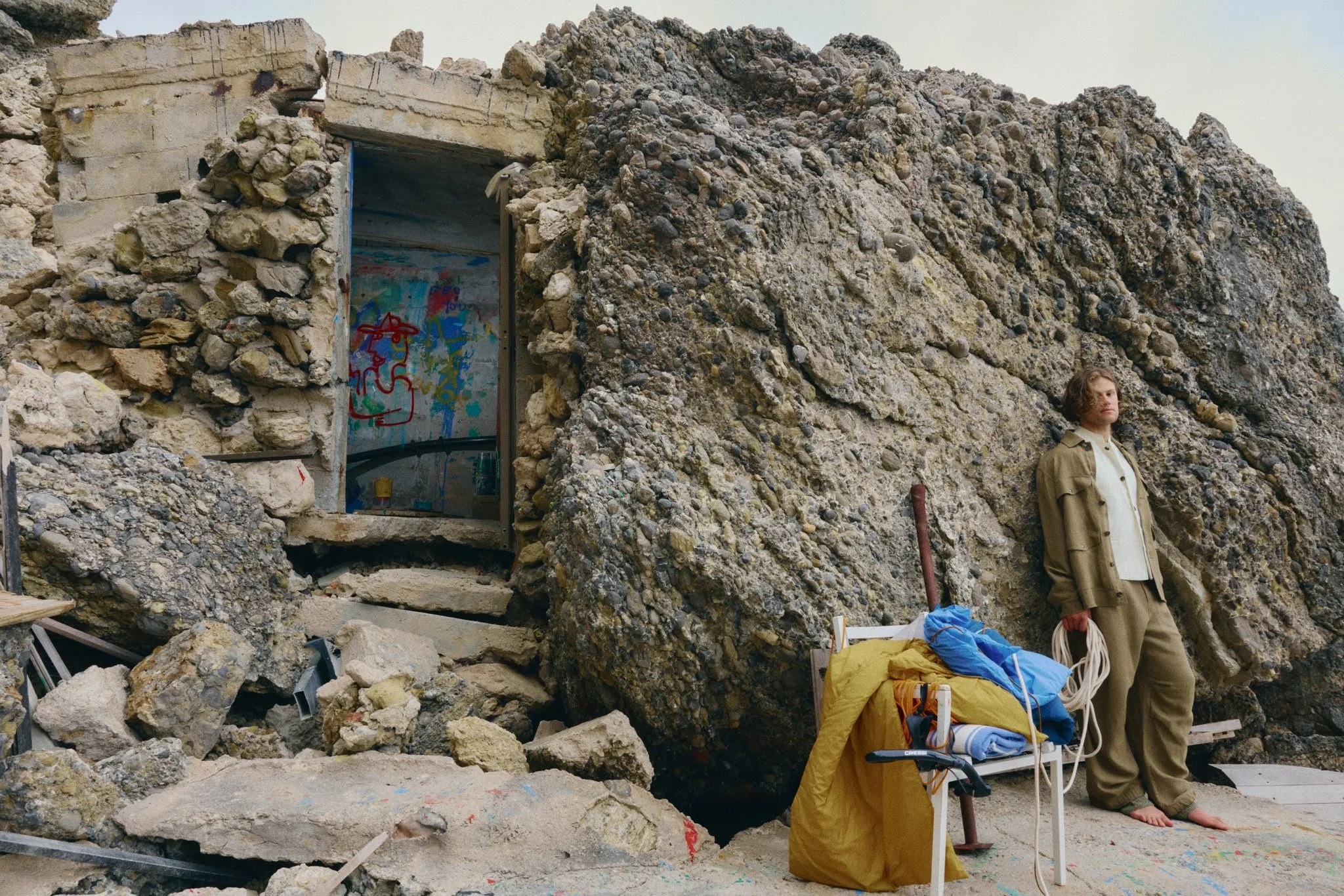
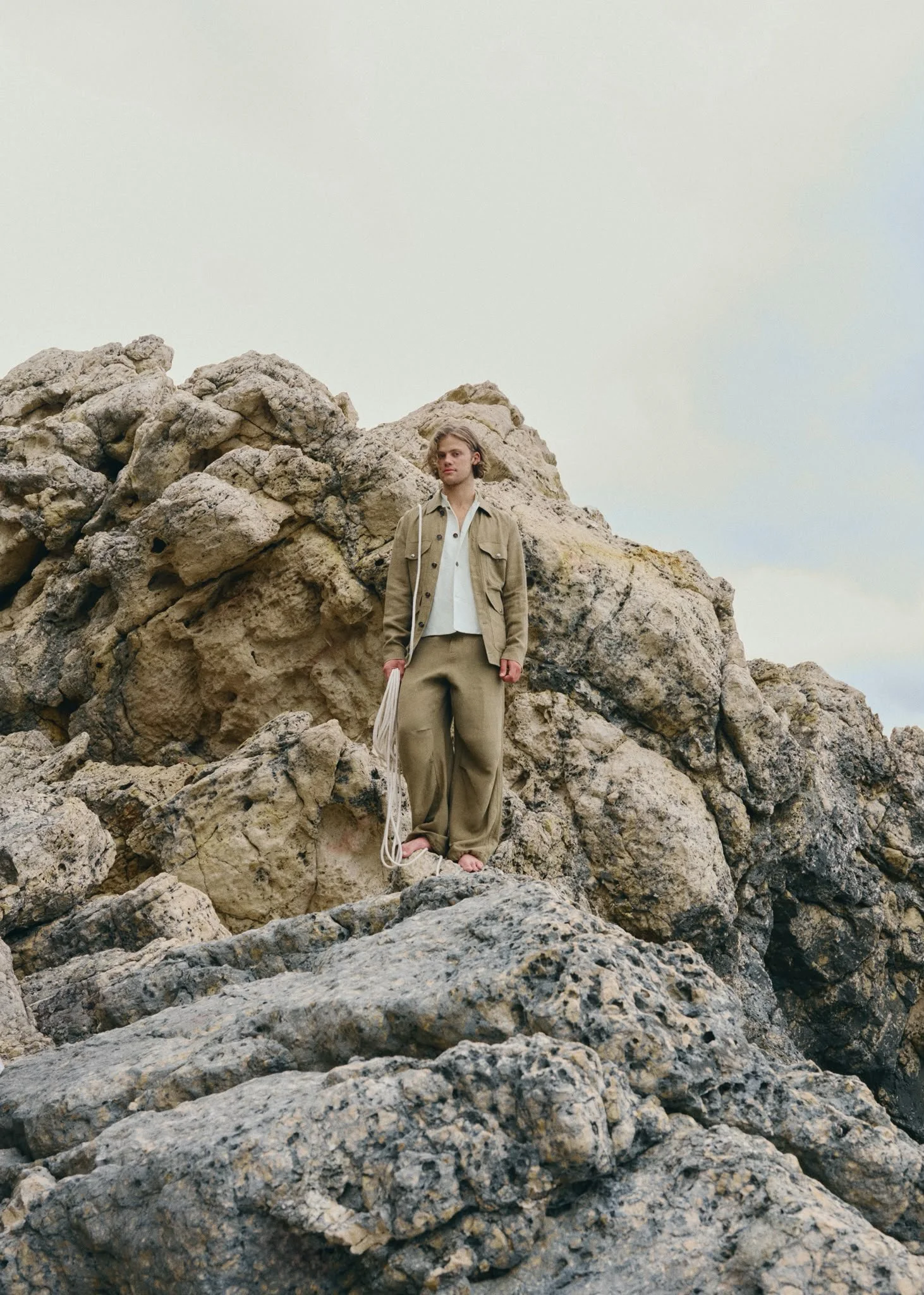
full look LOROPIANA
Timi: We all try to perform in stressful situations, whether in sport or in everyday life, and sometimes that’s incredibly difficult. It is really impressive that you’ve found your own way and your own rhythm to achieve that clarity and, in a way, that sense of control and peace.
Leandro: Personally, we’re very interested in the spiritual aspect. What else that works for you would you recommend?
Lucas: I do several things.
The meditative work is more the classic breathing and recentering with yourself at the start of the day. Starting everything centered and at peace helps you stay more centered through all sorts of disruptions and, I would say, frequencies that you’re exposed to in everyday life.
Secondly, not daily but maybe weekly or monthly, I work with something called Somatic Experiencing, which is a form of therapy.
It’s not a cognitive approach to therapy. It’s a more felt, sensory approach. Not so much talking, more sensing and sitting with emotions, analyzing them, learning from them, and then building exercises based on those experiences that I bring into my day-to-day life, but also into competition.
Then thirdly, two, three, or four times a year, I participate in spiritual ceremonies in South America, where there are communities that I’m part of together with my girlfriend.
Leandro: That’s really cool. Love the approach.
Lucas: When I ski, when I design, when I create, I am not in a cognitive state. I’m in an intuitive state.
And so that is also how I approach my training and wellbeing. Instead of mental training, I try to grow more connected to my intuition. Because if it is my intuition that’s going to lead me when I’m trying to become a champion, why would I then try to work on my mental game if I’m trying to surpass my mental state?
But that’s me.
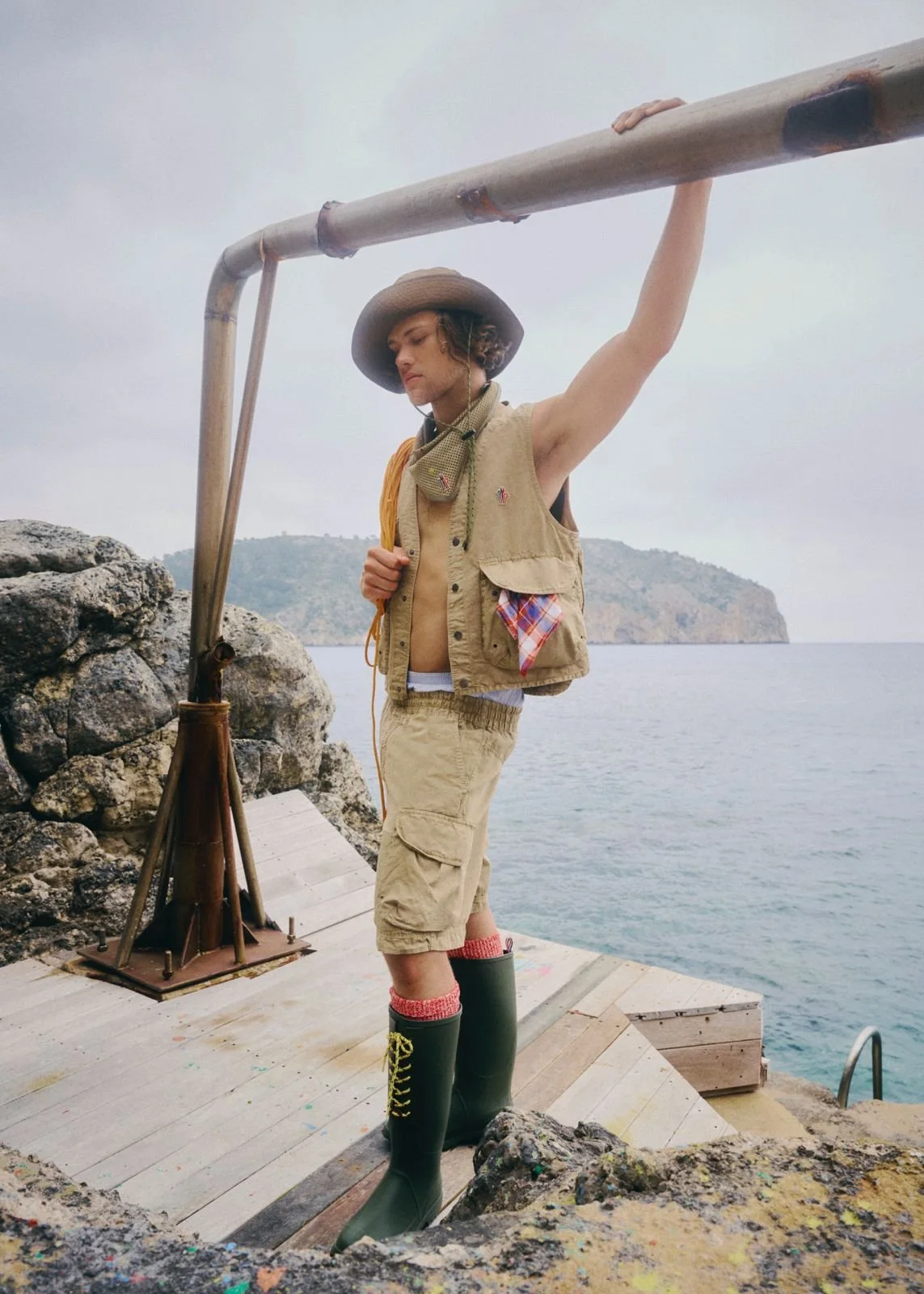
full look MONCLER
Timi: It’s very inspiring to hear this. And now, with the Olympics and the winter season being done for the moment until next season, what are your next challenges? And also, how do you continue to challenge yourself both on and off the snow?
Lucas: I think a lot of athletes who achieve something like an Olympic gold medal, something that is a lifelong dream for most athletes, can go through a very tough phase after reaching something like that.
For me, I very much feel like it is the start of serving my true purpose, because I’m a skier and an athlete who is not driven by trophies, statistics, or medals.
For me, a medal is something that, at the end of the day, simply represents my purpose and what my mission is about.
Once I’ve done the pictures with the trophies, they either go into my dad’s garage back home where he lives, or I give them to my grandmother here in Brazil. Because for me, the medal just represents the moment and the impact that moment can have on people.
When I got this gold medal at the Olympics, it was the start of being able to serve a purpose that goes beyond sport.
I really looked at it as the start of something.
I strive for sporting excellence in order to get a platform and a voice, but it is what I do on top of that podium, with that microphone, that serves my true purpose, which is to inspire people, both in sport and beyond sport, to dare to be who they are.
That’s what the Olympics meant to me.
So when you ask me what my next challenges are, my next challenge is: how can I use that voice to the extent that I want to use that voice?
I already have a foundation established in Europe whose purpose is to help children who don’t have the resources or means to take part in sport, giving them the opportunity to participate in whatever sport they want to practice.
Because sport’s most important value in our society is inclusion. But no one talks about how excluding it can be if you don’t have the means to be a part of it.
And so I feel that one of the most fulfilling aspects of my career as an athlete is that some of the success I’ve had cannot only inspire people, but can also be used to help the next generation and create an impact that serves a lot more people.
That is something I now want to bring to Brazil as well, now that I’ve established myself here.
So the foundation is something that’s really important to me.
And then I want to keep pushing my creative projects. I want to bridge the artistic work that I do with my sporting career in more balanced harmony with every year that passes, so that I can continue inspiring people beyond sport.
I want to create more partnerships that allow me to express myself creatively.
And that’s why I’m so grateful for what we’re doing right now, being part of editorials, showcasing an athlete in a conservative sport as he is outside of the sport, taking off the helmet and seeing who this guy really is.
Those are the challenges I see alongside my sporting achievements.
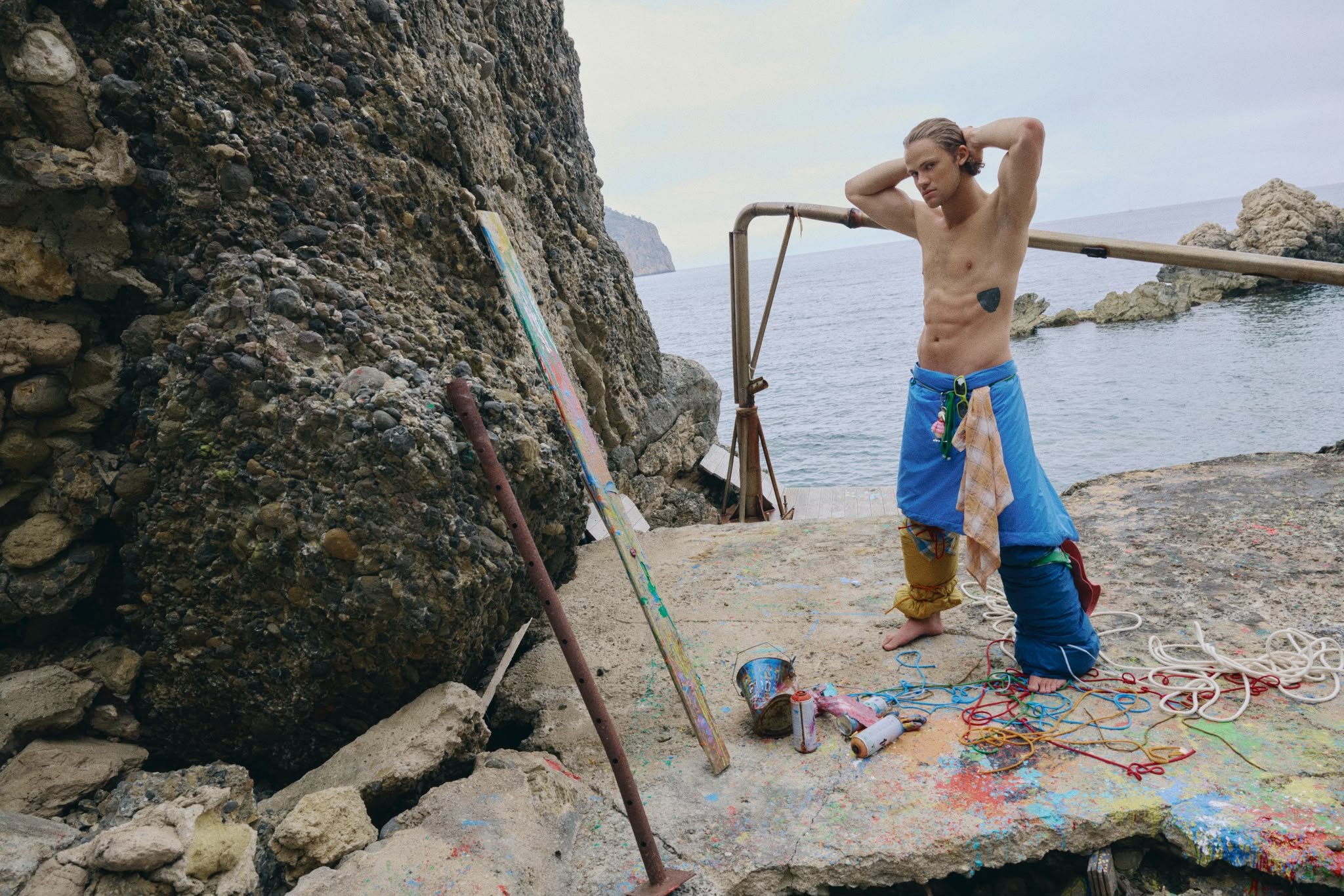
full look MONCLER
Timi: You’ve stepped beyond sport into fashion and other creative spaces. What draws you to these worlds, and how does your work with Moncler reflect the balance of performance, innovation, and style that seems to define both the brand and your own journey?
Lucas: The reason I was so drawn to the creative world has a lot to do with identity.
Circling back to my relationship with identity, when I was younger, my very first source of inspiration wasn’t even sport. It was dance and music, especially Michael Jackson.
I grew up, several times a week, gathering my parents in the living room at a scheduled time in the evening. I would spend the day creating a new choreography to a Michael Jackson song and then perform it for them. So I would either dance or sing or do both. I did this several times a week.
I just didn’t have the courage to pursue dance or music because, when I was young, I was afraid of going to school as a dancer or musician. The other boys saw that as feminine.
That’s why I never pursued it, and why football became the first thing that made me feel, “This is my home. I dare to go down this path.”
So what did I find through the transition from music and dance to football, skiing, and all the other things that later inspired me?
Clothing especially, but really all aspects of the creative industry, are ways of allowing someone to express themselves further and have a bigger impact.
That is the one thing all the industries that inspire me have in common.
Michael Jackson, what he wore and how he wore it, is part of who Michael Jackson was.
The athletes who inspired me, whether football players on or off the pitch, the same applies. Ronaldinho is a perfect example.
And then someone like Steve Jobs, who also inspires me very much. When he gave a keynote, what he wore and how he wore it had such an influence on who he was to the world and what Apple was.
This idea of expressing yourself through clothing and design is an enabler. It enhances the message and the impact you’re trying to have, no matter what your niche is.
That’s how I see it for myself.
That’s why I’m so in love with it, because it allows me to connect with so many more people, even people who don’t care about sport.
Maybe someone becomes intrigued because of my Olympic Opening Ceremony project, where I invited Oskar Metsavaht, a Brazilian designer and an idol of mine, someone I’ve always dreamed of working with, to help tell a story that went beyond sport.
That Opening Ceremony almost went as viral as the gold medal itself because it became such a cultural moment for Brazil and for fashion. It bridged all of these worlds.
So that’s what fashion is for me.
And that’s also why I’m partnering with Moncler.
Moncler is one of the very few brands in the world that comes from the mountains and the aesthetics of mountain culture, while also existing in this aspirational, high-end, creative and luxury space.
As Lucas, with my particular personality and story, I can build a wide range of narratives within one partnership, from Lucas the athlete to Lucas the artist.
Our partnership is really the result of that broad range of synergies, ranging from sport to artistry.
I competed in the Olympics wearing a co-created performance uniform, but I’m also involved in the creative process behind cultural moments like the Opening Ceremony and as part of their global campaigns.
That’s how it all came to fruition.
And that’s why Moncler is my dream partner for this. They’re one of the very few brands capable of communicating with that entire spectrum.
Very few brands would allow me to express that range to the same extent.
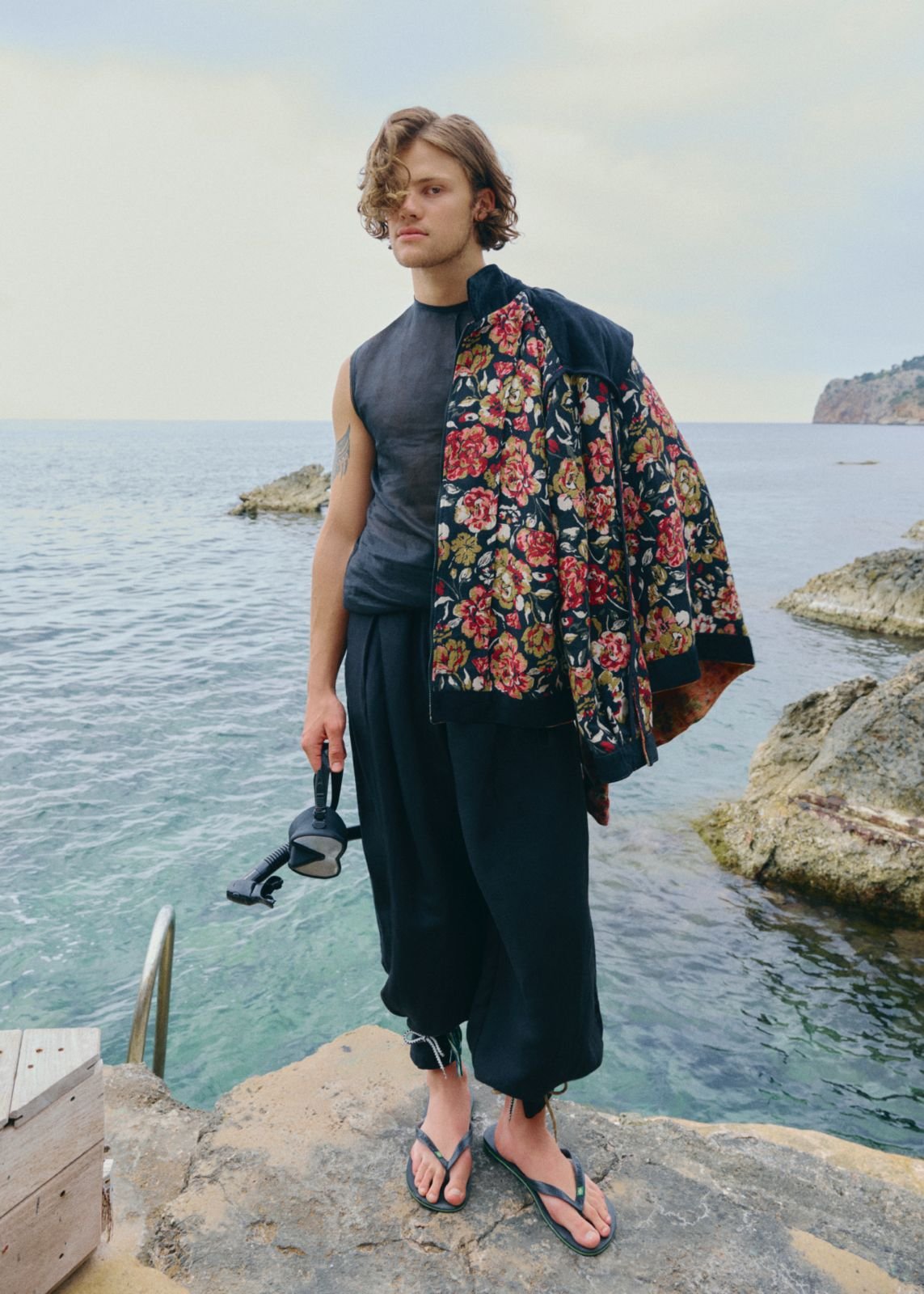
full look OSKLEN
slipper HAVAIANAS
TEAM CREDITS:
talent LUCAS PINHEIRO BRAATHEN
photography and creative direction THAIS VANDANEZI
styling CÌNIA PIETROCOLA and GABRIEL MENEZES
retoucher ROMULO KOERICH
video THAIS VANDANEZI and GUILHERME ECHEVERRIA
PR / production GABRIEL HEINEMANN
editor TIMI LETONJA
interview LEANDRO DA SILVA and JANA LETONJA
cover design ARTHUR ROELOFFZEN
VIDEO CREDITS:
talent LUCAS PINHEIRO BRAATHEN
film direction THAIS VANDANEZI and GUILHERME ECHEVERRIA
photography / creative direction THAIS VANDANEZI
film edit GUILHERME ECHEVERRIA
text PEDRO CAVALCANTI
soundtrack MARCELO DE LAMARE
styling CÌNIA PIETROCOLA and GABRIEL MENEZES
retoucher ROMULO KOERICH
PR / production GABRIEL HEINEMANN
editor TIMI LETONJA
