
IN CONVERSATION WITH M07
Interview by Samo Šajn
After years working behind the scenes in electronic music, M07 is bringing his own sound into focus. Shaped by his years living in Kyiv, the live artist and producer introduces “SIGNAL,” a performance film shot in Vietnam that brings together dark, melodic techno, cinema and choreography. Ahead of its ADE premiere and the release of his new single “Sugar Rush,” we caught up with M07 to talk about stepping into the spotlight, finding a language for live performance and the personal stories behind his music.
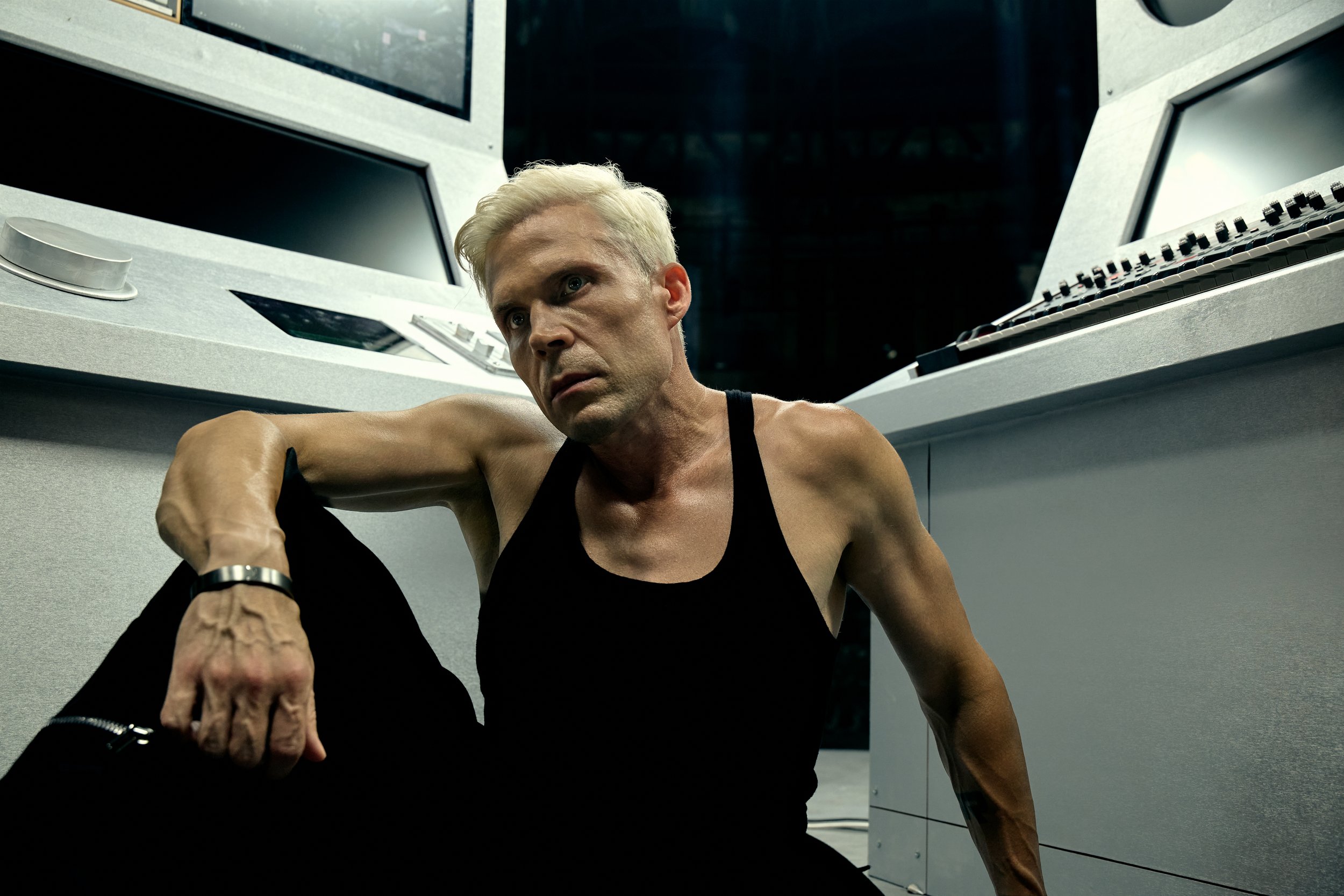
You’ve spent more than 20 years working behind the scenes in electronic music. What made you feel ready to step forward and share your own work as M07?
I’m not sure the time ever felt right. I’d been making music since I was a teenager, and I’d spent years finding ways to stay in music without really putting my own work out there. Booking other people was much less frightening than asking anyone to listen to me. Every few years, I’d send some tracks to friends and then retreat again. I could always give you a sensible reason, but really I was afraid of rejection.
Then I left Kyiv after the invasion. I’d thought I was settled, had started building a family, and suddenly we were rebuilding our lives somewhere else. The fear didn’t go away, but it looked rather different after that. Becoming a father changed things too. I had about three hundred tracks by then. At some point, I had to stop sending selections to friends and actually release something.
Your artist name comes from the highway connecting Kyiv and Warsaw, which took on a different meaning after the invasion. What does that name represent to you today?
Both things at once. I knew that road for years before it became the way out. I’d driven it in every season, past those bus stops that seem to be in the middle of nowhere. It was a road in my life before it had this other significance. I wanted the name to hold those years as well. When I say Kyiv, I’m thinking about a place I lived for almost a decade, not only the day I left it.
You spent years living in Kyiv. What did the city and its music community teach you that still shapes the artist you are now?
How to listen again. I didn’t move to Kyiv for music, and I wasn’t part of the music industry there. I was just someone buying a ticket, going out and being in the room. When you’ve worked in clubs and concerts, going to one can feel like being back at the office. You’re listening, but you’re also noticing the production and thinking about how the night is being run. In Kyiv, I could go out without any of that being my responsibility. I could just enjoy being part of it.
Making music wasn’t part of how people knew me there, either. I had a modest studio at home, but it wasn’t somewhere I’d invite people into. I think pretty much everyone I knew in Kyiv was surprised when I finally put out a record. The first EP has songs that deal with the war directly, but there’s nearly a decade of living and listening in Kyiv behind the music too.
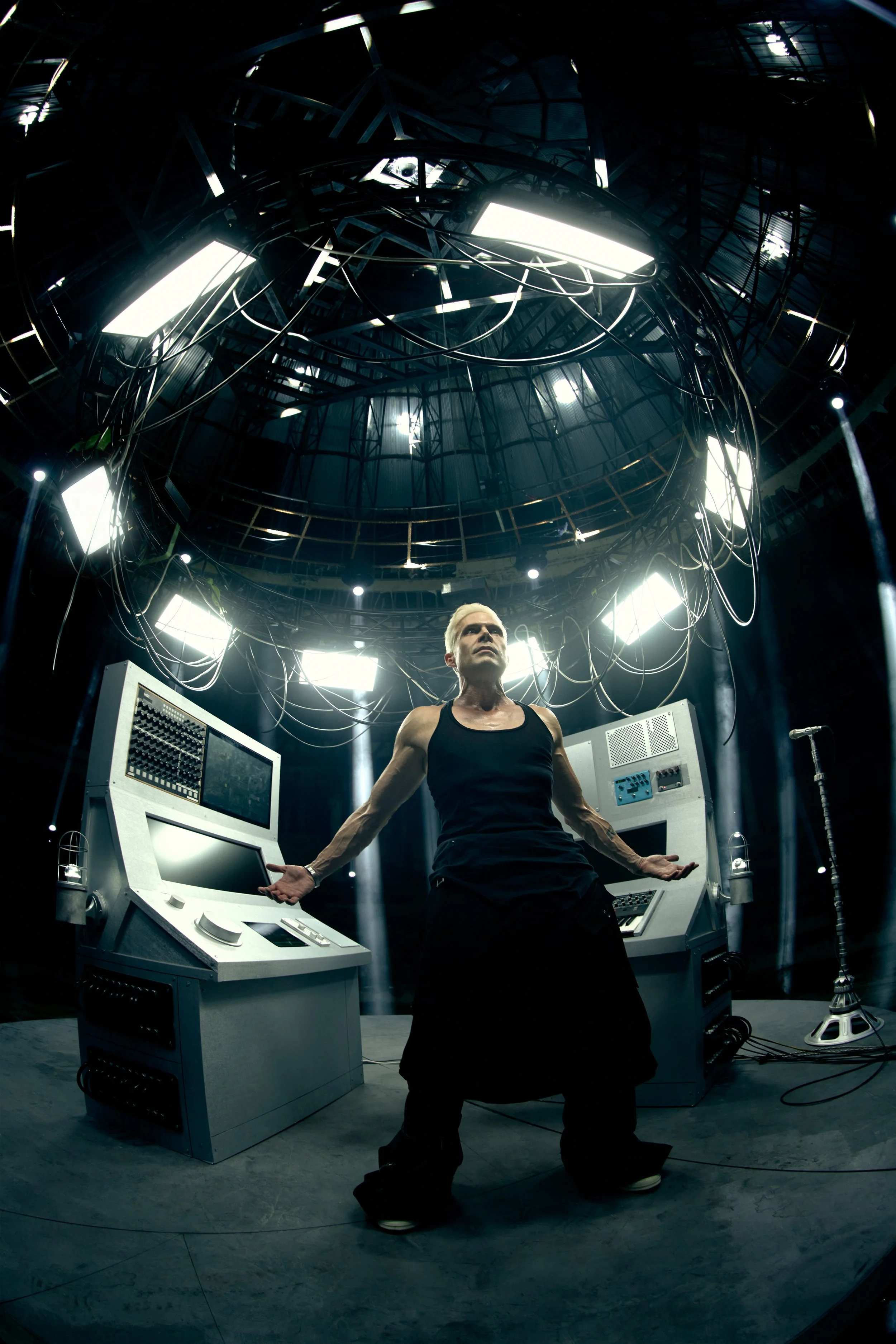
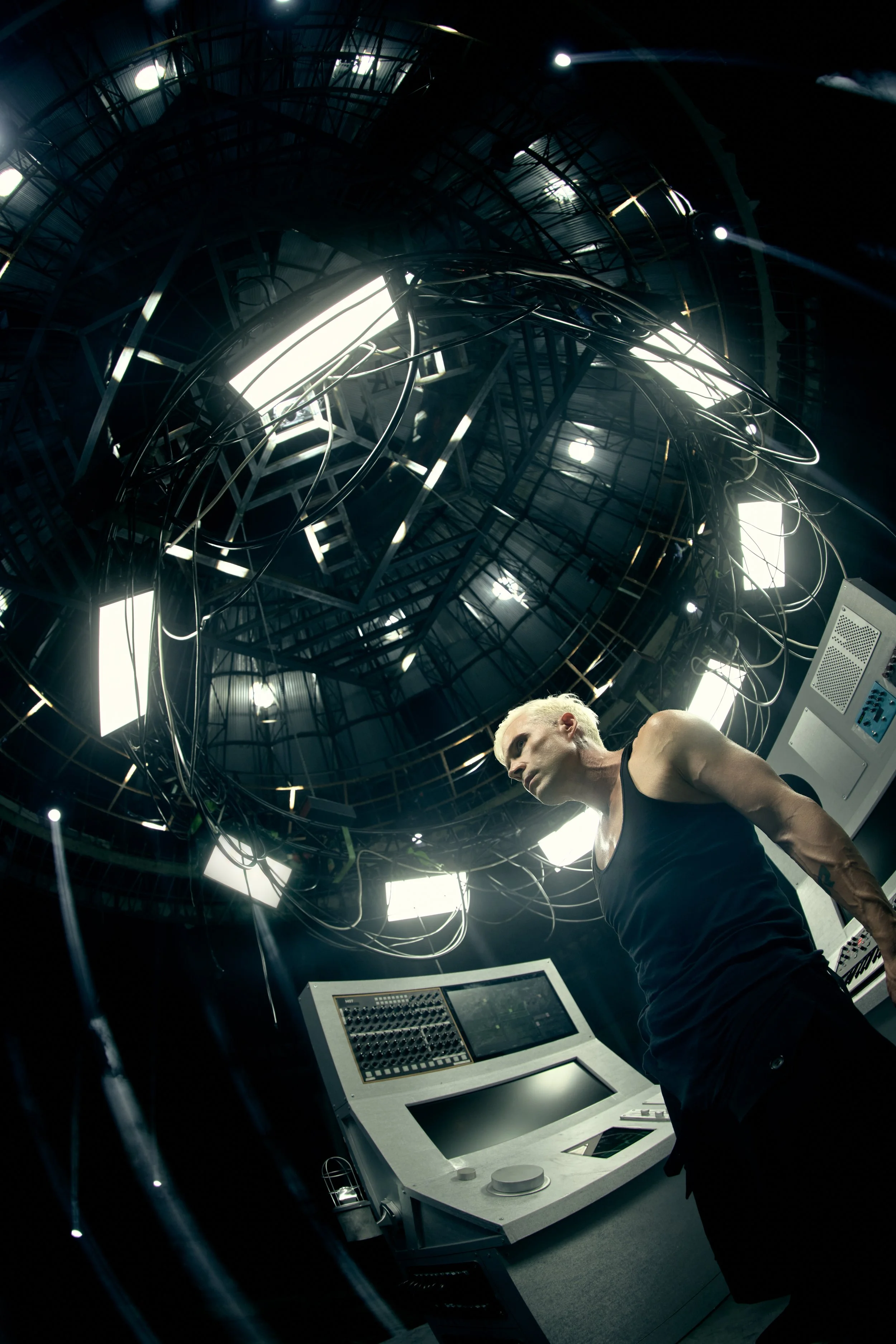
“SIGNAL” brings together music, cinema, choreography and instrument design. What was the first idea that sparked the project, and why did it need to become a film?
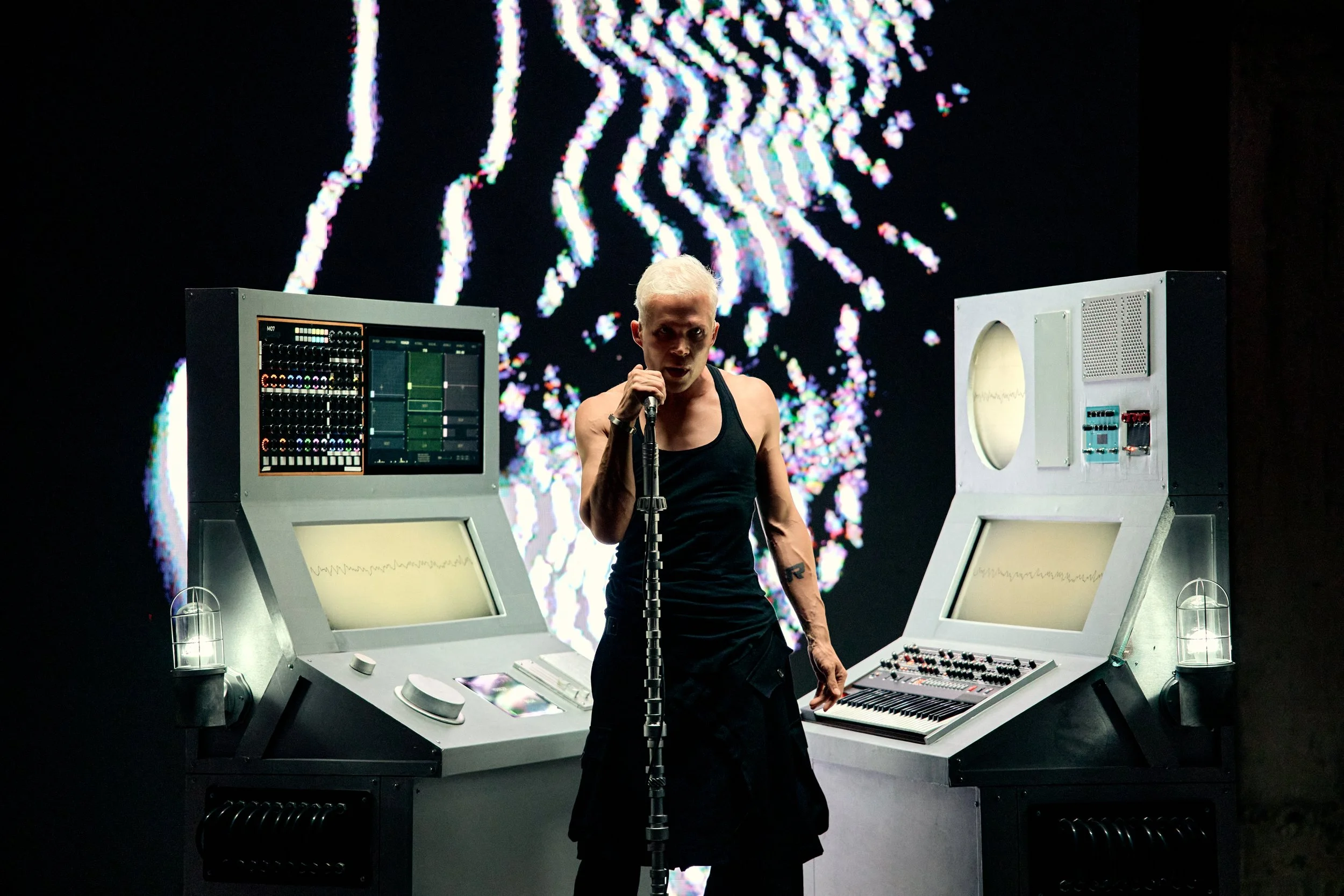
I wanted a live show where you could see what I was doing. You so often see someone behind a table with their head down, as if they’re operating secret spaceship controls. I wanted people to have a better view. Then the questions got quite physical: where am I standing, what am I playing, what does someone at the back of the room see?
The awkward bit is that I’m introducing myself. Someone buying a ticket needs a reason to come, but the show has to exist before they can see it. So we built it, took it to Vietnam and worked with Antiantiart to make the film. And once we were in those spaces, there was a lot more to work with than simply filming someone on a stage. The cinema screenings let people see and hear what we’ve made properly. Hopefully, they come out wanting to be in the room when we bring the live show to their city.
The film explores the tension between technological overload and human stillness. How do you express that tension through sound and movement?
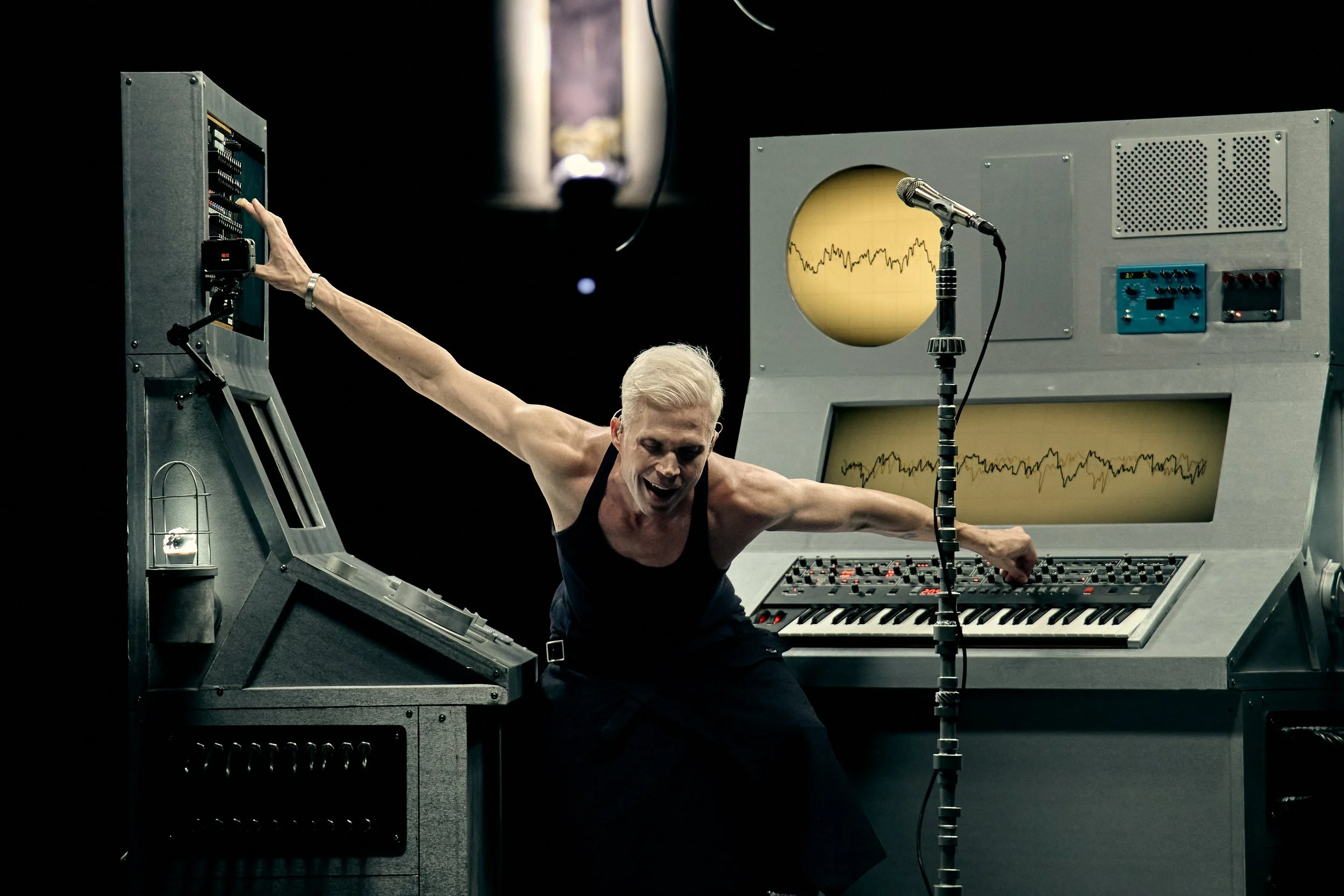
There’s a lot happening around me, and it’s tempting to think I need to match all of it physically. But you can’t keep doing more for thirty minutes. Sometimes standing still gives people something to look at. At the beginning, I’m quite contained, and as the performance goes on, I interfere more with the music. I might take a part and repeat it, or push an effect further than I would on the record, until the sound starts coming apart. Physically, I become less contained too. There are moments when I leave the controls and come out to sing. You feel quite exposed then. You haven’t got the equipment in front of you to disappear into.
Early in the production, I said M07 needed a language of movement. I didn’t know what a movement choreographer was before this. I’m not a dancer, so nobody is getting any breakdancing. But we worked on how I move between the consoles, when a gesture needs to be bigger to read from the back of the room, and when I can just leave something alone. That last one takes some discipline. There are a lot of things in front of me I could be touching.
You filmed in an abandoned circus and an unfinished apartment block in Vietnam. What drew you to those spaces, and how did being there change the way you performed?
Antiantiart knew the circus because they’d filmed there before. It was massive and abandoned, with a storm-damaged roof, but the steel structure still gave them somewhere to hang the production equipment. Brutalist architecture was already in our references, and the apartment block had that concrete texture and owners who gave us a lot of freedom. The executive producer told me, “We can do explosions in here if we want.” They’re very different places to put the same music and the same person. In the circus, I’m alone on a circular stage, with white light and strobes and no big video behind me. It’s enormous, but it feels oddly intimate. In the apartment block, there’s a four-storey LED screen, but I’m playing on a narrow concrete beam inside quite a confined space.
What I remember most is hearing music I’d made in a small room come through a concert sound system in that circus. It was loud in there. And although officially there was no audience, there were around 150 people working on the production. People started dancing while I played. After spending so long building this thing, I was suddenly there with people responding to it. You might catch glimpses of that in the film.
How did working with Antiantiart shape the visual world of “SIGNAL”? Was there a moment when their interpretation of your music surprised you?
I chose the team before the country. I’d seen a video Phuong Vu directed and thought, “These people are going to get me.” So I got in touch with him, and we made the “Kissing You” video with TK, a director from his team. It was a small production, and they did so much with it. I knew I wanted to build the show with them. For “SIGNAL,” Phuong led the creative direction, with Hoang Dang, Hai Tom and Pham Duy directing. We already liked a lot of the same things: actual places, images with some roughness left in them, things that feel real but slightly distorted.
What surprised me was seeing my own face in the visuals. Up to that point, we’d been building a fairly faceless world of machines, screens and signals. They took footage of my performance and put me into that world too. I’d spent years keeping this part of myself fairly hidden, and suddenly there I was. I hadn’t expected to find myself standing in front of a four-storey version of me.
Your live setup includes custom instrument design. How was it developed, and what does it allow you to express during a performance?
We started with what people would be able to see. We built two consoles facing out towards the room, with the controls mounted vertically and my hands lit. The whole setup opens towards the audience. The screens show the signal coming from the instruments as I play, so what you see is connected to what you hear.
I can take a part and play it, repeat something, change its sound or push an effect until it starts coming apart. But the most useful thing might be the reset that brings the controls back in one move. I’ll try things I might otherwise leave alone because I know I can get back. Sometimes it works; sometimes I’ve gone too far, but I don’t have to spend the next minute trying to undo six things. That freedom matters more to me than how complicated the equipment is. And you don’t need to understand the system to follow the performance. I’d like there to be a bit left to wonder about.
You wrote “Broken” over Telegram with Alona Chernenko while you were in Spain and she was in Kyiv during the blackouts. How did those circumstances shape the song, and what did making it together mean to you?
Alona sent over a vocal melody and some lyrics. I liked the melody straight away, but I’d also been listening to Nesamovyta, her Ukrainian-language project. Her writing there is fire. I wanted more of that person in this record. So we talked about making it more internal, about what’s happening inside you while everything around you is moving. I wanted her to have room to bring herself into it, without being boxed into the first version. We were working over Telegram while she was losing electricity for up to sixteen hours a day. Sometimes her laptop would run out of battery just as she was getting close to finishing, and everything had to wait.
And she’s singing, “What if I am still alive, what if I don’t wanna die, nobody wanna be broken.” I think people can hear those words and understand the circumstances they were written in. I don’t need to explain every line for her. Kyiv is part of both our lives. Hearing her own voice and writing come through was what I’d wanted from the collaboration. I’d like people to go and listen to Nesamovyta too.
“SIGNAL” will premiere in a seated cinema at ADE. What do you hope people discover in your music when they have the space to sit, watch and listen?
There are two moments when I step out from behind the consoles and sing. One is a track called “Hold Me Under” that you can’t hear anywhere yet. Those are the most exposed moments in the film, and I’d like people to catch that side of the music as well as the heavier parts. I spent years making this stuff privately. Now you can see my face while I’m singing it.
Cinemas are brilliant for giving something your attention. Proper sound, a huge screen, everyone can see, and for the most part, people aren’t on their phones. You’ve all come into a room to watch the same thing. But I also hope people can just get lost in it. They don’t need to come away having understood every decision we made. As for what it’s like watching it with an audience, I’ll find out on the 22nd. I’ll be in the room.
M07 ‘Broken’ is out now on Key Factory Music. Get it HERE. Next single, dance fuel ‘Sugar Rush’ is out October 23rd, save it HERE. ‘SIGNAL’ debuts at Koninklijk Theater Tuschinski, Thursdsy 22nd October.
