
IN CONVERSATION WITH MARSOLO
interview by JANA LETONJA
Over the past 18 months, Utrecht-born DJ and producer Marsolo has emerged as one of the most exciting new names in European house music. With Beatport No.1 releases including Step by Step and Spaceship, support from tastemakers such as Chris Stussy, Folamour, Josh Baker, East End Dubs and Enzo Siragusa, and recognition from Mixmag as one of its Top 20 Breakthrough DJs of 2025, his rise has been impossible to ignore.
Now, Marsolo returns with Run, a new three-track EP landing via Three Six Zero Recordings on 26th June. The EP arrives ahead of a huge summer that will see Marsolo perform at some of the most influential events in electronic music, including You&Me, Eastenderz, Metamorfosi, Mas Tiempo and ABRACADABRA in Ibiza, alongside appearances at Tomorrowland, ARC Chicago, Awakenings, Parklife, Eastern Electrics and many more. We caught up with Marsolo to discuss the new EP, his creative evolution, and the whirlwind year ahead.
You can now stream the Run EP here.
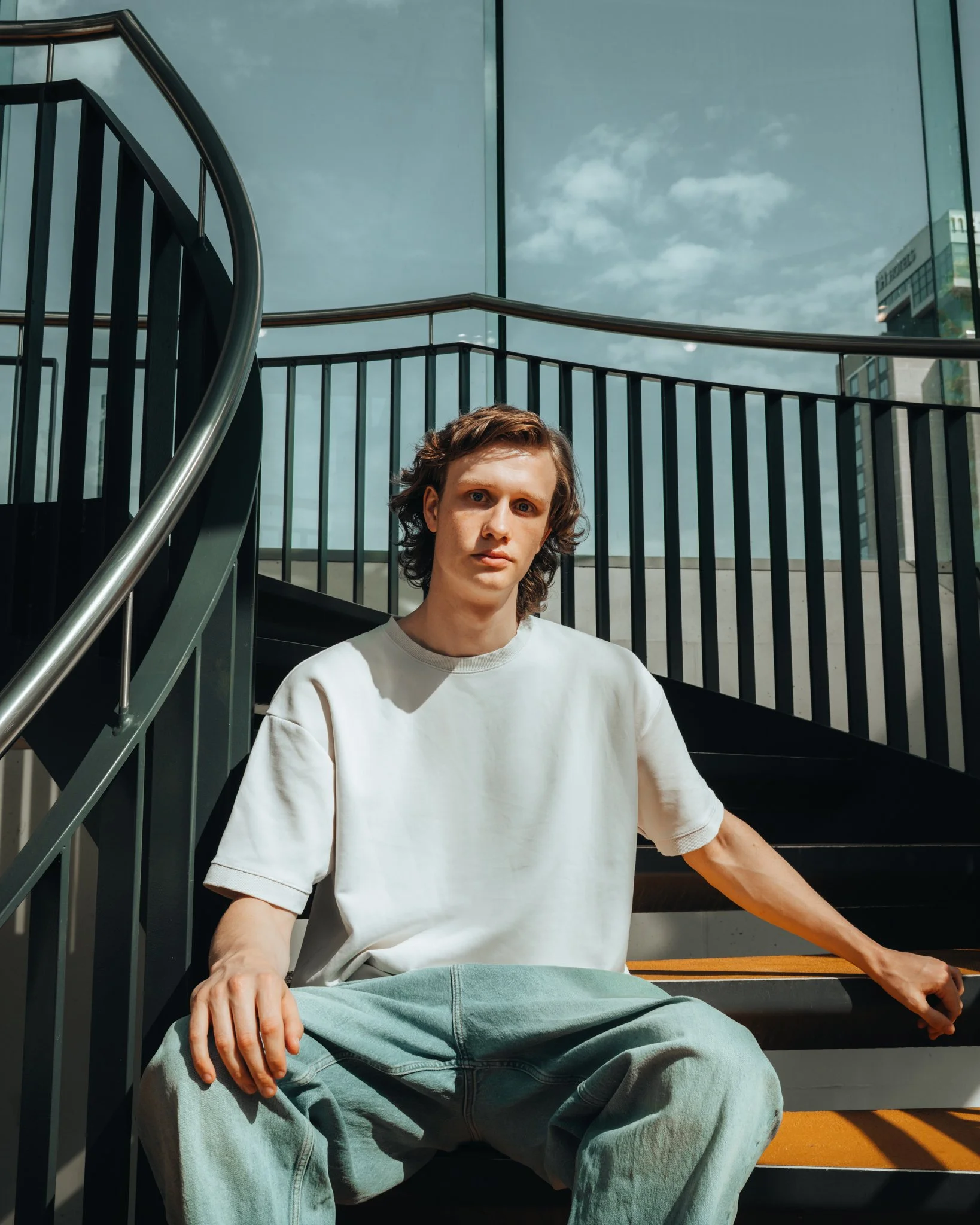
The last 18 months have been huge for you. Looking back, was there a particular moment when you realised things were accelerating on a completely different level?
I remember playing at the Loft in Manchester together with Kolter during Halloween in 2024. When I played Step By Step there, the entire crowd started jumping and chanting along with the vocals. It was the first time that I ever experienced such a reaction during my sets. If there was ever a “breakthrough moment” where everything started accelerating, I certainly think that’s the one for me.
Run is your first release of 2026. Did you approach this EP differently, knowing it would set the tone for your year?
Not really, to be honest. When I produce something, I never think about the work as one of my future releases. When I made the individual tracks, I was completely unaware that the tracks would end up on an EP together. I just try to tune in to what inspires me at that specific moment in time without thinking forward too much. For me, music production isn’t a time to think, but to create. The thinking will come later.
Sonically, the EP feels deeper and more emotional than some of your previous releases. What inspired that shift?
I just really like listening to all kinds of music, like classical music, jazz, rock, soul, funk, anything really. That’s probably what my own music is inspired by. However, I wouldn’t be able to tell which specific songs inspired me to make this EP, because inspiration is usually not a conscious process. It just comes and goes, but you hardly ever know where it comes from.
The title track marks your first collaboration with a vocalist. Why did now feel like the right time to bring a vocal element into your music?
If there’s one thing I’ve learned from 12 years of music production it’s that it’s extremely important to keep challenging yourself as an artist. If you keep making music in your comfort zone for too long, you lose the spark and end up getting creatively blocked. Working with a vocalist felt like escaping my own creative workflow and opening myself up to new perspectives on music creation.
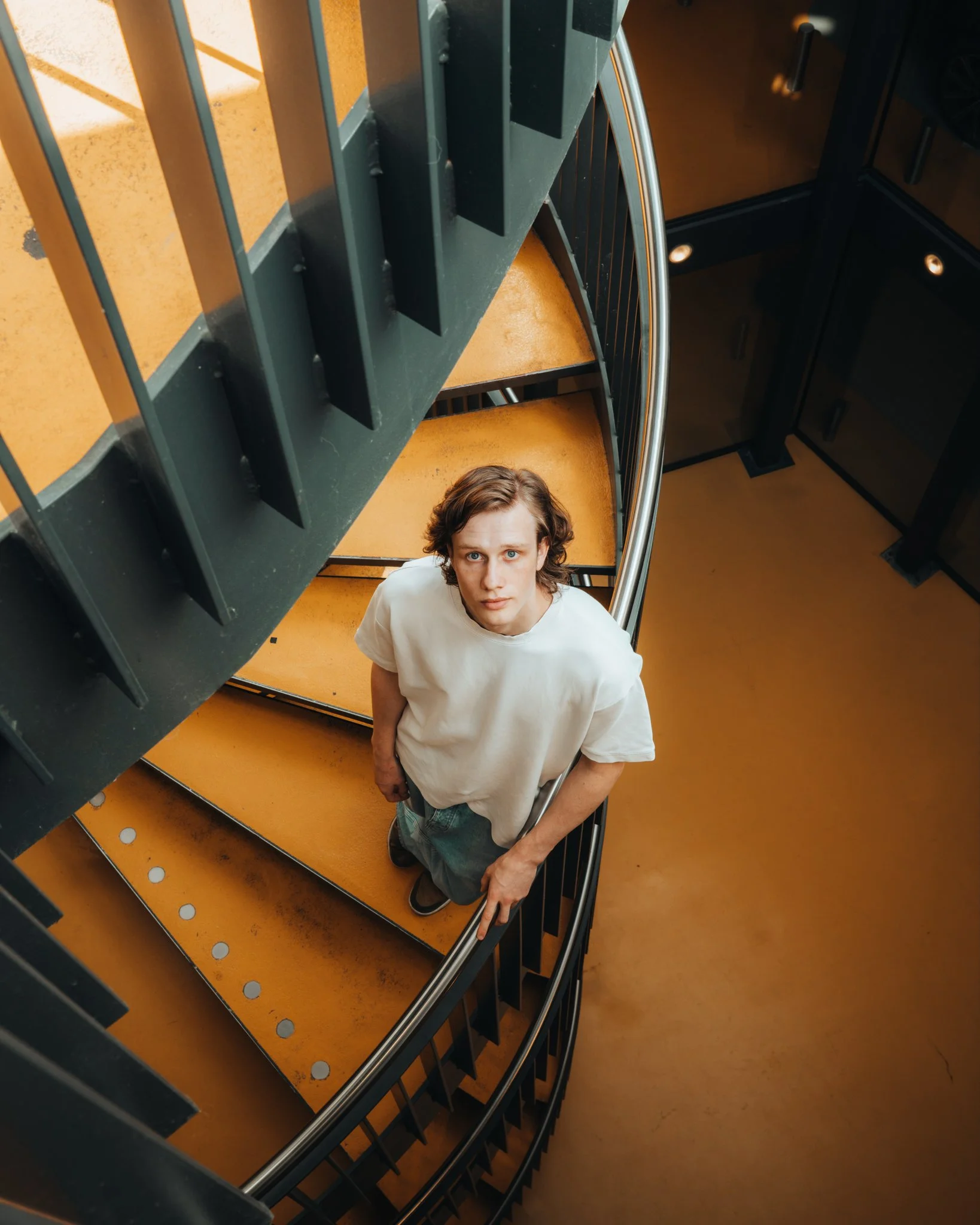
As a producer, do you find it more challenging to create club-focused records or tracks that carry a stronger emotional narrative?
For me, they’re both equally challenging. No matter what style you’re making, creating music is always challenging in many different ways. At the same time, this is why it’s such a satisfying activity. If there was no challenge, there would be no pride or sense of accomplishment when you finish something, and you would be bored after finishing your 5th track already. The challenge keeps it interesting.
You’ve built a reputation through groove-led house music. How do you continue evolving your sound while keeping the qualities that first connected with listeners?
I always just create the music I feel like creating at the time of creation, rather than creating something other people think I should create. For that reason, I try not to focus on keeping the qualities that first connected with listeners. Artists should never be led by external validation. If people like it, good. And if they don’t, also good. The best art comes from authenticity. I think art is only as good as the artist's own evaluation of it.
Mixmag recently named you one of their Top 20 Breakthrough DJs of 2025. Did that recognition change anything for you personally or professionally?
It did, especially personally. Ultimately, I’m just doing my thing and the fact that a credible brand like Mixmag recognised me as a top 20 breakthrough DJ feels like an extra validation that I chose the right career path for myself.
This summer you’ll be playing for brands including You&Me, Eastenderz, Metamorfosi, Mas Tiempo and ABRACADABRA. What excites you most about the Ibiza season ahead?
What’s most exciting for me this Ibiza season is that I’ll be making my debut in four venues - Hï, Pacha, Chinois, and Playa Soleil. I’ve never even been to these clubs before as a visitor, so this season feels extra refreshing. But aside from playing in those clubs, I’m simply very happy that the Ibiza season is here again. There’s always just something special about stepping out of the airport and being greeted by the Ibiza sun, knowing another unforgettable night lies ahead.
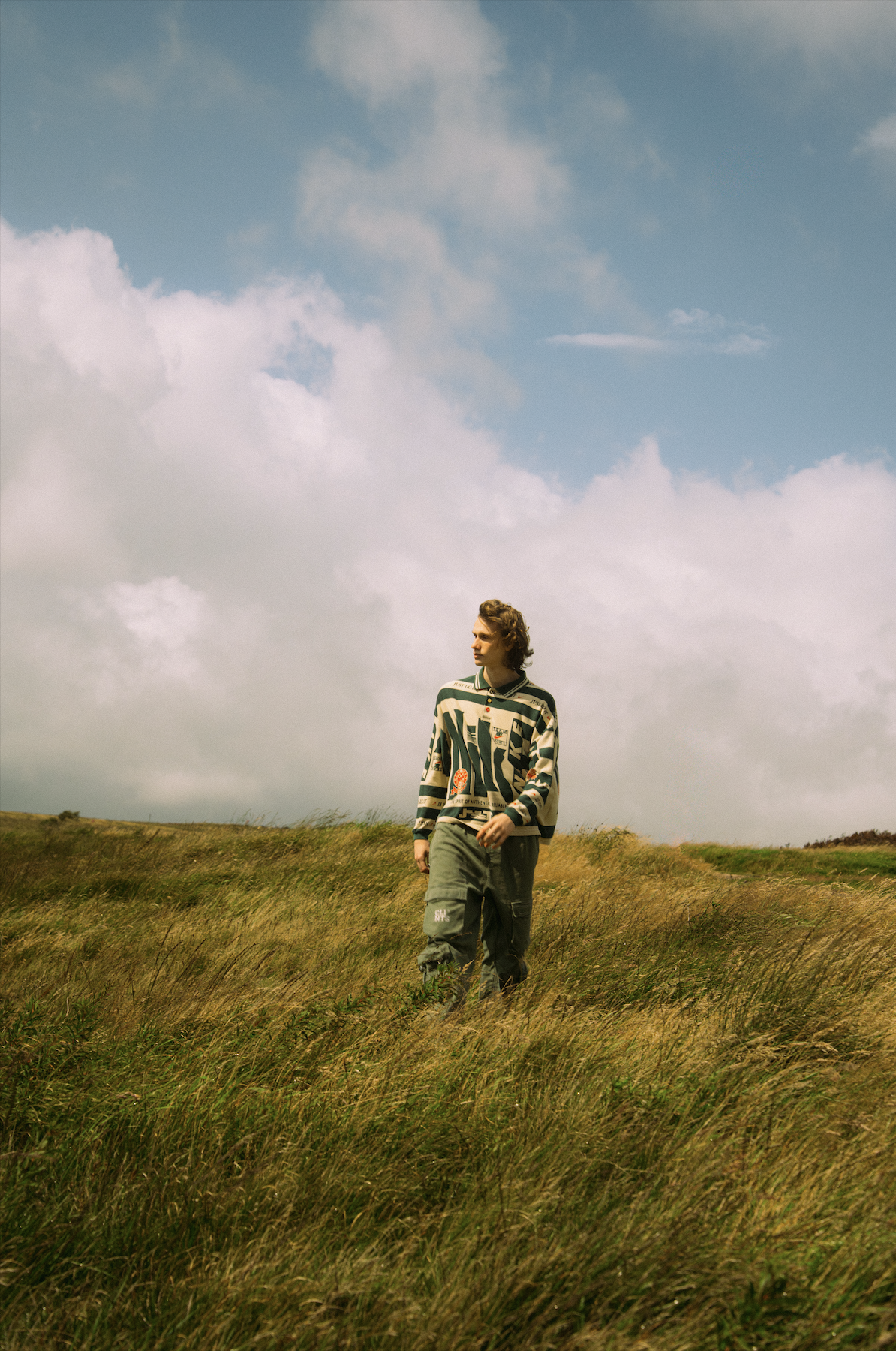
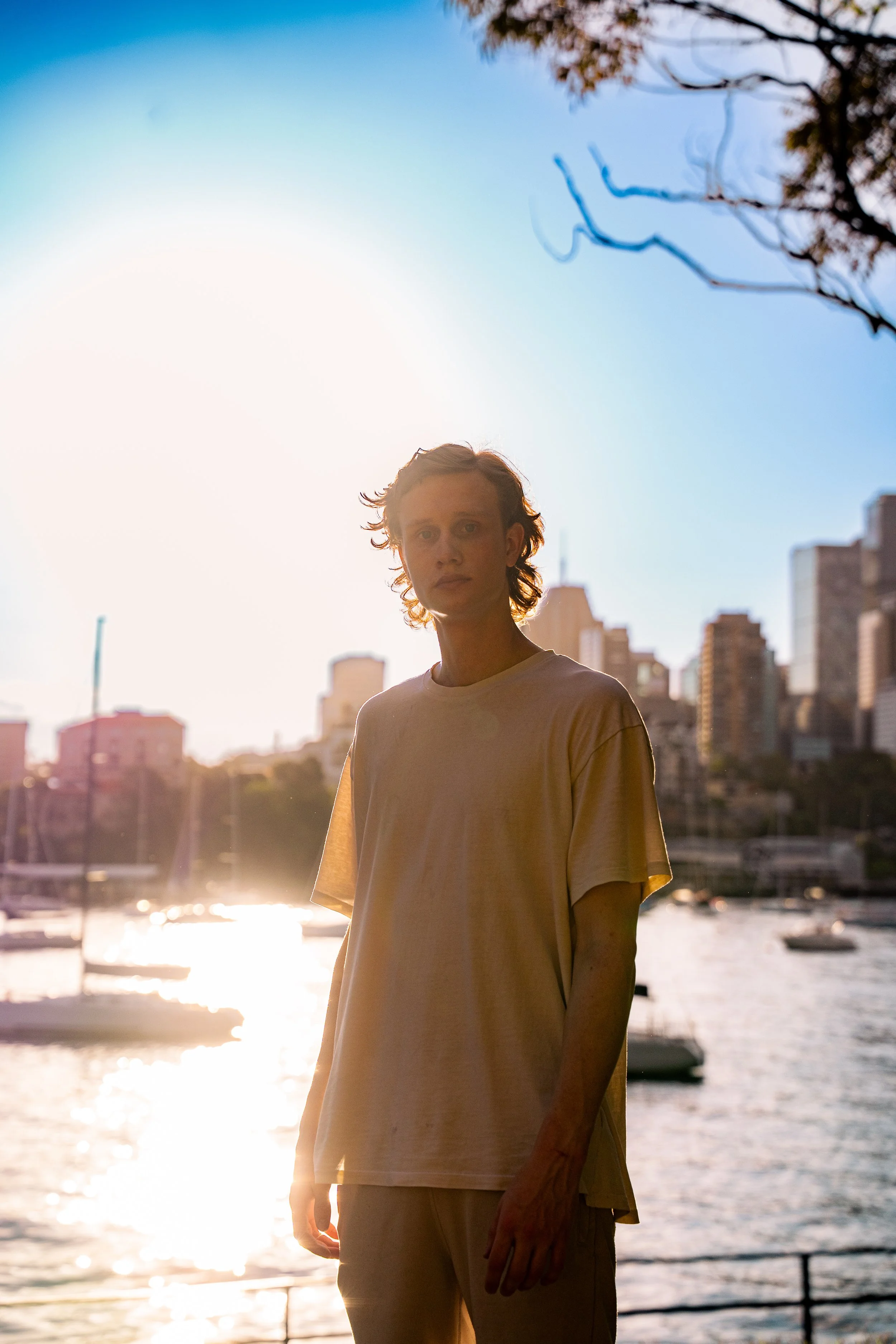
Each of those brands has its own identity and crowd. Do you adjust your approach depending on the party, or do you always stay true to the same musical vision?
For every show, I always try to find a balance between my own vision and the vision of the brand I play for. Usually, I first try to build some trust from the crowd by playing the type of music they expected to hear so that their expectations are met. Once I’ve built that trust, they are usually open to a little more experimentation. I always try to take the crowd on a little journey through different musical styles, aiming to expand their horizons, and maybe even my own.
Ibiza can be both inspiring and overwhelming. What is your relationship with the island at this stage of your career?
Ibiza is an exciting island for me. I feel like I’ve only just begun exploring all the things the island has to offer. Not only in terms of club culture, but also beyond the music scene. There are many beautiful places on the island that I still haven’t been to. Don’t forget, this is only my third year of going to Ibiza.
You’ll also be performing at major festivals including Tomorrowland, ARC Chicago, Awakenings, Parklife and Eastern Electrics. How different is your mindset when preparing for a festival set versus a club show?
The typical club raving experience is completely different from the typical festival raving experience. For example, big festivals like these almost feel like a concert sometimes. When preparing for a festival, I look for more tracks that evoke strong feelings of euphoria where everyone puts their hands up. On the other hand, in a club, it’s usually also nice to play more consistent music where people can just lock in and groove without being distracted by big buildups or long breaks. At some festivals and club,s it’s the complete opposite, though. That’s why I always bring enough music in case I have to switch to plan B, or C, or maybe even plan Z.
As your touring schedule becomes increasingly international, how do you protect studio time and maintain a creative routine?
Luckily, touring is usually no more than 3 days a week, which means I can spend the rest of the week working on music. To start with, I don’t drink alcohol and don’t do any drugs, which allows me to recover much more quickly from a tour in the first place. In addition, whenever I’m not touring, I wake up at 6:30, eat healthy, stay away from social media as much as I can, and go kickboxing frequently. These things help me to stay sharp both physically and mentally. To get out the best of your creativity while making music, you need to be focused and 100% free from distractions.
Dance music is moving incredibly fast right now, particularly through social media. How do you balance building momentum with staying focused on the music itself?
As I mentioned in an earlier answer, I try not to look too much at what others are doing on social media. The music that’s currently hot on social media was probably created a few months earlier. If you try to copy that, you’re always lagging behind. That’s why I try to find my inspiration outside of dance music so that I’m able to look at dance music from completely different perspectives. Always follow your instincts, not trends.
TEAM CREDITS:
