
IN CONVERSATION WITH MASEGO
interview by JANA LETONJA
GRAMMY-nominated artist, producer, and multi-instrumentalist Masego has built a career by effortlessly blending jazz, R&B, hip-hop, and soul into a sound that’s entirely his own. But with his new album Fix Your Face, which arrived on 10th July, he enters his most personal chapter yet. Written over nearly three years in the wake of profound personal loss and transformation, the record trades swagger for vulnerability, exploring healing, faith, identity, and resilience. Ahead of his first headlining tour in almost three years, Masego opens up about rebuilding—not just as an artist, but as a person.
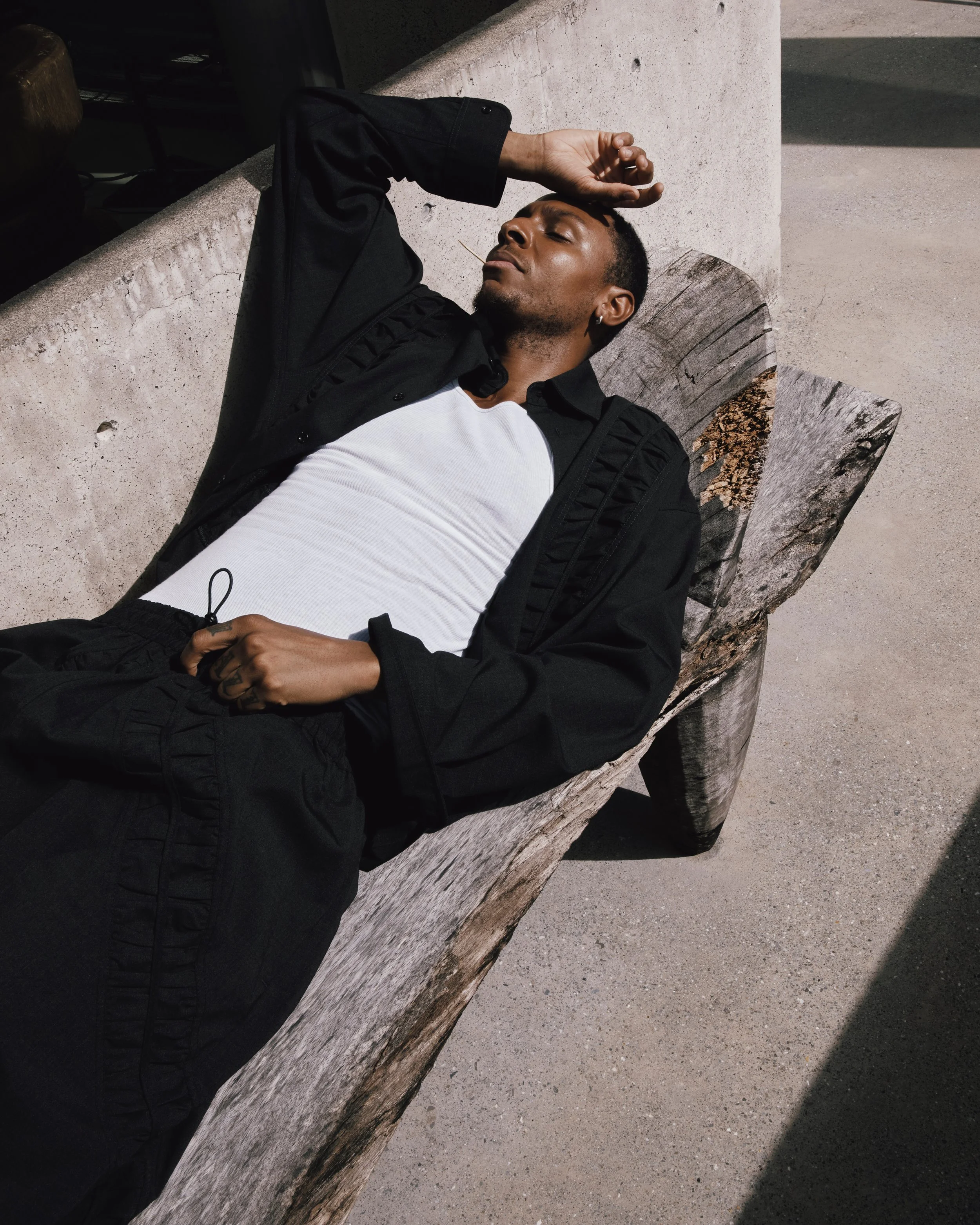
Fix Your Face feels like a turning point rather than a reinvention. What made this the right moment to reveal a more vulnerable side of yourself?
I believe in God, and I feel like everything, timing-wise, aligned. With what’s happening in my life, how I’ve changed, how I think differently, how the world is different, how Black people feel, and the state of the culture, I think it all just aligns with this album.
The album took nearly three years to make and was born during a period of enormous personal change. Looking back, how different is the person who started this record from the one finishing it?
To be honest, I haven’t had a chance to really look at how different I am. I think that takes effect years after the album has been out. I’m still in a phase of just go, go, go, not even having a chance to pause and realise how different I am. That’s why I journal every day, and after all this is finished, I’m going to look back and see how my words have changed, how I described things then versus now. I’m sure the film photos I’m taking and the voice memos will show me the difference. I’m a big believer in compounding interest in both directions, so the small things I’m doing, after they compound, I’ll be a completely different person compared to who I was before. I know each day I’m walking in a way that the person I look up to would move. So when I look back, I think I’ll see that the change is a lot more than I would’ve predicted.
You’ve said this is the first time you wrote your lyrics down instead of relying primarily on freestyle. How did that change the way you tell stories?
Three years ago, if you told me to stop freestyling and pick up a notebook and write, after laughing, I’d probably kick you out the studio. Nowadays, I enjoy studying Lauryn Hill, Stevie Wonder, Bob Marley, and even some of my peers’ work. There’s an art to getting your words to connect the way the right melody can, and it’s been a fun challenge figuring out that language.
Losing your home in a fire is an unimaginable experience. How did that reshape not only
your life but your creative process?
My house burning down changed my relationship with my mind and my body, because I started seeing those as my home, places that are a lot more safe and worth protecting. I also started putting more value into the people who make me feel a sense of home. I got a tattoo shortly after on my tricep as a reminder to value living experiences over material items, so it was a transformative moment in my life that started inward.
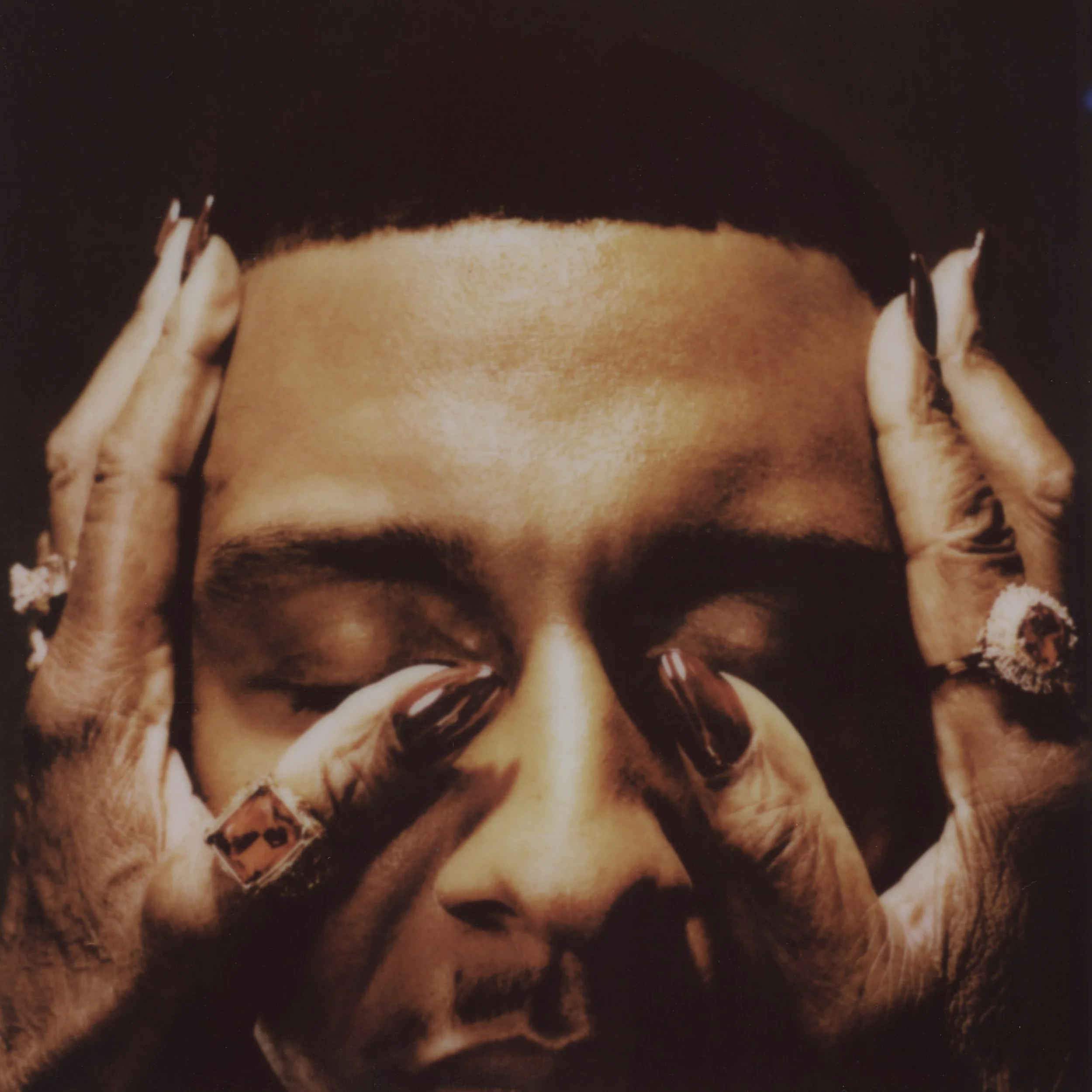
The title Fix Your Face carries different meanings depending on who’s saying it. What does it represent for you today?
I think the beauty of the title is it means the same thing it meant when I was eight years old hearing my mother say it, the same thing it meant when I was 13 playing basketball hearing my coach say it, and the same thing I would tell myself in my teenage years and even now as an adult. The timelessness of it felt very fitting. Even to this day, no matter how much I’d like the time and safety to fully display my emotions, you’re not always afforded that luxury because of how much needs to be done and how unsafe the world can be.
You’ve spoken about challenging traditional ideas of masculinity. How has your own understanding of strength evolved while making this album?
There’s a war on love going on, and one of the loudest battles is the one around masculinity versus femininity. My personal solution has been just working on myself and redefining what goes into that pot of what a man is. I think less about the checklist and more about my mind, my energy, my character, and the actions that support what I feel a man is. It used to be about being strong, making sure no one could outdo you, masking how intelligent you are, and making sure everyone’s a little afraid of you. Now it’s more about my values and my character showing through in how I move, and the safety and consistency I give off.
Your Jamaican heritage plays a significant role throughout the record. How important was it to reconnect with those roots on this album?
I’m really thankful that a lot of my team has roots in Jamaica, Ghana, Nigeria and the whole diaspora, which are all part of our lineage. It just makes me feel more like myself. I love tapping into my culture. I always felt like Jamaicans and Africans were the coolest people on earth, so it feels rewarding to my childhood self to be able to tap into what I always admired. And then, understanding the history, how we got the behaviours I identified as cool, the deeper I went, the more I appreciated it and felt like myself again. It’s more meaningful than just doing a DNA test and getting a result. I think it’s better to have real conversations with my friends still living in Jamaica, with my father, my uncles, hearing those stories, learning from them, and applying it to my life. Just being who I already am.
The collaborations span generations, from Keyshia Cole and Musiq Soulchild to Leon Thomas and Buju Banton. What did each artist bring to the conversations you’re having on the album?
I think the main point is that we’re all saying the same thing. I honour the specificity of each artist and their unique perspective, but we’re all trying to get closer to love, closer to joy. We’re trying to have a better relationship with ourselves and get closer to truth, which I believe is lived experience. It’s almost like we all made our own podcast within the album, all discussing the same topic. I feel honoured that even though we come from different places and perspectives, we contributed to the same story. Keyshia Cole spoke about wanting to be seen as human beyond her accomplishments. Musiq Soulchild spoke about accountability in our journey to love. Leon talked about how poetry helps translate complex emotions into something you can actually feel. And all the musicians who collaborated opened me up to their perspectives navigating the industry and finding truth, happiness, and peace. It became this large conversation that unites rather than isolates.
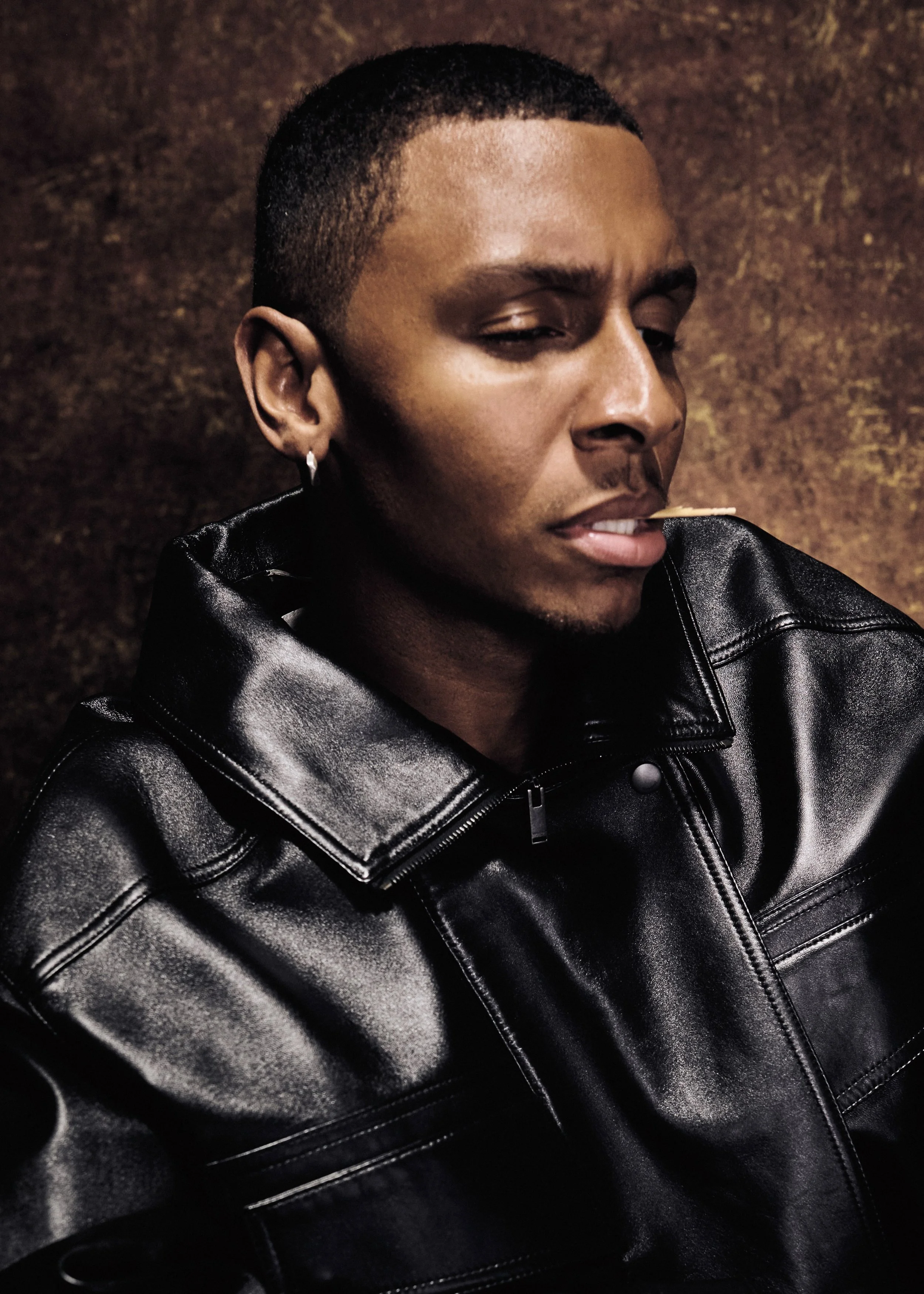
You’re about to embark on your first headline tour in nearly three years. How do you envision bringing the emotional intimacy of Fix Your Face to a live audience?
I think the main difference between this tour and the others is just how I’ve grown as a musician. I’m playing a lot more guitar on stage, and I’m more experienced building songs with confidence, with a balance of structure and freedom that feels like the perfect mix of science and magic. Overall, I’m just going to have more fun, less overthinking, more enjoyment, more appreciation for the fact that we get to travel and connect with people. Just being Black out loud in front of people, I think that’s a form of protest and resistance to the pain people are trying to escape when they come to concerts. I’m more aware now of how healing live music can be, how much of an escape it is. So I’m approaching it with more appreciation, less look at me, and more look at we.
If listeners could walk away with one lesson from Fix Your Face, what would you hope stays with them long after the music ends?
I hope they walk away understanding that for us to move forward, we need vulnerability. We need to share our version of truth, which is our lived experience. That’s all I’m doing on this album. What I see as true is what I’ve gone through and what I’ve felt, and communicating that helps bring us together, especially as Black men. I feel like for a lot of things to improve, it starts there, with Black men and fathers. And the way to get there is through vulnerability and communication.
Finally, after rebuilding both personally and creatively, what excites you most about the chapter that begins with this album?
I think the best part about releasing this body of work is giving people time to live with it, have their own experiences with it, and then hearing those stories. As an artist, you don’t always think your personal stories will connect with others, but that’s exactly what happens when you share them. So I’m always looking forward to hearing where the music has travelled, especially to places I haven’t even been yet.
TEAM CREDITS:
photography CAM HICKS
styling JAEDYN DENISE
