
IN CONVERSATION WITH MAXIME VAN GELDEREN
interview by TIMOTEJ LETONJA
In the world of ultra-luxury travel, discretion is often the ultimate currency. Few understand this better than Maxime, founder and CEO of Connecting the Dots (CTD), a travel advisory and concierge platform working behind the scenes with some of the world’s most coveted hospitality names — from Rosewood and Aman to Belmond, Cheval Blanc, and Bvlgari Hotels & Resorts. With a philosophy centred on crafting deeply personal journeys rather than simply booking destinations, Maxime has positioned CTD as a trusted guide for ultra-high-net-worth travellers seeking experiences that feel both rare and perfectly seamless.
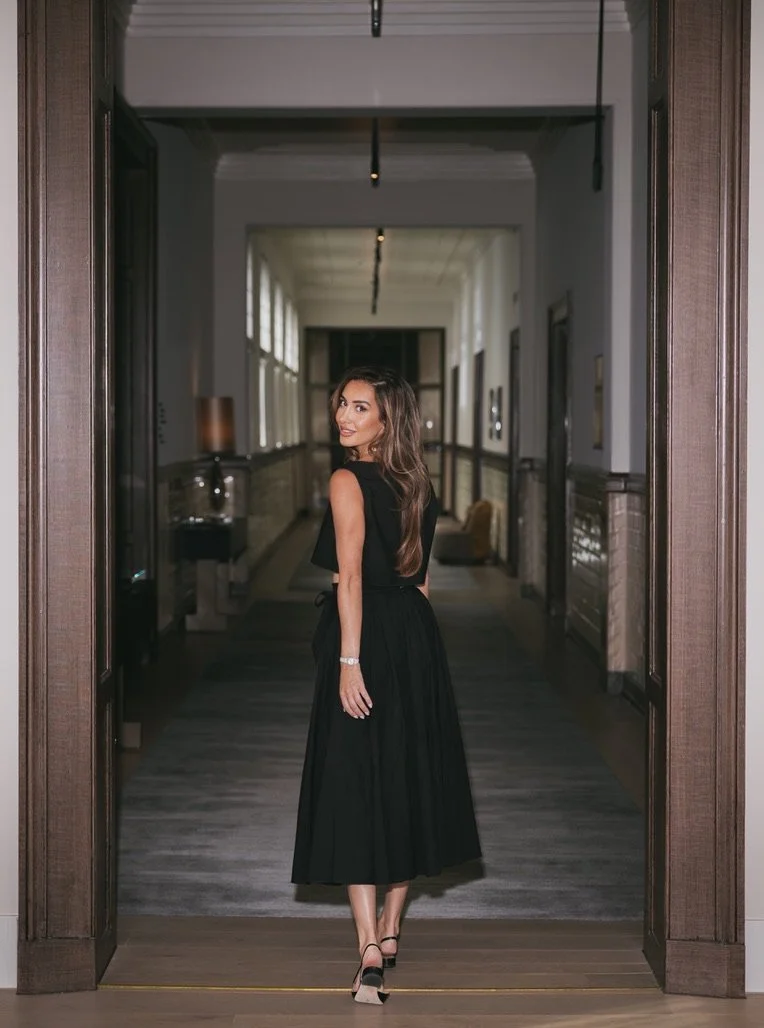
You often describe luxury as intimacy rather than extravagance. When did you realise that less visibility can actually mean more power?
Luxury has never been about what the world can see. True luxury is defined by how something makes you feel. I realised early on that the most powerful experiences are often the quietest ones — moments where you are fully present, immersed in the destination, the atmosphere, or the company you are with. Visibility is frequently mistaken for value, yet discretion carries far greater weight. Less becomes more because luxury, to me, is the ability to experience authenticity without performance or spectacle.
You speak about “curating belonging.” What does it mean to feel like you truly belong in a space, and how do you create that feeling for someone else?
When I speak about “curating belonging,” I’m referring to something deeply human. To belong is to feel at ease without needing to prove or adapt yourself. It is the comfort of being understood, expected, and welcomed exactly as you are.
Creating that feeling requires sensitivity, intuition, and genuine listening. It is not only about understanding preferences, but about understanding the journey behind the person — their rhythms, emotions, and unspoken expectations. At Connecting The Dots, belonging is designed through thoughtfulness rather than excess.
My previous work in the restaurant industry taught me a valuable truth: people want to feel like insiders, not visitors. They are drawn to places where locals go, where they feel naturally included. With the right access and relationships, we are able to create precisely that feeling — effortless integration rather than curated display.
Your early life was shaped by discipline and self-reliance. How did those formative experiences influence your relationship with ambition today?
Discipline and self-reliance fundamentally shaped my relationship with ambition. They taught me resilience, but more importantly, clarity and drive. Ambition for me was never about status; it was about independence, mastery, and creating opportunities where none existed. That mindset still governs how I think today: ambition is quiet, consistent, and deeply intentional.
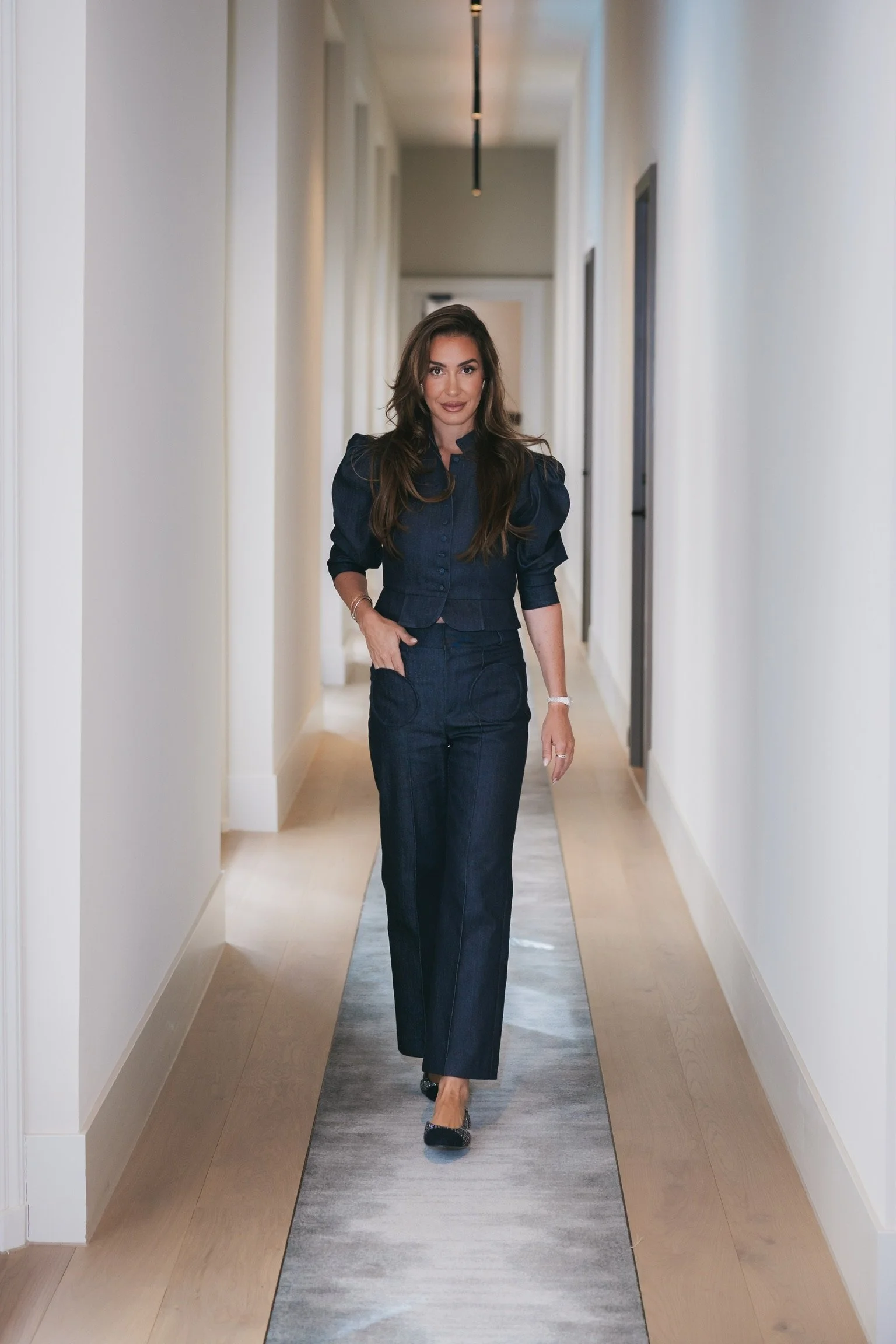
Having worked across fashion, hospitality, and global markets, what did fashion teach you about power and perception that you still apply at CTD?
Fashion was one of my greatest teachers. It revealed how perception shapes reality, how subtlety communicates authority, and how restraint often signals confidence. Fashion is not merely aesthetic — it is psychology, behaviour, and power dynamics expressed visually.
It is also an industry defined by constant evolution. You must move forward quickly, remain aware of shifts, trends, renovations, openings, and cultural movements. At CTD, this translates into how we design experiences: refinement, timing, nuance, and creativity matter far more than obvious gestures.
You often ask: What memory should remain a year from now? How do you design experiences that linger emotionally rather than visually?
Experiences should never be designed solely for documentation. Emotional longevity is far more valuable than visual impact. The most meaningful moments are those that transform how someone feels, rather than simply how something appears.
We design for resonance — for a sense of warmth, ease, surprise, or connection that quietly endures. True luxury lives in memory, not imagery.
Time and privacy are described as CTD’s real currency. Do you think modern luxury clients are ultimately buying freedom — from noise, from choice, from visibility?
Time and privacy are indeed our most valuable currencies. Modern luxury clients are rarely seeking more — they are seeking relief. Freedom from noise, decision fatigue, and unnecessary visibility.
Luxury today is the reduction of friction. It is not about buying freedom, but about investing in peace, clarity, and emotional space. Our clients value experiences deeply — extraordinary dining, travel, cultural discovery, moments that feel meaningful. Having worked hard to reach their position, they are intentional about how they spend both time and resources.

Do you think love — whether romantic, platonic, or self-directed — plays a role in how we experience luxury?
Love, in all its forms, profoundly shapes how we experience luxury. Luxury is ultimately about presence, and presence is inseparable from connection. Whether romantic, platonic, or self-directed, love heightens awareness, deepens appreciation, and transforms moments into something memorable. Without emotional grounding, even the most extraordinary setting can feel empty.
Finally, what does luxury look like to you when no one else is watching?
When no one else is watching, luxury becomes beautifully simple. It is peace, time, comfort, authenticity, and emotional ease. It is the absence of performance. It is feeling entirely yourself — unrushed, present, and grounded.
Sometimes it is something as quiet as a wellness ritual, a spa moment, or a walk by the sea. A moment that asks nothing from you except to exist within it. That, to me, is the purest expression of luxury.