IN CONVERSATION WITH MESTIZA
interview by JANA LETONJA
Blending the raw emotion of flamenco with the hypnotic energy of electronic music, Spanish DJ and producer duo MESTIZA are redefining the boundaries between tradition and contemporary club culture. Founded in 2021, the project has evolved into an international phenomenon, captivating audiences with a distinctive fusion of music, fashion, and Spanish heritage. From their groundbreaking performances at Coachella 2026 to their globally expanding SACRO concept, MESTIZA have established themselves as much more than a musical act. With their second album, SPANISH CHICA, the duo continue to explore cultural identity, femininity, and artistic freedom while bringing their vision to some of the world’s most influential stages.
photography by ESRA SAM
MESTIZA was born from a long-standing friendship and a shared passion for music. Can you take us back to the beginning? What inspired you to create this project together, and when did you realise you had something truly unique?
We had known each other for years and shared a very similar vision of music, but we also felt that something was missing in the electronic scene. We wanted to create a project that truly represented who we are and where we come from. We both grew up surrounded by Spanish culture and flamenco, and combining those roots with electronic music felt very natural to us. From the beginning, we realised we were creating something different, but seeing people from completely different countries connecting with our music was when we understood that MESTIZA could become something much bigger.
Your sound brings together two seemingly different worlds: traditional flamenco and contemporary electronic music. What initially drew you to this fusion, and what do these two musical languages represent to you personally
For us, flamenco is emotion, tradition and identity, while electronic music represents freedom, energy and the future. We love the contrast between these two worlds, but we also believe they have more in common than people might think. Both are incredibly powerful and capable of making people feel something very intense. Bringing them together allows us to express ourselves in a way that feels completely authentic.
Spanish heritage is deeply embedded in your artistic identity. How do you balance preserving the authenticity of flamenco with the desire to experiment, challenge traditions, and create something entirely new?
We have enormous respect for flamenco and everything it represents. Our intention has never been to change traditional flamenco or replace it, but rather to bring its essence into a different musical environment. We believe traditions can evolve and reach new generations without losing their identity. If someone discovers flamenco through one of our tracks and becomes curious about its history and culture, that’s already something very special for us.
Your debut album Quëreles reached number one in Spain during its first week, marking an important milestone in your career. Looking back, how did that success influence your confidence and creative direction?
It was an incredible surprise and a very emotional moment for us. When you create something that doesn’t necessarily follow the usual formulas, you never really know how people are going to react. Seeing Quëreles reach number one gave us the confidence to keep trusting our instincts and our sound. It showed us that there was an audience looking for something different, and it encouraged us to continue experimenting without losing our identity.
Your second album, SPANISH CHICA, introduces global and Latin influences alongside your signature sound. What was the creative vision behind this record, and what does it reveal about the artists you are becoming?
With SPANISH CHICA, we wanted to take the MESTIZA sound a step further. Traveling and performing around the world has exposed us to so many different cultures, rhythms and musical influences, and naturally those experiences have influenced our productions. We wanted an album that still had our Spanish identity at its heart, but felt more international and explored new sounds. It’s a reflection of how we’re evolving as artists while staying connected to our roots.
Flamenco has always been a powerful vehicle for expressing love, pain, resilience, and identity. How do you translate that emotional intensity into electronic music, particularly in a club environment where the experience is often more physical than lyrical?
We believe you don’t always need to understand the lyrics to feel the emotion behind a song. A flamenco voice, a guitar or even a simple melody can communicate so much. When we combine those elements with electronic rhythms, we try to preserve that emotional intensity while adding the energy of the dancefloor. Some of our favourite moments during our shows are when the audience goes from listening to an emotional flamenco vocal to dancing together when the beat drops. That contrast is what makes our sound so special to us.

Performing at Coachella 2026 as the only Spanish female artists on the lineup was a significant achievement. What did that moment represent for you, both personally and as women bringing Spanish musical heritage to a global audience?
Coachella was definitely one of those moments we’ll remember forever. Being able to bring our music and Spanish culture to such an iconic festival was a dream come true. We felt incredibly proud to represent Spain and to show that flamenco-inspired electronic music can connect with audiences anywhere in the world. As women, it also meant a lot to us. We hope moments like that can inspire other female artists to believe in their ideas, even when they’re doing something different.
Through SACRO, you’ve created a distinctive party concept that has expanded from Ibiza to four continents. What inspired you to build an entire experience around your music, and what do you want people to feel when they enter the world of SACRO?
SACRO was born from the idea of creating something beyond a traditional DJ set. We wanted people to enter a world where music, flamenco, fashion, performance and visual art all come together. Ibiza was the starting point, but seeing SACRO travel to different continents and connect with so many cultures has been incredible. We want every show to feel like a celebration of our roots, but also like an experience where everyone feels welcome, free and part of something special.
As your performances become increasingly ambitious, how do you approach the relationship between sound, visual storytelling, fashion, and atmosphere? How important is creating a complete sensory experience rather than simply playing a DJ set?
For us, everything is connected. The music is always the foundation, but the visuals, the lighting, the dancers, the costumes and the atmosphere are all part of the story we want to tell. We spend a lot of time thinking about how each element works together because we don’t want people to just come and listen to music. We want them to remember how they felt during the show. That’s why every detail matters to us.

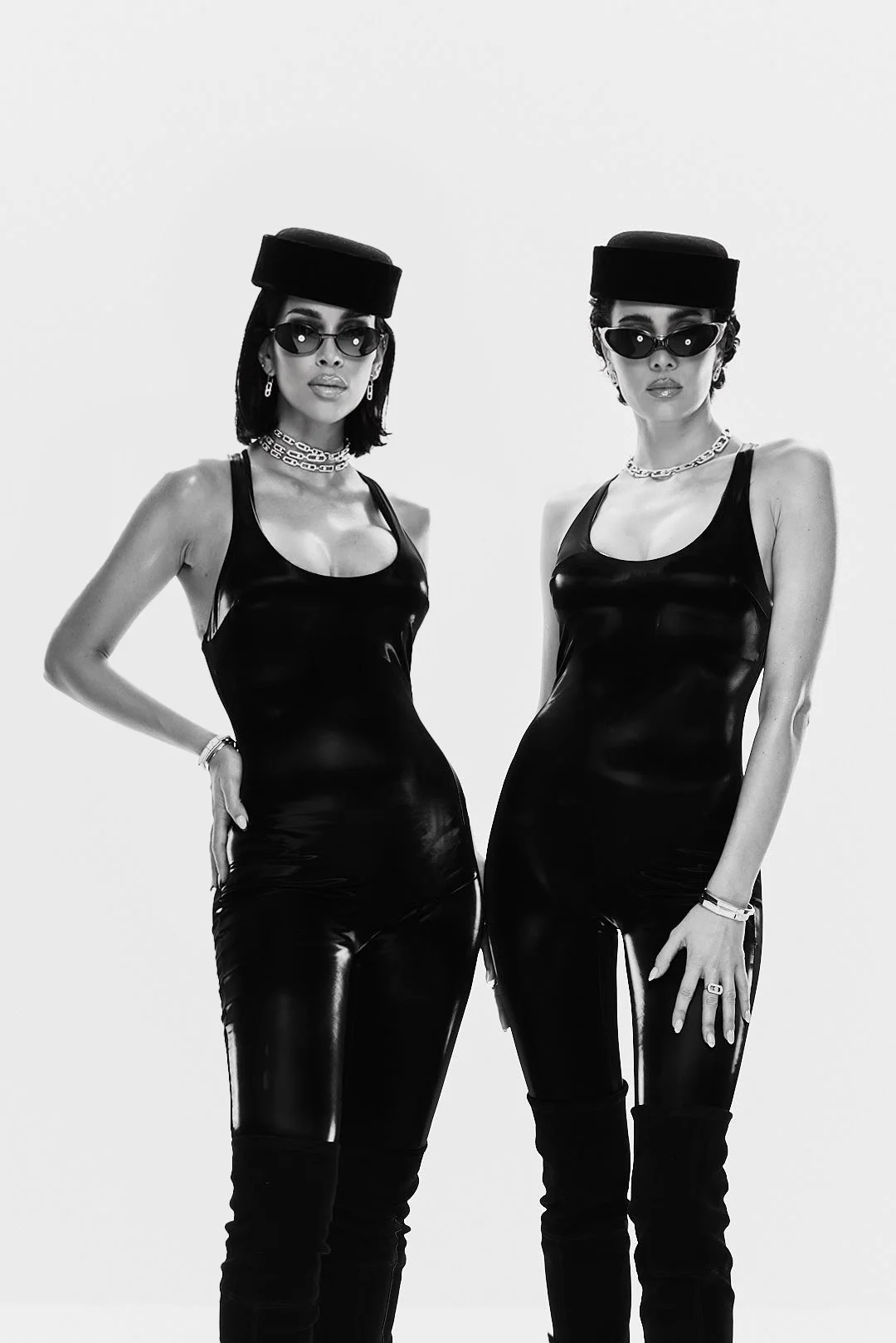
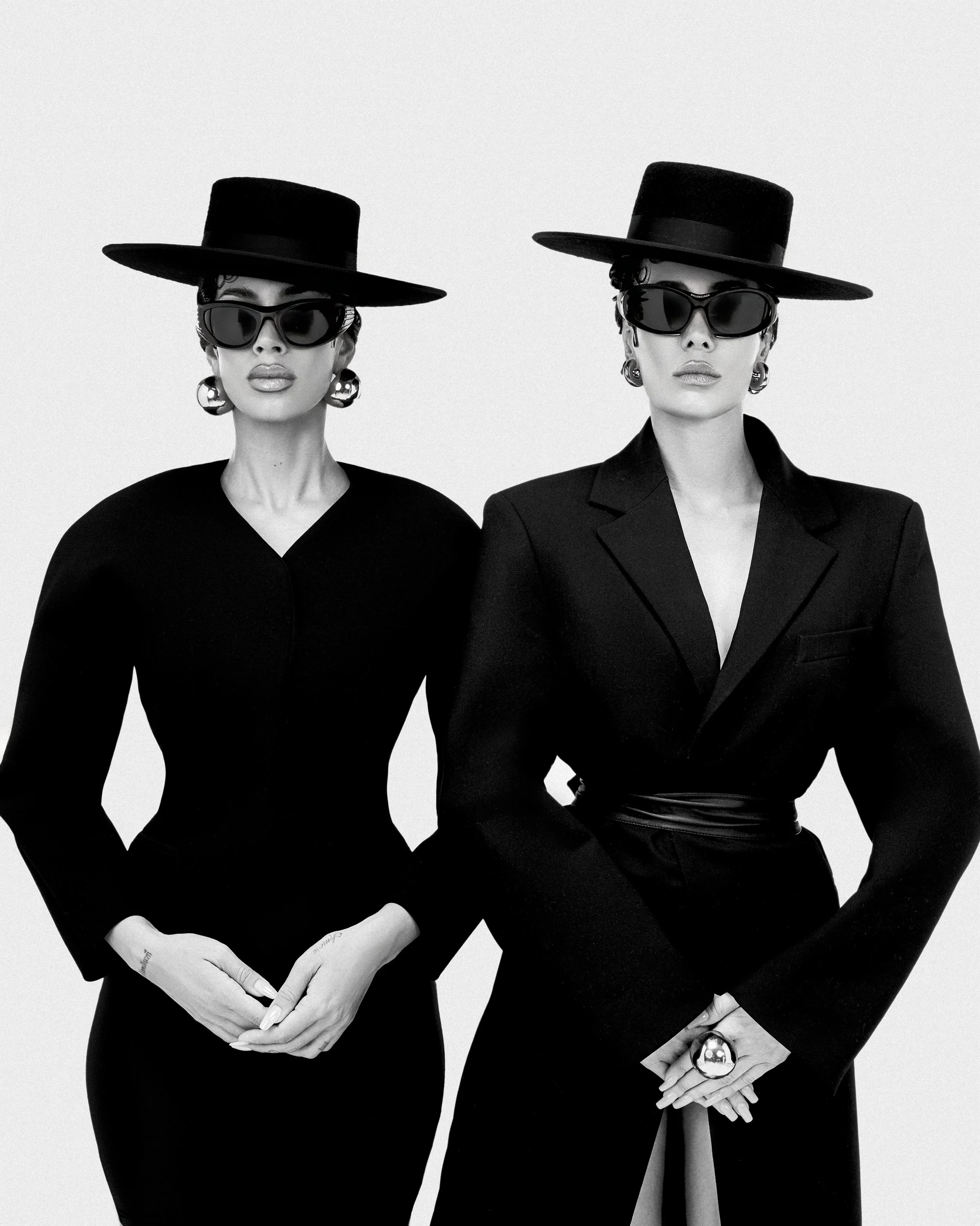
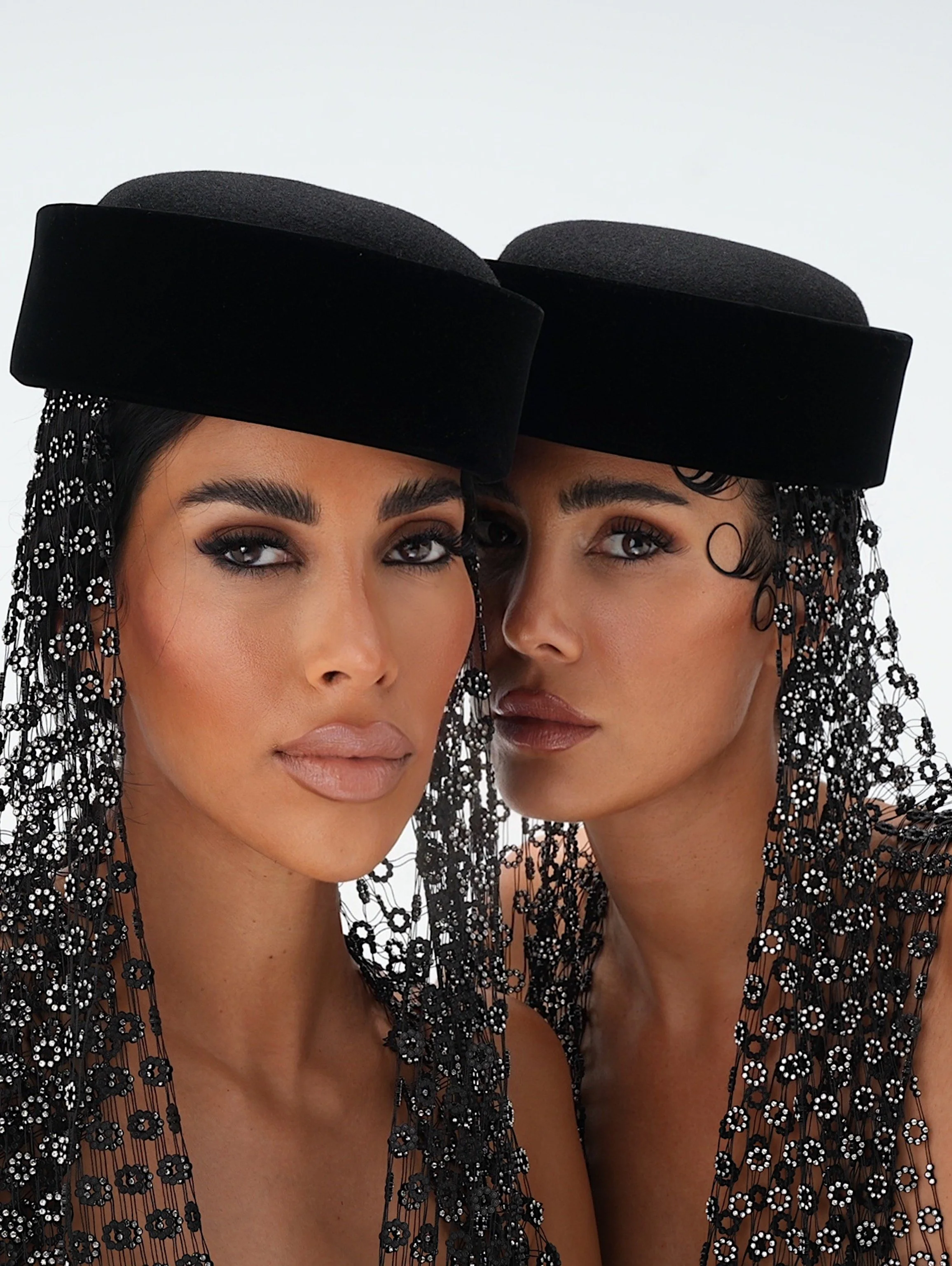
Fashion plays an essential role in the MESTIZA universe. Your signature hats, sculptural silhouettes, and dramatic styling have become instantly recognizable. How would you describe your visual identity, and where do you find inspiration for your looks?
Our style is a mixture of Spanish tradition, flamenco influences and contemporary fashion, with a strong and sometimes mysterious aesthetic. Black is definitely one of our signature colours, and we love working with hats, leather, dramatic silhouettes and accessories that give our looks personality. Fashion is another way of expressing the MESTIZA identity, and we want our visual world to be as recognisable as our music. We take inspiration from Spanish culture, but also from designers, photography, art and the places we visit.
As female artists in an electronic music industry that has historically been dominated by men, have you encountered expectations or stereotypes that you’ve felt compelled to challenge? What does female empowerment mean to you within your creative practice?
The electronic music industry has traditionally been very male-dominated, although thankfully things are changing. We believe the most important thing is to be recognised for your talent, your work and your creativity, regardless of gender. For us, female empowerment means having the freedom to make our own decisions, develop our own artistic vision and build something on our own terms. We’re proud of what we’ve achieved together, and we hope to see more women creating and leading their own projects in the industry.
Music has the power to transcend borders, languages, and cultural differences. Beyond making people dance, what conversations or emotions do you hope MESTIZA inspires in the audiences who discover your work?
We’d love people to feel curious about Spanish culture and discover the beauty of flamenco through our music. One of the most rewarding things for us is seeing audiences in countries where Spanish isn’t spoken connecting with our sound and singing along to flamenco vocals. Music has this incredible ability to bring people together without needing a common language. If our project can make people dance, feel something and discover a culture they might not have explored before, then we’re achieving exactly what we set out to do.
You’ve already achieved milestones that many artists spend their entire careers working towards. As you look to the future, what ambitions still excite you, and what would you like MESTIZA’s legacy to be?
We feel incredibly grateful for everything we’ve experienced so far, but we also feel like we’re just getting started. There are still so many countries we want to visit, festivals we dream of playing and ideas we want to bring to life with MESTIZA and SACRO. We want to keep growing internationally, exploring new sounds and taking our shows to another level. Above all, we’d love MESTIZA to be remembered as a project that brought Spanish culture and flamenco to a new generation through electronic music, proving that you can create something modern and international without forgetting where you come from.