
IN CONVERSATION WITH MICHAEL VAN DER KROFT
interview by TIMOTEJ LETONJA
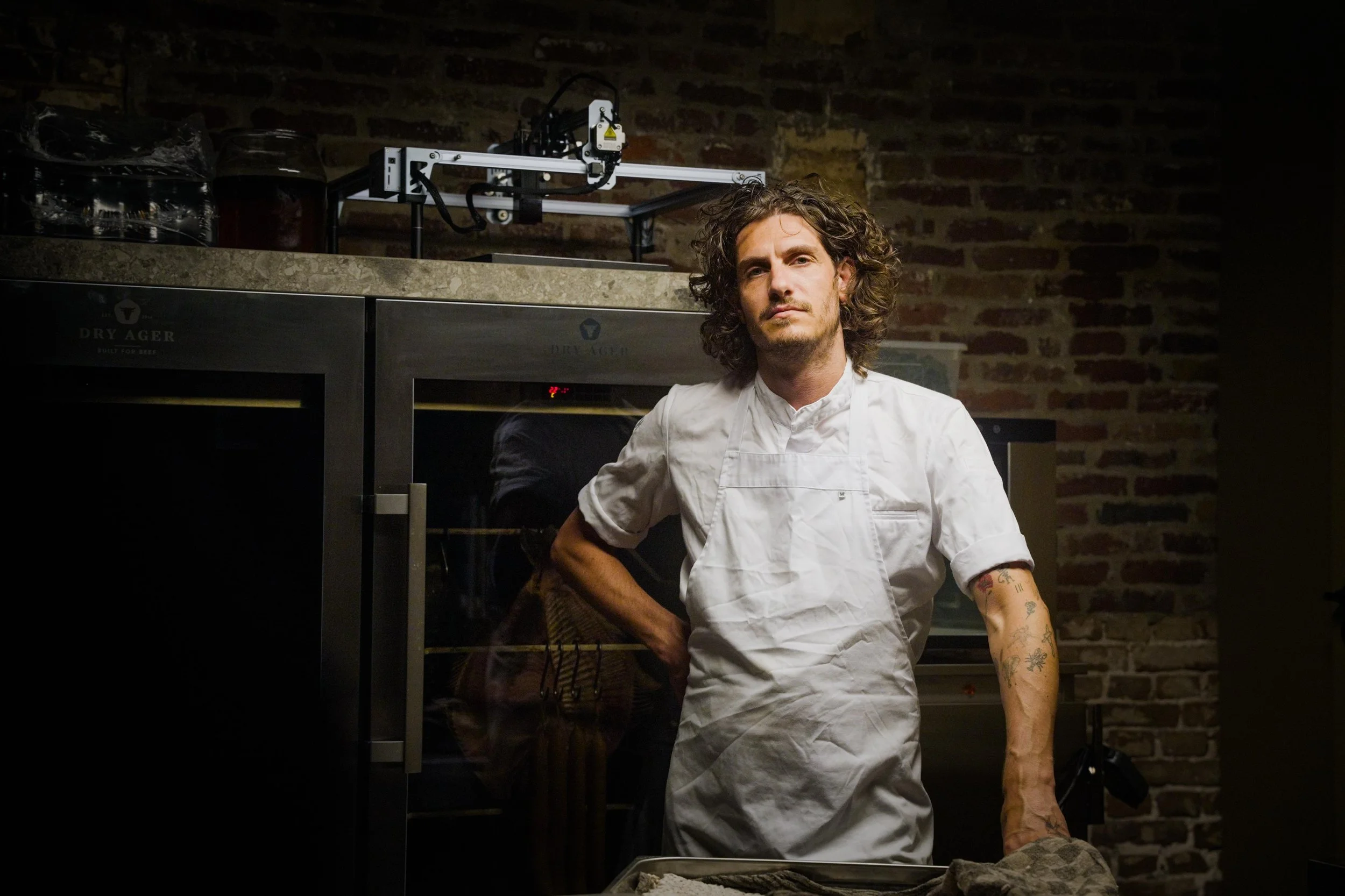
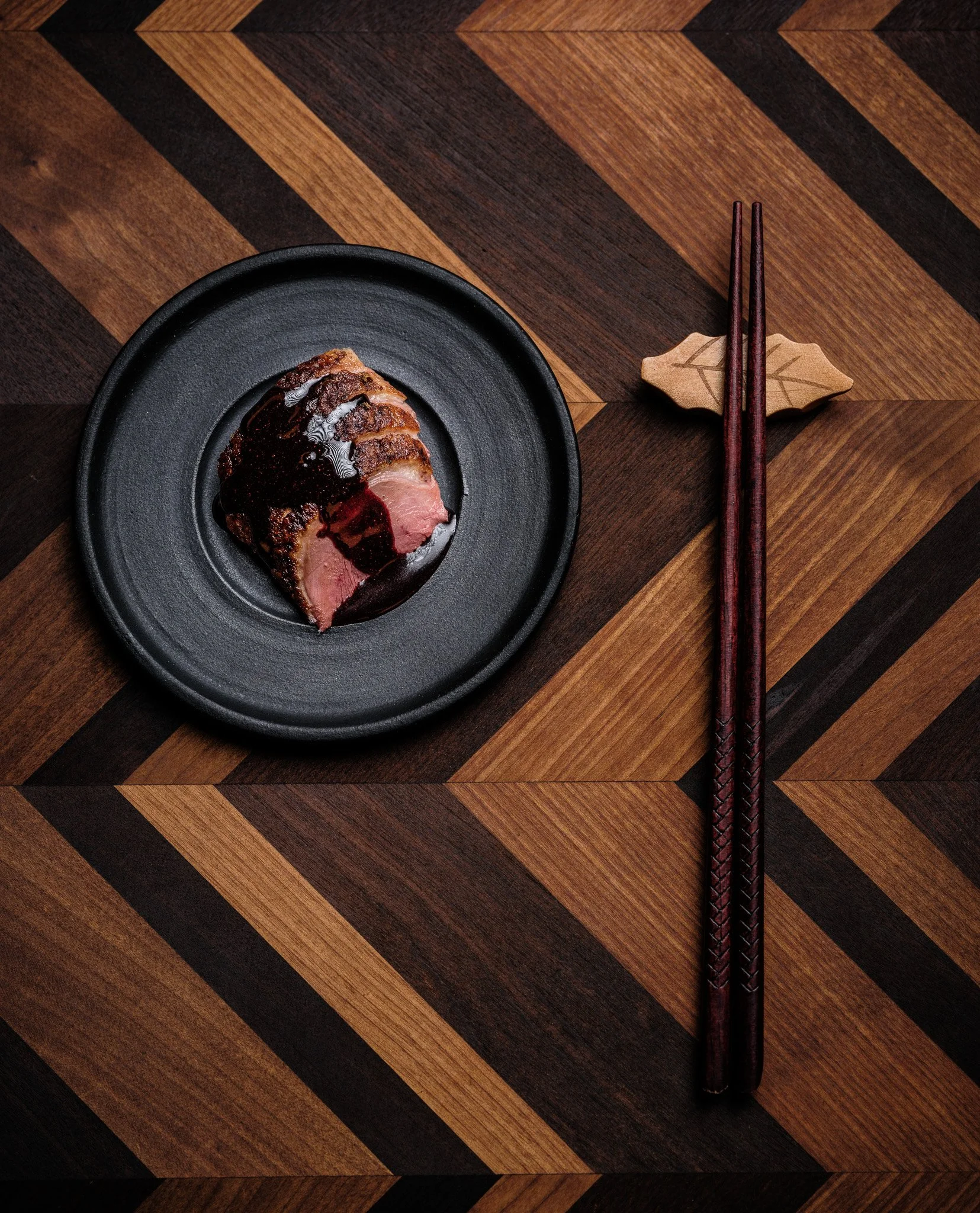
At Tres, the 12-seat restaurant tucked beneath Rotterdam’s Kop van Zuid, chef Michael van der Kroft rethinks what fine dining can be. Known for eliminating traditional salt from his cooking and replacing it with techniques rooted in culinary science, he builds each seasonal menu from months-long preparations and a deep respect for Dutch produce. Together with partner and front-of-house lead Emy Koster, van der Kroft has shaped Tres into a Green Michelin Star–winning restaurant defined by curiosity and a radical approach to flavour.
When did you first realise that removing traditional salt wasn’t a limitation but a creative liberation?
When I started removing salt, I expected to lose flavour. Instead, I found identity. Every ingredient already carries its own natural salinity through fermentation, curing, or its place of origin. Once I understood that, I stopped seasoning food and started revealing it.
What Dutch ingredient do you feel the world still doesn’t understand?
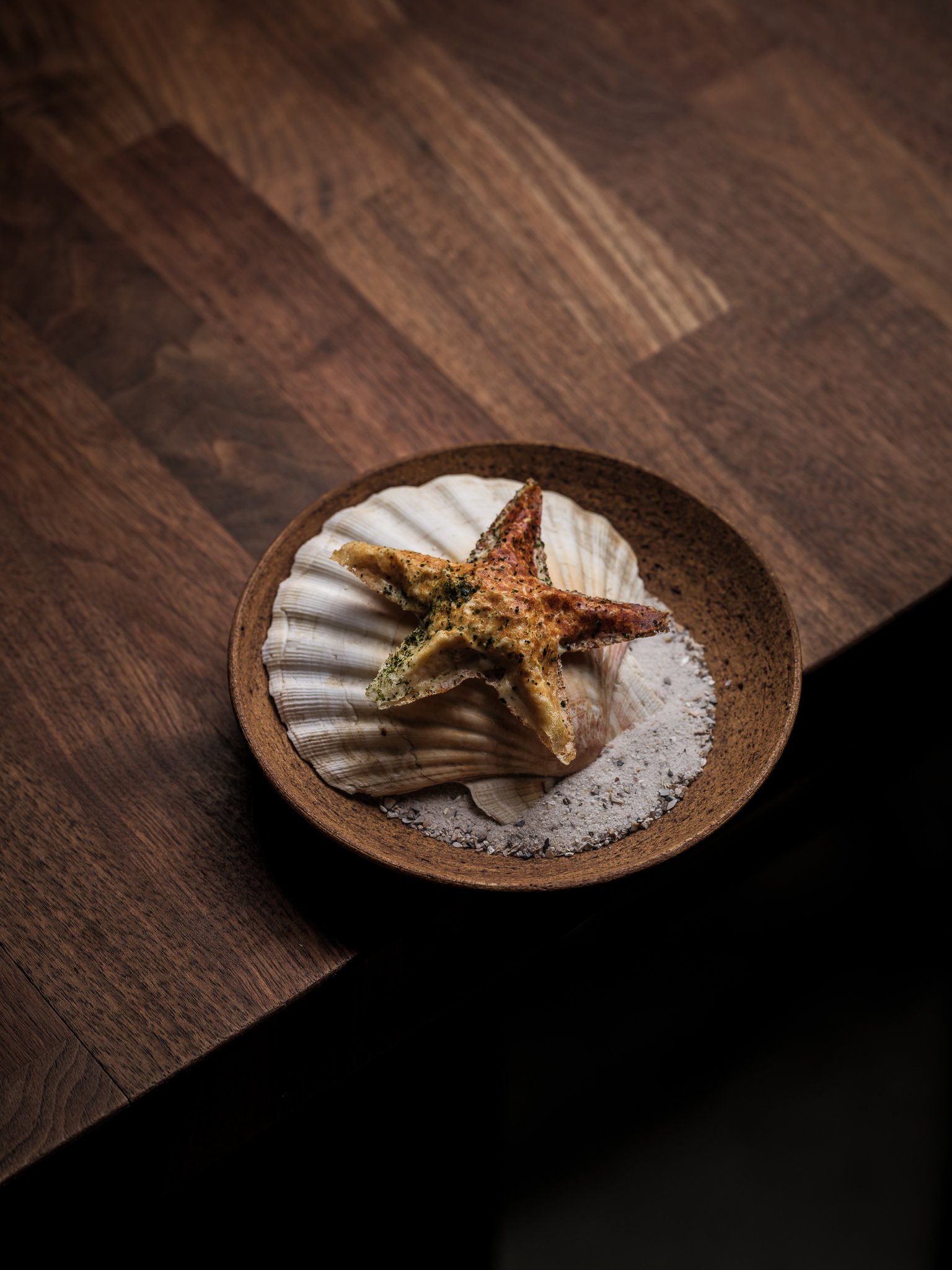
Sea water. The North Sea is more than a coastline. Its minerals can build flavour, influence texture, and shape preservation. It is an ingredient with personality, not just a substitute for salt.
How do you decide whether a dish needs science, instinct, or restraint?
Science gives me tools, but instinct gives me truth. I start with science to understand what’s possible, then I taste and let instinct judge what’s necessary. Restraint is the final step: asking myself, “Does this dish still speak clearly if I remove something?” If the answer is yes, then the dish is ready.
What’s the most surprising conversation you’ve had with a local grower this season?
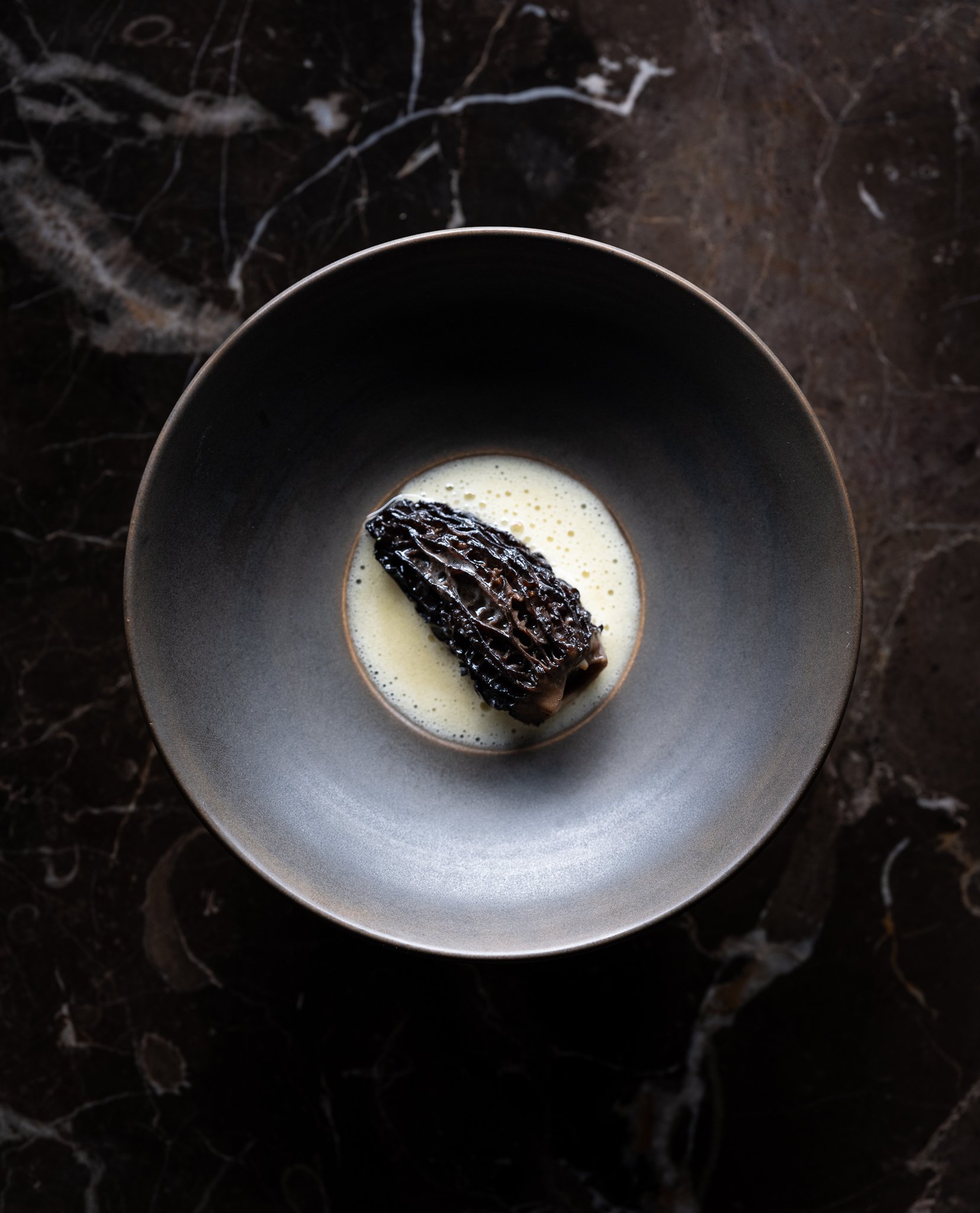
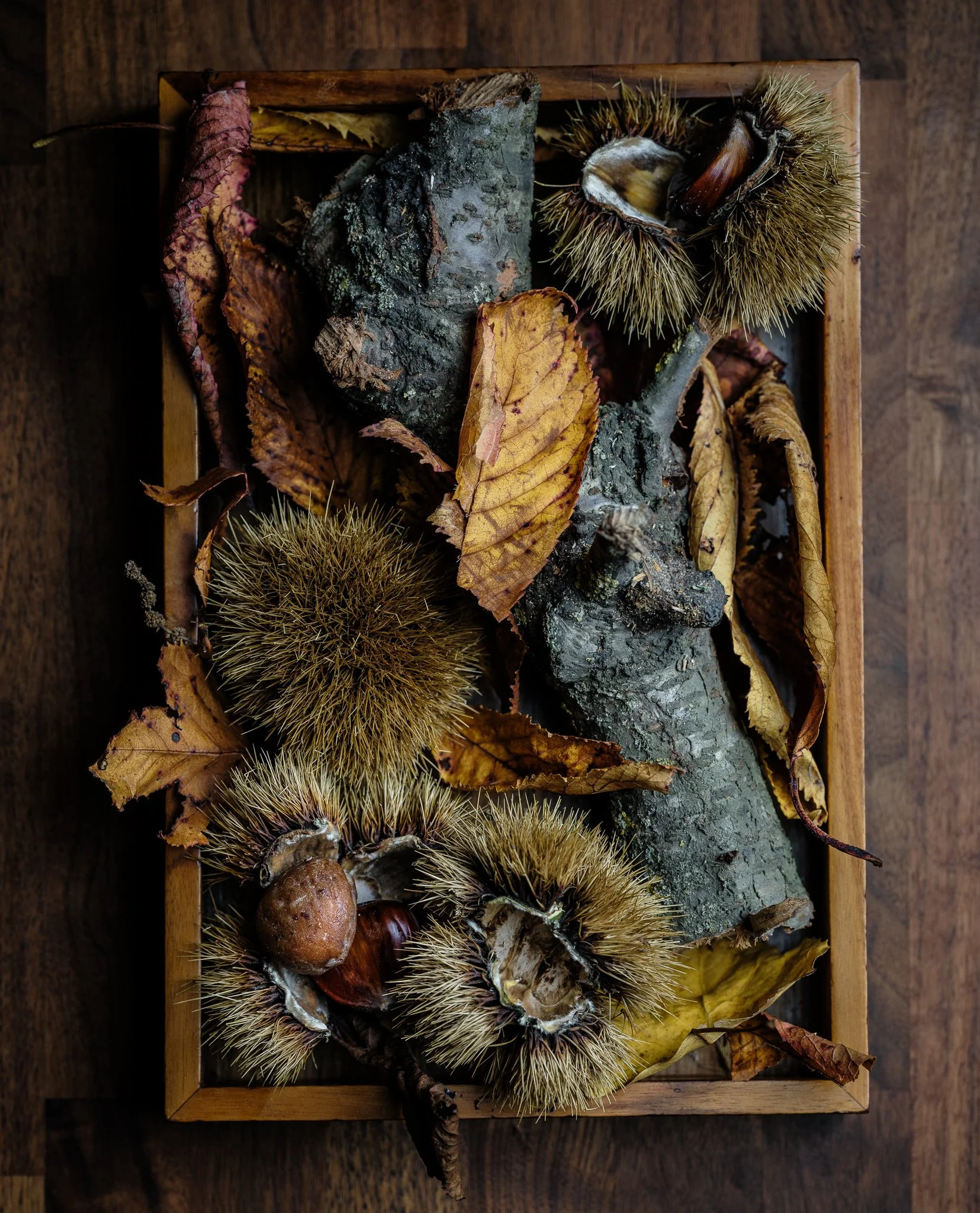
A farmer told me he preferred losing part of his harvest over interfering unnaturally to save it. He said, “Nature decides what real food is this year.” That honesty changed how I view sourcing. Not everything that grows should end up on a plate.
Which accolade made you feel seen as a chef, not just judged?
The Michelin Green Star. Not because it’s an award, but because it acknowledged process over performance. It recognised our values, not just our dishes, and that feels more permanent.
How do you keep your ambition sharp in a restaurant with only 12 seats?
Ambition isn’t about scale, it’s about intimacy. With only 12 seats, every decision is magnified: mistakes are louder, flavours are personal, and there’s nowhere to hide. That pressure keeps me sharper than any large brigade ever could.
What’s a technique in your lab right now that feels like a breakthrough?
We are pushing fish charcuterie into the realm of true preservation cuisine. By ageing seafood in animal fats and sea water, we create flavours that behave like cured meat but speak the language of the ocean. Concentrated, refined, and surprisingly elegant.
Where do you still want to push Dutch sustainable gastronomy?
I want to explore sustainability through self-sufficiency. Not as a response to trends, but as a craft. When restaurants create their own preservation systems, their own ferments, and find value in every part of an ingredient, it creates a cuisine that depends less on labels and more on skill. I think there is a lot of possibility in that direction.
What did the Green Michelin Star change for you personally, not publicly?
It brought relief. For years, I felt that my focus on preservation and natural flavour extraction was too niche. The award showed me that these values matter beyond my own kitchen.
If you had to describe the soul of Tres in one word, what would it be and why?
Devotion. Every ingredient, every guest, every decision deserves full commitment. Nothing at Tres is accidental. Devotion demands attention, patience and care, and the restaurant is built on that promise