
IN CONVERSATION WITH MOLLY WINDSOR
interview by JANA LETONJA
British actress Molly Windsor has established herself as one of the most compelling talents of her generation since her award-winning breakthrough in the BBC drama Three Girls. Her harrowing portrayal of a 14-year-old grooming victim earned her the BAFTA TV Award for Best Actress and recognition as a BAFTA Breakthrough Brit, immediately marking her as a formidable screen presence. This spring, she returns in the lead role of Netflix’s psychological thriller Unchosen. With its release positioned in Netflix’s coveted spring window, Unchosen marks a powerful new chapter in Molly’s evolving career.
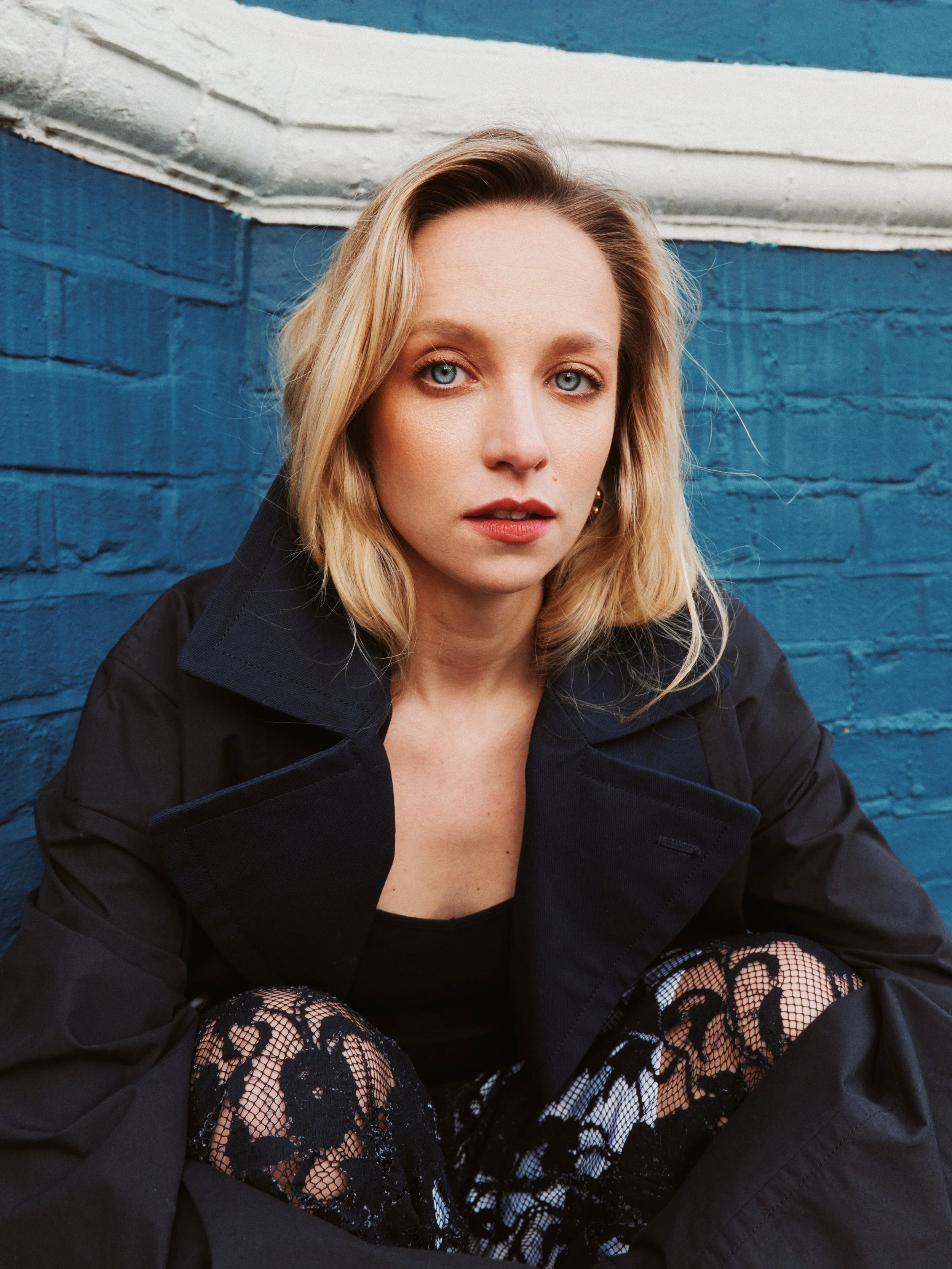
Unchosen places you at the center of a psychological thriller. What initially drew you to the role of Rosie?
I read episode 1 and instantly felt so close to Rosie. I could really see the world that Julie Gearey had created, and I wanted to know what happened to Rosie. It’s rare to be hooked so quickly, so I knew it was a good sign.
Rosie begins the story as a devoted member of a conservative religious community. How did you approach understanding her mindset at the start of the series?
At the start of the series, Rosie is a product of her upbringing. The fellowship is all she’s known. So it was vital to drop any of my own opinions as an outsider of the community, and understand her core values and beliefs.
As the story unfolds, Rosie undergoes a profound awakening. What was the most challenging aspect of portraying that transformation?
It was a challenge portraying such a complicated, internal transformation within a character who’s been taught to suppress her thoughts and feelings. It’s a huge journey, but she is unable to outwardly show how she feels while she is still navigating her place within the community and trying to protect her daughter as best as she can.
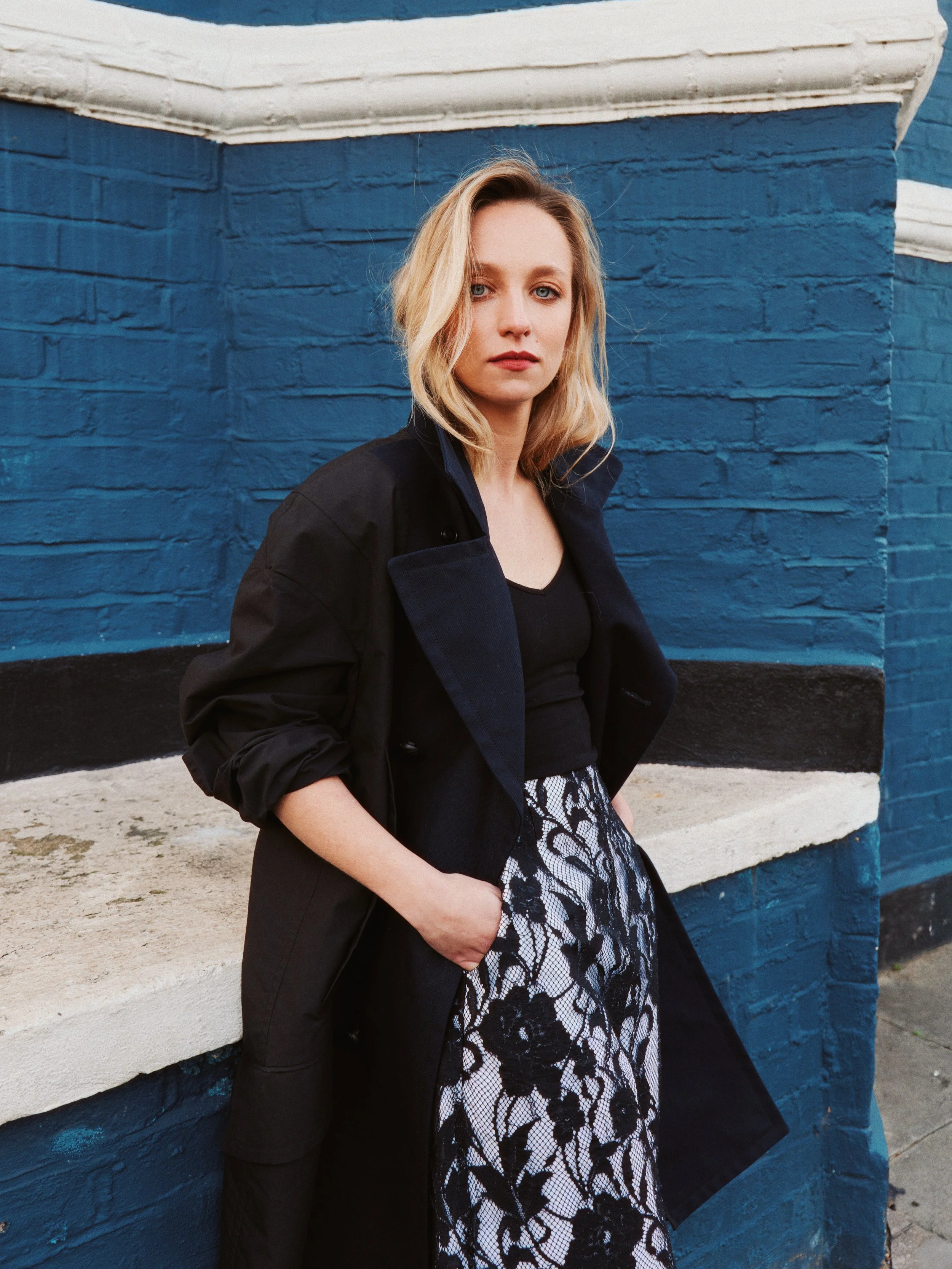
The series explores themes of control, faith, and personal freedom. What conversations do you hope the show sparks for viewers?
I hope viewers get hooked like I did. It’s such a human journey to question your faith, your morals, and the people around you. To question what is right or wrong, and how we react it when it’s not a simple answer. And how important it is that we have the freedom to make choices about our own lives.
The story touches on female emancipation and identity. How important was it for you to portray that journey authentically?
It was my absolute priority that Rosie’s journey felt authentic. The story is set in an extreme world, and the narrative takes all sorts of drama-filled twists. But at the core of it is a woman trying to do the ‘right’ thing. A woman who’s having her eyes opened to the injustice around her. I wanted Rosie’s journey to be authentic so that people can empathise with her like I did when I read the script.
Having won a BAFTA early in your career for Three Girls, how did that experience shape the way you choose roles today?
Working on Three Girls really cemented how important it is to work on projects that you care about, with good people and what a huge impact drama can have. It’s not about me as an actor, it’s about the story that you’re telling and how that resonates with an audience.
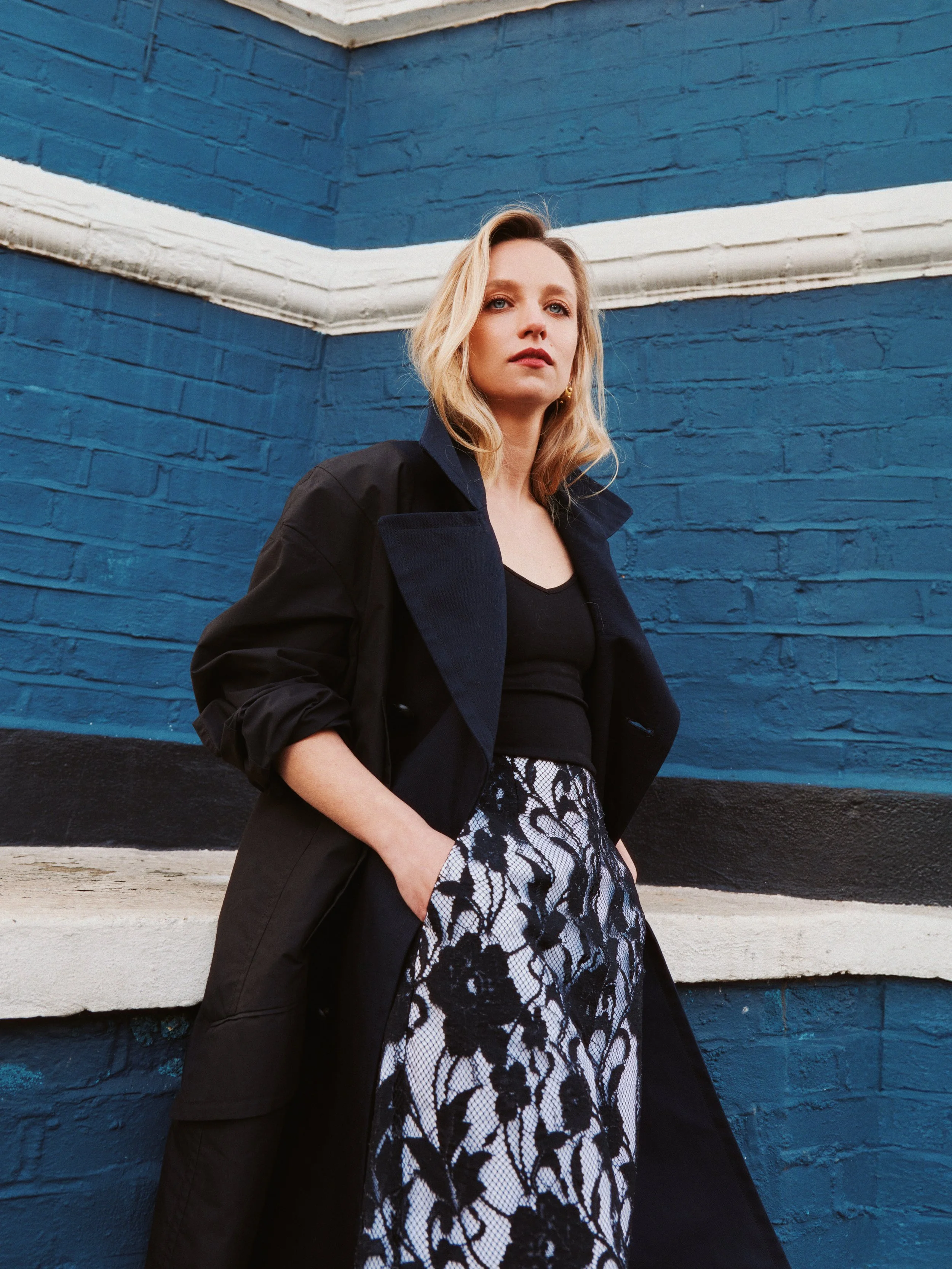
Since that breakthrough, you’ve continued to take on complex and layered roles. What attracts you to these kinds of stories?
I think humans are complex and layered. It’s a lot more interesting to play characters that have that depth and humanity to them and find something truthful within in a piece.
Looking back at your career so far, what moments have felt most transformative for you as an actor?
I was lucky enough to work with Samantha Morton on her Channel 4 film The Unloved when I was 11. This really felt formative to me as it gave me my love for being on set and a compassionate approach to the story we were telling, which I try to take with me on every project.
Three Girls was also very formative. I was portraying a true story of grooming and exploitation, with the knowledge that it was still happening to thousands of children in the UK. It was a big responsibility and it was such an incredible team, so I definitely learned a lot. Nearly 10 years on and I still talk about Three Girls a lot and work with a local charity Safe and Sound as I still feel very passionate about it.
Not to be cliche, but I really do feel like Unchosen has been a transformative time for me. Playing Rosie nearly every day for 5 months has made me feel like we’ve really been on a journey together.
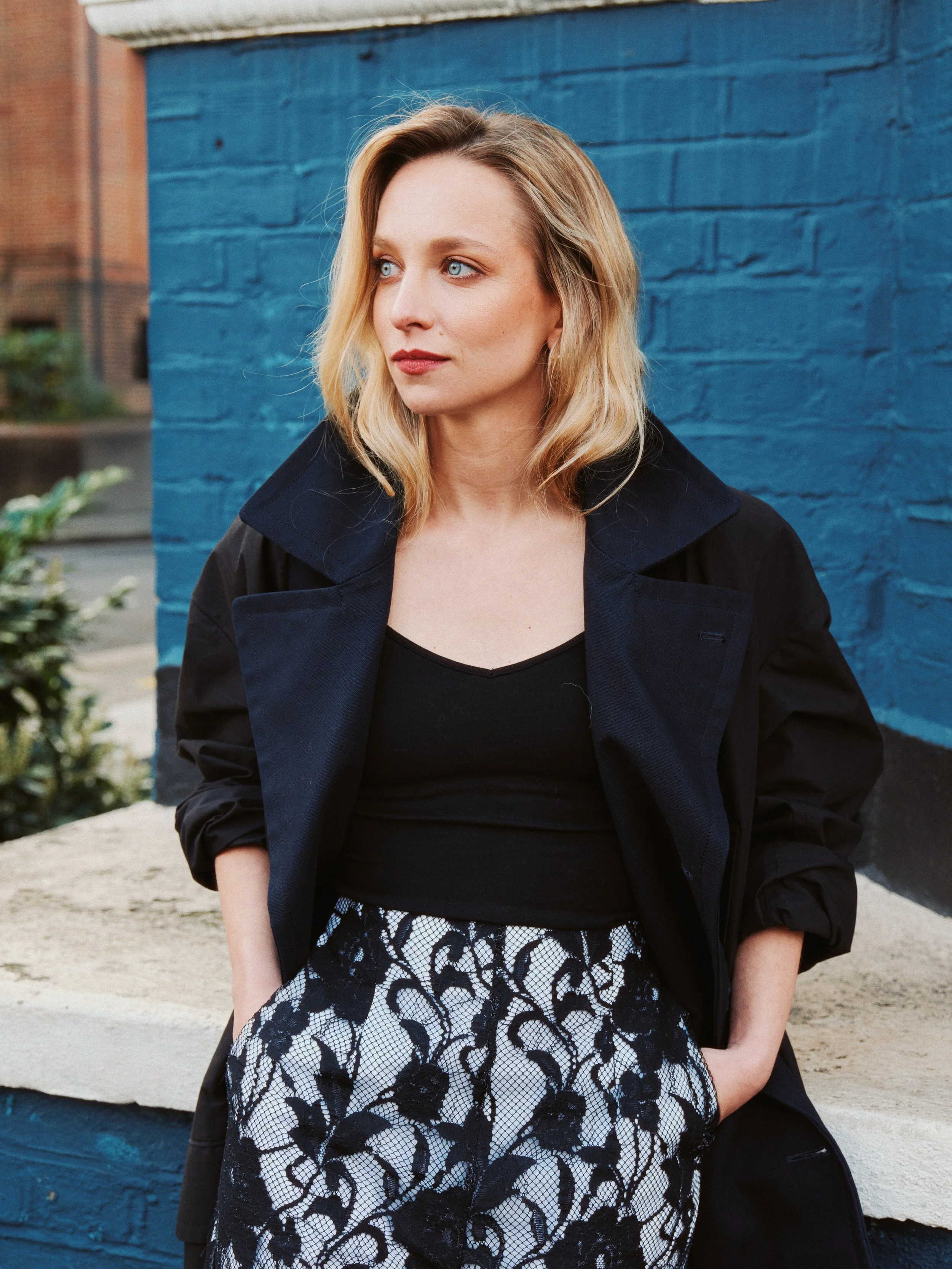
What kind of characters are you most interested in playing as your career continues to evolve?
I’m ready for a comedy or something lighter. But to be honest, I think I’ll always be attracted to playing characters that feel real to me. I get excited by new writing, by something that feels like a challenge or something that I’ve not seen before.
When audiences watch Unchosen, what do you hope they ultimately take away from Rosie’s story?
I hope audiences enjoy the ride and leave with a sense of hope. It can be a dark intense journey at times, but my heart soars thinking of Rosie’s bravery and resilience.
TEAM CREDITS:
photographer STEFAN BERTIN
hair & make-up NOHELIA REYES
styling DELANEY WILLIAMS
