
IN CONVERSATION WITH MON LAFERTE
interview by JANA LETONJA
Few artists today move as effortlessly between music, visual art and storytelling as Mon Laferte. A five-time Latin GRAMMY winner and one of Latin music’s most compelling creative voices, Mon has built a career defined by fearless reinvention, emotional honesty and genre-defying artistry. On 12th June, she released Femme Fatale Vol. 2, a 20-track companion to Femme Fatale that expands her sonic universe through folk, punk and alternative influences, including a collaboration with St. Vincent. As she prepares for a major North American tour, including sold-out dates at iconic venues such as Radio City Music Hall, Mon remains one of the most singular and adventurous artists working today.
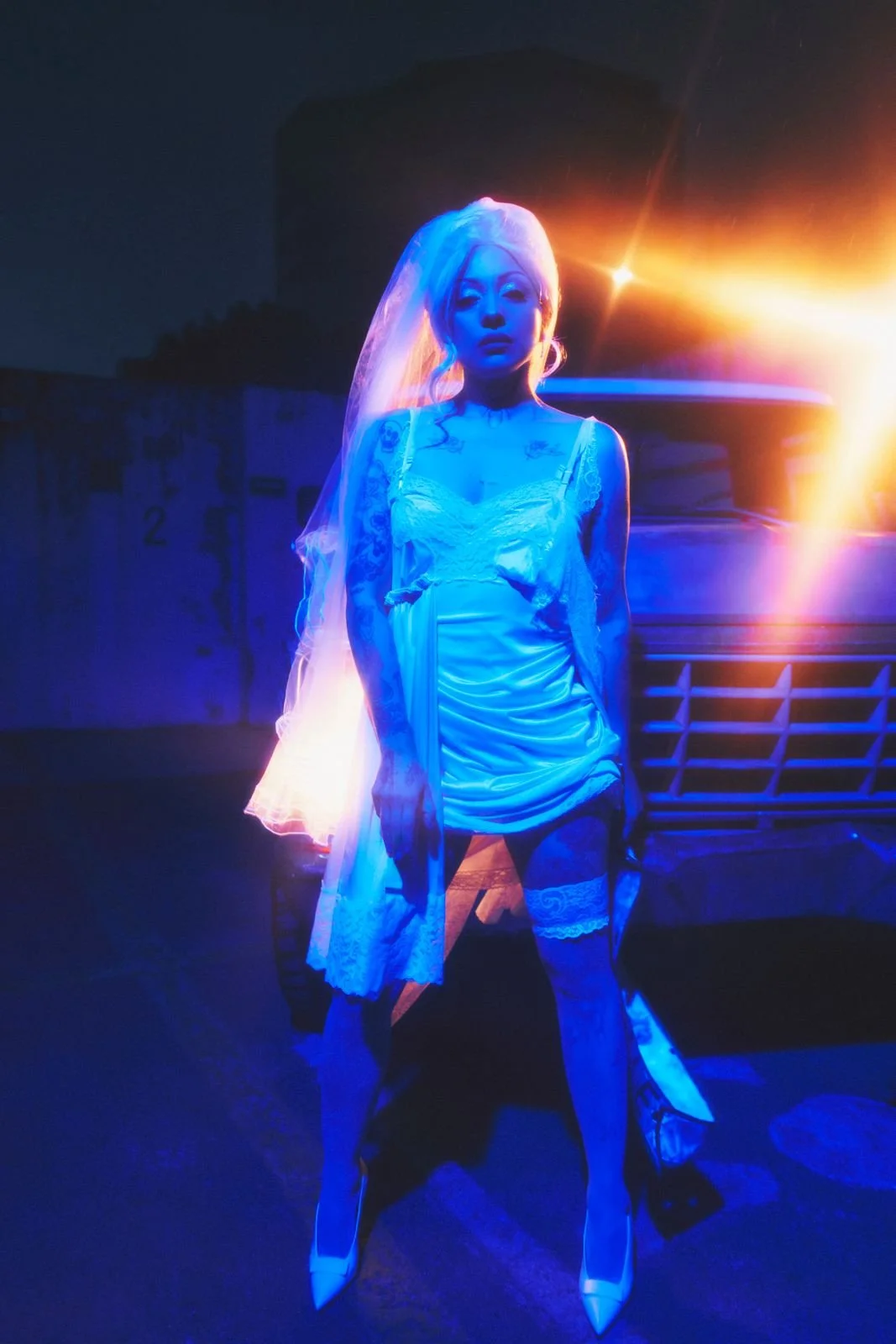
Femme Fatale Vol. 2 emerged from the same creative period as the first volume. At what point did you realise these songs belonged to a completely different album?
I never really felt that they belonged to a completely different album. I always felt that the first volume had captured a very specific part of that universe, and that there were still many stories left to tell. What changed was the sound. When I started listening to those songs together, I realised they were speaking to each other in a different way and needed their own space.
You’ve described this album as belonging to a different sonic universe. How would you define that universe in comparison to Femme Fatale?
It’s a much more eclectic universe. The first volume leans more toward jazz and genres that belong to that same sonic family. Volume 2 travels through folk, blues, alternative sounds, and even some atmospheres closer to dream pop. But beyond genres, I feel it’s an album where my work as a singer-songwriter comes through more strongly. Many of the songs were born with just guitar and voice, and I think you can feel that. There’s something more direct, more intimate, and more centred on the song itself rather than on a specific stylistic pursuit.
Influences from folk, punk, and alternative music run throughout the album. What inspired you to explore those sounds at this stage in your career?
The truth is, those sounds have always been present in my life. Albums often end up reflecting only one part of our influences, but I listen to music that’s very different from one another. This album gave me the chance to let all those references co-exist without worrying too much about coherence.
You wrote more than 50 songs during this period. How did you decide which ones would become part of Vol. 2?
I let intuition guide me. The songs that make me cry or the ones that make me want to turn the volume up, those are the ones that win. I don’t think too much in terms of strategy, I’m all gut.
The songwriting on both albums feels deeply personal. Was there any song on this record that was particularly difficult to finish or to share with the public?
Yes, you can feel it, and it’s personal. There’s a song called No le regales tu corazón that was especially hard to finish. Besides being a very long song, which made it complex to build and produce, it talks about a very painful moment in my life. I wrote it for my partner during a time when he was going through a very deep depression. His father died by suicide when he was three, and I was terrified of losing him too. When I finished the song, I was scared to show it to him. The line “no le regales tu corazón, tú no eres como él” is my way of telling him he’s not condemned to repeat that story, that he shouldn’t give himself over to depression, that he can move forward. Even today, every time I hear it, I cry.
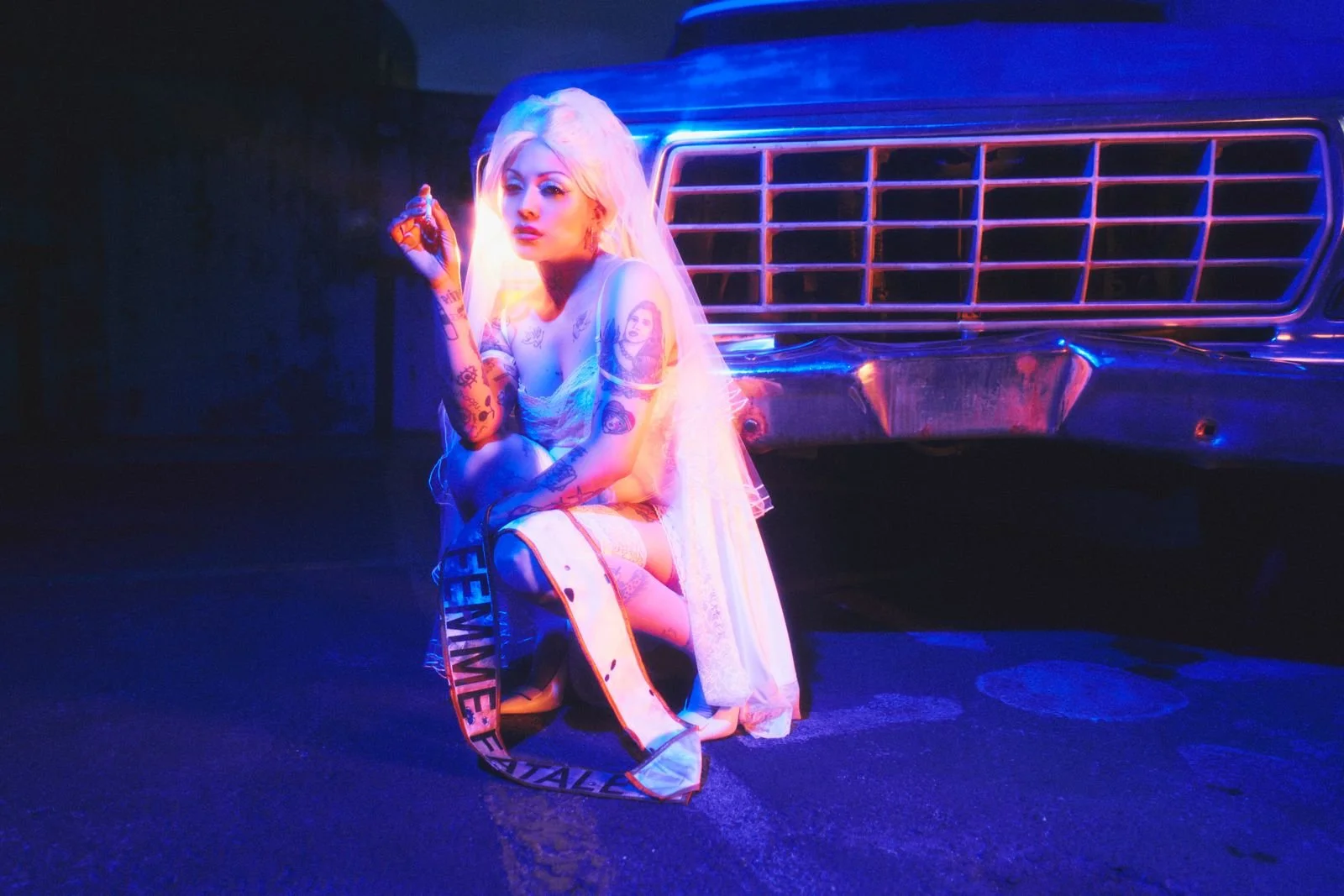
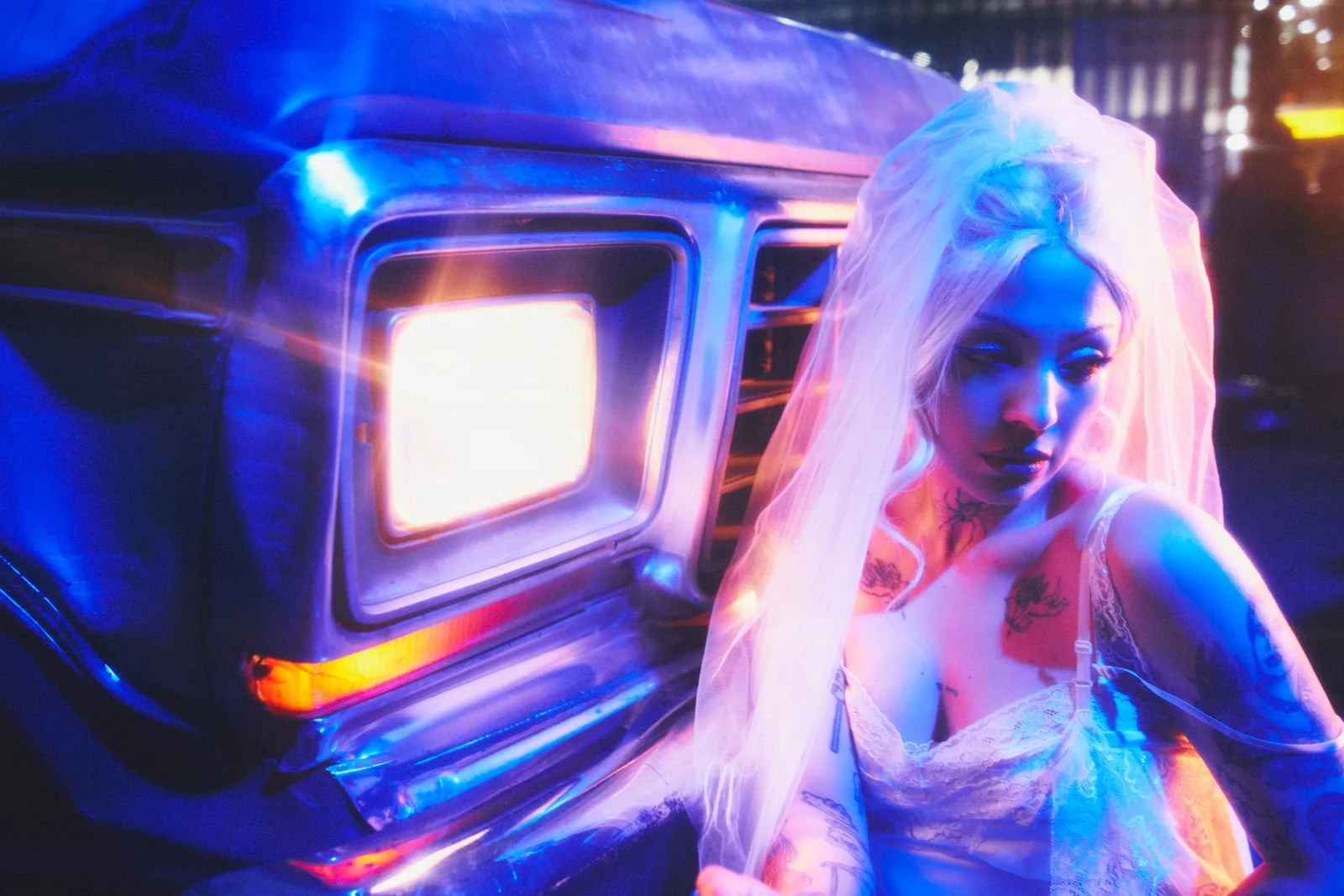
Themes like emotional dependency, trauma, motherhood, and politics appear throughout much of your work. How has your relationship with these themes evolved over time?
They’ve evolved, but they’re still present. They continue to show up in my life in different ways. Some of them I now see more as an observer than as a protagonist. Emotional dependency is one of them. Over the years, I feel I’ve healed certain things, although I don’t think anyone is ever completely free of them. I’m interested in writing about these themes because they’re still part of the human experience, even when we’re no longer living them in the same way.
You often create complex female archetypes: the bride, the beauty queen, the diva, the mysterious woman. What draws you to these recurring figures?
I’m very drawn to iconic imagery and the iconography behind these characters. The bride, for example, feels like a very powerful figure because she’s full of hope, innocence, and a future. The beauty queen has some of that, too. Meanwhile, the diva or the mysterious woman comes from a different place; they’re more enigmatic. What interests me is that even though they seem like very different characters, deep down, they’re all talking about the same person. I think we all co-exist with many versions of ourselves, and I like exploring that through these characters and also visually, because visually, they’re everything.
Beyond music, you’re also an established visual artist. How much do images, colours, and visual concepts influence your songwriting process?
A lot. I think everything influences everything. I love going outside and watching people, seeing their clothes, thinking about why they chose that outfit, and wondering why they put on those shoes. Maybe they woke up happy, maybe they’re in love, maybe they ate something delicious and decided to wear blue because they felt hopeful. And from that, I imagine a movie. I think everything is connected. And sometimes, when I’m having a low-creativity day, I watch a film, read a book, or look for inspiration in other disciplines.
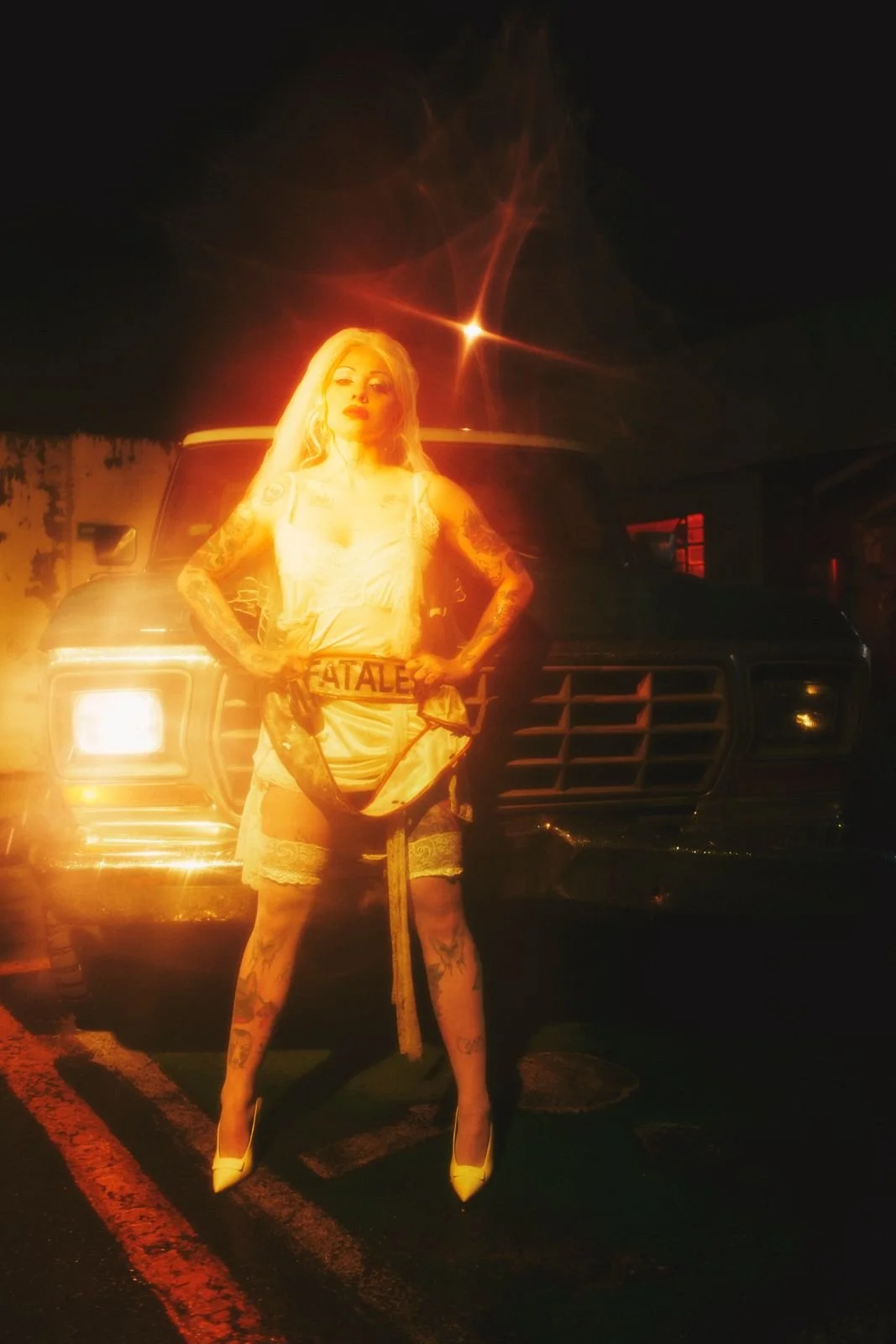
You’ve built a career guided more by instinct than by trends. Has it become easier or harder to maintain that independence as your audience has grown?
I don’t think it’s easier or harder. I think it’s the same in a way. When you’re just starting out, no one expects anything from you, so you have all this freedom, and all you can do is follow your instincts. And you could say that once you start having more success, you think, “Okay, following my instincts works.” But you never really know. Maybe if I had done something else, I would’ve been more successful, I don’t know. I’m a very stubborn person, very driven by my ideas. So when I like something, when I feel it in my gut, when something moves me or excites me, I just go with it.
You recently took part in Willy Chavarria’s presentation in Paris. What excites you most about the intersection of music, fashion, and visual storytelling?
I think an image has a lot of power. Sometimes I wonder what would happen if I dressed in a completely different way for a whole year, as an experiment. A different audience, or maybe the same people, would listen to my music differently. I don’t know. What I do know is that the image generates reactions. Sometimes you dress a certain way, and people make assumptions about who you are, what you think, or even how your music sounds. I find that fascinating. I’m very interested in fashion. When I was a kid, I actually dreamed of being a designer and filled entire notebooks with clothing sketches. I’ve always seen fashion as an art form in itself, but also as a powerful tool to build identity, tell stories, and play with how others perceive us.
You’ll be spending part of this summer in Paris. Does living in a different city influence your creativity or the way you approach your art?
Yes, I’ll be spending some time in Paris these days. I wanted to step away from what’s familiar and breathe different air. And of course it influences me. I feel like everything influences me, especially the weather, but also what you see every day, what you eat, the language, the smells, the solitude, and the art. Everything seeps into creative work.
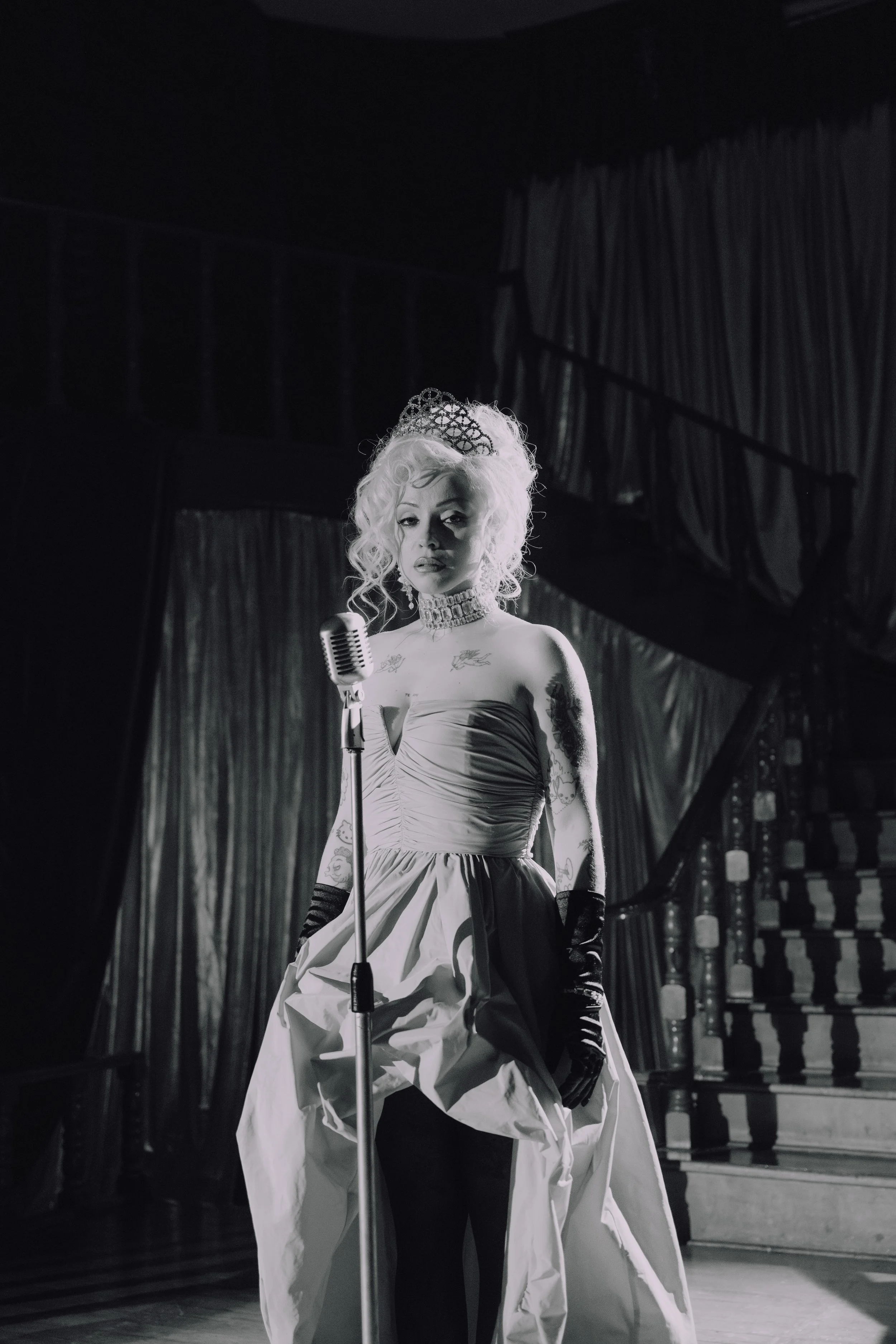
The North American Femme Fatale tour includes some of the most important venues of your career, including a sold-out Radio City Music Hall. What does this moment mean to you on a personal level?
It’s crazy. On my last tour, I thought I was already living the biggest tour I’d ever done and playing the most incredible venues. And now this tour is surpassing the previous one. I’m playing in amazing places, everything is packed, sold out, and it’s beautiful. It’s wonderful to see the work pay off and to be able to take my music around the world to such incredible places.
Looking back at your journey, what do you think has remained constant at the core of your artistic identity?
I think what has stayed constant is the desire to write, to make art. I’m still curious. I haven’t lost the ability to be surprised. Everything fascinates me. I finish a song and think, “Wow, that’s amazing. I wrote another song.” I don’t take anything for granted; I’m always surprised when I finish something. Sometimes I think maybe I’ll run out of ideas, but no. I’m still very connected to the real world, I think. I think I’m still genuine—free, messy, and a little punk.
TEAM CREDITS:
photography NEIL KRUG
