
IN CONVERSATION WITH MOSIMANN
Interview by Samo Šajn
Mosimann is a DJ, producer, singer, songwriter and radio host whose work moves between club music, pop, and live performance. He has been making music for nearly two decades and continues to explore new ideas on stage and in the studio. With his viral Dream Track series, Mosimann opened up his creative process, inviting guests to share personal stories that he transforms into music in real time. Now bringing the concept to the stage with Dream Tour, he remains focused on connection, spontaneity, and creating moments that allow audiences to step back into the feeling of dreaming.
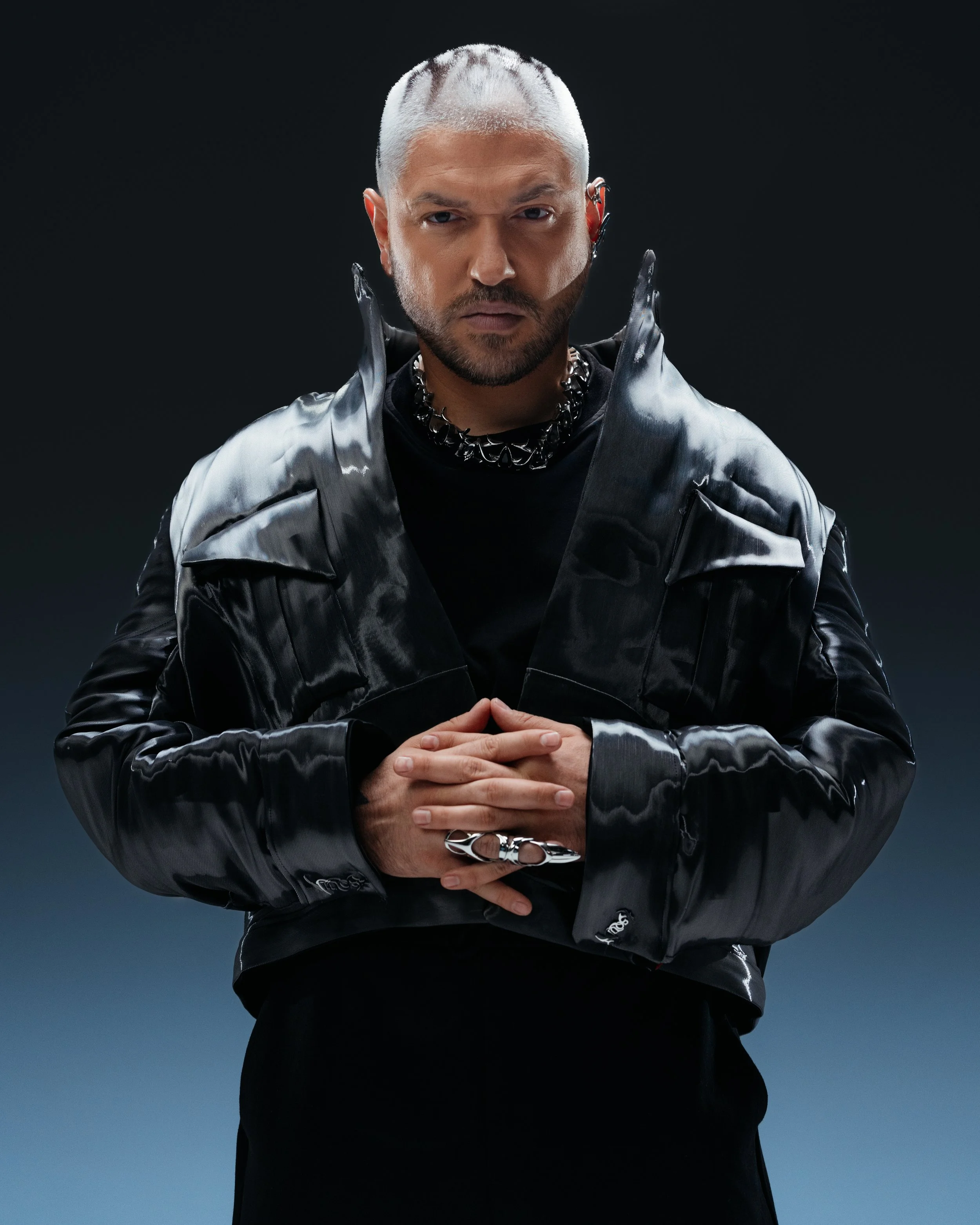
Your career spans DJing, producing, songwriting, and radio hosting. How do you decide which role to focus on at any given moment?
For me, everything is a good excuse to share something with an audience. Whether I’m DJing, producing, songwriting, or hosting on the radio, it all comes from the same place. When I produce for someone else, in a different style, pop, rap, techno, I feel like I am taking decisions for someone else, and I enjoy that. It is a bit less risky for me as a composer, because I am serving someone else’s vision.
When I work on my own music, it becomes much more complicated. You question every decision and ask yourself what you really want to say. That is also why I started Dream Track. Having a frame and constraints gives me clarity. Inside constraints, imagination has no limits. In the end, I do all of this because I don’t want to choose just one role.
Dream Track started as a simple online idea and quickly took on a life of its own. Did you expect it to grow this far?
No, never. Dream Track was born from a desire to share the creative process and to challenge myself artistically. At the beginning, it was just about showing how music is made and pushing myself to create something new every time. I had absolutely no idea it would become something so strong on social media. It really changed my life. When you have a frame, you have something to push against. It becomes a form of co-creation. I listen to someone’s story, their emotions, their references, and I try to turn that into music. It’s an exercise in empathy and it forces me to step outside my comfort zone, sometimes in a very uncomfortable way, but that’s exactly what makes it interesting.
Out of all the Dream Track sessions, why did Halo and Ghosts feel like the right place to begin with official releases?
That’s a good question, because there are many Dream Tracks and not all of them are meant to become official releases. Sometimes it’s very technical. If I feel a Dream Track could go further, I ask the guest not to lean too much on obvious references that would be difficult to clear later.
With Ghosts, for example, it felt like the perfect example of what a Dream Track can become. It started as a creative session with Skip The Use, but there was a real story behind it. It was not about strategy. People connected with it emotionally and started asking for the track to be released. That’s when it feels natural to take it to the next step.
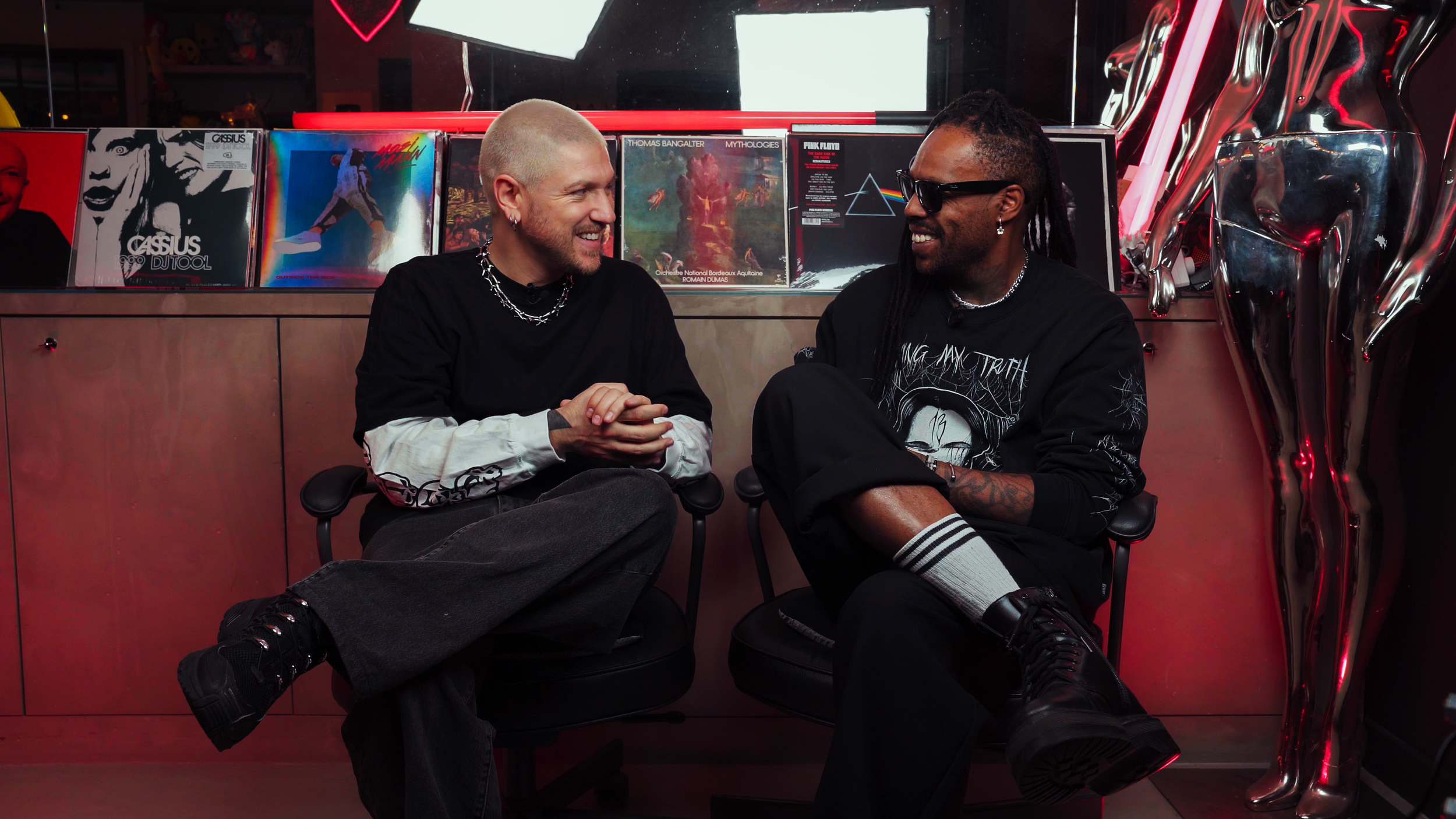
You are now taking Dream Track on the road with Dream Tour 2026. How did you approach turning this concept into a live show?
To be honest, I’m still in the middle of it. Almost all the shows are sold out, and I don’t even know exactly what I’m going to do yet, and I love that feeling. I love working close to the moment, when things are still alive and moving.
What I know is that I want to sing, play drums, play keyboards, and bring the Dream Track spirit to the stage. For me, it is about dreaming. Being a kid, having a dream, and believing it can happen. That feeling is what I want to translate into a live experience.
This tour introduces a new live concept. What can audiences expect that is different from your previous shows?
I don’t want to have the same show every night. The idea is to be able to create live, in real time. Singing, looping, adding drums, keyboards, scratching, building tracks on the spot. The show needs to adapt to the crowd, the city, and the moment. Amsterdam shouldn’t feel like London. A club show shouldn’t feel like a festival. I want every night to feel unique, both for the audience and for me.
You will be playing at Paradiso in Amsterdam on April 24. What kind of atmosphere do you hope to create in a venue like that?
Amsterdam is very special for me. I have been coming here for years, especially for ADE, and it always feels like a creative marathon. You meet people, discover new ideas, and feel inspired all the time. It’s one of those rare cities where creativity feels natural. I love the canals, the bikes, and the mix between history and forward thinking. Paradiso is a special venue, and I hope the show will feel intimate and emotional, while still full of energy.
You have collaborated with artists across many genres. What do you look for in a collaboration?
Truth, above everything. You cannot lie to the audience. If you try to make the most commercial track or chase success, people feel it immediately. For me, collaboration is about connection and honesty. That is why I still love playing in small clubs for long sets, even when I play in big venues. Both spaces allow different kinds of atmosphere and connection to the fans, and I need both to stay balanced.
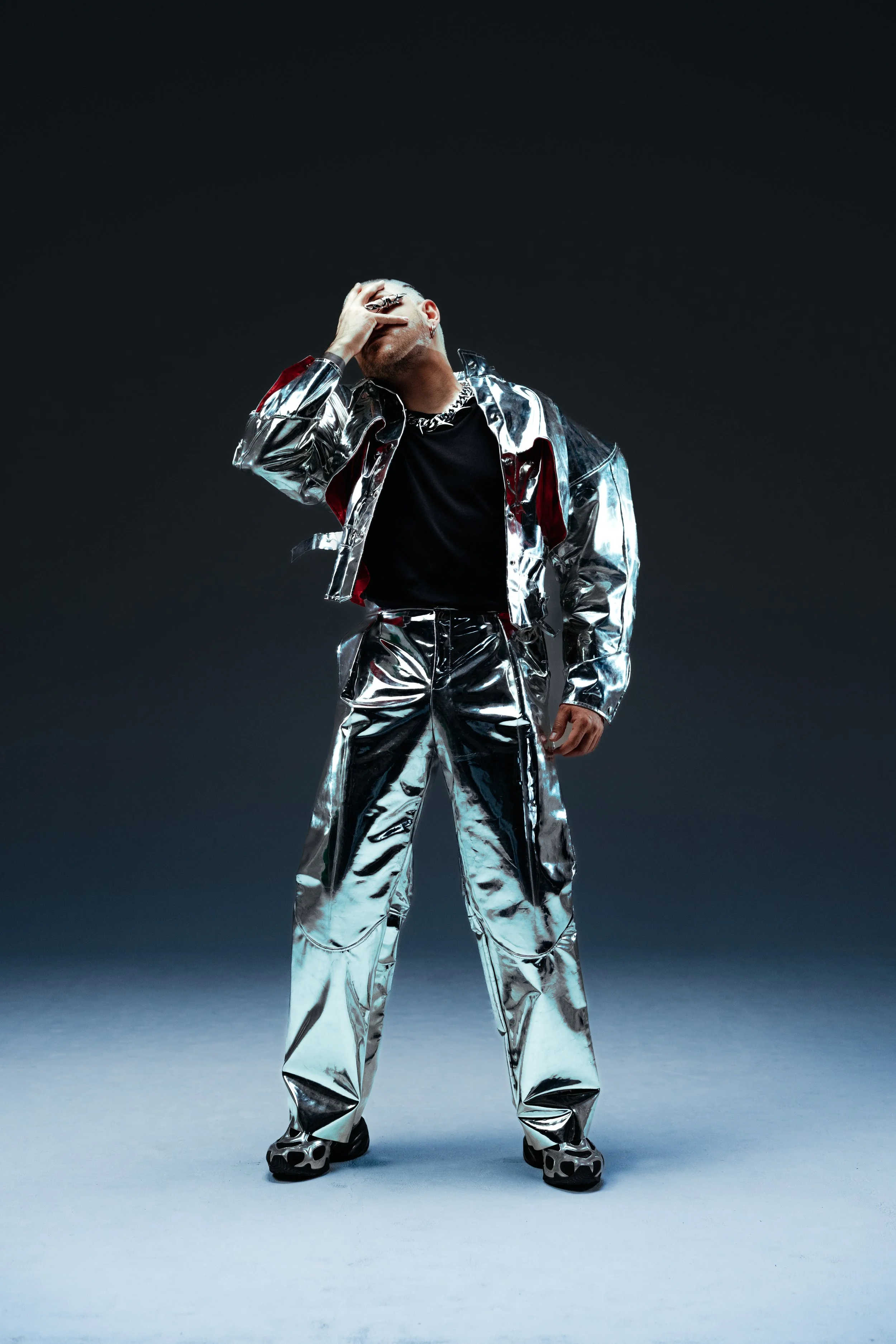
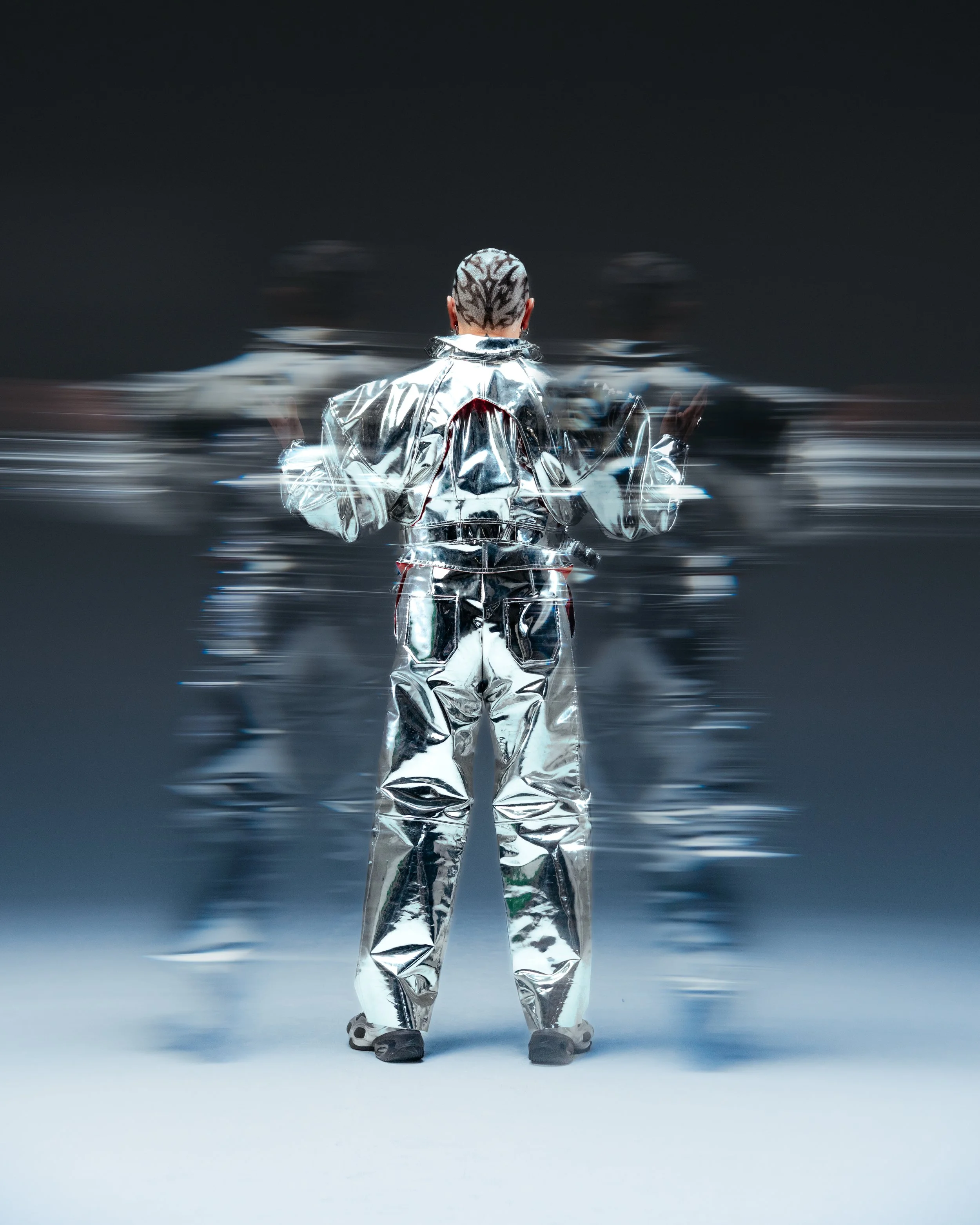
Your fashion sense is very distinctive and closely tied to your stage presence. When did you start seeing style as part of your artistic expression?
As long as I can remember, style was important to me. When I was younger, I had very bad taste, but fashion was always part of how I expressed myself. Over time, I realised it is not just aesthetic. What I wear on stage is part of the performance. I’m inspired by fashion that carries meaning, that questions norms, gender, and identity. It is not about expensive labels or logos, but about wearing something that feels true and intentional.
As a touring artist, how do you try to be more conscious about environmental impact in your daily work?
It’s very hard, especially when touring so much. Sometimes I play fifteen shows in one week. You have to find a balance between the connection you have with the audience and the responsibility we all have toward the planet.
Being vegetarian is my personal way of contributing, especially when it comes to animal welfare. I do not pretend to save the planet alone, but coherence between values and actions matters to me. Trying is already something.
When people leave a Dream Tour show, what do you hope stays with them?
I hope for a few hours, they forget that they are adults. I hope they remember what it feels like to be a kid again, to dream freely, and to believe that anything is possible.
Get the remaining tickets to Mosimann’s Dream Tour here!
