
IN CONVERSATION WITH NIA SIOUX
interview by JANA LETONJA
photography by GRACE BUKUNMI
Nia Sioux has spent most of her life in the spotlight — but now, she’s taking full control of her story. The actress, author, dancer, and ‘Dance Moms’ alum returns on 4th November with her highly anticipated memoir, ‘Bottom of the Pyramid’, a raw and powerful reflection on her childhood in the public eye. Beyond the page, Nia continues to shine as a multifaceted creative force — starring in film and television, producing, advocating for mental health and social justice, and inspiring millions of followers around the world. Fresh from graduating UCLA and with a growing list of creative projects on the horizon, Nia is proving that she’s far more than her beginnings — she’s a woman rewriting what it means to rise.
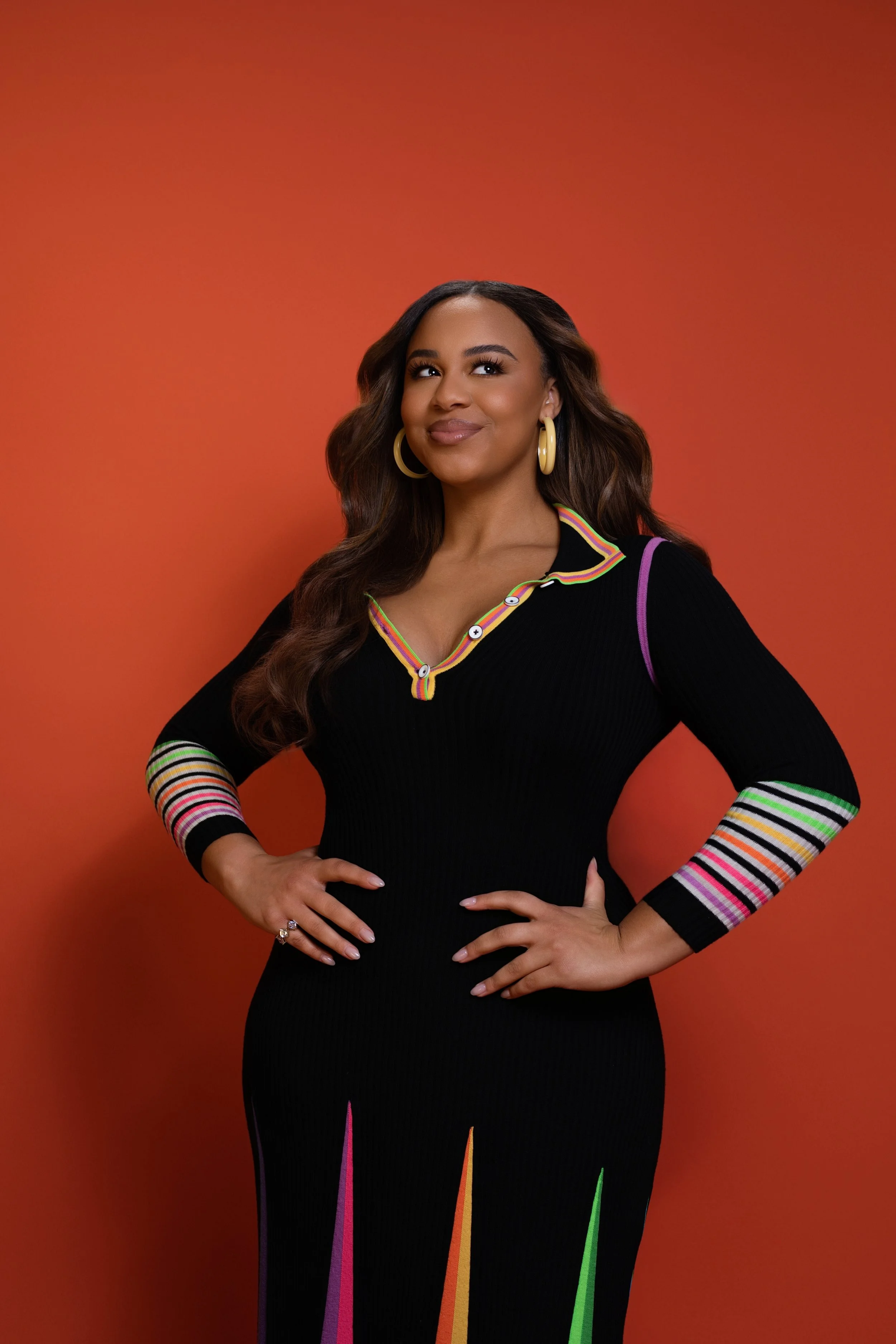
‘Bottom of the Pyramid’ is such a powerful title. When did you know this was the story you were ready to tell?
I always knew that I wanted to write a book. It was just a matter of when. Initially, I wanted to write a book as soon as the show wrapped filming, but I am so happy that I waited and put some distance between me and the show. The emotions were too intense and raw. I needed time to process my experiences.
You’ve described the book as a “reclamation” of your voice. What was the most emotional part of writing it?
I felt like I owed Baby Nia her flowers. She deserved to have her story told, and I felt a responsibility to tell her story to dispel the myth of being a bad dancer. Writing about my family was probably one of the most emotional chapters to write because my family supported me and my dream. Sacrifices were made, and everyone chipped in to make my dream of becoming a performer come true.
How did revisiting your ‘Dance Moms’ years feel? Was it healing, difficult, or a mix of both?
The process of writing the book took several years. I needed the time to heal and reflect. It was not easy revisiting some painful moments. I remembered the experiences, but watching old clips unfold in front of my eyes instantly transported me back in time, and I was a little girl again. I could feel some of those emotions, and even though I have healed, the scars are still there, and I do remember. Those experiences have served as life lessons for me and my instructions for life.
What made you want to share your experience with Reflex Neurovascular Dystrophy (RND), and what do you hope readers take from that part of your story?
There are people who are fighting invisible illnesses, and you do not know another person’s battles. I was proud of my progress as a dancer. What others saw as weakness, I saw as strength. If I could learn how to walk again and manage pain, then I could handle a mean dance teacher. Abby was not the greatest giant I had to battle in life. Although my story is unique, I am not the only one who has faced adversity in life. So much of my life was on television, but I was silent about my experiences behind the scenes and how I felt. I wanted to share my story so I could explain how I overcame adversity in the hopes that it might be a lesson or inspiration for others.
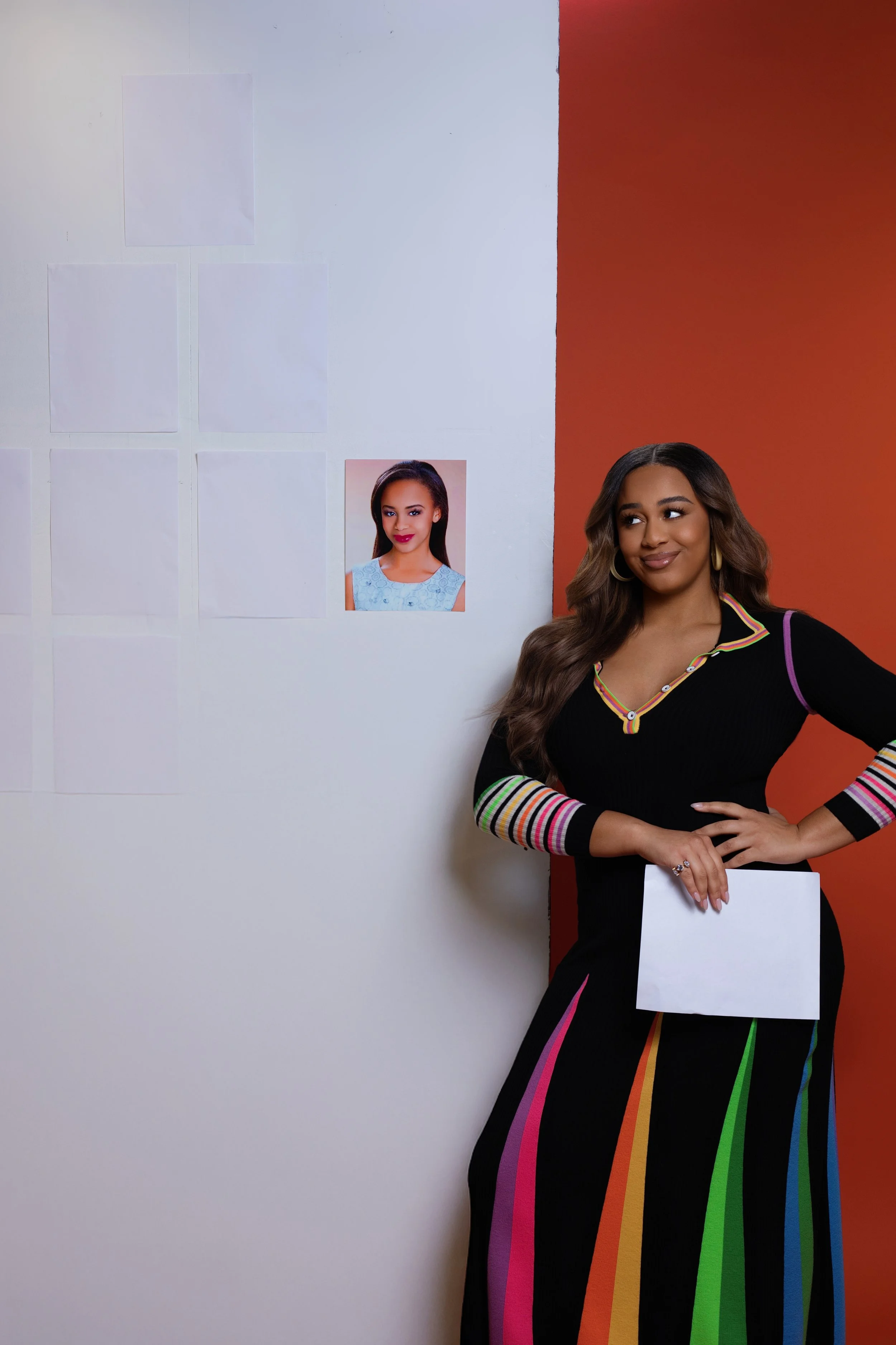
You’ve said the book isn’t a plea for sympathy but a celebration of self-definition. How did you arrive at that mindset?
My book is not a sob story, it is a celebration of joy, so it was important for me to show I am whole and I am healed. Yes, I had some horrible experiences growing up, but I persevered. My life is full of joy and hope. My book is the opposite of what people assume it is, and when people start saying things about me looking for pity, I know they have not read the book. I talk about trauma and toxic environments without looking for pity. What is your pity going to do for me? But what can my story do for others going through hardship? No one gets to define who you are. After several seasons of living that experience on the show, I finally came to the realization that I don’t have to just accept it. I can do something about it for no other reason than for me.
The book features endorsements from powerful women like Misty Copeland, Gabrielle Union, and Gloria Gaynor. How did their support impact you?
The people who wrote endorsements were people I look up to. They each have grappled with their own issues, and to have them lend their support to me was an act of solidarity. I felt seen and valued by people I admire.
How did your time on ‘Dance Moms’ prepare you, or maybe challenge you, for the entertainment industry you’re navigating now?
Working on the set of ‘Dance Moms’ prepared me for any industry. I learned how to work with difficult people and adapt to situations with ease. There was a lot of hurry up and wait moments, so it conditioned me to always be ready to work at a moment’s notice.
When you reflect on that chapter now, what are you most proud of in how you handled it as a young girl?
I am so proud of little Nia. Despite being put down, little Nia learned the value of her worth and what it means to be a true friend. If I could thrive on the set of ‘Dance Moms’, I know I could be successful anywhere.
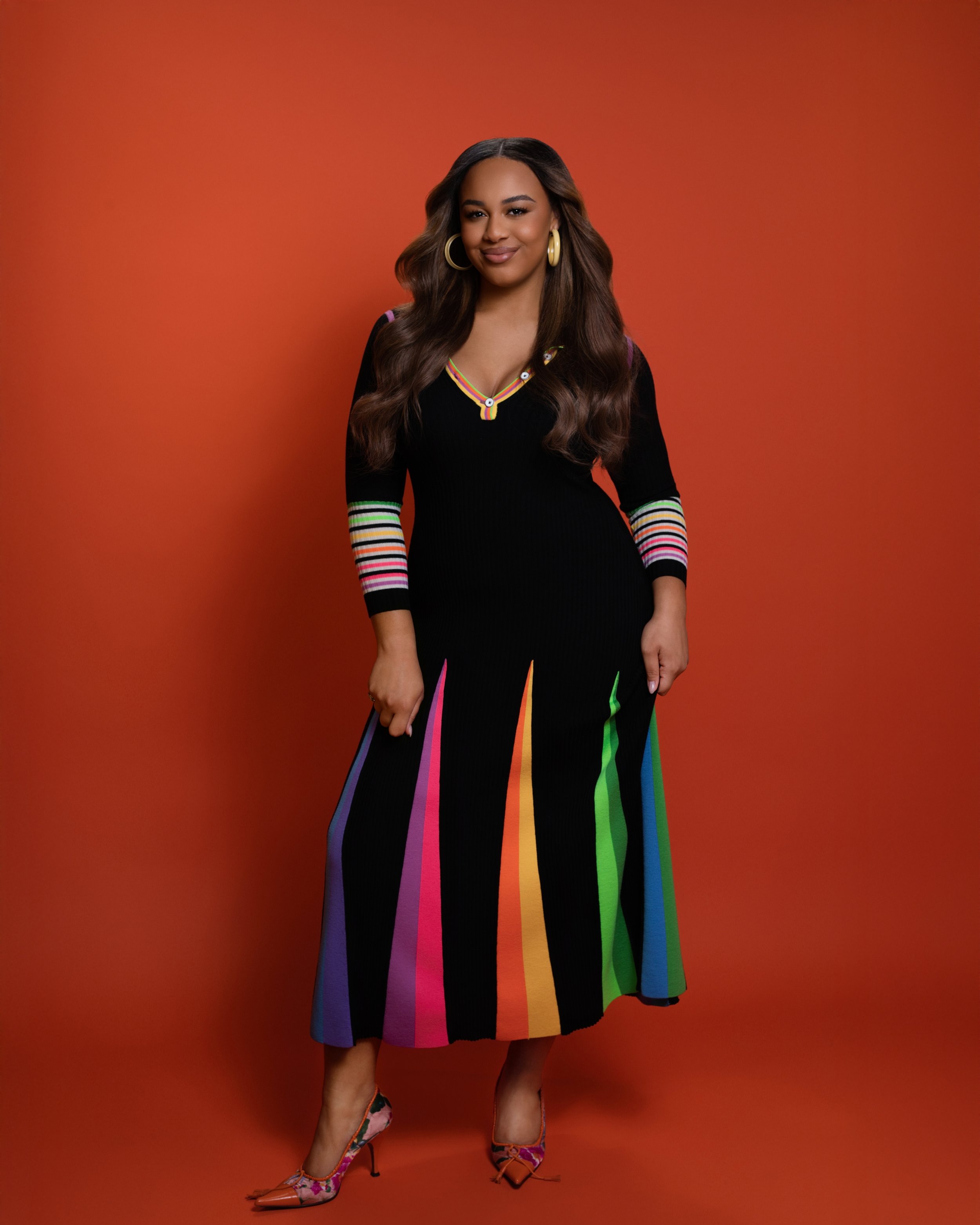
You’ve since acted, produced, and even written a children’s book. How do you decide what creative direction to pursue next?
I am a storyteller and a performer. I want to continue to tell stories in any capacity. I would love to get back on stage, but continue to create content that showcases voices not always heard.
You’ve collaborated with the Ad Council on mental health awareness and regularly highlight positivity through #RoleModelMonday. Why is it important for you to use your platform this way?
There is sometimes a stigma associated with mental health, so I think it is important to show that it’s okay to talk about it. If we can have open and honest conversations about it, it takes the stigma away and prioritizes the importance of taking care of your mental health. I think anyone watching ‘Dance Moms’ could see the effects of filming on my mental health, so if I can be an example of someone advocating for mental health, then maybe someone struggling with it won't feel so alone.
How do you personally take care of your mental health, especially when your work often revolves around such public visibility?
As a dancer, I value movement. Movement helps me to clear my mind and to process. Whether I am dancing or doing yoga, the fact that I am moving offers me a release from stress. I encourage everyone to incorporate some level of physical activity that brings them joy into their daily lives.
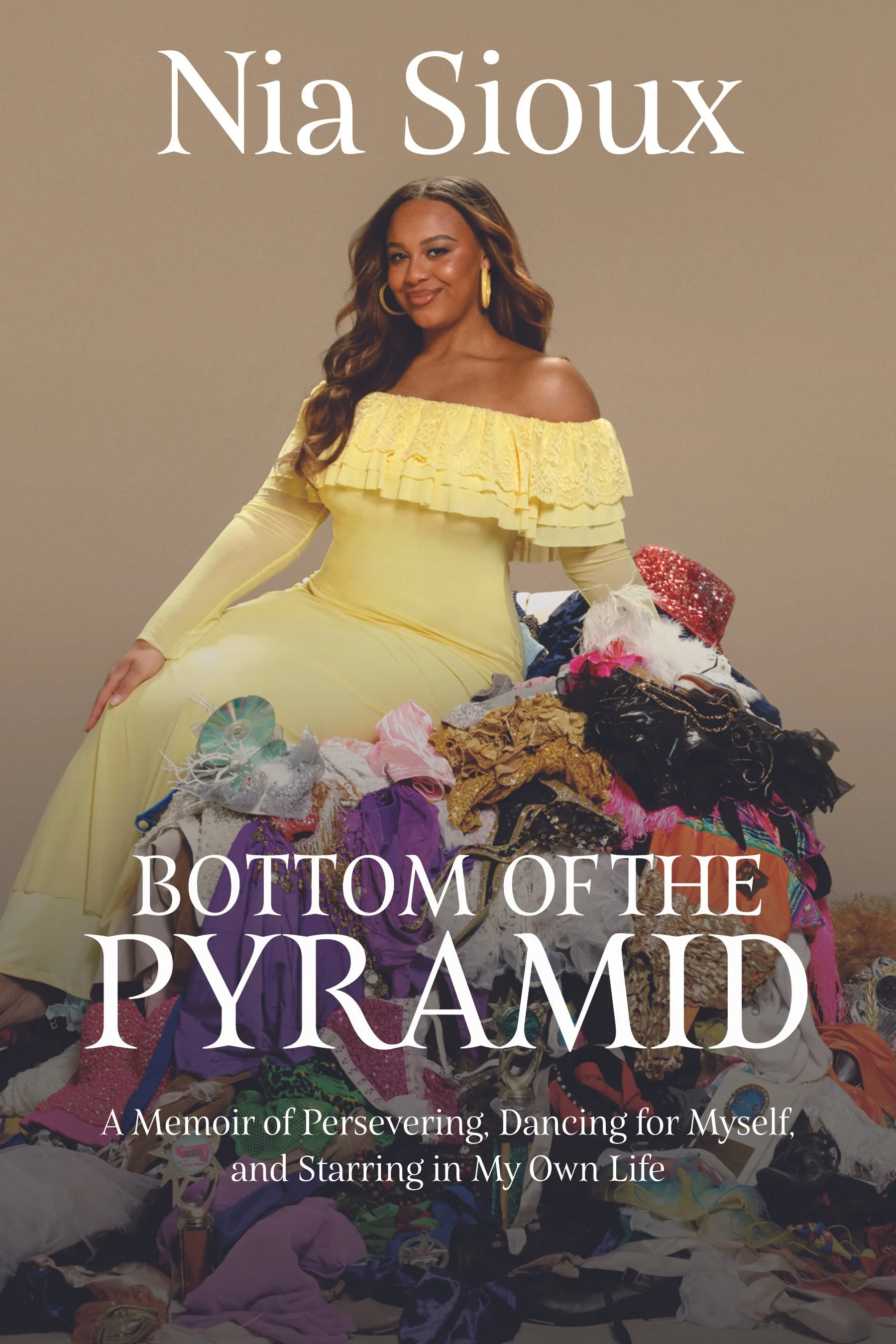
courtesy of HARPER COLLINS
You’re also passionate about causes like anti-bullying, body positivity, and animal rights — how do those passions influence your creative life?
I love to find ways to integrate my passion projects into my creative life. My passion projects resonate deeply because they come from a lived experience. I enjoy creating content, especially on social media, that reflects my joy. I find that I'm usually rooting for the underdog, so I tend to align myself with causes where it is important to champion the voices of others who may not have one. I want to use my platform to make voices heard and people seen. One of my proudest creative projects was my ‘Role Model Mondays’ series, where I would identify and promote ordinary people who do extraordinary things. I found them to be inspirational.
You’ve already accomplished so much at a young age. What’s next for you after ‘Bottom of the Pyramid’? Are there other creative or entrepreneurial projects in the works?
Right now, I am having the best time on my book tour. I have met so many wonderful people on tour who have supported my journey. The book tour has been my focus and has provided an incredible opportunity for people to share their individual stories of resilience and perseverance. I love it. After the book tour, I hope to resume performing. I am eager to get back to my craft.
