
IN CONVERSATION WITH NICOLE TRAVOLTA
interview by JANA LETONJA
Nicole Travolta is bringing her bold and deeply personal solo show Nicole Travolta Is Doing Alright to Off-Broadway’s Soho Playhouse this spring. Blending sharp comedy with fearless honesty, the show explores her journey through compulsive shopping, financial struggles, family expectations, and personal reinvention — all delivered with wit and self-awareness. Originally developed in Los Angeles and later earning acclaim at the Edinburgh Fringe Festival and in sold-out runs across the country, the show transforms life’s toughest moments into something cathartic and hilariously relatable. A graduate of The Groundlings and Upright Citizens Brigade, Nicole has built a career around character-driven comedy, with television appearances on Anger Management, Two and a Half Men, and The Middle. Now, she takes centre stage with a story that proves humour can be the most powerful form of survival.
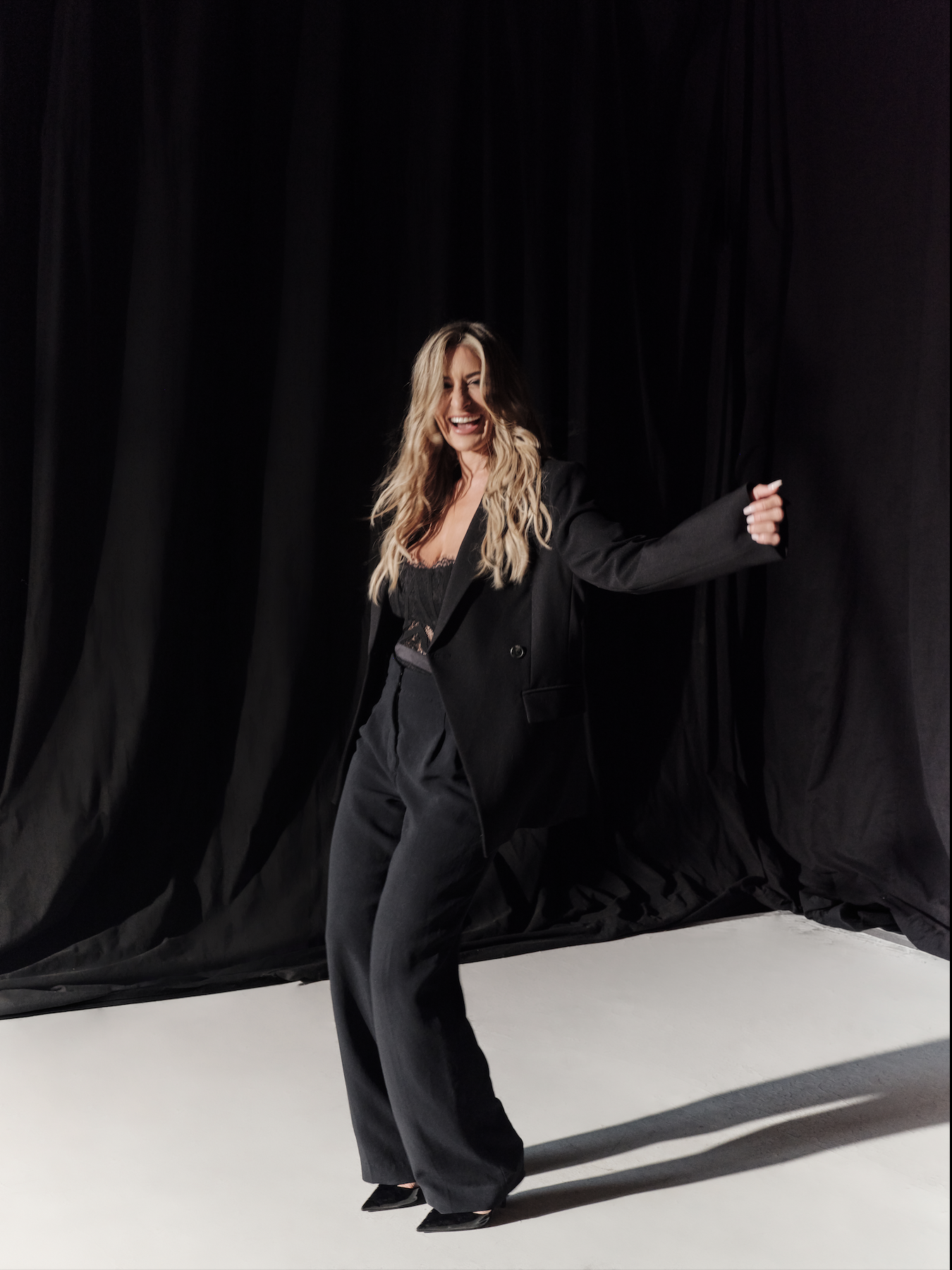
Nicole Travolta Is Doing Alright is incredibly personal. What inspired you to turn these experiences into a solo comedy show?
I really believe the best comedy comes from deeply personal truth. Lucky for the audience, inconvenient for my nervous system. This story was living in my body every day, and at a certain point, I realised the only thing more uncomfortable than talking about it was not talking about it. Turning it into a solo show felt terrifying and exhilarating, which is usually how I know I’m onto something good. For me, putting the mess, the humour, and the humanity of it all on stage opened up a whole new lane creatively. It let me turn some of my most painful and absurd experiences into something that makes people laugh, but also makes them feel seen.
The show touches on topics like debt, addiction, and reinvention. Was it difficult to find the humour in such vulnerable moments?
Oh, absolutely. The humour usually comes after the emotional damage. When you’re in the middle of debt, addiction, or trying to rebuild your life, you’re not exactly thinking “This will kill at SoHo Playhouse.” But comedy has always been how I survive and make sense of things. In a weird way, performing the show is its own form of therapy. Sometimes I look at my life and think I’ve lived a thousand lives. But that’s what reinvention is. You get knocked down, you do the work, and eventually you can look at the chaos a little differently. Or, if you’re me, turn it into a one-woman show.
Solo shows require a very different kind of performance energy than television. What has that transition been like for you?
I treat the show like a stage sitcom. My TV background has definitely influenced the way I built it. Rhythm, character work, pacing, all of it. But the biggest difference is there’s no second take. On camera, if something goes sideways, you reset. On stage, if I forget a chunk of dialogue, which has absolutely happened, you just pray the audience doesn’t notice while your soul briefly leaves your body. Then you take the deepest breath of your life, find your footing, and keep going. Weirdly, I love that part of it. I have a ton of energy, so being on stage is such a fun place for me to channel all of it.
Your family name carries a certain legacy in Hollywood. How did growing up with that connection influence your relationship with the industry?
I grew up in it, so in many ways it’s the only world I’ve ever known. And that’s not just from the Travolta side, my mom’s side of the family worked in production too, so I was surrounded by entertainment from every angle. Growing up with that definitely made it all feel possible. It gave me the sense that no dream was too big, because I had real examples of people building lives in this business. I’ve had incredibly talented people to look up to, which is such a gift. But I also think it made me even more determined to find my own lane and create something that feels fully, unmistakably me.
The show has already played sold-out runs and the Edinburgh Fringe Festival. How did audiences there respond to your story?
The Edinburgh Fringe Festival felt like a boot camp. I was absolutely not prepared for that beast, but it was one of the best things that ever happened to me as a performer. In America, audiences are loud, expressive, and very interactive. In Scotland, they were a little quieter, which at first terrified me. I was like, “Oh no, do they hate me?” But they were actually completely locked into the story. That experience taught me how to trust the material in a whole new way. I learned that the show doesn’t need constant noise to be landing, it just needs people to stay with it. And they really did.
How has the show evolved since its earliest performances in Los Angeles?
Oh my God, it has changed so much. And I really think that’s because I’ve changed so much. I’ve grown with the life of the show. The early versions were already vulnerable, but as I’ve evolved, I’ve been able to go deeper and let the audience in even more. I’ve become more honest, more specific, and a little braver. The version I’m bringing to New York feels different because I’m trusting myself in a new way. In earlier versions, I think I was still hiding behind certain technical elements at times, still not fully trusting that I could carry it all on my own. This version really asks what happens when you strip all of that away, and it’s just me up there with my words. That feels both terrifying and exciting, but it’s also the most honest version of the show.
One of the themes in the show is the pressure of expectation. How do you personally define success today?
Success used to mean being chosen. Today, it means choosing myself. For a long time, success felt tied to outside validation - being picked, being approved of, trying to prove something. Now, it means creating work that feels truthful, building a life that actually feels good to live, and not abandoning who I am in the process. Of course, I still want the big dreams, I’m still wildly ambitious, but success looks very different to me now. It feels a lot more like creative freedom, peace, and knowing I’ve made something that genuinely connects with people.
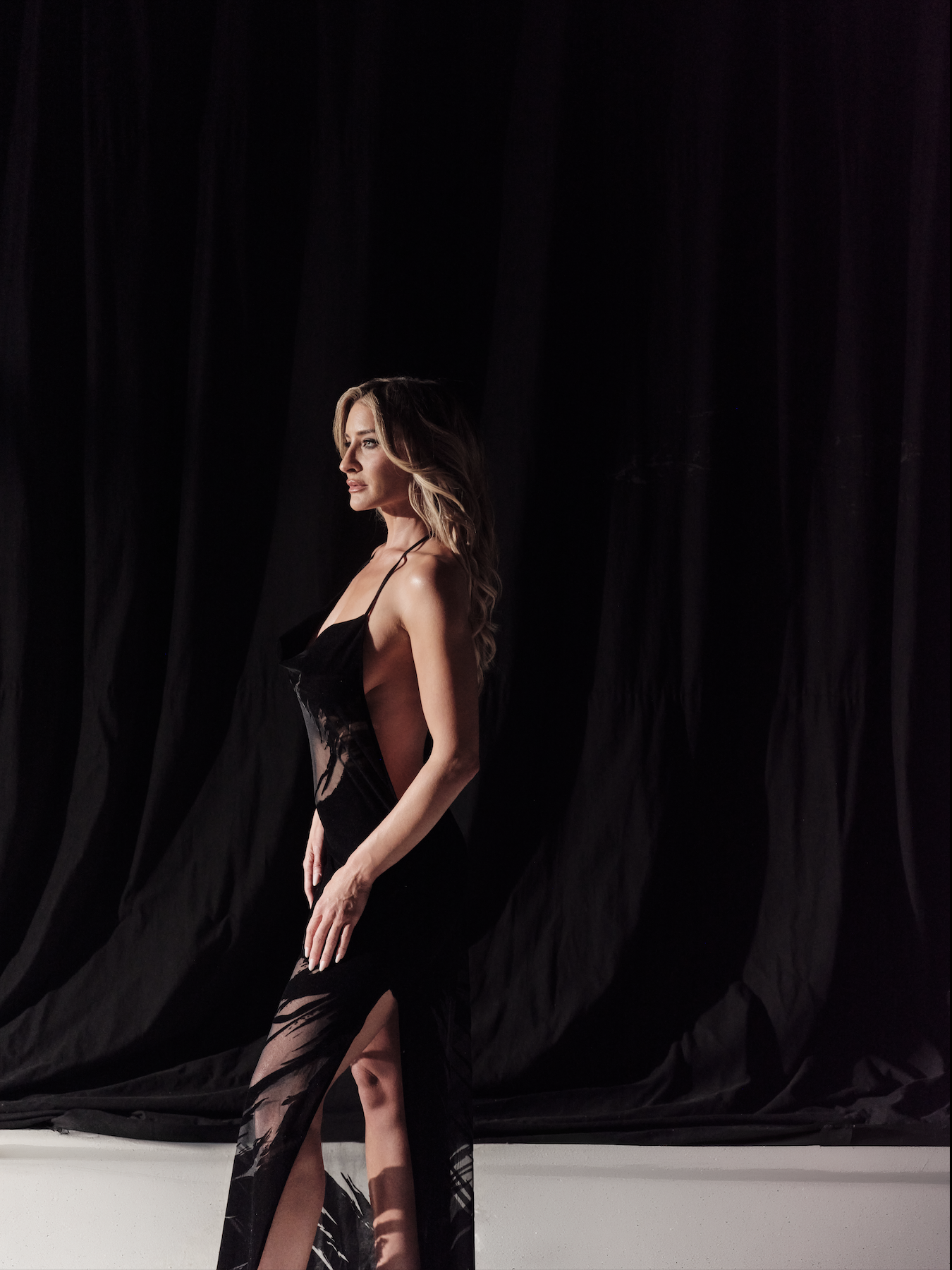
Off-Broadway audiences often bring a unique energy to live performances. What excites you most about bringing the show to Soho Playhouse?
I cannot wait to connect with the audience. This is actually my second time performing at SoHo Playhouse. I did a limited run there in 2024, and I had one of the best nights I’ve ever had with ‘Doing Alright’ in that theatre. The energy was bouncing off the walls. There’s something so special about that room because it’s intimate, so the audience is right there with you. In a show this personal, that kind of connection changes everything. And New York audiences? They don’t play. They’re smart, they’re alive, and when they’re with you, it’s magic.
How do you balance the emotional honesty of the story with the fast-paced humour of the performance?
My anxiety helps. I really am who you’re seeing on stage. My emotions move fast, so the roller coaster of the show - the vulnerability, the chaos, the humour - that’s actually very true to how it felt in real time. I wanted the audience to experience that pace with me. For me, the emotional honesty and the comedy aren’t two separate gears; they’re happening simultaneously. That’s how I process life. It’s messy, it’s intense, it’s absurd, and usually, somehow, it’s funny.
Many comedians use storytelling as a way to process life. When did you realise that this particular story needed to be told?
I had the idea for this long before it ever became Doing Alright. I actually tried to make it happen in a million different ways. I thought about it as a short film, I thought about TV, but it landed here, and it feels exactly where it was supposed to land for now. I couldn’t stop thinking about the story, and I definitely couldn’t stop thinking about the shame I felt around it. That was probably the biggest clue that it needed to be told. I started wondering how many other people are carrying this kind of shame and pretending they’re fine. Then the spray tanning piece really clicked into place, and I realised, “Oh, this is weird in the best possible way.” It was such a specific, unexpected lens into these bigger themes, and I knew I hadn’t seen it done like this before.
The show touches on reinvention. What did that process look like for you personally and creatively?
For me, reinvention was not glamorous at all. It was messy, humbling, a little chaotic, and very much not the plan. It looked like letting go of the version of myself I thought I was supposed to be, and finding my way through a lot of shame, uncertainty, and starting over. And the truth is, I still think I’m in it. I’m still a work in progress. I’m still learning who I am underneath all of the pressure, expectation, and noise.
Creatively, that ended up being the breakthrough. The thing I thought was the detour - the spray tanning, the struggle, the rebuilding - actually became the material. It became my voice. What started as survival became creative fuel. And I think that’s the heart of the show. Sometimes the thing you’re most embarrassed by ends up being the thing that brings you back to yourself.
Finally, beyond Nicole Travolta Is Doing Alright, what creative directions are you most excited to explore next?
The dream? To turn Doing Alright into a series. I would love for this show to open more doors for me in comedy, especially on screen. But I also feel really excited by the bigger picture. I love being in the position of telling stories that maybe don’t always get centred, especially stories about women that are messy, funny, vulnerable, and real. If this all leads to building a platform where I get to create and help elevate those kinds of stories for other women, too, that would be a dream on top of the dream.
TEAM CREDITS
talent NICOLE TRAVOLTA
photography STORM SANTOS
interview and editorial director JANA LETONJA
