
IN CONVERSATION WITH NYJAH HUSTON
interview by JANA LETONJA
Olympic medalist and skateboarding icon Nyjah Huston has spent more than a decade redefining what’s possible on a board. Now he’s bringing that same discipline, performance mindset, and cultural influence into a new arena. This spring, Nyjah launched Out There, a clean, performance-driven body care brand debuting nationwide at Walmart. Built for life in motion and rooted in Nyjah’s unconventional upbringing and relentless pursuit of excellence, Out There reflects a broader mission: making high-quality, clean products accessible, while inspiring people to reconnect with movement, the outdoors, and their bodies.
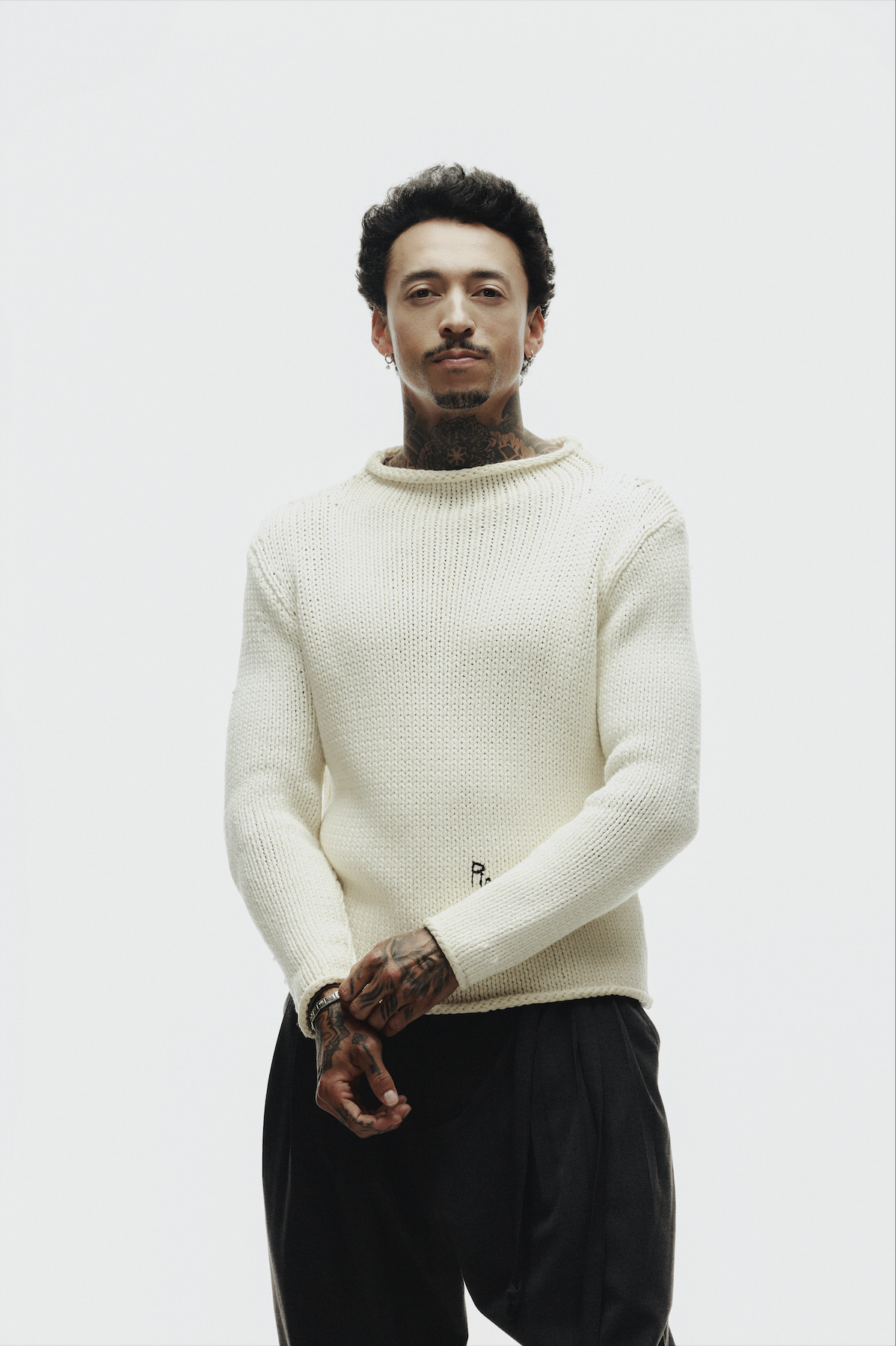
You've dominated skateboarding for years. What sparked the decision to step into the clean body care space now?
As a skateboarder, I’m constantly outdoors. I started paying more attention to the ingredients in the products I was using, and deodorant was one I hadn’t made the switch on yet. I tried a few brands that claimed that they were both clean and effective, but nothing really held up for me; they just didn’t last. At the same time, I always wanted to be part of a brand that reflected my connection to the outdoors, nature, and skateboarding. This felt like the moment where those things could come together.
Clean products often get criticised for sacrificing effectiveness. How did you ensure Out There delivers real performance?
My first concern was making sure our deodorant actually lasts for a long time. A lot of the other brands I tried weren’t working well enough, and I was like, “Alright, we’ve got to make this stuff last”. Ever since the first samples arrived, I knew we were onto something, and then we just kept making it better and better throughout the process. I’m very proud of the final product that we are putting out.
Why were accessibility and affordability, especially launching nationwide at Walmart, such a key part of the brand's mission?
I'm aware that the average person is used to spending less than $10.00 for something like deodorant. As we have the means, we should be creating a product that is for everyone to be able to afford. I don't want to be pushing some product that's too expensive when they're used to paying half the price, so it's really just about making it more accessible for people out there. This brand is so much more than a product; it’s about the vision and inspiration for people to live a healthier and more active life without sacrificing their bank accounts.
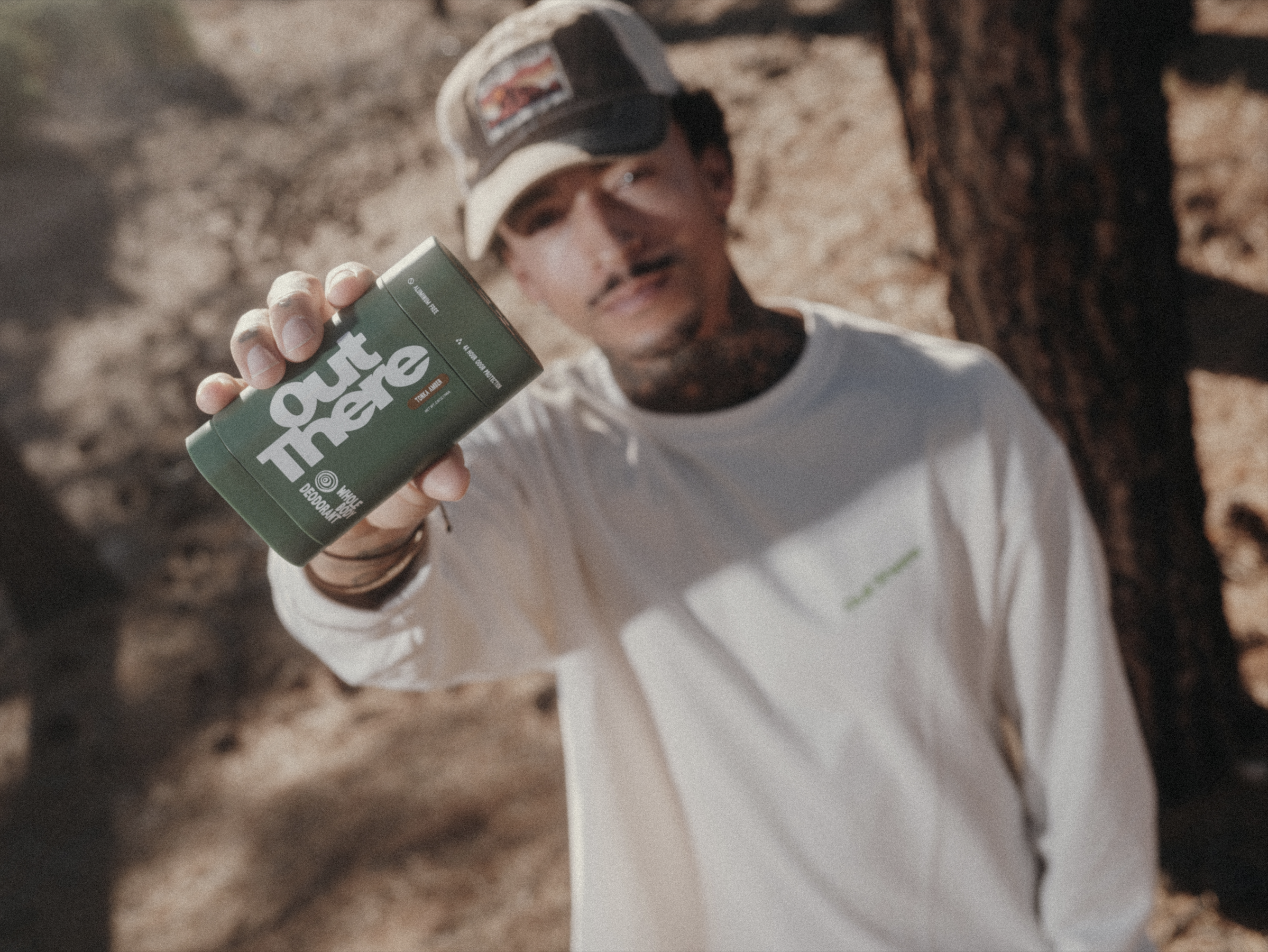
The Hero deodorant is designed for real-world conditions. What does that phrase mean to you as an athlete?
It means to be ready for whatever life throws at you. I think this applies to my life as a skateboarder and beyond. I spend so much time on the road between contests, sleeping on the top of my car with the boys. Sometimes you don’t have access to a shower, so you need a good deodorant on deck.
Skateboarding has always pushed against convention. Do you see parallels between skate culture and how you're approaching this brand?
Yes, absolutely, skateboarders have always taken pride in standing out and being different compared to most other athletes and sports out there. We love the rebellious side of it. You know, you can be doing your job and get kicked out by cops and security guards. That definitely has a lot to do with the inspiration behind Out There, embracing the different ways to be an athlete and standing out compared to everyone else.
You've helped elevate skateboarding onto the Olympic stage. How has that shift changed your sense of responsibility as a global figure?
Skateboarding being in the Olympics is an exciting thing. I was really stoked to be able to go out to Paris and Tokyo to represent my country and take home a medal for Team USA.
With the Olympics coming to LA in 2028, the timing couldn't be better for me because I need that hometown energy, that extra motivation to keep myself healthy and practising the next couple of years to be able to qualify. I really take a lot of pride in that, and it really makes going out there and competing that much more special. I'm one of the older guys out there on the course these days. Skateboarding is such a young sport, and then to see the tricks all the youngins are doing these days, it's absolutely insane.
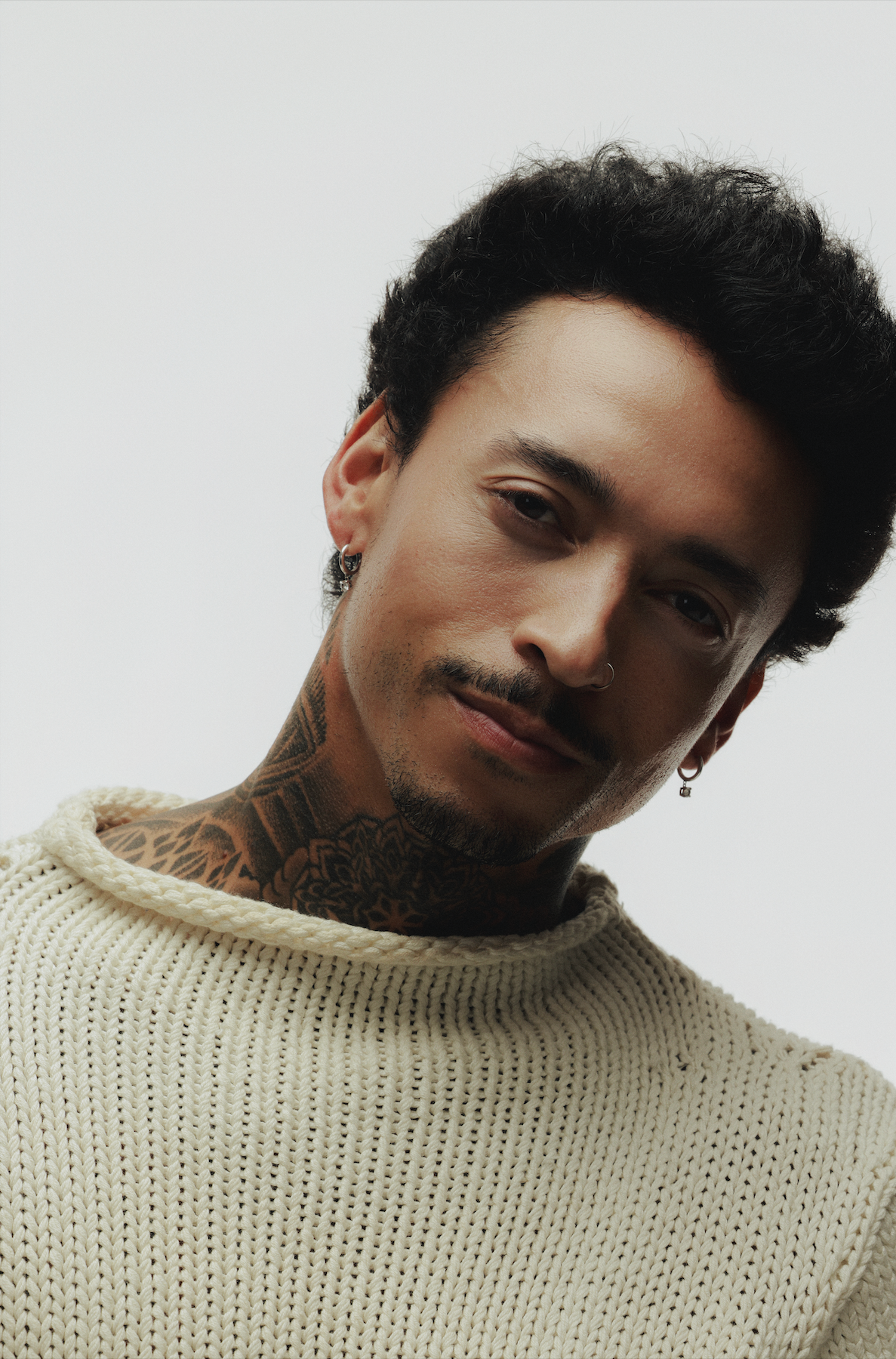
As someone who lives in constant motion, how do you personally define balance and self-care?
It's not always easy when you're spending so much time on road trips and long days out skating. Sometimes we're filming so late that we are skating at night. Then you get home, and you're like, “Alright, I've got to take the time to make a good meal, take my vitamins, shower, do my skin care”. It really takes up a lot of time, and it’s challenging to balance. For me, building a routine has been helpful. I can’t relax until I feel like I’ve got all my stuff done.
Skateboarding culture values authenticity above all else. How do you protect that authenticity throughout the process?
I would say the main way I stay authentic as a person and as a skateboarder is by taking pride in the sport and what it really stands for. For me, that is finding your own creative style. It's sort of funny because people have said, “Oh, this kid just wins every time because he just loves the money and buying fancy cars,” and I'm like, “Bro, I love skateboarding so much more than you guys know.”
I feel like that's something that I’ve been conscious of, especially in the last like 5-10 years of my career, really showing people how dedicated I am to still being a true skateboarder and pushing the progression of skating. I want to educate people on what real skateboarding is, because when it comes down to it, it's so much more important and it's so much bigger than competing at the Olympics and winning contests.
Looking ahead, how do you see out there evolving beyond body care?
It's my goal to sponsor one of my favourite dirt bike racers, mountain bikers, or snowboarders. I feel like the body care space is giving us a great platform for an opportunity for Out There to be seen as more of an action sports brand.
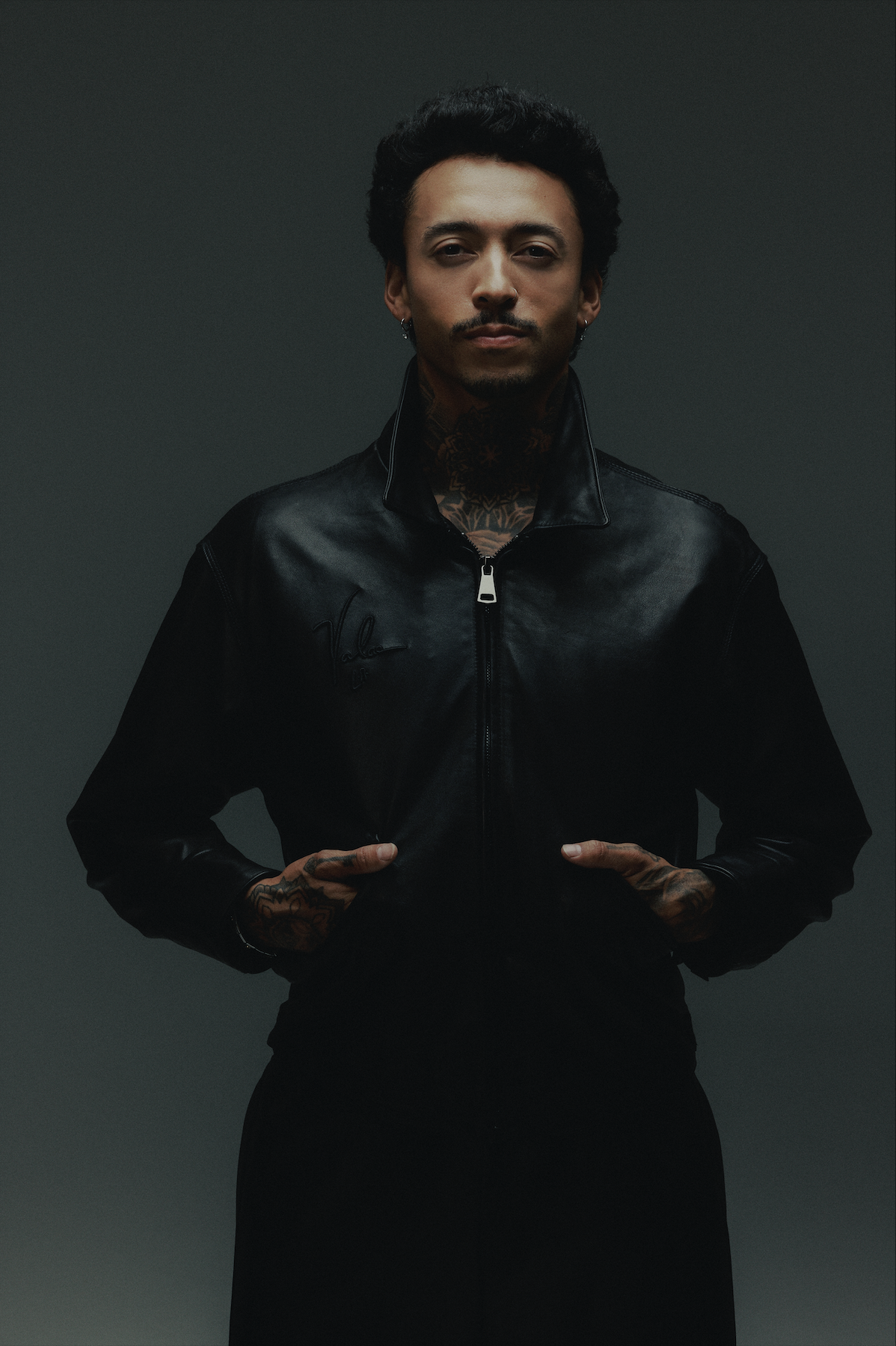
TEAM CREDITS
talent NYJAH HUSTON
photography SAM DAMESHEK
editorial director and interview JANA LETONJA
editor TIMI LETONJA
