
IN CONVERSATION WITH PASTICHE
interview by JANA LETONJA
photography BRUNO QUINTANA for PASTICHE IMAGERY
Pastiche is a rare intersection of heritage and modernity, a fashion label rooted in Montevideo, Uruguay, that brings Latin American warmth and character to contemporary utility dressing. Drawing inspiration from generational style and personal history, the brand reinterprets familiar silhouettes, like the serge buzo inspired by the founders’ mother’s sweater, through a lens of freshness and play. With its upcoming SS26 collection, Ping Pong, Pastiche leans into joy, movement, and community, offering a sun-soaked vision of fashion that feels both nostalgic and forward-looking.
How did growing up in Montevideo shape Pastiche’s aesthetic and values?
Montevideo gave us a deep sense of rhythm and subtlety. It’s a city that moves slowly, with a quiet charm that’s deeply emotional. There’s a certain poetry to the everyday here—sun-faded walls, worn-down textures, the intimacy of small communities. These details show up in how we approach design. Soft but intentional silhouettes, pieces that feel lived-in, emotional, and grounded in real life.
What does “foreign and fashionable” mean to you in the context of the brand?
To us, foreign and fashionable speaks to feeling slightly out of place. We've always seen ourselves as somewhat out of sync—too modern, playful, and colorful for a city like Montevideo, where the aesthetic tends to be sober, restrained, and at times melancholic. But it's precisely within that dissonance that we’ve found our voice. We embrace that sense of otherness, turn it into style, and use visual language to explore new forms of cultural identity.
The serge buzo is inspired by your mother’s sweater. Why was it important to build the brand around personal history?
Fashion is memory in motion. My mother’s sweater wasn’t just a garment. It held stories, comfort, identity. Referencing personal history allows us to design from a place of truth and emotion. Since Pastiche is a project born from something deeply personal, two sisters building something together, it feels only natural to bring our shared history into the work. It’s our way of weaving memory into modern life, making clothes that mean something beyond aesthetics.
How do you balance honoring the past while creating something new and relevant?
We treat the past like a collaborator, not a rulebook. Our references are personal, but we filter them through a lens of play, irreverence, and curiosity. It’s about respecting the emotional core of what came before, while fearlessly reshaping it to fit who we are today.
Pastiche reimagines utility with warmth and color. How do you define utility in your own terms?
For us, utility isn’t just about functionality, it’s about emotional function. Our pieces should move with you, support you, make you feel grounded and free. That’s why we introduce warmth and softness, because real utility also means comfort, ease, and joy.
What sparked the concept behind Ping Pong as a collection?
We were thinking a lot about lightness, literal and emotional. Ping Pong is a metaphor for motion, connection, play. It reflects a desire to loosen up, to move freely through the world, to reconnect with others in small, joyful ways. After years of heaviness globally, this collection is our light rebound.
Can you tell us about the new colorways, textures, and prints introduced this season?
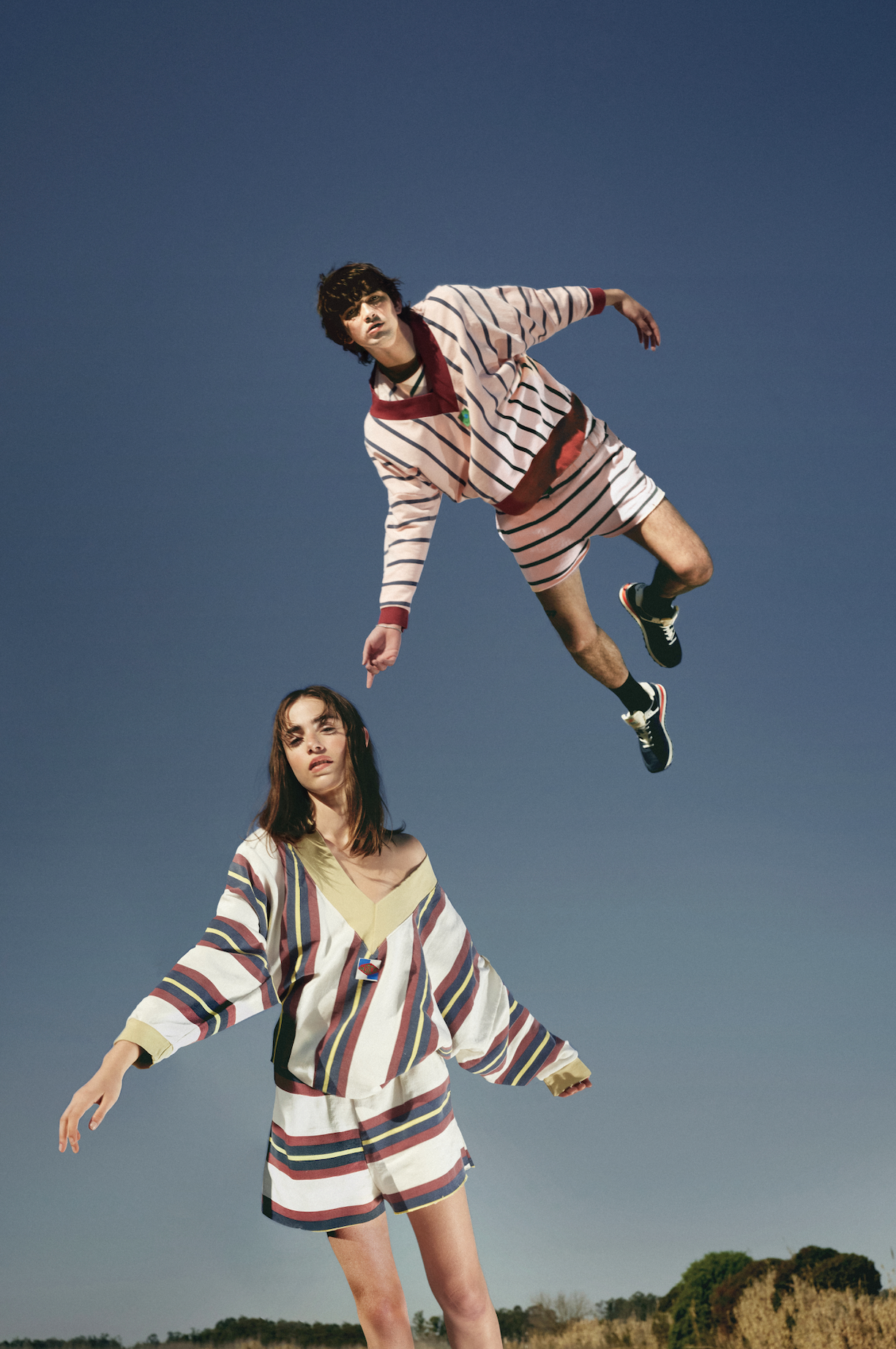
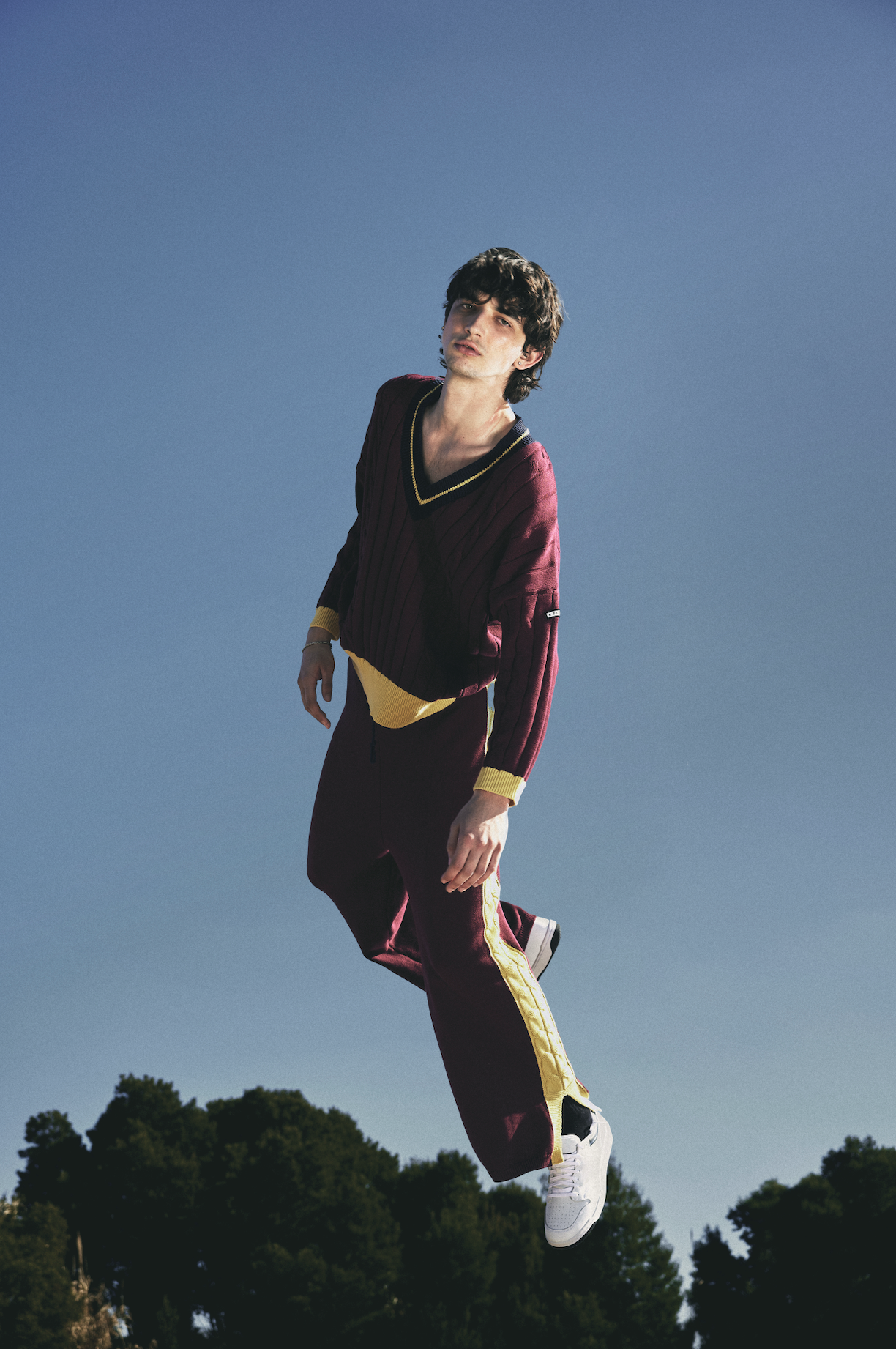
SS26 is sunlit and tactile. We played with a nostalgic palette pulled from childhood sportswear and school uniforms. Textures are washed, lived-in, breathable—cottons, denim and knits. There’s also a playful stripe motif that nods to retro table tennis tables and rec rooms.
The campaign imagery features models soaring through an open field. What story were you hoping to tell visually?
We wanted to capture weightlessness, physically and emotionally. The field represents freedom, expansion, a return to nature and instinct. There’s a sense of collective movement in the imagery, like everyone is caught mid-game, mid-life, mid-joy. It’s about possibility.
What conversations do you want Ping Pong to spark within fashion?
We’d love for it to open up discussions around emotional design, how fashion can hold memory, movement, and community. It’s also a quiet challenge to the idea that utility must be neutral or austere. Joy is useful. Nostalgia is functional. Color can be pragmatic.
Community seems central to Pastiche. How does that show up in your creative process?
Our creative process is deeply collaborative, from fittings to music selection to storytelling. We often work with local photographers, friends, and muses, not just as models but as co-authors of the brand. Montevideo is small, and we lean into that intimacy. There’s beauty in building things together.
How do you see Pastiche evolving while staying true to its roots?
We see Pastiche as a living archive, always changing, but with a strong emotional core. As we grow, we want to keep that tension between nostalgia and innovation alive. Future collections may explore different eras, stories, or materials, but they’ll always be filtered through our personal, Latin American lens.
What’s next for the brand after SS26?
While Pastiche continues to grow, we’ve also been quietly developing a new project, Social Performer. It hasn’t been revealed yet, but it’s something very close to our hearts, a space to create outside the relentless pace of fashion calendars. With Social Performer, we’re not thinking in terms of seasons, but of acts. Each launch is conceived as a performance, an expressive moment rooted in who we are as poetic beings rather than as brands. It’s an experiment in slowing down, in crafting meaning beyond trend cycles, and in approaching fashion as a living, breathing art form.