
words by NIA TOPALOVA
interview by TIMI LETONJA
With “Into the Horsescape,” PIERRE HARDY, Creative Director of HERMÈS jewellery, explores the essence of the horse through movement, gesture and form. The horse itself remains barely seen, its symbolism is instead woven into each piece through fragments of equestrian life: from the curve of a horse bit to the structure of a stirrup or the strength of a blacksmith’s nail. Across 90 pieces of jewelry, utilitarian objects are transformed into sculptural expressions, while exceptional gemstones bring colour, light and rhythm to the collection. In conversation, Hardy reflects on the creative process behind this ninth haute bijouterie collection, his vision, and the spirit of Hermès.
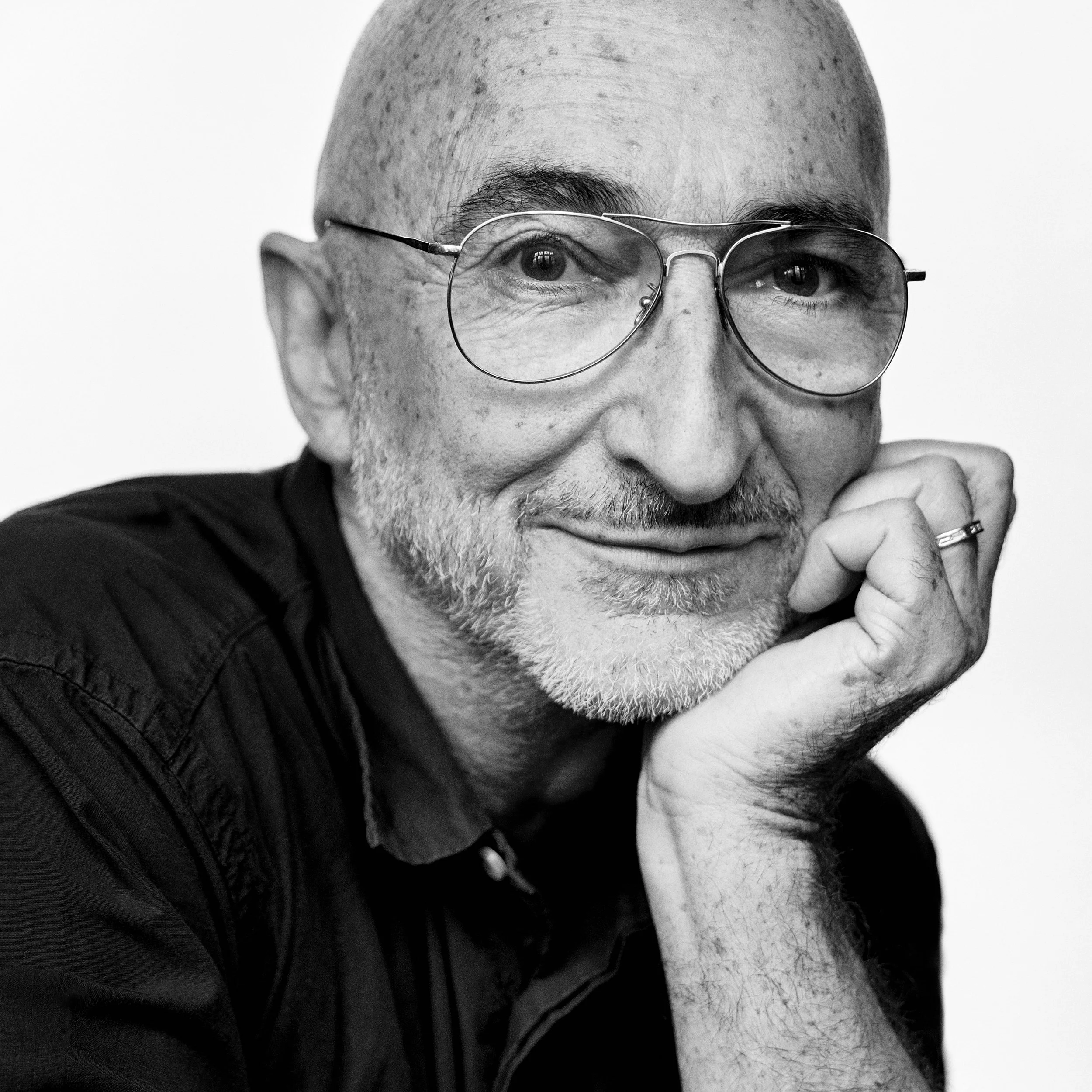
Your work is often defined by geometry, precision and architectural forms rather than overly organic references. How does nature influence your creative process, and where do you find its presence in your designs, even if it’s not immediately visible?
It’s funny, painters say that you have to look at nature in shapes such as cubes, circles, triangles and squares. And I think it’s true because nature is actually geometry, but it’s a hidden one. I don’t think there’s an opposition between representing geometric shapes and natural shapes, especially when it comes to jewelry. Stones express their colour and shine through geometry and light, and through very angular types of shapes. It’s linked. There is a tension between those two elements that could seem opposite, but actually, one continues the other.
Throughout this collection, equestrian objects lose their practical use and become emotional, almost sculptural forms. At what point does an object stop being functional and become poetry?
At the moment you say it. The moment you put a toilet on a table and say, “This is a sculpture.” This is it. I think it’s a big question of modernity, when an artist decides to name an object in one field so that it becomes something different. Modernity taught us how to shift from one reality to another, even starting with an ordinary object. The objects I use are already super objects. They’re not ordinary. They’re already very special and refined, so my interest is in exploring how time and use made them as perfect as they are, and to show this perfection in the most precious and sophisticated way I can.
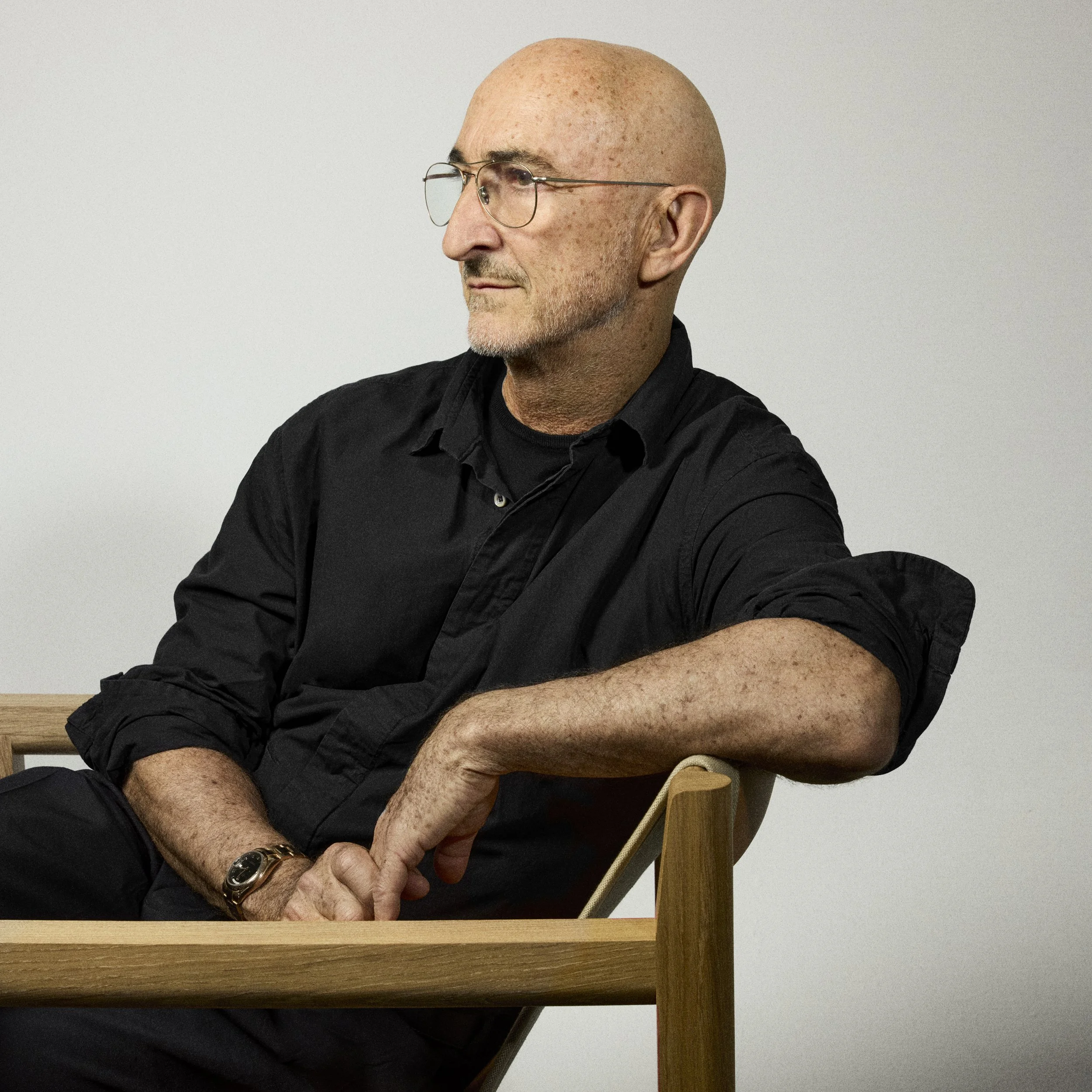
The pieces are remarkably fluid, despite being made of some of the hardest materials. How challenging is it to make precious jewelry feel alive and emotional rather than static?
That is a very fundamental question. Maybe because I first draw, and the drawing escapes the material in a way; it’s just a line on a sheet of paper. The design is totally free from the material aspect. I can imagine any shape I want, basically, and my purpose in the process of making the collection is to keep and maintain this first vision and intuition I had in the metal. It’s about bending and flexing the material into the shape I wanted from the beginning. Of course, there is also resistance, and this is the most interesting part: to measure this resistance and play with it. Of course, not everything is possible with metal, but the pleasure of the work is to make it happen still. It’s a fight sometimes, but the result should not show the fight. It has to seem effortless, like a second nature.
Gemstones in “Into the Horsescape” don’t simply decorate the pieces, they seem to carry emotion. How do you decide which stone best expresses an idea rather than simply showcasing rarity?
I really love to work with these materials, and I try to treat them with the same attention and sensibility as if I were painting, for example, and using the colour palette I would paint with. Most of the time, I don’t care about the price, the value or the number of carats. What I’m looking for is the visual effect, the colour, the texture, how they play and interact together, not the value of one specific stone. Sometimes, in the process, it also happens that we find a magnificent pearl, and it’s so beautiful. So then the beauty of the stone, the density of the colour, the quality of the shine, in a way, impose themselves and drive me to do something with it.
Hermès has one of the richest equestrian heritages in luxury. How do you reinterpret such a powerful legacy without becoming nostalgic or overly literal?
It’s a pure fantasy for me. Maybe it’s distance, having the space to make a bridge with this reality and build an ideal vision or object that could tell the story of how I see it, or how I would love people to see it. I think any creation is subject to seduction. In a collection, you always try to seduce somebody. All my interest is in building this object in a sensual, seductive way; it should be irresistible. Reality is harder, and it’s not the same, not what I’m looking for.
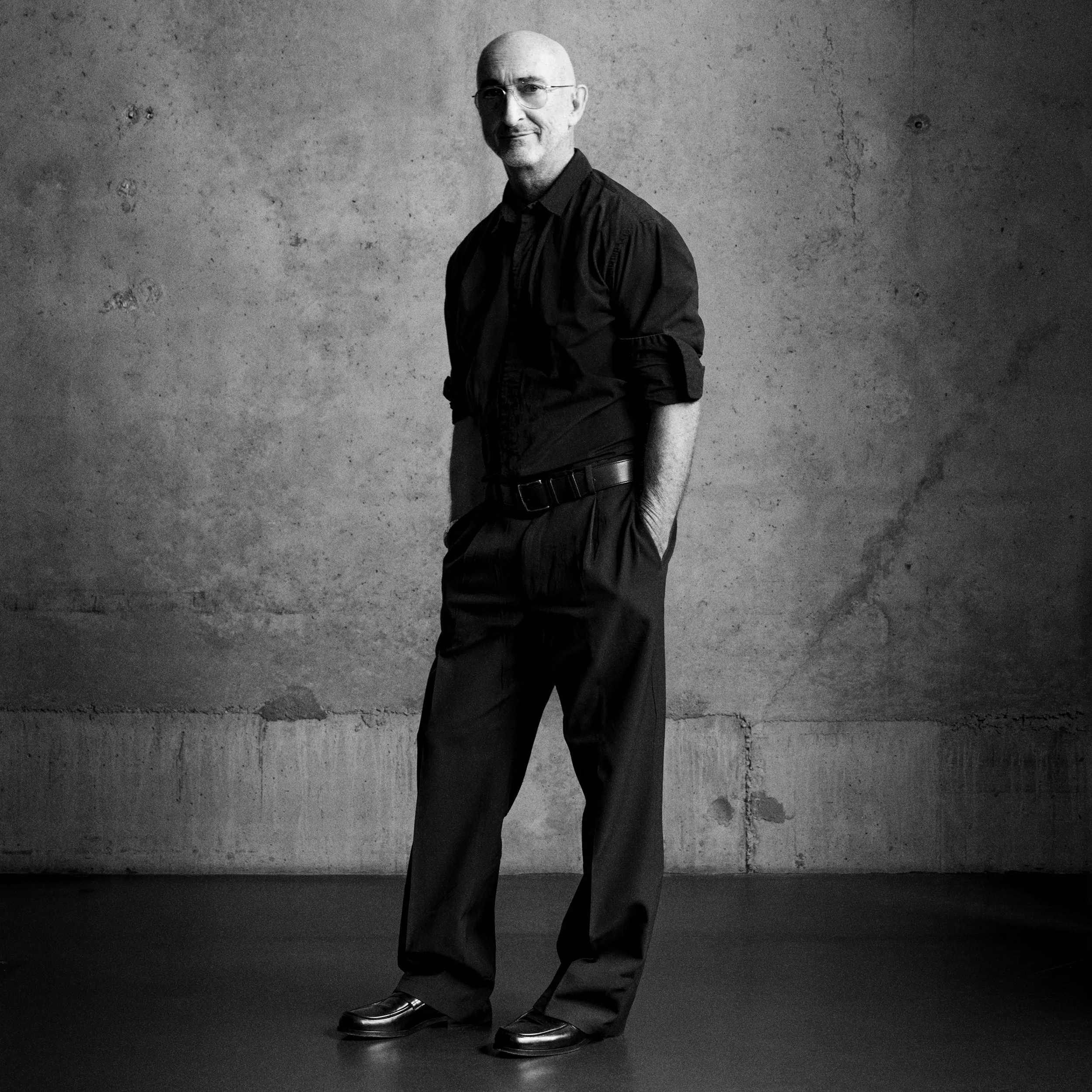
What distinguishes haute jewelry from luxury jewelry today? Is it craftsmanship, storytelling, artistic freedom or something less tangible?
I think originality, knowing that a piece is unique and special, is what matters most. Storytelling is also very important and the name as well, because the name itself is part of the story. You carry with you a part of the myth that exists behind a brand. The strength of that is difficult to measure and explain, and it’s difficult to separate it from the product itself. It’s part of a bigger world that you allow yourself to become a part of as well. The fantasy and the global image you have of the collection are very important.
Looking back over your remarkable career, all the way from making shoes and accessories to now also leading Hermès’s jewellery line, what do you hope people ultimately recognise as a defining characteristic of Pierre Hardy’s design language?
A certain radicality, simplicity. I think it’s permanent research and a quest. I do what I am able to do and try to show it at its strongest, as powerfully as possible. It’s about bringing my own perspective and sensitivity to the house while allowing the jewelry to express the spirit of Hermès.
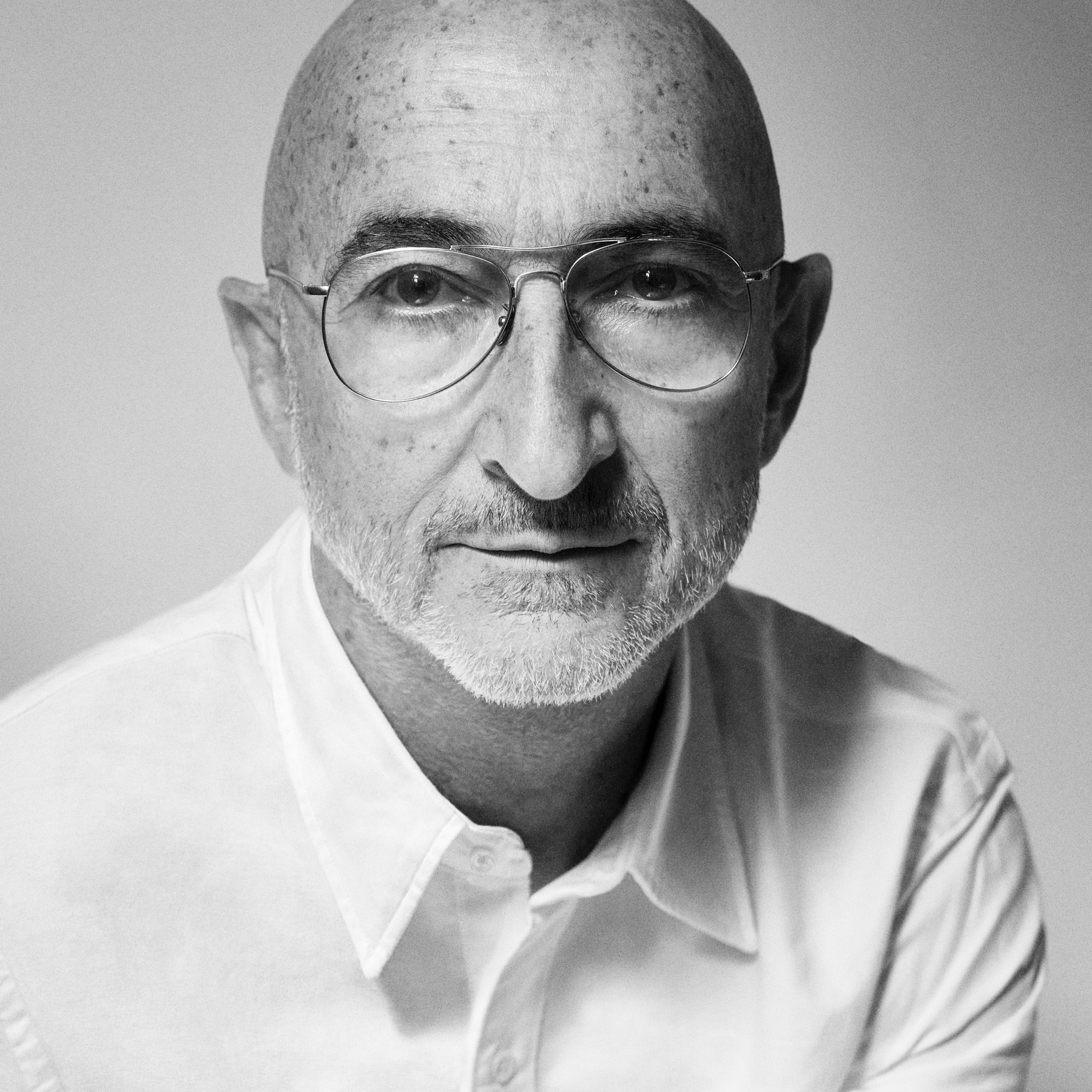
Does curiosity still play a big role in your research and workflow when making new collections?
It’s actually not curiosity; it’s obstination. I think I’m not curious in a way that I want to know and discover everything. I believe you do things — you read, travel, love, breathe, eat — and very few match really and deeply with what you are and what you love. I think creation is this moment of matching. I feel more like a filter: things are passing by me and the result is a collection.
