
IN CONVERSATION WITH RAFA COSTA E SILVA
interview by TIMOTEJ LETONJA
At Lasai, chef Rafael Costa e Silva builds his cooking around ingredients grown in his own gardens and sourced from a small network of local producers. His work is shaped by what is available at a given moment, with a focus on letting each ingredient speak for itself.
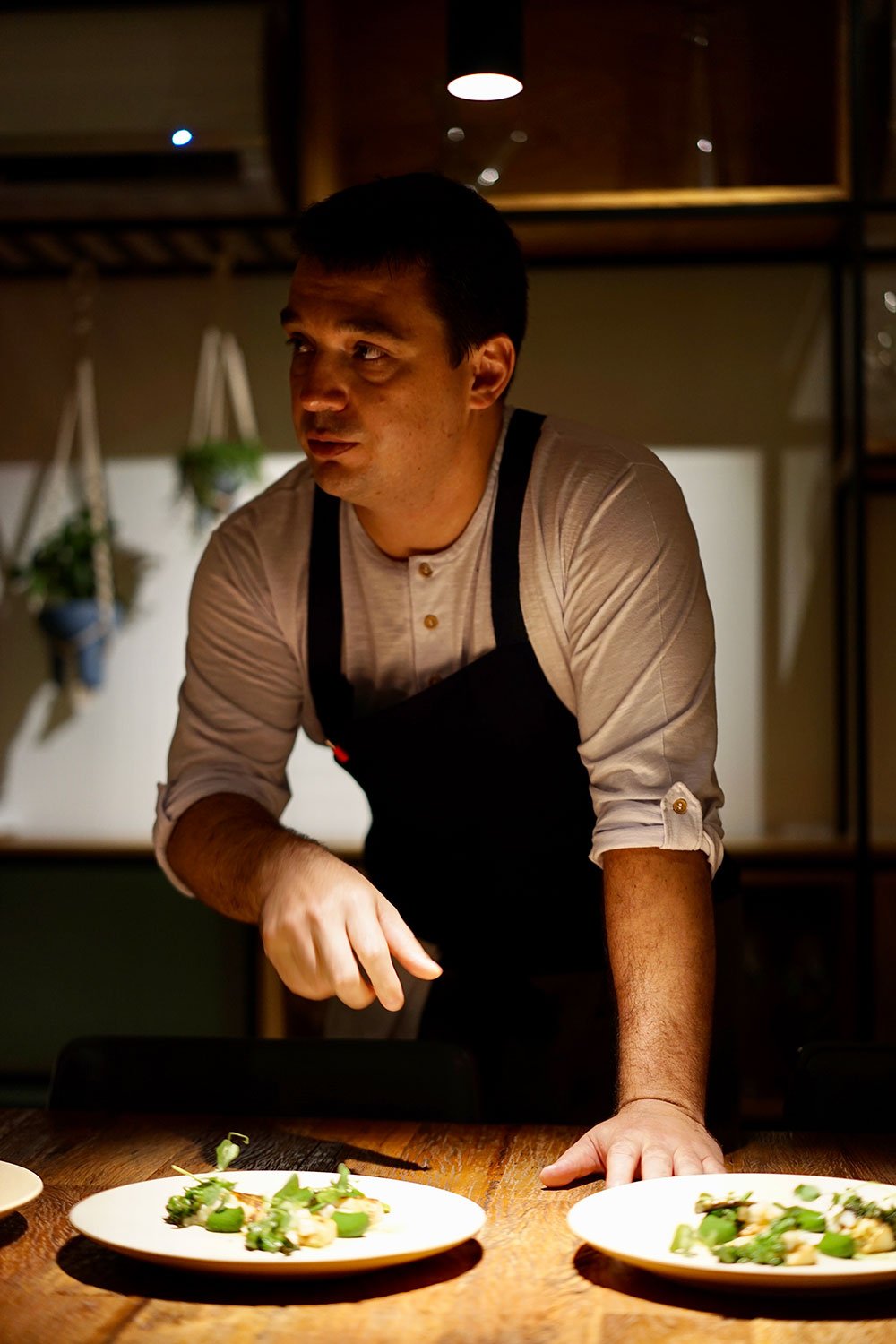
Your cuisine is described as "vibrant, light, mature, and sensual." How do those qualities translate into a dish?
Balance and Freshness, restraint creates lightness, experience brings maturity — and sensuality comes from how a dish feels, not just how it tastes.
Lasai means "tranquil." What does tranquility look like in the context of a high-performance kitchen?
Tranquility is control and the sensation we want to impact the guest with. No chaos, no noise — just clarity, rhythm, and respect inside the kitchen and for the products.
You work with extreme precision, yet your food feels deeply emotional. Where does that emotional layer come from
Emotion comes from connection — to the land and to the product. Precision is just the expression of ourselves. Not everything needs to be the same every time.
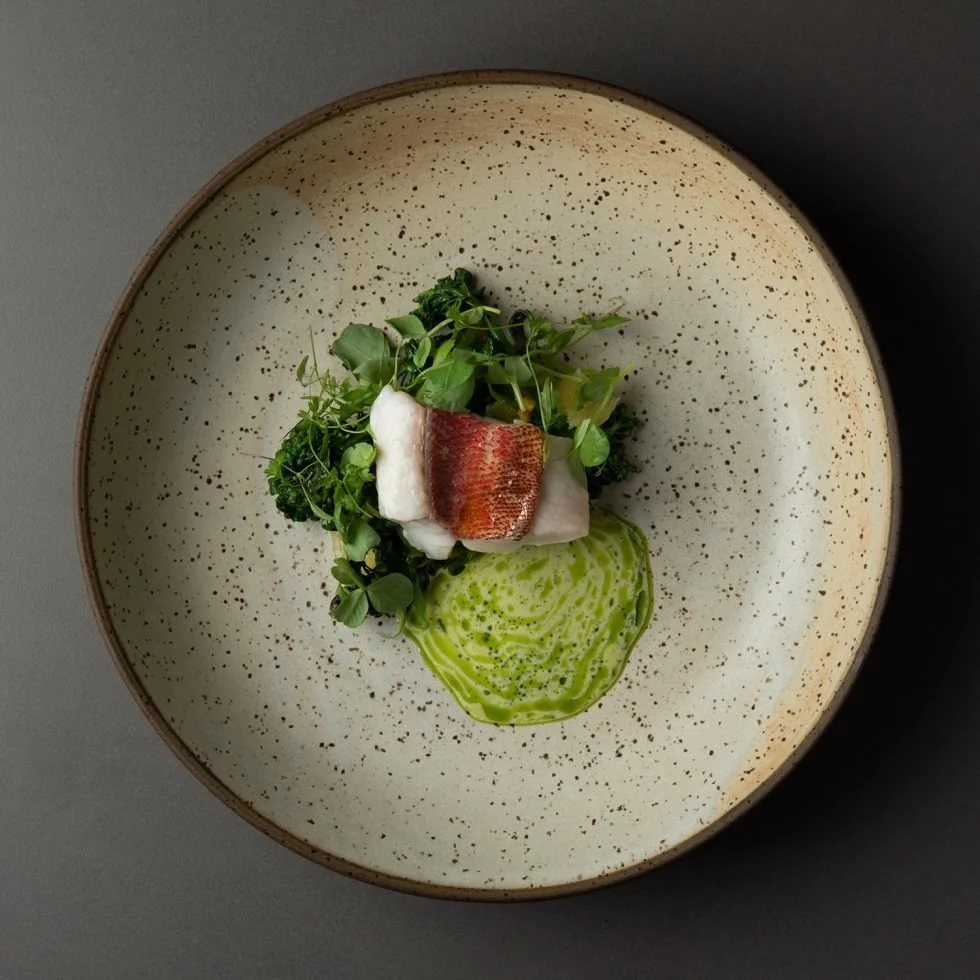
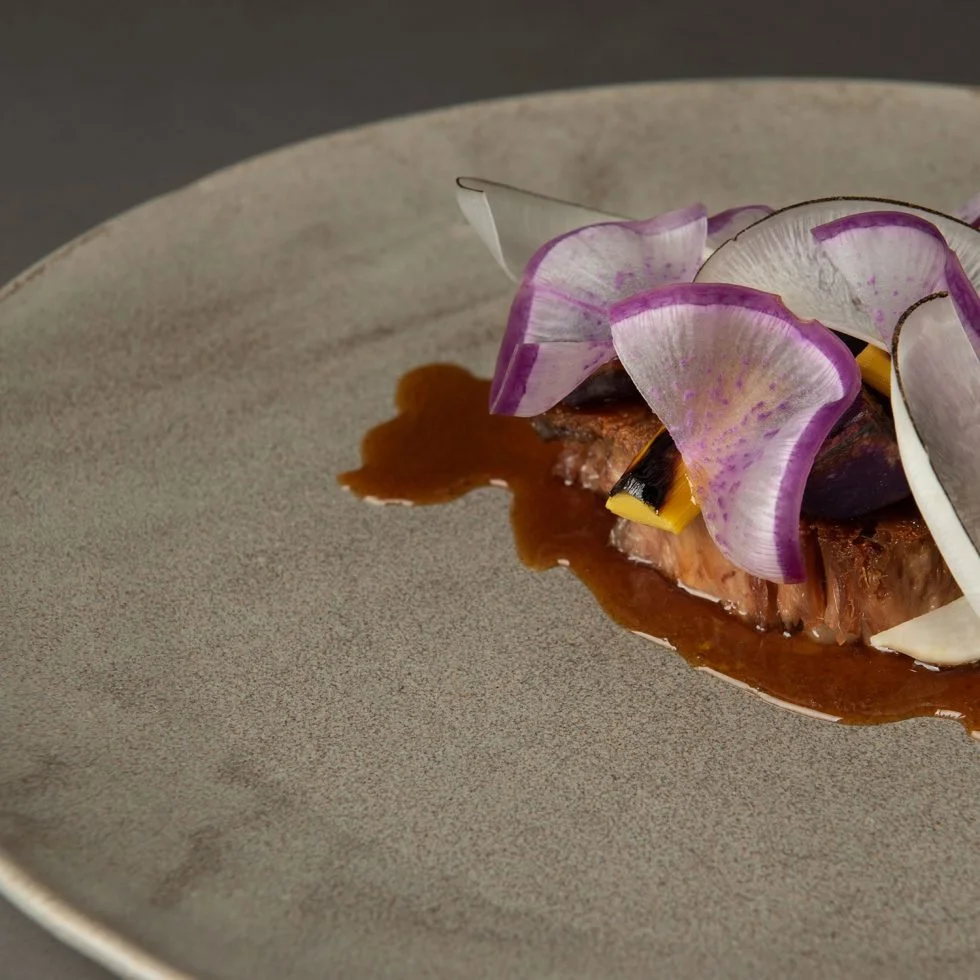
Your kitchen gardens span over 10,000 square meters and directly inform your menus. How does proximity to the land change your creative process?
When you’re close to the land, ingredients lead, they are inspiration for our everyday work. The menu stops being an idea and becomes a reflection of whatever we find in the garden.
What have vegetables taught you that meat or fish never could?
Vegetables showed us that the star of the plate can be as simply as a carrot, you do not need to shave truffles or place a full spoon of caviar everywhere.
Your cuisine is rooted in Brazil but avoids clichés. How do you define Brazilian gastronomy today?
Brazilian cuisine isn’t a style — it’s a territory. I do not cook Brazilian ingredients; we cook products from Rio mainly. Brazil is a large country, it has Amazon which is the biggest biodiversity in the World, I do not cook products from the Amazon – that I leave for my good friend Alex Atala, which is a master on that. We cook products from our surroundings – “carioca cuisine”.
Is it important for you that your food is recognised as "Brazilian," or something more universal?
It’s naturally from Rio with hints from Brazil…. But it should speak to anyone, anywhere. It is our carioca cuisine. No memories….just good food, local products and lots of work on it.
How has working abroad (New York, Spain) shaped the way you interpret your own culture?
Distance gave me clarity, give me maturity. Made a cook, a real cook. I could look inside Rio and realized that we have amazing products on our everyday cuisine.
Lasai serves only 10 guests per night in a chef's table format. What does that intimacy allow you to do that larger restaurants cannot?
Intimacy allows honesty. You cook for people, not for numbers – we do the way we like; we cook for people that we can see.
Lasai received a Michelin star within its first year and now holds two. How has your cooking evolved since those early days?
Less noise, more essence and connection to the land and to the producers. The cooking became simpler — and deeper.
You work closely with small farmers and local producers. How collaborative is that relationship?
It’s a partnership. We grow together, we are friends and we basically make the menu together.
What does "supporting local" mean beyond sourcing?
It’s commitment, not convenience. Long-term relationships, get to know the people that shape our menu and our wine list.
What do you expect from a young chef today?
Curiosity, discipline, and respect. Technique is important, but attitude is essential. A young chef should be willing to learn, question, and stay connected to the reality of the ingredients and producers.
Lasai has consistently ranked among the best restaurants in the world and Latin America. Does global recognition change how you cook?
Not really. Recognition is important, but it doesn’t define our work. We continue to cook in the same way — focused on our values, our ingredients, and our identity.