
IN CONVERSATION WITH SAMANTHA SMART
interview by JANA LETONJA
photography by TORI TIME
Samantha Smart is stepping into a defining year. The writer, actress, and producer has two powerful film projects arriving in theaters in early 2026, the Tribeca-winning Charliebird, which she shot in her hometown of Houston, and the Oscar-nominated short Jane Austen’s Period Drama, executive produced by Emma Thompson. With Charliebird earning sold-out screenings and jury honours across major festivals, and Jane Austen’s Period Drama sparking global conversations around menstrual equity, Samantha is carving out a space where storytelling meets social impact. As she continues to champion original, human-centred cinema, her voice feels both intimate and urgently relevant.
How did Jane Austen’s Period Drama come about?
Emma Thompson, icon that she is, is actually our ‘executive menstrual advisor.’ She knows, having done producer work before, that to claim a producer’s credit without having done producing work, wouldn’t sit right with her. She came up with the title. Legends are doing legendary things.
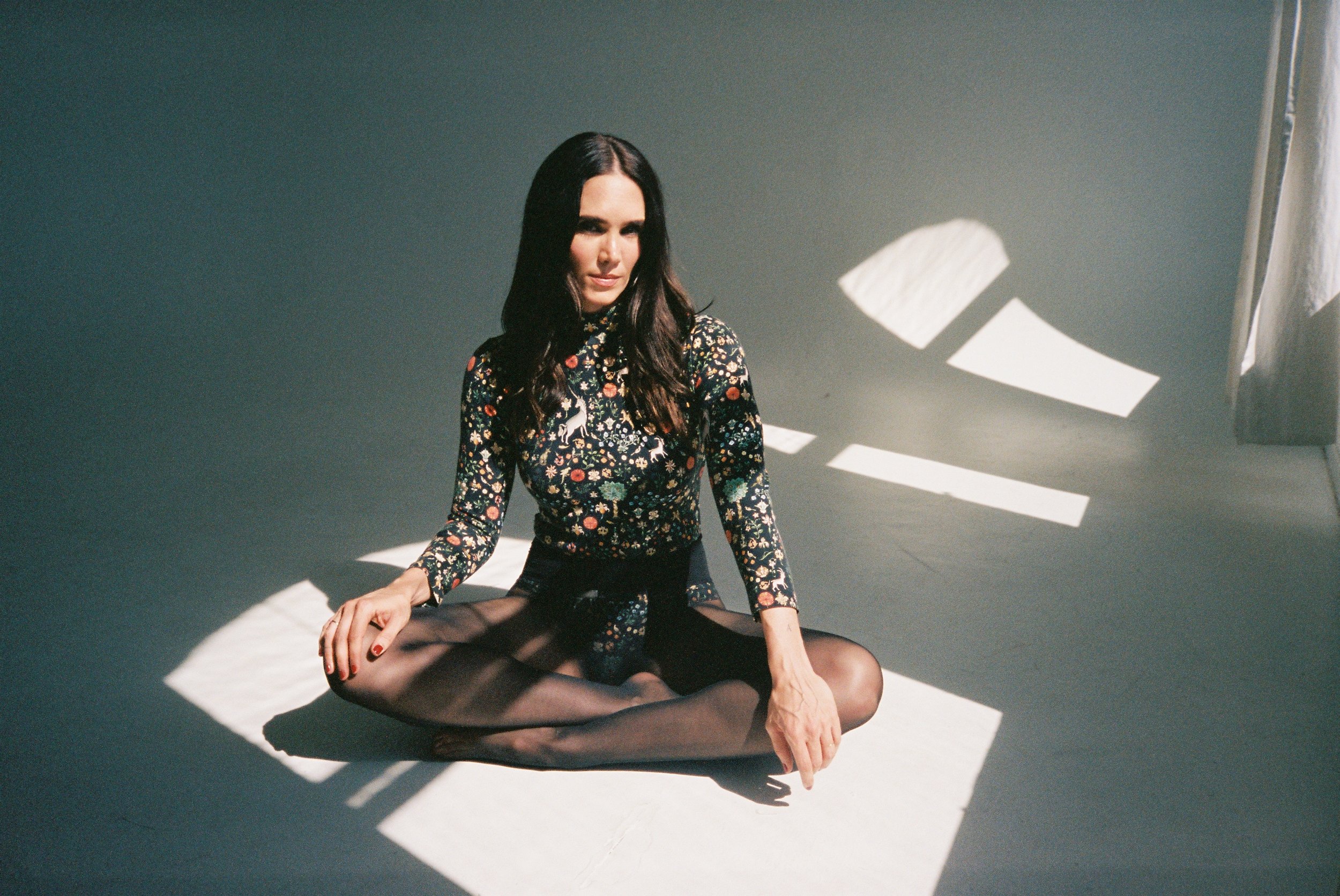
Charliebird was shot in Houston, where you grew up. How personal was this project for you?
You can take the girl out of Texas, but you can’t take the Texas out of the girl, right? I haven’t lived full time in Texas for a while, but as soon as I started writing this story, it brought me right back to where I grew up. Specifically, I was raised in League City, which is just a few miles south of Houston, just north of Galveston. Setting the story there and physically filming there made the whole thing more personal than I ever could have imagined. I’m so grateful to our director Libby for throwing herself into my hometown, and for my hometown opening their arms and doing everything they could to make this happen for us. Having my family involved in various ways was something I’ll never forget. My mom making homecooked meals for the cast and crew, my dad driving everyone around, my niece and nephew making cameos, my parents housed some of the crew members. It was a true labor of love, and the love really came from this town and these people. I think you can feel that in the film.
The film avoids conventional dramatic arcs and instead embraces honesty and restraint. Why was that storytelling approach important to you?
That was important both to me and our director from the beginning. Our taste was in alignment from the get go. We both wanted the film to feel like the movies we loved, and to look and sound like the art we loved. I never want my writing to over prescribe to the actors what to do. I knew that with this kind of subject matter, less was always going to be more.
As both a writer and actress, how do you balance objectivity with emotional investment in a project like this?
By trusting your instincts, and your collaborators. The incredible talent we had both in front of and behind the camera made this project what it is. The phenomenal Gabriela Ochoa Perez alongside Gabe Fazio and Maria Peyramaure, they enriched this movie so much. Having them, and a deep, personal, emotional investment keeps the engine running.
Winning jury honors at festivals like Tribeca and SCAD Savannah Film Festival, did that validation shift your perspective on your work?
I feel very honored and grateful for those recognitions, they are not lost on me. It is extremely encouraging. However, it did not change how I feel about the work itself. I still want to roll up my sleeves and get back to it.
How did shooting the film in just 14 days shape the energy and intimacy of the production?
I think everyone was acutely focused. Afterwards, everyone was very, very tired. For me, it was the most alive I have ever felt making a film. It was stressful, beautiful, messy, and exhilarating.
Jane Austen’s Period Drama has already garnered over 30 festival awards and an Oscar nomination. What was your reaction when you learned about the nomination?
I was overjoyed with pride for my friends, Julia Aks and Steve Pinder, co-writers, co-directors. They worked extremely hard to get this film made and out into the world. They deserve recognition. Their producer Elli Legerski is a powerhouse. I was just so excited for them. I cried, and immediately called them.
The film blends humor with activism, focusing on menstrual equity. Why do you think storytelling is such a powerful tool for social change?
The things we are exposed to shape us, for better or for worse. The fact that Julia and Steve have taken this message and put it into an incredible comedic satire is remarkable. More people, after watching this, are talking about menstruation openly. How great is that? They released the film on YouTube, which is such a smart move because now the film can reach people in places that may not have access to it otherwise. Periods are everywhere. The more we talk about it, the more normalized it is, the more research goes into women’s healthcare, bleeding people’s healthcare, the better.
Post-screening conversations have centered on providing free period products and encouraging dialogue. Have those discussions impacted you personally?
Globally, people don’t always have access to period products. Yes, this is a comedy, and yes, passing out free period products is joyful, but the deeper message behind this is thatt menstruation happens to half the planet’s population, and those people should always have access to what they need.
You work across writing, acting, and producing. Do you feel most at home in one role, or is it the combination that excites you?
The combination is wonderful, but I will always love acting in someone else’s vision. Working on great writing or with a great filmmaker pushes you as a human. I want to continue to learn from those people.
What themes consistently draw you in as a storyteller?
Truths.
How do you stay grounded while navigating the increasing visibility that comes with festival acclaim and awards buzz?
My family and friends. The work. Going for walks with my dad. Knowing certain things are fleeting. This is a lovely moment in time, but the years of hard work that preceded it are humbling.
Are there stories you feel urgently compelled to tell in this cultural moment?
There is a lot going on in the world right now. I would like to put out compassion and honesty with this current work. I wrote a film about a music therapist, what people in those jobs do for others. I will always want to shine a light on them. They’re the real heroes.