
IN CONVERSATION WITH SAMANTHA WALKES
interview by JANA LETONJA
Samantha Walkes is emerging as one of television’s most compelling new voices. Currently starring as Elle Monteiro in Amazon Prime Video’s hit adaptation of James Patterson’s bestselling ‘CROSS’ series, she is part of a phenomenon that debuted as the platform’s #1 show worldwide and returned for its highly anticipated second season on 11th February. With a background rooted in theater and a growing presence across film and television, Samantha brings emotional precision, intelligence, and depth to every role—qualities that have made her a standout both on screen and in conversation, as well as a rising force in a genre long dominated by male perspectives.
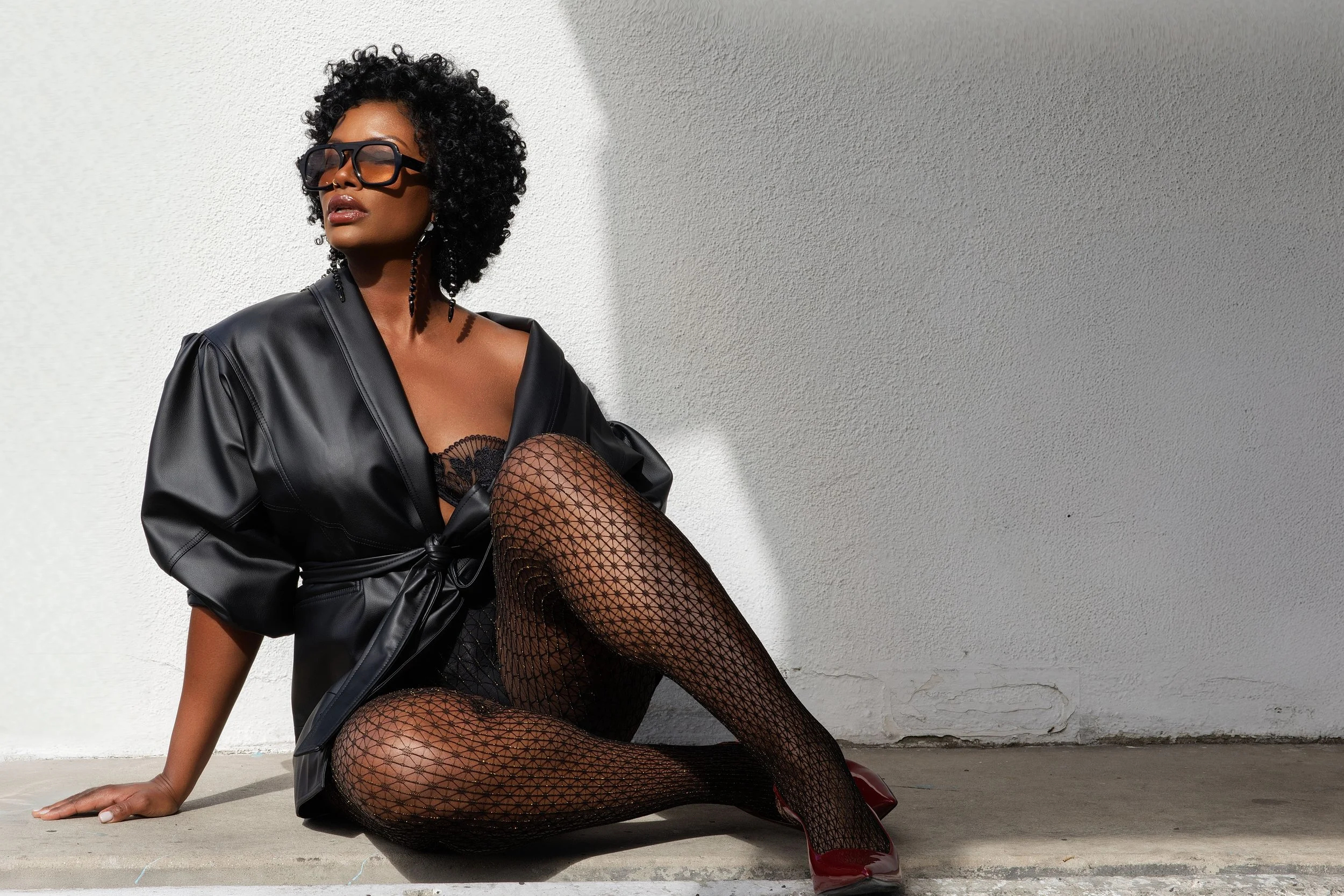
‘CROSS’ became a global hit almost immediately. How did it feel to realize the show had resonated on such a massive scale?
Unbelievable. You create a body of work as an artist and then you have to release it into the world for people to enjoy and interpret. It’s always the most vulnerable part of the artistic journey.
We also had the added pressure of being a TV show based on the incredibly popular James Patterson book series, which has spanned more than 30 years. I really went into this project hoping and praying that my authentic portrayal of Elle would resonate with those readers, even though she wasn’t a character directly drawn from the books.
When you first read the scripts, what stood out to you about Elle Monteiro?
She was fully realized. So often I receive scripts that are caricatures or stereotypes of what Hollywood and some parts of our society believe Black women to be. But Ben and his team knew intimately the type of life a woman like Elle leads, especially as she moves within political circles and among high-profile donors of the Somewhere Foundation, the non-profit she owns and operates.
A lot of my work as a storyteller felt natural and organic because I didn’t have to reach to make something feel truthful. Elle was already written with so much intention, thought, and care, which meant that I could expand on what was already on the page and waste no time in between.
Season 2 raises the emotional and narrative stakes. How did your preparation shift this time around?
When I got the shooting schedule for season 2, I realized that on the very first day on set, we’d be filming the most emotional and confrontational scene between Elle and Cross. I’ll be honest, it was daunting. We had a long enough hiatus that it felt like I was brushing off the dust a little.
So, I dug in and went back to the root systems I had created for Elle in season 1, her upbringing, her parents, the relationship she had with her mother versus her father, her education, crushes in school, even first memories of meeting Alex at recess as kids. From there, I just continued to build, adding more detail to her world and to the internal conversations she was having around pivotal moments in her life.
On that first day of production, I was flooded with memory and could somatically recall everything that transpired between Elle and Cross in Season 1. It was an incredible day of storytelling, and I left feeling empowered by the efficacy of my process.
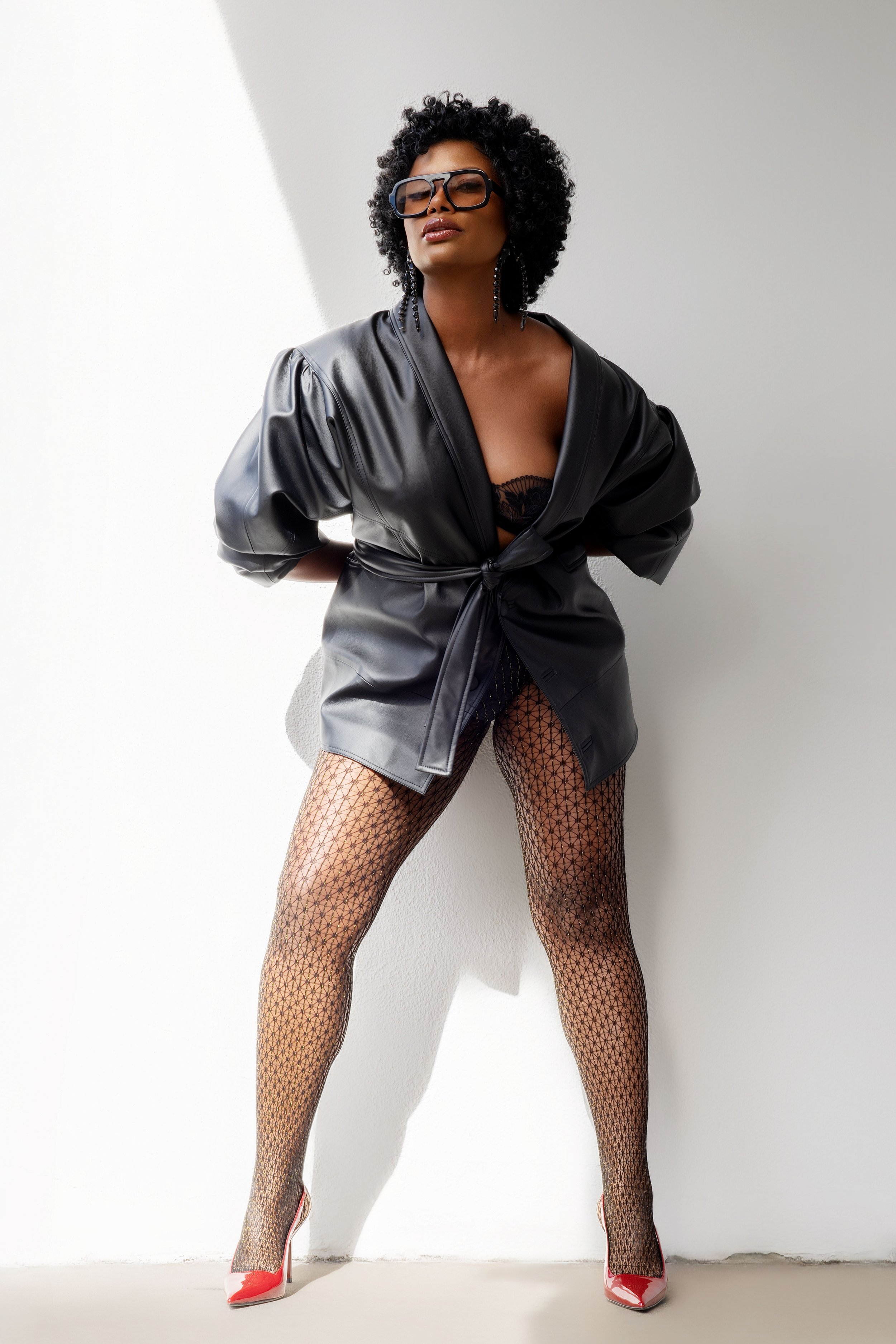
‘CROSS’ has been praised for its diversity both on screen and behind the scenes. Why is that representation especially important in this genre?
Within certain socio-economic stereotypes, it’s rare to see the BIPOC character as the lead, and also, the smartest person in the room. For so long, we’ve been conditioned to expect that any minority represented in film and television will be killed off in the first 20 minutes.
That is why representation matters. It was demonstrated beautifully in Bad Bunny’s Super Bowl performance. The little boy from Puerto Rico, or any child from a diverse, underprivileged household, watching the Grammys with his family and seeing Bad Bunny win Album of the Year for a non-English language album, that kind of visibility can affect so much change. Sometimes seeing is believing.
By making the decision to prioritize inclusive casting at the creative and executive levels, both behind and in front of the camera, we begin to reshape the narrative and remind the world of its true tapestry. The melting pot that is America, and the mosaic that is Canada.
You transitioned from theater to television and film. What was the biggest adjustment for you?
I missed the “ensemble” feel. In theatre, you build the story together from start to finish, beginning to end. You’re in rehearsals every day, working through the script and piecing it together as a company. In film and television, you have to arrive with most of the story already built, and now your job is to bring it to life in its final stages with your cast. And yes, you’re still building together, but it’s different. There can’t really be the same ensemble approach because of time, logistics, block shooting, etc.
That said, with ‘CROSS’, the closest thing to a true ensemble was our table reads. I could feel what we were building as a cast, all these different threads pulling from every corner and coming together with our voices in one room. It was my favorite time of every month.
It was also a major adjustment learning how to tell a story in a more intimate and distilled way for the lens of the camera. On stage, there’s so much space between you and your audience that you have to fill with meaning. With a camera, it is microscopic, just a few degrees of space exist between you and every truth you’re about to share. Learning how to balance my energy and hold the story in that kind of intimacy was hard.
How does your theater training influence the way you approach camera work?
Theatre performers have a different work ethic. We come in with our stories complete in a way, because we’re used to telling the whole story every night, living through every emotion, sometimes twice a day with a matinee.
Building out the life of our characters and understanding the end goal within the larger, overarching story means we don’t tire in the same way emotionally, mentally, or spiritually. I bring that same kind of stamina to film because I cut my teeth on the stage.
You’ve spoken about your interest in working behind the camera as well. What kind of stories are you hoping to tell in the future?
Currently, I am working on a reimagining of ‘Cleopatra’, through the lens of the female monarch. So much of her history is clouded by the senate, the controlling body of the Egyptian patriarchy, and the influence of the Roman Empire and its encroaching politics and government.
I have a deep desire to find stories that showcase BIPOC women as warriors. Did you know that by her late teens, the last Queen of Egypt was fully recognized as a military leader and naval commander? But she was also tender-hearted and passionate, like every human, in need of love. The juxtaposition of this usually confuses our society, which is why I believe it is easier for Hollywood to often categorize either the “warrior” or the “seductress”. There is a version of womanhood that embodies all these complexities, and it should not be buried or regulated to serve the ideologies of man.
There is also a desire in me to tell my own story one day, how I grew up under a cloud of abuse and instability, yet was imbued with a strong core belief that family was everything. My journey to womanhood was not a natural evolution, which I have come to sadly understand, is the story of many women.
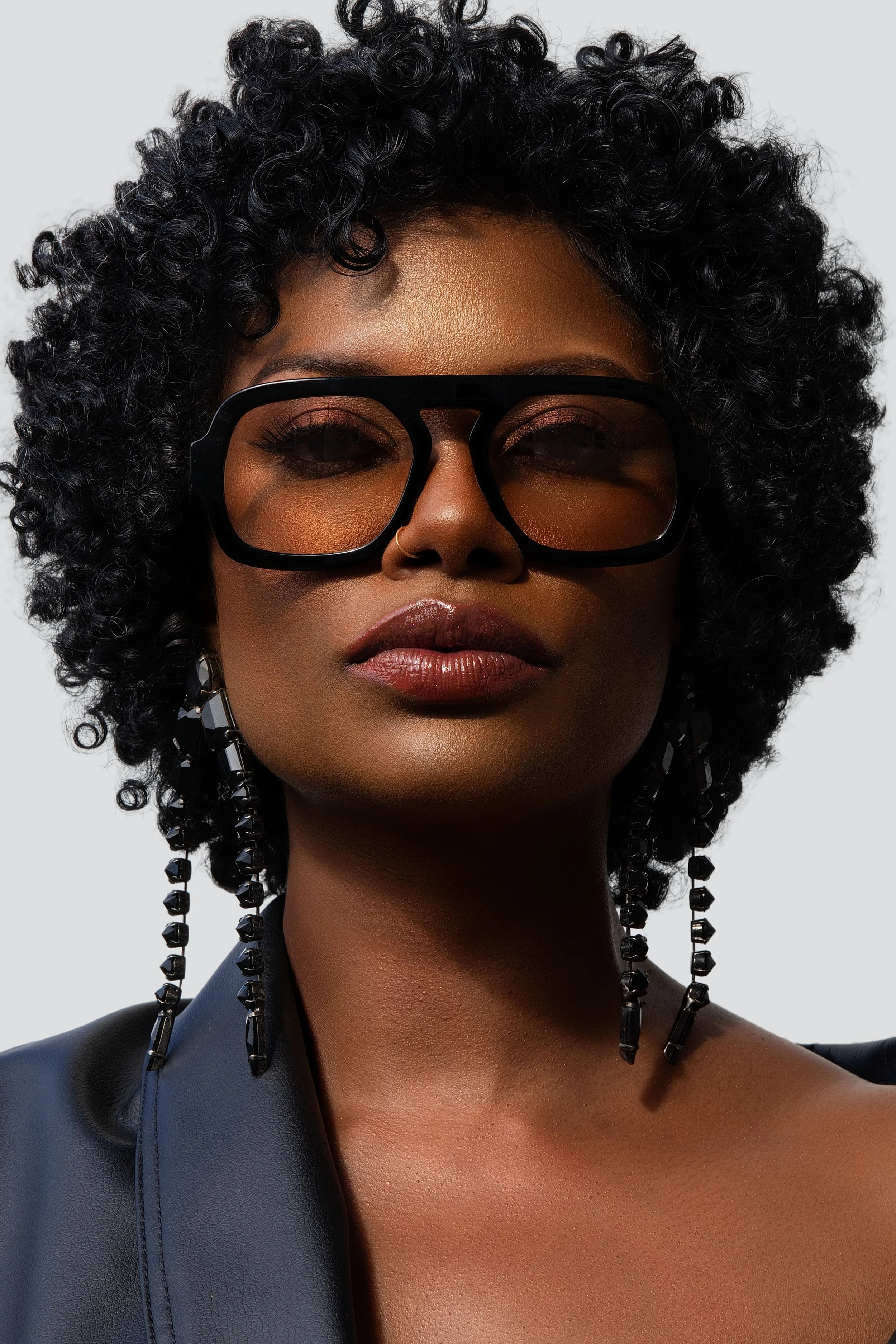
Appearing at events like New York Comic Con and the Vanity Fair x Amazon MGM Awards celebration marks a new chapter of visibility. How are you navigating that shift?
It is a difficult transition, for sure. Some of these public appearances feel so far from myself and who I am as a person and artist. But then I have to remind myself that this is the new normal. You make art, the world sees it, and you gain a collective of people who want to discuss, share, and express their thoughts and feelings surrounding your work.
I tell myself that this is the natural progression of the industry, which helps me gain more comfort in the public eye. For me, the most value comes from genuine connection with those who are curious about the stories I tell. I want to build relationships and connections with people I do not know but want to understand. I am in the business of people, they are the greatest investment.
When portraying intense material, what helps you stay emotionally grounded off set?
Music. Visual art. Movement. Water. I often pretend to wash my hands right before I start a scene,rubbing them together and imagining warm water running down my arms, flowing over my palms. It’s like I am transitioning into Elle, and Samantha is washing away to give her space to be.
It also helps calm and still me if I am nervous, and roots me in her story, which is so different from my own experience.
What responsibility do you feel when portraying women in spaces traditionally led by men?
I feel only the responsibility to tell the truth. There are many female executives who operate at Elle’s level and higher in our society, we just don’t showcase or celebrate them in the same way, often out of fear. We are still a society that prizes a man’s experience over a woman’s, especially if he is white and heterosexual. So, there is no other responsibility for me other than sharing the truth with the world, that we exist. We are not the unicorn.
As ‘CROSS’ continues to grow, what are you most looking forward to in the future of your career?
I cannot wait to play a role that is physically demanding. In my personal life, I am very active. I run, box, weight train, and love hot yoga. I also love to invest in my marksmanship.
The role of Elle has been a great teacher in stillness and distillation, but this year, I’m hoping to land a film that requires a whole other skill set, one that will stretch and grow my artistry in other ways.
TEAM CREDITS:
photographer LORETTA HOUSTON
