
IN CONVERSATION WITH SAMIA KANAAN
interview by JANA LETONJA
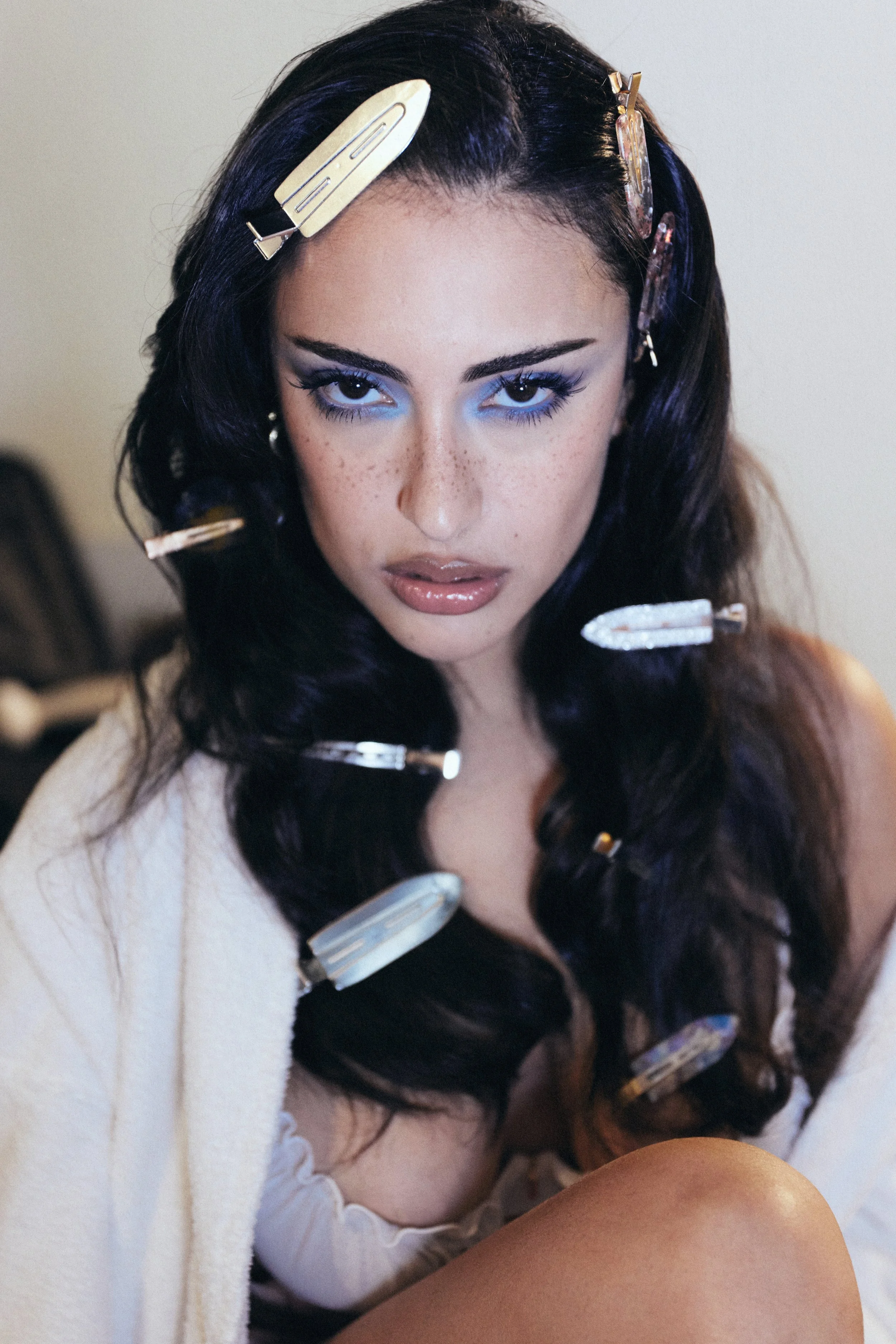
Samia Kanaan is a Paris-based Lebanese content creator whose voice sits at the intersection of fashion, storytelling, and global culture. She brings an instinctively international sensibility to everything she creates, shaped by movement, observation, and curiosity. With a background in journalism, Samia built her foundation interviewing cultural figures on major red carpets, from Cannes to global film premieres, before turning the lens inward and launching her TikTok in 2023. Since then, her cinematic, narrative-driven approach has quickly positioned her as one of the most influential emerging profiles in the French market, attending fashion weeks and cultural events with the support of leading maisons. Now expanding into hosting with an upcoming short-form interview series set against the glamour of Paris nightlife, and with growing ambitions in acting and film, Samia represents a new generation of creators, rooted in craft, culture, and intention.
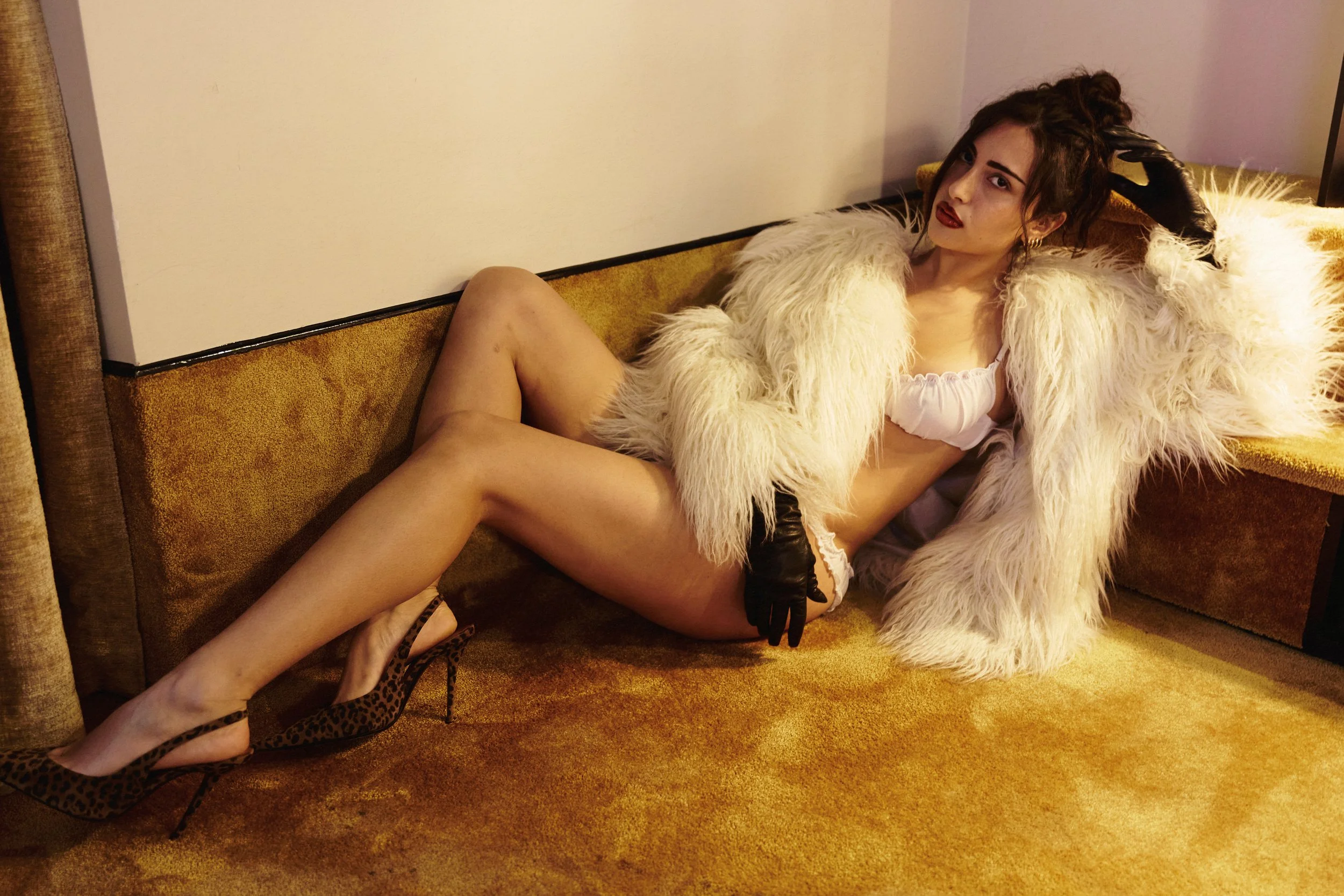
How has your background in journalism shaped the way you tell stories online?
Journalism gave me a strong foundation. It taught me discipline, curiosity, and respect for words. I always believed that knowing how to write well and ask the right questions is essential, because it shapes the way you understand and tell a story.
I learned early on that storytelling, which is at the core of what I do today, is not only about speaking, but about listening, observing, and understanding context before saying anything. That mindset stayed with me when I moved online. I don’t see content as disposable or purely aesthetic. I see it as a form of storytelling that can influence how people perceive fashion, culture, or even themselves. Journalism trained me to always look for meaning and to be aware of the impact of what I put out into the world.
What first drew you to fashion as a form of storytelling rather than just aesthetics?
I’ve always aspired to become what I admire, and I’ve always admired people who use their voice. Whether it is for entertainment, culture, or to express a point of view, I’m naturally drawn to people who communicate with personality. I enjoy creators who speak, who think out loud, who let you into their perspective. I like conversation and presence.
For me, influence has never been only visual, it is personal. Fashion slowly became part of that language. An outfit carries context about who you are, where you come from, or how you feel in a specific moment. At least that’s how I like to see it.
I also really like when things have meaning or context. Coming from a multicultural background, which is something people often associate with me, I naturally try to connect my outfits and videos to my story. Sometimes it’s my heritage, sometimes it’s a funny anecdote, a crazy experience I’ve lived, or simply the mood I’m in that day. That’s what I personally enjoy watching too, when things are not just beautiful but rooted in a real story. So, I never approached fashion as simple decoration. That intersection between image and personality is where storytelling naturally started for me.
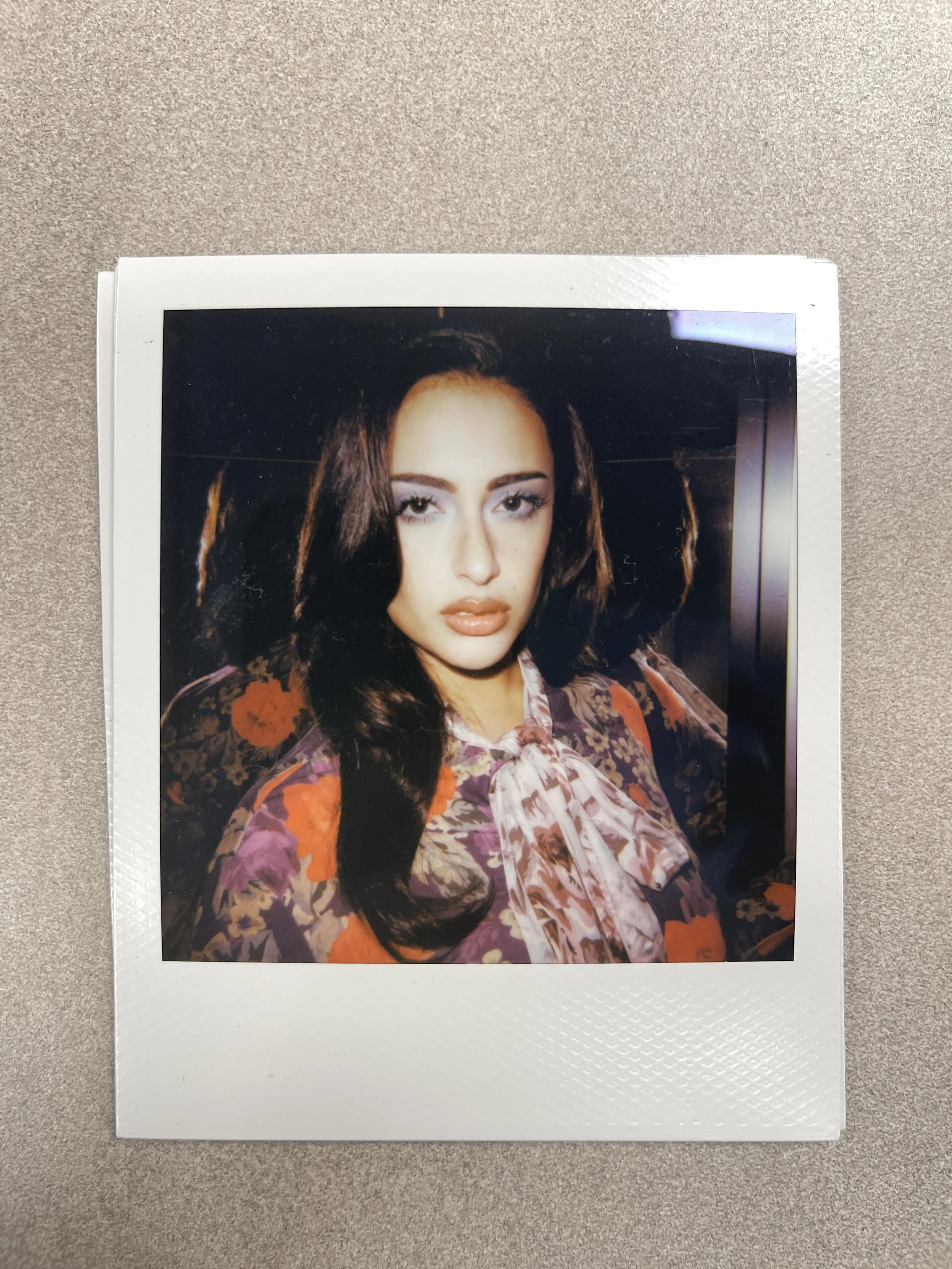
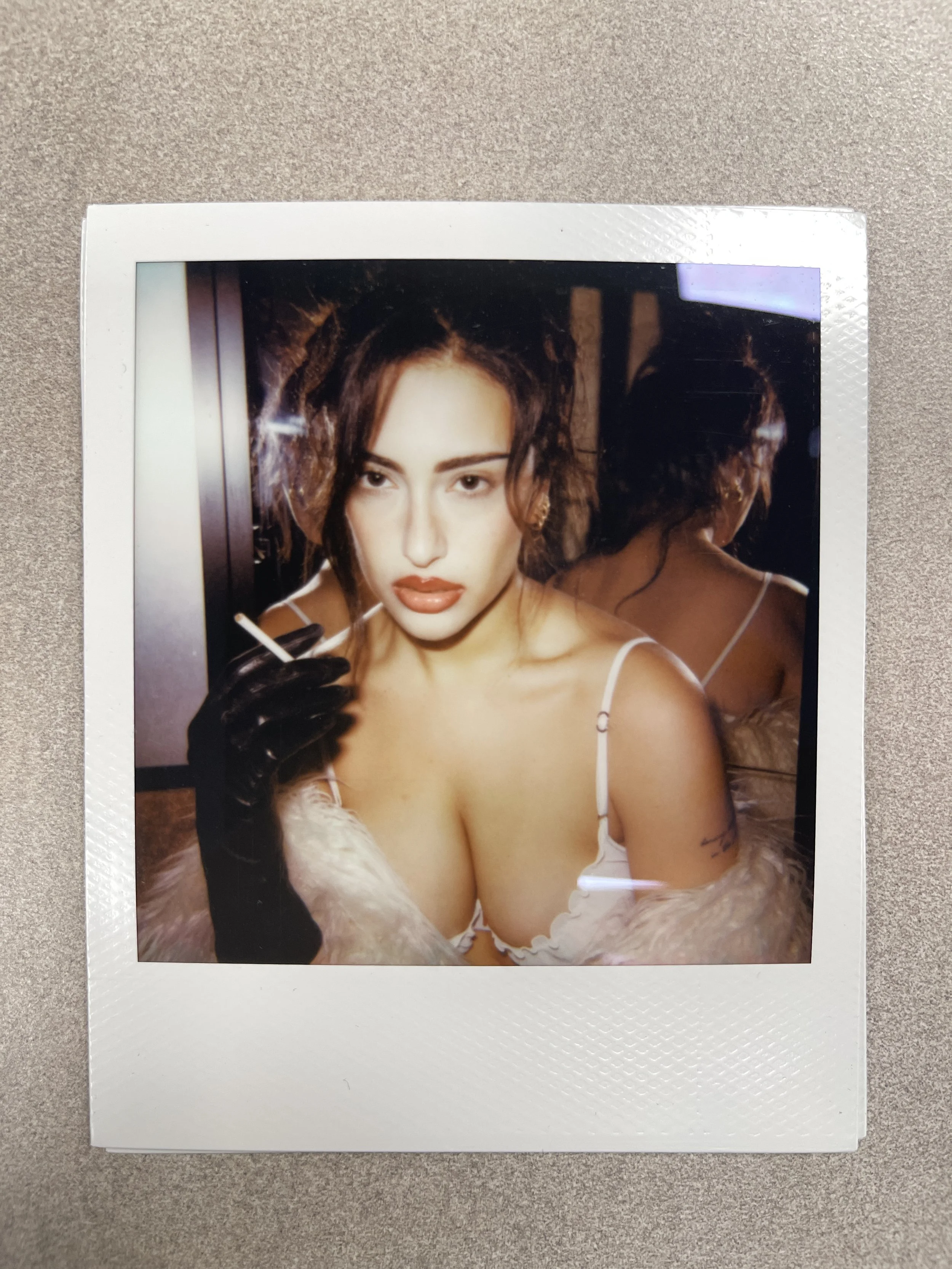
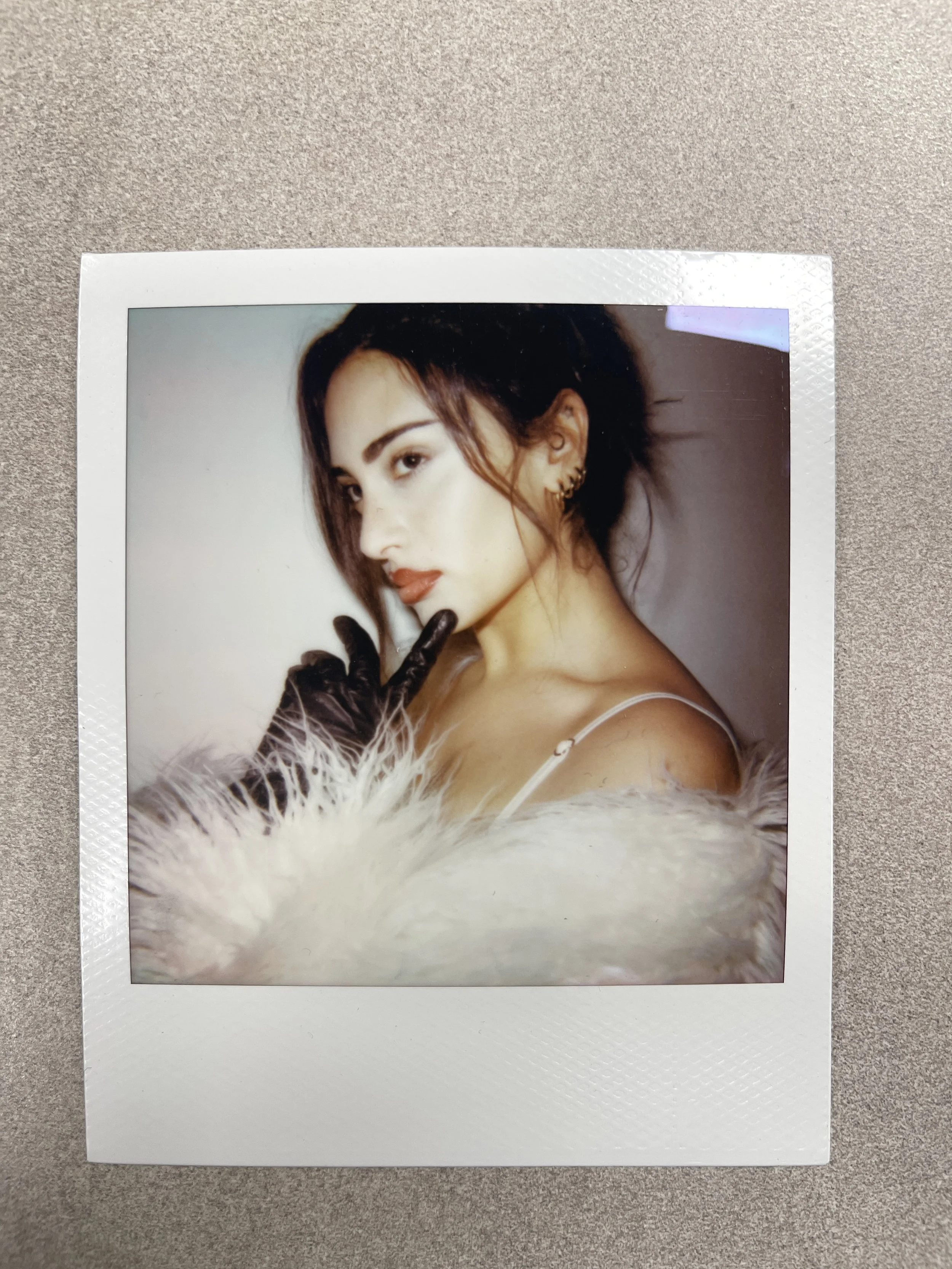
Paris is now your base. How has the city influenced your creative voice?
Paris changed my trajectory. Learning French opened creative doors as being a foreigner choosing to express herself in another language created a perspective people connected with. My accent and my cultural references became part of my identity online. Moving here at eighteen gave me stories. A lot of stories. Cultural misunderstandings, language mistakes, funny situations. All of that shaped me and therefore my content.
Beyond that, Paris gave me independence. I have lived in different cities, but here I felt fully free. And freedom expands creativity. When you feel free, you dare more. You imagine bigger.
You’ve interviewed icons around the world. What’s the most memorable conversation you’ve had so far?
I’ve had memorable conversations with many people everywhere, on first dates, in the metro, in club bathrooms. But as for interviews, it has to be my interview with Iranian actress Golshifteh Farahani in Cannes in 2024. She was there to receive the Humann Prize for her commitment to the Woman, Life, Freedom movement and to present the book ‘We Are Not Afraid: The Courage of Iranian Women’.
We spoke about film, women, and her relationship to her homeland, Iran. Despite being one of the most respected actresses internationally, she has faced judgment and injustice from her own country. That contrast between global recognition and personal cost was very striking to me. At one point, she said she sometimes looks at her own Instagram and feels like it doesn’t reflect the depth of her life as an actress. I found that very powerful. I really admire artists who are aware of that gap between image and reality, because it’s something many public figures quietly navigate.
I remember being extremely nervous, especially since my questions were not easy or conventional and it was still early in my career. But as she started speaking, I became so absorbed by what she was saying that I almost no longer felt like asking my prepared questions. I just wanted to listen. That moment taught me a lot about the role of an interviewer. Sometimes the most meaningful thing you can do is allow space and be fully present in the conversation.
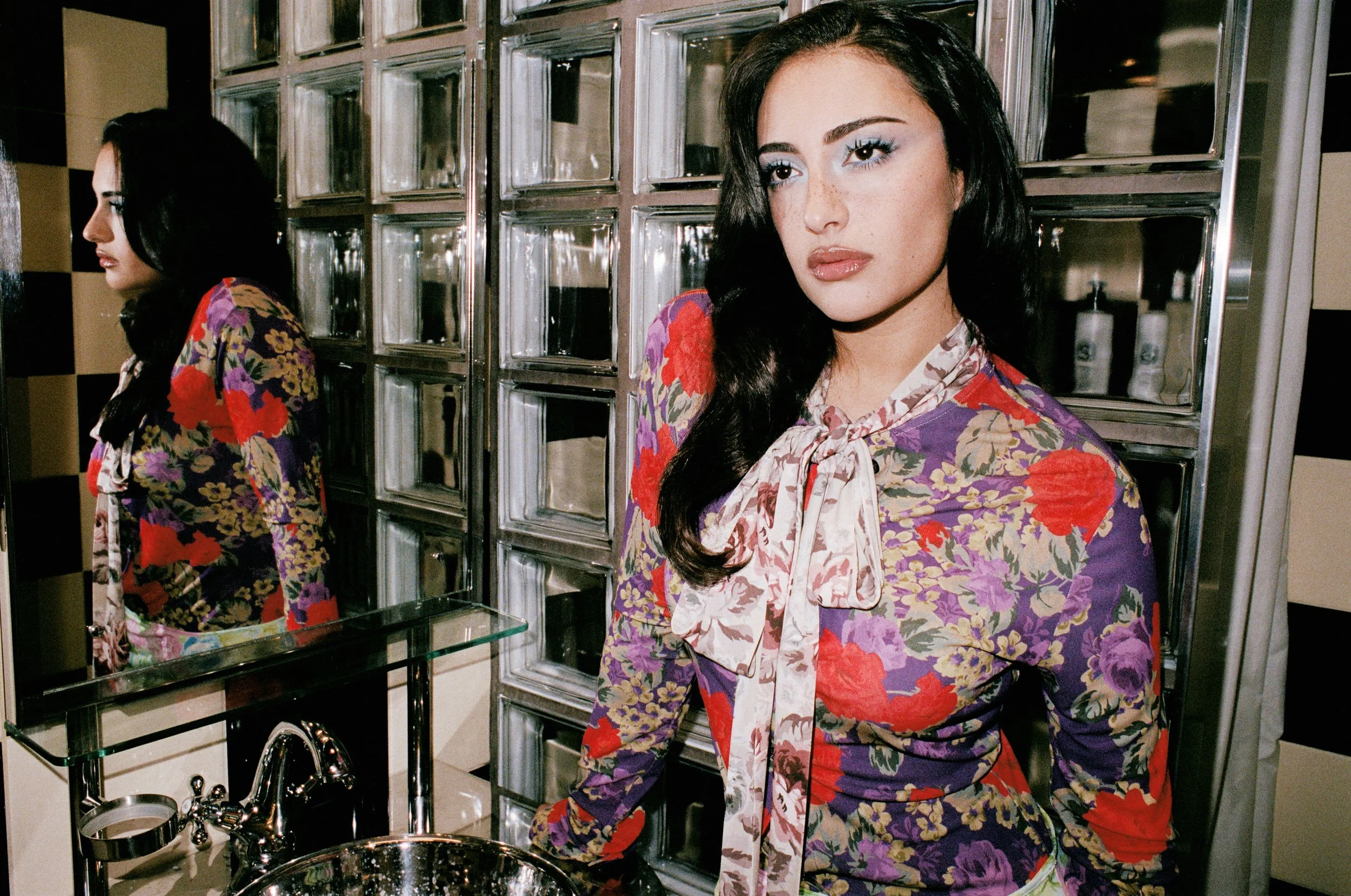
How does being behind the camera as an interviewer compare to being in front of it as a creator?
They are two completely different roles. When I’m interviewing, I almost disappear. I don’t think about how I look or how I’m perceived. I’m fully focused on the person in front of me, on every word they say, so I can understand and ask meaningful follow-up questions. I become a listener.
When I’m in front of the camera as a creator, there is a more performative layer. I still want to be authentic, but I’m also aware of the audience. I want to entertain, to be thoughtful, to be funny. As an interviewer, my goal is to create the same comfort and freedom I hope to feel when I’m the one being asked questions. I think that’s very special. Being able to navigate both roles teaches you a lot about each of them.
That balance between presence and discretion is something I’m constantly exploring, especially now with my own interview series, where I’ll be the interviewer, but it’s still me. I still have a lot to learn, and I’m excited to get better at guiding conversations that are layered and entertaining, where we can touch on interesting topics, but still keep a fun, light, and spontaneous energy. Like a real good conversation.
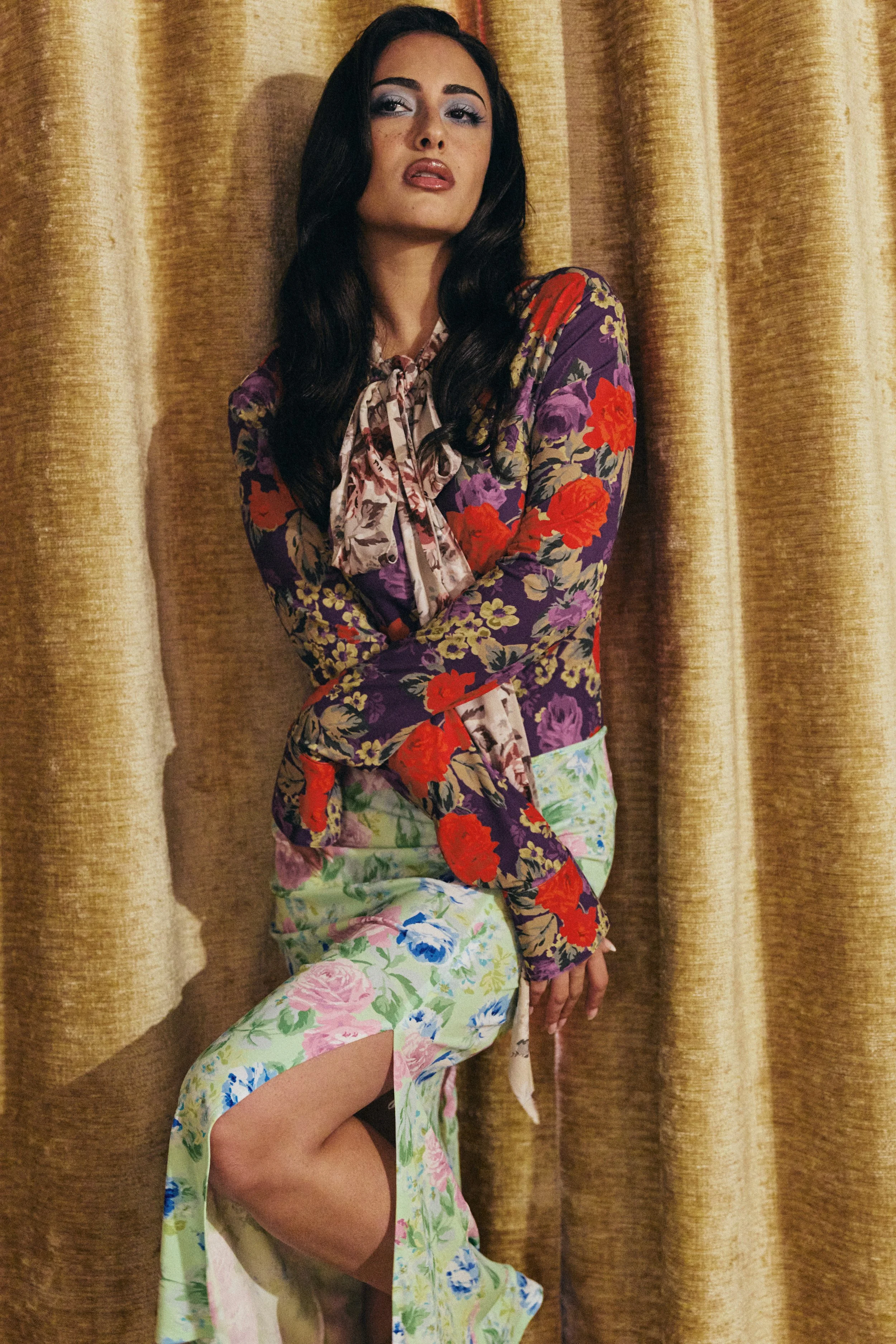
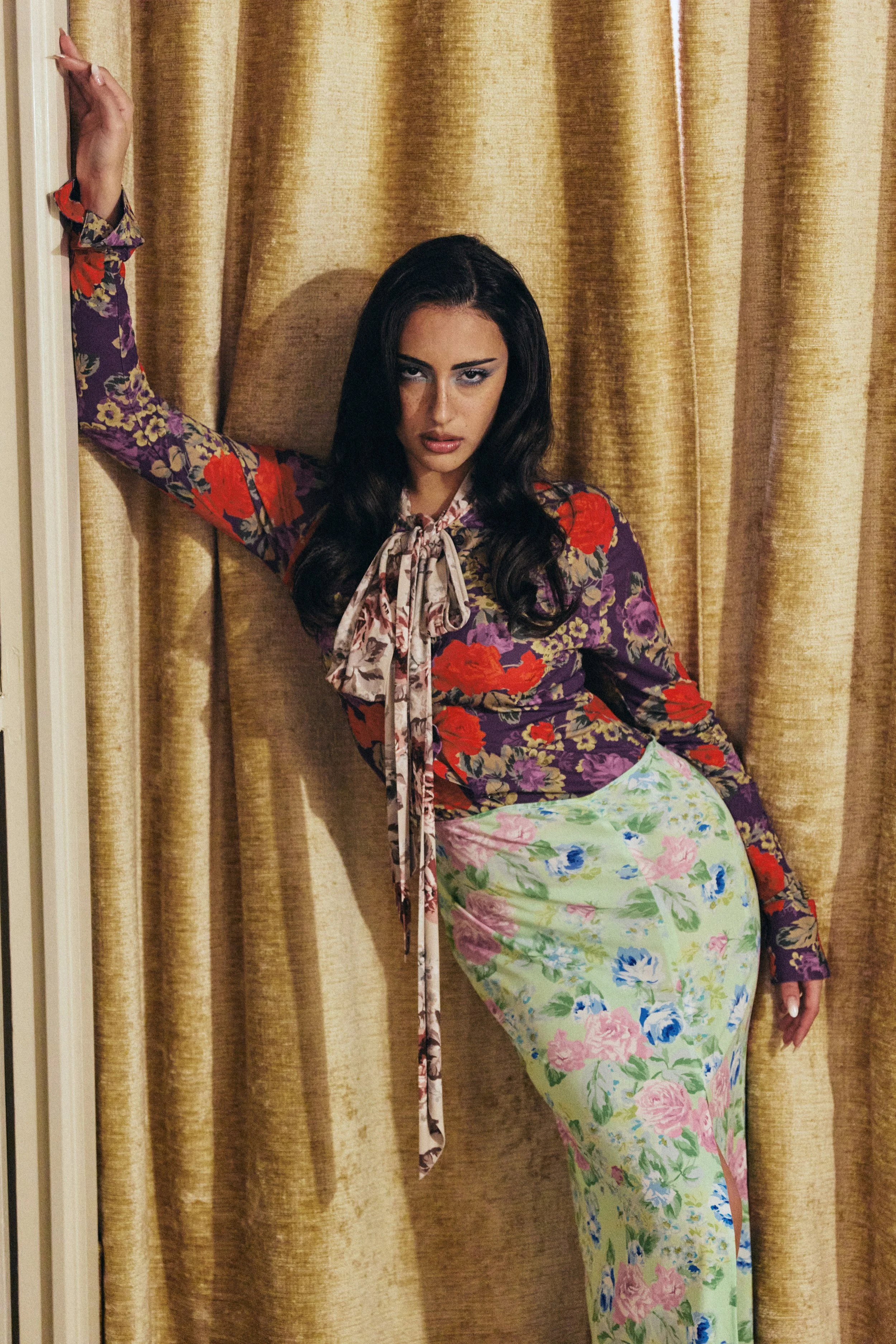
The fashion industry has embraced you quickly. What do you think resonates most with maisons about your work?
I think what resonates is the balance between intention and spontaneity in the way I create. My content feels organic and instinctive. I don’t really enjoy very classic formats, like a traditional GRWM. I like when things feel a bit unexpected.
When I film or talk, I don’t try to step into a polished “influencer” personality. I like to be fully myself, even if that means being a bit chaotic, ironic, or unfiltered at times. I like to make a slightly bold statement in the middle of a video, and that usually makes the moment more memorable. I think that authenticity is what differentiates my content and keeps it feeling natural rather than overly controlled.
I like each outfit or collaboration to exist within a real moment or personal perspective, so it feels lived-in rather than staged. For example, when I attended my first major fashion show, Loewe, I wrote “Loewe” on my forehead with hair gel and made a funny video to mark the moment. I was still very small on social media, so I wanted make it memorable for both the brand, the photographers and my audience. When I attended Fashion Trust Arabia, it felt natural to wear a Lebanese designer as a Lebanese woman, so I chose Zuhair Murad. Even in advertisements, I try to show why a brand genuinely fits into my world instead of just presenting it.
The project I’m developing now follows the same energy. It’s spontaneous, playful, and entertaining, but still guided by a clear creative direction. I think maisons appreciate when their pieces become part of a real-life moment.
Social media moves fast. How do you stay intentional in a space built on immediacy?
It’s hard, and sometimes I feel like I don’t. But I’ve learned to understand that it’s not always a bad thing. Some of my best video or project ideas have come out of moments of burnout, desperation, or overwhelming anxiety. Including this project, which is actually something very beautiful to me.
I also think that having a platform means you can do so many things just by being a person online, and that’s what’s so exciting. Of course, people enjoy seeing outfits, travels, and the fun parts of life, and I love sharing that, but you can also share your thoughts, your doubts, your motivation, and your creative process. You can talk about emotions, about not always feeling inspired, about building something for years before finally giving it life with intention.
That’s how I stay intentional, by keeping it real with my audience. I remind myself that every post is part of a bigger story I’m building. Even in a fast space, you can slow down what you share so it exists for more than just a trend cycle.
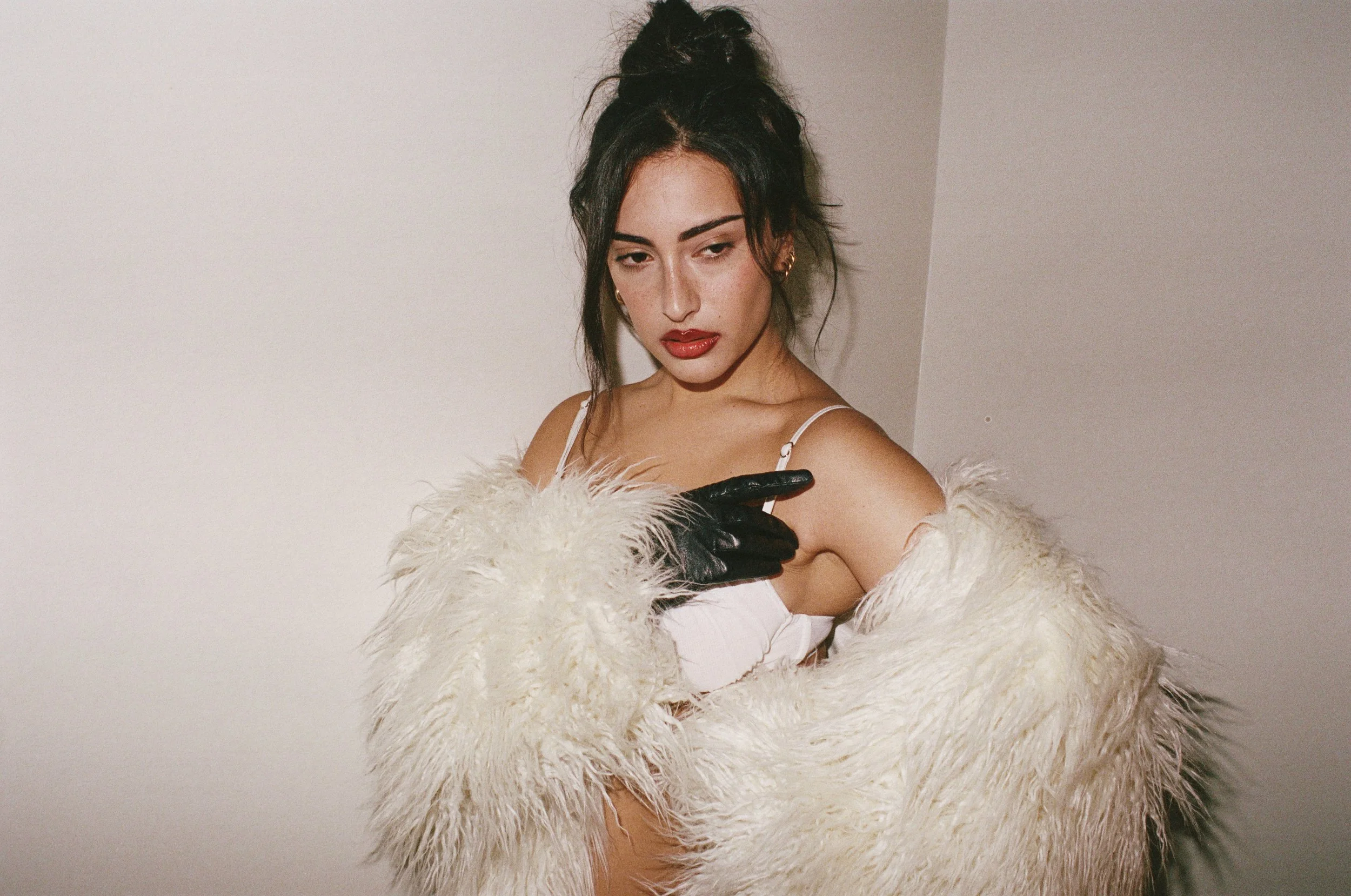
You’ve spoken about your interest in acting. What kinds of roles or stories would you love to explore?
Honestly, any role. That’s what I find so exciting about acting, the idea of stepping into characters you would never be in real life. I’ve loved acting since I was little. In my family, I was always the one imitating people and performing during gatherings. I’ve always enjoyed creating characters and imagining different scenarios.
Growing up in Tijuana, I didn’t really have easy access to start an acting career, and later I focused on modeling from the age of sixteen. For a long time, acting stayed more of a dream than a concrete goal because I was focused on my studies and then on building my career on social media. But I feel like this is the year I finally want to give it real space in my life.
I’m open to many types of roles, but I do feel naturally drawn to dramas and romantic comedies. I love characters who are confident, complex, sometimes a bit sharp but still charming. Those roles feel fun to play and very empowering.
You’re about to launch your own short interview format. What made you want to step into the role of host rather than just creator?
I’ve been wanting to host a show for years. When I was doing my Master’s in journalism at Central Saint Martins, I already knew this was something I wanted to do. Then social media started working for me, so I put that project on the side to focus on building my career. But I never really let the idea go.
I often think back to my graduation in 2024, when I gave a speech for our Master’s class and shared the stage with Amelia Dimoldenberg, who also studied at my school. Everything she shared about how she started, her journalism background, and how she built her show ‘Chicken Shop Date‘, has always been a huge inspiration to me. That moment of us both sharing stage felt like a sign.
It has only been two years since I’ve been doing social media seriously. I was very focused on building my career, getting my life together, and not living on a budget anymore. Last summer, I also felt slightly demotivated creatively, and I started to feel ready for a next step. After a conversation I had with a future guest of the show, I told him my idea and he instantly started adding to it, expanding it, and seeing the potential. That really motivated me to finally start it for real.
Even though being a content creator is what I enjoy the most in the world, I could feel I was ready to step into something new and ask myself “What’s next?” Having my last degree be in journalism, and having a real love for conversations and meeting people, made this feel like the most natural answer to that question.
Without giving too much away, what kind of energy can we expect from this new series, and how does it reflect who you are right now?
The energy will be fun, deep, cinematic, and very night-driven. I wanted the show to feel close to how I actually experience life. I believe the best conversations are the deep ones that happen with a fun twist, in unexpected places, with unexpected people. That’s exactly the spirit of the series.
Nightlife, glamour, chic, and fun are all part of the DNA. Why did you want the conversations to live in that space specifically?
Because some of the most honest conversations happen at night. There is something about being dressed up, a bit tired, a bit excited, that makes people more open and spontaneous. I wanted to capture that atmosphere where glamour and vulnerability can exist at the same time, as I live it all the time.
Hosting interviews in one of Paris’s most iconic locations feels very intentional. What does Paris represent to you creatively?
Paris is home for me. It’s the city that transformed me into who I am, the city that made me dream of who I want to become, and the one that gave me the tools to actually go for it.
When people ask me how I learned French, I say it was by partying. I went through a phase where I was out almost every night, meeting French strangers, having long conversations, and slowly finding my confidence in another language. It’s always easier to practice after a glass, in a spontaneous moment with someone new. Nightlife gave me that fearlessness.
A big part of my creativity, my stories, and even some of my best advice, has come from nights out. Anywhere in the world, but I have to admit Paris has given me the most unforgettable ones. So when the location for the show appeared naturally, it felt meant to be. As I was building the project, a friend told me he was involved in re-opening one of the most iconic places in Paris, and immediately I knew it aligned perfectly with the concept and the spirit of the series.
How important is it for you that this series feels intimate rather than promotional?
It’s essential. The whole point of the show is to create something intimate and honest, almost as a contrast to overly commercial content. As an influencer, my daily work is often linked to brands and visibility, but with this project I wanted the focus to be on the guest and on the art of conversation.
Even when looking for a sponsor to support the production, I knew it had to be a brand I genuinely connect with. This is also what I mean by intention and motive. Otherwise it would feel too promotional and would break the authenticity of the concept. I’m genuinely excited about everyone involved in this project, they all inspire me. Their energy and vision have really shaped the idea and the soul of the show. It means a lot to me.
TEAM CREDITS:
photographer JULIEN COUSTILLAC
makeup MARIEKE THIBAUT by MAC COSMETICS
hair ARNAUD BOUJON
