
interview by JANA LETONJA
For nearly three decades, Seka Aleksić has been one of the most recognizable and influential figures in Balkan music, building a career defined by chart-topping hits, fearless self-expression, and an unmistakable presence that transcends the stage. With millions of devoted fans, a social media following of over 2.3 million, and a reputation for challenging expectations, Seka has evolved into much more than a music icon. An outspoken advocate for social issues, individuality, and LGBTQ+ visibility, she continues to use her platform to celebrate authenticity and freedom of expression. Her latest album, Femme Fatale, marks another chapter in her artistic evolution, while two sold-out concerts at Zagreb Arena reaffirm her extraordinary cultural impact.
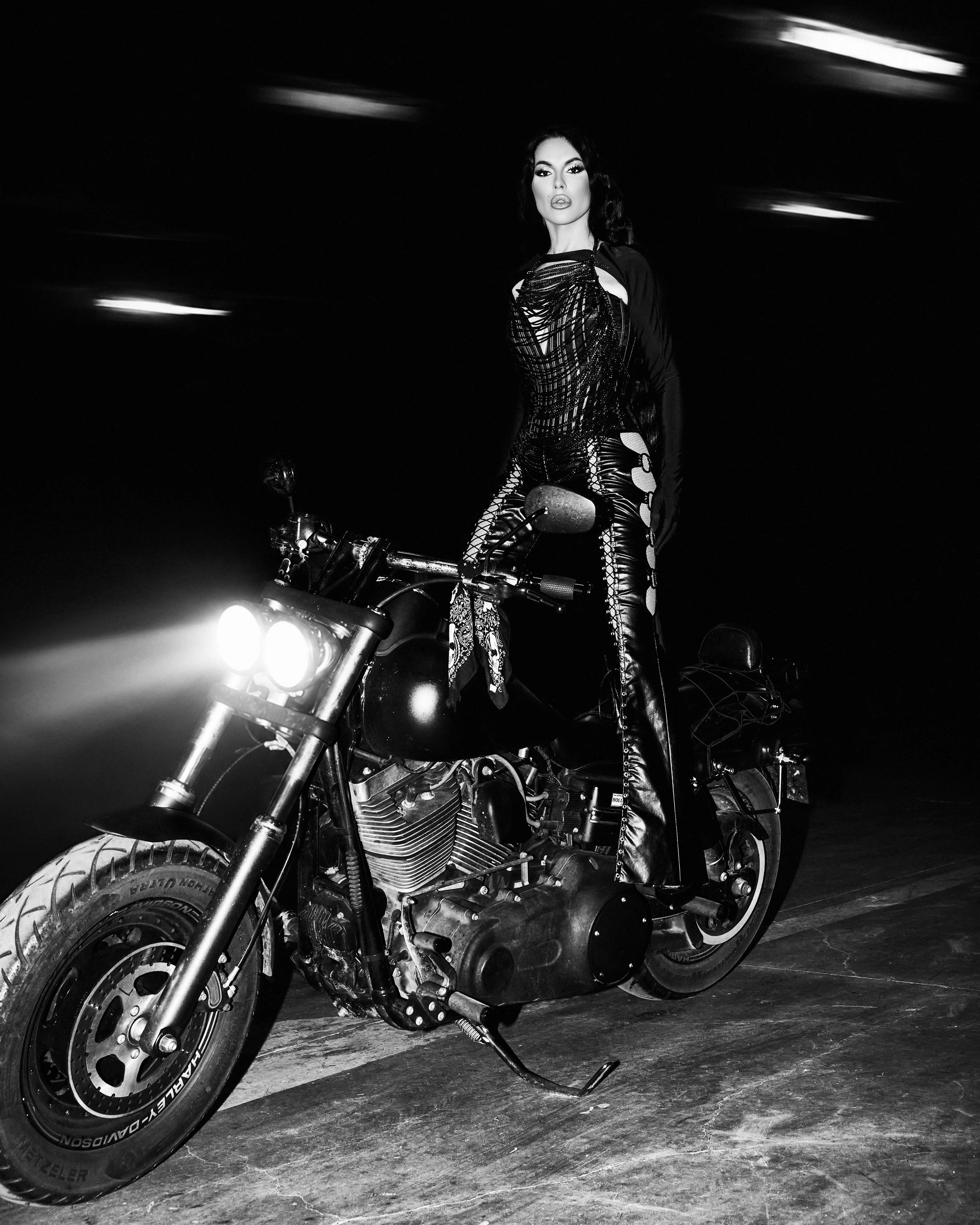
You have spent nearly three decades in the spotlight, constantly changing and evolving while remaining true to yourself. Which parts of Seka Aleksić have changed the most over the years, and what has remained completely unchanged?
I believe the greatest privilege of having a long career is the opportunity to discover so many different versions of yourself. I am not the same woman who stepped onto the stage almost three decades ago. And I wouldn’t want to be.
My priorities have changed, as has the way I perceive success, people, relationships, and even my own vulnerabilities. There was a time when I felt the need to prove my worth. Today, I no longer feel the need to prove anything to anyone.
But there is something that has never changed, my essence. That little girl who dared to dream big, who believed that life could be so much greater than the circumstances she was born into, still lives inside me. I’ve learned that true power doesn’t come from how many people know who you are, but from how deeply you know yourself.
Today, I am calmer, yet far more courageous. Softer, yet infinitely stronger. And perhaps that is the most beautiful gift the years have given me, the freedom to be everything I am, without needing anyone’s approval.
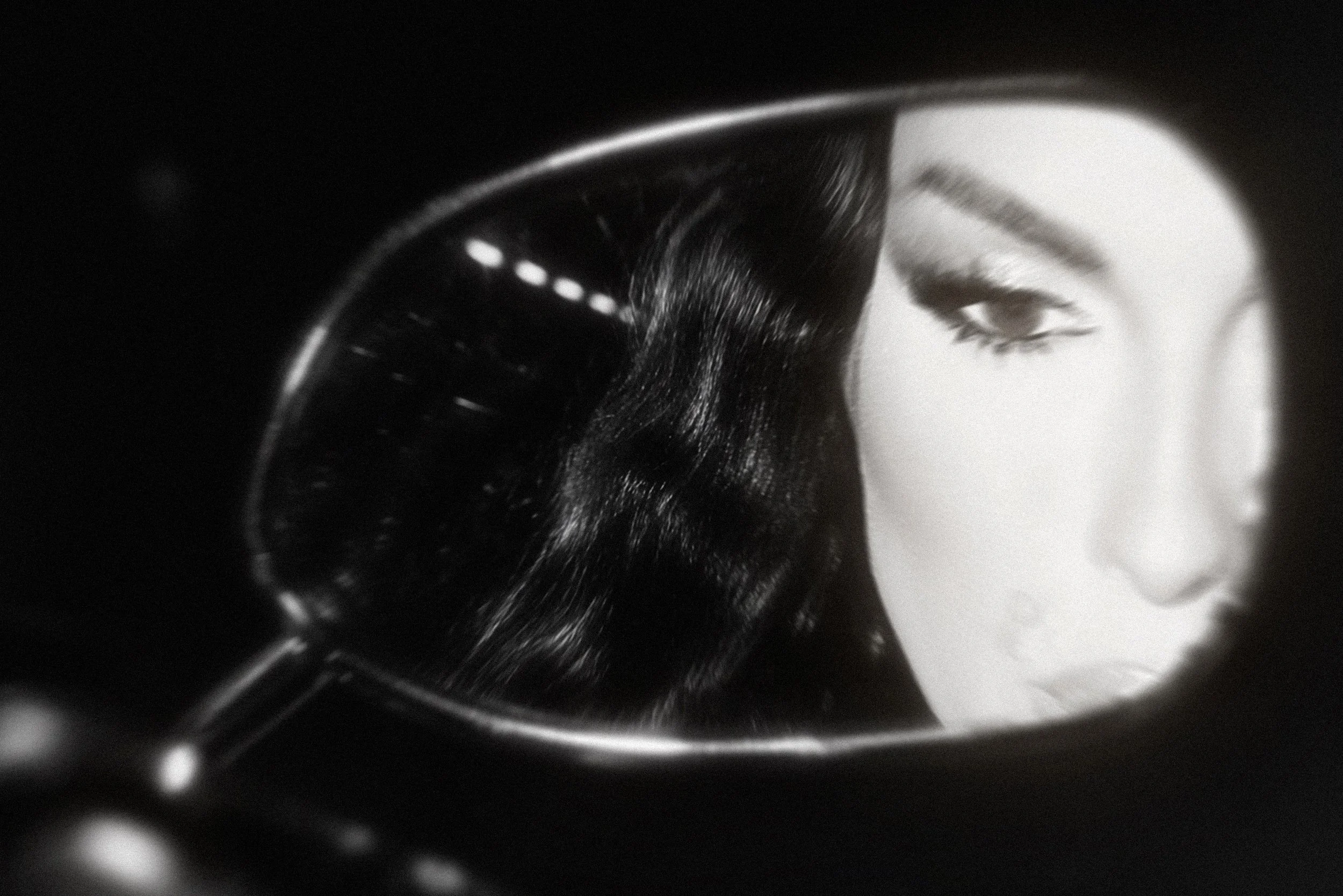
Your latest album is titled Femme Fatale — a term associated with power, seduction, mystery, and independence. What does being a femme fatale personally mean to you, and how does this concept reflect the new era of your career?
To me, a femme fatale is not a woman who seduces men. She is a woman who has conquered herself. A woman who knows her worth, who refuses to apologize for her ambition, her sexuality, her success, or her choices. A woman who doesn’t ask for permission to be who she is.
I think we have lived for far too long in a world where female strength has been portrayed as something dangerous. If you’re confident, you’re arrogant. If you’re sensual, you’re provocative. If you’re successful, you’re too ambitious. And I ask myself, why should a woman have to choose between any of these things?
Femme Fatale, to me, is a celebration of all our contradictions. I can be a mother, a wife, an artist, a businesswoman, gentle and vulnerable, and at the same time completely fearless.
This chapter of my career is not about trying to become a new Seka. It is about finally being free enough to reveal everything I have always been. And you know what? I believe a woman becomes most dangerous the moment she stops being afraid of her own greatness.
Throughout your career, you have explored different expressions of femininity — from glamorous and provocative to intimate and vulnerable. Do you believe that strong, powerful women still make people uncomfortable, particularly in the Balkans?
Absolutely. And I think that is one of the greatest paradoxes of our society. Everyone admires strong women, until their strength begins to challenge someone’s idea of where a woman belongs.
The Balkans are home to incredibly strong women. Our mothers, our grandmothers, women who raised families, survived wars, poverty, injustice, and extraordinary hardships. Yet when a woman expresses that same strength publicly, when she becomes financially independent, outspoken, successful, and unapologetically herself, suddenly there is an urge to silence her.
Throughout my career, people have repeatedly tried to explain to me what kind of woman I should be. How I should look, what I should say, how provocative I should be, and how respectable I should appear. Fortunately, obedience has never been one of my greatest talents.
I believe a strong woman is not a threat to anyone who is secure in themselves. She only unsettles those who believe that female freedom should have limits. And I believe boundaries exist to be questioned, not blindly accepted.
The public usually sees extravagant fashion, confidence, and your striking, almost larger-than-life personality. Who is Seka when the cameras stop rolling, the makeup comes off, and the audience disappears?
Probably a much simpler woman than people imagine. When the lights go out, I am a woman who loves nothing more than being at home with her family. A mother who takes care of her children, a wife, a woman who loves peace, nature, animals, her home, and the little rituals that make life beautiful.
There is something almost magical about that contrast. One evening, I can be standing in front of twenty thousand people, surrounded by lights, music, costumes, and extraordinary energy. And the very next morning, I can be sitting at home without makeup, holding a cup of coffee, wondering what we’re going to make for lunch.
And both of those worlds belong equally to me. People often think glamour and simplicity are opposites. I believe the greatest luxury is having the freedom to enjoy both. I don’t want my children to grow up believing their mother is important because she is famous. I want them to understand that what truly matters is the kind of person you are when nobody is watching. On stage, I am Seka Aleksić. At home, I am simply Mom. And believe me, that is the most important role of my life.
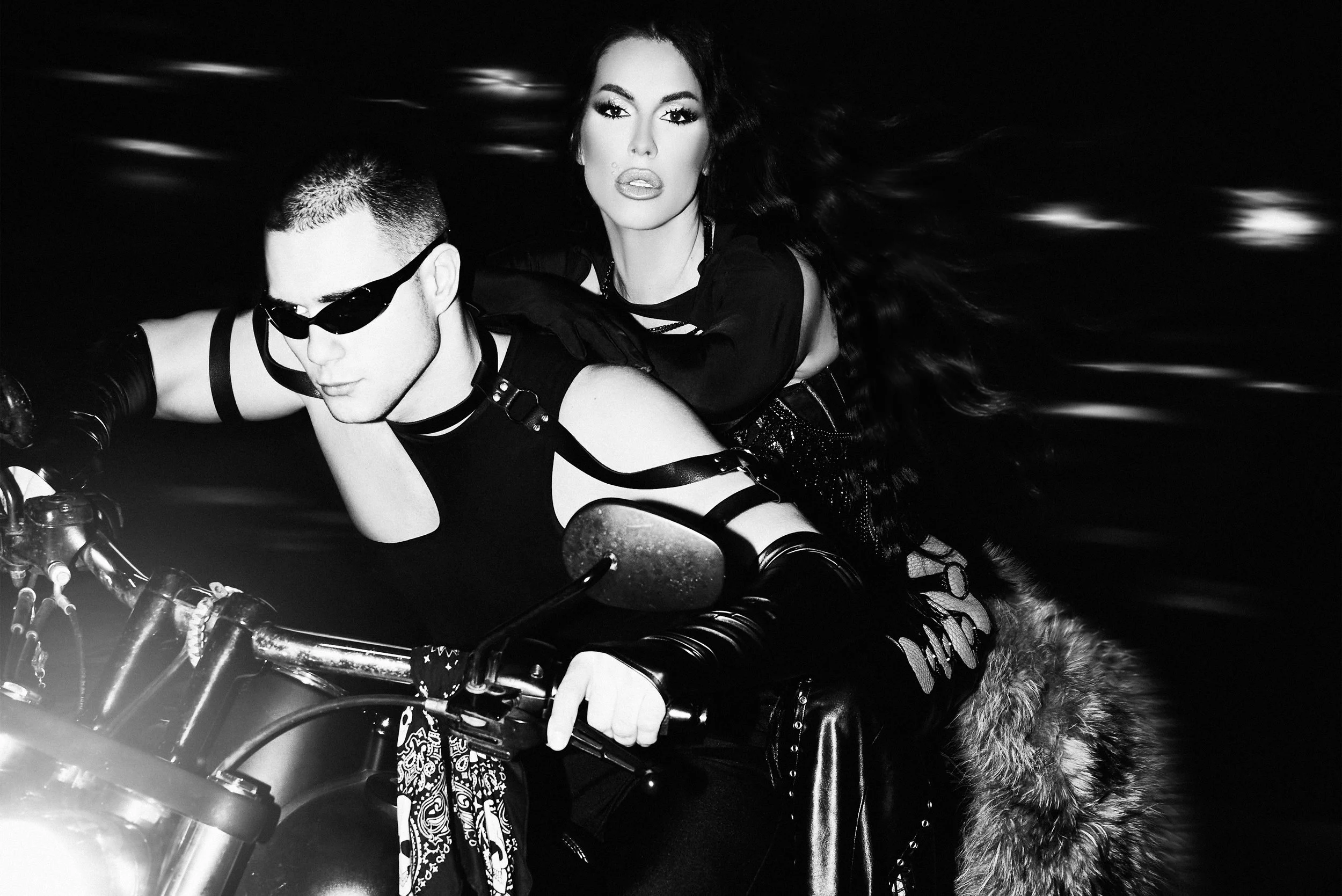
Fashion has always been an important part of your visual identity. Do you see clothing as a form of artistic expression, a kind of armor, or perhaps a way of communicating messages that music cannot?
Fashion, to me, is a visual language. It speaks before you even say a word. I have never believed that an artist should express themselves through only one medium. Music is my first love, but fashion gives me the opportunity to create an entire universe around it.
I love theatricality, dramatic silhouettes, unexpected combinations, and pieces that provoke a reaction. I’m not interested in fashion that exists simply to be accepted. I’m interested in fashion that has character. Sometimes clothing is my armor, sometimes it’s my playground, and sometimes it’s a very clear statement. But it is never just a piece of fabric.
Through my own brand, Second Skin 555, I have explored even further how deeply clothing can be connected to identity, freedom, and the way we experience our own bodies.
I think one of the biggest mistakes people make is dismissing fashion as superficial. The way we choose to present ourselves to the world often reveals a great deal about our inner world. And I have never wanted to be a woman who dresses to fit in. I would much rather be the woman who makes people question why the rules were created in the first place.
You have a special connection with the LGBTQ+ community, and many of your queer fans consider you an icon. What does that relationship mean to you, and what do you think creates such a powerful bond between queer audiences and female pop stars?
That relationship means far more to me than the connection between an artist and an audience. It is a love that has grown over the years through mutual recognition, understanding, and respect.
I believe queer audiences have an extraordinary ability to recognize authenticity. They can sense when someone is genuine, when someone isn’t playing a role, and when someone has the courage to be different.
And throughout my entire life, I have, in many ways, refused to conform to expectations. Perhaps that is where our worlds meet. In that shared desire to be free, to love without fear, to look the way we want, and to refuse to let others define our identities.
It is especially moving when someone tells me that my music helped them through a difficult time, helped them accept themselves, or made them feel less alone. But I want to make something very clear, the LGBTQ+ community does not exist simply to celebrate pop divas. These are people who deserve respect, safety, dignity, and equal rights every single day, not only when the spotlight is on.
If someone calls me their icon, I consider that an enormous honor, but also a responsibility. Because genuine love for your audience is not measured only by the applause you receive from them, but by your willingness to stand beside them when it truly matters.
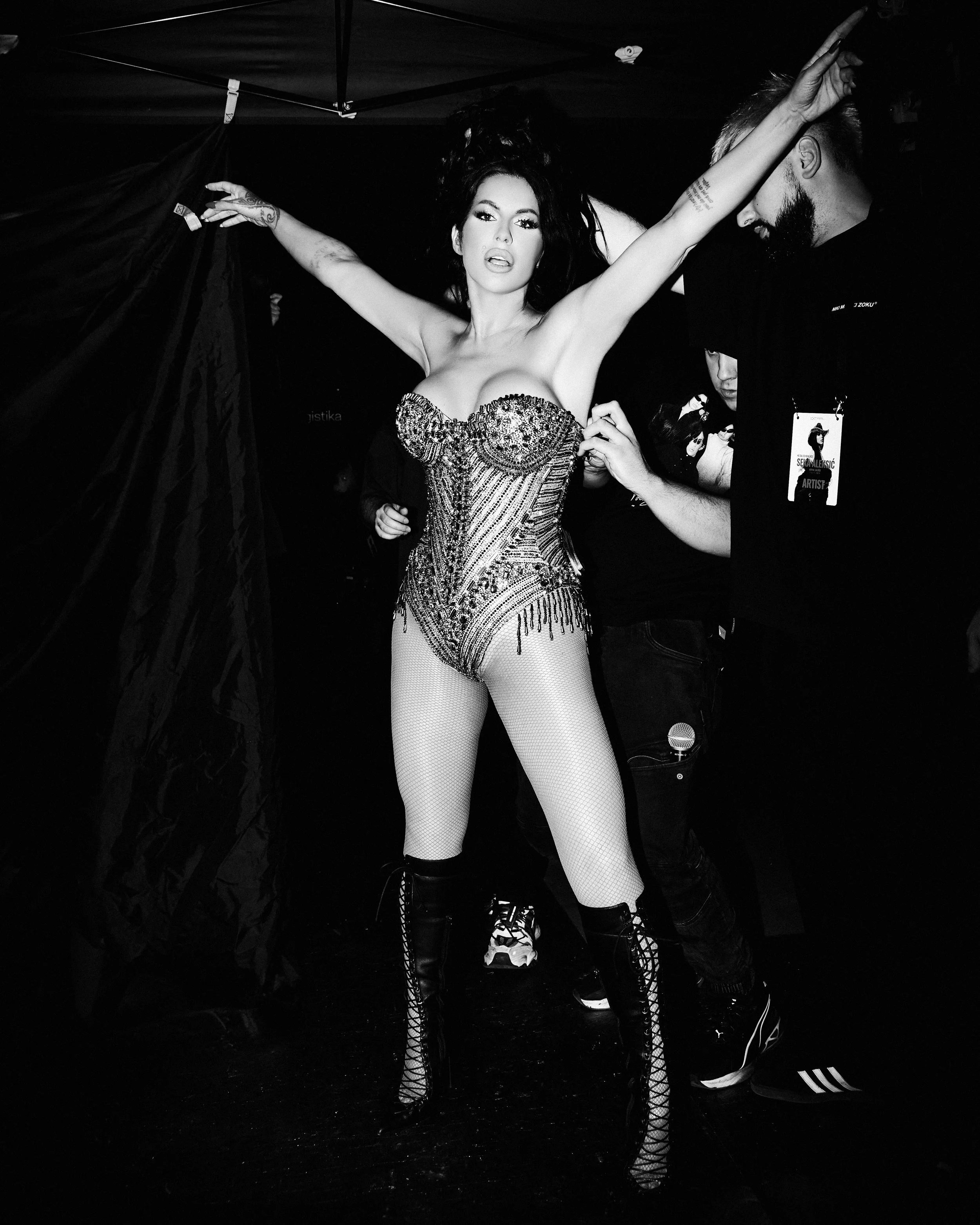
In a region where conversations about identity, equality, and LGBTQ+ rights can still be controversial, you have never shied away from speaking publicly about social issues. Have you ever felt pressure to remain silent, and what gives you the courage to express your views openly?
Of course there is pressure. We live in a society where remaining silent is sometimes much easier than speaking about what you believe in. But I have never wanted my career to become more important than my conscience.
I don’t believe every public figure has to comment on every social issue. However, when we are talking about fundamental human rights, dignity, violence, discrimination, or the freedom to be who you are, I don’t think there is much room for calculation. I often hear people say that artists should stay out of these conversations. But artists are part of society. We don’t live in some parallel universe where only music, spotlights, and applause exist.
I have two children, and I want them to grow up in a world where they won’t judge people based on whom they love, how they look, where they come from, or how much money they have.
I don’t consider myself particularly brave for speaking about these things. To me, it is a matter of basic humanity. And if speaking my truth costs me someone’s approval, that is a price I am willing to pay. Because popularity that depends on your silence has never represented true freedom to me.
Balkan pop and turbo-folk have often been misunderstood or underestimated by cultural circles, despite their undeniable influence on fashion, nightlife, and contemporary youth culture. Do you believe this musical genre is finally receiving the cultural recognition it deserves?
I think it is about time we stopped apologizing for the music that millions of people love. For decades, there has been a certain cultural arrogance toward Balkan popular music, as though artistic value must somehow be proportional to how inaccessible something is to the general public.
I believe quite the opposite. There is extraordinary artistic power in the ability to touch millions of people through a song, people of different generations, educational backgrounds, origins, and social classes. Our music has shaped fashion, language, nightlife, aesthetics, and the emotional identity of entire generations. That is not something that can simply be ignored.
Two sold-out concerts at Zagreb Arena, forty thousand people singing the same songs, to me, that represents much more than commercial success. It is a cultural phenomenon. And I don’t believe we need the approval of any cultural elite to understand its value.
Of course, every musical genre has artists of varying quality. But quality is not determined by a genre label. It is determined by what an artist creates and what they leave behind. Popular music does not need to prove that it belongs to culture. It has been an inseparable part of culture for decades. Perhaps the time has simply come for those who have spent years looking down on it to finally acknowledge that.
You belong to a generation of performers who became stars long before social media existed, yet you have successfully built a digital audience of several million people. How has the meaning of celebrity and fame changed for you? Have social media platforms made artists more accessible to their audiences, or have they also made them more exposed?
I come from a time when you had to step onto a stage and prove who you were. There was no algorithm that could turn you into a star overnight. There was music, an audience, hard work, and years spent building trust.
Today, we live in a completely different world. Someone can become globally famous in twenty-four hours and be forgotten just a few weeks later. I think that is the greatest difference between popularity and a career.
Social media has given us an incredible opportunity to communicate directly with the people who love us. I genuinely value that closeness. I enjoy sharing my sense of humor, everyday moments, imperfections, and parts of my life that have absolutely nothing to do with the glamorous image of a celebrity. But there is another side to it. Today, artists are almost expected to be available twenty-four hours a day, constantly explain their decisions, and turn every aspect of their private lives into content. I have no desire to live that way. My audience deserves my art, my honesty, and my respect. But my family deserves its privacy.
I believe that in the digital age, the greatest luxury is having the ability to decide what you will not share. And one more thing, millions of followers are impressive, but no number on a screen could ever replace the moment when twenty thousand people sing your song in unison. That is the true power of music. And no algorithm can manufacture it.
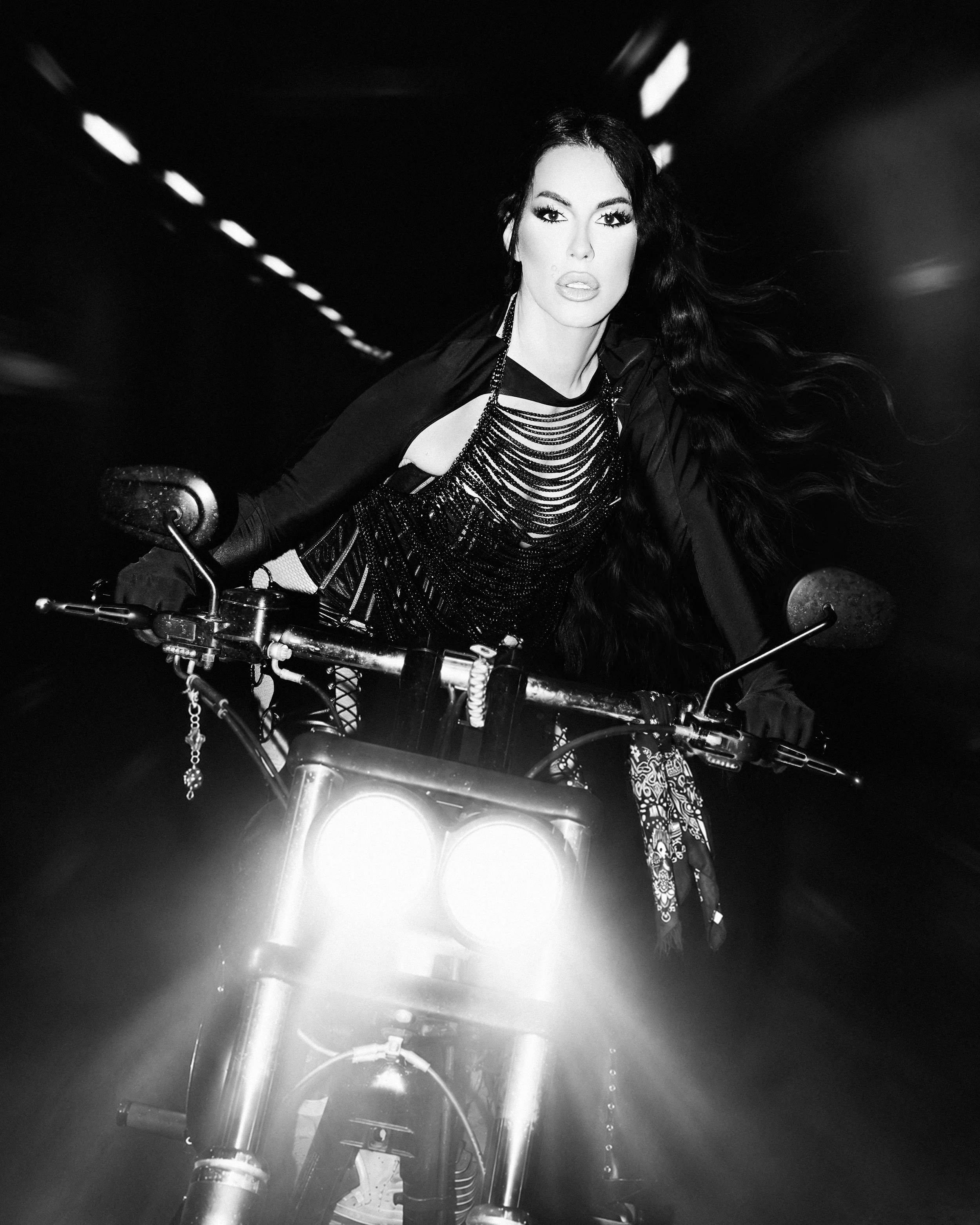
The entertainment industry places enormous pressure on women to constantly appear youthful, desirable, and reinvent themselves. How has your relationship with beauty and aging evolved over the years, and have you learned to reject certain expectations imposed on women in the public eye?I believe one of the greatest problems in modern society is that we have imposed the idea on women that youth is their most valuable asset. As though every passing year takes something away from us, rather than giving us experience, wisdom, confidence, and an entirely new kind of beauty.
I love beauty. I love skincare, fashion, makeup, aesthetics, and everything that can bring women pleasure and joy. I have no issue with cosmetic procedures when they are a personal choice. The problem begins when a woman starts believing she must change herself in order to deserve love, attention, or respect.
Today, I feel far more beautiful than I did at twenty. Not because I look younger, but because I know myself so much better. I no longer see my body as a project that constantly needs fixing. It is my home. It has carried me through so many stages of life, given me two children, endured thousands of performances, and held so many emotions. Why would I ever treat it as an enemy?
I want women to understand that there is no expiration date on femininity, sensuality, ambition, or success. I don’t want to be a younger version of myself. I want to be the best version of the woman I am today. And aging? Aging is a privilege. I think we should all learn to respect it a little more.
After decades of success, sold-out arenas, and countless transformations, you seem to be entering another important chapter of your career. Is there something you still dream of achieving that might surprise even your most devoted fans?
Of course. I believe that the moment a person stops dreaming is the moment they stop truly living. And perhaps this will surprise some people, but today I feel as though I am only at the beginning of an entirely new chapter.
The two sold-out concerts at Zagreb Arena were among the most emotional moments of my career. Forty thousand people, two nights, so much love that it is almost impossible to put into words. But what excites me most is that after all of that, I didn’t think, “That’s it. I’ve made it. Now I can stop.”
Quite the opposite. I thought, “Just imagine what else we could create.”
I want my music to continue traveling, crossing borders, and connecting with different cultures, sounds, and artists. I dream of ambitious artistic projects, unexpected collaborations, and concerts that are not simply musical events, but experiences people will remember for the rest of their lives.
But there is also a much more intimate ambition. One day, when I look back at everything I have accomplished, I want to be able to say that I never lost myself while trying to conquer the world. Because today I understand that success is not only about how far you go, but also about what you manage to preserve along the way.
And if you’re asking whether there is still something my audience hasn’t seen from me, absolutely. So much. But I’m not going to reveal everything. A woman should always keep a little mystery. After all, the album is called Femme Fatale.
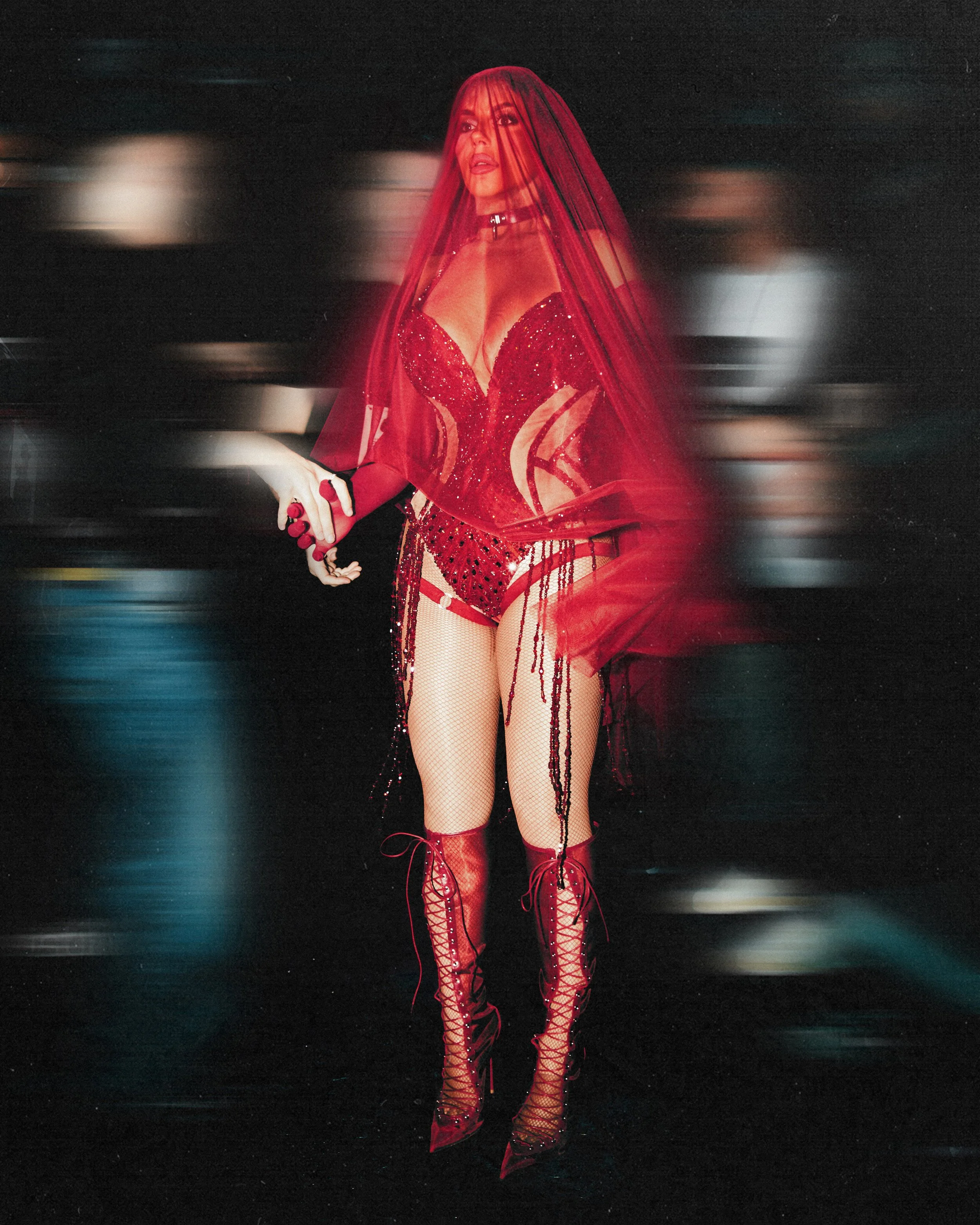
TEAM CREDITS:
photography DAN CRISTIAN GOCAN
creative direction VLADIMIR GAŠIĆ
hair and makeup KRISTIJAN PASHOSKI
costume design STEFAN GOLUBOVIĆ
