
IN CONVERSATION WITH SEPT
Interview by Samo Šajn
Sept has become one of the most influential and forward-thinking figures within Poland’s evolving electronic music scene, shaping not only its sound but also its wider creative culture. Beyond his work as a DJ and producer, Sept has played a key role in building immersive experiences through event curation, artistic direction, and the launch of OPUS, a multidisciplinary platform that merges music, visual art, and contemporary club culture through both a label and event series. With releases on respected imprints including CLERGY, Bpitch, Flash Recordings, and KYSH, alongside appearances on platforms such as Boiler Room, Mixmag, HÖR, and Slam Radio, Sept has steadily built an international reputation for hypnotic, emotionally layered techno. Now, with the release of his highly anticipated EP Bridge to Your Heart on 27th May, he continues pushing his sound into more atmospheric and introspective territory, balancing tension, melancholy, and euphoric release across a deeply immersive body of work.
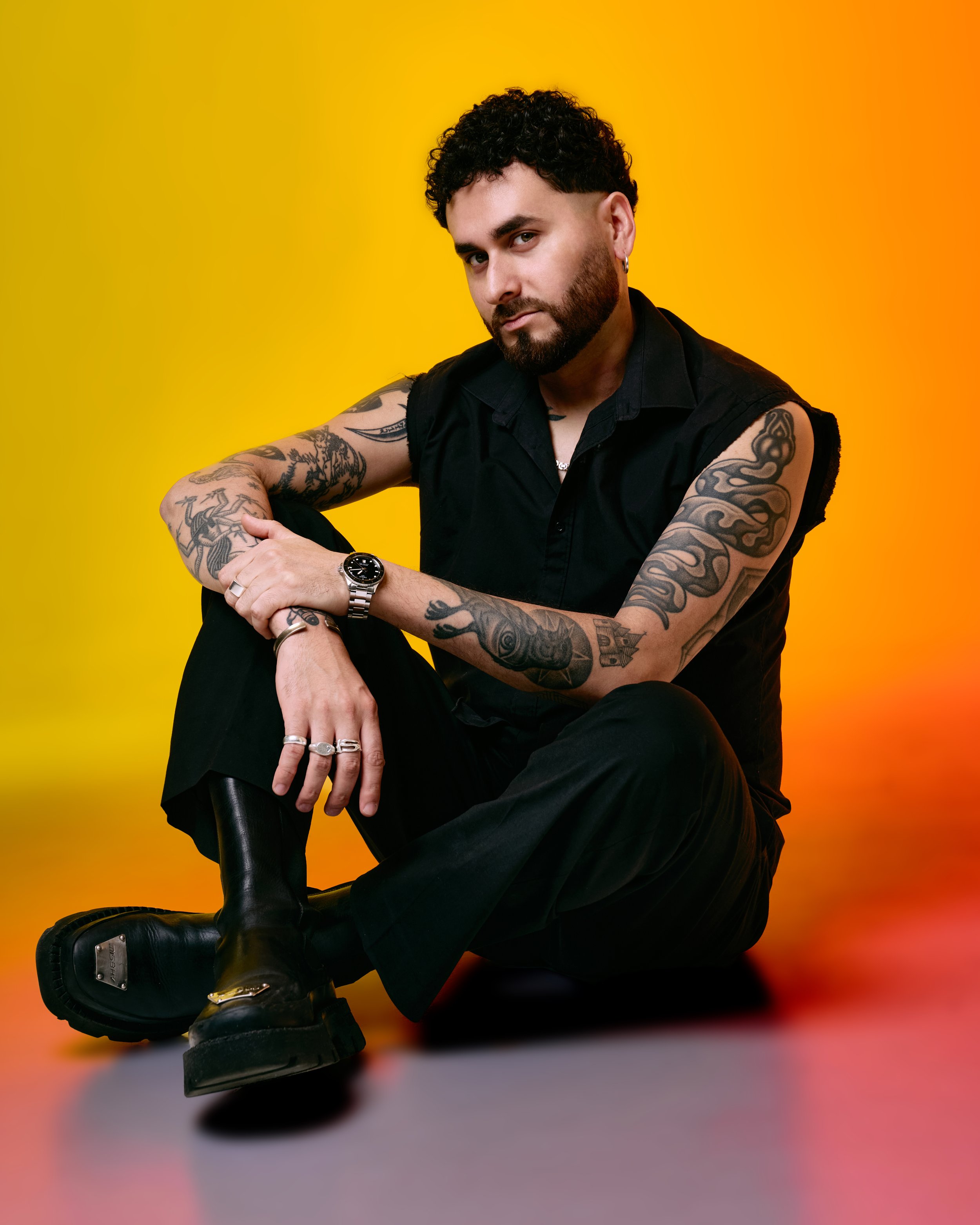
Your new EP Bridge to Your Heart has a really emotional and atmospheric feel to it. What was inspiring you while making it?
While making Bridge to Your Heart, the whole concept behind the project was about emotionally connecting people through music. I wanted the EP to encourage reflection, to make people slow down for a moment and truly focus on listening, while also activating their imagination and personal memories.
For me, music is one of the strongest emotional carriers that exists. I think almost everyone has certain tracks that instantly bring them back to very specific moments in life, sometimes positive memories, sometimes difficult ones. I experience that myself a lot. There are songs that immediately transport me to certain moments from the past.
That’s why the idea of this project was to create a strong emotional charge and allow listeners to connect the music with their own experiences and feelings. I wanted the tracks to feel personal in a way that people could interpret differently depending on their own lives and memories.
At the same time, it was also very important for me not to forget that these are still tracks made for the dance floor. I still wanted the EP to carry physical energy and movement, something that can emotionally affect people while they are together in a club space and connected through the dance floor experience.
You’ve helped shape the Polish techno scene for years, not just as a DJ but also through organising events. How has that experience influenced your music?
Through organising events, I had the opportunity not only to invite artists from all around the globe and listen to their music closely, but also to spend time with them, observe their approach, and get to know them personally. That gave me a much broader perspective not only musically, but also in terms of personal growth. Meeting so many different artists and creative people definitely had an influence on me as a person as well.
Every year of gathering those experiences made me more confident in what I was doing and more certain that I was moving in the right direction.
It also taught me how important atmosphere, community, and emotional connection are within electronic music culture. Those experiences definitely influenced the way I approach my creative output.
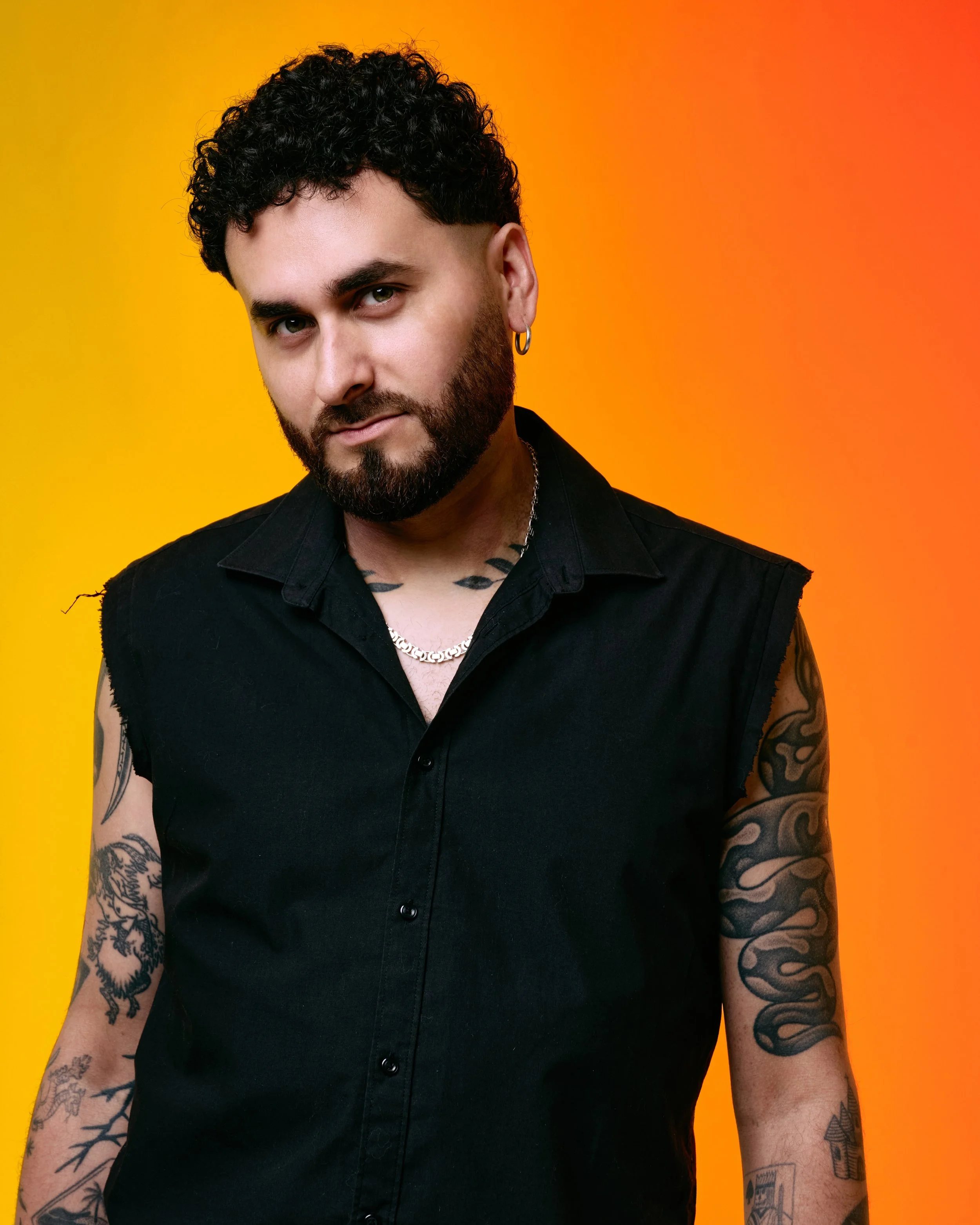
With OPUS, you’re mixing music, visual art, and events together. What made you want to create something bigger than just a record label?
In the beginning, OPUS was supposed to be only an event series at Crackhouse, the club where I’ve been a resident almost since the very beginning of its existence.
The idea actually came from a conversation with Danté (club booker), who suggested that I should start my own residency event series there. Interestingly, that moment also coincided with a major artistic shift in my life. I was slowly moving away from playing harder and more aggressive music and becoming more interested again in slightly slower, more minimalist but still driving techno, almost like returning to my roots.
At the same time, I also started reflecting a lot on how people consume music nowadays. Social media, especially platforms like Instagram and TikTok with short-form content and reels, have really changed the way music is experienced. Everything became very fast, very disposable, and often quite superficial.
Personally, I wanted to create something that encourages presence and long-term artistic value instead of constantly chasing fast consumption and trends. That’s why OPUS gradually became something bigger than just a label or party series. I wanted it to feel like a complete artistic project focused on timeless music, deeper experiences, and appreciation of craftsmanship.
That’s also why visual art became such an important part of the identity. The hand-painted artworks, for example, are meaningful because they represent time, dedication, and real human effort from the artists creating them. In a world where everything moves faster and faster, I wanted to build something that values patience, creativity, and the many hours people spend developing their craft.
Some tracks on the EP feel darker and more personal, while others are more uplifting. Do you think a lot about emotions when making music?
I think there are actually two different types of workflows in the way I make music. The first type is when I already have a very clear vision from the beginning. In those cases, I usually know exactly what kind of atmosphere or emotional feeling I want to achieve, so the track already carries a very specific character from the first stages of production.
But there’s also a second type of process, which is much more based on experimentation and exploration. Sometimes I just start building sounds, testing different ideas, and following intuition without fully knowing where the track will end up. Very often, during that process, a certain sound or sequence suddenly creates an unexpected mood that surprises even me. When that happens, I usually follow that feeling and develop the whole track around that central idea through different variations and details.
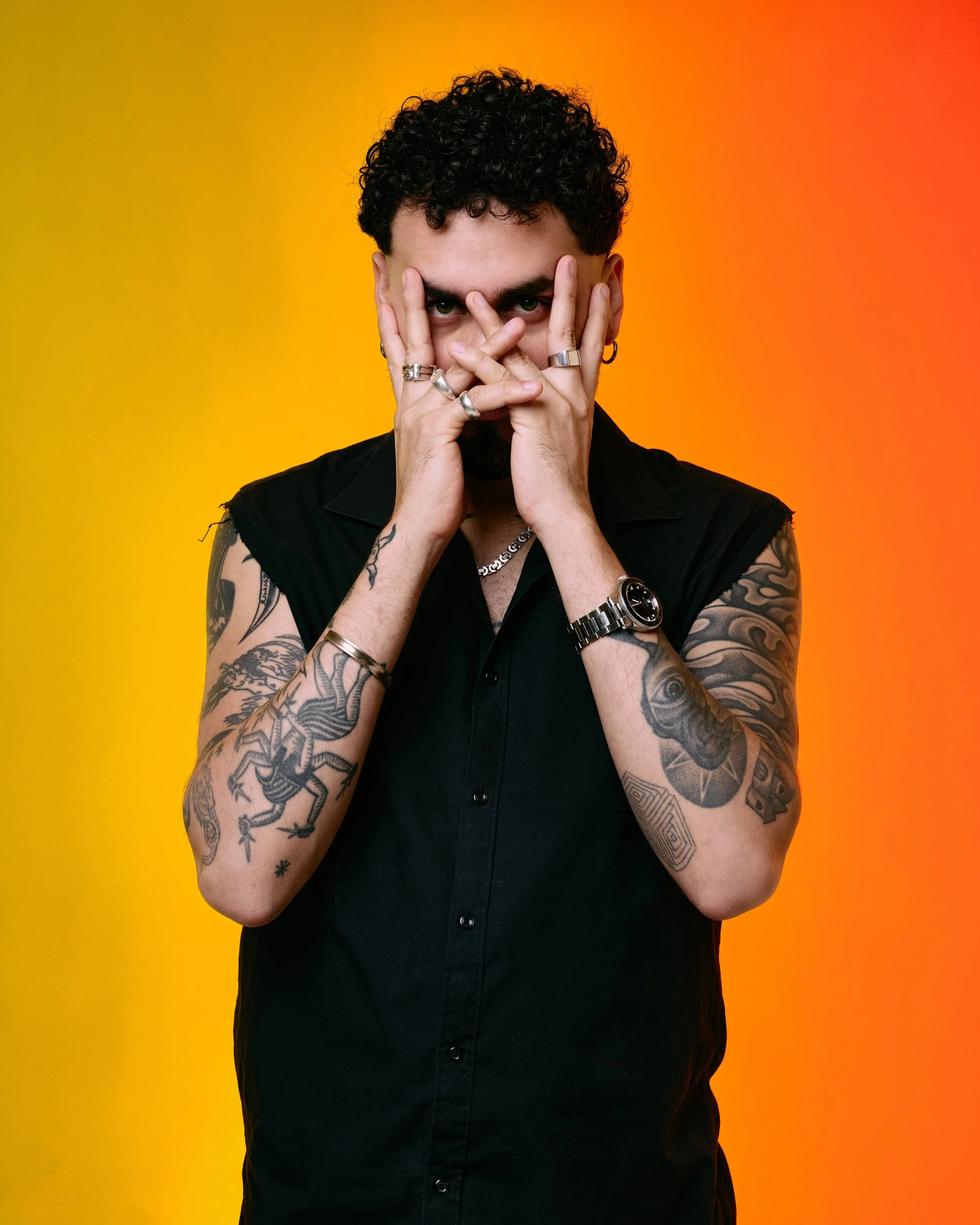
You’ve released music on labels like Bpitch and CLERGY, as well as your own OPUS label. What do you look for in a label or creative collaboration?
When it comes to collaborating with other labels, one of the most important things for me is that the music released there truly resonates with my artistic identity. I want to work with labels whose music I genuinely play in my sets and that have also inspired me creatively over the years.
You mentioned CLERGY, and I honestly have to say that it’s one of the labels that had a major influence on my musical taste as an artist. Since the very beginning of my DJ journey in 2015, I’ve been playing music from that label regularly in my sets.
Because I’ve been connected to that sound for such a long time, becoming part of the label itself was something very meaningful to me. It was honestly one of those artistic goals I carried for many years.
So I’m very grateful to Cleric for believing in my music and trusting my artistic direction, because being part of the CLERGY catalogue was always somewhere in the sphere of my artistic dreams.
You’ve played for platforms like Boiler Room and HÖR. Do you approach recorded sets differently from playing in a club?
With streamed sets, you usually have around one hour, so when I play for platforms like Boiler Room or HÖR Berlin, I often want to showcase my DJ skills more directly. Because of that, I usually mix tracks faster and keep the energy moving constantly.
In clubs, it’s a bit different. Most of the time, I play for at least two hours, but sometimes even up to ten hours when it’s an all-night-long format. In those situations, I’m much more interested in longer transitions, bolder combinations, and a different type of musical selection.
Longer club sets also give me much more space to build a story and create a very specific atmosphere over time. Because of that, club performances feel much more spontaneous to me, since I have more freedom to react naturally to the crowd and the energy in the room.
Streaming performances are definitely more prepared and more structured, but that doesn’t mean there’s no improvisation involved. It’s not like every transition is planned second by second, like a prerecorded mix. Usually, I prepare a playlist or a musical direction beforehand, and then during the set I still follow my intuition and play what feels right in the moment.
Your music balances energy with emotion really well. Do you think people are looking for something deeper from techno right now?
I think there’s definitely a growing group of people who are becoming tired of this very fast way of consuming content, and naturally music has also become part of that process. A lot of things today are consumed instantly and forgotten just as quickly, and with this release I really wanted to speak more to listeners who are looking for something deeper and timeless.
At the same time, I don’t think everyone has to approach music in this idealistic way. That’s completely natural. But I do believe techno is a genre that isn’t necessarily meant to be fully understood by everyone, and maybe that’s part of its beauty. Its repetitive patterns, sometimes even seemingly monotonous on the first listen, contain subtle nuances and details that are constantly evolving within the sound.
Those small changes, textures, and tensions can create something deeply hypnotic and immersive if people allow themselves to really listen carefully.
