
IN CONVERSATION WITH SIÂN BROOKE
interview by JANA LETONJA
Fresh from her 2026 BAFTA TV Leading Actress nomination, Siân Brooke continues to establish herself as one of Britain’s most compelling screen performers. Best known for her acclaimed portrayal of Grace Ellis in the BAFTA-winning BBC drama Blue Lights, Siân has captivated audiences with a performance that balances strength, vulnerability and quiet resilience. As Blue Lights prepares to return for its highly anticipated fourth season this autumn, she also appears in the latest series of Trying and The Undeclared War, adding to a remarkable body of work that includes Sherlock, House of the Dragon, Supacell, Good Omens and The Moorside. We spoke to Siân about the enduring success of Blue Lights, the evolution of Grace, and a career defined by memorable, complex women.
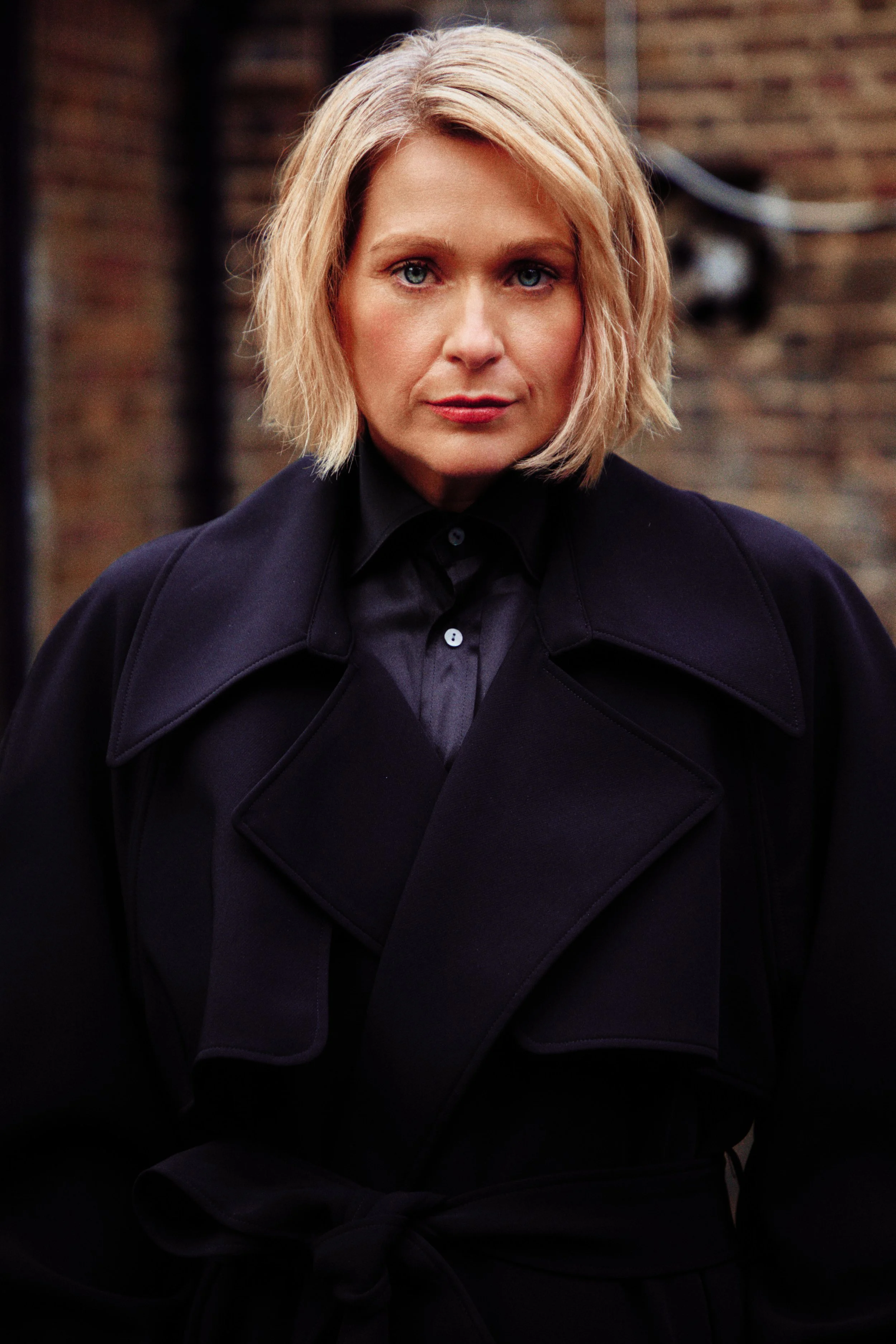
Congratulations on your BAFTA TV Leading Actress nomination. What did that recognition mean to you personally?
I was blown away to have been nominated, and what made it particularly special for me was that it is voted for by your peers and people who work within the industry. I found out on set whilst we were filming series 4 of Blue Lights so I was surrounded by all the cast and crew which made it feel even more special.
Blue Lights has become one of the UK’s defining dramas in recent years. Why do you think the series has resonated so deeply with audiences?
I think because it has heart and it’s rooted in a very well researched reality. It’s a love letter to Belfast, written by people who know that place and care about the stories they share. I also think people have fallen in love with the characters within this world, ordinary people doing extraordinary work who have warmth, humour, but who also make mistake.
Grace Ellis has evolved enormously since the first season. How has your understanding of her changed over the course of the series?
Looking back, I think she was naively optimistic about what she might be able to achieve in this new profession when she changed from social worker to rookie police officer. And as the show has progressed, I think she’s much more realistic. Some would say slightly ground down by the job, but I think she still has that underlying dogged determination at her core. She’s also blossomed because of her relationship with Stevie. Before she met him, I think she was fiercely independent and slightly closed off personally, but through their relationship I think she’s learned to trust again.
Without giving too much away, what can viewers expect from Grace in season four?
She is desperate to progress in the Force, and because of her experience as a detective in series 3, I think she feels she may have found her calling. She’s desperate to continue that work, but she’s frustrated it isn’t happening as fast as she’d hoped. There is also a young person who really tests Grace’s compassion and patience when her personal safety and anonymity is threatened. It’s quite interesting to see her deal with that.
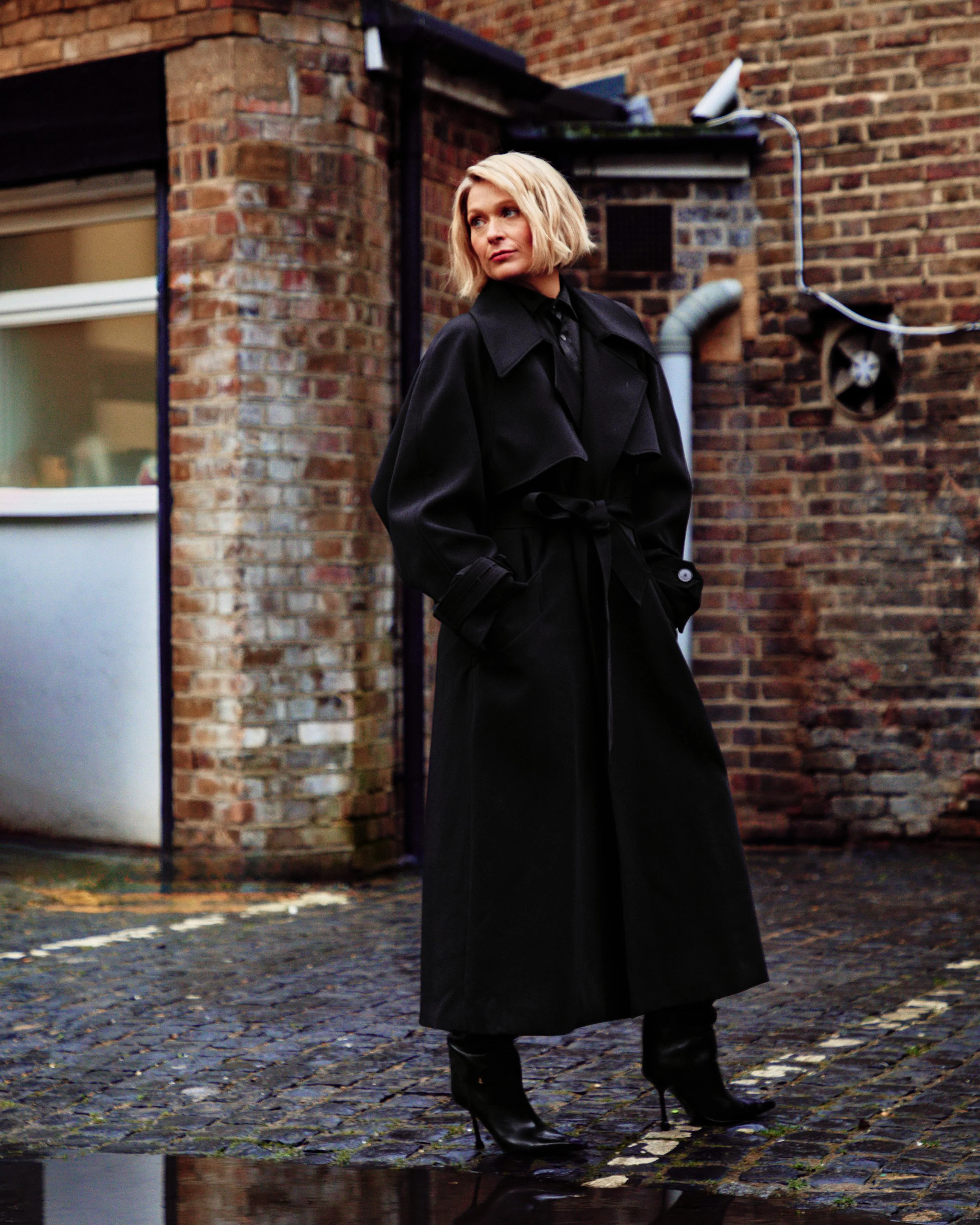
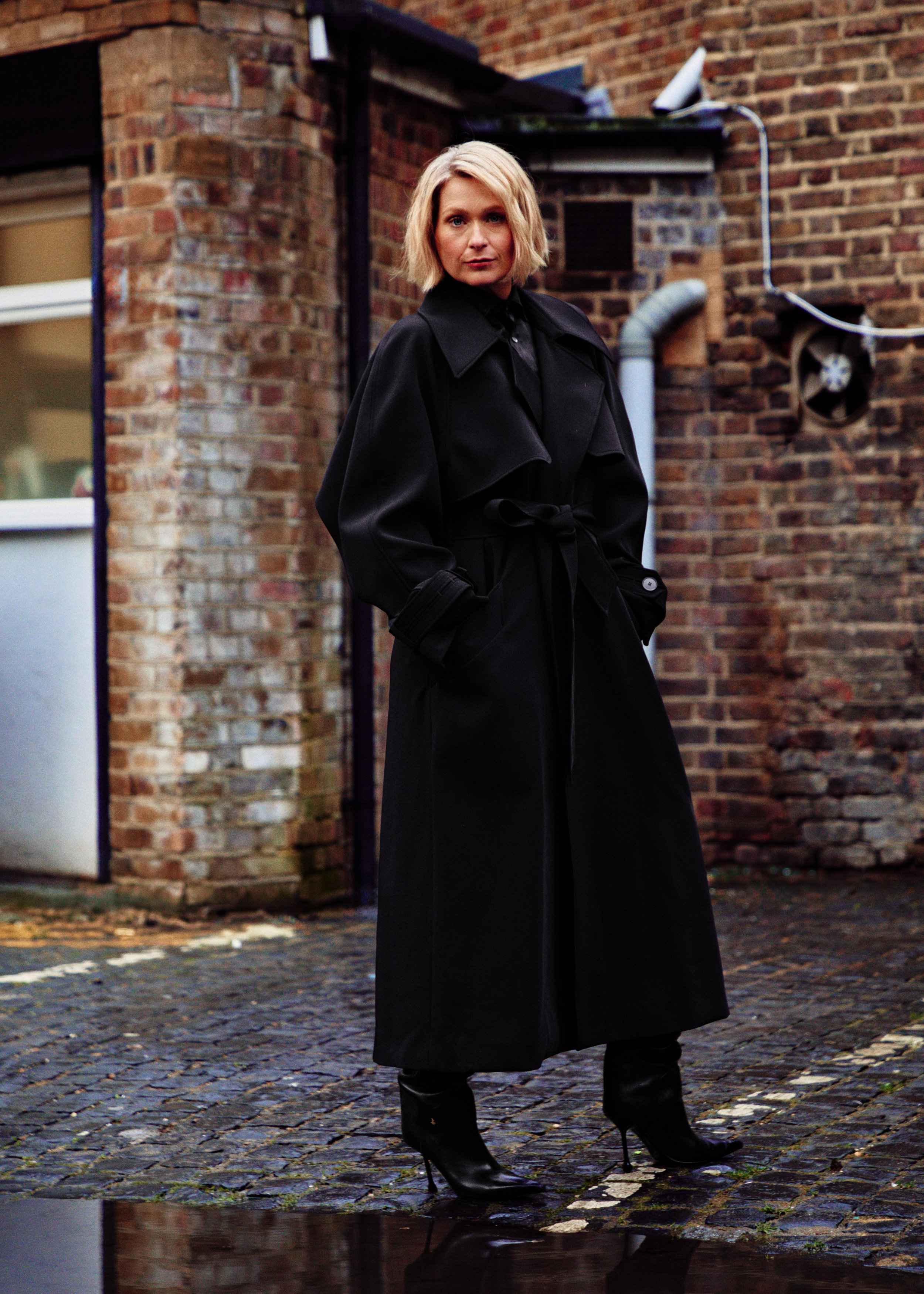
Blue Lights explores policing through a deeply human lens. What conversations has the series sparked for you?
My father was a police officer so that world was very familiar to me growing up, but I think being part of this show has given me a deeper understanding about the dangers my Dad faced, how he might have had a day at work dealing with some horrific things, but then had to compartmentalise that when he came home to his family. My Dad and I have talked a lot more about his work since I started Blue Lights, which has been an unexpected gift.
Grace often carries so much internally. How do you prepare for a character who communicates so much through silence and subtlety?
We have been extremely blessed to work on the series for four years now and over that time, I think you get to play with the subtleties of the world and the characters that you’re exploring . As a cast, we have got to know each other so well over the years and I’m sure that feeds in to the filming and the dynamics of the show. As you grow with the character, you can sit more comfortably in those silences.
You’ve moved seamlessly between intimate dramas and major global franchises. Is there something you look for in every role, regardless of scale?
Great writing, that is always the driving force and the beginning of everything. That, together with interesting characters. In my most recent project, The Undeclared War, my character Barbara was a real departure from Grace and other characters that I’ve played over recent years. She fascinated me and her journey is so brilliantly complex, so there’s a lot to get your teeth into. She also spoke fluent Mandarin and Cantonese and I do like a challenge.
You’ve recently appeared in Trying and joined The Undeclared War. What drew you to those projects?
Again, I think it’s the fantastic writing and characters. I have always loved playing Karen in Trying, she’s somewhat ‘Marmite’ in that she’s extremely opinionated and doesn’t care if she ever offends anyone. Very different from Grace who is so socially aware.
Across your career, you’ve portrayed women who are resilient, layered and often underestimated. Is that something you consciously seek out?
It’s always more interesting to play people who are beautifully complex, as there’s more to play with as an actor. At the same time as filming Blue Lights, I was filming series 2 of Supacell for Netflix in which I play a woman who seems devoid of any empathy and the things she does are so shocking at times. It was a delight to play someone so morally questionable.
Having worked across such a wide range of genres, are there any stories or characters you still hope to explore?
I’d love to do a period drama. I haven’t done one in such a long time, but I’m putting it out to the Universe.
Who have been the biggest creative influences on your career, either as actors or directors?
So many people. I would say Mike Leigh was a big influence, I worked with him on a theatre show some time ago, but I’d always wanted to experience his process and it’s something I return to again and again. I’ve been lucky to work with a lot of fantastic actors over the years, too many to mention, but I do think that you develop as an artist every time you work with different people . Paul McGuigan, the director of The Undeclared War was a real gift to work with. His attention to detail was an absolute joy for an actor. His vision and commitment was intoxicating, he is a very clever individual.
When you’re not working, how do you switch off from emotionally demanding roles?
Spending time with my family and being a mum. Working away from home can often be the hardest part of the job, but I just relish getting back and doing normal thing with my family - walking, cooking a meal or watching Race Across the World whilst eating Tacos on a Saturday night.
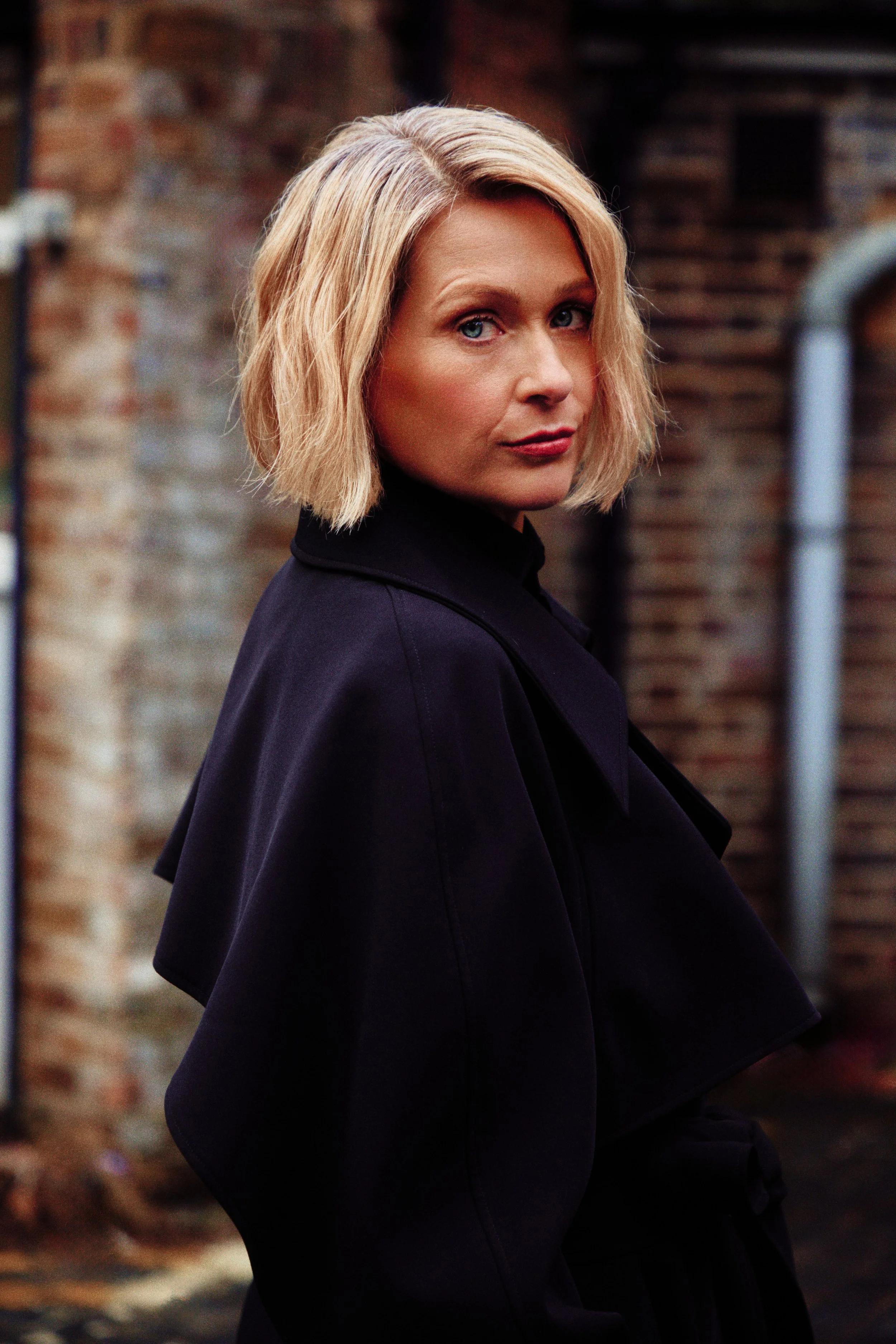
TEAM CREDITS:
talent SIÂN BROOKE
photography RYAN SARADJOLA
styling PRUE FISHER
hair and makeup MARIA COMPARETTO
interview JANA LETONJA