
Interview by Samo Šajn
Slim Soledad is a Brazilian DJ and producer from Guarulhos, shaped by São Paulo’s underground scene. Blending techno, baile funk, and experimental club sounds, her music explores movement, freedom, and identity. Now based in Milan, she is a key figure in the Latin club and queer underground scenes. Her debut album “Noches Calientes De La Soledad” is on the way, with “Pudor,” the third and final single from the album, out on 13th February.
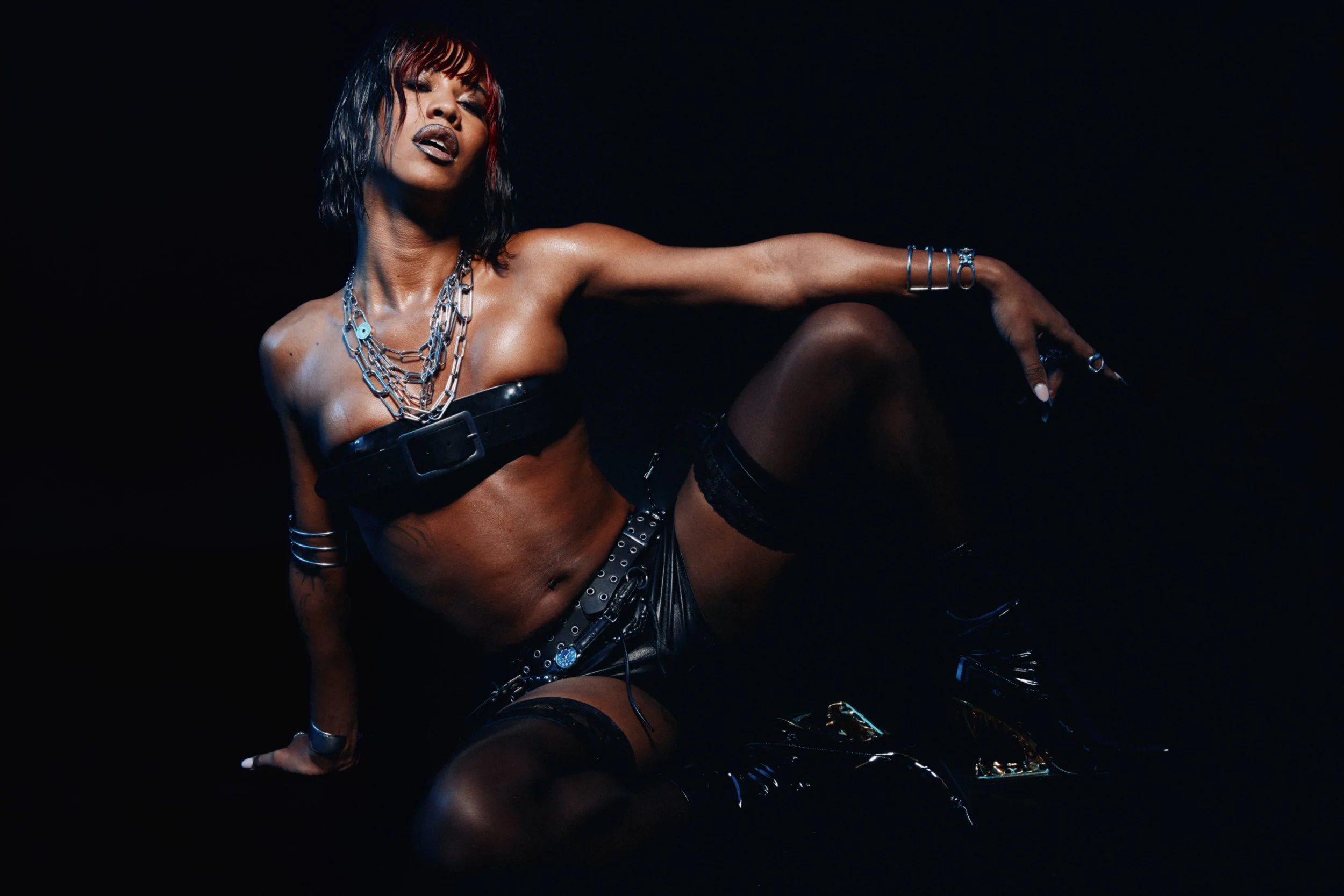
Carnival is coming up and it’s such a big moment for Brazilian culture. What does Carnival mean to you personally, and how does it connect with the underground music scene you come from?
For me, Carnival is about freedom. It’s about celebrating, dancing, sweating, being together, and stepping out of everyday life for a moment. In Brazil, Carnival has always been a space where people can become who they want to be, even if just for a few days.
I feel a strong connection between Carnival and the underground and queer scenes, because both are about occupying the streets, creating our own spaces, and expressing ourselves through music, bodies, and style. The idea of dressing up, playing with identities, and exaggerating aesthetics is something the queer community lives every day, not only during Carnival.
Of course, Carnival has changed a lot over the years. In cities like São Paulo, Rio de Janeiro, Salvador, Recife, and Belo Horizonte, the bloquinhos bring huge sound systems to the streets, mixing different genres and crowds. That energy, that chaos, that collective dance is very close to what I experience in clubs and underground parties.
Your music mixes techno, baile funk, and experimental sounds. How do you decide which elements to bring together in a track?
I think, in general, the elements choose me. Certain sounds attract me more sonically, and it becomes about how I curate them and where I see potential to mix different elements together. Sometimes what attracts me most in a track is a synth, other times it’s the kick, or the hi-hats, and from there I start building. Of course, that’s just one example. Inspiration can also come from other creative impulses and approaches.
“Mapoas Only” has a very playful and confident energy. What inspired that vibe?
The vibe for Mapoas Only was inspired by being a woman. “Amapo” in Pajubá means woman, and it’s a slang term widely used by the LGBTQIA+ community in Brazil. I know many people who say “Mapo” or “Mapoas,” and I wanted to use that name for the track title, since the track is about femininity. Clementaum was the first person I thought of to collaborate with on this song. When I sent it to her, she immediately saw its potential too. It felt like the idea was as clear to her as it was to me. We were both in the mood to create something fun, to talk about femininity in a playful and sexy way, and to fully embrace it.
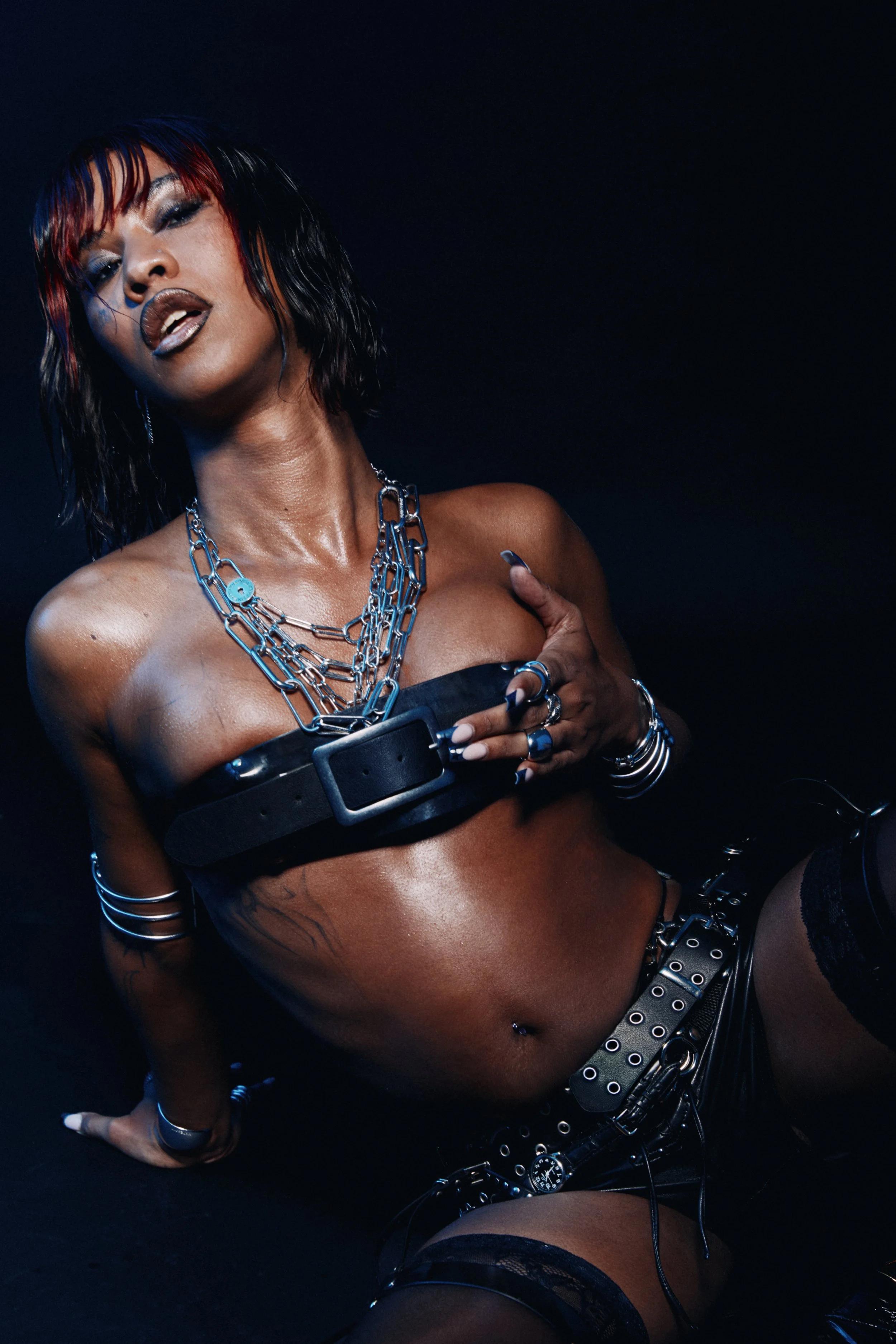
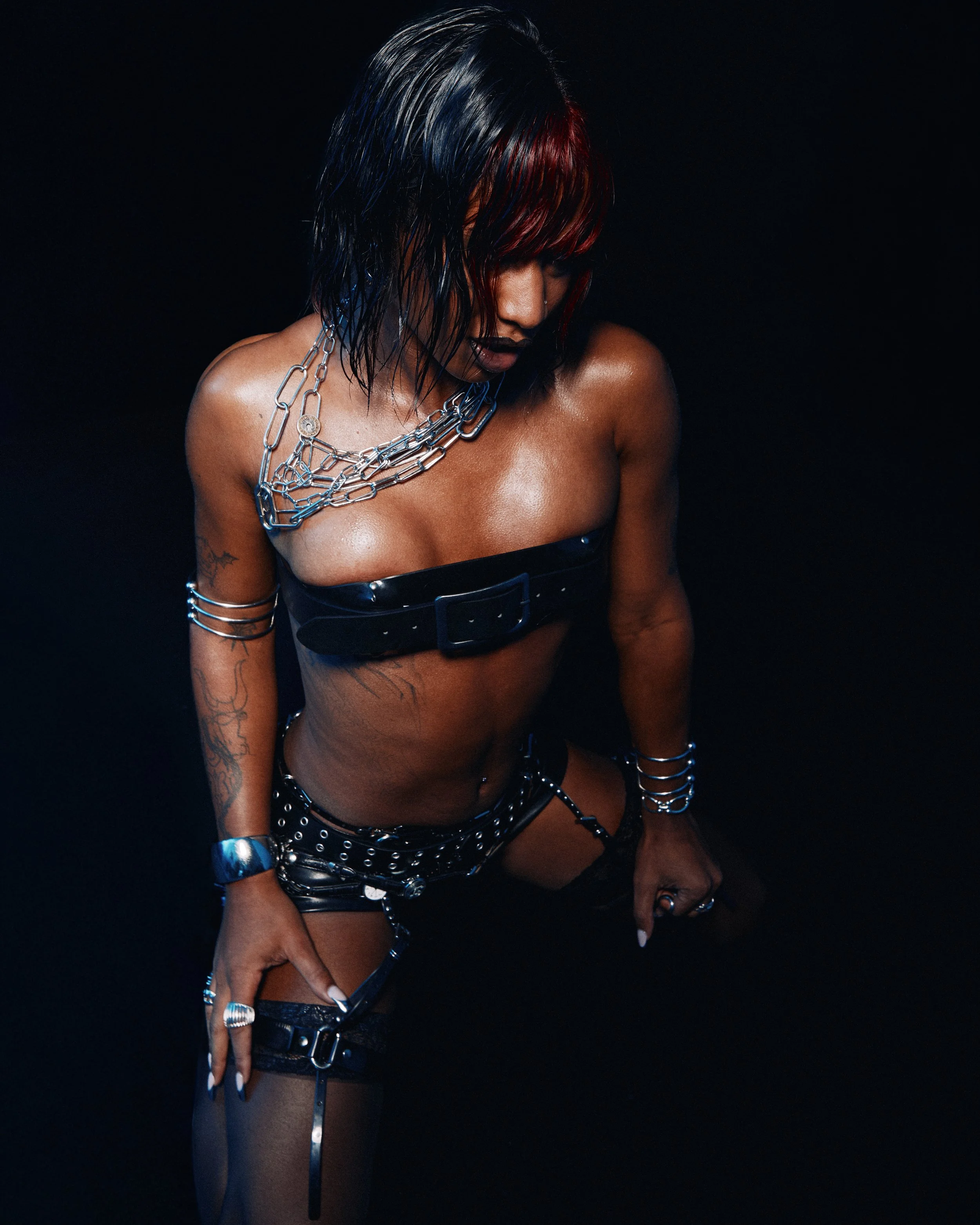
Can you describe a moment on stage that felt truly unforgettable to you? How do you approach creating a DJ set? Is it planned, improvised, or a mix of both?
My first time playing Dekmantel was an unforgettable moment. I think I managed to leave my mark there. I felt extremely connected to the audience that day, and the fact that I felt good about myself and my curation made me feel very calm during the set. Lately, I’ve been leaning more into improvisation. That has actually been the case for the past two years.
The Chernobyl Collective has helped bring LGBTQ+ Brazilian artists into the spotlight. How important is community to your work?
As a collective, we always thought of Chernobyl as a space where we could have the freedom to focus on the queer community. Most of our editions have always had that focus, bringing people together, creating bonds, and building a real sense of community. I don’t think I could do most of my work without the community. I’m very grateful for it and feel deeply welcomed, for the exchange, the support, and the shared energy. It’s where I was welcomed from the beginning, and I’m part of it.


What’s one challenge you’ve faced as a queer artist in the global electronic scene, and how did you overcome it?
I think, in general, we’re always underestimated by the industry and by people. I always knew it wouldn’t be easy, so I invested my time in doing quality work and constantly improving, so I wouldn’t become frustrated with the industry or with myself. Because beyond being queer, I am human, a woman, and a DJ. There have been many challenges, like feeling not good enough, not skilled enough, and dealing with constant comparisons. But everyone has their own journey, and mine isn’t the same as anyone else’s.
“Jetlag Queen” captures life in transit. How do airports, travel, and constant motion influence your creativity?
I love visiting new places, experiencing new cultures, trying foods I’ve never tasted before, and learning words in other languages. All of this really excites me. A little bit of each of these experiences inspires me, but meeting new people while traveling inspires me the most. Being on the move also helps me stay creative and keeps me inspired.
If someone new came to one of your shows, what would you want them to feel or take away from the experience?
I would want them to feel curious, to let themselves be carried away, and to be surprised, so that in the end they leave with the feeling of a warm, soft hug. It may sound abstract, but that’s exactly how I want people to feel.
