
IN CONVERSATION WITH STEFANIE GIESINGER
interview by JANA LETONJA
Stefanie Giesinger has never fit neatly into a single category. Rising to fame at just 16 after winning Germany’s Next Topmodel, she quickly became a fixture in the fashion world, but what followed has been a far more layered evolution. Today, she stands at the intersection of fashion, entrepreneurship, and advocacy, building a global platform that reaches millions while using her voice to push conversations around feminism, mental health, and modern womanhood. Through her podcast G Spot, Stefanie has created a space that feels both intimate and unfiltered, inviting guests from Jade Thirlwall to Zara Larsson into conversations that go far beyond surface-level. Alongside her media presence, she is shaping a new kind of business identity, co-founding ventures like Health Bar Matcha and investing in female-focused brands that prioritize sustainability and transparency. Named to the Forbes 30 Under 30 Europe list, she represents a generation redefining influence, not just as visibility, but as impact.
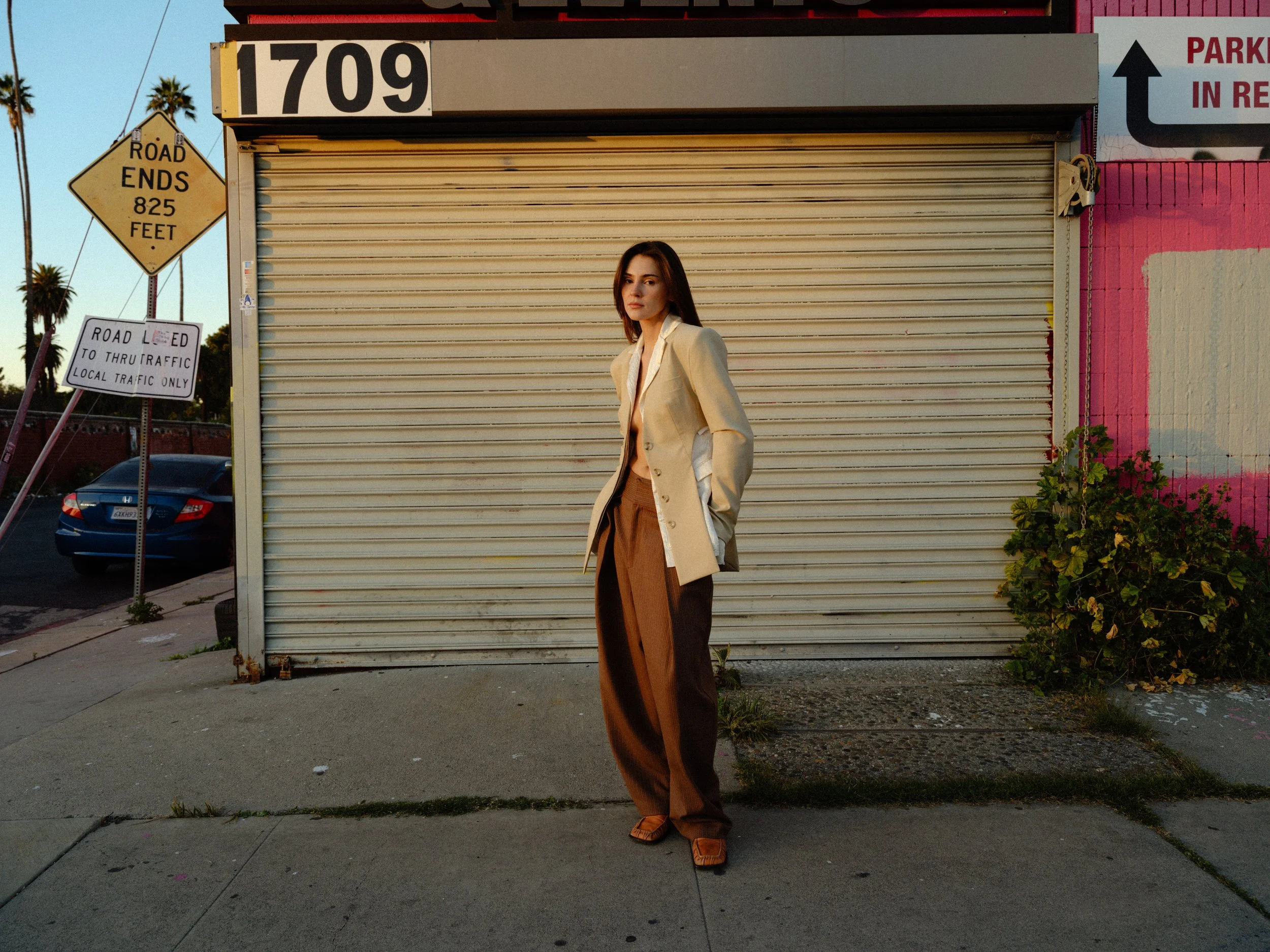
You first stepped into the spotlight at 16. How has your relationship with fame evolved since then?
At 16, fame felt almost like being handed a costume before I even knew who I was. It was exciting, validating, and also deeply confusing. I think in the beginning I associated visibility with worth. Today, it feels very different. I no longer see fame as something to chase, but as a tool, a language almost. It gives me the opportunity to shape conversations, build businesses, and create cultural spaces that feel meaningful. The biggest shift was learning that being seen and actually being known are two very different things.
Looking back, what did winning ‘Germany’s Next Topmodel’ really teach you about the industry?
It taught me discipline very early, but more importantly, it taught me how much of this industry is built on perception. Fashion and media are worlds of storytelling. You are constantly learning how images are created, how narratives are shaped, and how quickly people project things onto you. The real lesson was understanding that longevity comes from building substance behind the image. Beauty can open a door, but vision is what keeps you in the room.
You’ve built a career that goes far beyond modeling. When did you start thinking of yourself as an entrepreneur?
I think the shift happened when I stopped seeing opportunities as isolated jobs and started seeing them as part of an ecosystem. Modeling gave me access, but entrepreneurship came from asking bigger questions. What do I want to build? What values do I want attached to my name? How can creativity become ownership? Founding and investing in businesses made me realize I’m most fulfilled when I can merge instinct, aesthetics, and strategy.
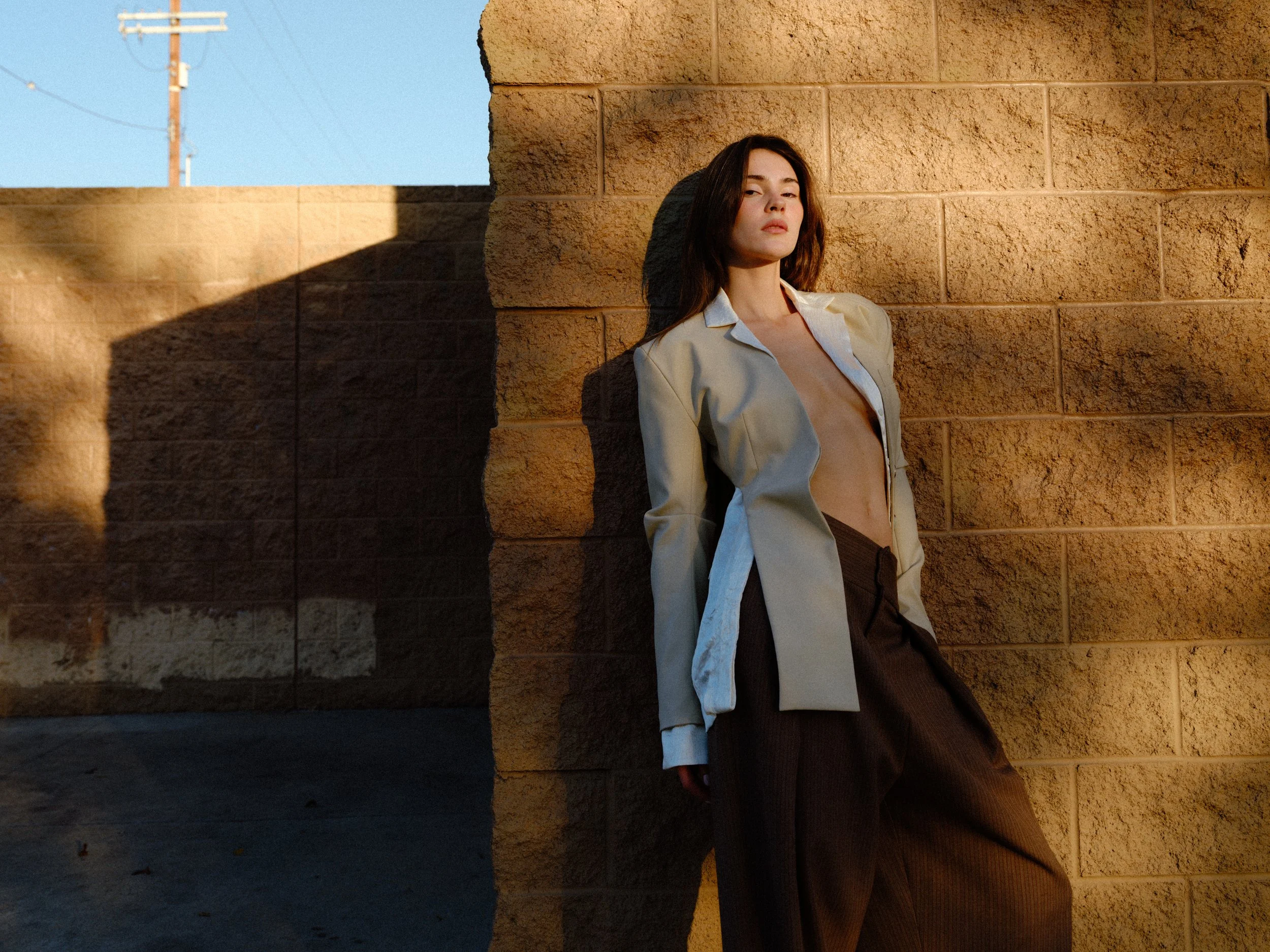
Your podcast G Spot dives into deeply personal topics. What made you want to create that kind of space?
I was craving a space where women could be complex without needing to be polished. So much of public life, especially for women, is about performance. I wanted the opposite. Honesty, contradiction, vulnerability, humor, all existing at once. G Spot became a place to explore the emotional and cultural layers behind the lives we present outwardly. It’s intimate, but it’s also political in the sense that personal stories shape the way we move through the world.
What have been some of the most surprising or impactful conversations you’ve had on the podcast?
The most impactful conversations are usually the ones that reveal something universal through something deeply personal. Episodes around female socialization, self-worth, grief, relationships, and identity tend to resonate the most because they remind us how connected our private experiences really are. I’m always moved by how often guests say something they thought was uniquely theirs, and suddenly thousands of women feel seen in it.
You speak openly about mental health. How has that journey shaped both your personal life and your work?
Mental health has changed the way I define success. There was a time when productivity, likability, and external validation were the metrics. Now I think more about nervous system, alignment, and emotional sustainability. In my personal life it taught me boundaries, rest, and honesty. In my work, it made me much more intentional. I choose projects, people, and partnerships based on whether they support my inner life, not just my public one.
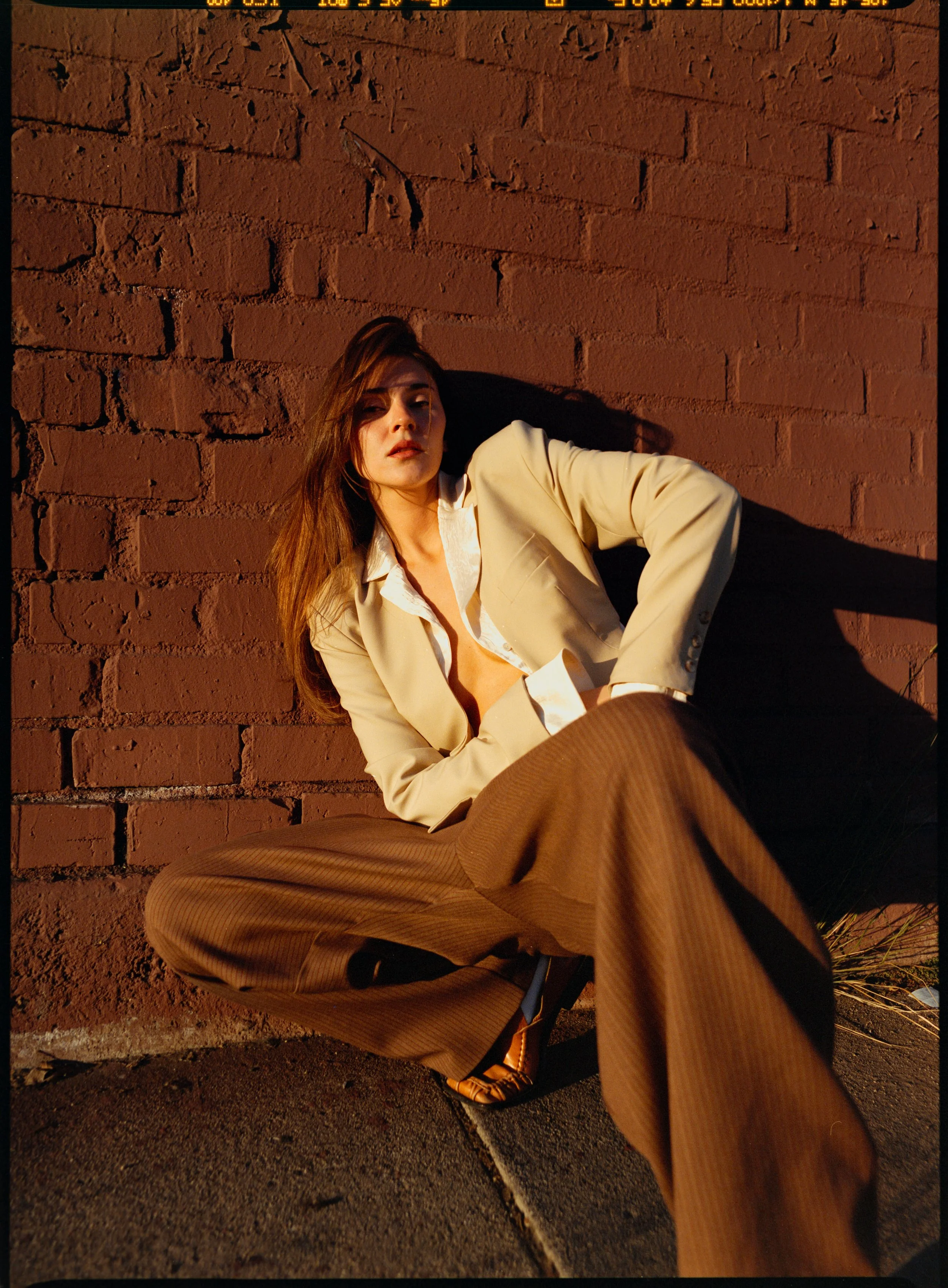
Feminism is a recurring theme in your platform. What does modern feminism mean to you today?
To me, modern feminism means the freedom to become who you really are, outside of what society expects from women. It’s about bodily autonomy, and giving women the space to be ambitious, emotional, imperfect, and constantly evolving. I’m fascinated by the sometimes quiet ways women are still taught to be perfect, soft, and likable. For me, feminism today is about asking who we become when we stop trying to fit into roles that were never made for us.
Your involvement in Health Bar Matcha reflects a focus on wellness. What drew you to that space?
It really started with something very personal. I simply love matcha. For me, it’s one of those small rituals that brings calm into a fast life. I love the intention behind making it, the pause it creates, the way it turns a simple moment into something grounding. That’s what drew me to the wellness space, the idea that feeling good can come from small daily practices, not pressure or perfection. Building in that world felt authentic because it already was part of how I live.
Sustainability is clearly important in your business ventures. How do you approach conscious entrepreneurship?
For me, conscious entrepreneurship starts with asking what kind of impact exists beyond the product itself. It’s about materials, supply chains, longevity, partnerships, and the message behind what you’re building. I’m very aware that no business is perfect, but I believe responsibility starts with transparency and a willingness to make better decisions continuously. Conscious entrepreneurship means growth with consequence in mind.
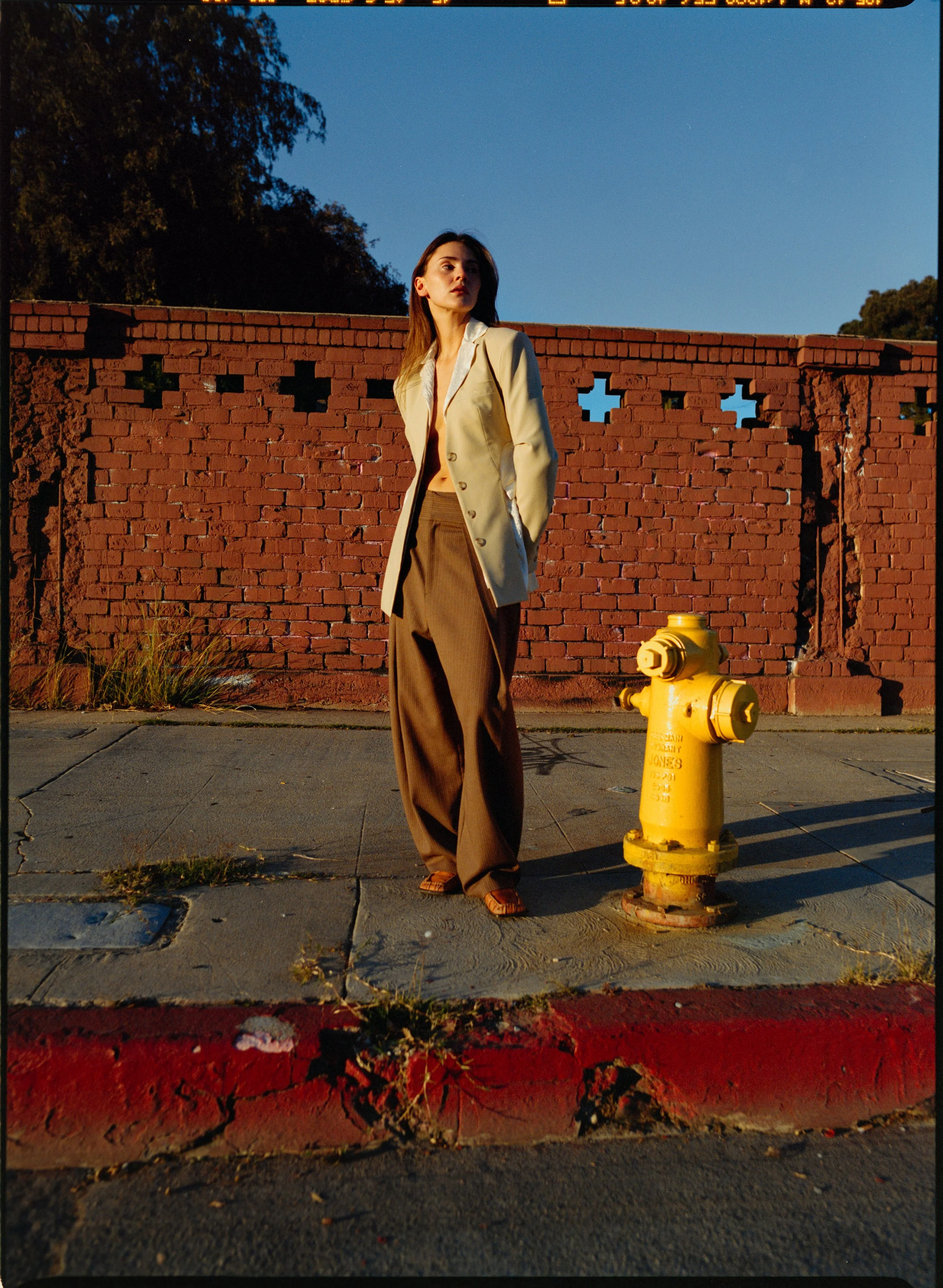
How do you stay grounded while navigating such a visible and fast-moving career?
I come back to rituals and real relationships. My work moves fast, cities change constantly, and visibility can distort your sense of self if you let it. What keeps me grounded are the quieter parts of life. Mornings, movement, writing, my home, people who knew me before any public version existed. For me, grounding is protecting intimacy with myself.
You’re part of a generation redefining influence. What responsibility comes with that?
We live in a culture that rewards instant opinions and simplified identities, but real influence should make space for complexity. I feel responsible for being thoughtful about what I normalize, what I endorse, and what kinds of conversations I amplify. Visibility has power, and power should be handled with care.
What excites you most about the next chapter of your career?
What excites me most is building something that goes beyond the moment. I’m entering a chapter that feels more global, more intentional, and more ambitious than ever. I want to move deeper into international fashion, storytelling, and entrepreneurship. More than anything I’m excited to keep growing into new spaces without losing the part of me that made all of this possible in the first place.
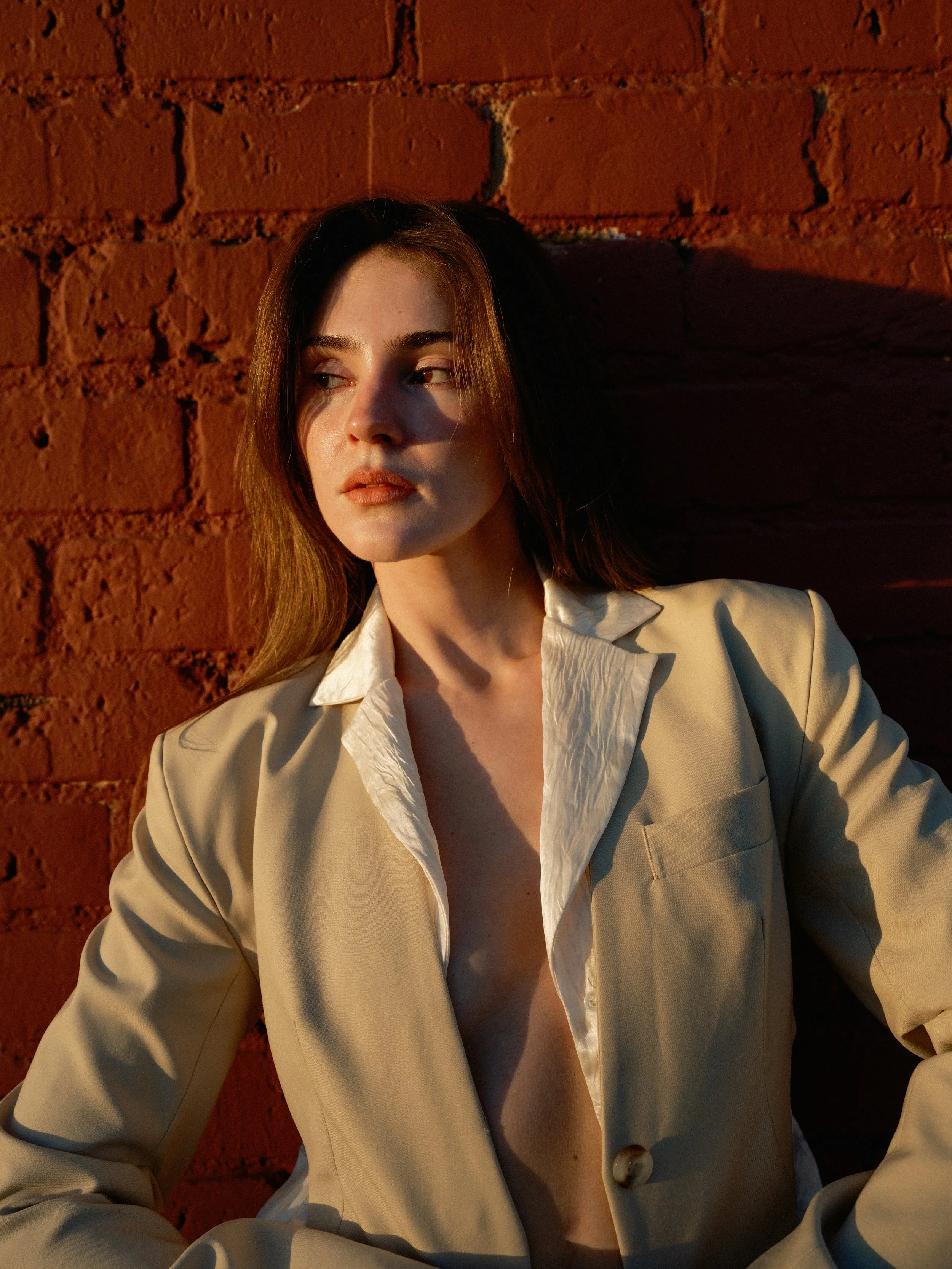
TEAM CREDITS:
photographer CHRIS NOLTEKUHLMANN
special thanks RYAN LUCCA
