
IN CONVERSATION WITH TADASHI SHIRAISHI
interview by TIMOTEJ LETONJA
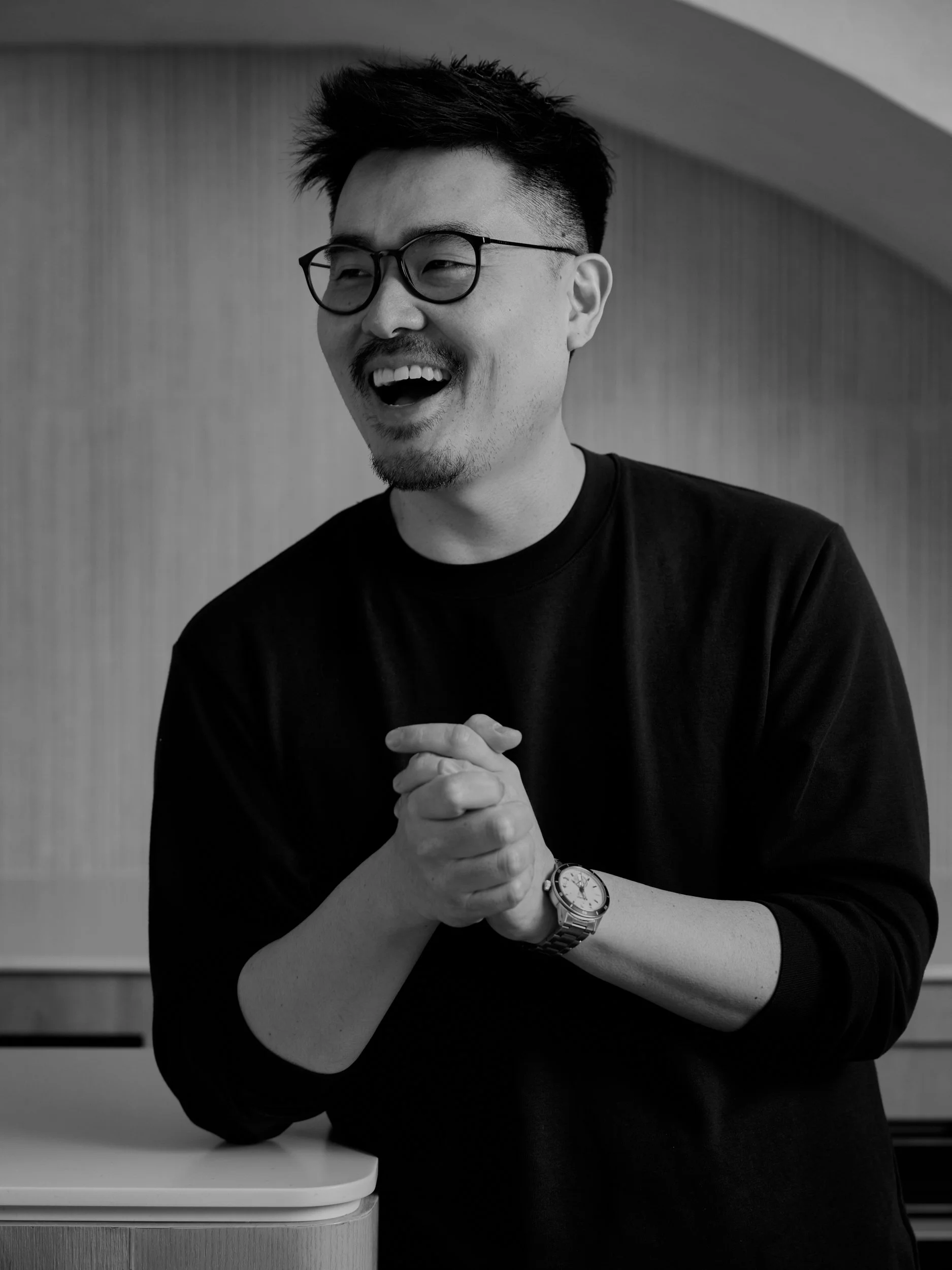
Chef Tadashi Shiraishi is the founder of Kanoe, an intimate eight-seat omakase restaurant in the heart of São Paulo, known for its intricate flavor profiles and devoted craftsmanship. Born in Brazil to Japanese heritage, Chef Shiraishi merges international influences to create a truly unique experience. With Kanoe since gaining acclaim as one of the most respected Japanese dining destinations in Brazil, he has made a name for himself as one of the region’s most influential voices in this culture.
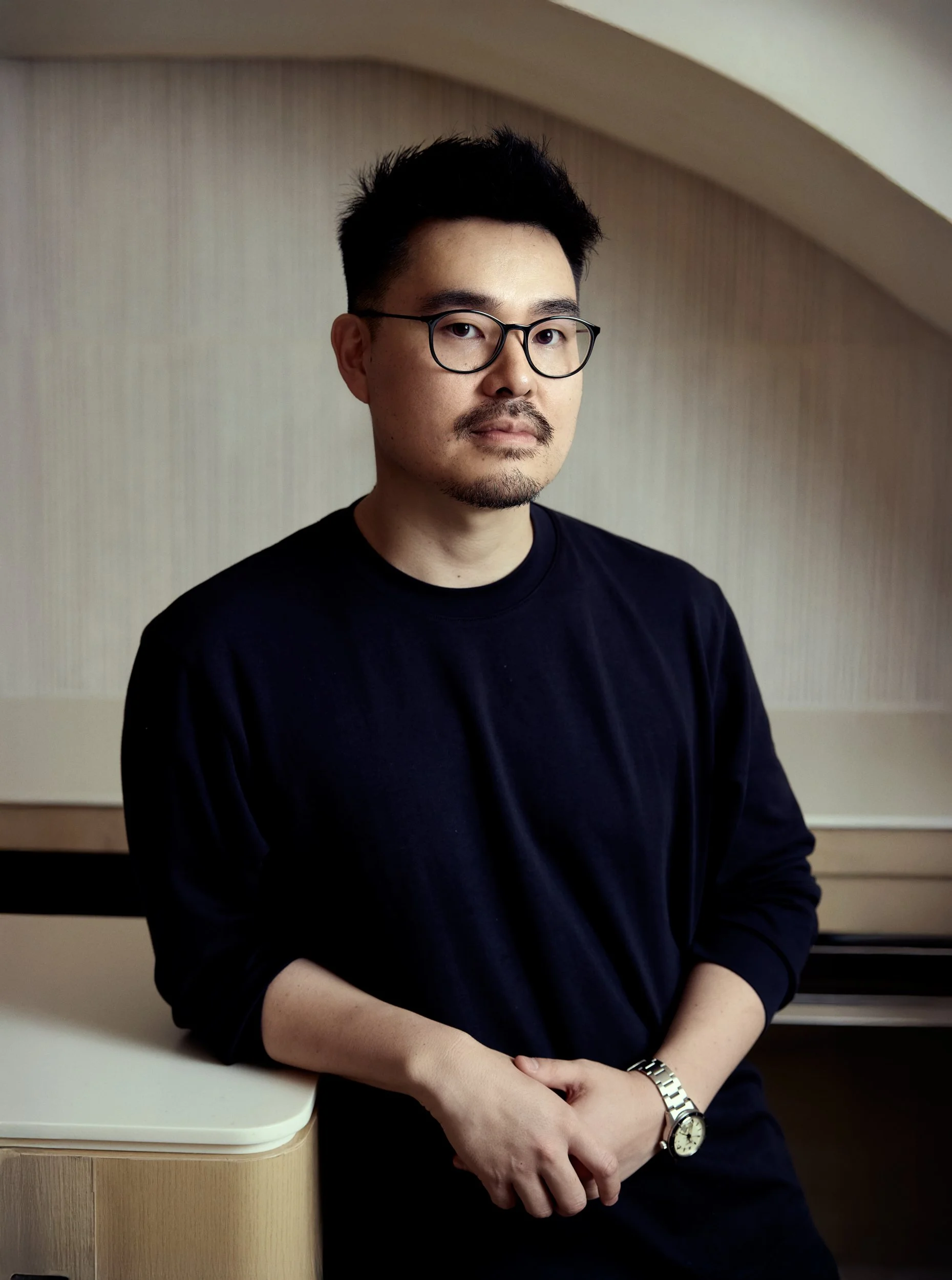
Kanoe is named after your grandmother, who played a defining role in your life. What is the most important lesson she passed on to you that still guides your cooking today?
Never treat food as a commodity. Food comes from other living beigns, so it should be appreciated and revered as a sacred element in our lives. It should receive the best of our care and the best of our abilities so it can be of purpose for those who are eating. If we take a life to support life, we should respect its vessels above and beyond our own existence.
You often speak about creating food “your grandmother could understand.” In a world of increasingly complex gastronomy, why is that simplicity so radical to you?
I don’t really understand why people think food does need to be increasingly complicated in order to taste delicious. I never had patience nor affection to overly complicated recipes that try to reinvent molecules or structures or that are “the future” of cooking. The fact a lot of chefs from the whole world look at Japan as an inspiration, tells a lot about how respect and knowledge can be an anchor for a world that seems more and more lost in translations trying to find new ways of doing the simple things complicated. This is something I learned from Kanoe-san and later from Nobu-san.
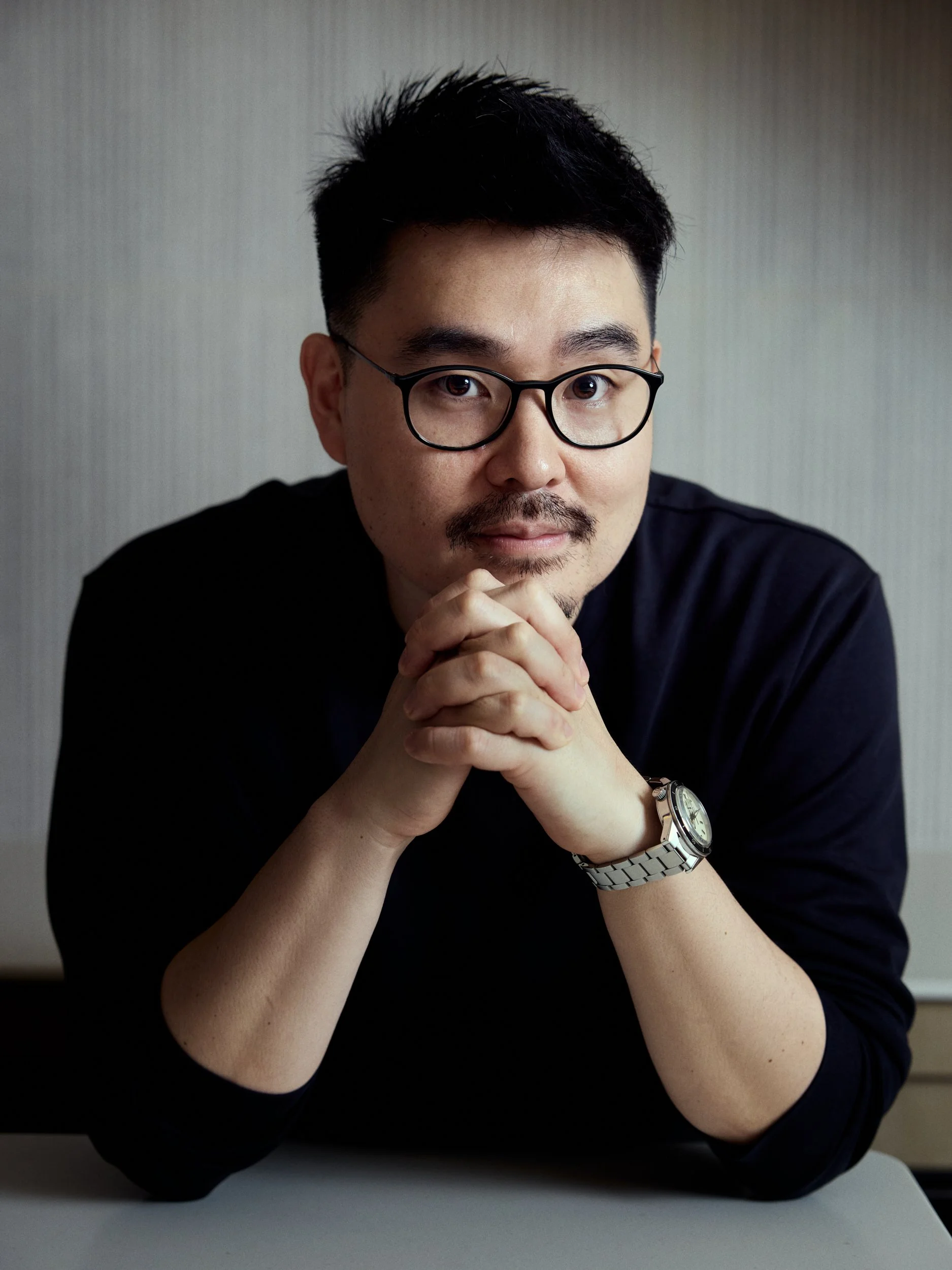
Growing up between art, literature, and food in São Paulo’s Liberdade district, how did those parallel influences shape your sense of taste and aesthetics?
Most of what I learned from aesthetics, art, food and literature came from my household. My mother’s family was very artistic and my father’s very traditional and strict. They were very harsh and demanding on school grades, specially on our handwriting, handcrafting and sketching abilities since early ages. Kanoe Grandma was an amazing painter, calligrapher and cook. I spent a lot of time with her while my parents were making sure we had a comfortable life. So naturally I would be following her around the kitchen, her small studio, and read books from our bookstore. The fact the shop was located in Liberdade put me closer to the restaurants I grew up eating at. It played a decisive role on shaping what I understood of true japanese food rather than what I saw early on my career in Brazil like tuna with foie gras and salmon with cream cheese which I understand as “increasingly and unnecessary complex” food and not just food.
Kanoe is deeply rooted in the concept of ichigo ichie — the idea that each encounter happens only once. How does this philosophy influence the way you approach each evening’s omakase?
That we only have once chance to make people happy to have chosen us for their evening. No second chances, no re-dos, just a once in a lifetime chance.
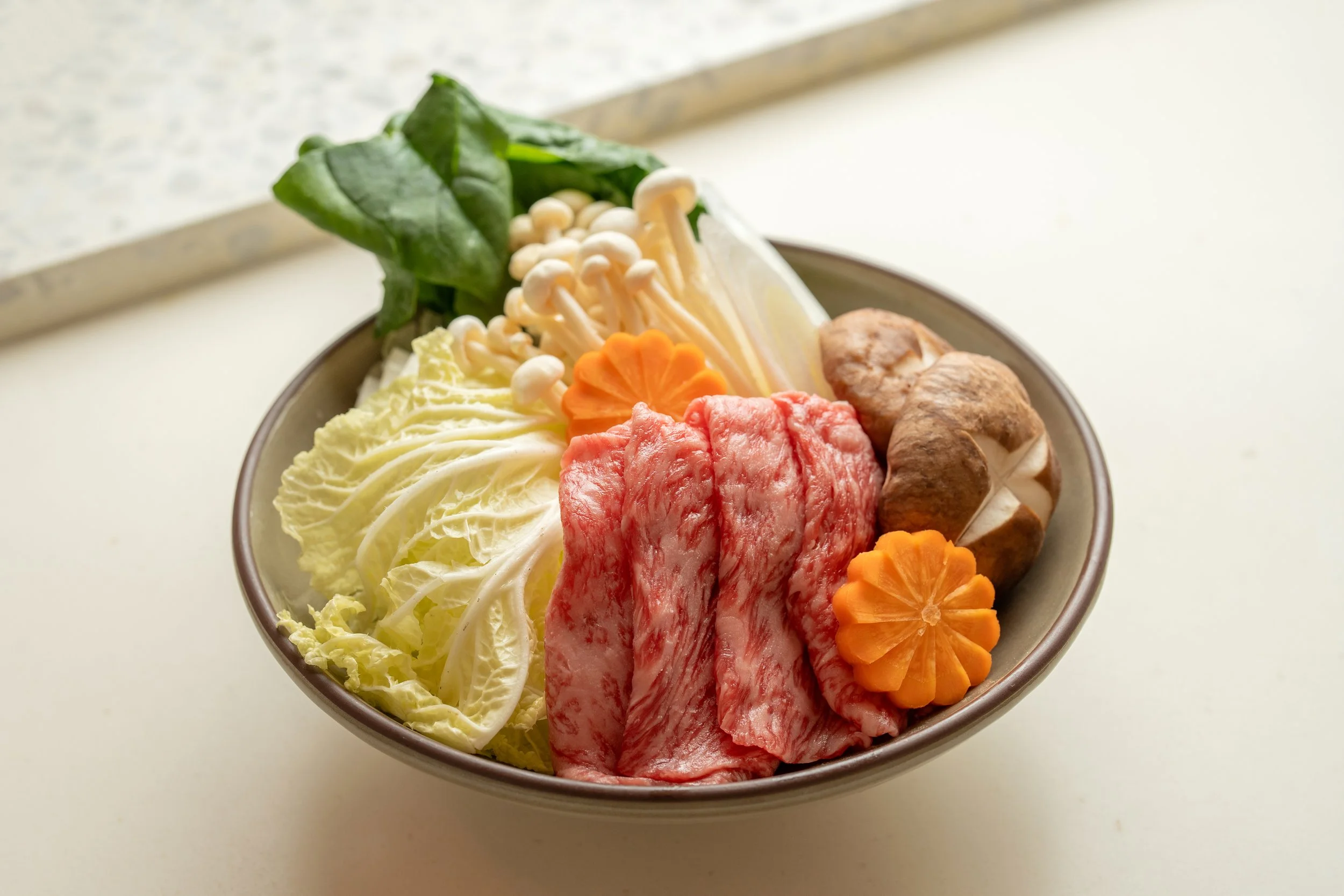
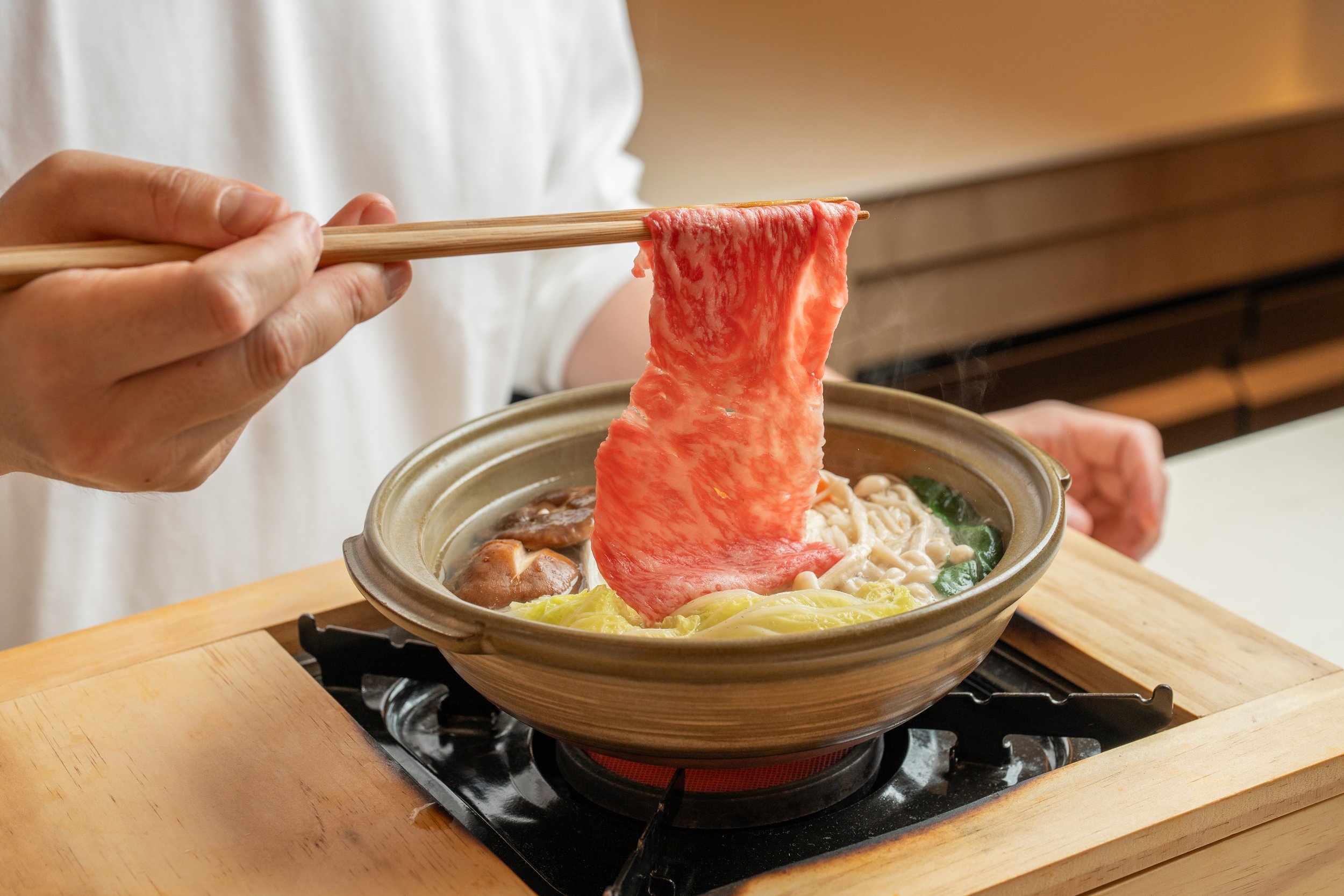
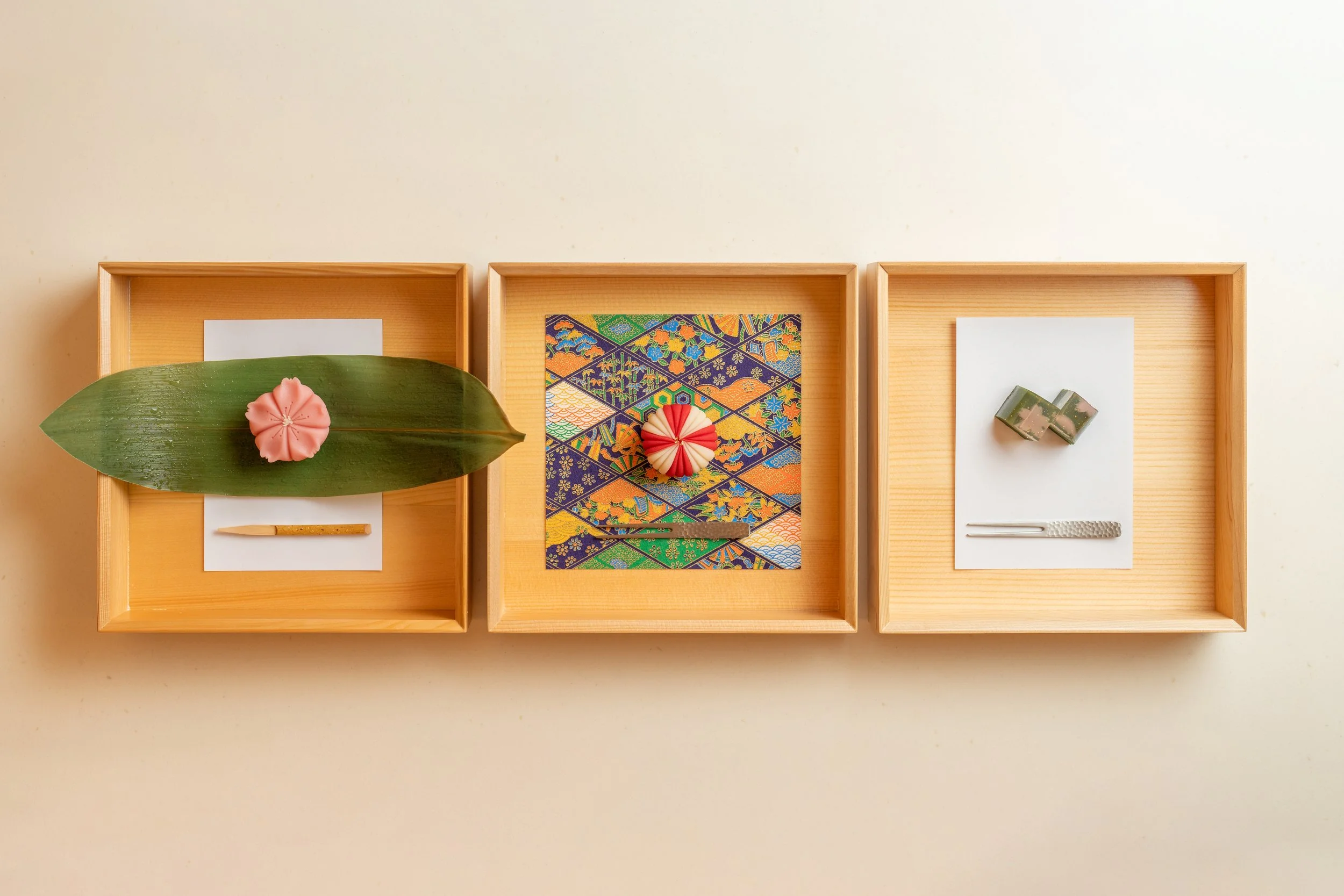
You’ve deliberately moved away from Western techniques and bold experimentation to focus on ancestral Japanese preparations. What triggered this return to origin?
The need to find myself doing something I can believe it on my own and not because the world is telling me to do so.
Do you see your work today as preservation, interpretation, or continuation of Japanese culinary tradition or something else entirely?
We have our own way of doing things but in the end, it is our way to preserve our culture to generations to come. Our foundation is based on a strong ancestral culture that we use as the central pillar to build around considering the changes and needs of our surrounding environment demands.
Serving only eight guests, one seating per night, creates a rare level of intimacy. How does the presence of the guest influence the menu in real time?
It doesn’t. We cook for them and we serve them with absolute reverence. But they don’t have any control over our way of doing things. If we loose that, we are not an Omakase restaurant anymore. It is a private event at their house, or a la carte, which we are clearly not. That being said, we take all the necessary steps before their arrival to make sure we are able to accommodate their allergies and restrictions respecting our ways and whenever it is possible.
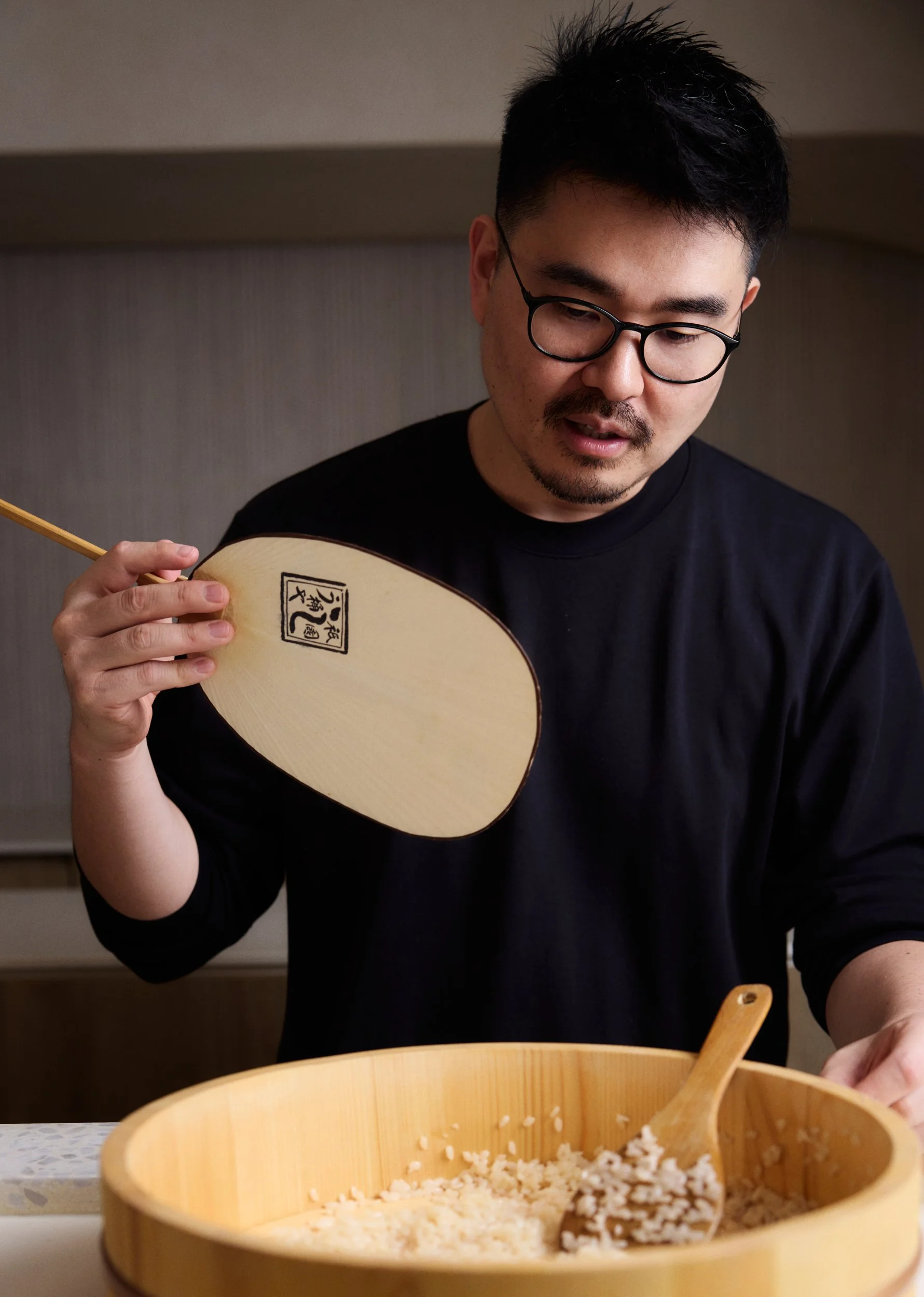
The shari is served on its own at the beginning of the meal — an almost ceremonial gesture. What do you want guests to understand in that first bite?
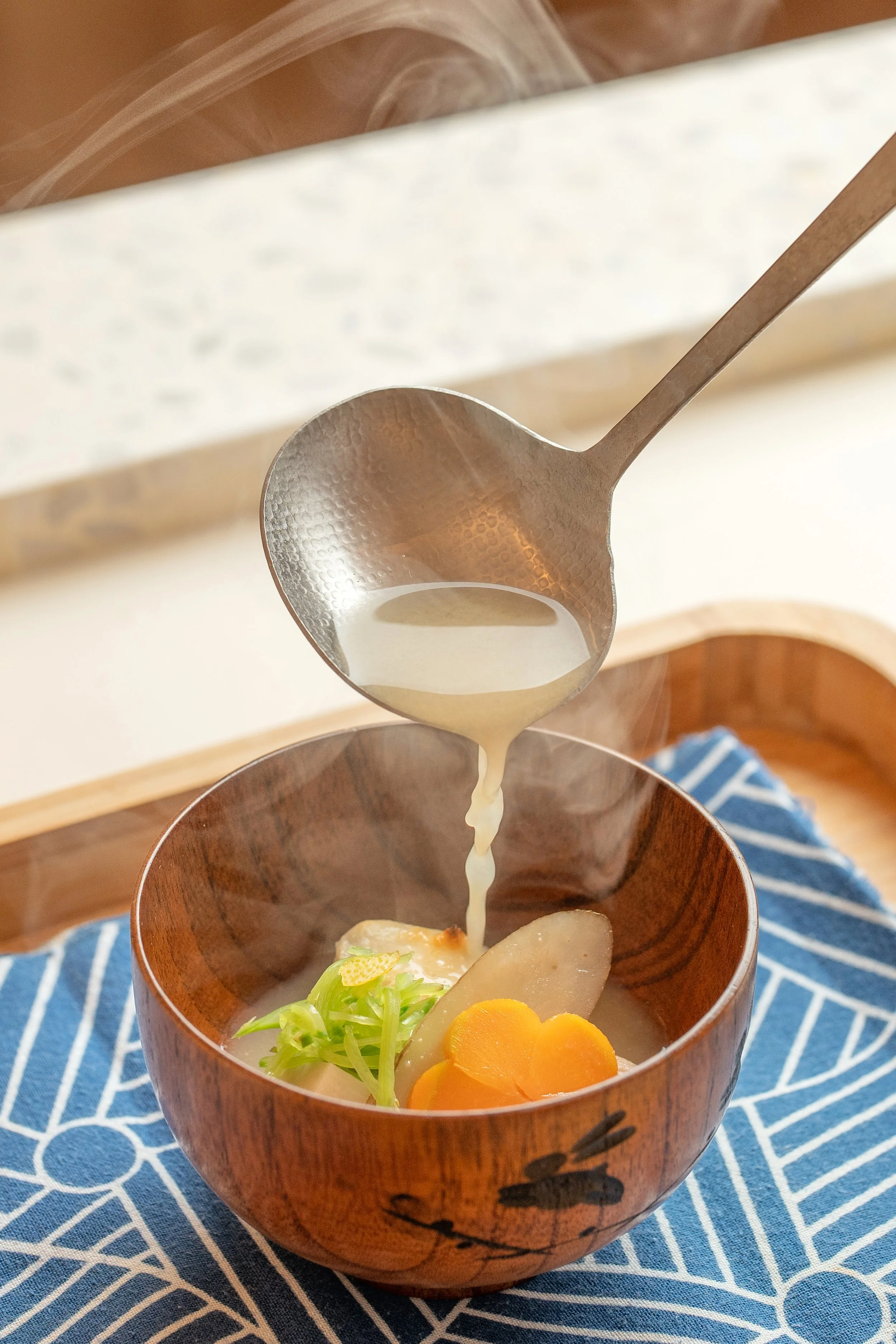
The importance of the rice as ingredient and the shari as signature recipe, style and personality. Most western cultures put the rice as a side dish. In sushi culture, rice is the main and the fish are the supplement to it. At Kanoe we serve it on its own so people can taste the intensity of the vinegar and understand how it changes throughout the meal. The whole menu is built on top of those nuances the rice brings to the table. It is respectful, innovative and provocative at the same time. Very much like us.
Kanoe works with artisanally caught Brazilian fish while remaining deeply Japanese in spirit. How do you reconcile geography with cultural authenticity?
That is the thing: being Japanese in spirit has nothing to do with geography. Being Japanese is about using what nature offers us and work our way the best we can, both to honor life and guests.
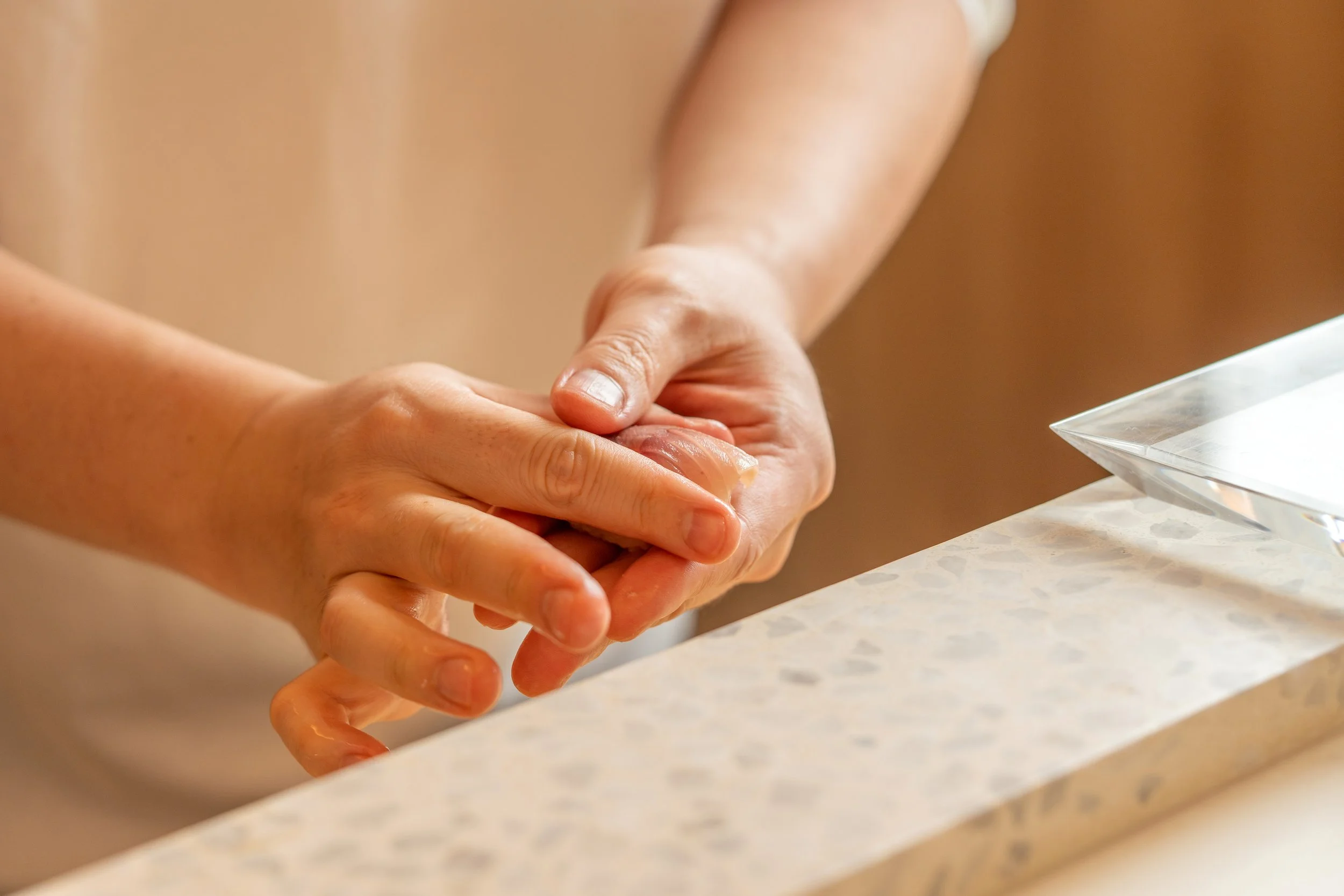
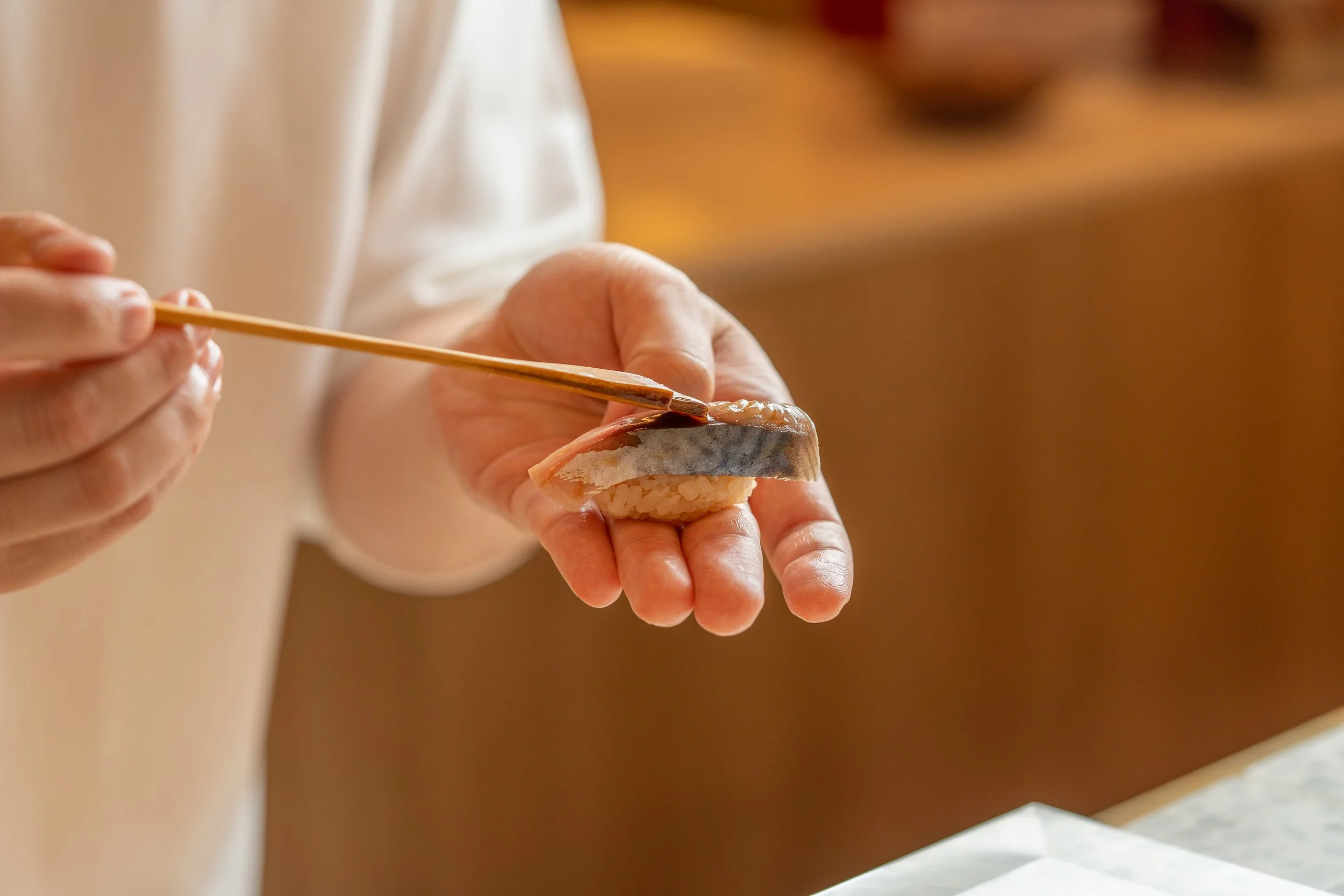
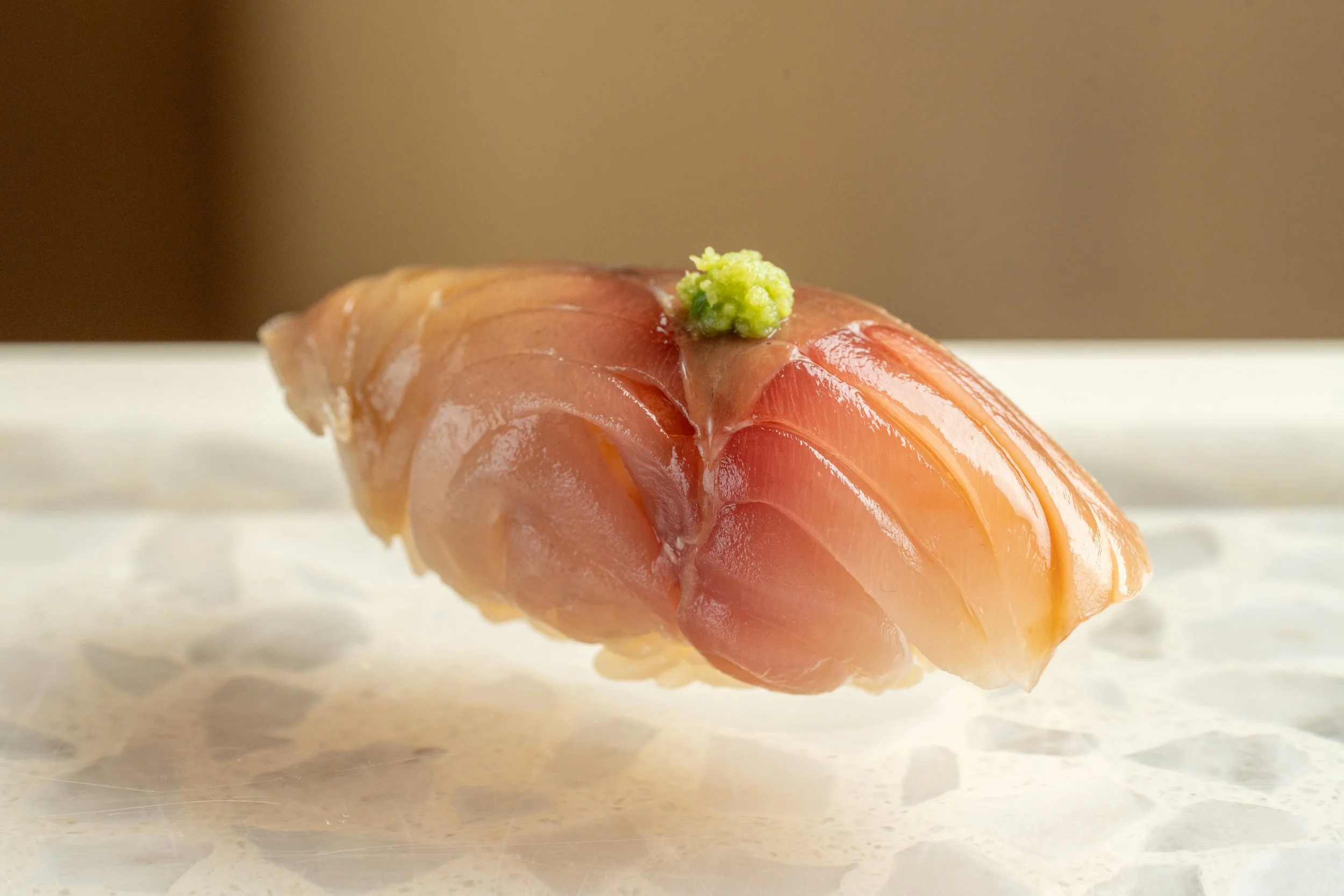
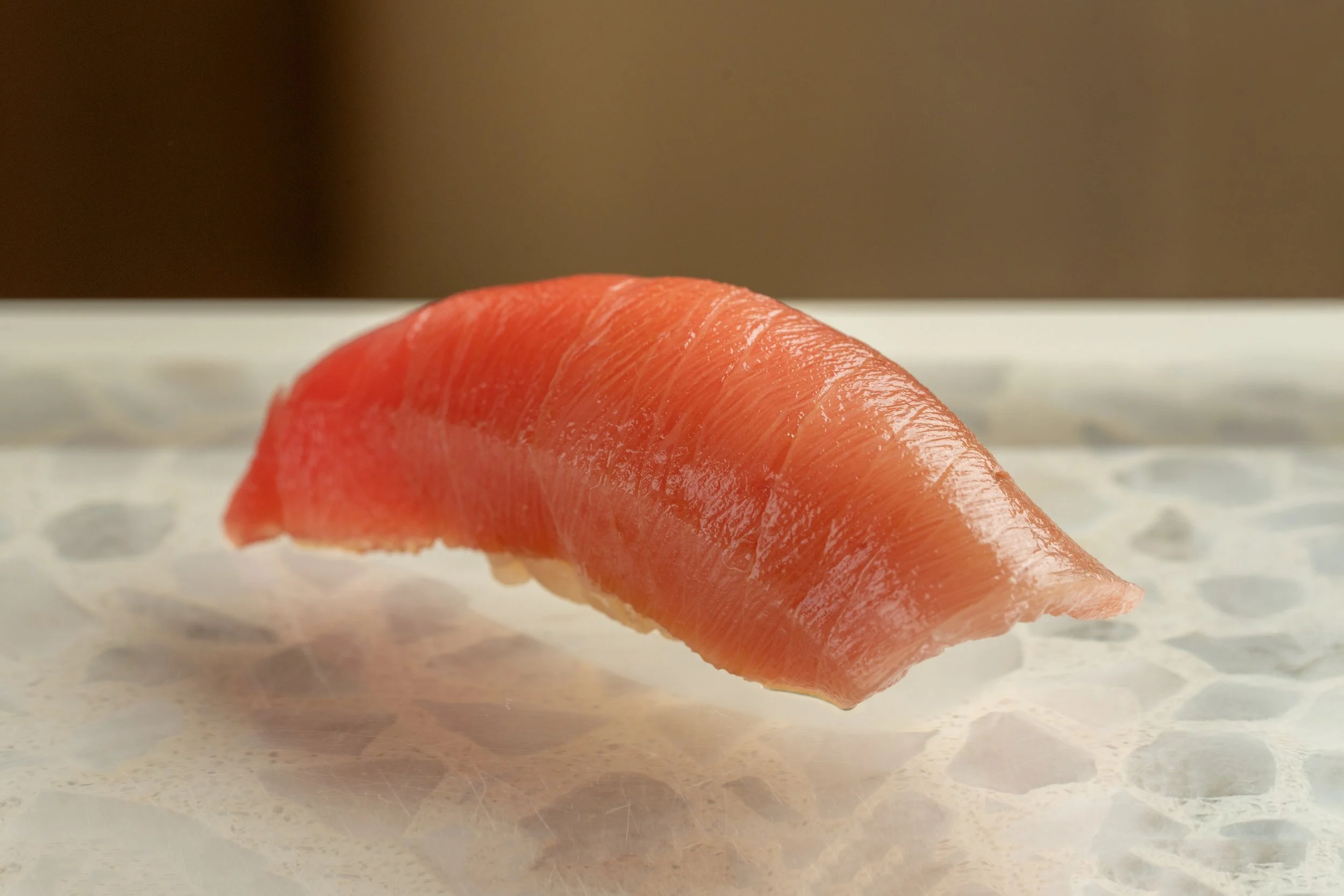
Has working with Brazilian waters changed the way you understand sushi compared to your time in Japan or at Nobu?
It changed in every country and place that I have been. When it comes to fish and rice, understanding water is as much decisive as understanding local customs, ingredients and culture. How you choose, how you season and how you cook has everything to do with the place you are standing. How much you will compromise or give up on tradition in order to adapt is what I believe to be a Japanese chef’s talent , vision or even, perhaps, personal mission.
You’ve cooked at some of the world’s most demanding restaurants, serving hundreds of guests per night. How did that intensity shape the calm, almost meditative pace of Kanoe?
I am still the same. The pressure is the same if not higher. Cooking for 8-80-800 it demands the same intensity, dedication and focus. The difference is that with less customers, I get to go home earlier to my family and focus even further on every single person that joins us for dinner.
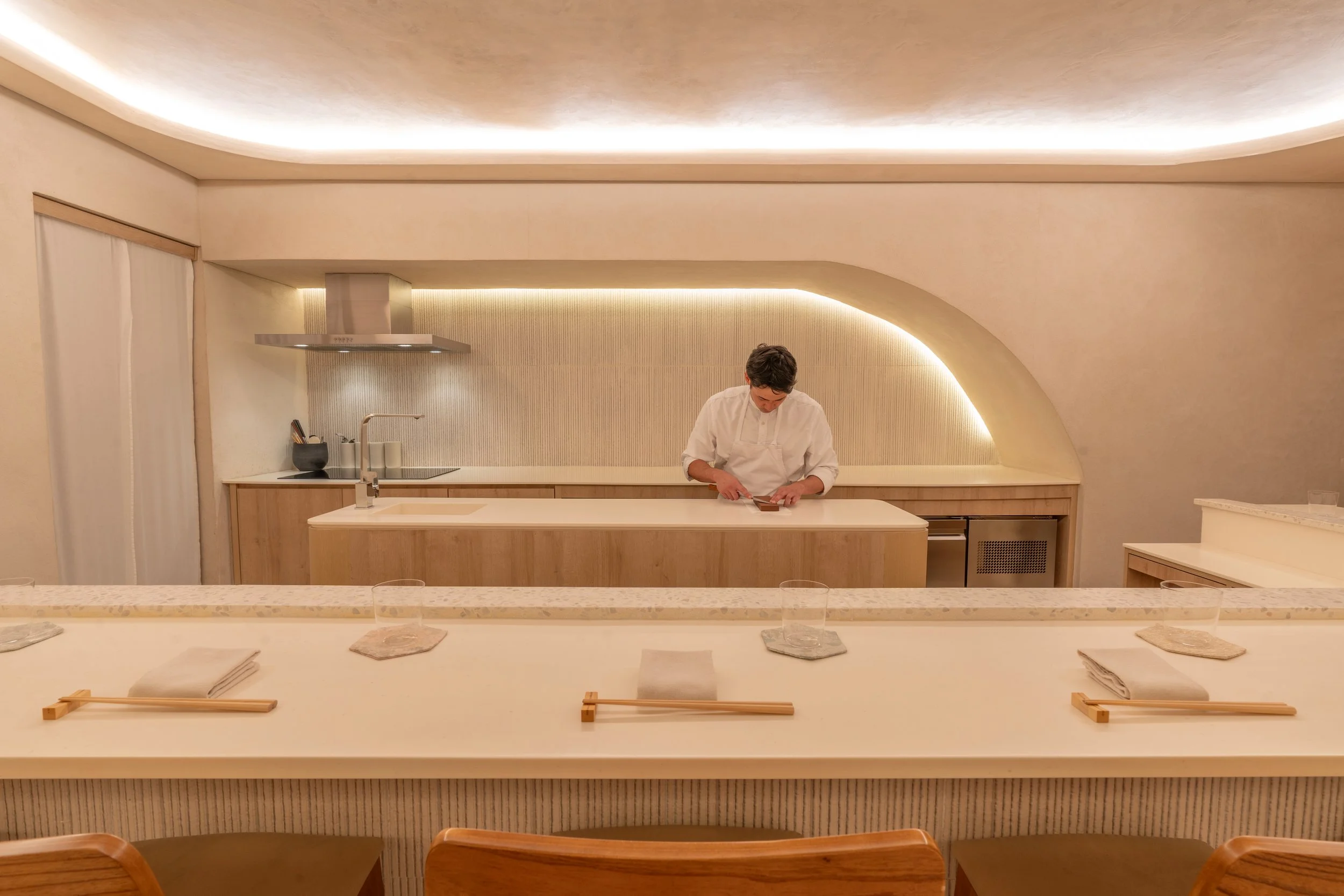
After opening successful restaurants abroad, what made you want to create something so discreet, almost hidden, in São Paulo?
I did not. If it was not for Patricia (my wife and business partner) to show me how much potential there was and how big of a challenge it would be, I would not return to Brazil. I was very comfortable being successful abroad where I enjoyed a lot of perks like fish flown from Japan on a daily basis. Honestly, it was a pivotal moment in my career because even though I was born here, I was never able to leave such an everlasting mark like we are building with Kanoe. It was great to me, both as a family aspect and professional as well.
Receiving a Michelin star in 2025 confirmed Kanoe’s excellence, but did it change anything internally creatively or emotionally?
We are more than happy for such recognition but accolades do not define us in any matter. We have to be better and true ourselves and for our guests, regardless and beyond any recognition. This our path, this our way of doing things. Michelin or any other recognition is and will always be a natural consequence or our work.
Finally, when you think about legacy not awards, but memory how would you like Kanoe to be remembered?
Integrity and respect over looks and fame.
TEAM CREDITS
talent TADASHI SHIRAISHI
interview and editor TIMOTEJ LETONJA
