
IN CONVERSATION WITH TAMAR NOVAS
interview by JANA LETONJA
From beginning his career at just 11 years old to becoming one of the most compelling actors in contemporary Spanish cinema, Tamar Novas has built a body of work defined by versatility and longevity. The Goya-winning Galician actor has worked with filmmakers including Pedro Almodóvar, Alejandro Amenábar, Isabel Coixet and Miloš Forman, while moving seamlessly between cinema, television and theatre. Following the international success of Netflix’s Gangs of Galicia, he is currently filming its third and final season while preparing for the October release of Collision, his first thriller with director Daniel Sánchez Arévalo. With another Goya nomination recently adding to an already remarkable career, Tamar enters a new chapter with the curiosity of an actor who, despite growing up on screen, is still searching for something unexpected.
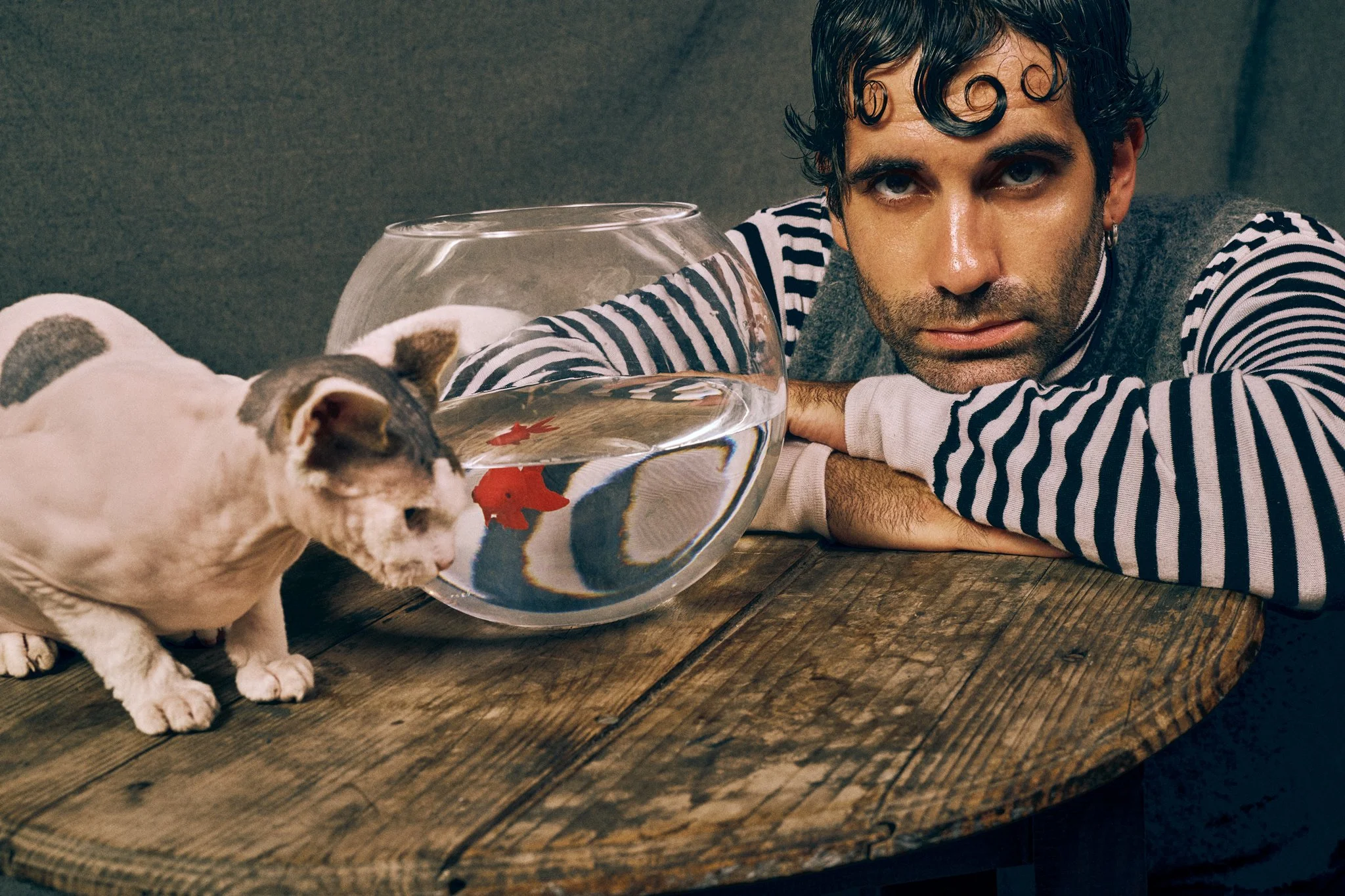
full look AMI PARIS
shoes HEREU
You began acting at just 11 years old. When you look back at that boy on his first film set, do you recognize the actor you are today?
I was a child, and I discovered cinema just like a game. As an actor, I had everything to learn. In fact, I’m still trying to learn and grow as an actor every day, with every job, and by seeking out new challenges. I think this is a craft, like that of an artisan, that you can spend your whole life perfecting.
Growing up professionally in the film industry is an unusual experience. How did starting so young shape your relationship with acting?
For me, it’s important to maintain the curiosity I had when I started working as a child. Also, on The Sea Inside, I met the actors I wanted to be like someday. Seeing them work had a profound impact on me. In fact, when I was 16, I was thinking more about becoming a film director, and it was the experience of working with Javier Bardem, Lola Dueñas, Celso Bugallo that made me become more passionate about acting. Although, I still dream of directing someday.
You won your first Goya for The Sea Inside while still very young. Did receiving that recognition early in your career create confidence, pressure, or perhaps a combination of both?
Besides experiencing a wonderful moment, I felt an even greater sense of responsibility and respect for the craft. Receiving something like that from my fellow professionals gave me a lot of strength to take this even more seriously, and I wanted to return that affection by putting even more effort into my training and work, so that I could live up to it.
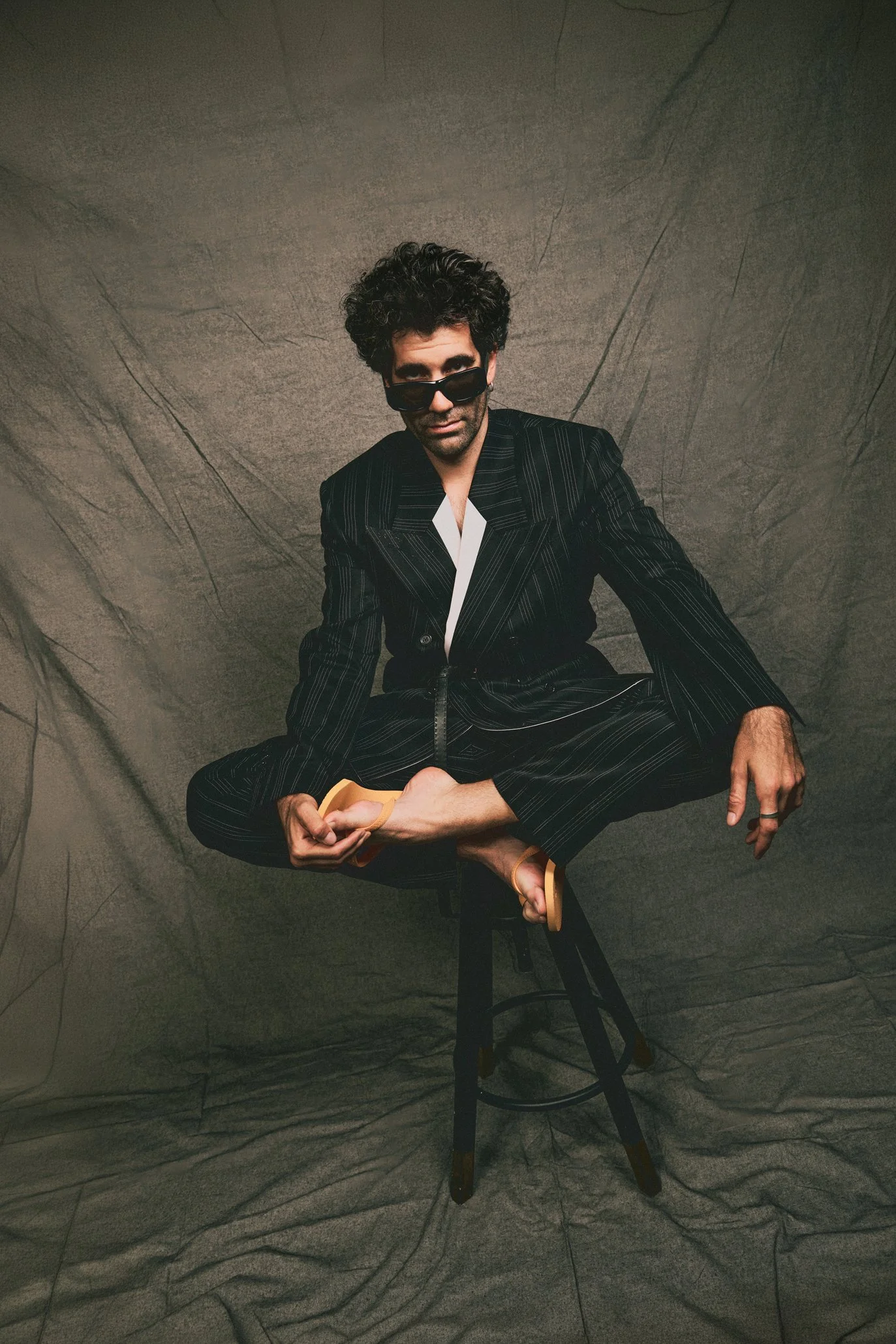
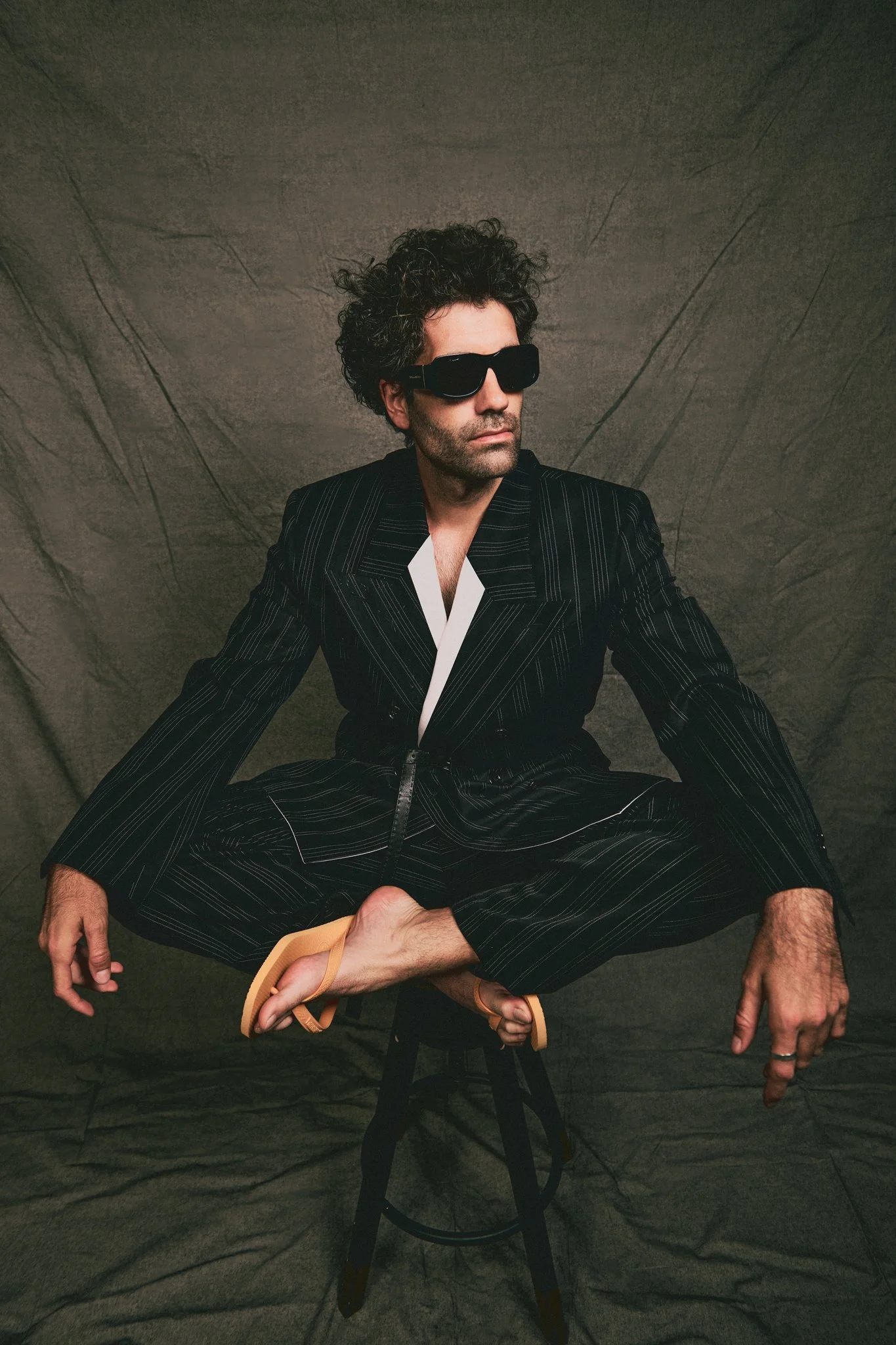
full look DOLCE & GABBANA
sunglasses DOLCE & GABBANA
shoes HAVAIANAS
You’ve now spent more than two decades acting. What excites you about the craft today that perhaps didn’t excite you when you started?
This is a team effort, and everyone is equally important on a set. Perhaps I wasn’t as aware of that before, or I didn’t feel as responsible for the rest of my colleagues. More and more, I try to take care of the working environment. Deep down, it’s pure selfishness. Everything turns out much better if people are happy on a film set.
You’ve worked with filmmakers including Pedro Almodóvar, Alejandro Amenábar, Isabel Coixet and Miloš Forman. Is there one director who fundamentally changed the way you understand your craft?
Many people have influenced me and helped me grow. I would say my teachers, Manuel Morón, Juan Carlos Corazza and Fernando Piernas, with whom I continue to train whenever I have the time. And as for directors, I think it was Fernando Piernas who once said, “Take each director’s way of working as a different way of training.” I find that way of thinking very stimulating because, in this profession, I find adapting more useful and enjoyable than always approaching the work in the same way.
Gangs of Galicia became an enormous international success on Netflix. Were you surprised by how strongly audiences outside Spain connected with the series?
The truth is that success is always a surprise. Not because you think things haven’t been done well, but because it’s so difficult and mysterious for something to work on the level of Gangs of Galicia, or some of the other productions I’ve been lucky enough to be part of. I also try never to have too many expectations in that regard. I simply try to have my own opinion about the result, to value the process as well, and above all, to be surprised by the audience’s reaction so that I can better understand how it connects with people. But I insist, sometimes it’s a mystery, and it’s almost never in our hands.
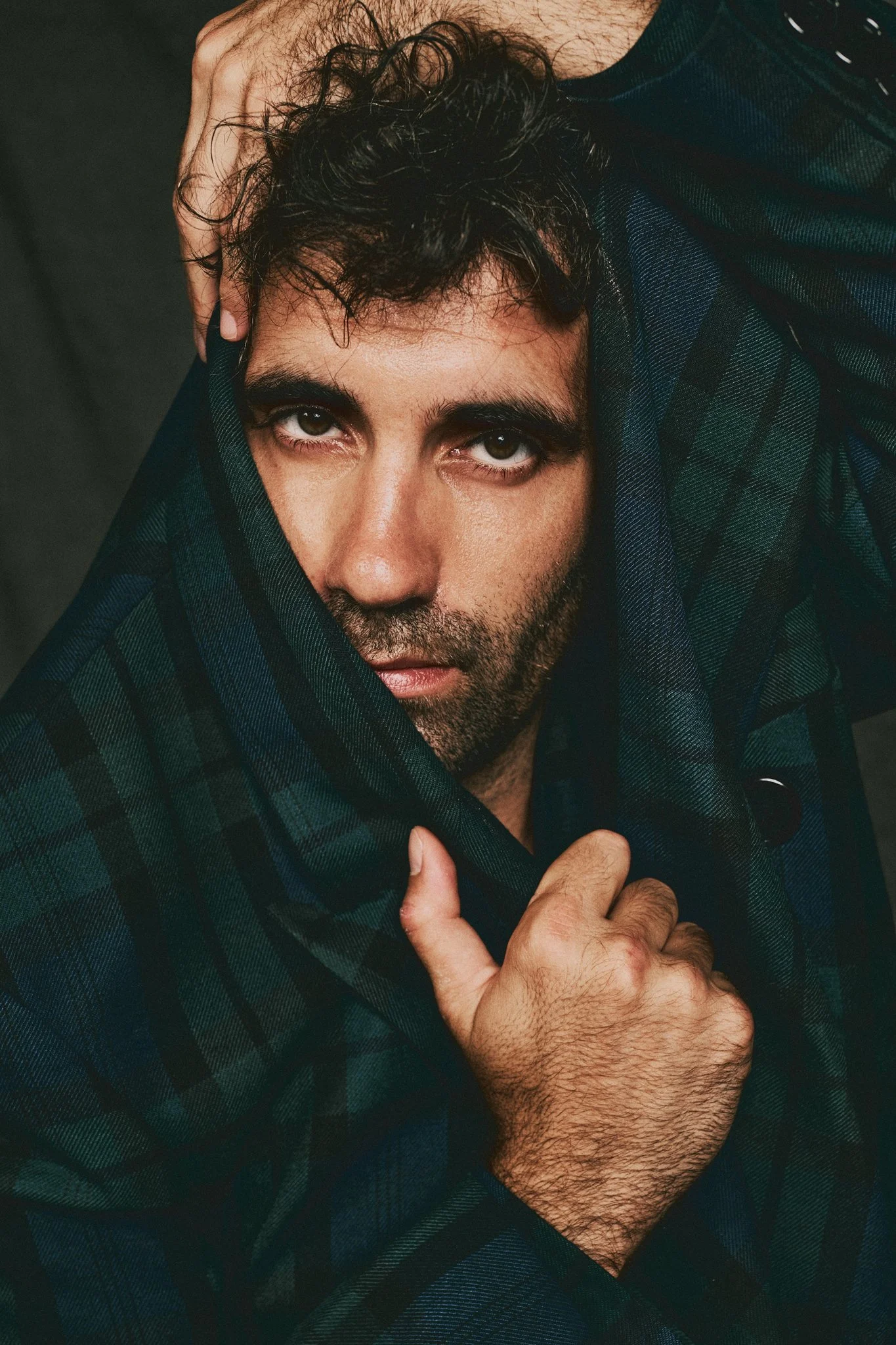
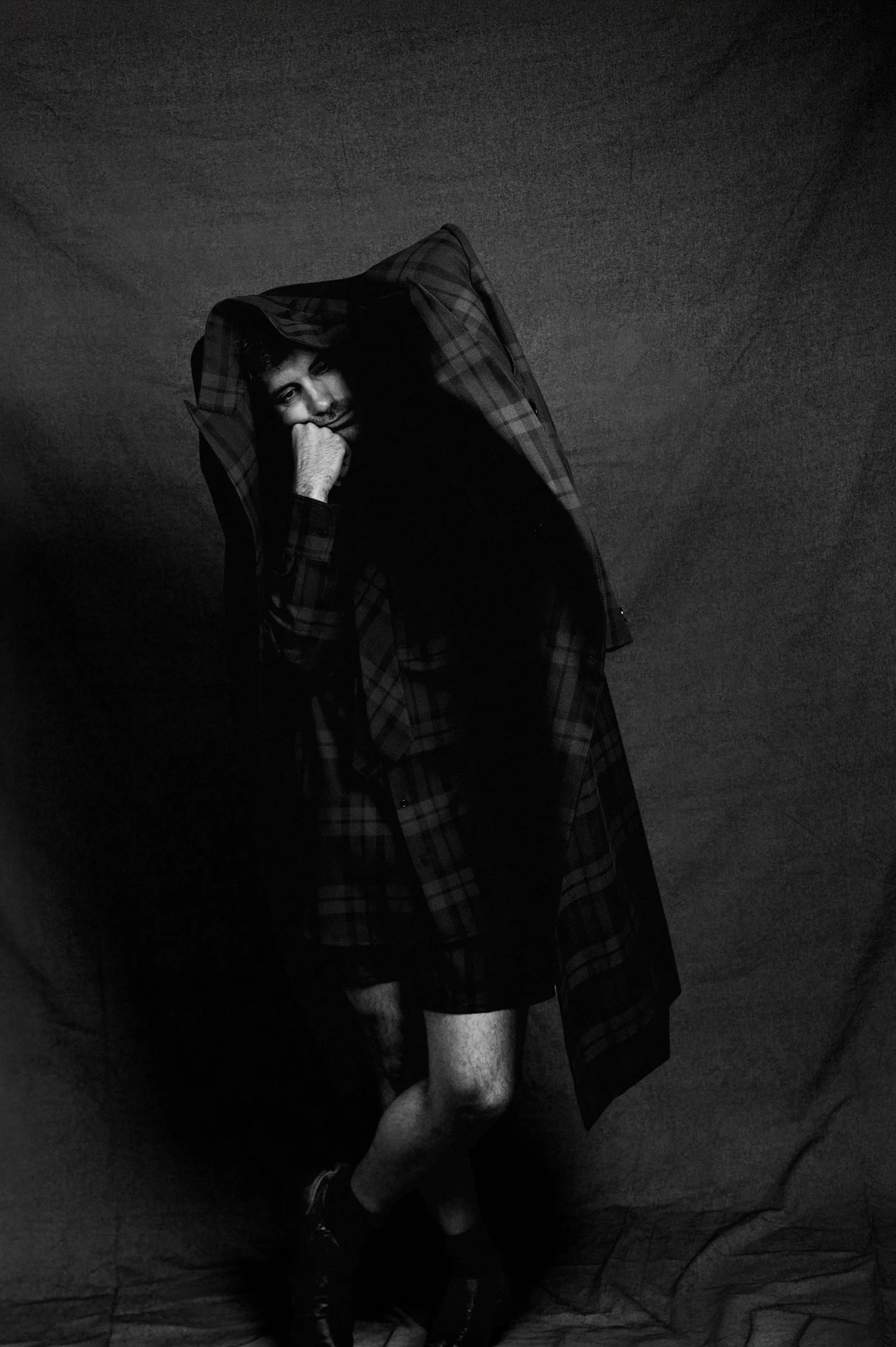
full look ACROMATYX
shoes CAMPER
You’re now filming its third and final season. How does it feel to say goodbye to a character and a world you’ve inhabited across several seasons?
There’s an inevitable sense of loss, but also the conviction that it has lasted as long as it needed to. Stretching things out without reason seems like a mistake to me. I’m very proud of the enormous amount of work we’ve done, of the team we’ve had, and above all, of everything we’ve learned that we can take with us into new challenges.
Galicia is not only central to Gangs of Galicia but also to your own identity. What does it mean to tell stories rooted in the place where you grew up?
It’s a privilege, and I’m very lucky to be able to work in my homeland, close to my family. I’ve been living in Madrid for 20 years, half my life, but I think it would have been impossible if my work hadn’t allowed me to visit my homeland so many times.
This October, you will also appear in Collision, Daniel Sánchez Arévalo’s first thriller for Netflix. What attracted you to the project?
Working with Daniel again, and with Ramón Camposm, our producer and screenwriter, with an incredible cast, and on a story that isn’t just another thriller. I have the feeling that we’ve made something genuine, you’ll see.
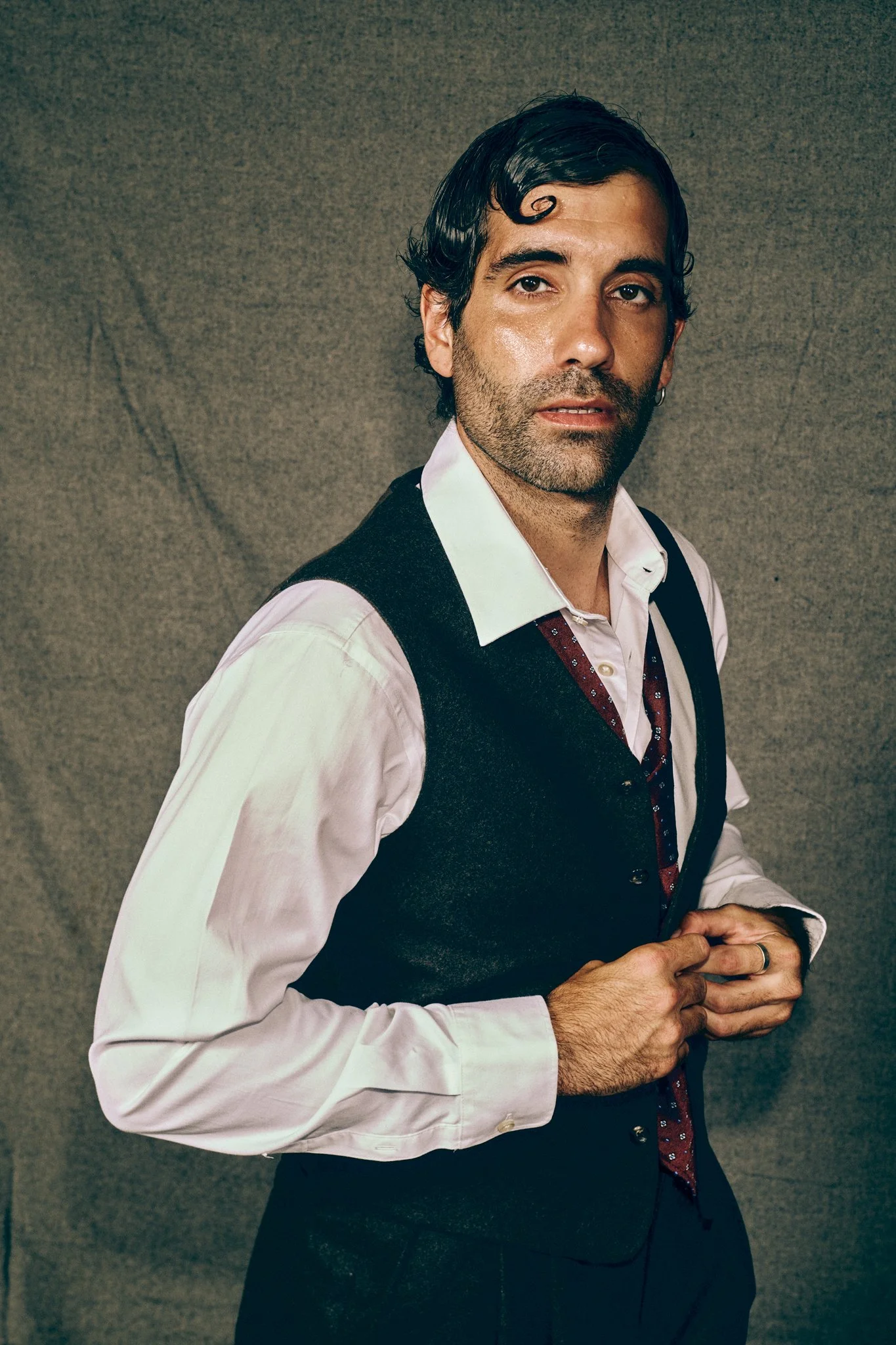
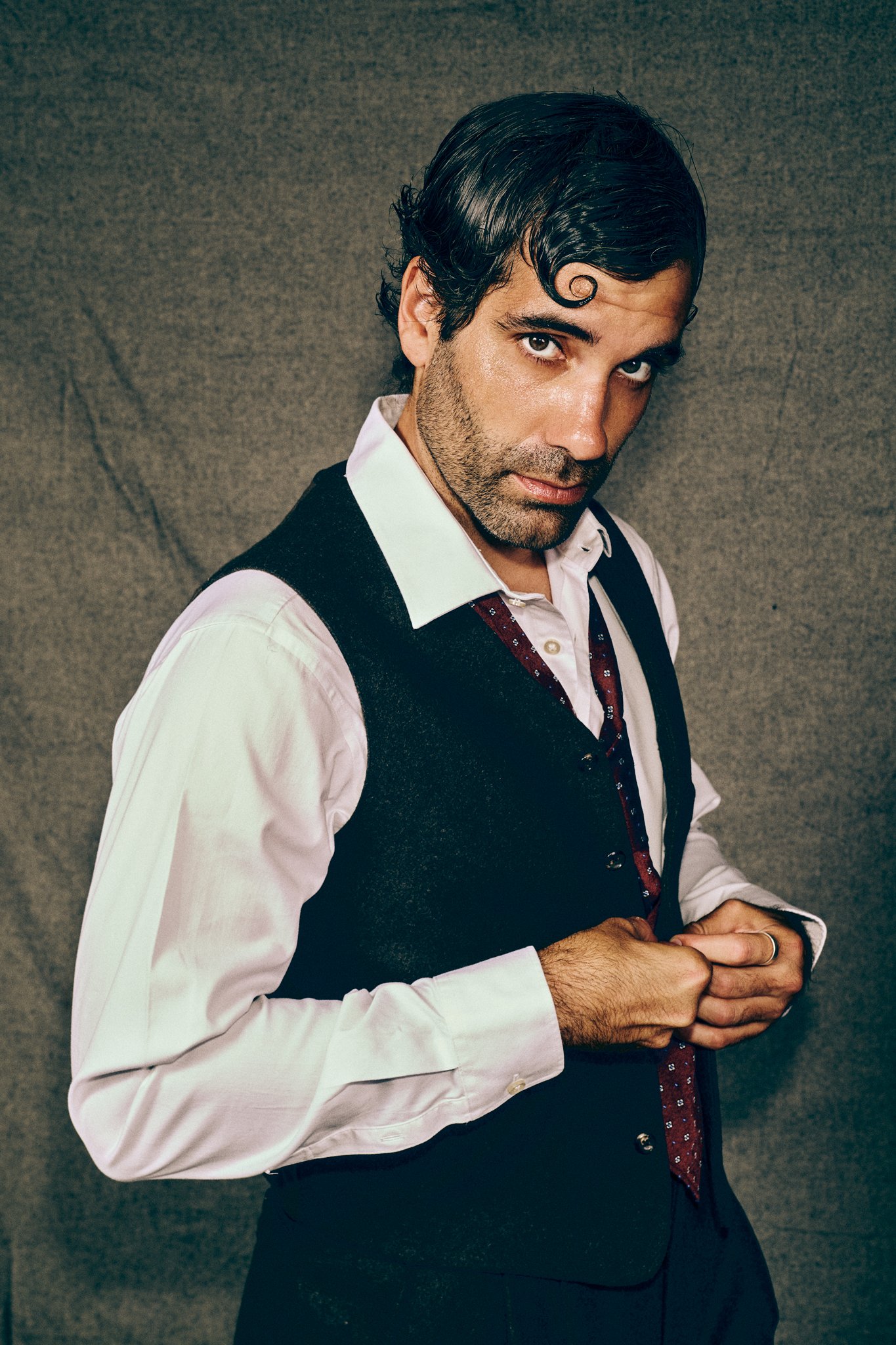
full look EMPORIO ARMANI
tie DSQUARED2
shoes HEREU
You’ve played an extraordinary variety of characters. What does a role need to have today to genuinely frighten or challenge you?
Sometimes it’s a feeling, or an impulse, to move toward something that excites me or grabs me from a new place. Of course, the story and the character have to make me want to invest all my energy in them. It matters a lot to me to know who my fellow actors will be, and who the director is. Whether they’re well-known or not, I like working with established figures, but I also like embarking on first films by unknown directors. I’ve learned a lot from making first films with directors who came with something new to say. What I’m certain of is something Kurosawa said, “You can make a bad film from a good screenplay, but from a bad screenplay it’s difficult to make a good film.” I think the quote is more or less like that.
Spanish cinema is experiencing extraordinary international visibility through streaming. How do you think this has changed what is possible for Spanish actors and filmmakers?
It’s incredibly important. I suppose there are people who could analyze it in much greater depth than I can. What I can say is that, ever since I started, I’ve been fortunate enough to have had role models in every area of filmmaking, not just actors and directors, but also members of the teams who come together to make a film possible. Of course, streaming is a decisive factor, but without that foundation and the work that has gone into it over so many years, it would be impossible for us to be where we are today. I’d say Spain is at the top of the world when it comes to its cinematic output, not just in sports, as is the case with football.
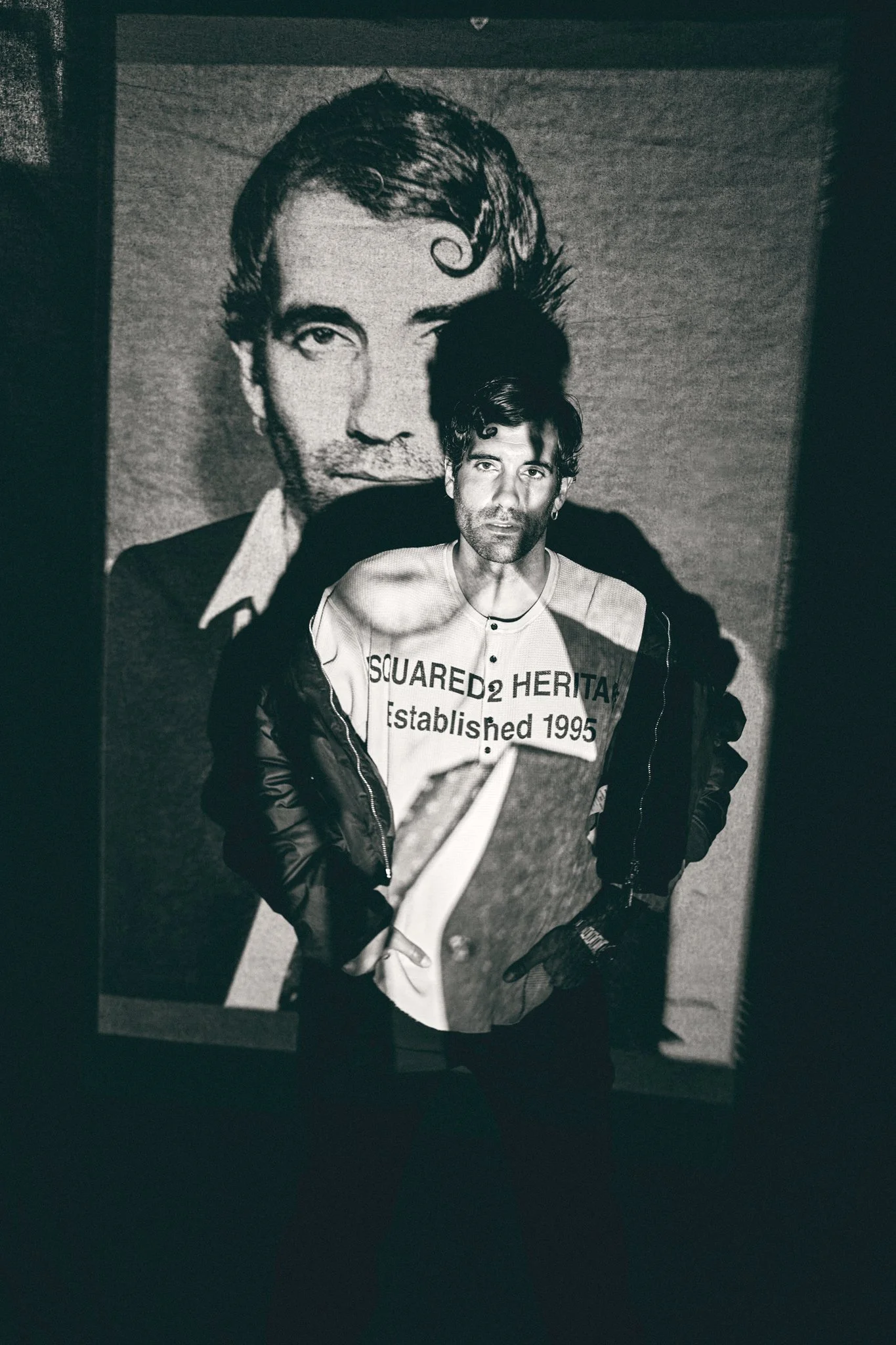
full look DSQUARED2
shoes HEREU
You’ve experienced the industry before and after streaming transformed it. Is there anything about the earlier era of filmmaking that you miss?
I’m nostalgic for the collective experience of watching films in movie theaters. Of course, it makes me very sad to see audiences decline, and I think it’s a cultural asset that needs to be protected and that we all need to contribute to so that it continues to make sense.
Away from acting, what allows you to disconnect completely from the industry and return to yourself?
Music is another one of my passions. I’m surrounded by musicians in my life. Traveling is one of the things that I enjoy as well, and trying new things, even if they seem a little crazy at first. This summer, I had the urge to go to the US to watch the Football national team. I had two weeks off, so I bought a ticket to Los Angeles before I even knew whether they would qualify, then went to Dallas, and finally New York. I was convinced they would win the Fifa World Cup. And they did.
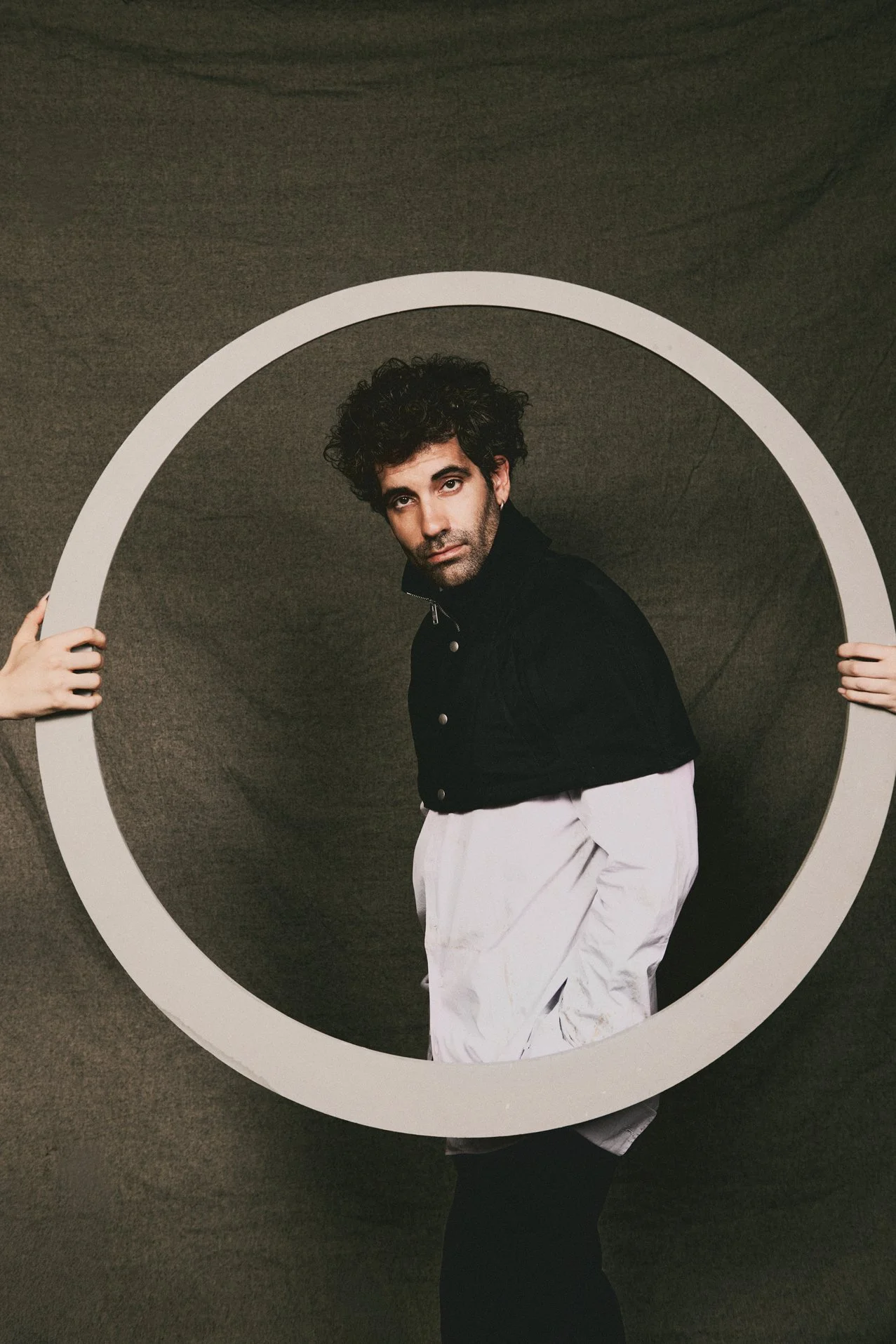
full look PRADA
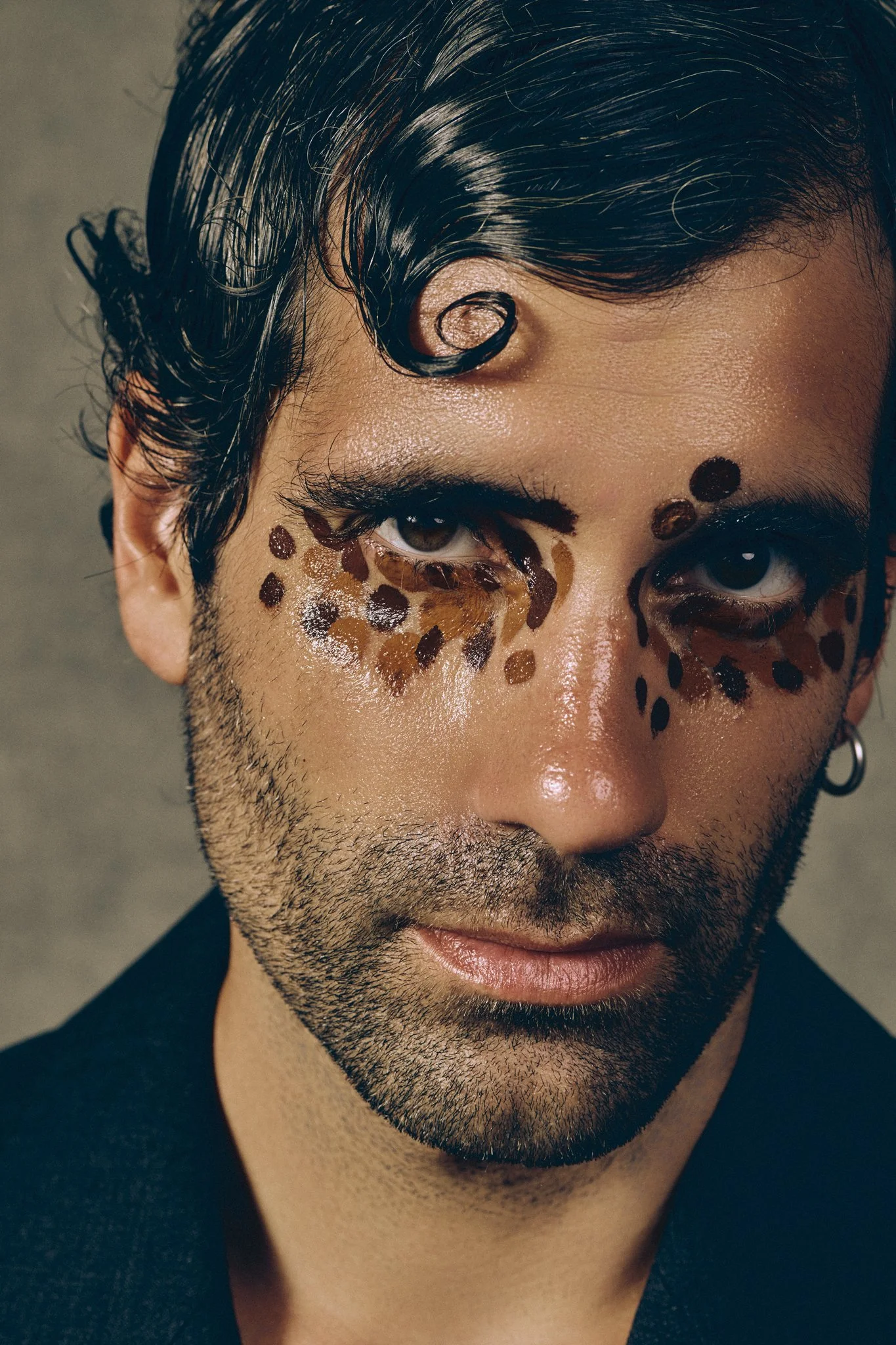
jacket PRADA
TEAM CREDITS:
talent TAMAR NOVAS
photography ANDRÉS GARCÍA LUJÁN
styling ANTONIA PAYERAS
makeup and hair PEDRO CEDEÑO
photography asssistant MARÍA GARCÍA-TREVIJANO
styling assistant SOL ZOIDO
editor TIMI LETONJA
editorial director and interview JANA LETONJA
