
IN CONVERSATION WITH TANZYN CRAWFORD
interview by JANA LETONJA
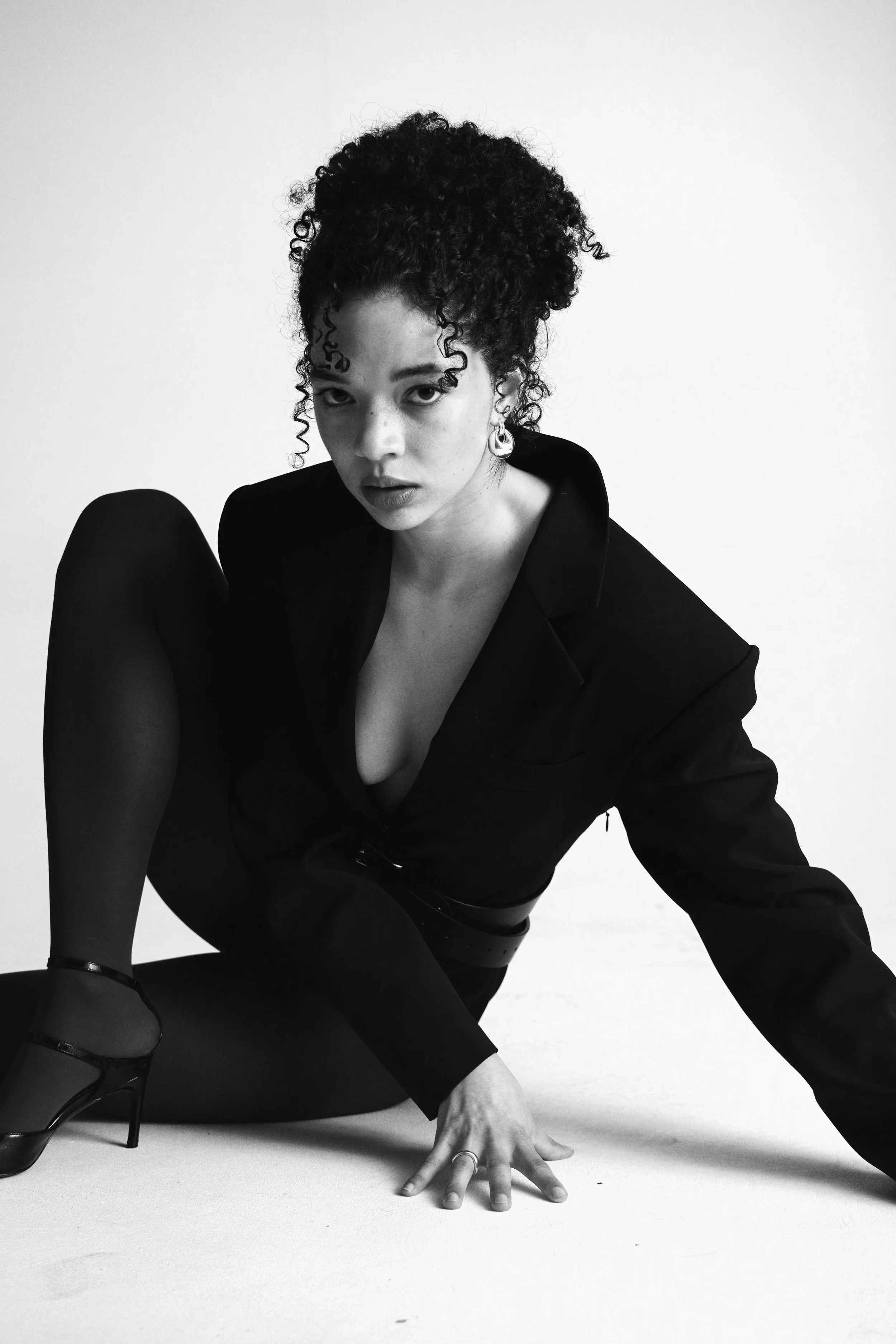
Australian actress Tanzyn Crawford is stepping into her breakout era. Currently starring as the female lead in HBO’s A Knight of the Seven Kingdoms, the latest Game of Thrones prequel, she is at the center of one of television’s most watched new series of the year. With a major role next in Netflix’s upcoming live-action Assassin’s Creed series, Tanzyn’s rise feels both undeniable and intentional. Known for her emotionally grounded performances, as well as her background in dance and movement, she brings a physical intelligence and modern sensibility to every role. Off screen, she’s equally compelling: a sustainability advocate, vintage fashion lover, and outspoken member of the LGBTQ+ community, shaping a career rooted in purpose, craft, and authenticity.
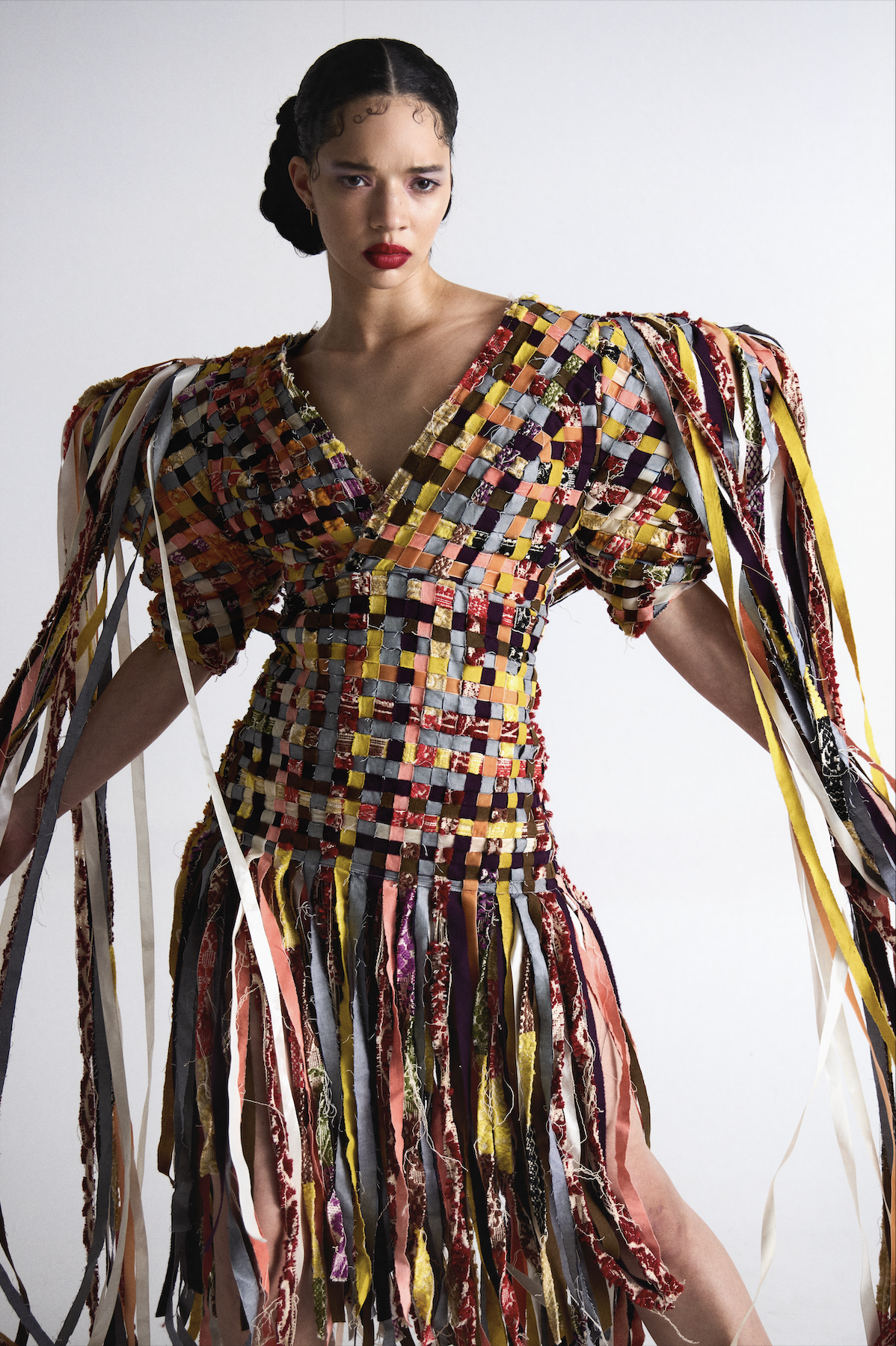
A Knight of the Seven Kingdoms debuted to massive viewership almost instantly. When did it hit you that this was a truly global moment?
I don't think it has hit me that this is a global moment. I don't think really anything in my life has changed that much. Nothing is really that different from before the show came out, besides maybe a couple extra comments on social media. But I'm so glad that it's a global moment and people like the show, and all I all I could ask for is that people resonate and find something authentic and joyful and relatable about Tanselle and the way that I portrayed her. So, I'm grateful that people like it.
How did stepping into a Game of Thrones universe feel different from joining any other series?
I don’t know if it felt that much different. I think I was really quite naive about the Game of Thrones universe. I had never watched the show before doing my audition, so it just felt like another audition. And now, after I've done the work, I'm glad that as I was doing the work it didn't feel like a lot of pressure, because I think that would have driven me insane. But now, after doing the work and realizing how much people love the books and this whole universe, it’s amazing. It’s overwhelming to feel like you have to portray something accurately. But yeah, honestly, at the time of filming, I felt pressure as an actor to do a good job for myself, but I didn't feel like I have got to carry the whole Game of Thrones universe on my back now, it just felt like kind of another acting job.
Your character sits at the emotional heart of the story. How did you approach grounding such a large, mythic world in something human?
Well, I think any character that any actor plays, no matter how big or terrible or whatever they are, you always have to make them human first. That's what we all are. We're human first, and so I just kind of focused on what Tanselle would be like, away from the camera. And then I also felt like it helped that I was so separated from the rest of the storylines and the other cast. So, I tried to stick in the script to just my scenes.
After I read the script the whole way through a couple times, I just took my scenes out and focused on them, and it was already quite removed from the violence and the men and whatever. It didn't feel like I've got to wipe this all from my mind, because I didn't get to see any of the fighting or anything at all. All my references of Ashford were puppets in my puppet tent in the market. And I think that keeps Tanselle quite normal compared to the kind of grandioseness of the rest of the set.
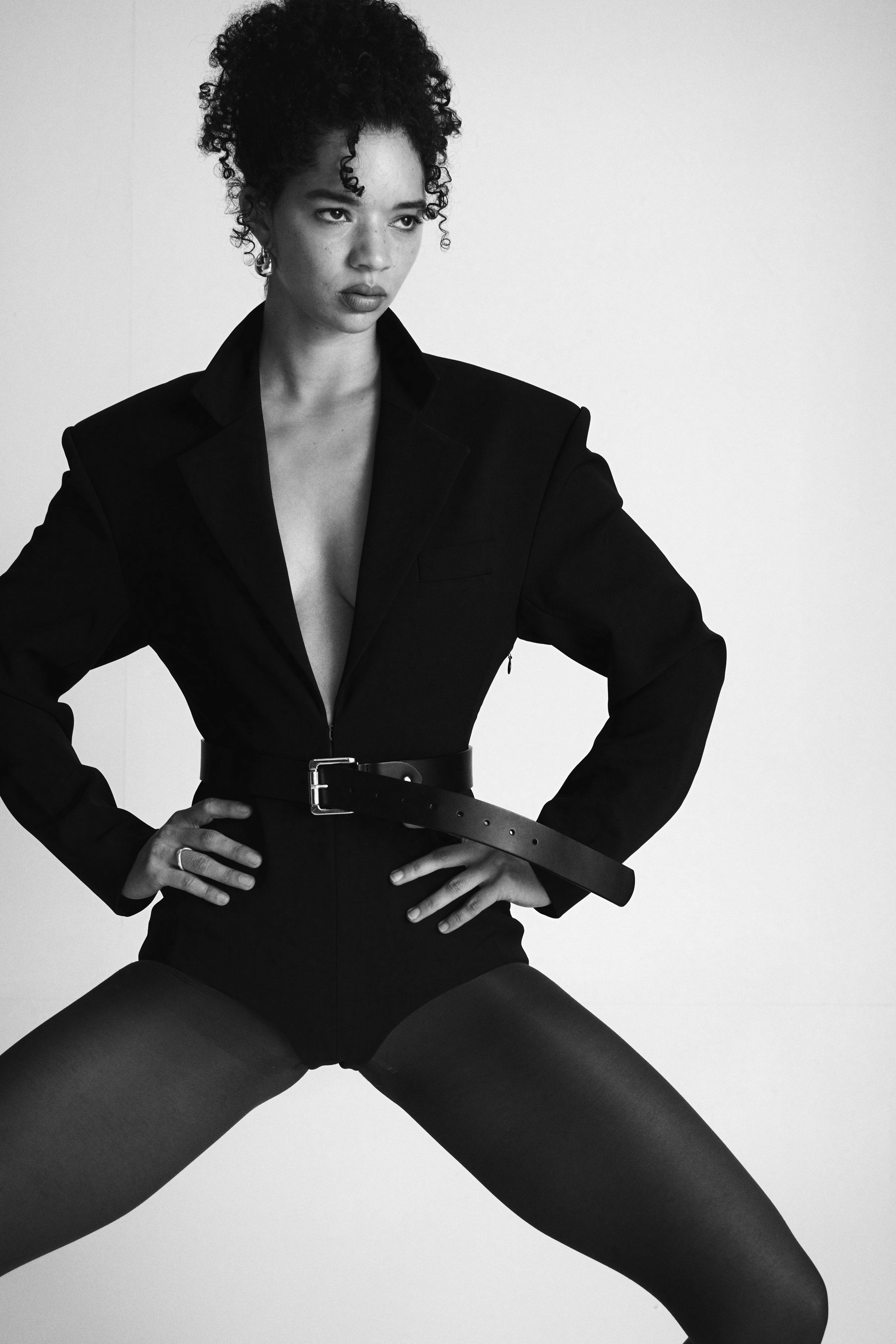
The show is set 100 years before Game of Thrones. Did you intentionally avoid the original series while preparing, or lean into it?
I didn't intentionally not watch the show. I just never watched the show because I was like nine when it came out, so I wasn't watching it at nine. And then I just felt like I kind of missed the ship, I guess, but it wasn't on purpose. Then after I got the audition and found out I got the role, I watched one or two episodes of House of Dragon, and then I watched one or two episodes of Game of Thrones, but I didn't feel like I really needed to watch it, because, one, we're in a completely different era, and it's a completely different tone. Knight of the Seven Kingdoms is completely different tone, and I didn’t want to mess up, or like muddy the waters of my mind feeling like I had to replicate some performance in ‘Game of Thrones’ for Tanselle. Also, she's a small folk, she doesn't need to have all this background knowledge of the kings, the queens, the fights, and the incest and the whatever. She just kind of moves through her life and her opinions and her views, and that’s her reference. So, yeah, I didn't intentionally avoid it, but I didn't really lean into it either.
Netflix is keeping your Assassin’s Creed character tightly under wraps. What can you share about stepping into such an iconic franchise?
It's incredibly exciting to be joining another incredible franchise with such a rich history and map or knowledge to tap into. I feel like I'm quite lucky to already get all these references for this world. And I’m very excited for this series. It's like a dream of mine to be in a role like this, so yeah, it's great. I'm very excited for it.
How does leading a franchise project differ creatively and mentally from more intimate, character-driven work?
I don't think of it as like a franchise is separate from character driven work. I think I always try to lead with people's humanity. Everybody has their own personality and their own whatever, and you have to shape that into maybe a bigger world and more elaborate setting, but it's always people first, emotion first, dialog first, and then everything else fits into it. So I don't think of it as much different than doing an independent film. It's all the same emotions and all the same work, just in a different scale, I think.
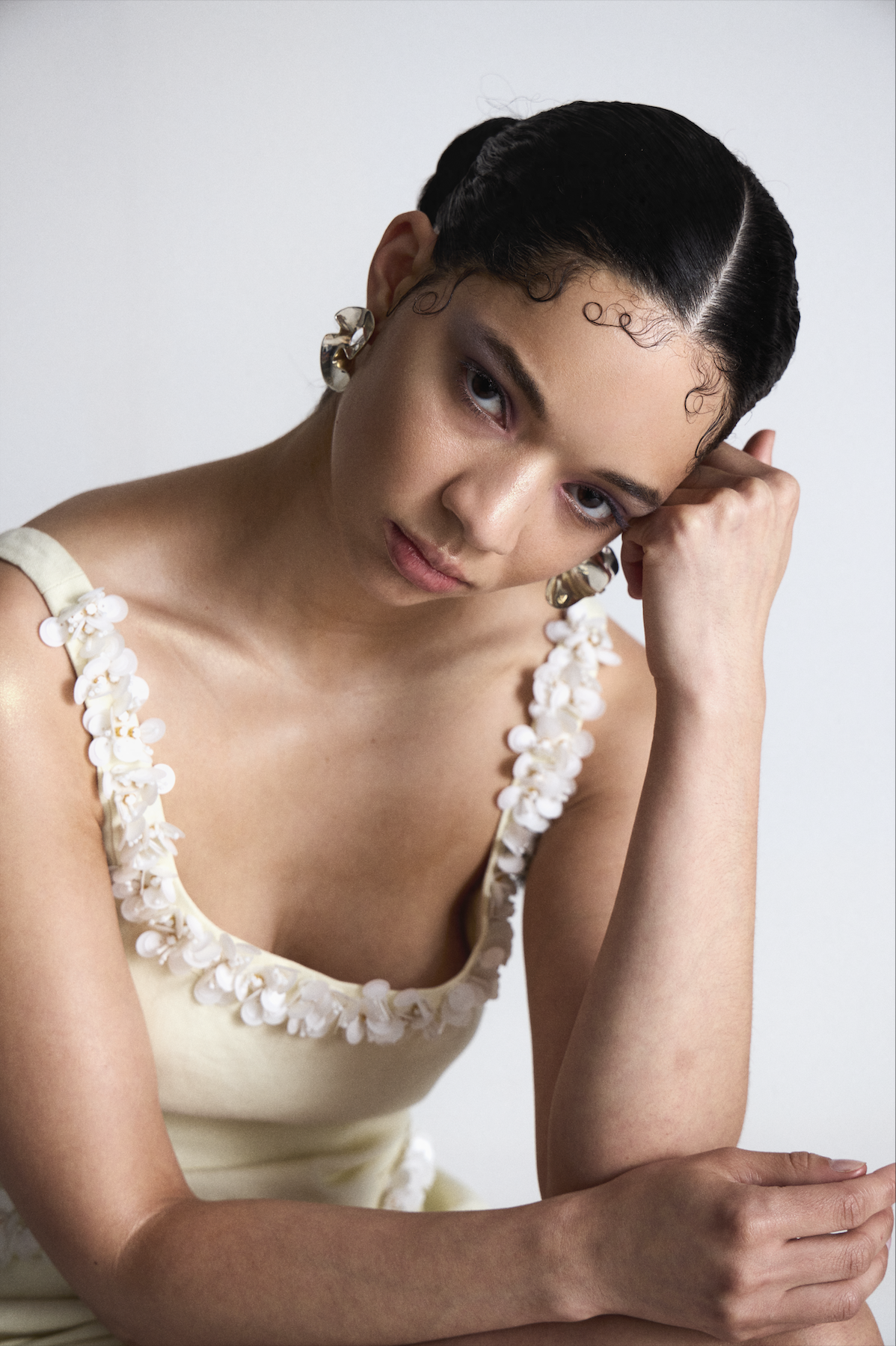
Your background in dance and gymnastics clearly informs your physicality on screen. How does movement shape your performances?
I wouldn’t ‘say I have a background in gymnastics. I’ve taken adult gymnastics classes for two years, so I wouldn't say that’s a background. I'm a very casual attender of gymnastics classes, but I have danced for a long time. I've always been a very athletic person, very attuned to my body and movement, and that's like a comfort zone for me. So anytime where movement is involved, it sort of becomes automatic in my brain, which kind of makes way for freedom of words. It doesn't have to be so arduous when I can connect it to something that I'm already so familiar with. But I always use, dancing at the end of a really hard scene, or dancing before I go on set. It's just like a freedom of release and makes me comfortable, and it makes me sink into my body. So I think that's kind of how I use it on screen. And I like to melt both worlds into each other, and probably insert more physicality in roles that don't need it, but I just want to do it.
You’ve played daughters, leaders, survivors. What kinds of characters are you most drawn to right now?
Right now, I think I'm drawn to just characters that have agency. I think sometimes you read a script and you think, “Oh, this character is being pushed through this world by all these other people.” Even if they're CEO of company. It's okay, the way they're written is that they have no agency. You could be a fictional serial killer or the worst person you can think of to play, but they have agency and they have a journey, whether it's positive or negative journey, who knows. But they make their own choices. I think those characters are very interesting to me, just characters that aren’t so neglected, I guess. Characters that make their own choices really interest me. And also, anything physical I love. Like I said before, anything that helps me connect to my body even more, I'm definitely drawn to.
As an openly LGBTQ+ actor, how do representation and visibility factor into the roles you choose?
I don't know if it does. I’m not turning away straight characters. I mean, I like when a character is LGBTQ, but that's not the most interesting thing about a person. And so it doesn't really factor into what I choose. If the character is just written as an LGBTQ poster child trope, I think then whoever's written that's really missed the point. I do think being LGBT is like the least interesting thing about a person, there's so much that goes into a human being. So I wouldn’t say it really factors into my roles that I choose, but you know it is nice. It’s nice when there are LGBTQ characters in something.
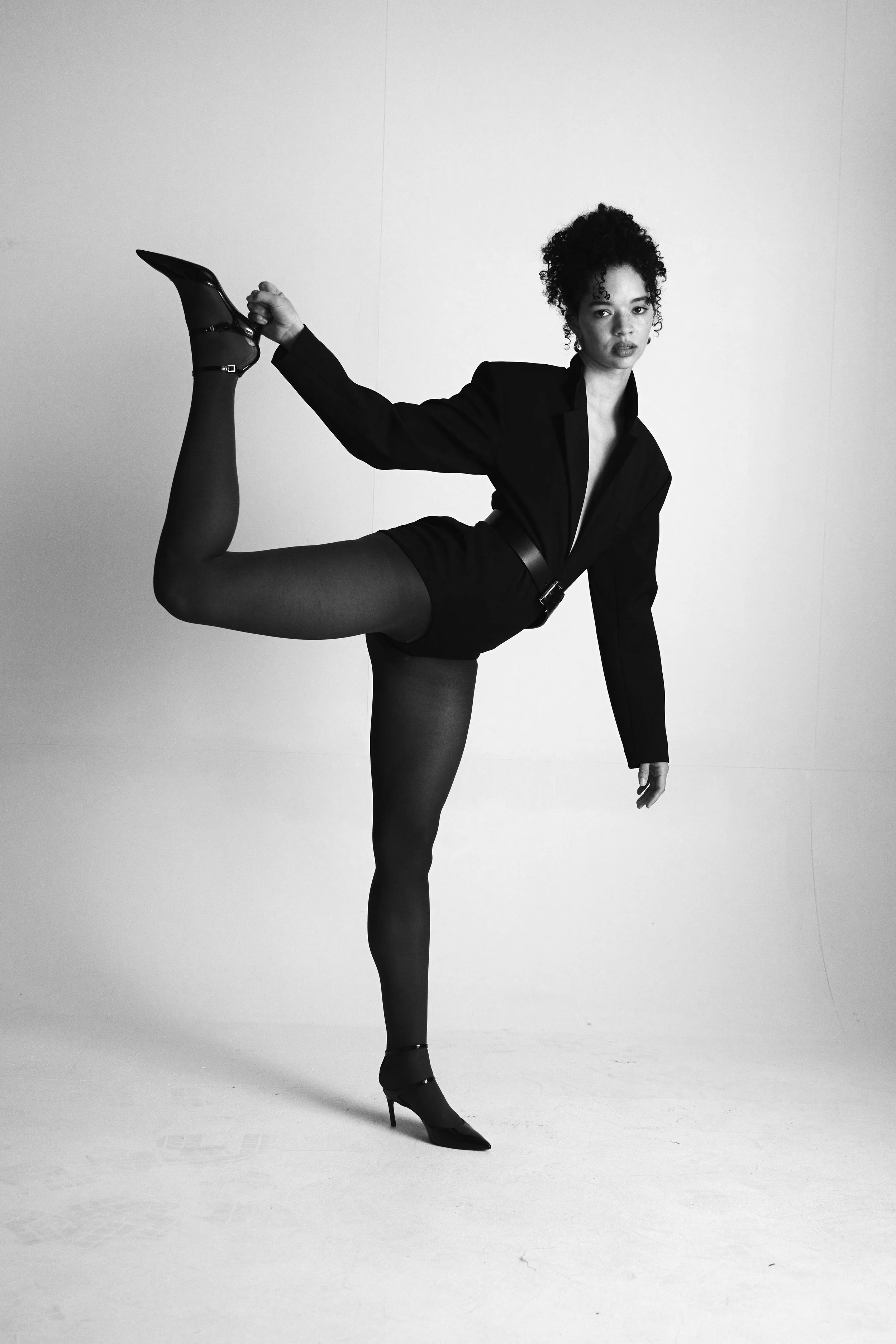
You’re passionate about sustainability and vintage fashion. How did that love begin?
I like vintage fashion because it's just nicer and better than clothes that are made today. I think things that are made now are cheap and wears in like two years, and I really respect a nice, solid denim pair of jeans made 50 years ago that were made to last. I think that we’ve come into such a fast cycle of use in 2026 that is just terrible for the planet. And there's so much textile waste already. And so I just think that shopping secondhand and shopping vintage is better for the planet, and you get way more interesting things that nobody else has, and you look better.
My love for it began because I couldn't afford to buy anything. My mom always bought secondhand stuff growing up for my sister and I. I always got her clothes that she didn't fit anymore. So, you know, I think it just was born out of necessity. And then I realized that I could not only buy secondhand things that are very unique, but also make them and turn them into stuff that is different, and other people don't have. That's my favorite part, other people don't have the stuff that I have.
Your Depop shop became a creative outlet of its own. What did reworking thrifted pieces teach you about personal style?
I love reworking thrifted pieces. When I first started sewing and reworking things, I was still caught in the trap of trends and trying to create things that I saw on TikTok that people thought were cool, trying to make this pair of sweatpants or trying to make this top or whatever. And then I'd finish it, and I'd think, “Oh, I just put in four hours of work for a top that I don't really care about, just because someone said it was a trend”. So I learned to kind of only put the effort into things that I actually cared about and things that I really genuinely wanted to make, and not being hasty. Because a lot of stuff is a time commitment. To sit down and make a pair of pants from scratch, depending on the pants and how complicated it is, might take three hours. Am I gonna waste three hours on something because someone else told me it was a trend? I mean, you can kind of go blindly into it and you can go into a shop to buy something in 10 seconds. But when you sit down and you put your own effort into it, it kind of makes you rethink exactly what I like and I want to make shouldn't be influenced by what other people think is fashionable at the moment.
Fashion and film often intersect. How do you use fashion as a form of self-expression rather than performance?
Kind of what I was saying before, you dress for yourself and not for what you think is flattering for other people, or what is impressive to other people, or trendy for others. Someone might have good style, but you can tell it's completely external, and they have no passion and connection to it, it's just what they thought would look cool to other people. And I think that's lame. So, yeah, dressing for yourself entirely and not caring about how others perceive your style.
This moment feels like a major turning point. How are you staying grounded as your career accelerates?
I don't want to sound like a negative Nelly over here, but nothing has changed that much. I have no problem staying grounded because nothing is different. I'm just kind of moving, as I always have been. Moving, auditioning and hoping for the best and whatever. But I guess my family helps me stay grounded. I mean, obviously, everybody's proud, but everyone's kind of indifferent and everyone has their own life going on and moves on with their own thing. So nothing really feels that different for me at the moment. I think I'm just doing what I always do.
TEAM CREDITS
talent TANZYN CRAWFORD
photography ROB TENNENT
styling LYNN MATHUTHU
hair LAURA MAZIKANA
makeup PETER BEARD
interview JANA LETONJA
editor TIMOTEJ LETONJA
