
interview by JANA LETONJA
With a career spanning television and cinema, Taylor Kinney has established himself as one of Hollywood’s most recognisable and compelling leading men. Best known for his portrayal of Kelly Severide in Dick Wolf’s acclaimed NBC drama Chicago Fire, he continues to captivate audiences in the show’s fifteenth season, bringing depth, intensity, and emotional authenticity to a character who has become a defining part of his career. His performance has earned him widespread recognition, including a People’s Choice Award for Favourite Dramatic Actor. Beyond television, Taylor has demonstrated his versatility through an impressive range of film roles. For Numéro Netherlands, Taylor reflects on his enduring connection to Chicago Fire, the experiences that have shaped his artistic journey, and the importance of finding fulfilment beyond Hollywood.
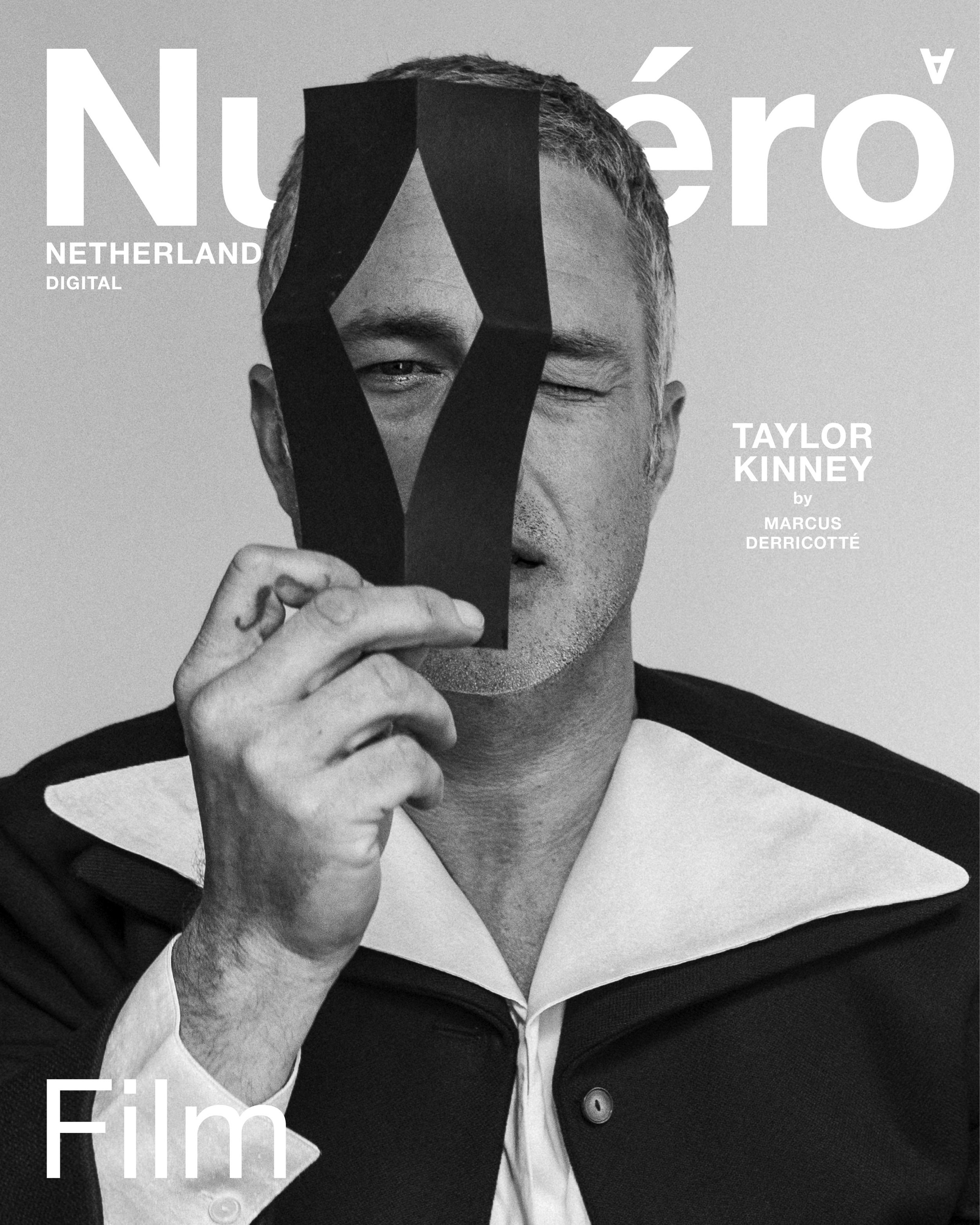
You’ve built a career that spans both long-running television and an impressive variety of film projects. Looking back, what first drew you to acting, and how has your relationship with the craft evolved over the years?
I’ve always loved photography. I took a photography course in high school, and I don’t even think I passed the class, but I absolutely loved being in the darkroom. We were given a limited amount of film, so if the assignment was to photograph a flower, I’d take two pictures of it and use the rest of the roll to shoot whatever I wanted. I’d spend hours developing photographs. I loved the entire process.
I think I’ve always had that creative inclination, although it didn’t necessarily fit into the traditional structure of a classroom. When something interests me, I throw myself into it completely.
During my sophomore year of college, I took theater as an elective. Around that time, I saw graduate students perform Death of a Salesman. It was one of my first experiences watching dramatic acting onstage, and I remember thinking, “They’re doing it all wrong!” But it sparked something in me. I became increasingly interested in dramatic plays and playwrights, and that curiosity eventually led me toward acting.
I left college during my junior year and moved to Hawai’i for a year. Afterward, I returned to Pennsylvania and started saving money. One night, I ran into a friend who was planning to move to Los Angeles. I knew absolutely nothing about LA, but I told him, “If you find a two-bedroom apartment, I’ll split it with you.” He found a place, and I stayed in Pennsylvania for another few months to save enough money to move. So I was actually paying rent in Los Angeles before I could afford to live there.
When I first arrived, I didn’t know anyone in the entertainment industry. I started from the ground up, joining workshops and theater companies, learning through trial and error, and constantly practicing. Looking back, I think my ambition far outweighed my experience. But I believed in what I was doing, and I’ve always had a strong work ethic. I figured that if I stayed committed long enough, something would eventually come of it.
I’m incredibly grateful that it did, especially to Dick Wolf, Peter Jankowski, and NBC for giving me the opportunity to play this character. Reaching a fifteenth season or celebrating a 300th episode really makes you reflect on everything. Those milestones are humbling. They still blow my mind. I’m grateful that audiences continue to watch and connect with the show. It’s what allows us to keep doing what we love.
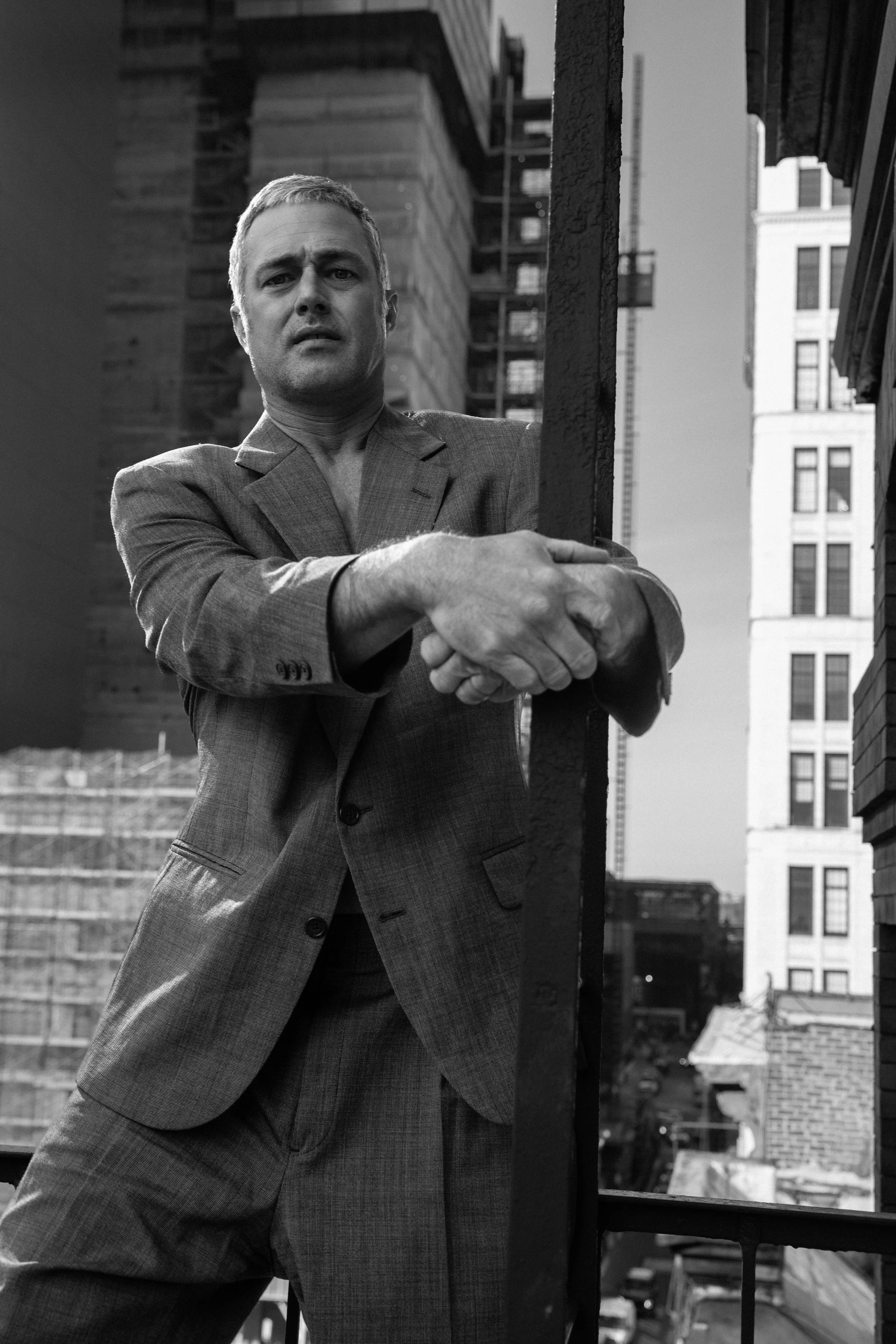
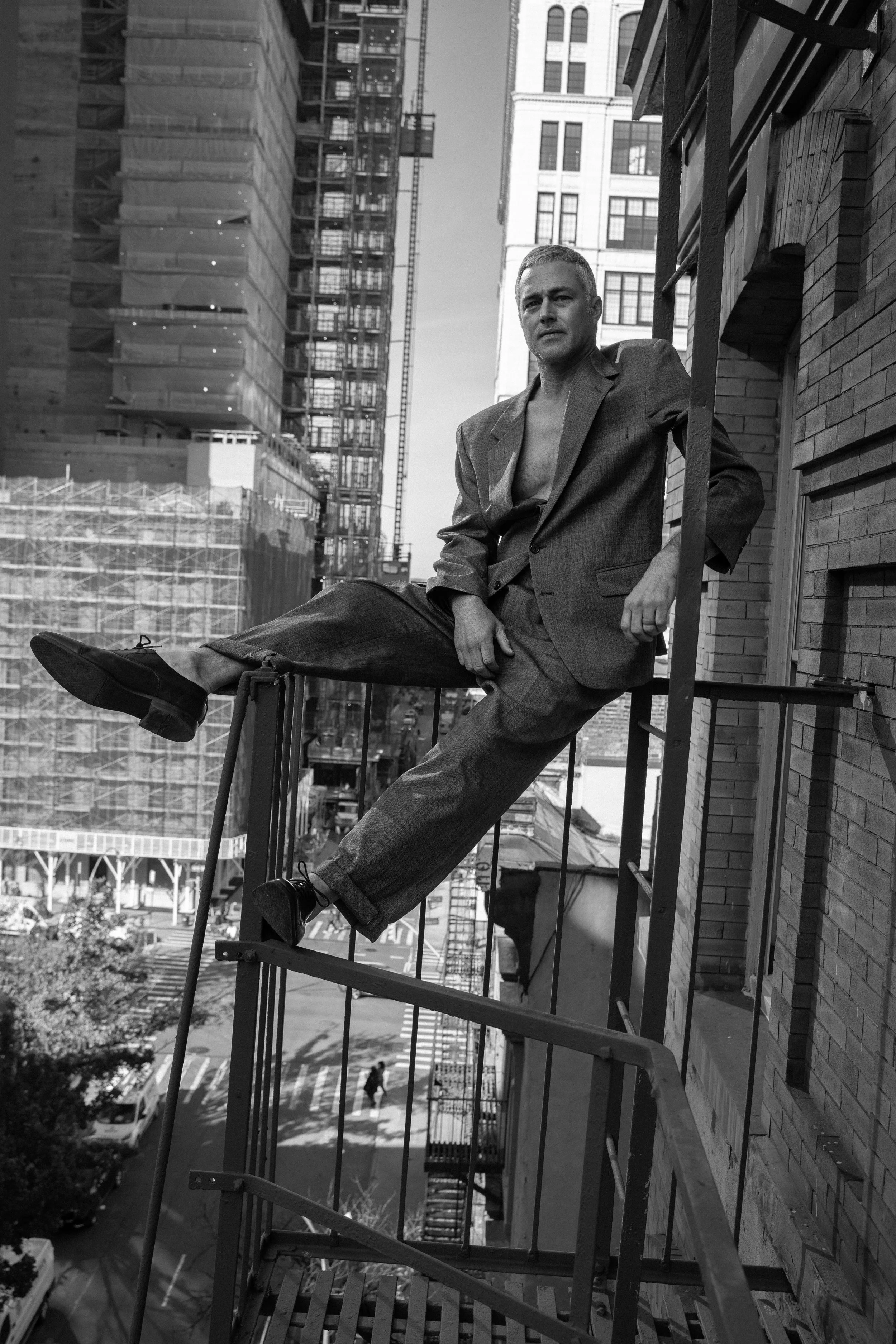
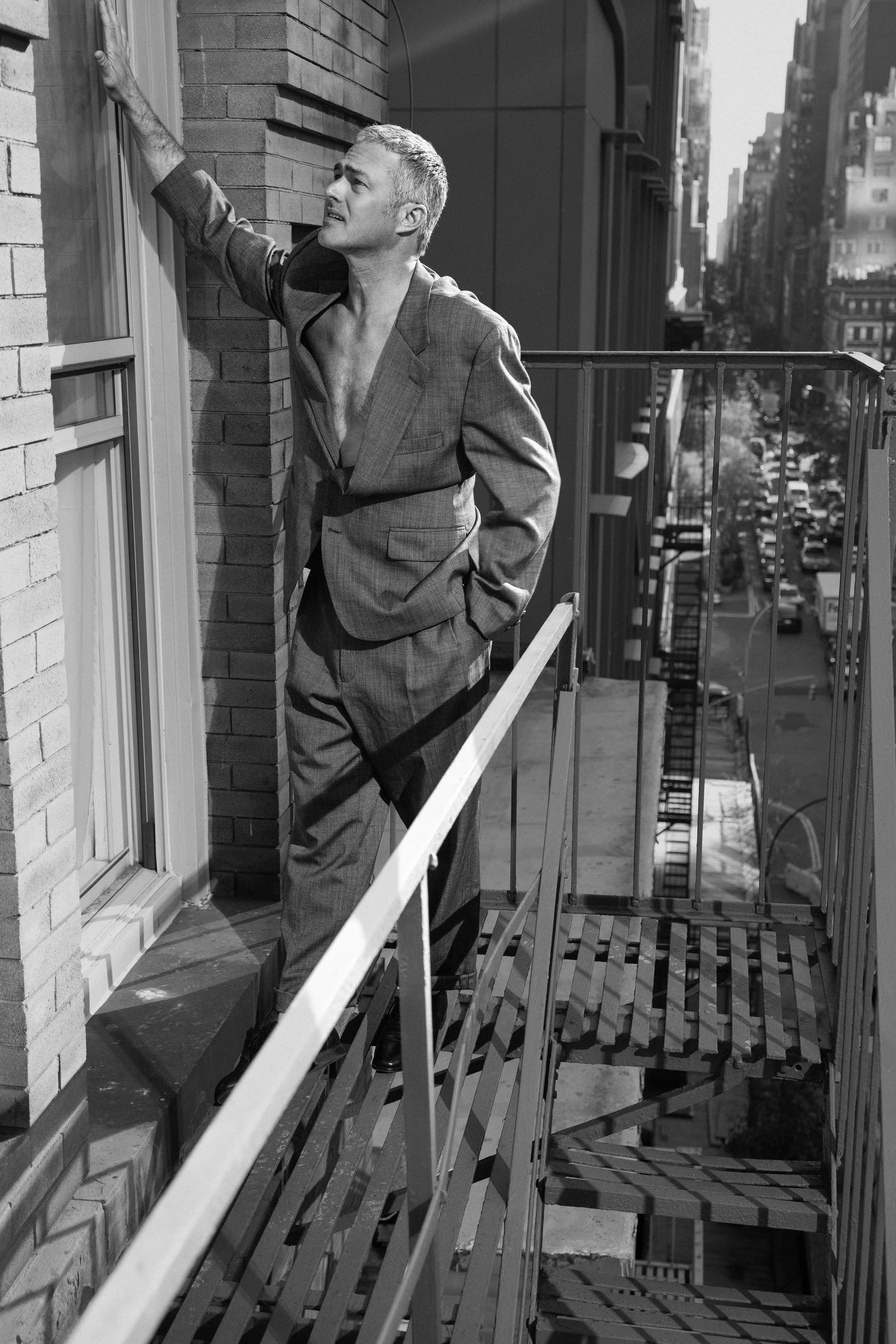
suit HALSTON
shoes PRADA
From independent dramas to major Hollywood productions, you’ve explored very different genres and storytelling styles. What makes a role compelling to you today, and has your approach to choosing projects changed as your career has progressed?
I moved to Los Angeles around 2004 or 2005, and back then, so much of the experience revolved around auditioning in person. I didn’t have a car, and public transportation could be a nightmare. I’d show up to auditions sweating and sunburned, but at least I was getting face time with casting directors.
Even if you didn’t book a role, you had the opportunity to make an impression. If you came prepared and delivered a strong audition, a casting director might remember you for something else. Today, almost everything is done through self-tapes, which is such a significant change. Those in-person auditions, the waiting rooms, and the energy of being around other actors were a huge part of my development.
When I was starting out, I wasn’t particularly selective. I was broke, hungry, and eager to work. I was essentially throwing darts at the wall to see what would stick. During the first few years of Chicago Fire, I worked on several films, including Zero Dark Thirty, The Other Woman, The Forest, and Rock the Kasbah with Bill Murray. I loved those experiences, but I was barely seeing my family. I’d spend my entire hiatus preparing for another role, traveling, and working. Eventually, I realized I needed to slow down.
These days, I really value my downtime and spending time with family. I’m more discerning about the projects I take on. If something genuinely challenges me creatively, or there’s a director or actor I’ve always wanted to work with, that will absolutely get my attention. But I’m no longer interested in taking a role simply for the sake of working.
There’s also a fundamental difference between film and television that I’ve come to appreciate. With a film, you have a defined beginning, middle, and end. With Chicago Fire, the character is constantly evolving. After all these years, we’re still discovering new dimensions of Severide, and I really enjoy that.
Television also creates a unique relationship with audiences. You’re invited into people’s homes week after week, year after year. Sometimes you forget just how much time you’ve spent in their living rooms. When people approach me, it’s usually with a smile and something kind to say about the show. That’s a special connection, and something I never take for granted.
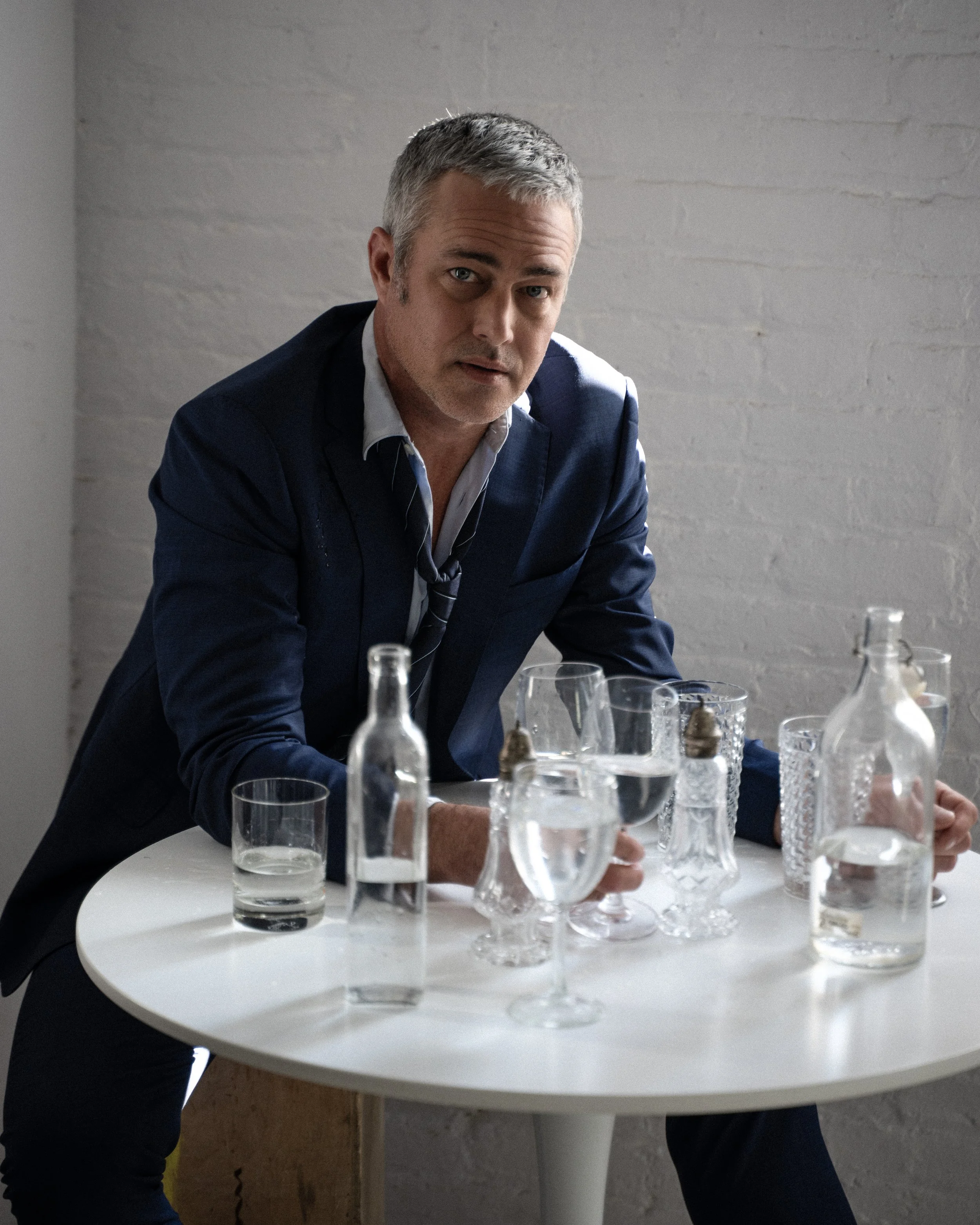
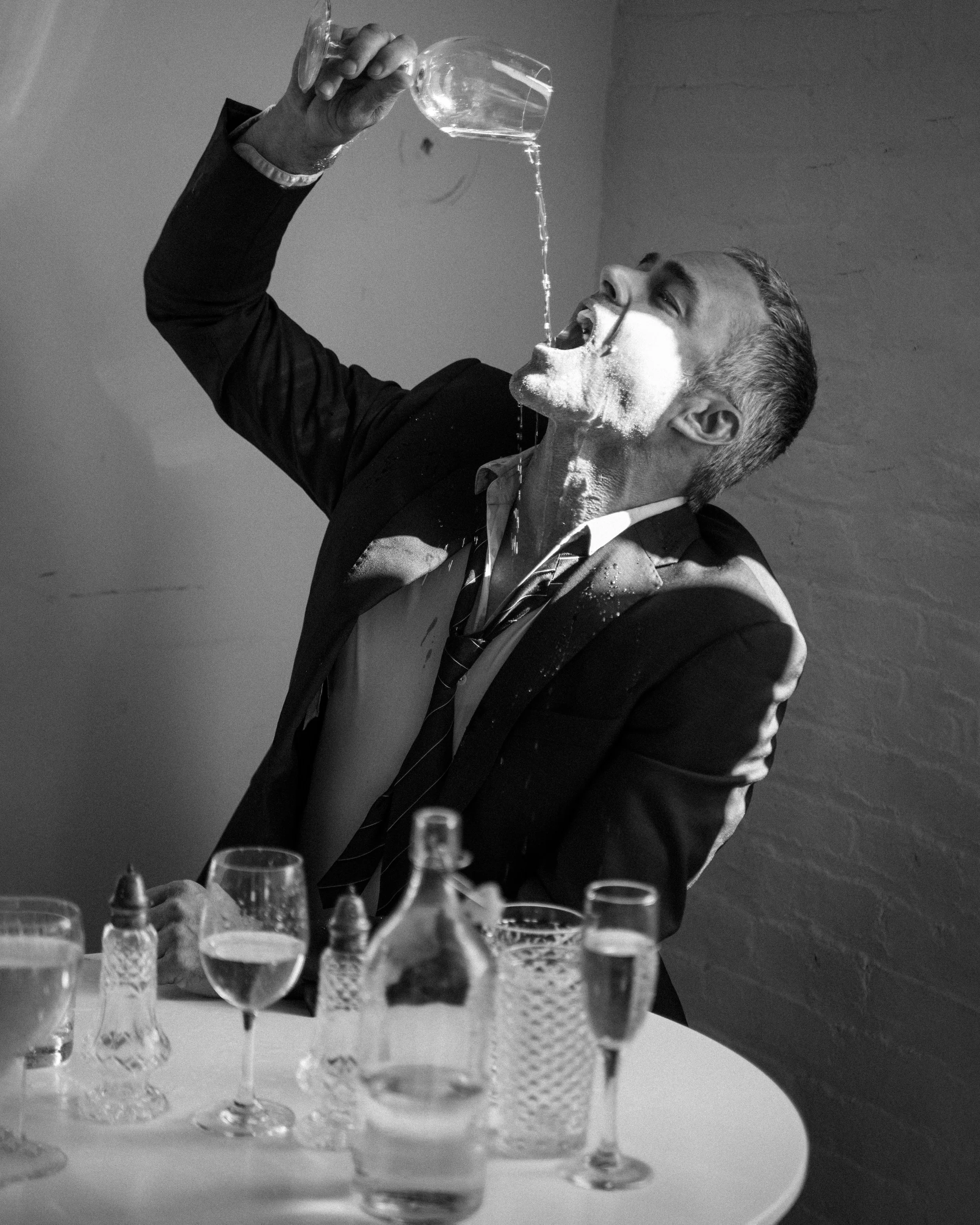
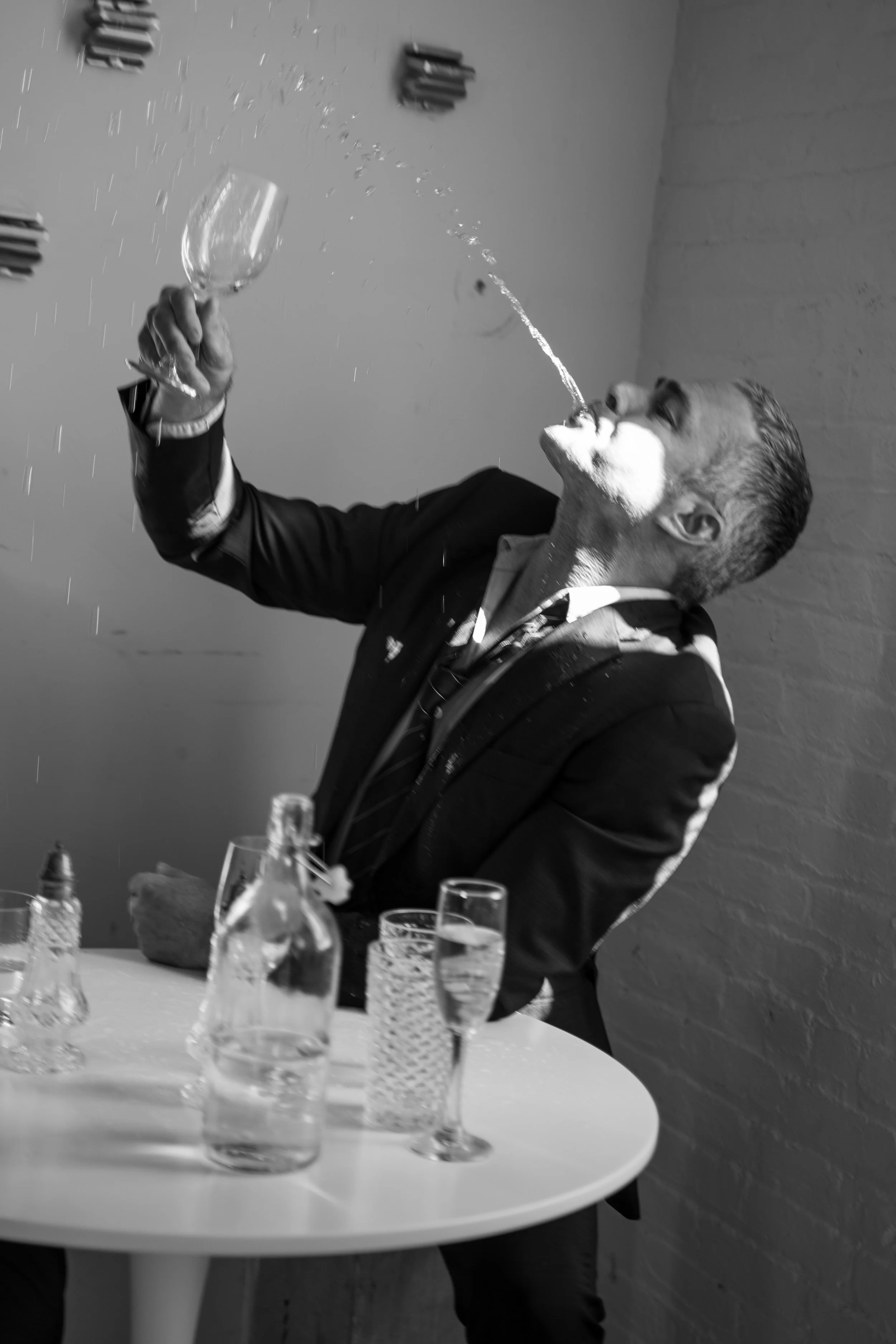
suit EMPORIO ARMANI
top CANALI
tie YVES SAINT LAURENT
When you first stepped into the role of Kelly Severide, could you have imagined that the character would become such a significant part of your life?
No, not at all. I think imagining something like that at the beginning would have been overwhelming.
I remember auditioning for Law & Order: SVU after Christopher Meloni left, and also for Law & Order: Los Angeles. I’d previously worked on an NBC series called Trauma, so I already had a relationship with the network. Of course, I was familiar with Dick Wolf’s work and knew what those opportunities could potentially mean. But then you’d walk into an audition and see hundreds of incredibly talented actors competing for the same role. It could be intimidating.
When I got Chicago Fire, I understood there was potential for longevity because of Dick Wolf’s track record. But that also came with pressure. I’d worked on a pilot with Don Johnson that never got picked up, and Trauma lasted nineteen episodes before being canceled. Those experiences taught me that nothing is guaranteed.
I felt a tremendous responsibility to make the most of this opportunity. So I focused on doing the best work I could and taking things one day at a time. It’s like running a marathon. If you focus on the entire distance ahead, you’ll overwhelm yourself. But if you concentrate on one mile, one step at a time, it becomes manageable.
I remember when we found out we were getting a second season. That was genuinely one of the proudest moments of my career. I’d never been part of a show that reached that milestone. I used to see crew members wearing jackets or hats with “Season Two” or “Season Three” written on them, and I thought that was the coolest thing.
To me, those little details represented something much bigger: dedication, collaboration, and perseverance in an industry where so many projects don’t succeed. And now, being able to send my brother back in Lancaster a Chicago Fire jacket that says “Season 15” on it? That’s pretty special. It’s still surreal, and I’m incredibly grateful.
You’ve portrayed Severide through years of personal and professional challenges. How has your understanding of him changed since the beginning of the series, and what aspects of his personality do you connect with most today?
He’s resilient. I know that much.
I think I had a lot more noise in my head when we first started. I was constantly experimenting with the character, trying different approaches, and figuring out what worked. You can learn a tremendous amount from watching the final edit of a scene.
In the early years, I watched the episodes religiously. If I had a scene with Chief Boden, I might play one take completely straight and another with a little more humor. I wanted to see how far I could push the character and what the editors would ultimately choose. Sometimes they’d use an improvised line or an unexpected take, and those choices would gradually help shape the character. It’s a collaborative process.
Over time, I’ve developed a much clearer understanding of what drives Severide, but I still love experimenting and bringing new ideas to the table. I think it’s important to remain flexible and open to discovery.
In my personal life, I’m fairly easygoing. I tend to go with the flow, and Severide can be that way too. But he’s also very particular about his work, his boundaries, and the people he allows into his life.
His relationship with his father, Benny, had an enormous influence on him. There’s an interesting tension between wanting to forge your own path and acknowledging how much of that path has been shaped by your family. For a long time, Severide resisted that connection.
But I think that changes as you get older. You begin to understand that your parents are human. You can put them on a pedestal, but eventually, they’ll fall short of that ideal because they’re people, just like everyone else. After Benny’s passing, I think Severide began to see things differently. There was a shift in how he understood his father and his own identity. Hopefully, that reflects a genuine evolution in the character. I love that there’s still room for him to learn and grow, even after all these years.
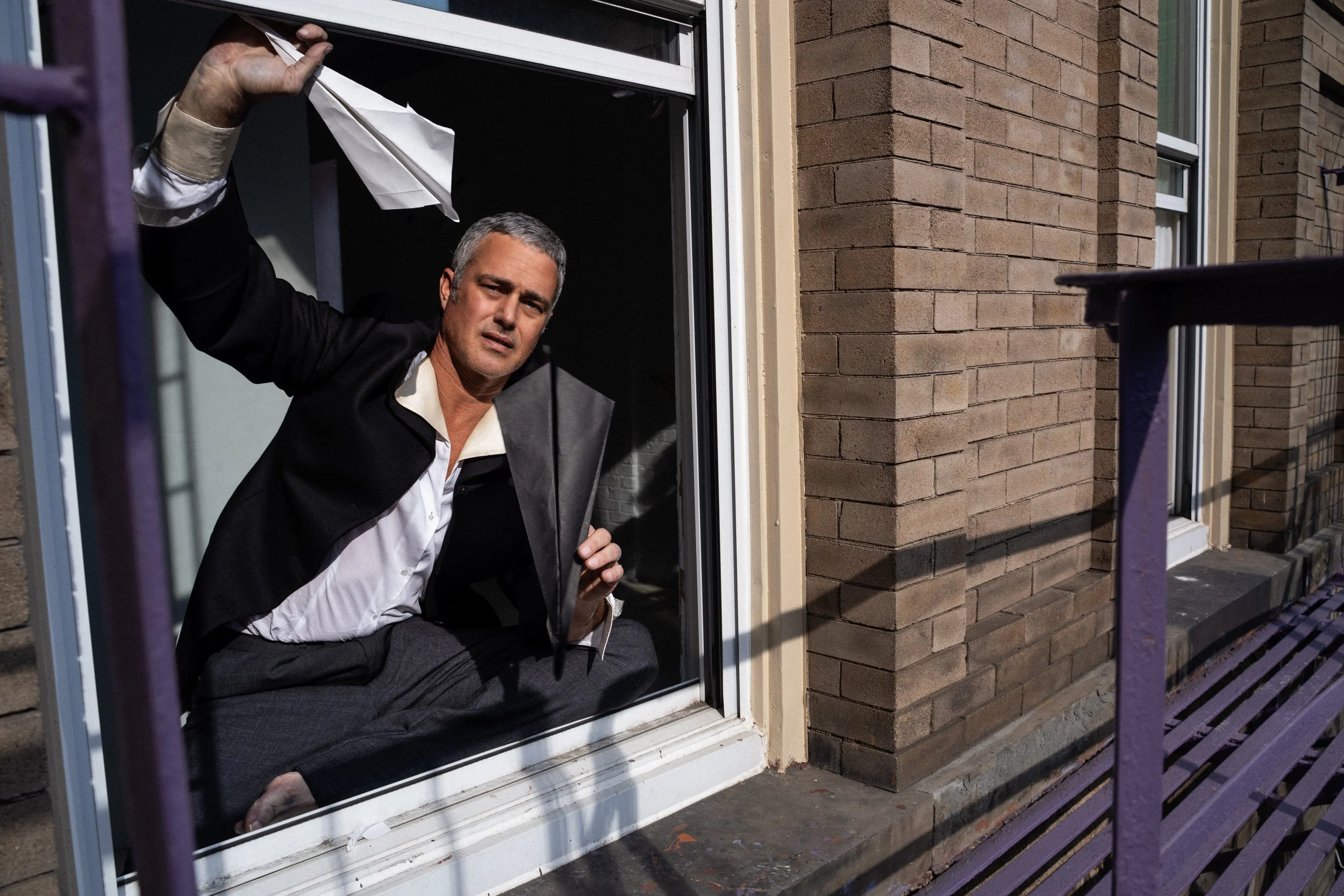
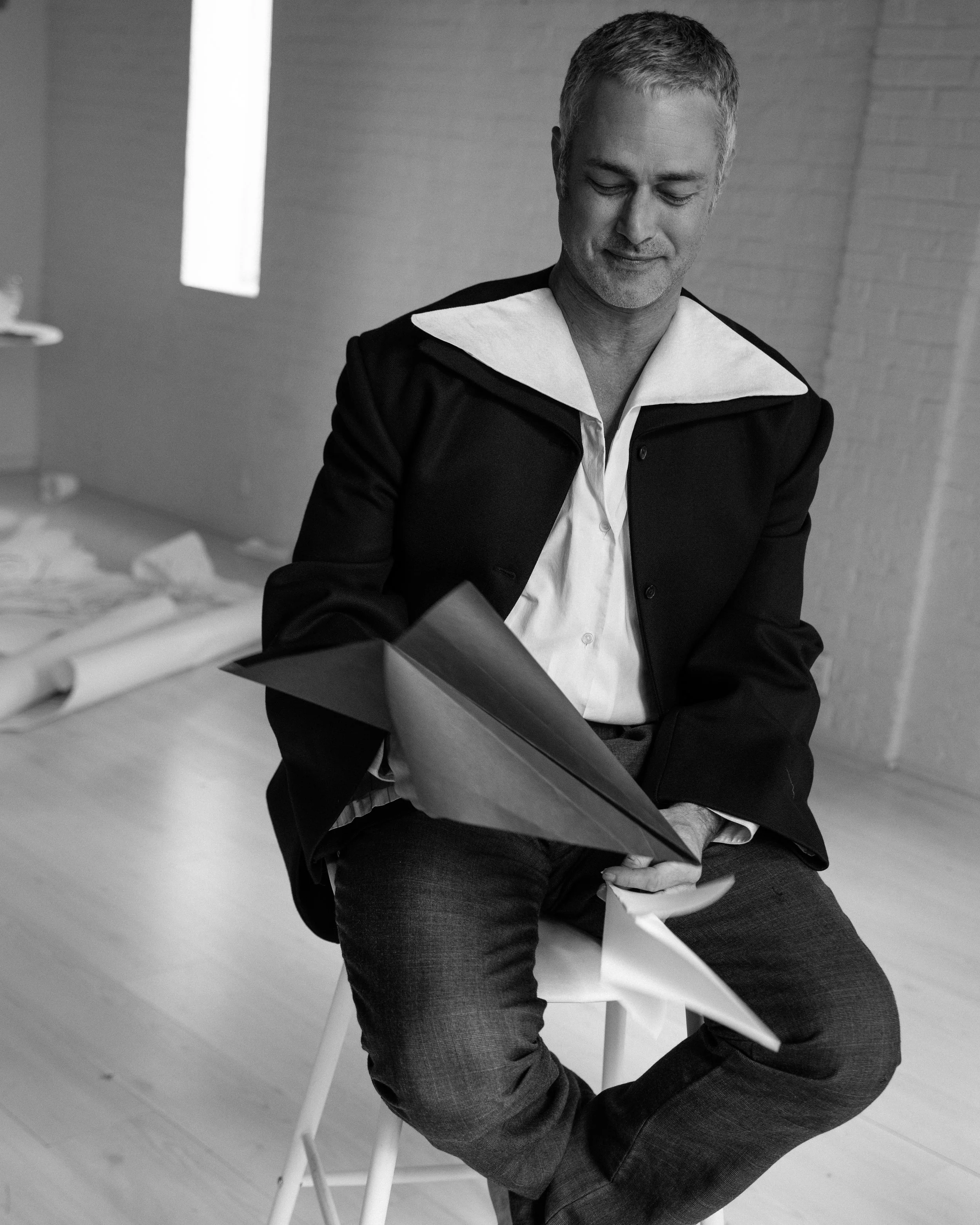
blazer & shirt CALVIN KLEIN
trousers TOM FORD
One of the show’s defining qualities is its exploration of courage, loyalty, sacrifice, and the bonds formed between first responders. Which of these themes resonates most strongly with you personally?
I think it’s the sense of community within a firehouse and, above all, the willingness to sacrifice for others. We’re speaking around Veterans Day, so I want to send my love and appreciation to everyone who has served, including veterans and first responders.
There’s a level of self-sacrifice involved in those professions that I don’t think most people can fully comprehend unless they’ve experienced it themselves. Firefighters, in particular, have some of the biggest hearts of anyone I’ve ever met. Of course, they’re human. They make mistakes, and they’re not perfect. But at the heart of what they do is this extraordinary willingness to put their own lives at risk to save someone else, often a complete stranger. That’s essentially the job.
Whenever I’m trying to understand Severide’s perspective, I come back to that fundamental truth. There might be disagreements within the firehouse, or someone might make a mistake, but underneath it all, these are people who have willingly chosen a profession centered on helping others. They’re not doing it for fame or fortune. They’re doing it because they believe in something bigger than themselves.
In my experience, the firefighters and first responders I’ve met are genuinely good-hearted people, and I think that spirit is reflected in the show and our own cast and crew. I give a lot of credit to Dick Wolf and Peter Jankowski for bringing together people who share that mentality. We work long hours, and it can be demanding. Don’t get me wrong, I think I have the greatest job in the world. But it still requires dedication, resilience, and a willingness to show up for one another. That sense of camaraderie is what makes it so special.
With Chicago Fire now in its fifteenth season, what keeps the experience creatively exciting for you?
The first thing that comes to mind is having a new showrunner. I’ve had wonderful relationships with our previous showrunners, and change can sometimes be difficult. But it also creates opportunities for fresh storylines and different creative perspectives.
The same goes for the cast. Whenever new people join, it opens the door to new relationships, tensions, conflicts, and even love triangles. It keeps things interesting.
Our new showrunner this season, Victor Teran, and I grabbed a bite to eat before production started. I wanted to hear his ideas and talk about potential storylines he might not have had the opportunity to explore before. Those conversations excite me. They make me want to come to work prepared, contribute ideas, and really engage with the creative process.
I also love the physical nature of working on Chicago Fire. One of my favorite things about the show is how much time we spend on location. We’re probably filming outside the studio for more than a third of any given episode, and over the years, I’ve gotten to know Chicago incredibly well. I’m a pretty blue-collar guy at heart. I like working with my hands, and I love being outdoors. So the nature of this show really suits me. After all these years, it still feels like putting on a glove that fits perfectly.
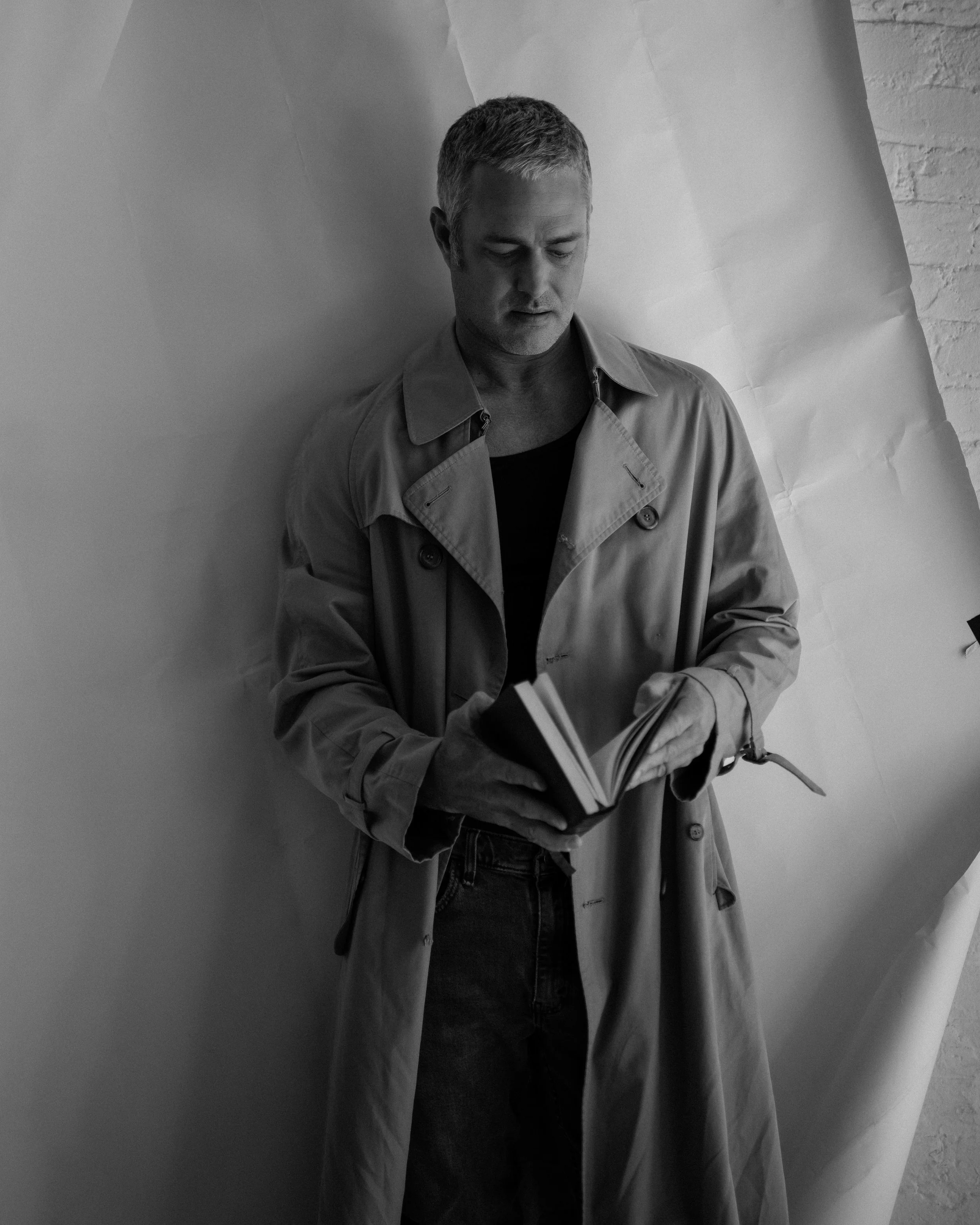
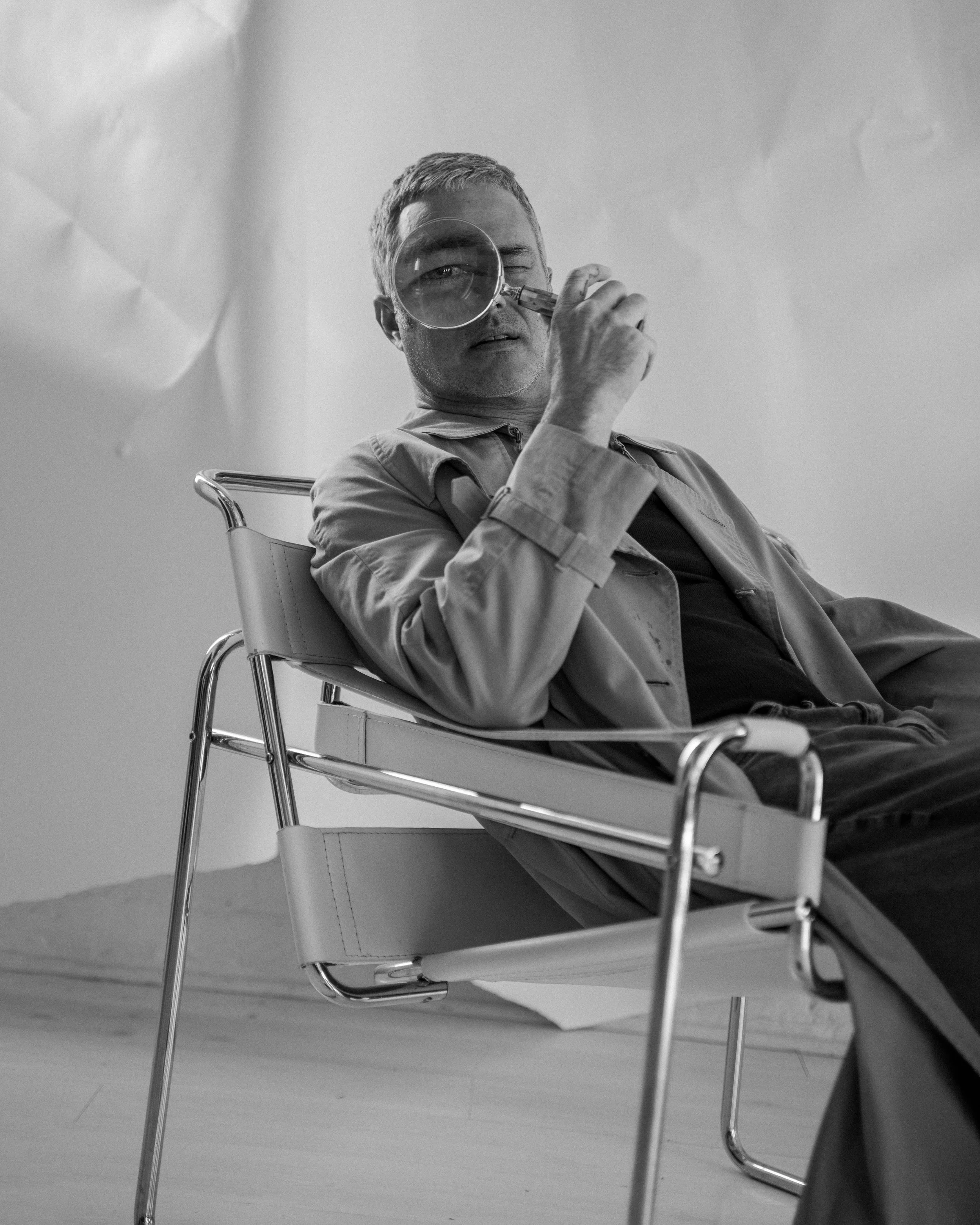
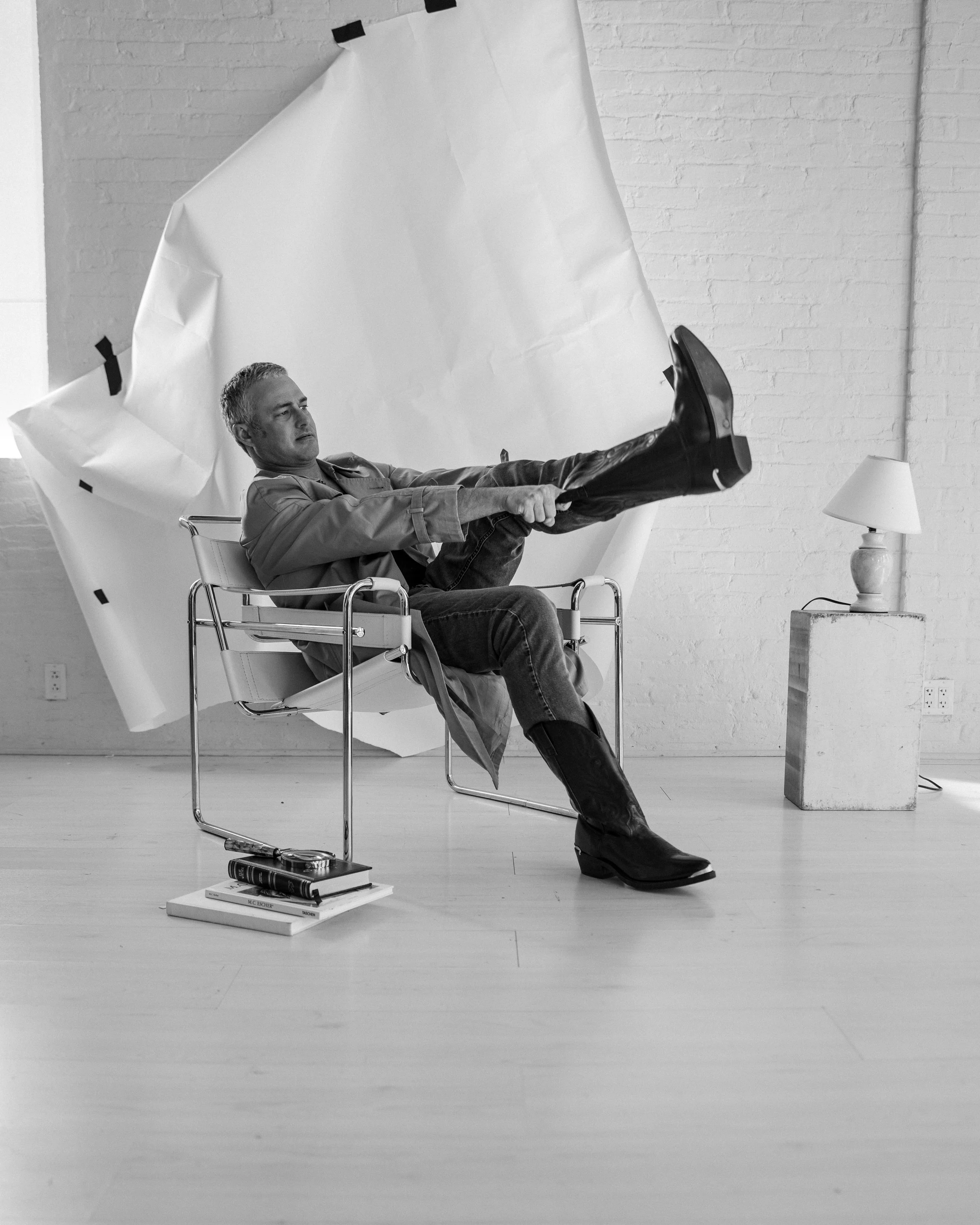
coat CRISTIAN DIOR
top HANES
jeans LEVI’S
What can fans expect this season, not only for Severide but for the whole of Firehouse 51?
We’ve already seen some new faces arrive at Firehouse 51, including the probationary firefighters working under Stella’s guidance. There’s some young blood in the house, which brings a different energy.
We’re also seeing changes in leadership, with Severide stepping into the role of captain. There’s still the question of what happens with the Office of Fire Investigation. Severide didn’t take that position, but he absolutely loves investigating fires, and I love playing that side of him.
Severide has never been someone who holds his tongue, so audiences can expect some friction with the higher-ups. He likes doing things his own way, and that doesn’t always align with what the brass wants.
I’m also particularly excited about the action sequences we’ve been filming. Our special effects coordinator, John Millinatt, and his team have been doing incredible work. Some of the fires and stunt sequences we’ve shot recently are among my favorites in a very long time.
I can’t wait for audiences to see what we’ve been creating. And beyond that, it’s about continuing to watch the firehouse evolve. There’s never a dull moment at 51.
A crossover event has just been announced for January. What do you enjoy most about bringing the different One Chicago worlds together?
I love working with Patrick and Marina from Chicago P.D., and it’s always fun getting to spend time with the other casts. Whenever we do a crossover, it brings this incredible burst of energy to all three productions.
You’re suddenly navigating three different scripts, sometimes around 170 pages of material, and moving between multiple sets. It almost feels like visiting a rival high school, or being at camp. You walk onto another show’s set, check out their craft services, and start comparing snacks. “Oh, you guys have better food over here!”
But beyond the fun of it, there’s a tremendous amount of coordination involved. The editors, production assistants, and everyone behind the scenes are constantly managing schedules and moving actors between sets. It’s like herding cats. It can get pretty chaotic, but the end result is always worth it. I just hope we don’t end up shooting in the Chicago suburbs when it’s twenty below zero this year. Last year was brutal.
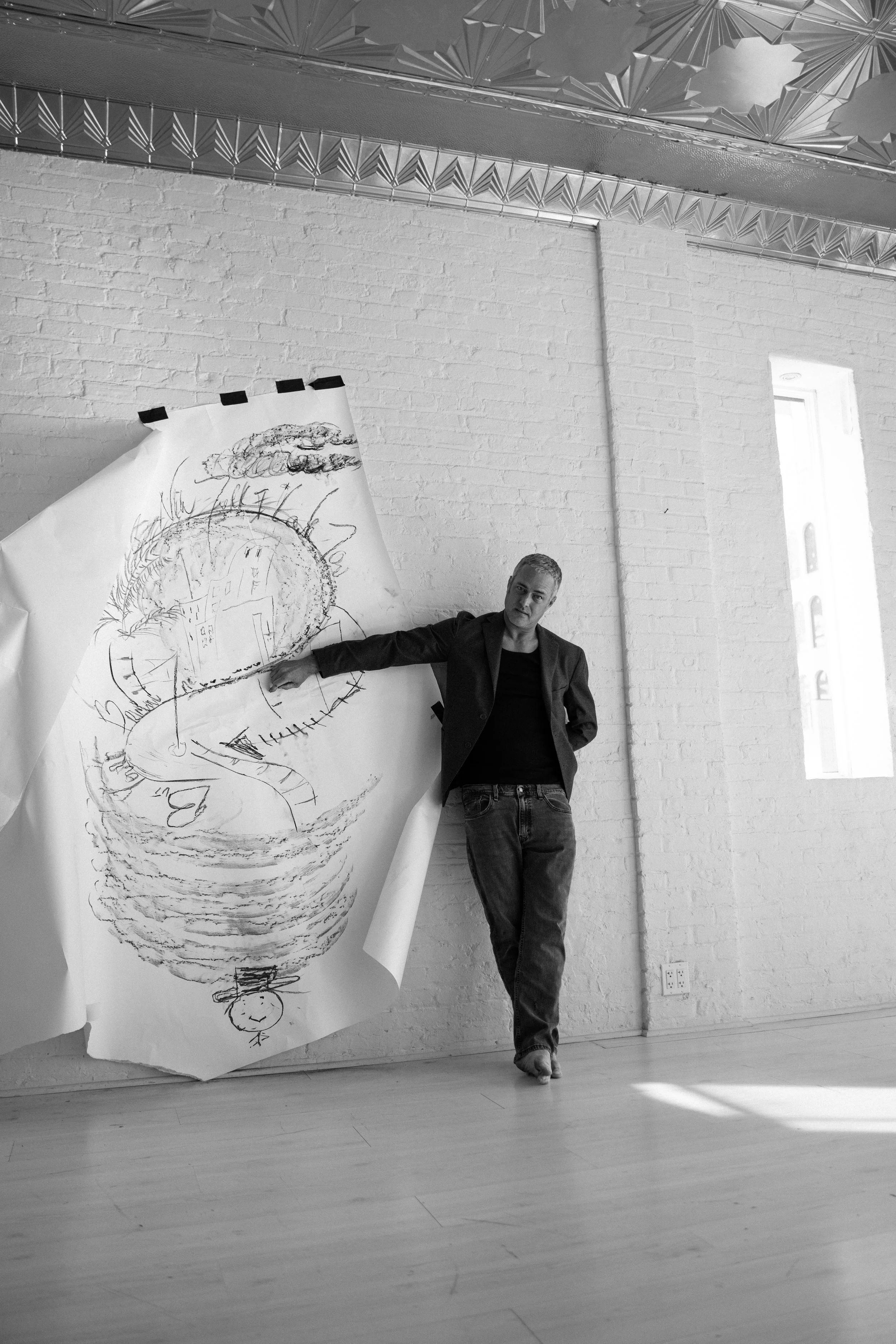
blazer YVES SAINT LAURENT
top HANES
jean LEVI’S
Having established such a recognisable television character, is there a particular type of role or genre you would love to explore next? And as you look toward the next chapter of your career, what kinds of stories or creative challenges would you still love to pursue?
I keep joking about this idea, and I don’t want anyone to steal it, but I’ve been talking about doing a show called Golf Detective. Imagine something like Magnum, P.I., but set on a golf course. Maybe the main character is a retired private investigator who loves golf and somehow keeps getting pulled into solving white-collar crimes.
I’ve really gotten into golf over the past few years, and I love everything about it. I love being outside, and I’m fascinated by the aesthetics and architecture of different golf courses. I enjoy photographing them, too. I think it could be fun to create something that incorporates all of those interests. Who knows? Maybe I’ll do something with that one day.
But more seriously, I try to stay present and focus my energy on whatever is in front of me. I’ve learned to appreciate where I am rather than constantly thinking about what comes next.
Of course, my mind wanders, and I have ideas about things I’d love to explore creatively, but I don’t feel the need to have everything mapped out. I’m open to whatever comes along, as long as it feels meaningful and creatively fulfilling.
For now, I’m happy doing what I’m doing, enjoying the work, and making time for the things and people I love. And as for what comes next? Who knows?
TEAM CREDITS:
talent TAYLOR KINNEY
photographer MARCUS DERRICOTTÉ
stylist ANNA KATSANIS
groomer ZEIK STEVENS
photography assistant NAOMI SOMS
videographer KEVIN FARLEY
editor TIMI LETONJA
editorial director & interview JANA LETONJA
cover design ARTHUR ROELOFFZEN
