
IN CONVERSATION WITH TJERK VELTMAN
Interview by Samo Šajn
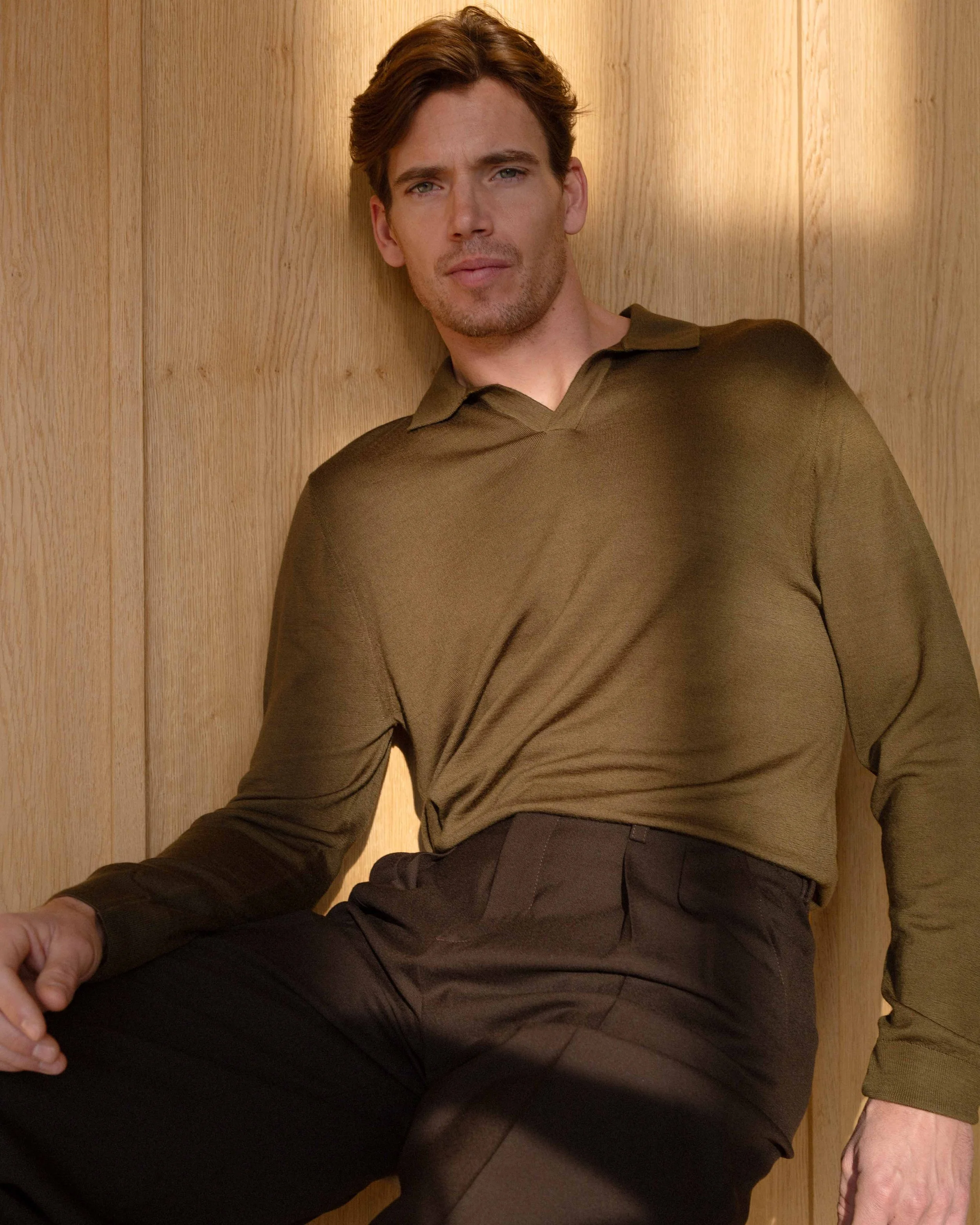
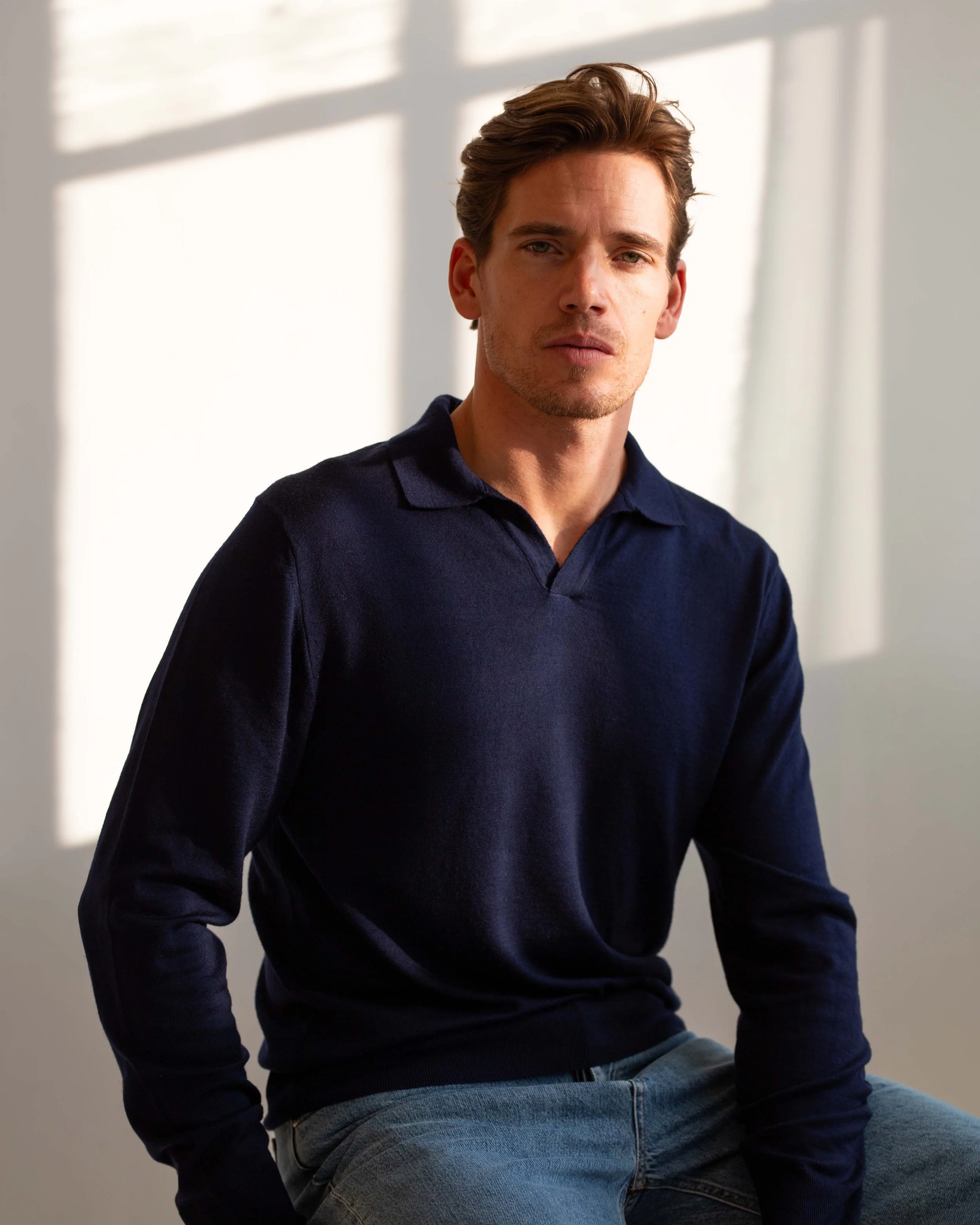
Jean Cap Ferrat is a new clothing brand founded by Tjerk Veltman. He has over fifteen years of experience in the fashion industry, first as a model and later as a photographer. His background gives him a clear understanding of clothing from both sides of the industry, focusing on how garments feel, fit, and are truly worn. The brand launches with a single long-sleeve polo shirt in three colours, built around the idea of restraint, quality, and longevity. Named after the quiet elegance of Saint-Jean-Cap-Ferrat on the French Riviera, it is based on the concept of The Artist Wardrobe: a simple, considered approach to dressing where every piece is designed to last and earn its place.
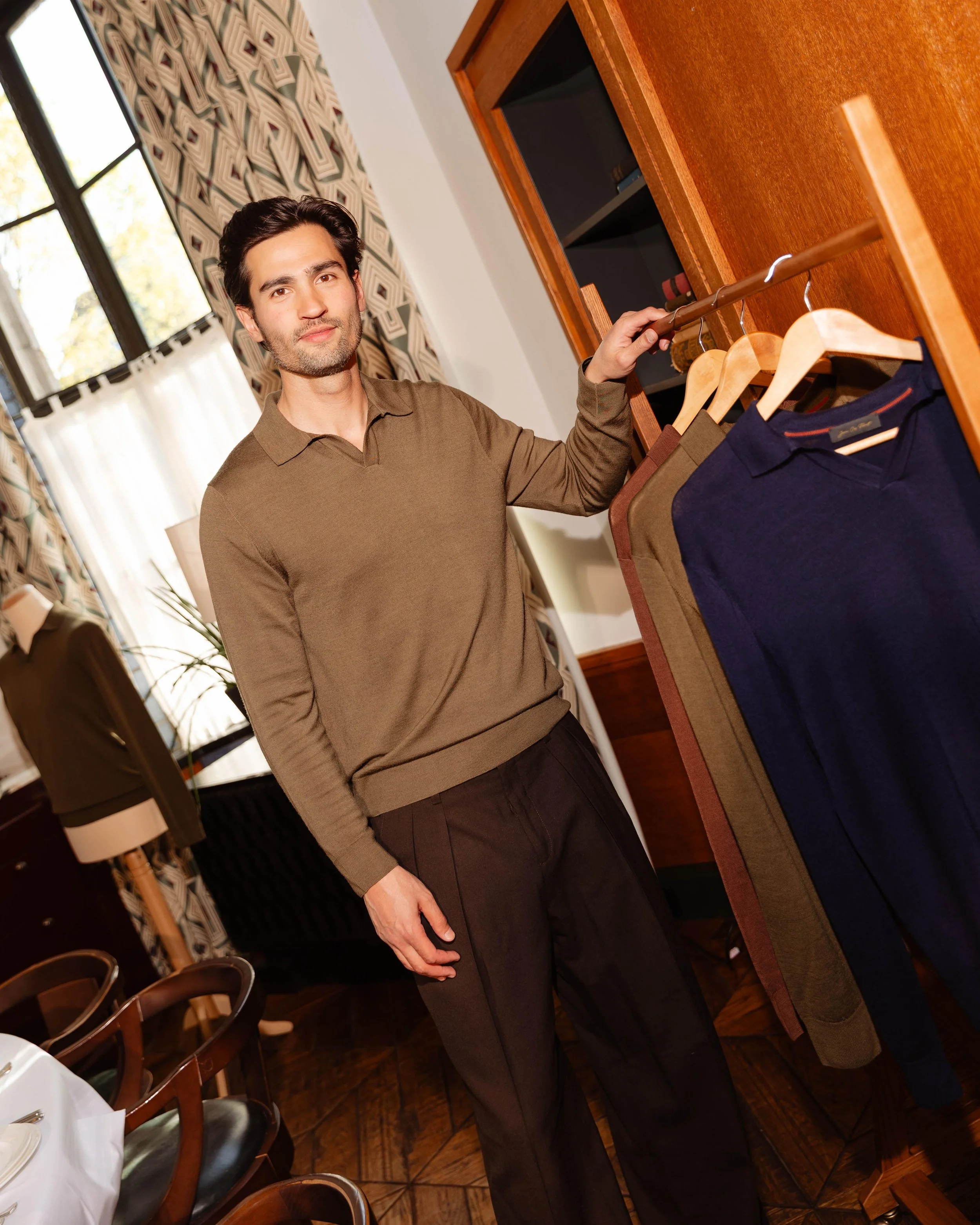
What inspired you to launch Jean Cap Ferrat, and when did the idea for the brand first begin to take shape?
After fifteen years in the fashion industry, first as a model and later as a photographer, I developed a very specific way of looking at clothing. As a model, you learn garments from the inside out: how a fabric feels, how a shoulder falls, and when something has been made with real intention. As a photographer, I became drawn to natural, honest imagery. Not clothing that only works through styling, lighting, or posture, but clothing that lets the person wearing it come through. At some point, those two perspectives converged into a single question: what would I actually want in a wardrobe? The answer became Jean Cap Ferrat.
The name Jean Cap Ferrat immediately evokes a certain mood and lifestyle. What is the story behind the name, and what does it represent for the brand?
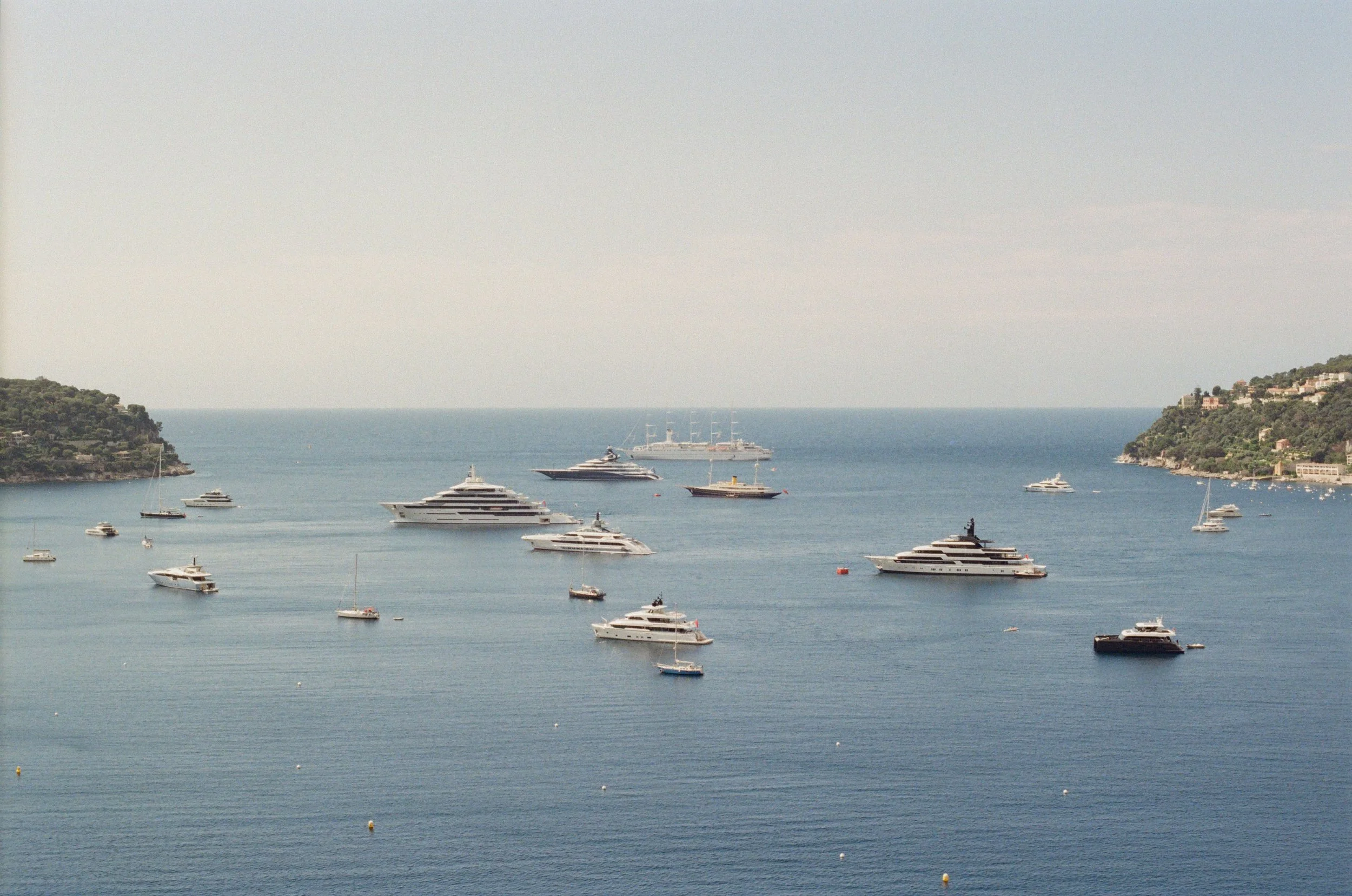
Saint-Jean-Cap-Ferrat is a peninsula between Nice and Monaco, a place of villas, pine trees, closed gates, and quiet gardens. There is no shortage of wealth there, but it rarely shows off. It was precisely that stillness around the affluence that made it the right name for me: the feeling of an environment where nobody needs to prove anything anymore.
The place also carries a rich artistic history. Somerset Maugham lived there for years, Henri Matisse visited through the art publisher Tériade, who received Pablo Picasso and Marc Chagall. Jean Cocteau left perhaps his most tangible mark at Villa Santo Sospir, where he drew directly onto the walls rather than on canvas. That combination of quiet confidence and artistic depth is exactly the world Jean Cap Ferrat wants to inhabit.
Many new brands launch with a full collection, but you decided to start with a single long-sleeve polo shirt. What made you take that approach?
There is a Picasso quote that has stayed with me for years: “Art is the elimination of the unnecessary.” That thought applies just as much to style as it does to art, and it became the foundation for everything Jean Cap Ferrat is built on.
It starts with a very specific man. Someone who knows himself and knows his style. Someone who makes a conscious choice to build a wardrobe of high-quality pieces, garments he can reach for year after year. Because he thinks that way, he is willing to invest in his wardrobe. More importantly, he knows what he does not want. He values simplicity, not because it is boring, but because he understands that when you strip away the unnecessary, what remains has no choice but to be quality.
We named that approach The Artist Wardrobe. It refers to the working method of artists: observe, create, remove. Not a wardrobe full of unworn clothes, but a deliberate selection that quietly reflects the person wearing it.
Starting with one piece felt like the natural way to begin. Our first garment had to demonstrate everything Jean Cap Ferrat stands for on its own. Only pieces that pass that same test will follow: can they be worn for years, and do they genuinely add something to a wardrobe?
How much time did you spend developing the first product, and what were the key details you wanted to perfect before bringing it to market?
Although I had extensive experience in fashion, designing and manufacturing clothing were new to me, and I deliberately wanted to take my time with the process. I felt a real obligation to release a product of the highest quality, and to do that I first had to answer a question that sounds simple but isn’t: what does high quality actually mean to me?
The answer I arrived at was three things: natural materials, considered construction, and permanence. It should feel like essential elegance, not something you can point to and say, “That’s a design detail,” but something you simply feel when you put it on.
Once that was clear, we found the right partners: Portugal for manufacturing, because of its long tradition in fine knitwear, and Italy for the yarn, because Italian mills set the standard for fibre quality that the rest of the industry measures itself against. I found exactly what I was looking for in the Lanerossi collection by Filivivi, a name that goes back to 1817. The garment is fully fashioned by hand in Portugal. That combination is what gives The Observer its shape, feel, and longevity.
The polo is available in just three colours. How did you select the initial colour palette?
The colour palette was inspired by interior design, specifically by Axel Vervoordt, and the way he works with natural, earthy tones. I looked for colours that could live comfortably in those kinds of environments: spaces that feel considered, calm, and timeless.
From there, I thought about how the three colours would work in relation to each other, not just individually but as a set. They needed to feel coherent, as if they belonged to the same world. The third factor was permanence. These are colours you can wear season after season without them ever feeling out of place or dated. That felt essential for a brand built around longevity.
Quality appears to be at the centre of Jean Cap Ferrat. In a market saturated with clothing brands, what do you believe truly sets you apart?
Most brands sell aspiration. We sell something rarer: taste. Not taste as a style or an aesthetic, but taste as a standard, a formed and personal understanding of what a garment should be, what it should feel like, and what it should never need to say out loud. That standard is what Jean Cap Ferrat is built on.
And it is built for a very specific man. Not the man who is still searching, but the man who has already arrived at his own answers. He is not looking for what is new. He is looking for what is right. That is a very different conversation, and one we are very comfortable having.
What were some of the biggest challenges you faced in bringing the product from idea to reality?
The hardest thing about building Jean Cap Ferrat was learning to get out of my own way. When everything you make is an expression of your own standard, the distance between good and good enough can feel infinite. At some point, you have to choose to move forward, not because the work is finished, but because you trust it enough.
Looking ahead, how do you see Jean Cap Ferrat evolving over the next few years? Can you give us any insight into future products or categories you would like to explore?
I believe Jean Cap Ferrat has the conviction to expand into other categories while staying true to the same philosophy of essential elegance. Leather goods, fragrance, eyewear, and even homeware are all territories I can see the brand naturally moving into over time.
But the only way to get there is to put one foot forward and not look too far into the future. Right now, the focus is entirely on building out The Artist Wardrobe one piece at a time, applying the same rigorous process that brought The Observer to life. The question for every future product remains the same: can it be worn for years, and does it genuinely add something to a wardrobe? That question doesn’t change, regardless of the category.
So the ambition is there. The discipline to get there one step at a time is what will make it mean something.
Learn more about Jean Cap Ferrat on their Instagram and Website!
