
IN CONVERSATION WITH TOM HOPPER
interview by JANA LETONJA
British actor Tom Hopper has made a career out of inhabiting physically demanding worlds, from Game of Thrones and Black Sails to The Umbrella Academy. Now, he steps deeper into Jack Carr’s universe as Navy SEAL Raife Hastings. After introducing the character in The Terminal List: Dark Wolf, Tom returns this October alongside Chris Pratt in the second season of The Terminal List, bringing new dimensions to a figure shaped by loyalty, brotherhood and the moral complexities of warfare. Away from the screen, Tom’s passions for fitness, motorcycles and food reveal a considerably more relaxed side to the action star.

Audiences first met Raife Hastings in The Terminal List: Dark Wolf, and now you’re bringing him into season two of The Terminal List. What initially drew you to Raife beyond the physicality and action surrounding him?
For me, I’m always looking for the humanity behind the physicality and the action of these characters. What's interesting about Navy SEALs is their desire to protect their fellow man, their brother beside them, the lengths they will go to protect their brothers. Getting the opportunity to bring Raife to life was one I did not take lightly. He is such a fan favourite from Jack's books, I absolutely relished the challenge. I respect the SEAL community and the Jack Carr fan base so much, I wanted to bring Raife to life with detailed authenticity for them.
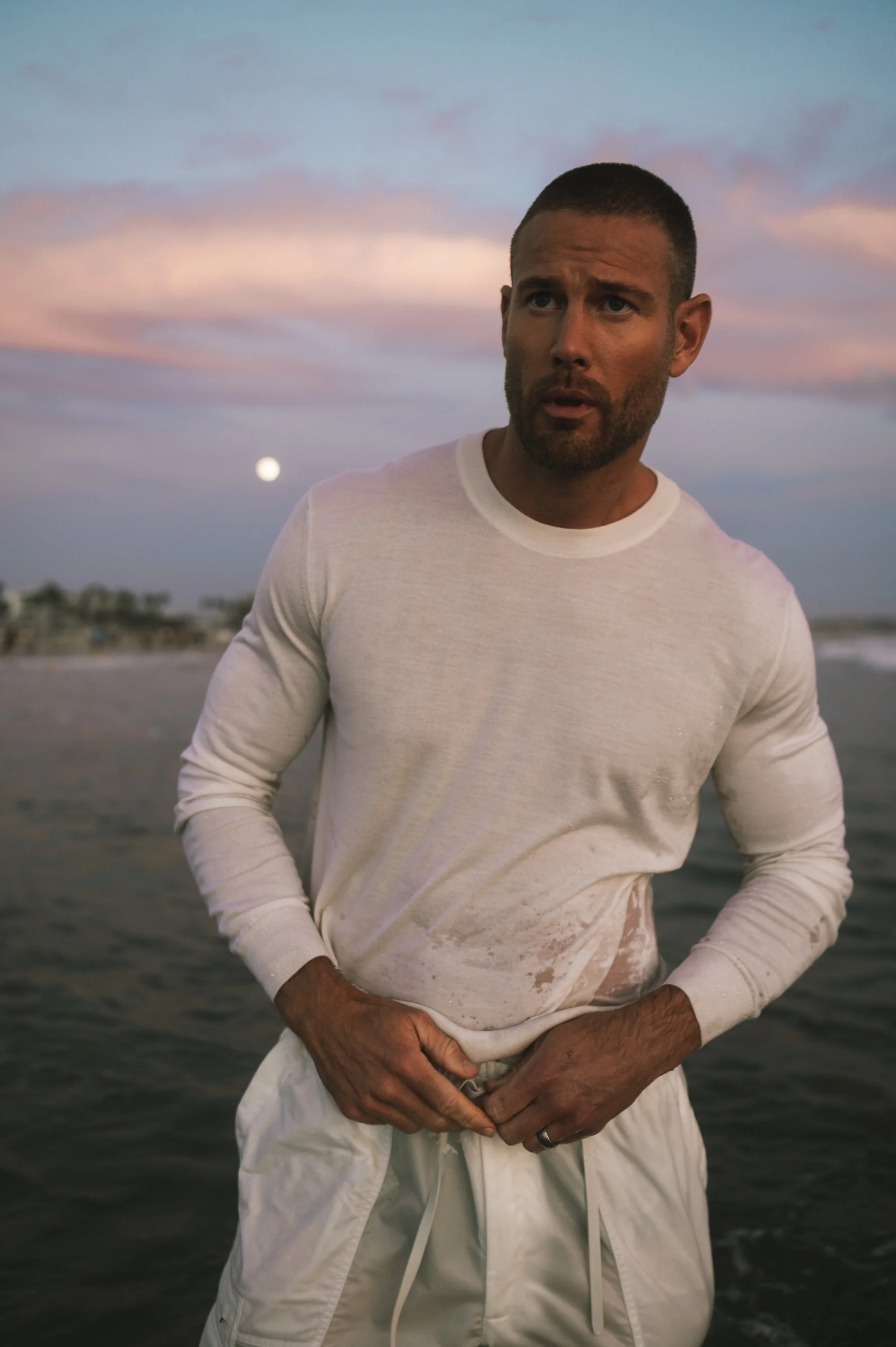
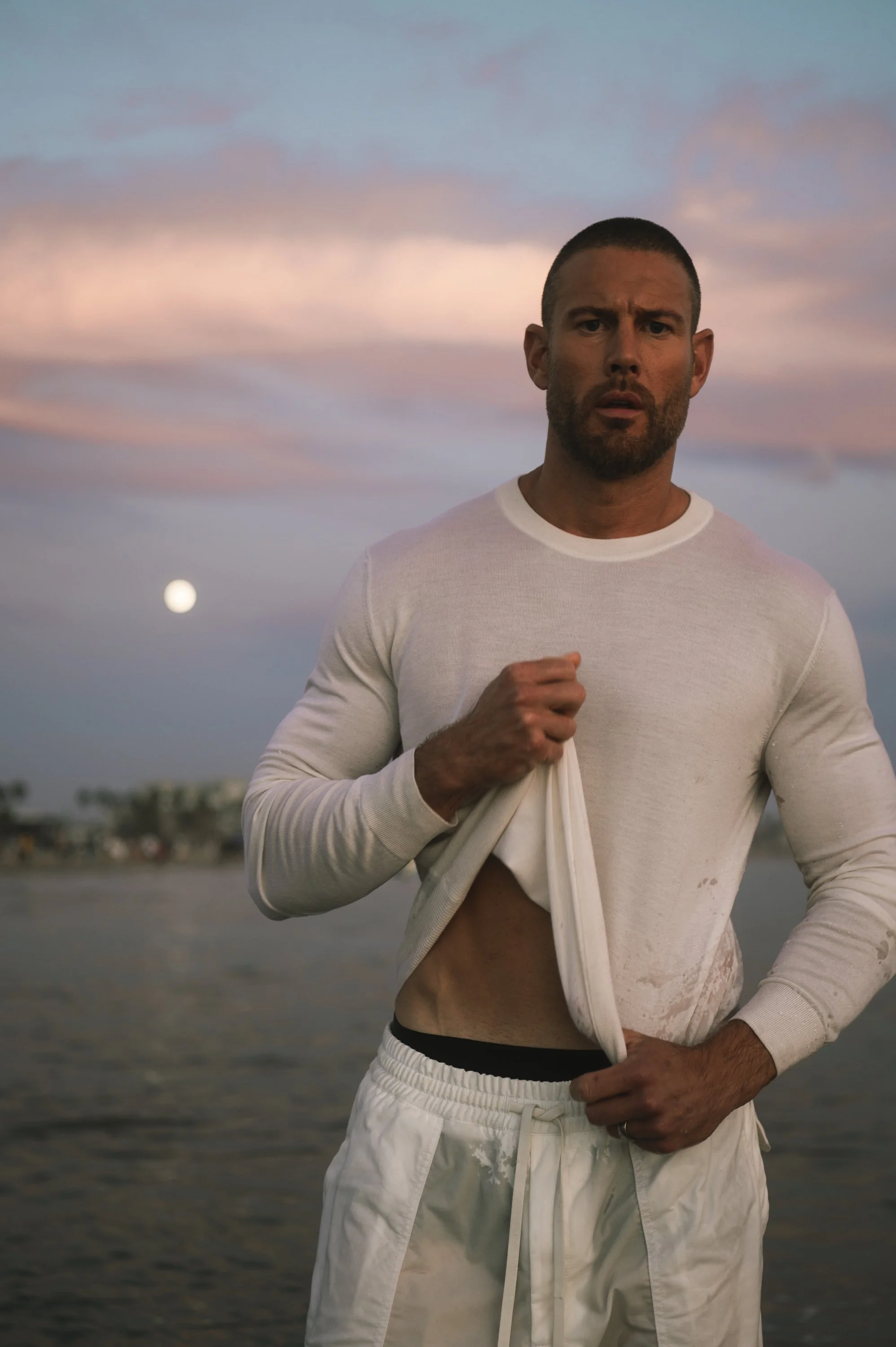
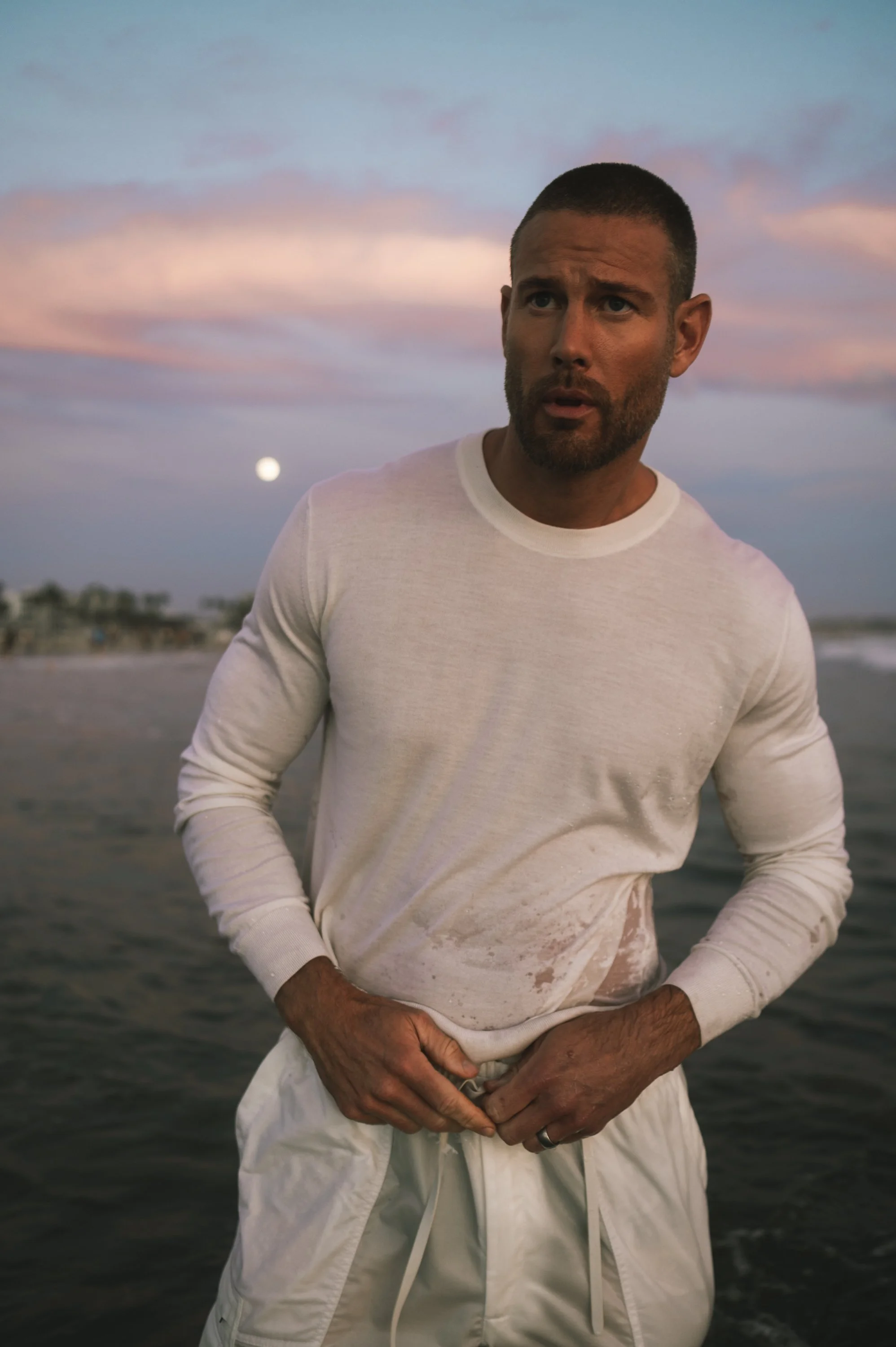
full look BRIONI
The Terminal List: Dark Wolf explored the moral ambiguity of covert operations. Did working within that world alter the way you thought about ideas of loyalty, duty and right versus wrong?
What's interesting about this world is that everyone is the hero of their own story, so there is huge ambiguity in the people's decisions involved. There are so many grey areas, especially about where the line is crossed in warfare environments like these.
What can you tease about where we find Raife in season two and his relationship with James Reece?
Raife and Reece have not seen each other for a long time. Raife is a man many years out of the teams. He secretly misses being in the teams, and ultimately, misses the fight. He misses his brothers, and specifically his blood brother, Reece. What unfolds at the beginning of this season might be thrusting him back into a world where he would get all of those things back again.
Preparing to convincingly portray a Navy SEAL goes far beyond simply looking physically capable. What kind of preparation and research did the role require?
I worked extremely closely with Jack Carr, Jared Shaw and Ray Mendoza. All ex-Navy SEALs and just a phenomenal wealth of knowledge to prepare us all to become authentic versions of these characters. Not to mention becoming friends with many other Navy SEALs and operators that I’ve spent hours talking to, being like a sponge, and taking whatever I can from their stories.
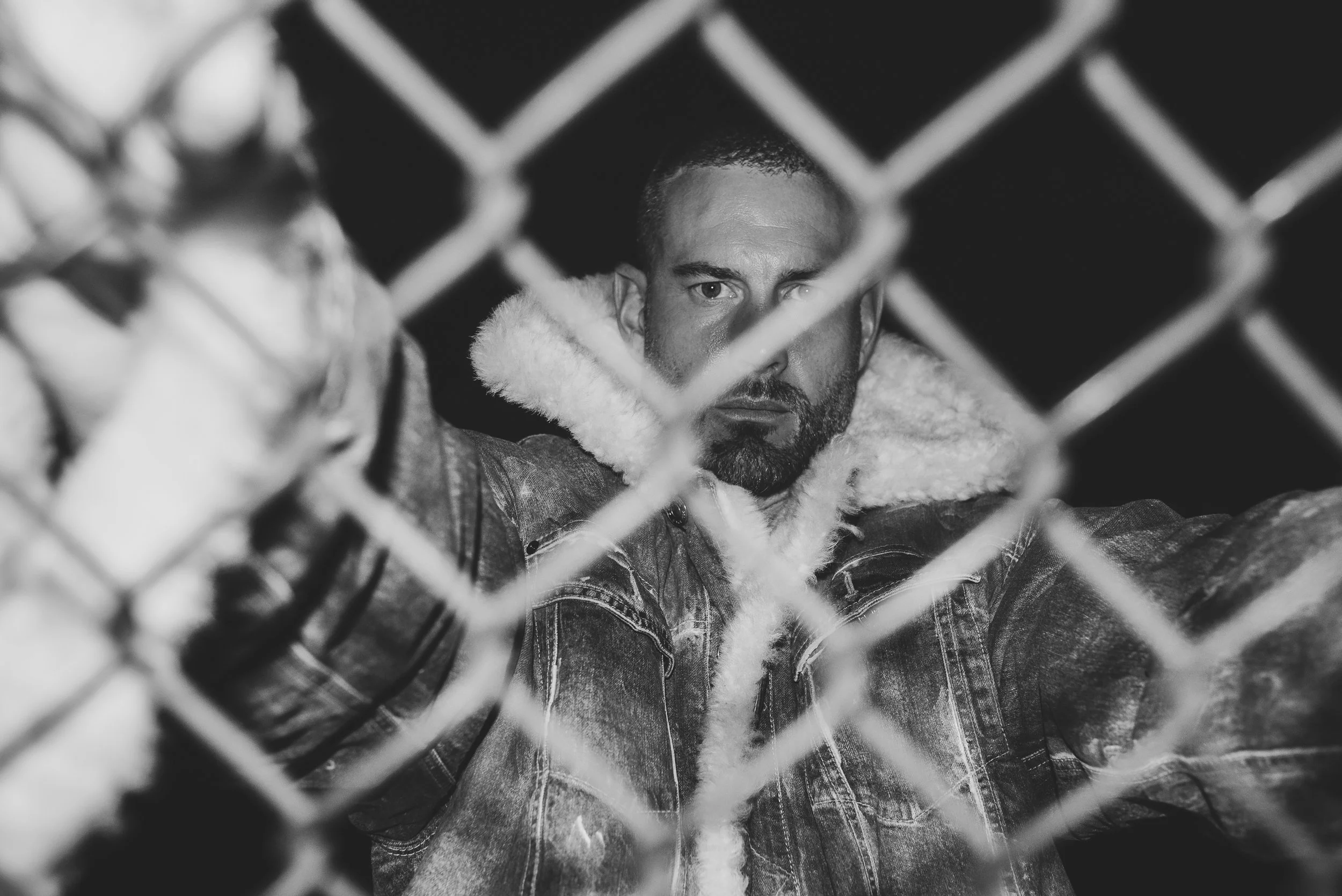
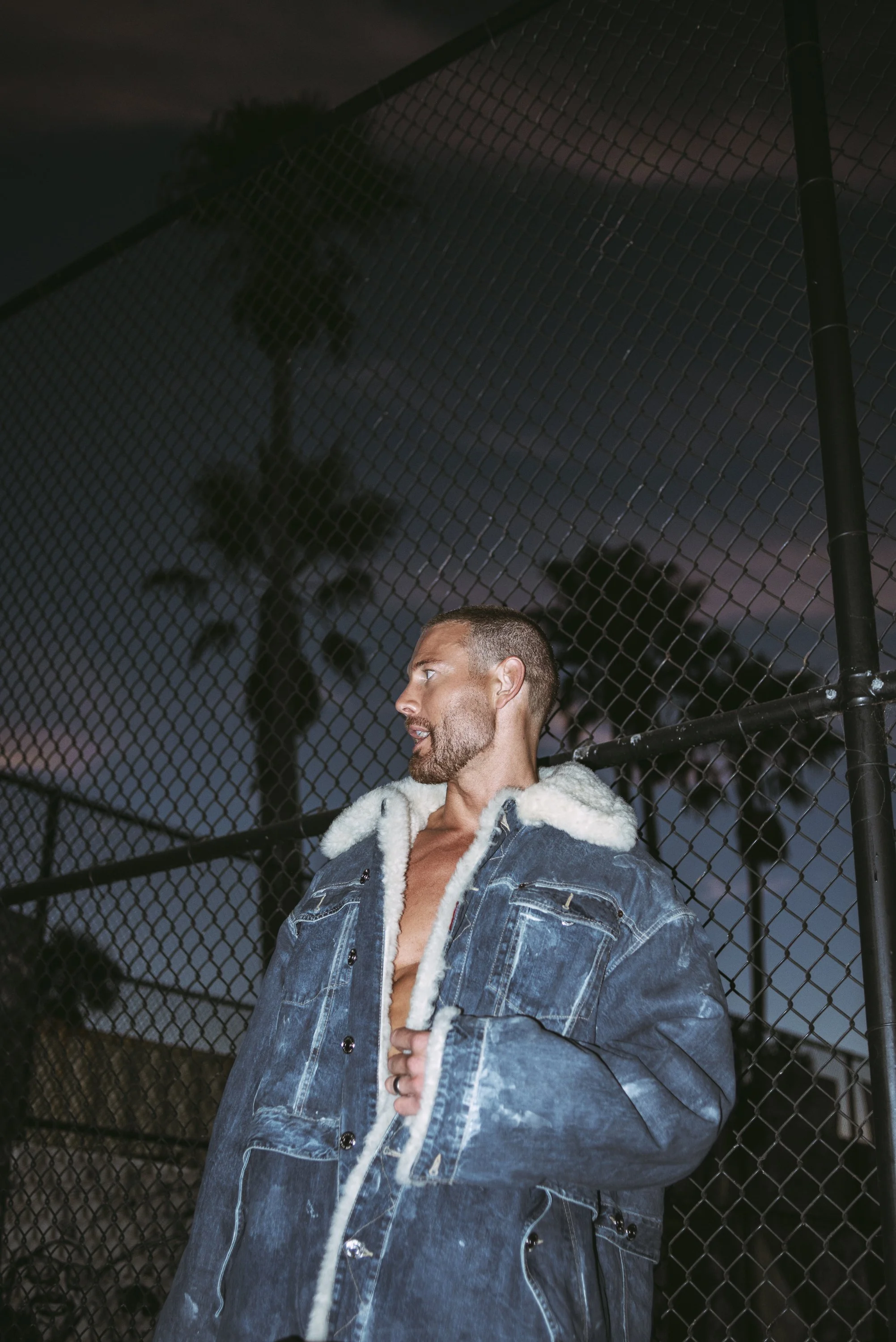
full look DSQUARED2
You’ve played several highly physical characters throughout your career. Has your approach to training changed as you’ve become more experienced as an actor?
It's generally always been about how I can be the best version of the character I'm playing. How would this character look, how would they move, how strong they need to be in different areas of their physicality. I let the character lead that approach to my training. But I always maintain a default setting, so to speak, to be physically prepared for whatever is thrown at me.
From Black Sails and Game of Thrones to The Umbrella Academy and now The Terminal List, you’ve inhabited some enormous fictional worlds. What do you enjoy about entering stories with such expansive mythology?
I think as an actor it gives you a lot to play with. Having as much information as possible about the world around my character makes my job more fun and interesting. But these shows are all from completely different universes, and I’m always drawn to the relatability of the characters and stories within these worlds.
You’ve worked across British and American productions, television, streaming and film. Do you notice significant differences between those creative environments?
There aren’t really huge, noticeable differences on the projects I’ve worked on. I tend to join a project based on the attached creative team. They are what drives the show and brings it to life. If everyone’s end goal is to make a great show, then where the production is based doesn’t change that.
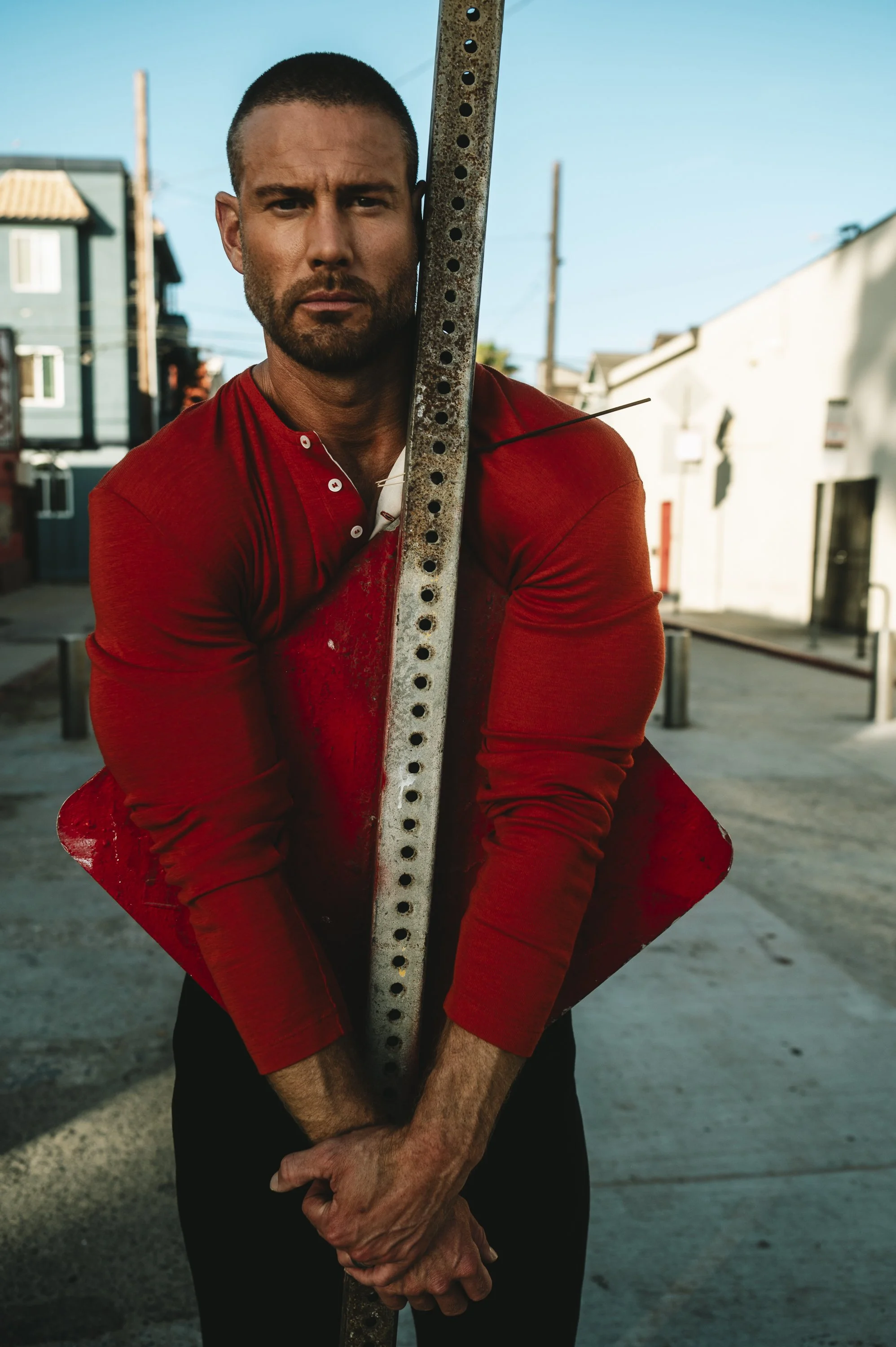
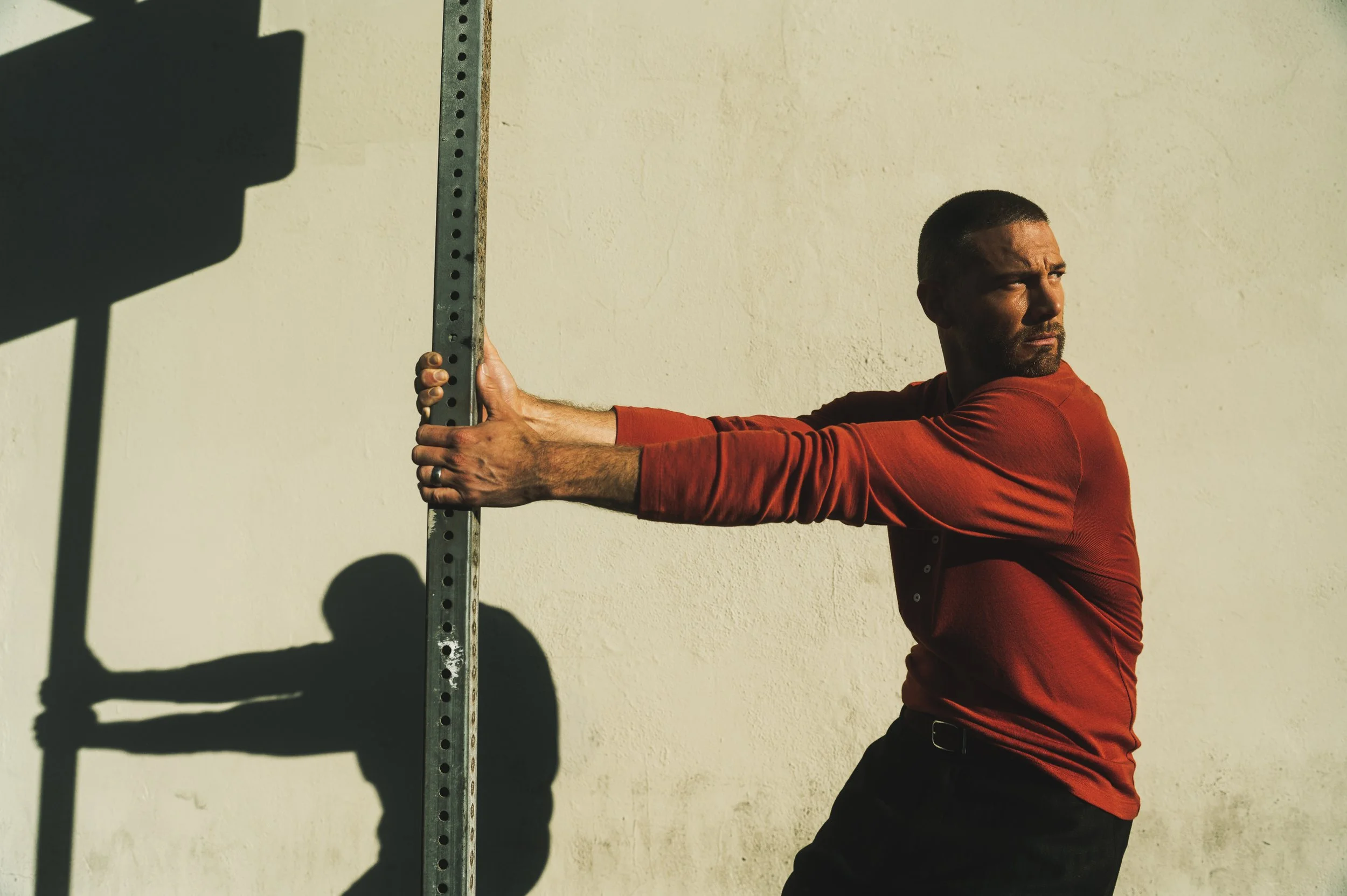
full look PAUL SMITH
Action storytelling has evolved considerably, with audiences increasingly expecting emotional and psychological depth alongside spectacle. What makes an action character compelling to you?
For me, action only really works if the audience cares about the person in the middle of it. You can create a really cool action sequence, but if the audience has no emotional connection, after a while it's just noise. The best action characters are the ones who feel like real people who are put into extraordinary circumstances.
You’ve spoken about your passion for fitness. How do you maintain a healthy relationship with training when your body is also, to some extent, part of your profession?
I genuinely enjoy it, which helps. Training has always been something that gives me energy and clears my head, rather than something I only do because of work. But I think I am much better now at understanding the balance between physicality for a role and overall health. Health is a priority for me. I want to be strong, capable and able to keep doing the things I enjoy for as long as possible.
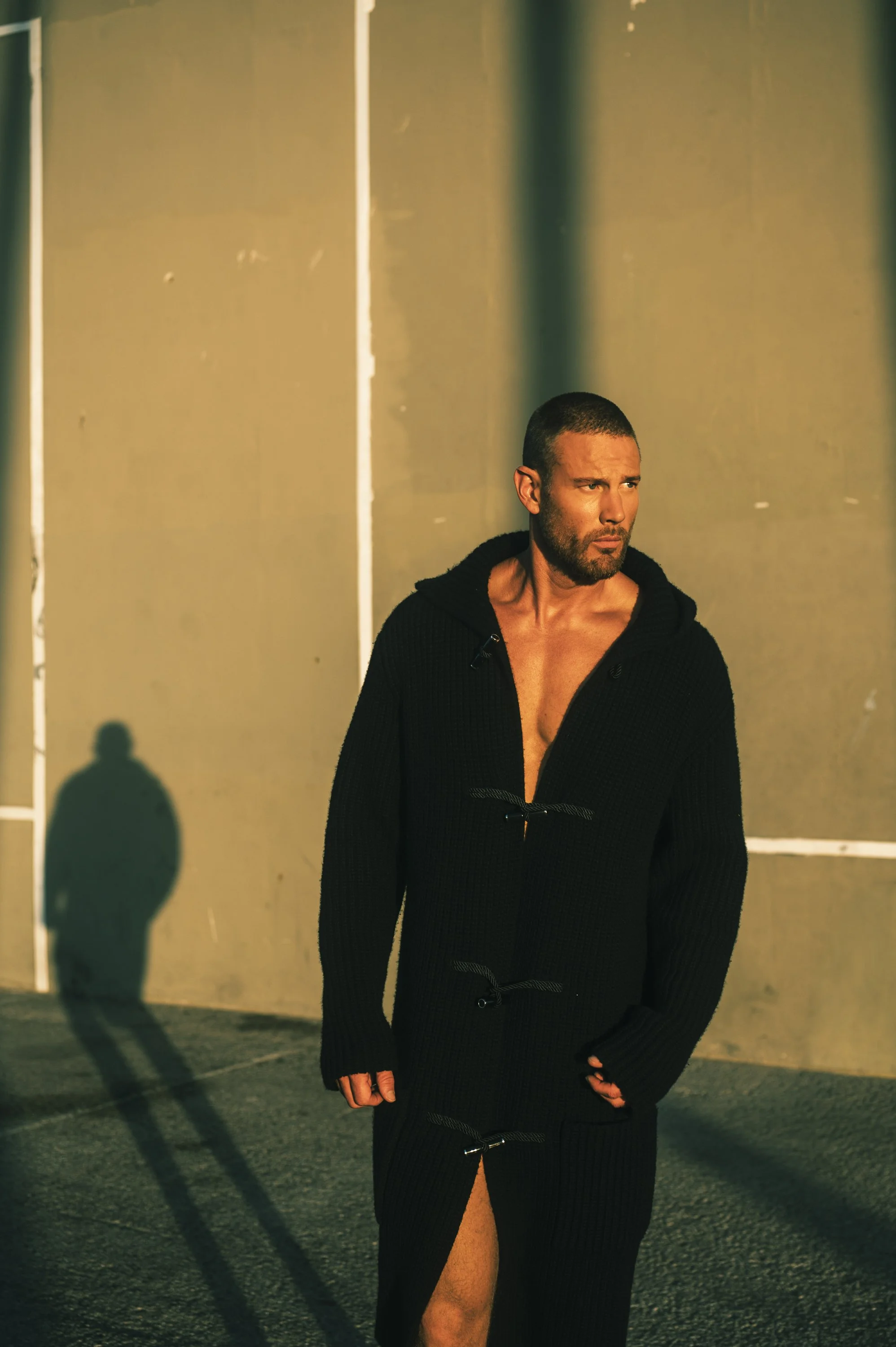
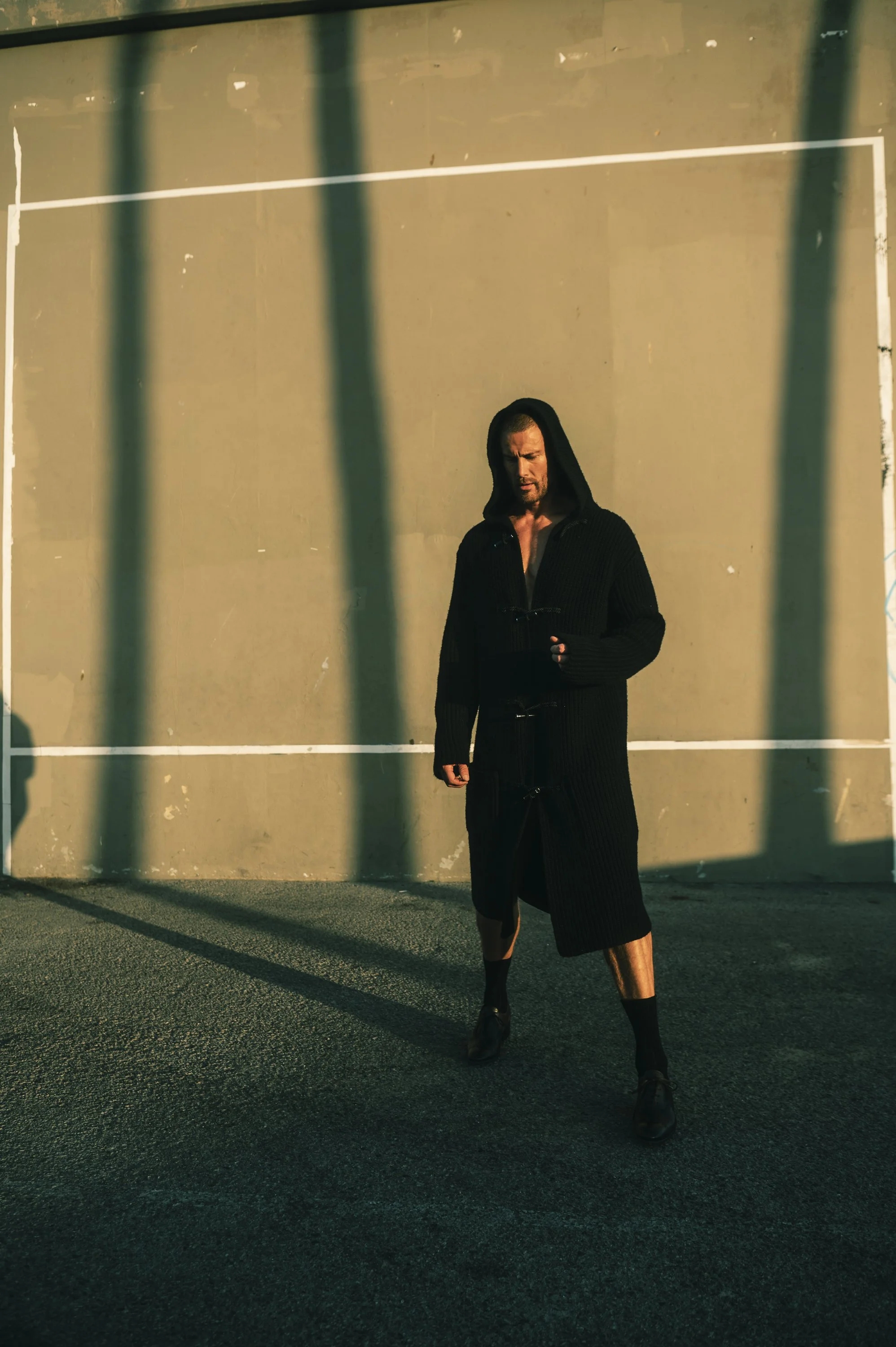
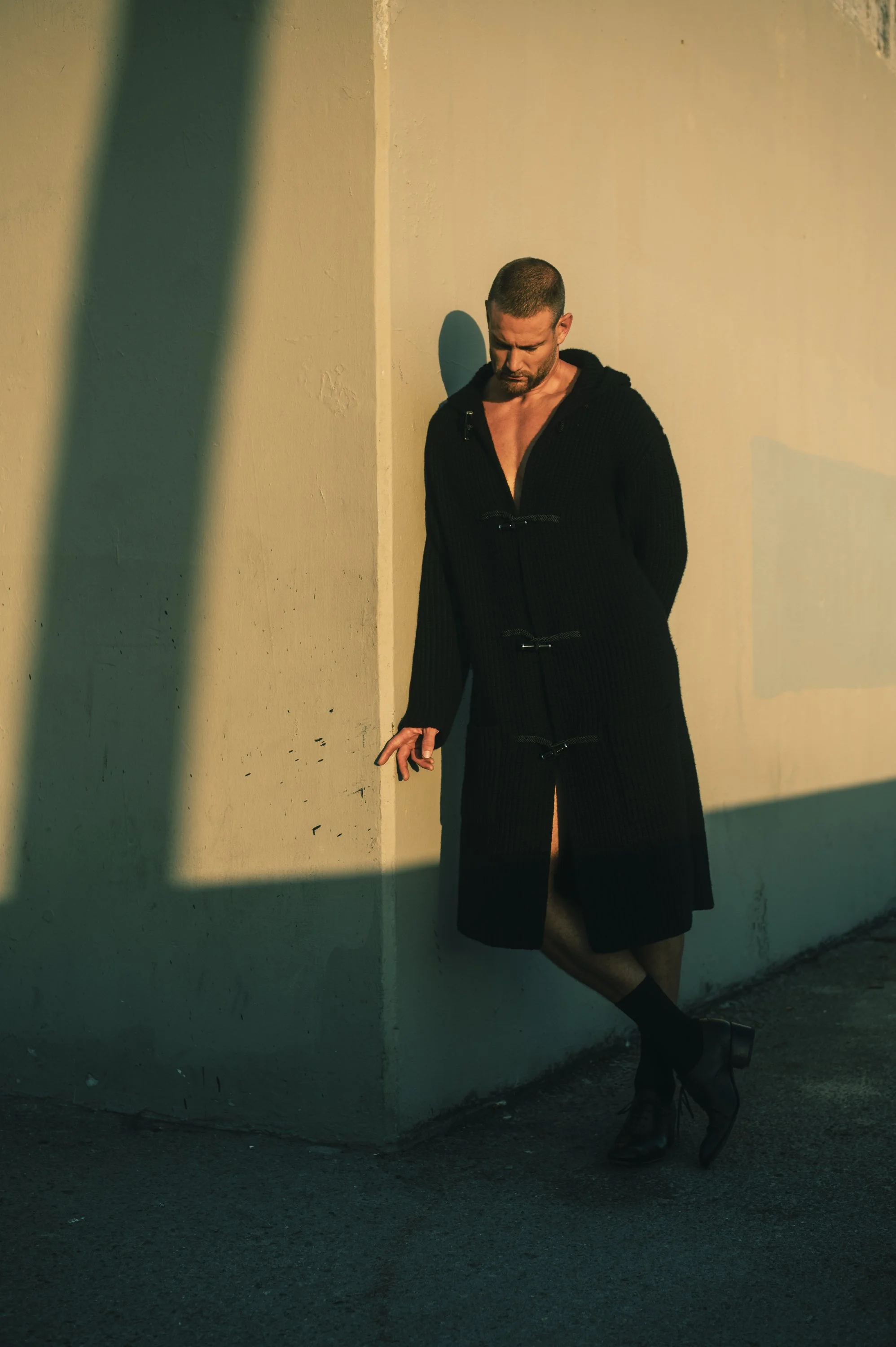
full look DIOR
Away from acting, you’re an avid motorcycle rider. What is it about riding that appeals to you—is it the adrenaline, the freedom, or the opportunity to completely switch off?
It’s probably the switching off more than anything. You have to be completely present when you’re riding. You can’t really be thinking about anything else. There is something really freeing about that. Plus, it feels pretty awesome out on the open road.
Fashion has increasingly embraced actors from the action and genre worlds. How would you describe your own relationship with style, and has it changed throughout your career?
It’s definitely evolved. I think when I was younger, I cared much less about clothes. I knew what I liked, and I stuck to it. I’ve also had times when I dressed in outfits that didn’t work for me at all. Now, I think I have a nice balance of knowing what suits me while wanting to incorporate a designer’s vision.
After playing so many characters associated with strength, what kind of role would allow audiences to see a completely unexpected side of you?
I have a new movie coming out soon that my wife and I produced, called Better. I had the opportunity to really push myself on this project and be seen in a way I don’t think people expect from me, and I can’t wait for audiences to see it.
As The Terminal List opens another major chapter for you, what are you still looking to prove, or discover, about yourself as an actor?
I don’t know if it’s about proving something as much as continuing to challenge myself. The longer I do this, the more interested I am in being uncomfortable, in a good way. I’ve been incredibly fortunate to play characters in these huge worlds, and I love doing that, but I also want to keep showing different sides of myself. Ultimately, I want longevity. I want to still be doing this decades from now and look back and feel like I kept taking risks rather than settling into one version of myself.
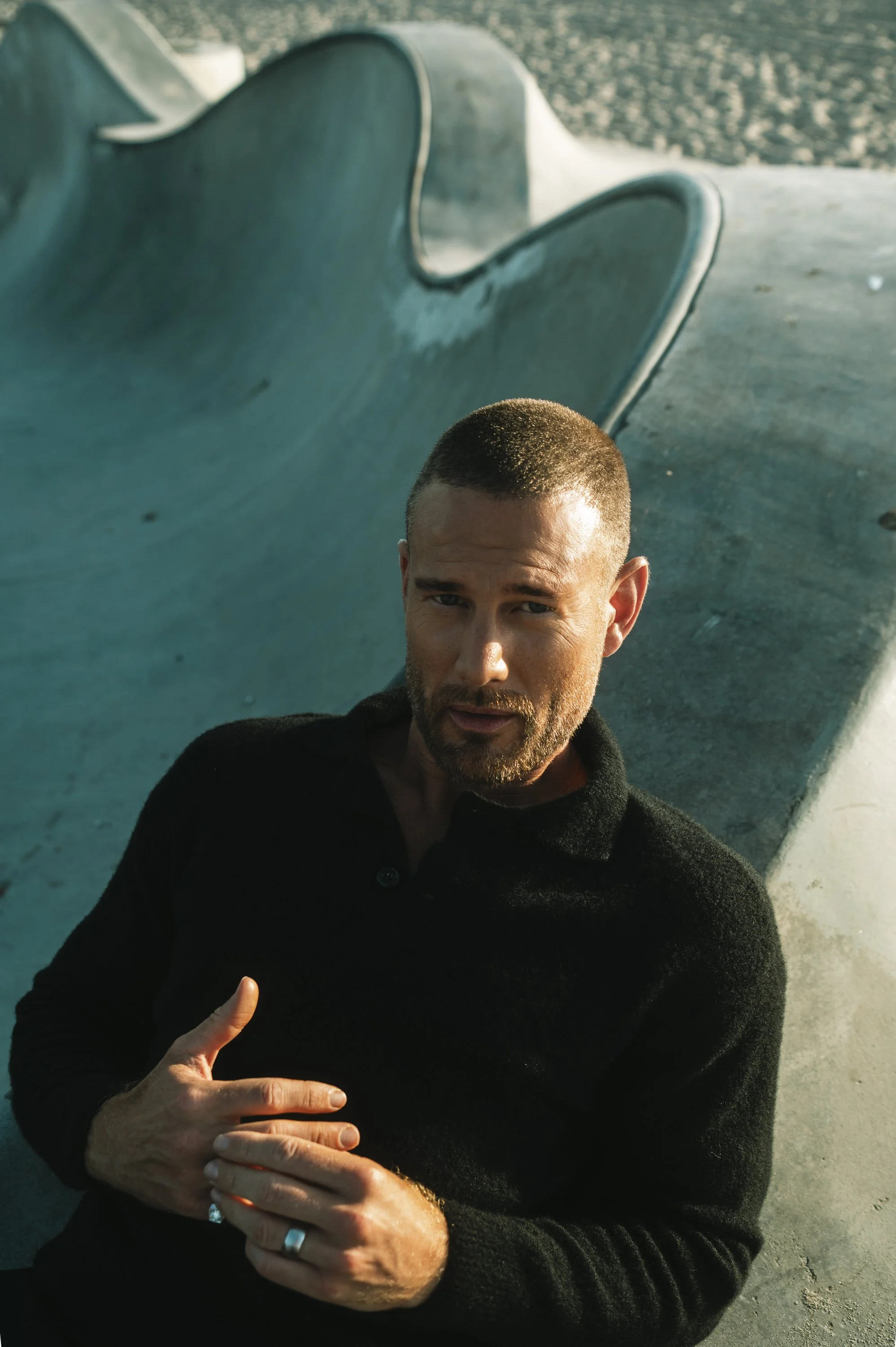
top ARMANI
ring CARINA HARDY
ring SAIDIAN VINTAGE JEWELS
TEAM CREDITS:
talent TOM HOPPER
photographer RETO STERCHI
stylist EMILY DIDDLE
groomer KEN NIEDERBAUMER
creative director RYAN LUCCA
cinematographer ANTHONY KADEL
editor TIMI LETONJA
interview JANA LETONJA
cover design ARTHUR ROELOFFZEN
