
interview by JANA LETONJA
Belgian-French actress Victoria Cerrada is an emerging talent whose artistic journey crosses languages, cultures, and creative disciplines. Raised in Valencia and trained in London, Paris, and New York, she has developed a versatile acting career spanning theatre, film, and television. After appearing in Elena Manrique’s Fin de Fiesta, she stepped into the spotlight with her first leading film role in Upiro, directed by Óscar Martín, which was selected for the prestigious Sitges Film Festival and Fantastic Fest. Her performance in the short film Mamie also earned her several acting awards, establishing her as a promising talent to watch. Beyond acting, Victoria is passionate about writing and creating her own theatrical work. With another leading role in En busca de Glorb and exciting stage projects on the horizon, she continues to explore new artistic territory.
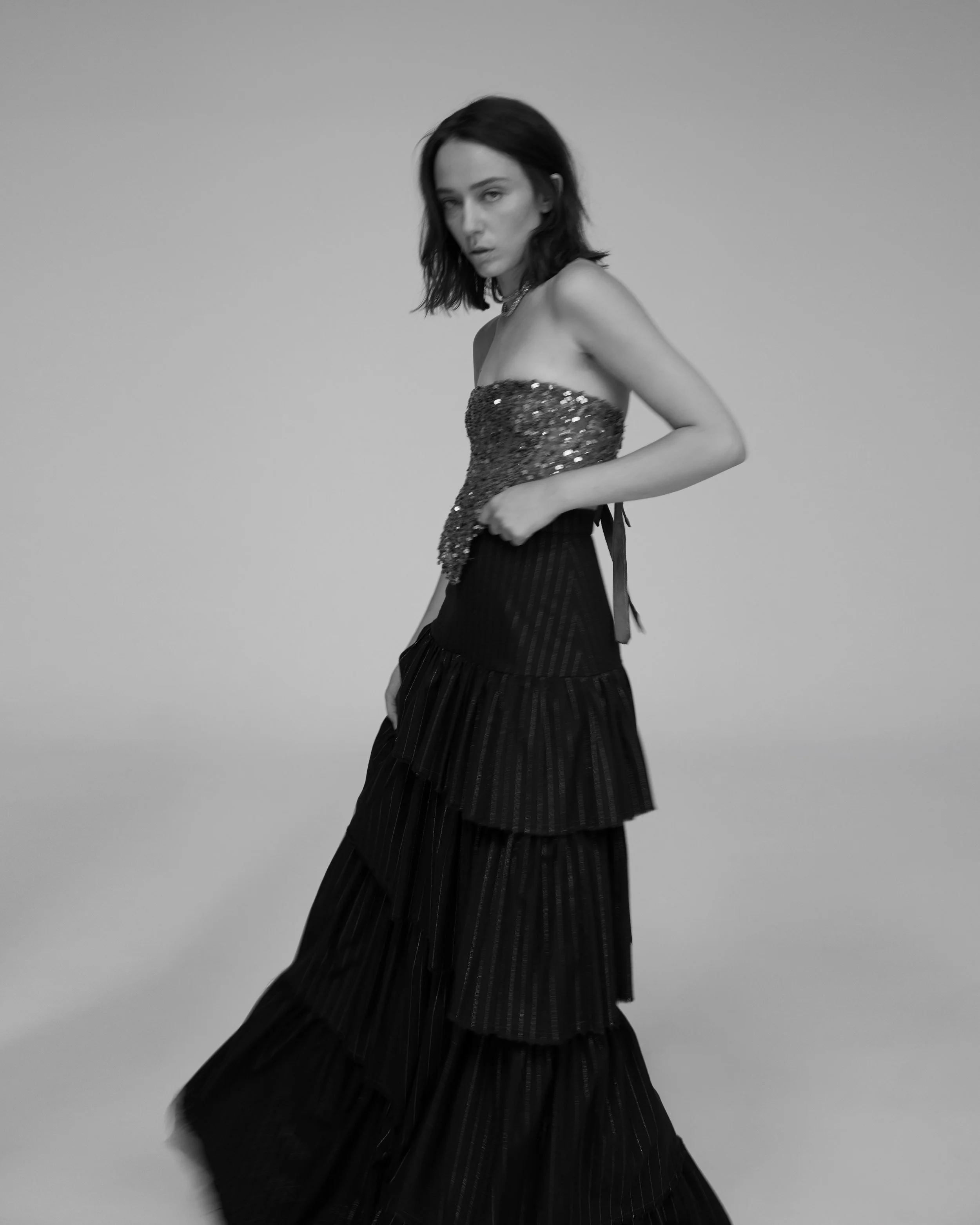
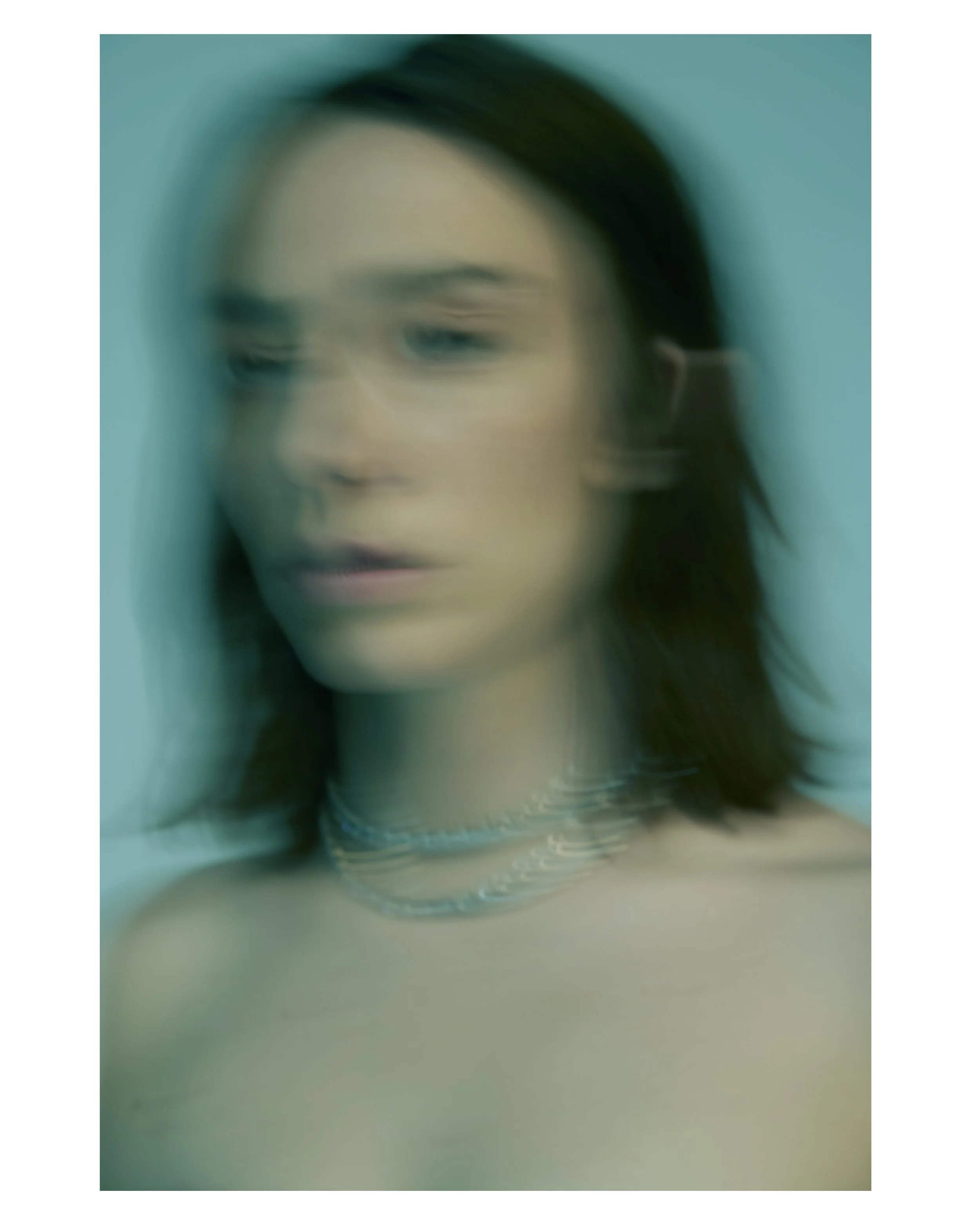
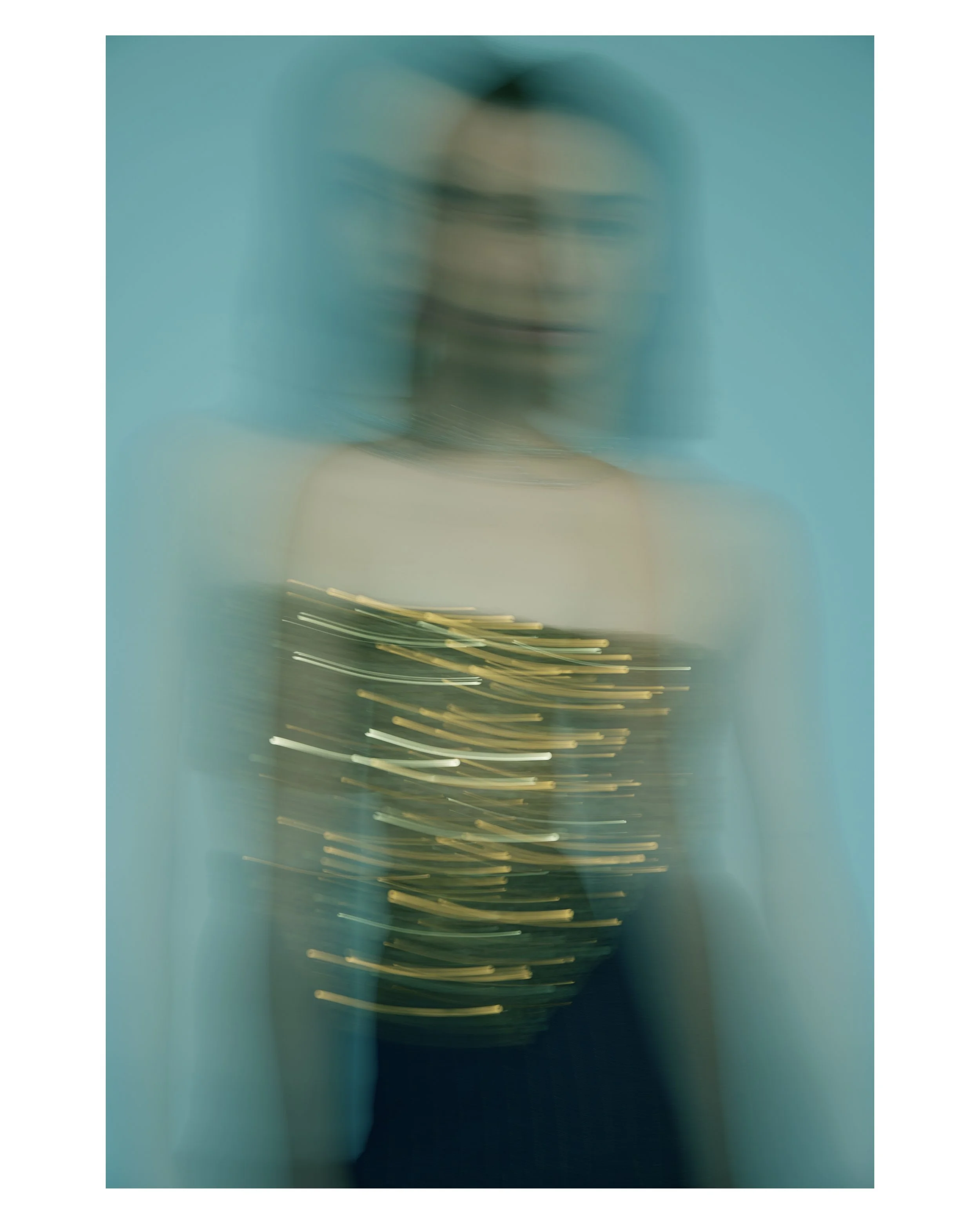
top KAOS DESIGN
skirt LOLA CASADEMUT
Do you remember the moment when you realized that acting was more than just an interest and something you wanted to pursue professionally?
At sixteen, I knew I wanted to be an artist, but not what kind. It sounds corny, but it clicked in my first acting class. My teacher was Argentinian and really intense. At one point he asked us to act as a green pencil. We were literal at first, drawing with the tops of our heads. He stopped us: “No, imagine the essence of a green pencil. Act that.” Something in how that moment triggered my imagination made me realise I wanted it at the centre of my life, and that I didn’t want to do anything that wouldn’t let me pursue it as seriously as I wanted.
You began your career in theatre before transitioning into film. What did those early experiences on stage teach you about storytelling, vulnerability, and connecting with an audience?
Acting in the theatre is almost sacrificial. Night after night, you expose yourself in a way that is violent but very rewarding. The big lesson isn’t about ignoring the cough or the ringing phone, it’s about using everything that happens to keep alive a repetition that can otherwise go stale after the first week of performances. Not to trauma dump, but acting through a thirty-minute coughing fit gives you a thick skin.
Having trained in several major artistic cities, what were the most valuable lessons you took away from each experience? Did any particular teacher or approach significantly influence your acting philosophy?
Being immersed in the history of the Group Theatre and Stella Adler, and in the debates about how to approach a character, led to some of the most interesting conversations about acting I’ve ever had. I bring them into everything I do. Stella Adler was the first time I asked myself how I wanted to be an actor. Jacques Lecoq has a magic beyond words: the space, the intensity and the tradition are totally unique. Going abroad makes me dream again. I struggle not to make it sound like a cult, but they were truly unique experiences.

Your performance in the short film Mamie, which you also wrote, earned you several awards, including Best Performance at the Soria Short Film Festival. What inspired you to write this story, and how did it feel to receive recognition for your performance?
I came up with the story while living on a friend’s couch in London. One night I dreamed my grandmother wanted to die. I told that to my friend over coffee and realised straight away that it was the first story that interested me enough to write it, finance it and make it. As an actress, I know how hard it is to get films made, so I had no illusions. But it was the first story I felt connected enough to to want to tell. It’s crazy that the idea came to me in 2021 and the film is still traveling from festival to festival. The fact that I received recognition as an actress from a story I wrote gave me confidence that my voice carries from writing to acting. It gave me the strength to keep writing and a clearer sense of my strengths as a performer.
You have worked in both theatre and cinema. What does each medium offer you creatively, and do you find that one allows you to express certain emotions or explore characters differently?
Both are thrilling but the challenge is different and that’s why I love going from one to the other. In theatre, the difficulty is that you will never do it exactly the same way twice, yet you have to deliver the same experience to the audience. You’re navigating the gap between what you think is happening and what the audience is going through. Cinema is more intuitive and has to be honest. In a close-up, there’s no faking it. That’s why some people who have never acted before can deliver amazing performances. There is technique, of course, but intuition is at the centre of acting for the camera.
Beyond acting, you are also a writer. What inspires you to create your own stories, and how does your experience as an actress influence the characters and narratives you develop?
As an actress, I’ve read many scripts and seen first-hand how hard it can be to turn what’s on the page into a coherent character. That has made my writing very actor-centred. My go-to inspirations are Yasmina Reza, John Cassavetes and the Theatre of Cruelty. I want to build a story like a house of cards, a fragility that might collapse at any moment, and where the actor is walking on a tight rope made of human emotions.
You have another leading role coming up in En busca de Glorb, the debut feature film by Pedro Tamames. What can you share about the project and your character?
I can say it’s a science-fiction comedy in which my character goes through a crazy transformation. I’m very lucky that Pedro trusted me to create a little being who is nothing like me, a human. It was a complete turnaround from Upiro. I went from a nun’s habit, locked in an abandoned convent, to rocking yellow Crocs and a pink T-shirt on an ice rink.
You speak Spanish, French, and English at a native level. Does performing in different languages change the way you connect emotionally with a character or express yourself on screen?
I can’t imagine myself telling a joke in French. Different parts of me exist in different languages. French was my first language, so it has something childlike and innocent. English is serious because I use it more professionally. Spanish is the everyday Victoria. They are different sides of the same coin, so it’s useful to tap into another language and then come back to the one in the script. I can reach different Victorias very quickly just by switching languages.
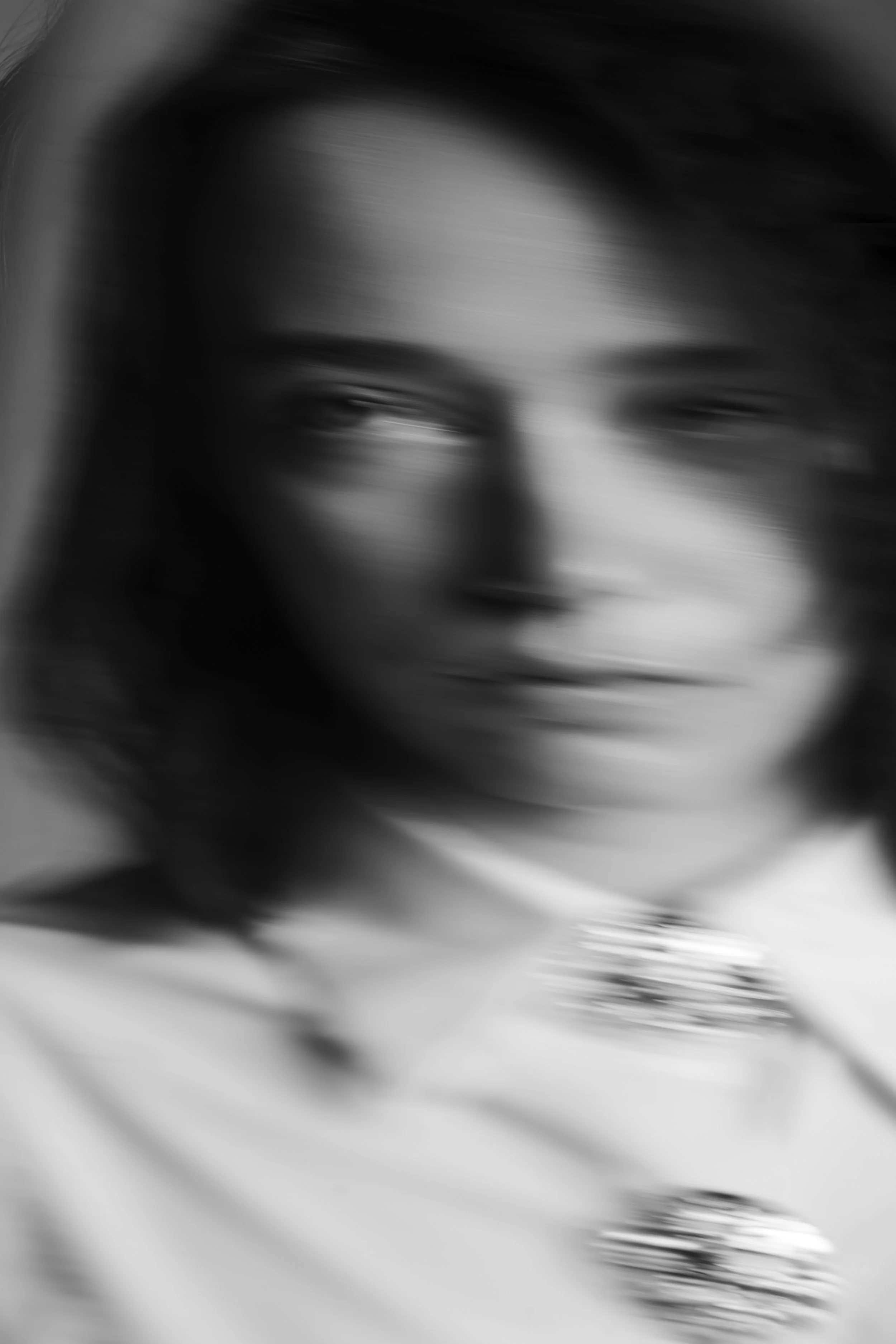
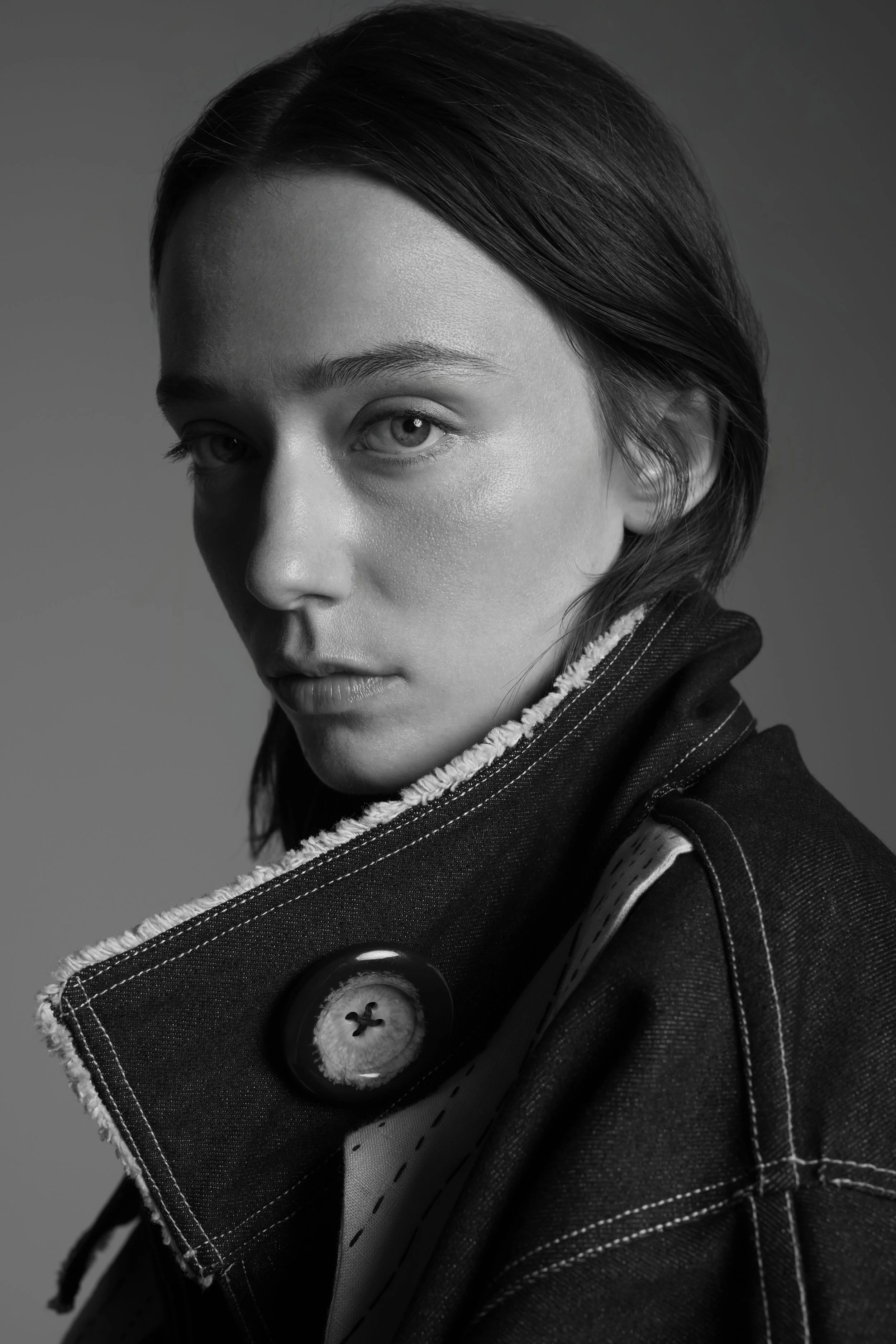
shirt TAMARA PRESS
Acting often involves exploring unfamiliar emotions, personalities, and perspectives. Has playing a particular character ever changed the way you understand yourself or the world around you?
My character in Upiro is an eighteenth-century nun who enters convent life voluntarily. Understanding why a woman would make a choice that looks at first like choosing a prison, but is really her only way out of an arranged marriage, was mind-blowing. Through her I also discovered many nuns, women really, who wrote throughout history and held influence where others didn’t, like Catherine of Siena, Teresa of Ávila and Thérèse of Lisieux. It was a part of history and an experience of womanhood far from my own that I got to discover through the role.
The entertainment industry can be unpredictable and highly competitive. How do you navigate moments of uncertainty, rejection, or self-doubt while maintaining your passion for acting?
I surround myself with people who do other things, to remember there’s a world outside acting. I deal with audition rejections by creating my own projects, which gives me some independence. And when that doesn’t work, I simply stop and do something else. It’s not a popular practic. As an artist, it can feel like if you’re not constantly putting things out, you’ll be left behind. I remind myself to enjoy life as more than a creator and, in some weird way I still don’t understand, that seems to make me a better artist. For uncertainty, the best remedy is rock climbing. Jumping off the top of a route is the closest thing I’ve found to the vertigo of performing.
Looking ahead, what kinds of characters, stories, or collaborations would you love to explore?
I’m scared to answer that, because I don’t want to close the door on anything. Secretly, I do know, but sharing it with the world might change how people see me. I’ve been offered roles I never imagined myself playing, and I’ve lost some that seemed like an obvious fit. It might be my most stock answer, but I want to play whatever people can imagine me as, in any form: short films, features, theatre, performance art. Although, there is one role, if they ever adapt it, I would fight to the death for: Tanatah, Mistress of the Netherworld, in Jodorowsky and Moebius’s comic The Incal.

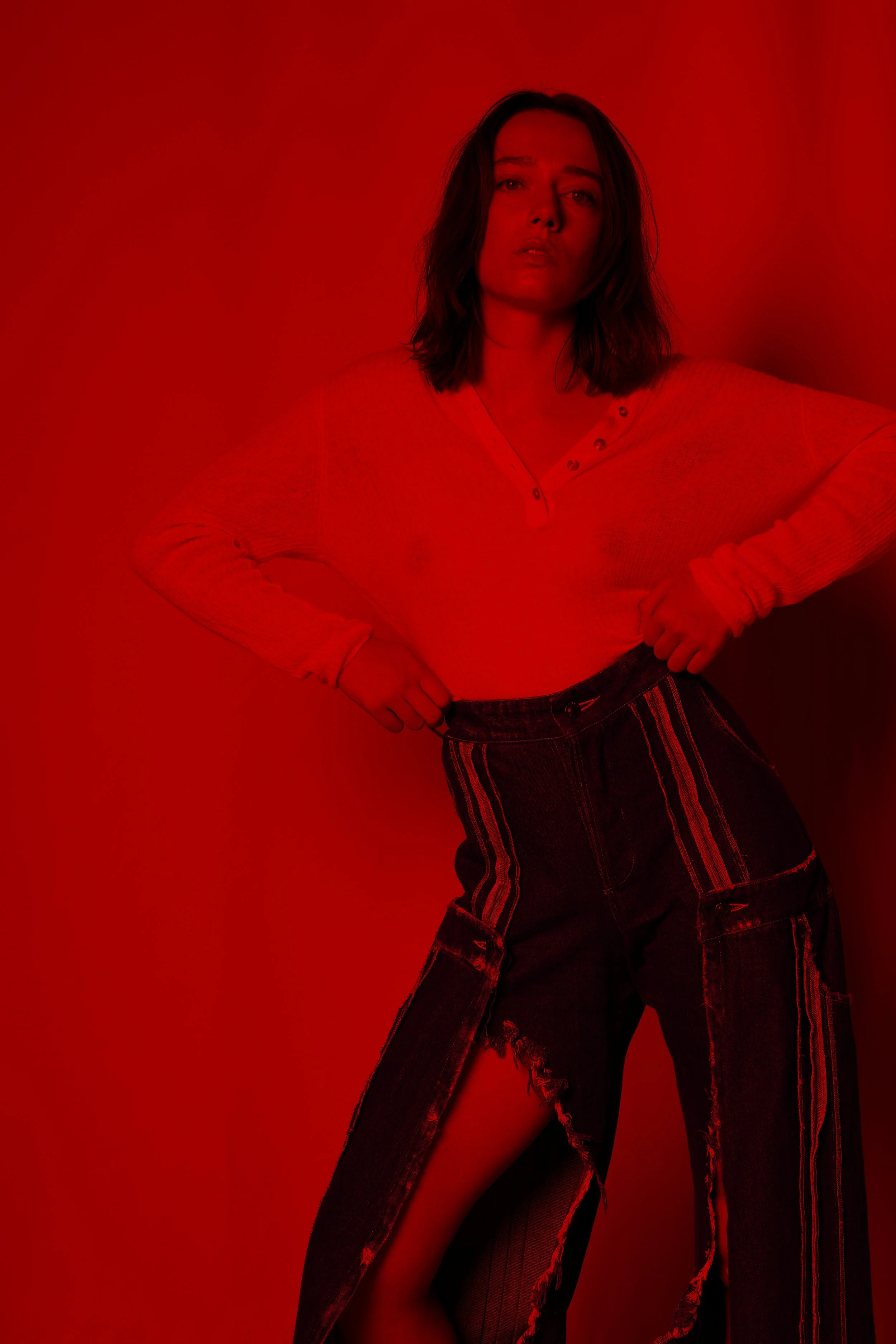
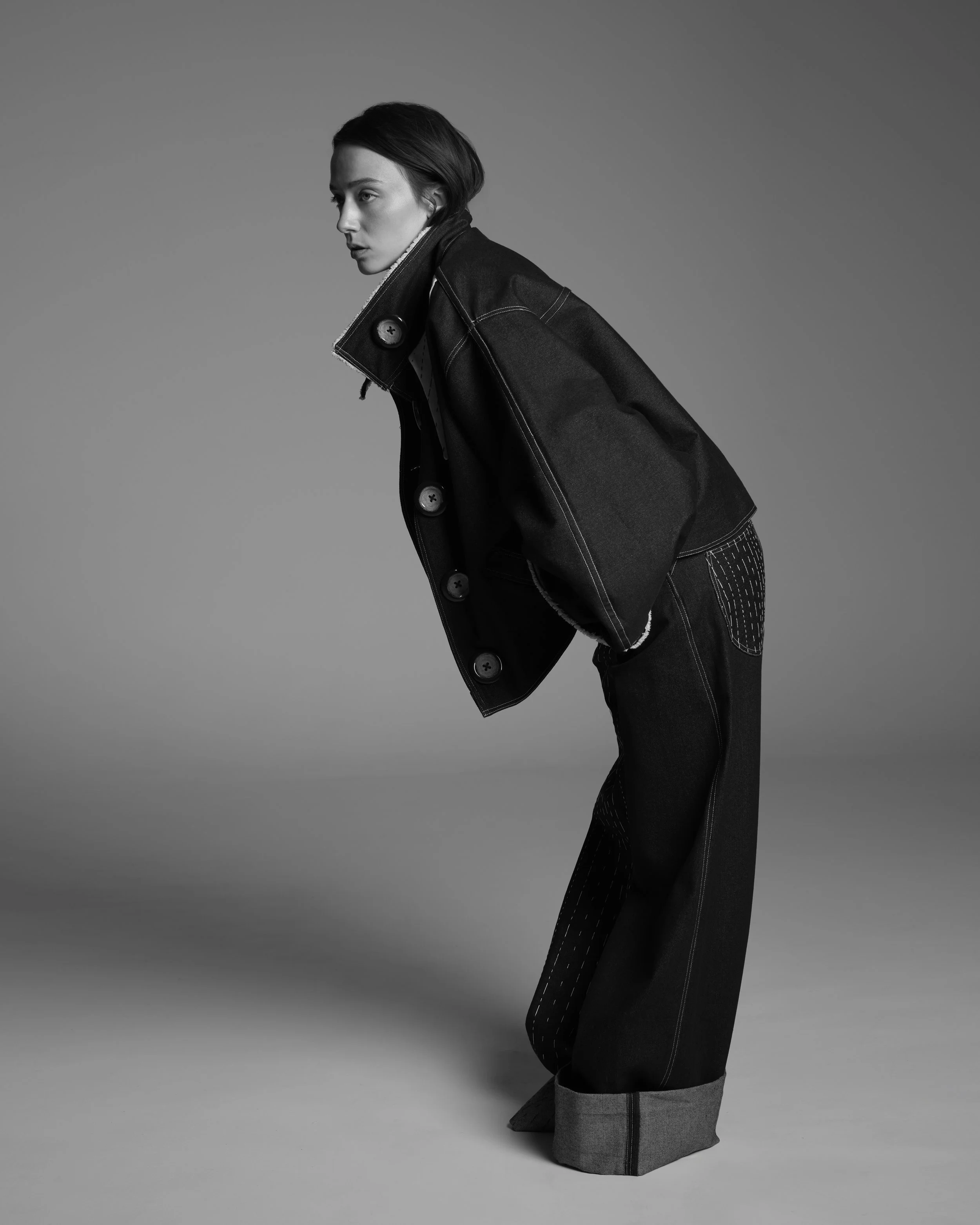
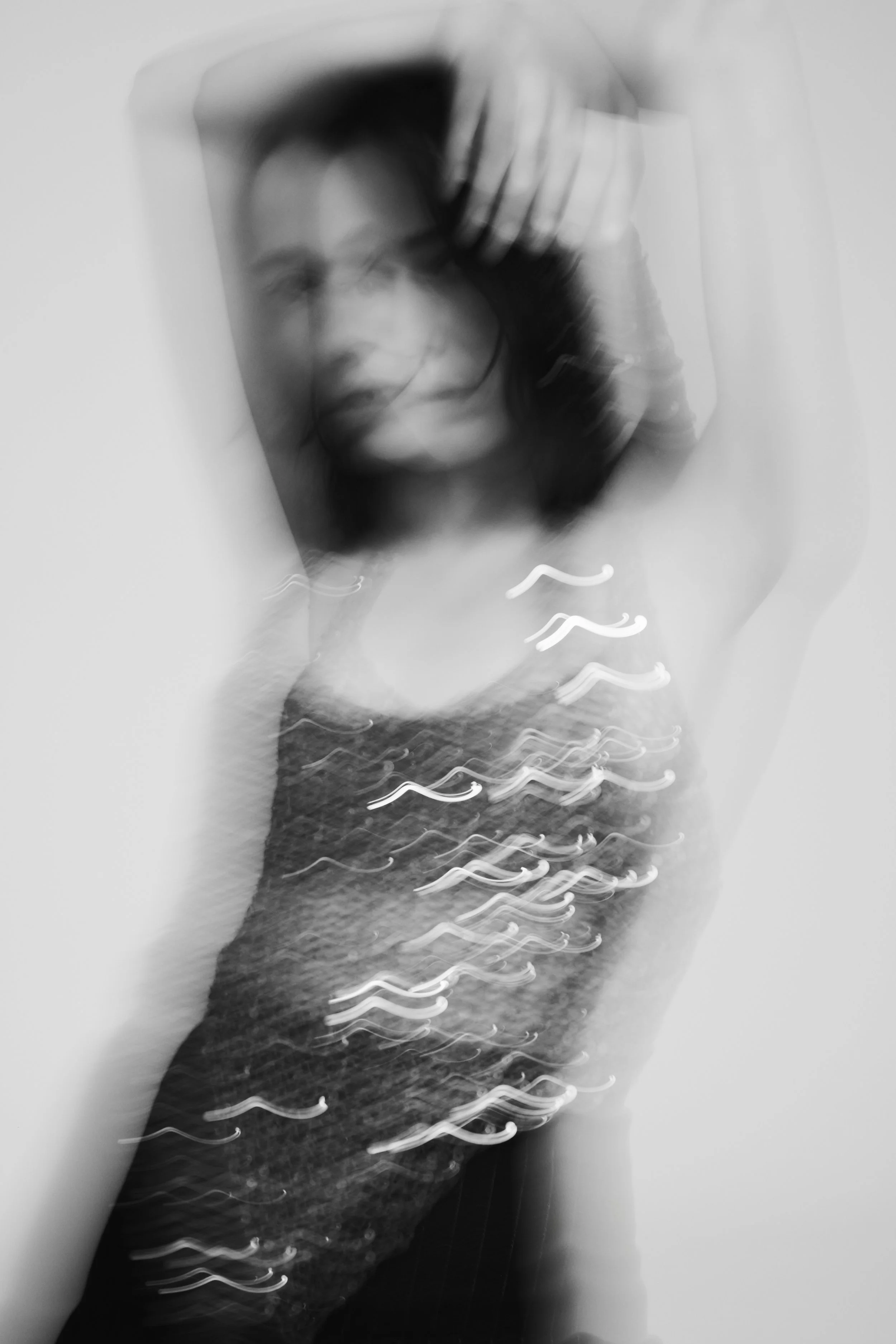
jersey BIMBA Y LOLA
pants DMN STUDIO
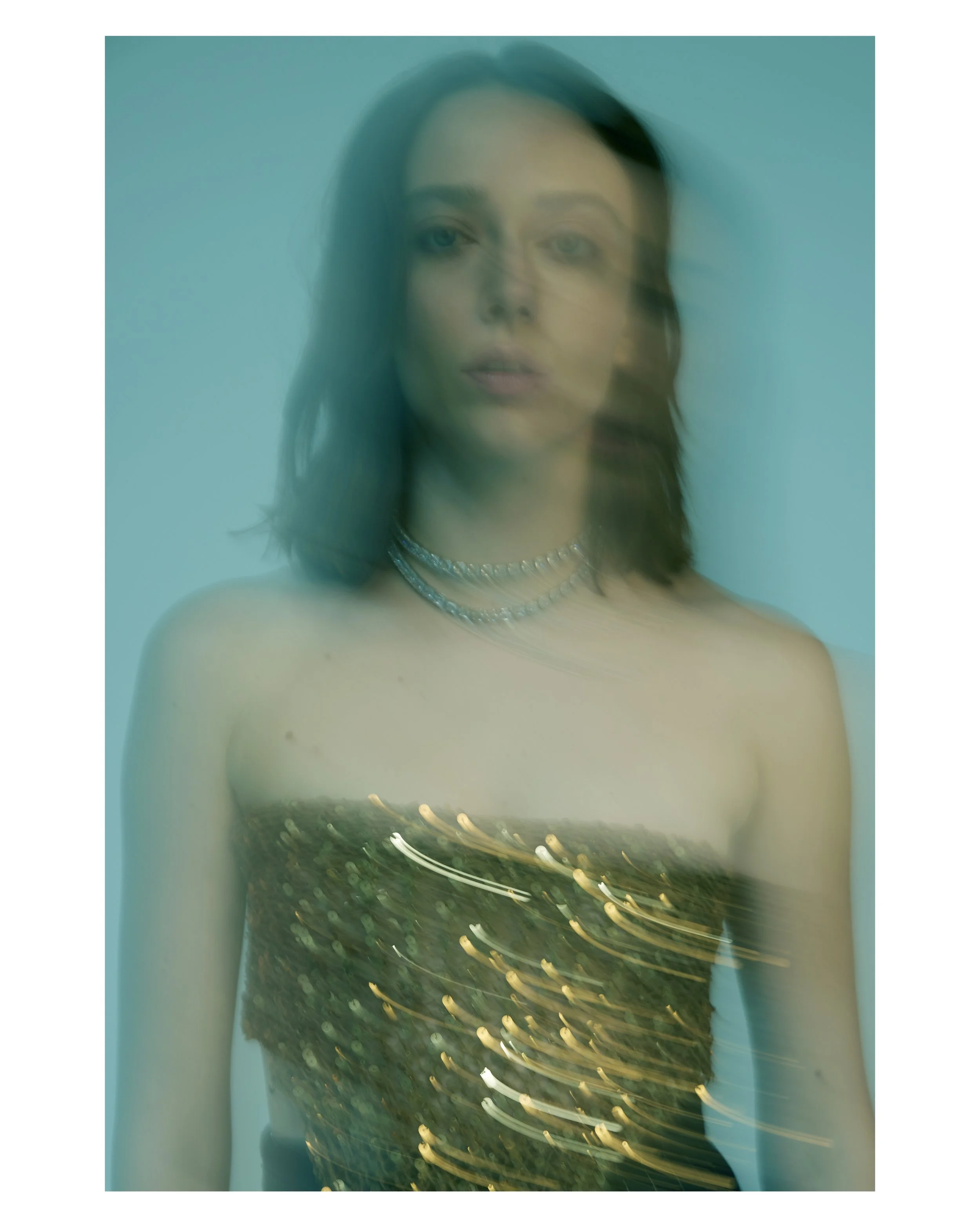
jewellery SWAROVSKI
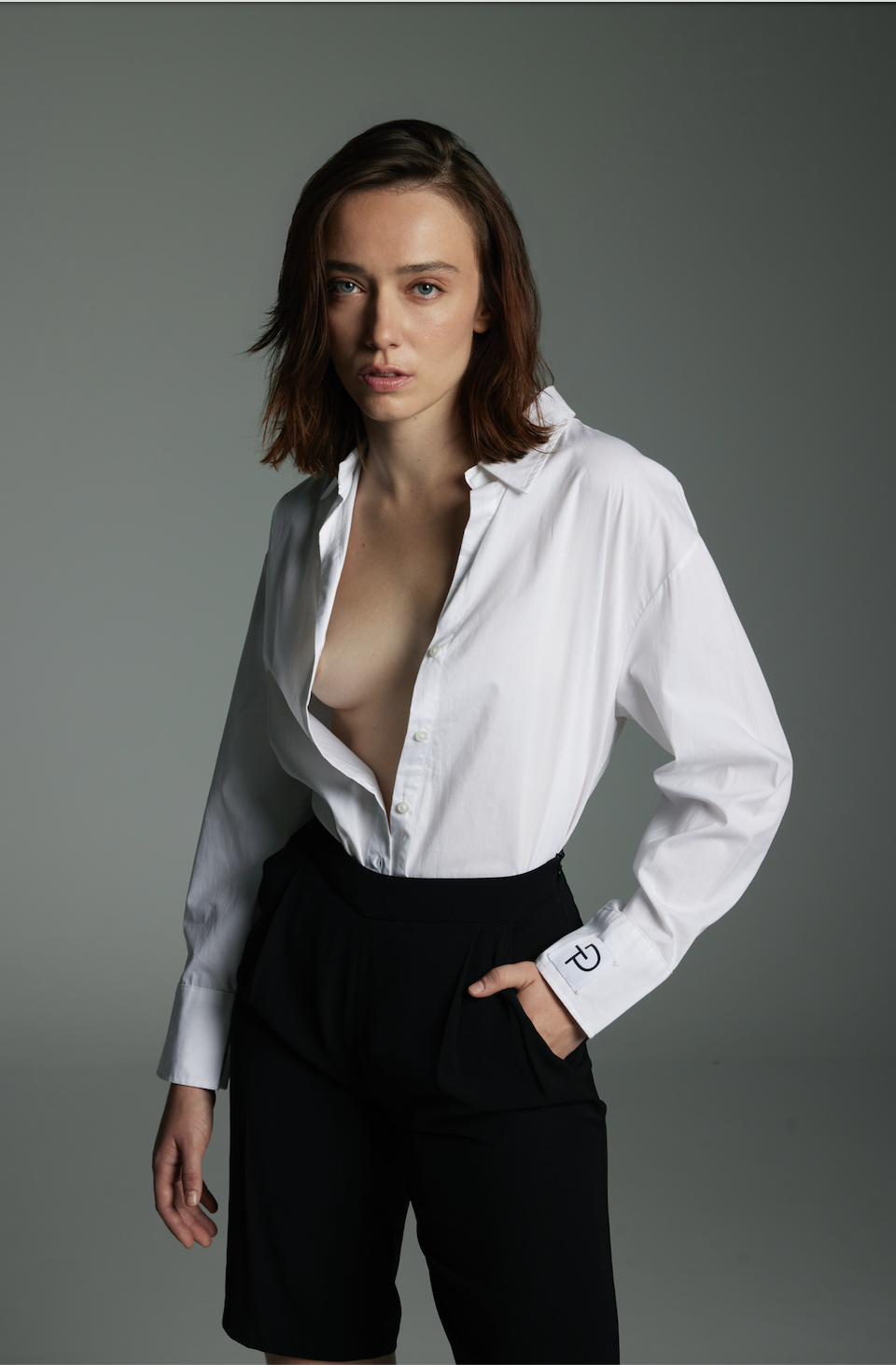
shirt TAMARA PRESS
pants PAT EQUILUX
shoes MARTINELLI
jewellery SWAROVSKI
TEAM CREDITS:
talent VICTORIA CERRADA
photography DAVID VICHO
styling DANIELA GUTIÉRREZ
make-up and hair MARIA JUANA MORENO ROJAS for GUERLAIN
stylist assistants MARTINA FUENTES, ANA LEAL and XIMENA COUTTOLENC
PR EMMA MONREAL and SHAHAR LEVI
studio ESPACIO LA CANDELARIA
