IN CONVERSATION WITH WARMOES BIËNNALE
interview by ANOUK WOUDT
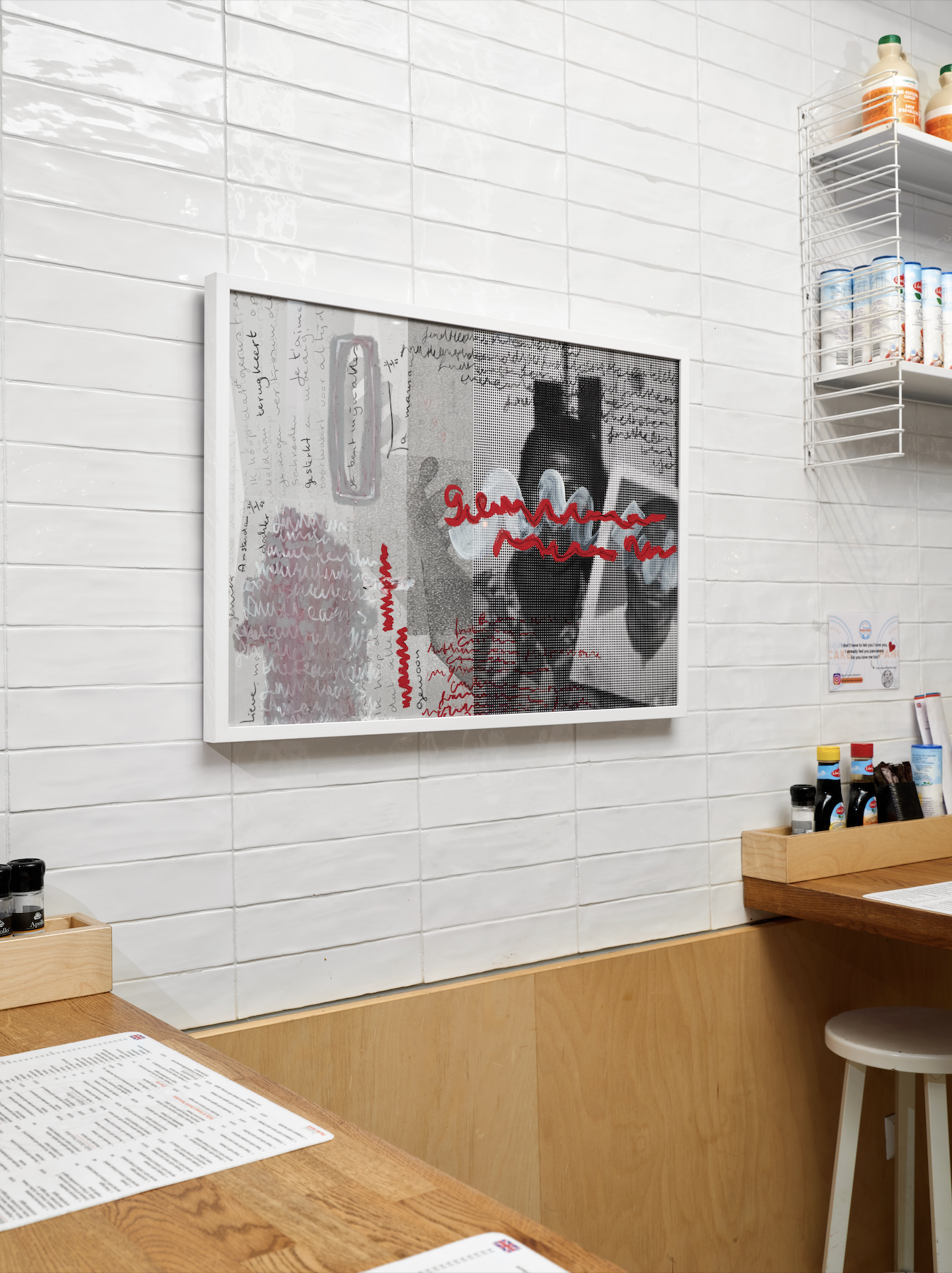
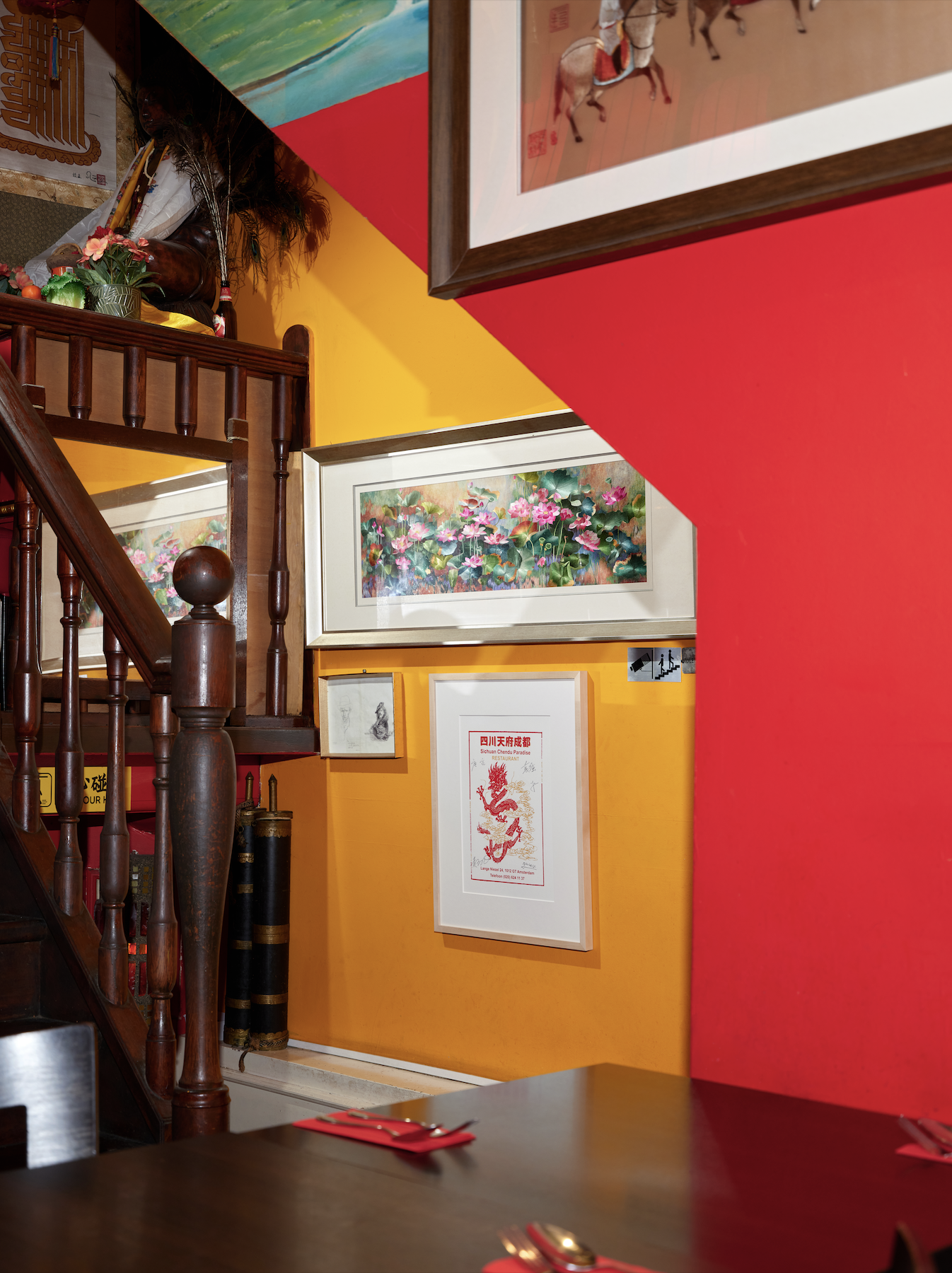
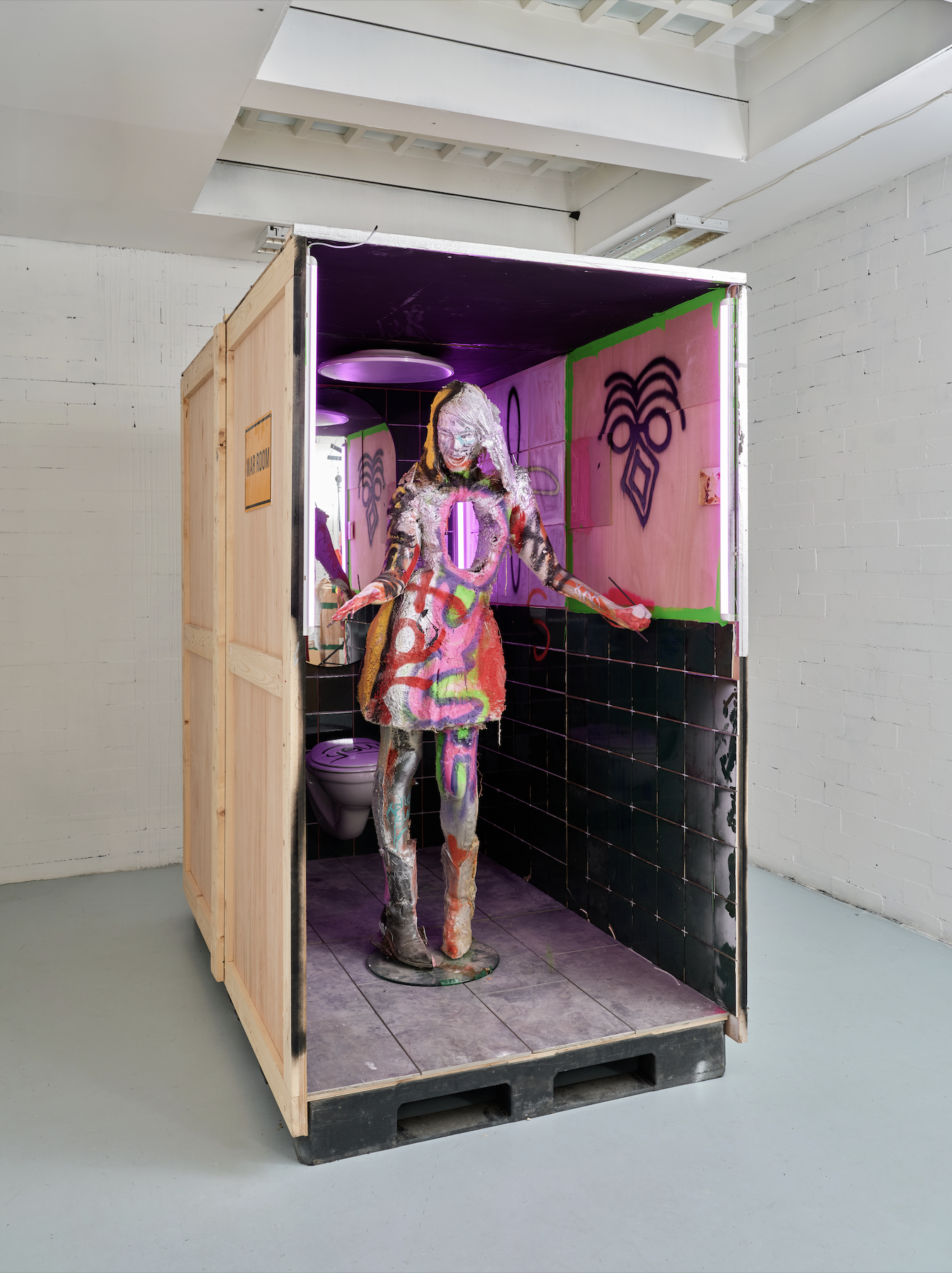
In an ode to the heart of Amsterdam, the Warmoes Biënnale is a public art festival that spans pubs, churches, and all kinds of shops that you might cross around the city centre. It puts art in places you wouldn’t typically expect, grounding the festival in the everyday people and routines that are essential to the neighborhood’s character. To get a better glimpse of how the biënnale came into existence, we’ve spoken with the creators of the festival, Justus Cohen Taevert and Bonne Reijn who share what we can expect to see.
The festival is running until May 3rd, so make sure to check it out before then!
With the first festival’s edition on the way, what sparked the idea that set the Warmoes Biënnale in motion?
The idea started almost as a kind of daydream. We, my partner Justus Cohen Tervaert and I, had been thinking for a long time about the relationship between art, the city and the neighbourhood we live in. We kept asking ourselves: how can art exist not just within institutions but within the living fabric of a place?
During the time I worked as an ambassador for the Aanpak Binnenstad programme of the municipality of Amsterdam, I was constantly walking through the area with this idea in my head. I would talk about it with people, sometimes with enthusiasm, sometimes with doubt, but I always felt there was something there.
The real turning point came when Cora Doppenberg at the municipality believed in the idea and supported it. Her trust made it possible for the project to move from a dream into reality.
How did the team of organisers come together to create the Warmoes Biënnale?
In many ways, the team grew out of long-standing collaborations and friendships.
Justus and I have been working together for about fifteen years. We have a very particular dynamic. I tend to be the one with the ideas and dreams, and Justus has an incredible ability to turn those ideas into something concrete and executable.
Many of the other collaborators are people I have worked with for years in different contexts, in art projects, design, publishing and cultural initiatives. The curators, designers, writers and artists all came together because they share a fascination with the neighbourhood and with the idea that art can exist in unexpected places. It’s very much a collective effort built on trust.
What does the character of the Warmoesstraat mean to you?
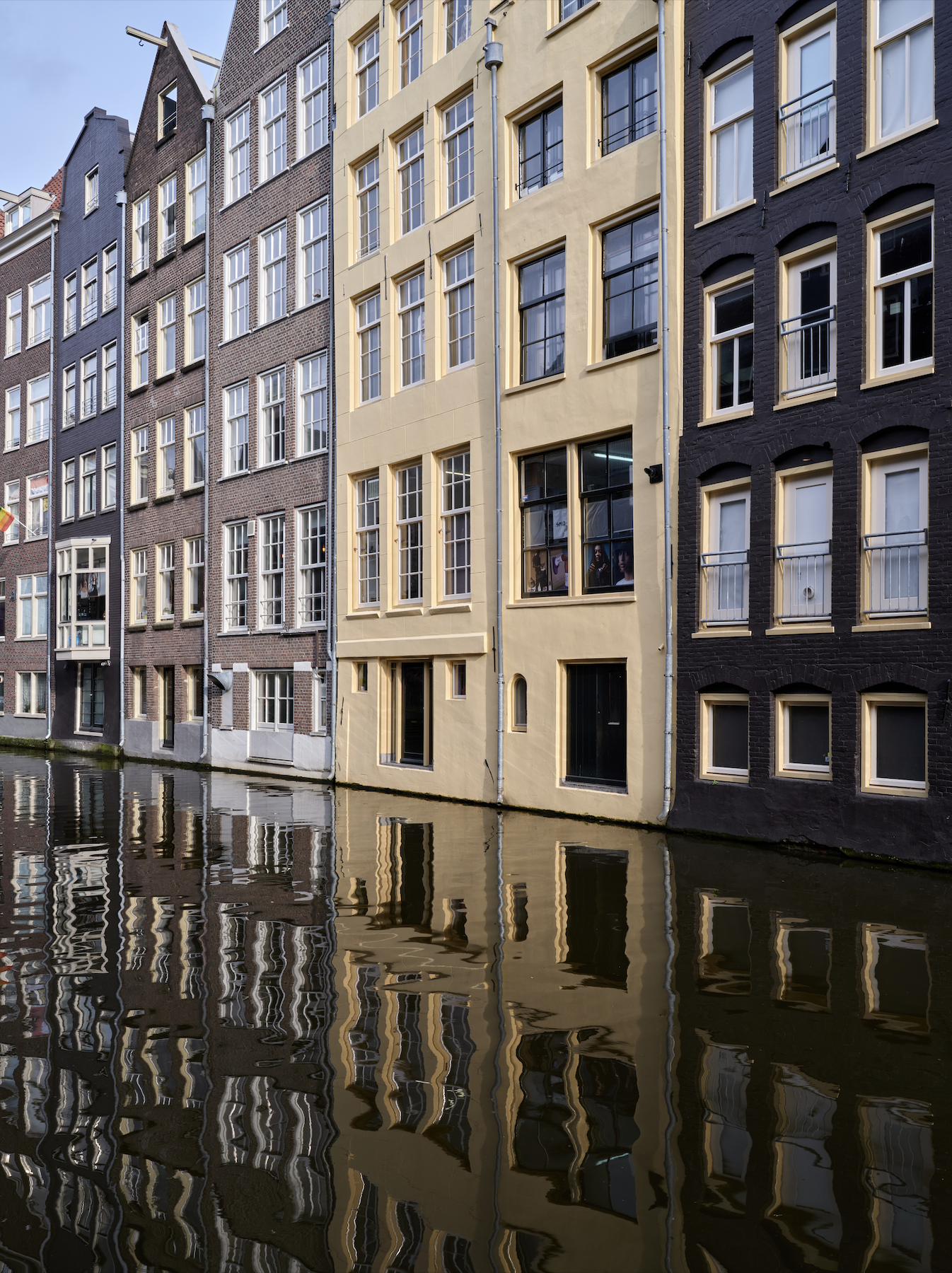
For me, the Warmoesstraat represents something very essential about Amsterdam.
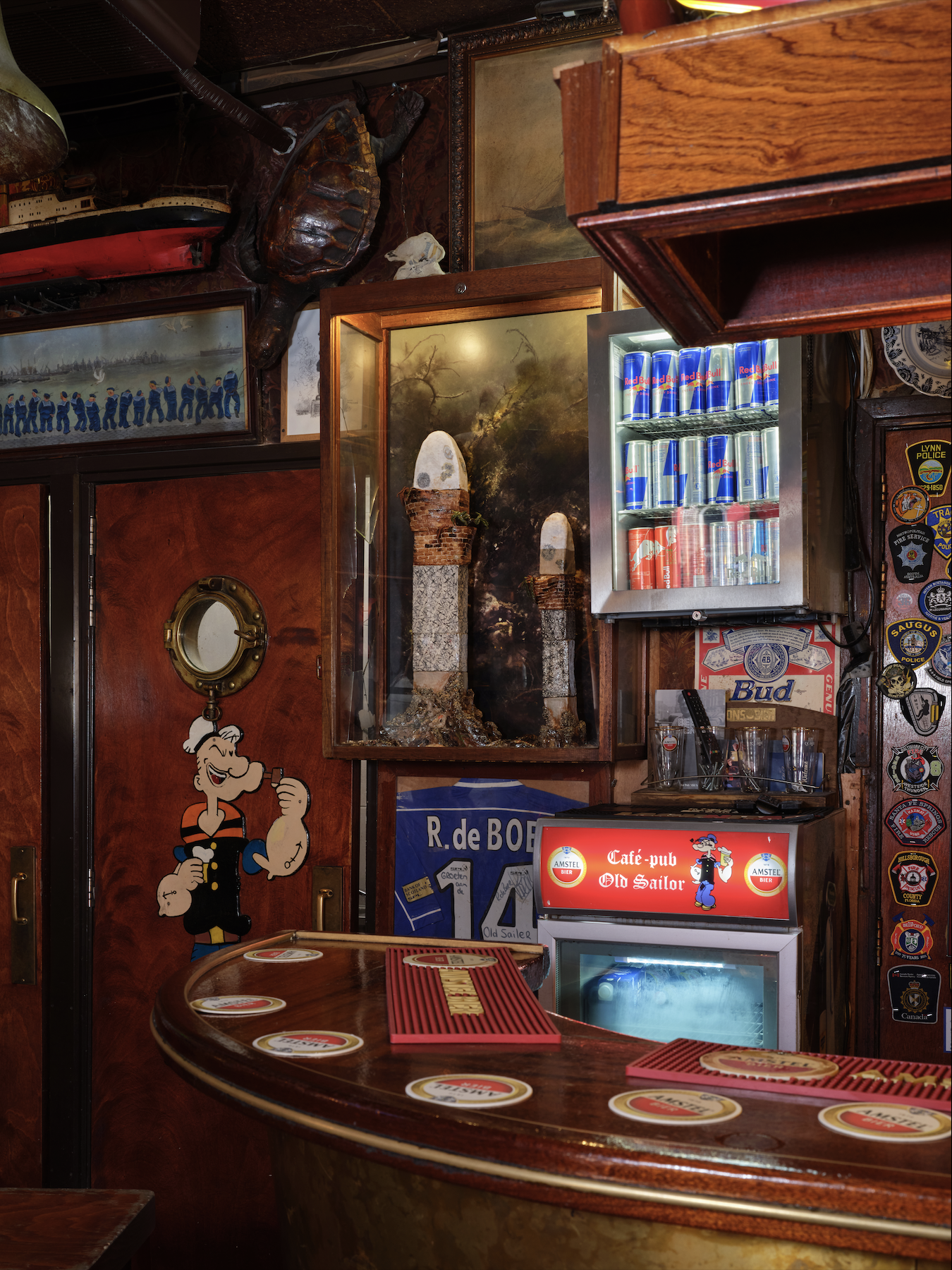
It’s a place where different worlds collide: tourism, nightlife, sex work, small family businesses, artists, residents and people who have been here for generations.
At the same time, it’s also a neighbourhood with incredibly strong social connections. There are places like the fish shop, the butcher, the brown cafés, spaces where people know your name, where you can walk in and have a conversation.
To me, these stories are almost mythical. They don’t necessarily need to be written down; they need to be experienced.
What kind of artwork can viewers expect to see during the festival?
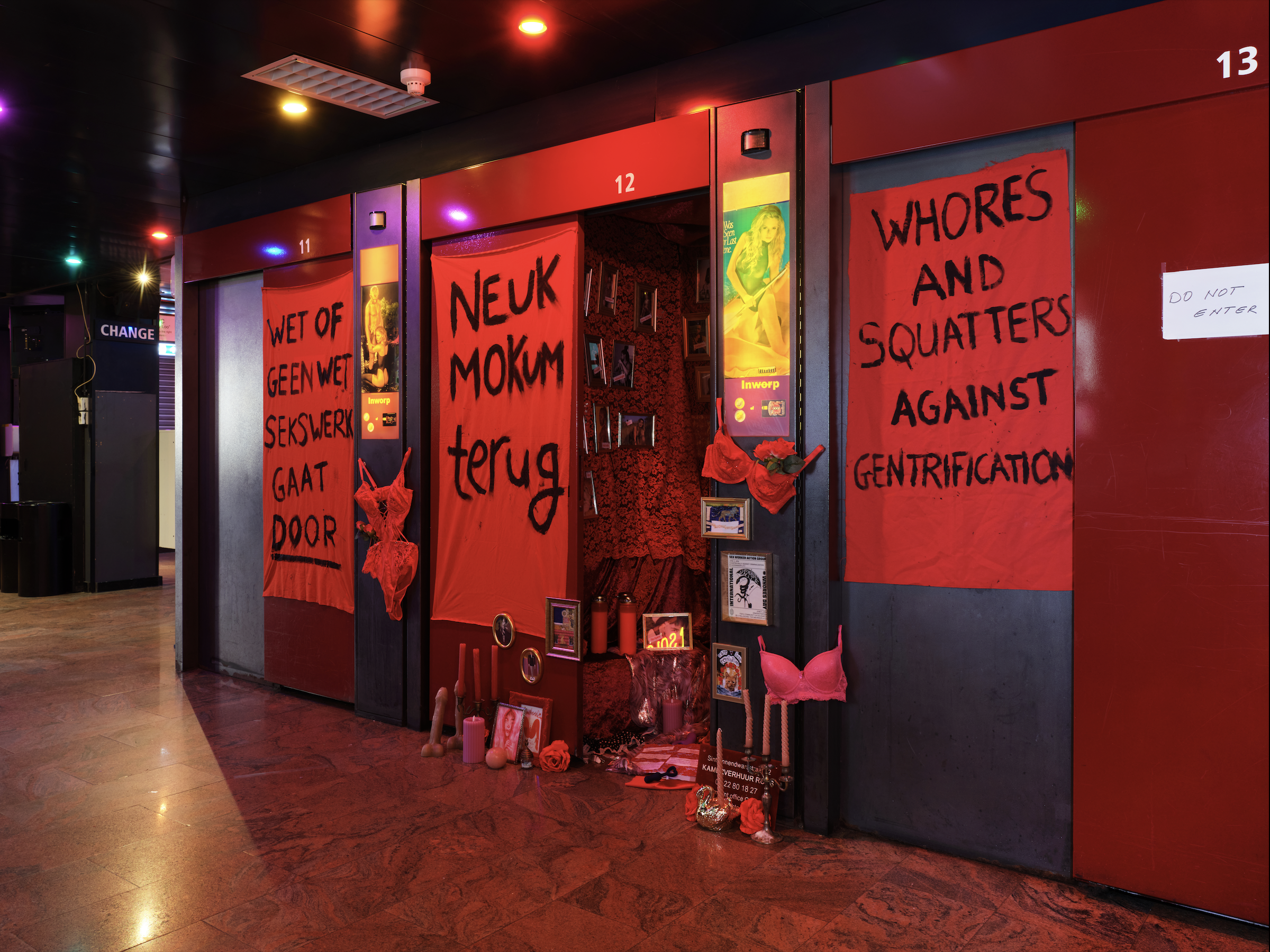
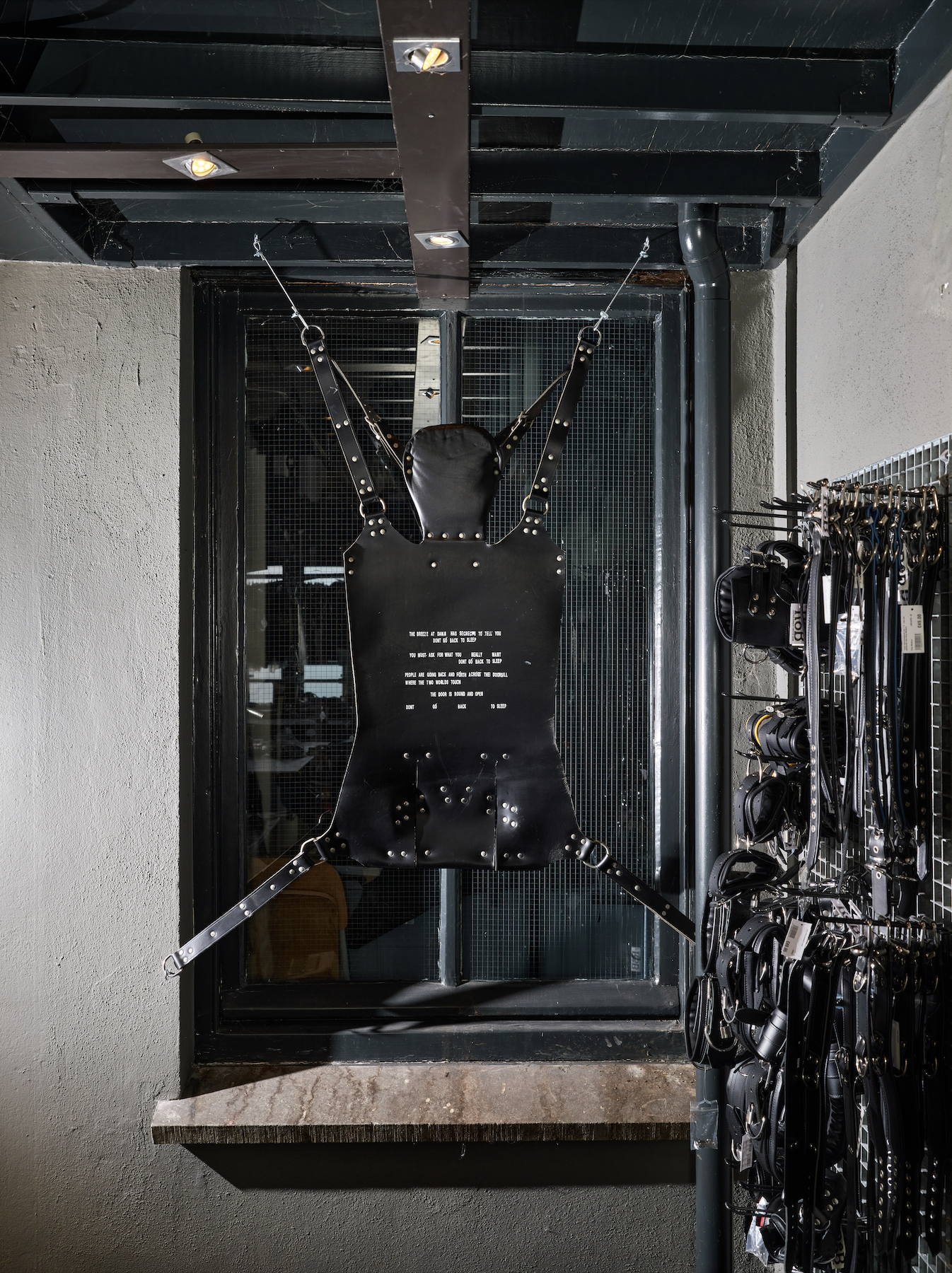
Visitors will encounter a wide range of works: installations, performances, sculptures, sound pieces and participatory works.
But what makes the biennale unique is that the artworks are integrated into the everyday spaces of the neighbourhood.
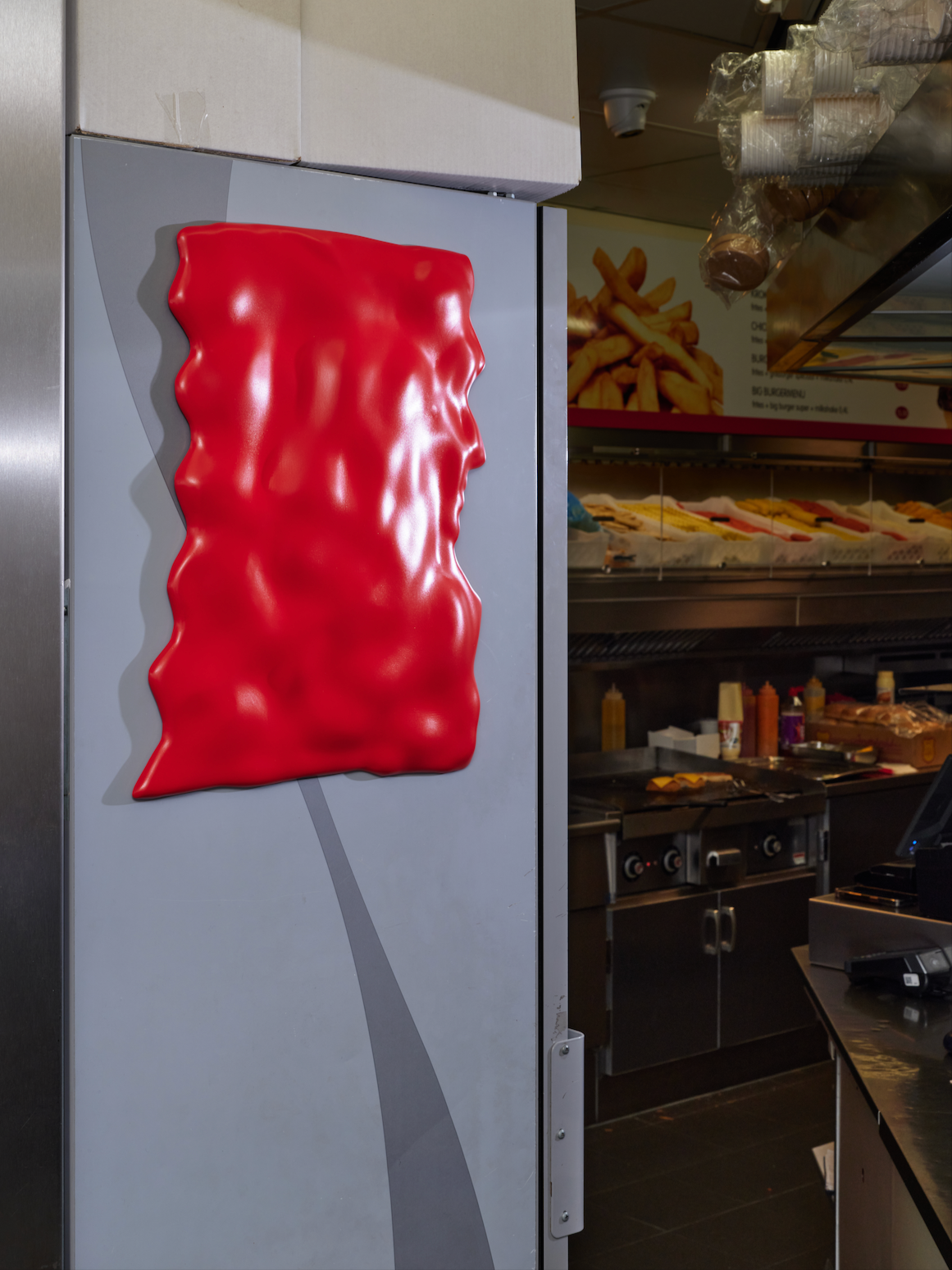
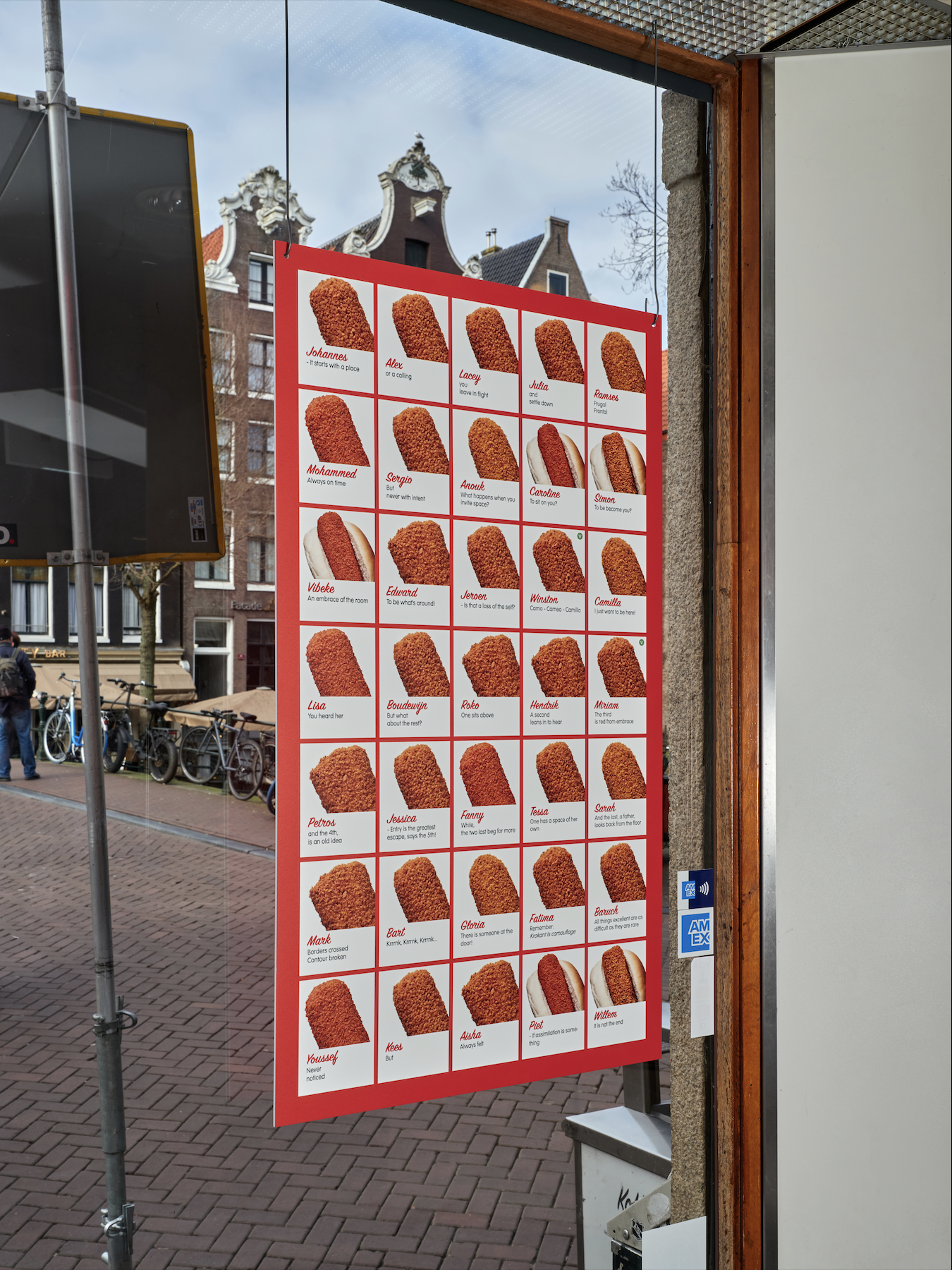
For example, one artist has hidden artworks throughout a FEBO snack bar, so while people are taking a croquette from the wall, they can also search for artworks hidden in the interior.
There are also works that engage directly with the social and political history of the neighbourhood, including projects that address the changing position of sex workers in the city.
So the art is not isolated; it’s woven into the life of the street.
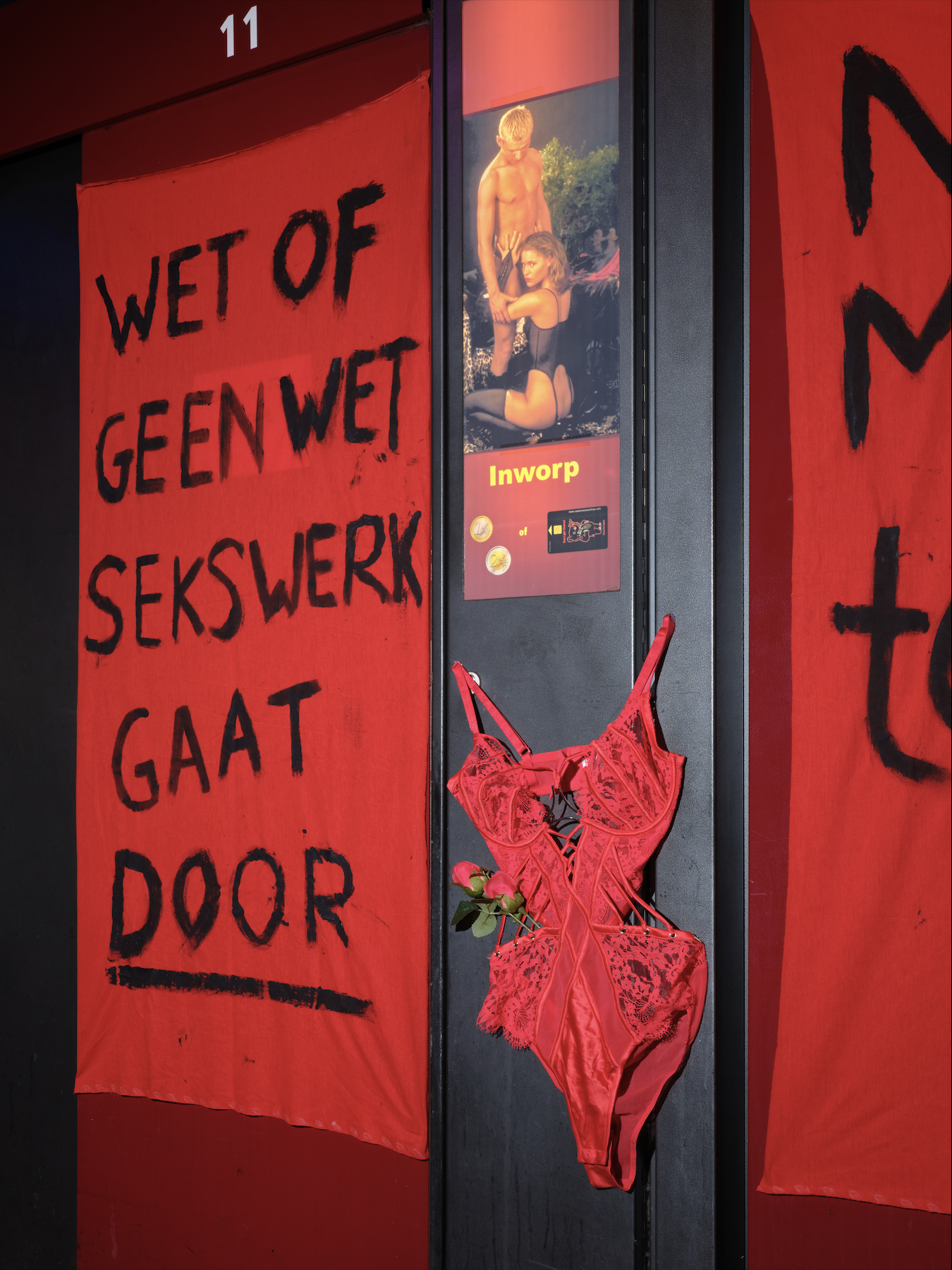
As natives to the neighbourhood, how has it changed from when you were growing up compared to now?
The neighbourhood has always been complex, but the conversation around it has changed.
Amsterdam has long been known internationally as a place of tolerance and freedom: sex work, coffeeshops, freedom of expression. But today we also see parts of that culture being pushed aside or regulated in new ways.
At the same time, the neighbourhood still has incredible resilience. There are still family businesses, cafés and communities that have been here for generations.
For us, the biennale is partly about reminding people that this area is not just a tourist destination, it is also a living neighbourhood with its own culture and history.
What was the process like for sourcing artists and event spaces for the shows?
A lot of it started with conversations.
We would talk to artists and ask them: what would happen if your work existed inside a butcher shop, a laundromat or a snack bar?
And we spoke with local entrepreneurs to see if they were open to collaborating.
In many cases, these relationships began very informally, just saying hello in the street or having a conversation in a shop. Over time, those connections grew into collaborations.
What was important for us was that the art would not disrupt the businesses, but exist alongside them.
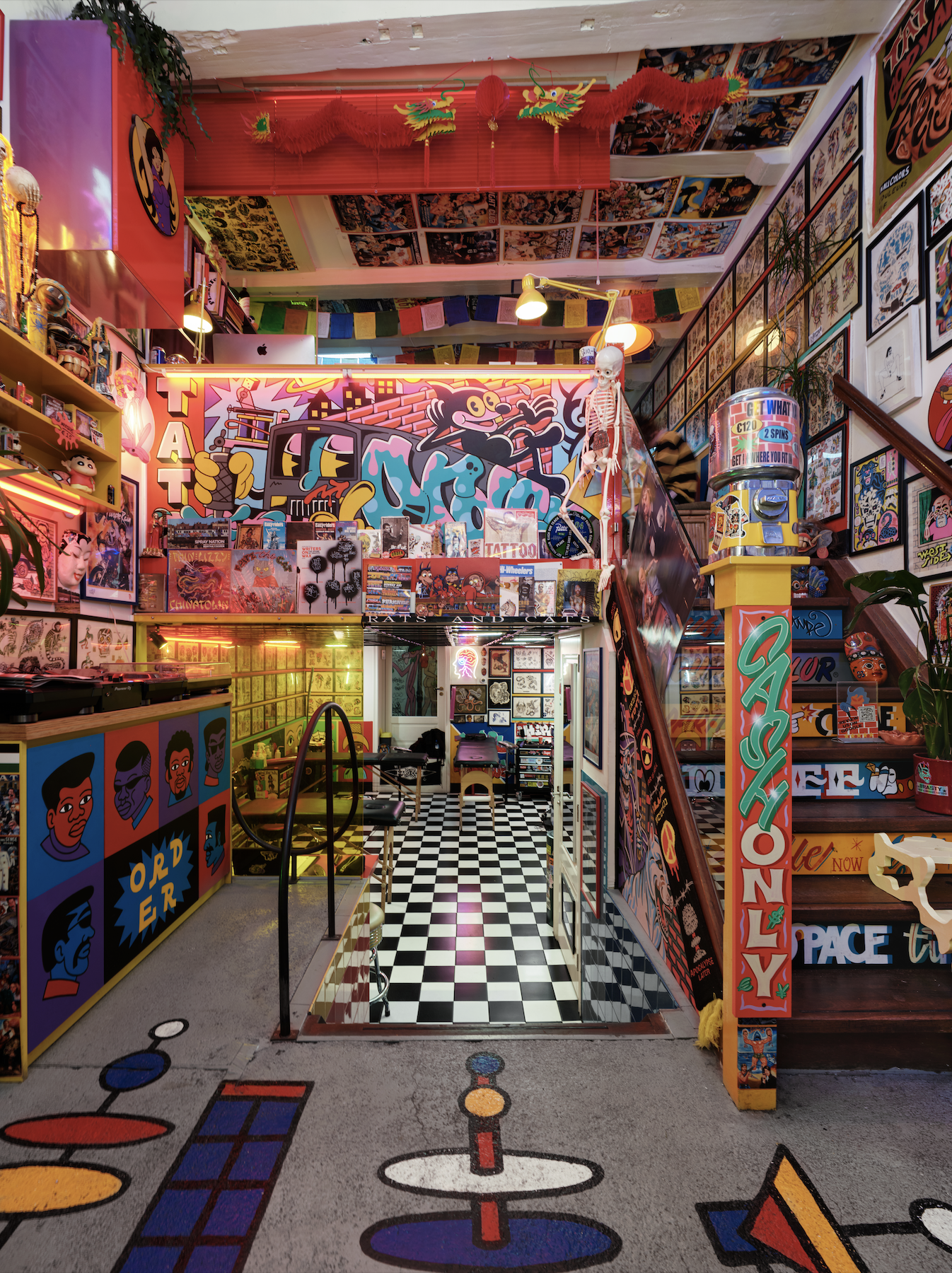
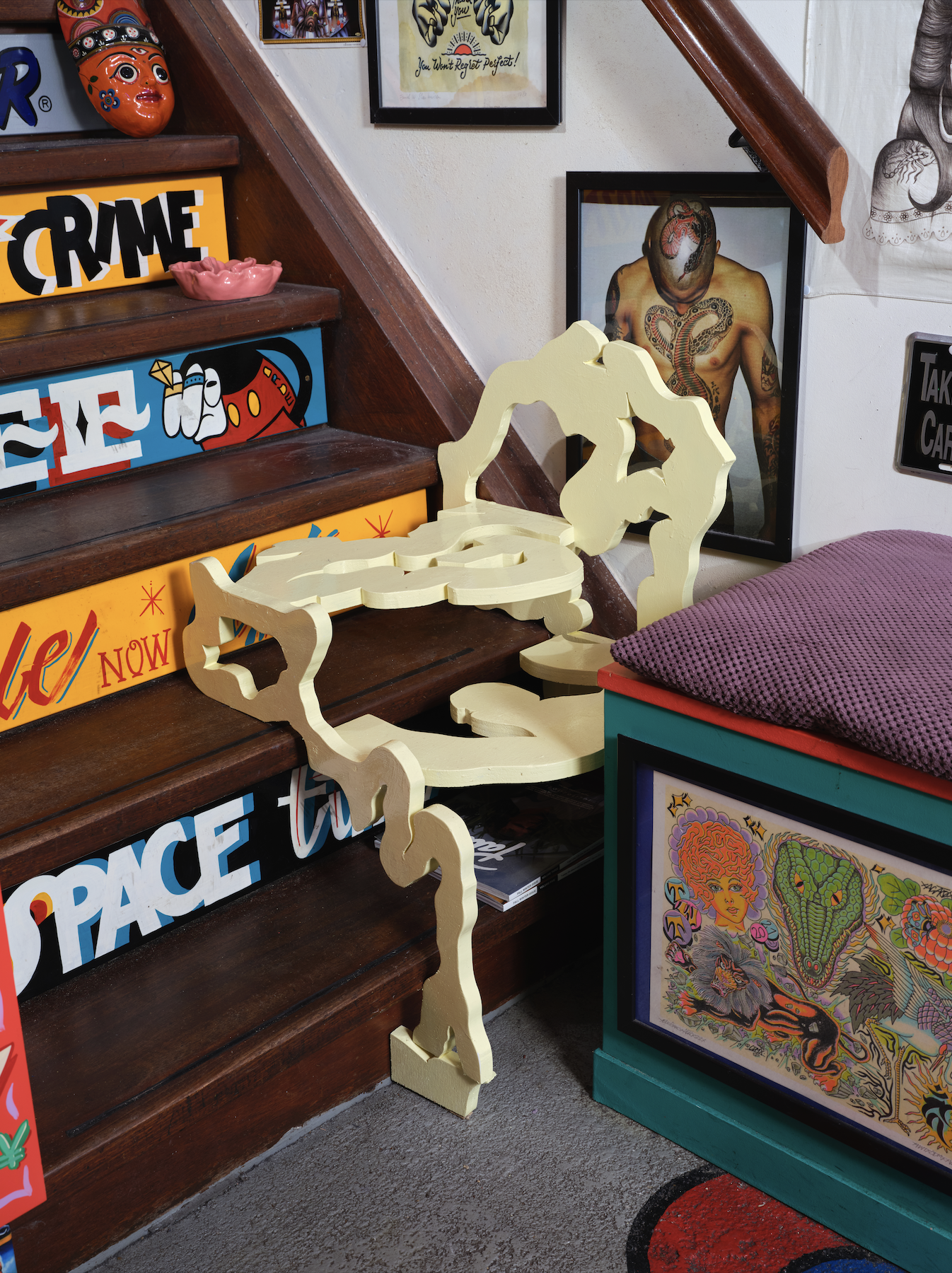
What story of Amsterdam do you aim to tell through the festival?
We want to tell a more honest and layered story of Amsterdam.
Not the postcard version of the city, but the real one — where different histories, communities and tensions exist side by side. The biennale is about acknowledging the complexity of the neighbourhood while also celebrating its resilience, its humour and its social life.
It’s about showing that the inner city is not just a place to consume, but a place where people live, work and create culture.
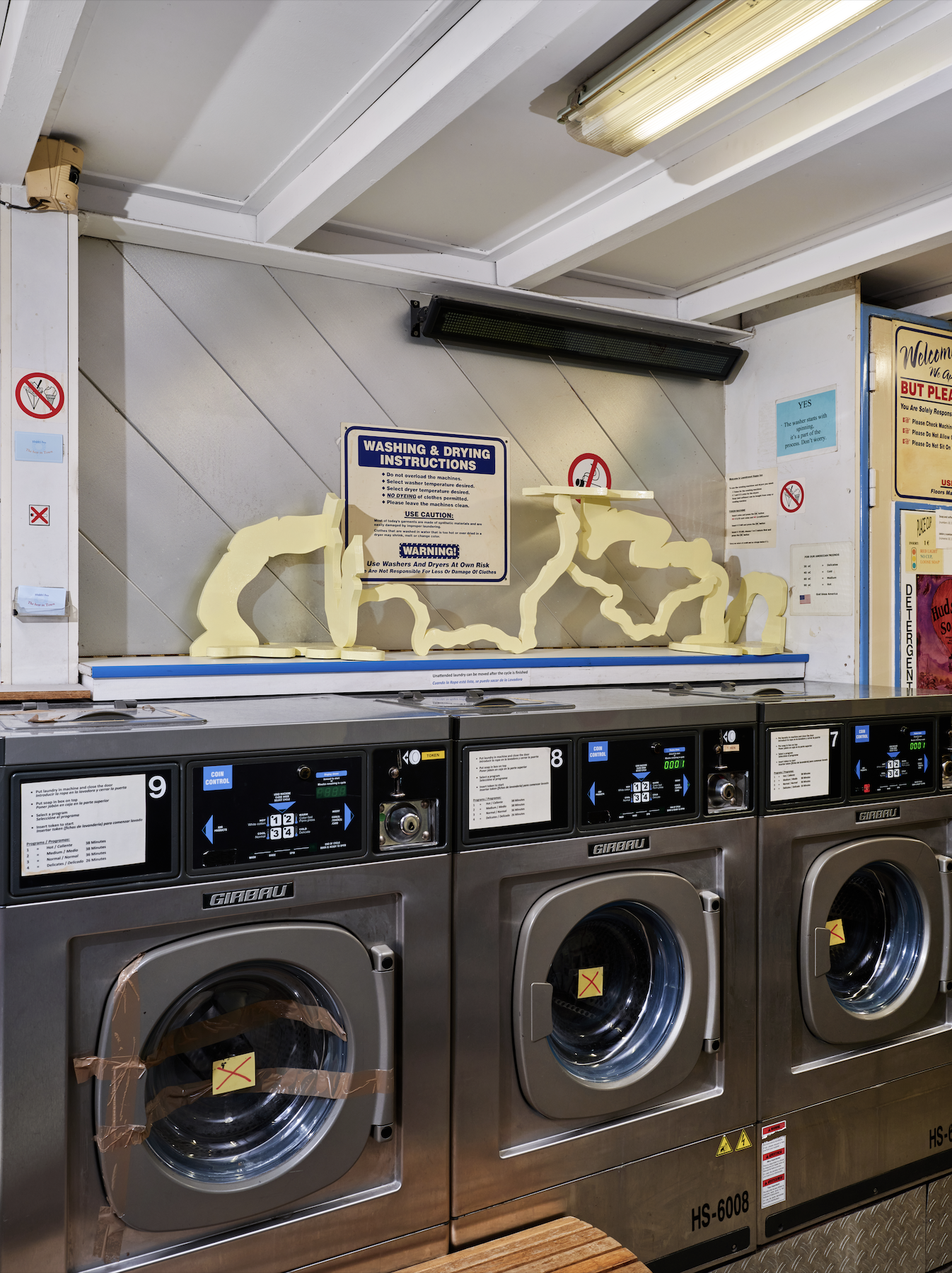
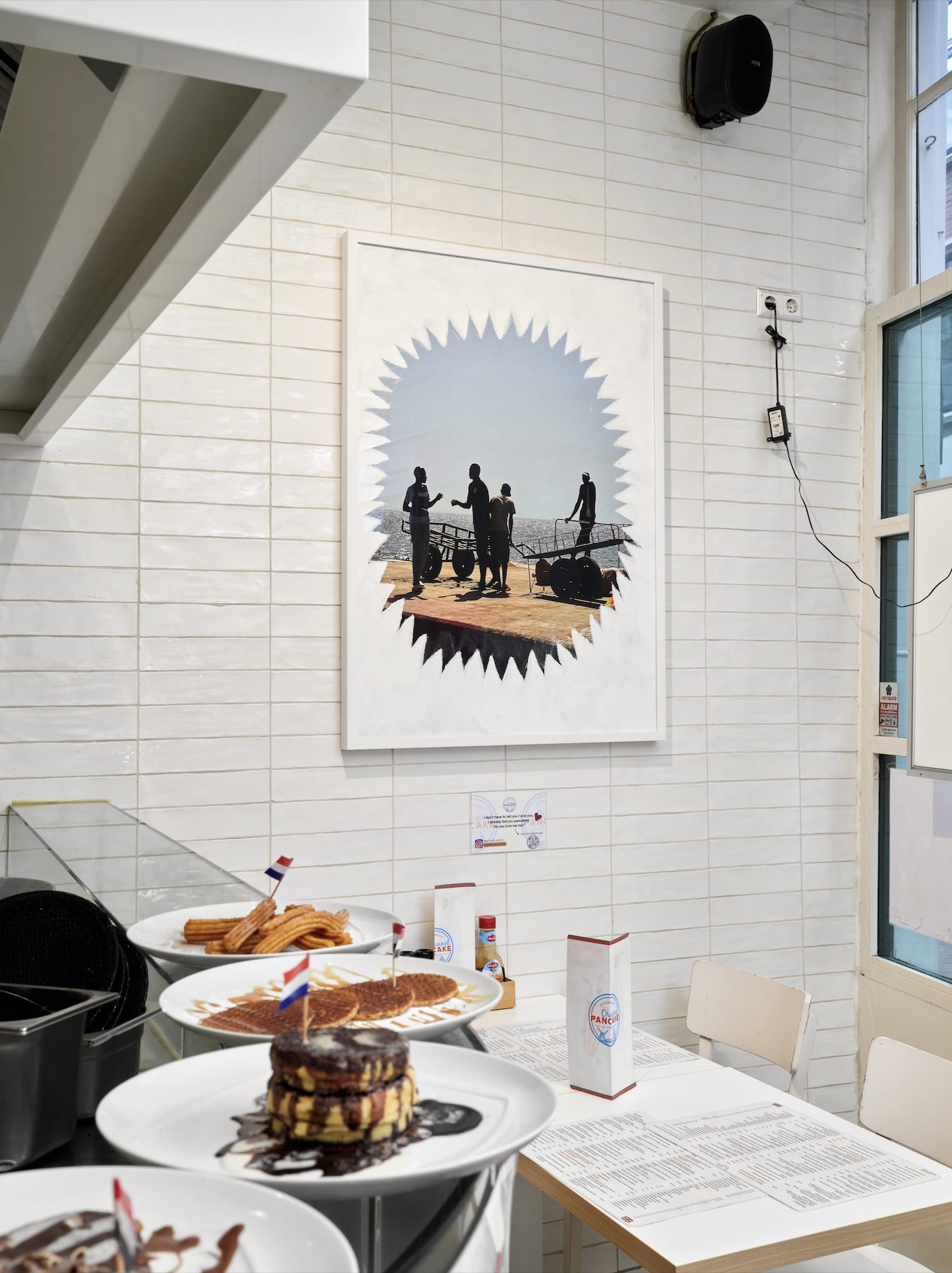
What inspired you to place gallery hotspots in such atypical locations, like kebab shops and laundromats?
We were inspired by the idea that art should not only exist in designated cultural spaces.
When art appears in everyday places, like a snack bar, a kebab shop or a laundromat, it becomes part of daily life. It reaches people who might never walk into a gallery.
It also changes how you experience the neighbourhood. Suddenly you start looking more closely at spaces you normally pass by. In a way, the whole neighbourhood becomes a kind of exhibition space.
What is the best way to enjoy the festival?
The best way is simply to walk through the neighbourhood slowly.
We like to describe the city centre as a kind of shared living room, a space we all inhabit together: residents, entrepreneurs, artists and visitors.
So take your time. Walk through the streets. Step into places you might normally pass by. Talk to people. Say hello. And experience the neighbourhood as a living, shared space.