interview by TIMI LETONJA
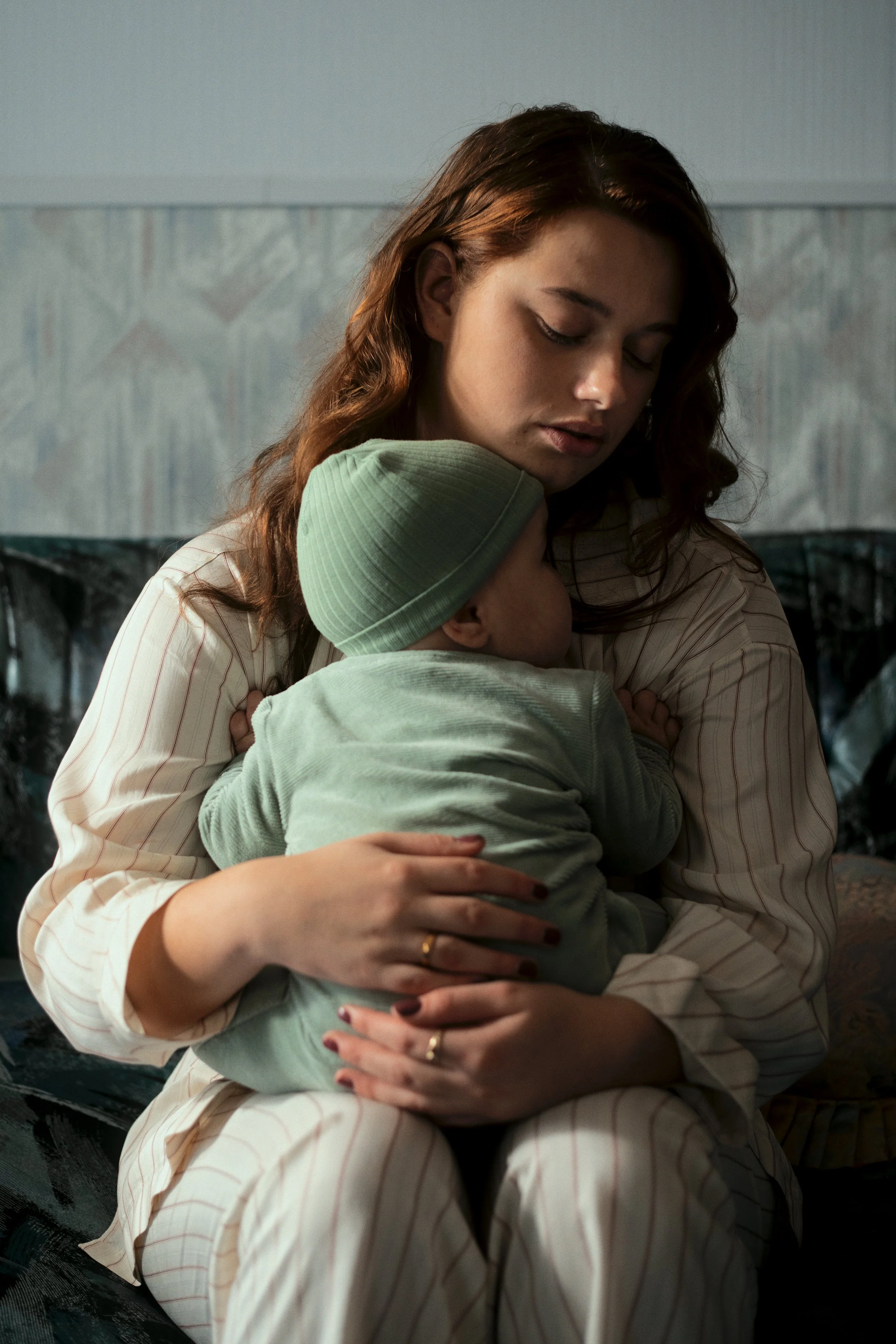
Based on a true kidnapping case that gripped the Netherlands in 1982, TOOS revisits a defining moment in the history of the Van der Valk family, one of the country’s most prominent business dynasties. Yet beyond the suspense of the crime itself, the series explores the fragile balance of power, loyalty and personal ambition within a family suddenly deprived of the woman who holds it together. Set against the backdrop of a changing society, where police investigations and media scrutiny operated by very different rules, the story reveals how an extraordinary crisis can expose tensions that have long remained beneath the surface. We spoke with Dirk Verheye and Inti Calfat about bringing this remarkable true story to the screen, the complexities of family relationships, and the creative collaboration behind the series.
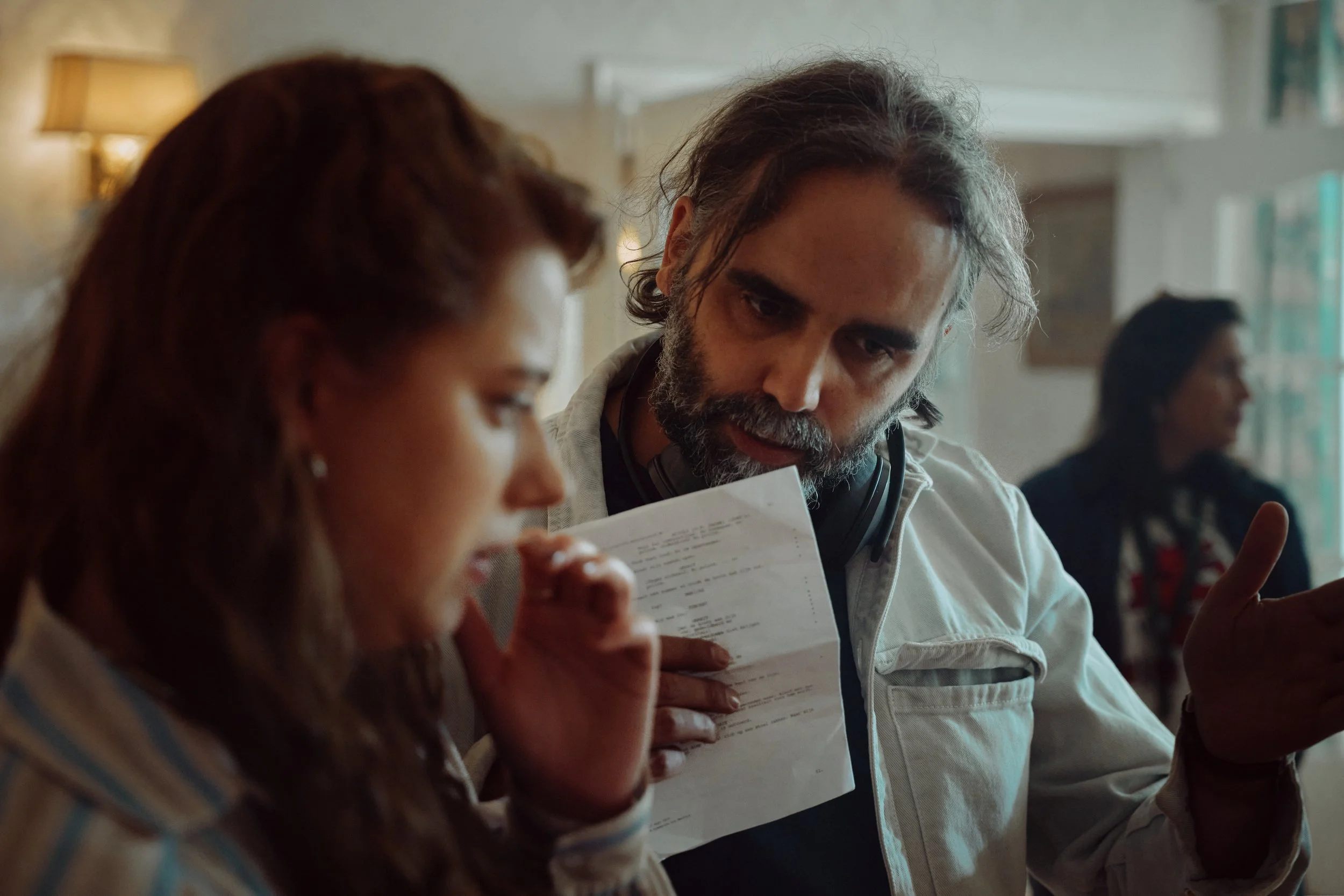
DIRK VERHEYE
Toos is based on an event that captured the attention of an entire nation. When you first encountered the material, what interested you most: the crime itself, the people involved, or the wider social dynamics surrounding it?
What I found interesting was that, at the heart of the story, one of the pillars of a family, in this case the mother, gets kidnapped. It's interesting to see what happens beyond the drama of getting her back. The family also has to figure out how to work together because everybody has their own agenda. When reading the book, I found it interesting that she was also the matriarch of the family, the glue that held everything together. Her mother may have been the head of the family in terms of business, but she was the one negotiating between people and making sure everybody got along. Another aspect I found fascinating is that this happened in 1982. The police had completely different research techniques and resources compared to today. Kidnapping was relatively new to them, so they had to figure out how to deal with it. Both the police and the family almost had to reinvent the wheel. I found that fascinating.
The kidnapping is inherently cinematic, but this story is also about a family gradually unraveling under pressure. How did you approach balancing the suspense of the investigation with the emotional complexity of the family drama?
I think we shift perspectives from one side to the other. Most of the time, we follow the tragedy through the family's point of view. In that sense, it's a family tragedy where everybody has their own agenda. The power of the kidnapping storyline lies in suspense, and that comes from what you choose not to show. The writer is very smart and economical about what he decides to reveal and, more importantly, what he doesn't show.
We actually spend very little screen time with the abductors during the kidnapping, but that makes it mysterious and makes you want to know more. The power of withholding information is a very strong cinematic tool, and that's how you create suspense.
The Van der Valk family represents an extraordinary Dutch business dynasty. Did you see the series as an opportunity to examine the dynamics of a family, ambition, and loyalty when personal relationships become intertwined with a powerful business empire?
Yes. What's interesting about the Van der Valk dynasty is that, back in the day, every single hotel was run by a family member. So when you joined the company, you almost automatically built your own business.
But there's also a flip side to that. You're part of the clan, and you have to follow its rules, with the head of the family at the top. There's drama and suspense in the family dynamics, in how they have their own agendas towards each other and how they all try to stay close to the person in the position of power.
One of the most fascinating elements of the story is the presence of an undercover police officer living among the family as "nephew Cor." How did you approach the tension between intimacy, deception and the need for trust within that unusual situation?
While making the show, we referred to Cor, the undercover police agent, as our cowboy, almost as the new cowboy in a western. He's the stranger who enters an established environment, and from time to time we also get his perspective on things. He doesn't belong to the family, but he tries to manage things and becomes a kind of crisis manager within the family. I find that very interesting, and I also love the character because he approaches things with so much humanity, not just from a political point of view. He also goes through a certain character arc, and his position within the family changes.
One little detail we really liked is that he's not part of their world. He doesn't have their level of wealth, and he doesn't know how to behave in such a posh family. He's just a normal guy, an average Joe. That makes him a bit of an outsider, but because of his human skills, he manages to find his place within the family.
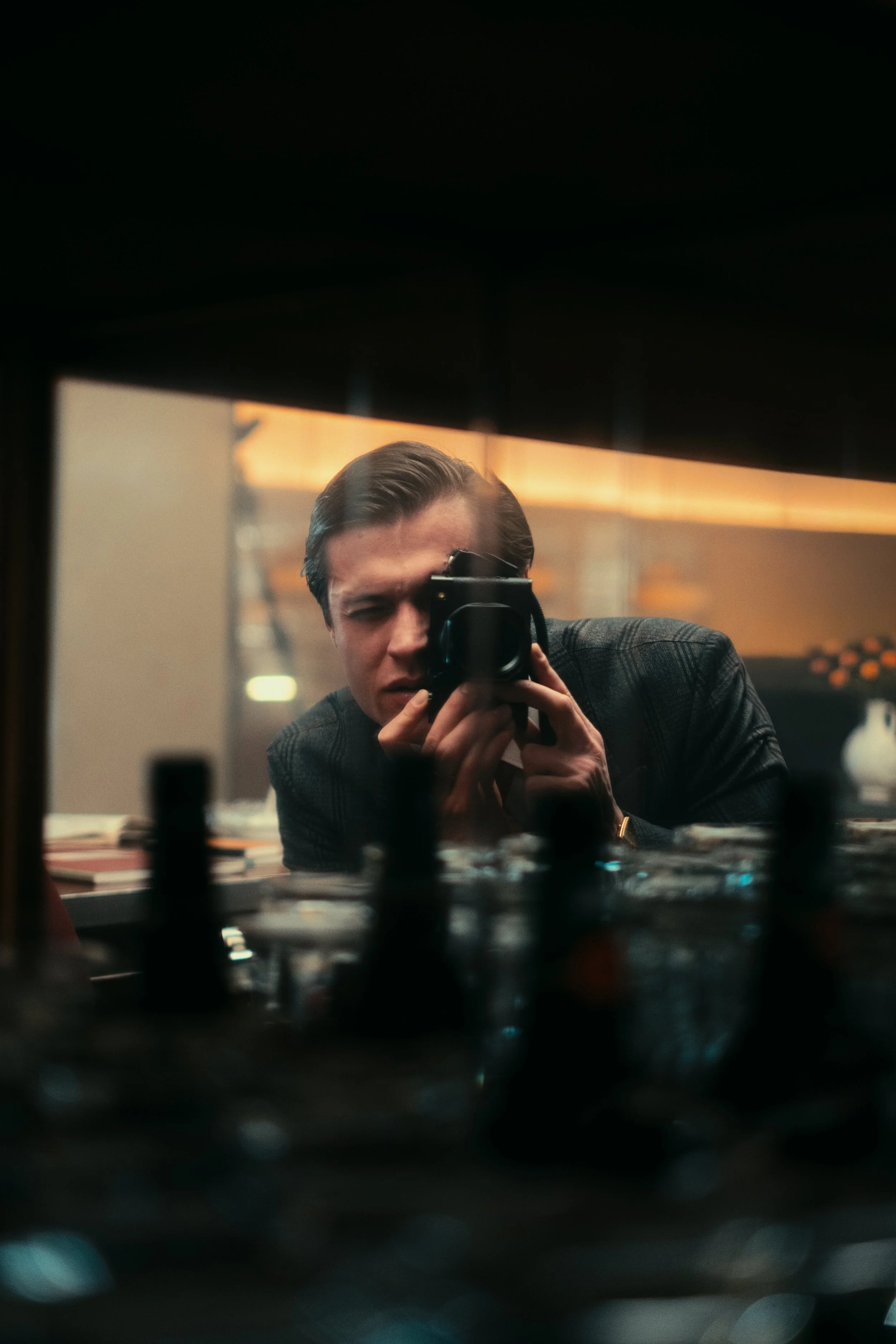
The kidnapping took place in the early '80s, when the relationship between the media, the police and the public was very different than today. What do you think this story reveals about the power of media attention, particularly when viewed from today's perspective?
What's interesting, especially for a younger audience, is that the story takes place in a world without social media. That made it much harder to trace the criminals. Nowadays, because of technology, I think it would be much easier to catch them. On the other hand, what's apparent to me is that, although this happened in 1982, the press was already doing the same kind of paparazzi work as they do today. They were also going beyond normal moral boundaries to get information. The family not only has to deal with the loss of a loved one and then getting her back, but also with the outside pressure. That's another conflict they have to face. The media already screwed them up by contributing to the increase in the ransom, which is quite frustrating on top of everything else they're dealing with.
You've collaborated with Inti Calfat on the direction of this series. What does a successful creative partnership require, particularly when navigating difficult material and making decisions about the emotional direction of a story?
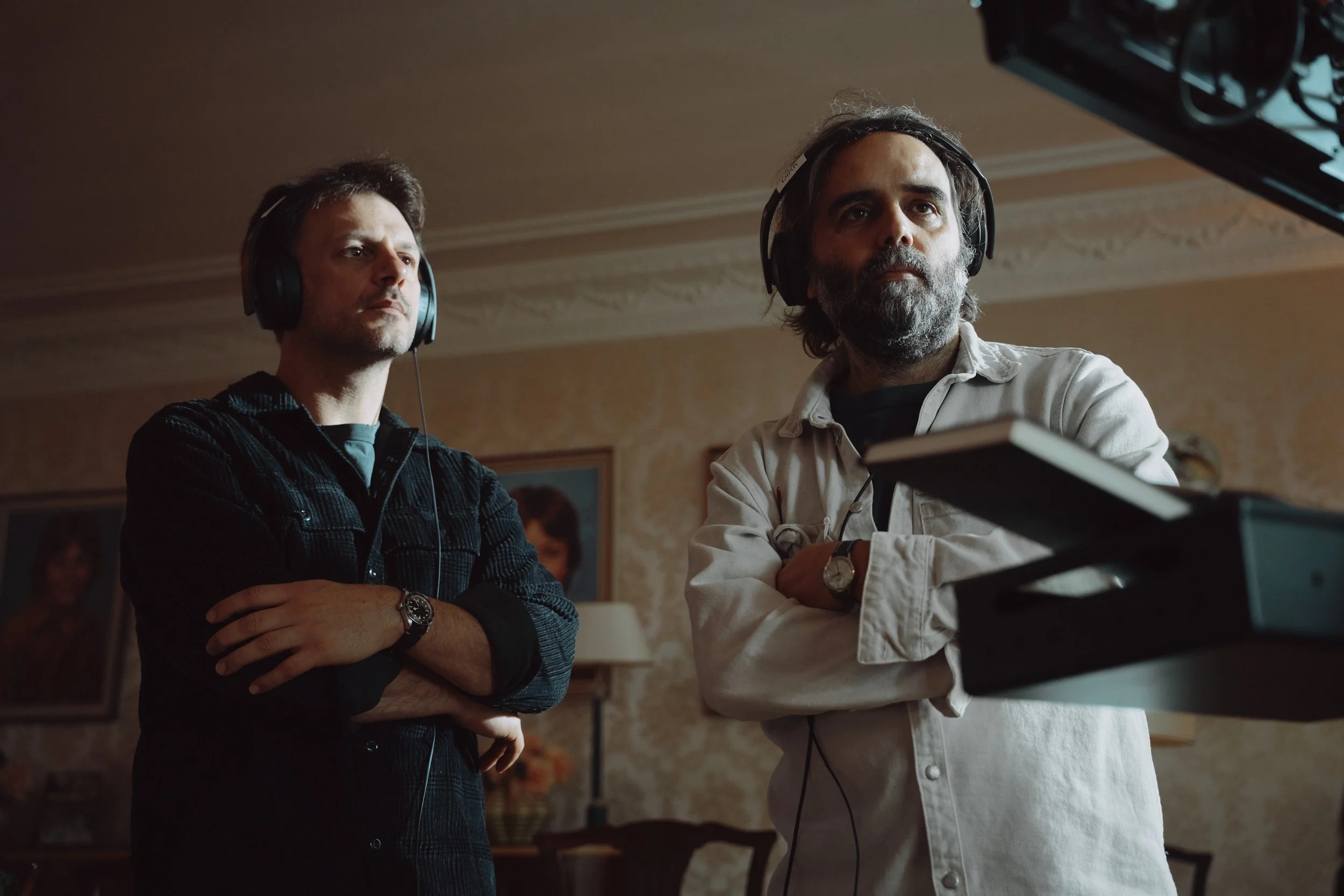
I think the key words are chemistry and faith in each other. The reason we've worked together for 15 years is that we try never to let our egos get in the way of the work. We try to achieve the same goal while also giving each other space to flourish and focus on whatever we're strong at. The fact that you have two brains working together makes things better because you question each other more than you would when working individually.
Practically, on set, we're one voice. Usually, one of us takes the lead during a scene while the other is behind the monitor, keeping a fresh eye and questioning what we're seeing: Do I believe what I see? We have a dialogue between ourselves, and I think that allows us to do better work than we would individually.
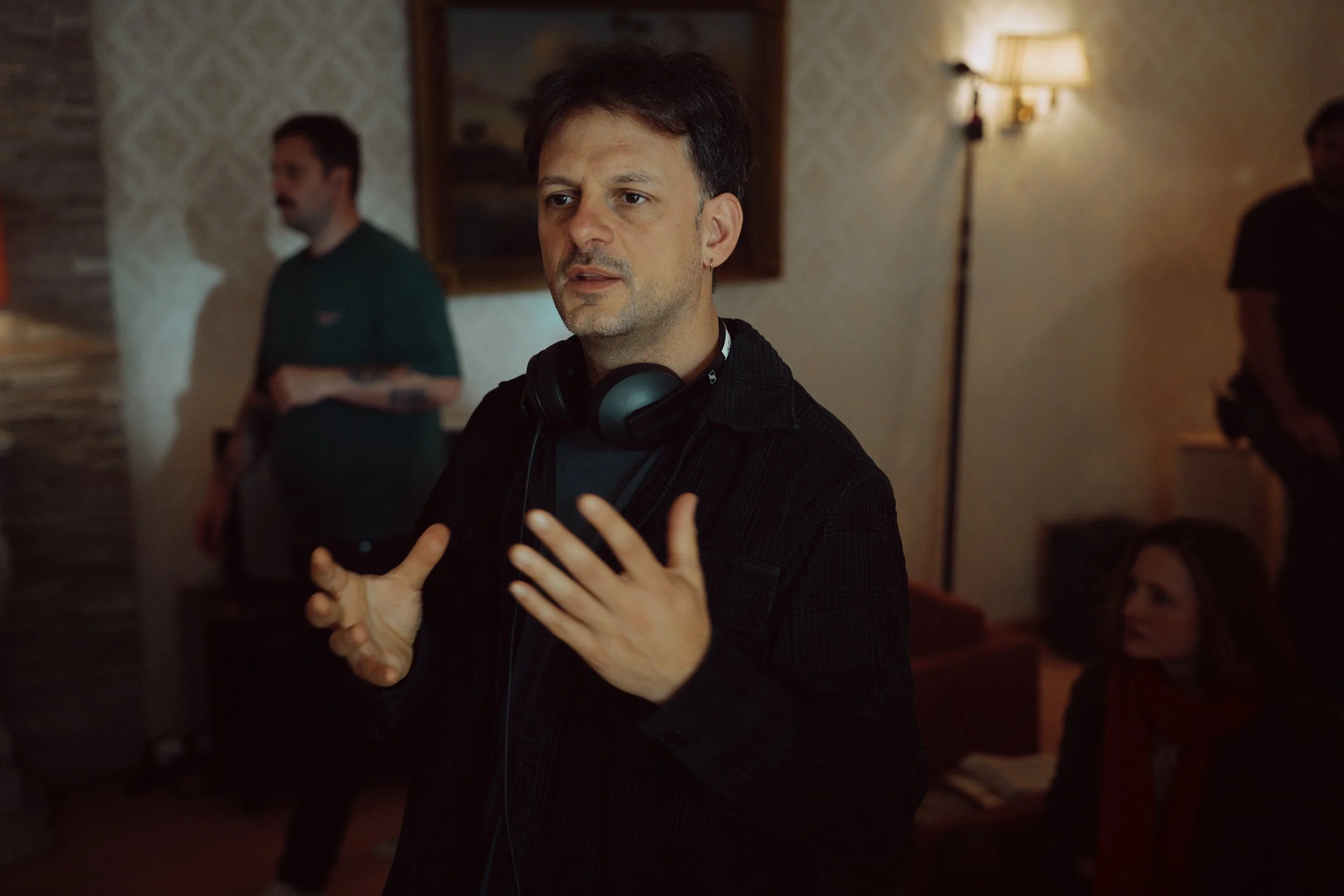
INTI CALFAT
The kidnapping of Toos van der Valk remains one of the most extraordinary criminal cases in Dutch history. What initially fascinated you about this story, and what made you believe it deserved to be revisited through a contemporary cinematic lens?
What struck me was that when you think about a kidnapping, you immediately think about the person who was kidnapped and the abductors. But what I found particularly moving was the idea of an entire family being held hostage. When you take the heart out of a family, especially a close-knit clan like the Van der Valks, you realise how much they depend on one another. When the mother is taken away, their sense of freedom disappears. We all think we're free, but what happens when suddenly you're not anymore and you're entirely at the mercy of other people?
I found the impact on the family particularly interesting. The story itself is well known and documented, but what isn't documented is what happened behind closed doors. Who stepped forward to help? Who took responsibility? That was what fascinated me most.
How much of the story was fictionalised, particularly when it came to what was happening behind the scenes and within the family?
Together with the writers, Carl Joos and Maaik Krijgsman, whom I worked with more closely, we agreed that we wanted to stick to the facts. Of course, the series is based on a true story, but it's not a documentary. We're doing something creative with it.
We don't know exactly what happened between the family members behind closed doors, so those parts are inevitably interpreted. However, we tried to remain faithful to the facts. Who came forward, who brought the money and who was on the phone are all based on actual events. What we don't know is precisely how those situations unfolded.
The series examines a family that seemingly has everything, from wealth and influence to security, until a single event changes everything. Were you particularly interested in exploring the illusion of control that comes with power and privilege?
What we wanted to do was avoid portraying the family as a typical wealthy family indulging in luxury, as you often see in television series. The Van der Valks were wealthy, but we wanted to present them as normal people, showing them together, washing dishes and going about their daily lives. Our aim was to show that, despite all their wealth, they're still people struggling together and trying to make things work.
At the same time, because they had become a more public family, particularly Toos and Gerrit, who appeared in magazines and attracted attention, their social status also made them a target. This was something relatively new in the Netherlands. Ultimately, we were interested in showing that you can be powerful and wealthy, but suddenly become completely powerless.
The story unfolds over 20 days of extraordinary psychological pressure. How did you approach creating a sense of escalating tension from episode to episode without relying exclusively on the conventions of a traditional crime thriller?
We wanted to follow two different perspectives: Toos while she's being held captive and the family dealing with the situation outside. One interesting approach was to make sure the audience never had a complete overview of what was happening. In traditional television and cinema, you often use establishing shots to show the space and give viewers a sense of where they are. We deliberately avoided that. Instead, we wanted the audience to enter scenes without necessarily knowing exactly where they were. It creates a sense of confusion, just like the family is experiencing.
We also played with the perception of time. When we're with the family, time is running out. They have to hurry to collect the money, so the scenes are quicker, with more movement and a stronger sense of action. When we're with Toos, time moves incredibly slowly. She wants to get out, but she's trapped. We therefore used more static shots, staying close to her and creating a claustrophobic atmosphere. We wanted the audience to feel immersed in the experience, constantly wondering what's going to happen next. That's why we tried not to make it just a thriller, but also a family drama. I think that's what makes the story so rich.
The Netherlands of the early 1980s feels culturally and socially very distant from the country we know today. How important was it for you to capture the atmosphere of that era, and how did you translate that into the visual language of the series?
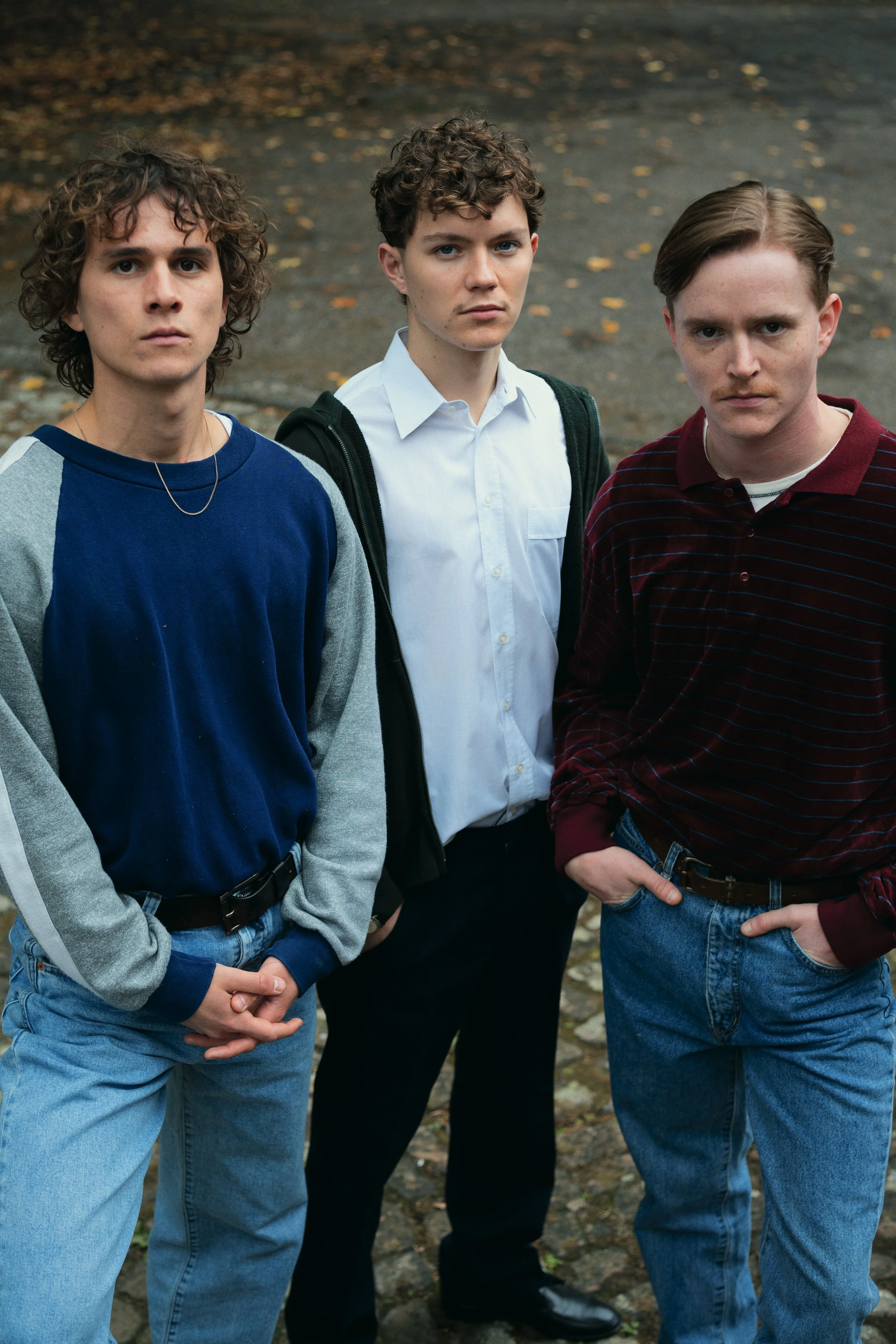
I was particularly interested in the formality of that period. There was a certain way of dressing: people wore suits, their hair was well maintained, and there was a sense of formality in everyday life. Society was also more hierarchical. I also felt that the relationship between the press and these kinds of cases was different. There was a certain innocence and distance. Over time, journalists became more like paparazzi, getting much closer to the people involved and actively searching for stories. Society gradually became less naive and perhaps felt less safe.
I also liked exploring how technology has changed. For example, the use of phones. Today, receiving a phone call is something very ordinary, but back then, it was an entire procedure. When the phone rang, somebody had to run to answer it and make sure everyone else was there. It created tension.
You share directing responsibilities with Dirk Verheye. How does that creative partnership function in practice, and where do your individual artistic instincts complement or challenge one another?
Dirk and I go way back. We've been working together for 15 years, and I see us as collaborators rather than simply a directing duo. We've combined commercial projects with fiction throughout our careers, and our way of working has become very organic.
Usually, one of us takes the lead on a project while the other takes a more observing role. One might be more active with the actors, while the other watches and provides an additional perspective. That person can step in and say, for example, that something isn't convincing, which might mean we need to shoot it again.
When you work this close with someone, you have to understand each other's rhythm, perspective and way of working. You also have to learn how to deal with your egos. Ego can become a problem for directors and filmmakers, so you have to be generous with one another. That's what makes our collaboration work. We try to put our egos aside and focus on finding the best idea, regardless of whose idea it is.
True crime storytelling has become a global obsession. Do you think our fascination with real-life tragedies reveals something uncomfortable about contemporary society and our relationship with fear?
I think people have always been fascinated by crime throughout history, particularly by the idea that things can go wrong and by the fear that comes with it. Our sense of security and our trust in the future are closely connected to how we build our societies. I think it's important to tell these stories because they remind us that we shouldn't take our privileges for granted. They can be taken away.
At the same time, I don't think a series like this should necessarily make people afraid. It can actually give them confidence by allowing them to experience the fear and hardship involved in these exceptional situations. Hopefully, most of us will never experience something like this, but seeing how people deal with it can help us understand that there are ways to overcome difficult circumstances. The Van der Valk family did something incredible by getting through this experience. Of course, having money and power helped, but it was also about their ability to support one another.
I also think there's a tendency towards darker stories in contemporary cinema and television, perhaps reflecting the world we're living in. But within these stories, there's often also hope and connection. They can teach us something about how people interact and find one another through hardship.
As a director, what interests you more: the events that shape a person's life or the psychological transformations those moments provoke?
I think the two go together. Take Toos's kidnapping, for example. A crisis emerges within the family, triggering a series of stories, actions, interactions and fears that may already have existed but only come to the surface during a difficult moment. A crisis can be a very good truth-bearer. It shows you whether someone can or cannot save you, and sometimes something emerges within you that you never expected.
I think the psychological evolution of the characters comes directly from that crisis. So I'm interested in both the events themselves and the transformations they provoke. They are inseparable.
Looking beyond Toos, what kind of stories do you feel an urgency to tell today? And has your understanding of what makes a story worth telling changed throughout your career?
As a director, I'm quite open, but I'm particularly interested in human stories and the human condition. I realise that I'm always drawn to the way people interact and work together, whether through family relationships or friendships. I think that's what makes stories truly interesting: our interactions. You can only really understand someone through their relationships with others. I'm often interested in family stories, although they don't necessarily have to involve a traditional family. I also see friends as family.
We also made a dystopian series called Into the Night, which was much more action-packed and focused on survival. It was a completely different genre, but what interested me wasn't necessarily the genre itself. It was the people within the story. Dirk and I share that approach.
As for how my perspective has evolved, I think it's constantly changing because life itself is constantly changing. We change as people, and so does the environment around us. As storytellers, we have to stay connected to what's happening in the world. Our ideas and perspectives evolve along with it.