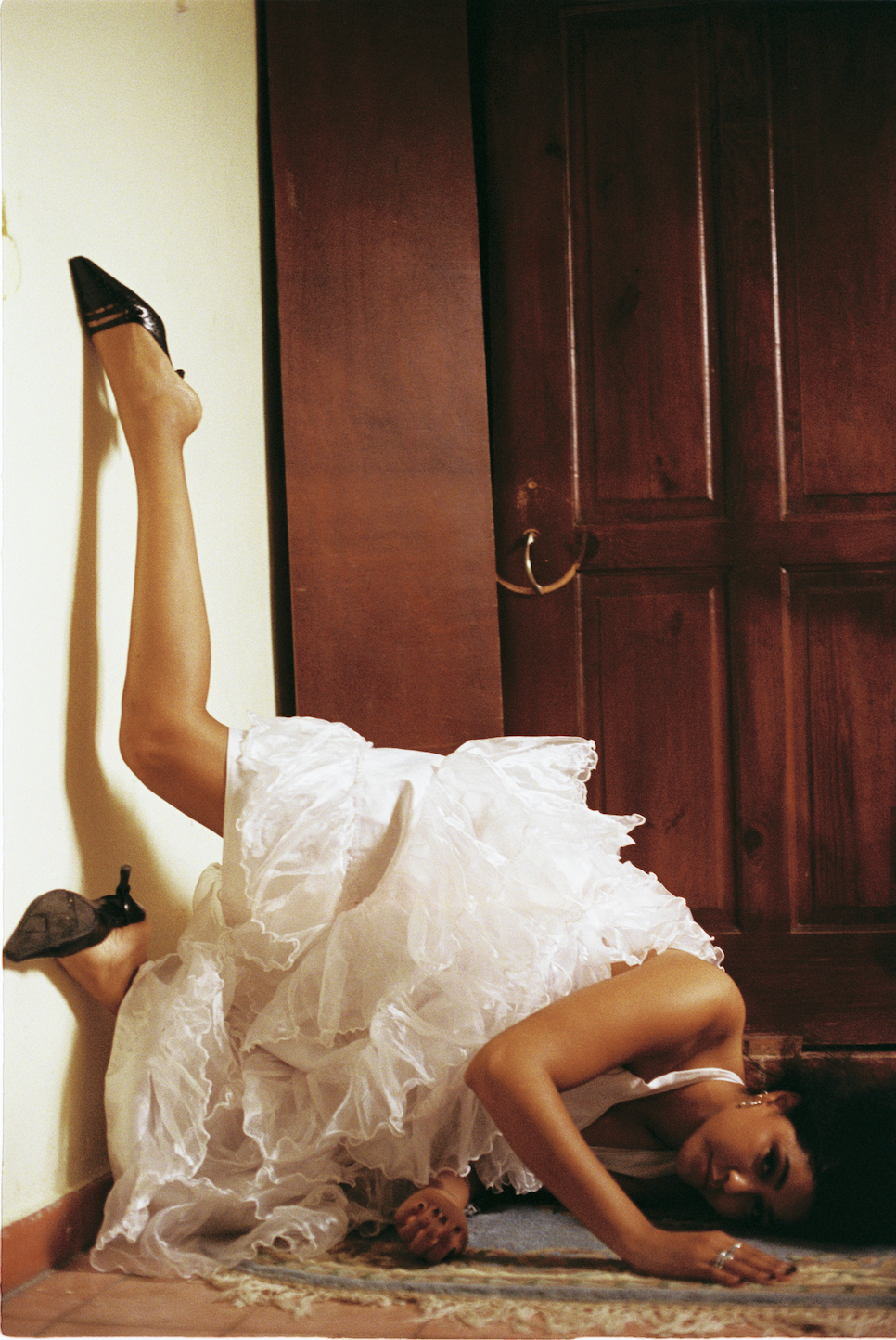
interview by JANA LETONJA
Dominican-Italian singer-songwriter YEИDRY is an artist whose music transcends borders, cultures and genres. Blending the rhythms of her Dominican heritage with the R&B, pop and electronic sounds that shaped her upbringing, she has developed a distinctive musical identity rooted in storytelling, vulnerability and self-discovery. From collaborating with J Balvin, Damian Marley and ENNY to earning a place on Barack Obama’s favourite songs playlist and delivering a captivating NPR Tiny Desk performance, YEИDRY has steadily established herself as one of the most compelling emerging voices in global music. Now, following the release of her long-awaited debut album, Como agua, she is entering a defining new chapter, exploring themes of migration, belonging, healing and the meaning of home. Ahead of her world tour and London headline show at Oslo Hackney on 24 February 2027, we speak to YEИDRY about embracing her multicultural identity, reconnecting with her roots, navigating the music industry and finding her own voice.
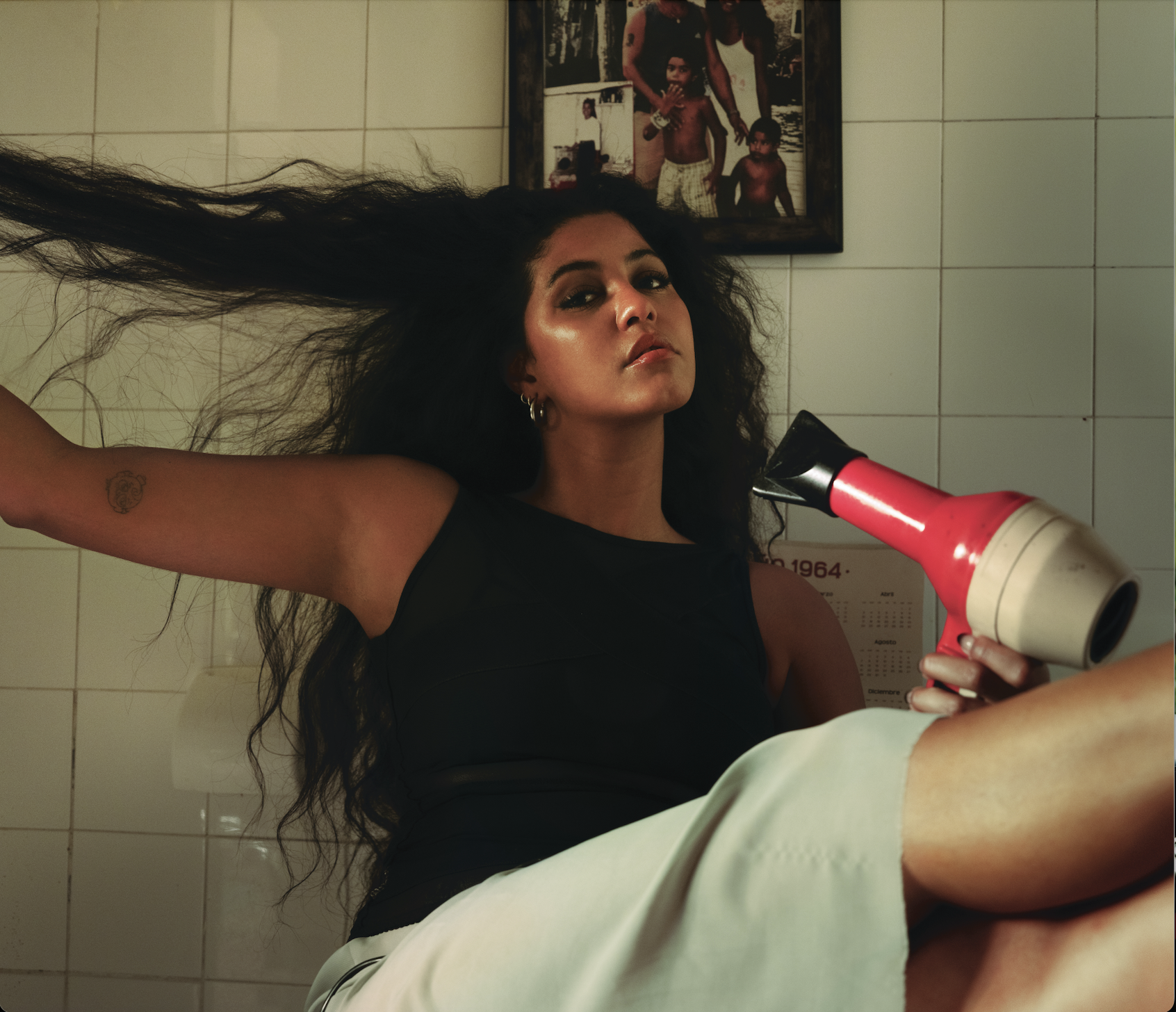
photography by KARLA READ
You were born in the Dominican Republic, raised in Italy and now live in Los Angeles. How have these three very different places shaped who you are, both personally and creatively?
We all are the result of our past experiences. I believe my taste, my energy and my personality have been heavily influenced by the places I lived in and grew up in. But most of all, the experience of migrating twice in my life shaped who I am as a person today. Having to constantly adapt to a new environment allowed me to not be afraid of transformation in both my personal and creative life. I am not afraid of change, and I have a very open approach to most things in life. I always expect anything to happen at any time.
The idea of home seems central to your story and your music. After living across different continents, what does home mean to you today? Is it a physical place, a feeling or something you carry within yourself?
I am still looking for my home, where to plant my roots. This research has been part of my whole life and it’s been tiring to be honest, because I feel like my idea of a home changes with time. I definitely find home now in few people I love, like my mom, my grandmas, my best friends, but ultimately I’m trying to find little rituals every day that allow me to feel home anywhere I am, because I believe it’s about the way I live. I really believe that’s the key to find my home.
Your debut album, Como agua, has been years in the making. Why did now feel like the right moment to release it, and what does reaching this milestone mean to you?
To be super honest, I’ve wanted to release this album earlier, I couldn’t wait, but music is such a collaborative thing, it doesn’t depend on just one person. I am happy this album is finally out and it’s not my secret anymore. I think it was the right time. Earlier in my career, I wasn’t so sure about who I am and what I like, so it feels great now to be able to present my world and be so proud of it. I had to fight for this album and I am proud of myself for believing in it, but I wouldn’t have had the strength to defend it in the past.
The title Como agua, meaning “Like water”, is incredibly evocative. What inspired the name, and how does the symbolism of water connect to your personal journey and the album’s themes?
I believe there’s an analogy between migrants and water. The way both have the resilience to keep flowing, and for the way both have to constantly change form, morph, adapt and carve their paths. Also, I wrote this album after a really dark moment in my life, and I realized I always go back to the water to heal, to calm down the voices in my head, to shut the noise. Water has always been a healing element for me. So when I found myself with a bunch of intimate and personal songs that I could relate to so deeply and they were all about the migrant experience, the title Como agua was the only one that made sense to me.
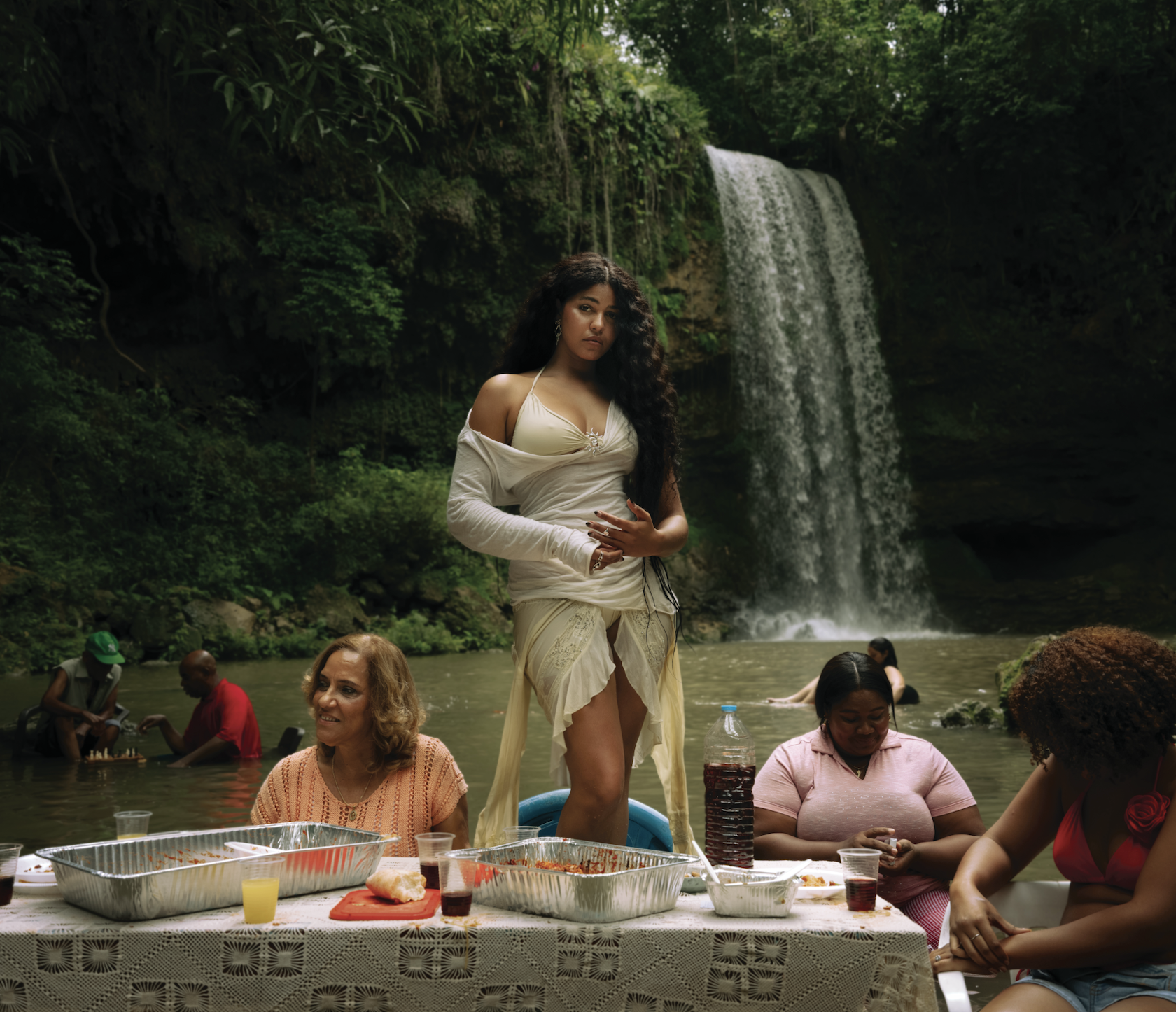
The album explores healing, self-discovery and belonging. How much of it was shaped by experiences you were still processing, and did creating the record help you understand yourself differently?
It definitely did. This album is basically my journal, it draws so much from personal experience and while I was working on it, I was still healing, still processing a lot of stuff. I had just moved to LA from Italy so all the feelings of nostalgia, loneliness, homesickness were really strong when I wrote some of these songs. I always say I made this album for myself. Music has been such a therapy tool for me, the best way to process emotions and talk about them. Como agua also helped me to believe in my ideas and my instinct.
Your breakthrough single Nena introduced your music to a wider international audience. Looking back, how significant was that moment, and how has your understanding of success changed since then?
I don’t think I have a great understanding of success yet. I think success is very different for everyone. Some may think it’s about reaching your goals, others think it’s about the journey, and I really want to make sure I’m enjoying the journey as much as possible. Nena has a special place in my heart, because I had no expectations on that song, but it really opened so many doors for me and a lot of people related to that song, which is something I didn’t expect. I think I’m successful now because I enjoy the process and share it with friends, but that may not be real success for some people.
From performing on NPR’s Tiny Desk to being featured on Barack Obama’s favourite songs playlist and receiving recognition from The New York Times, you’ve experienced some remarkable career milestones. Which moments have felt particularly surreal or meaningful?
The Tiny Desk experience was nerve wracking but also very surreal. As a Dominican girl, grown up in the Italian countryside, being in NPR’s building in Washington DC felt absolutely surreal. I’ve had unbelievable moments in my career, but on the other side I feel like I’m just starting, so all of this feels like a learning experience to me. I have so much I want to do and learn.
As a multilingual, multicultural female artist working across genres, have you ever felt pressure from the industry to fit into a particular category? How have you navigated those expectations while protecting your creative freedom?
I feel the pressure every day. I see other colleagues and I always ask myself if I’m easy enough to market, if I have a real audience, if I should just sing more commercial songs, if I should stick to a genre, etc. But at the end of the day, deep down, I know I would be miserable if I did something just for the fear of rejection or to fit in. So I made a pact with myself that I would learn how to trust my instinct, my nature, my taste and my creative process and vision. When I look at artists I respect, they built their own world and that’s what makes them so relatable. But I can’t deny I feel the pressure every day, and it’s mostly because of social media.
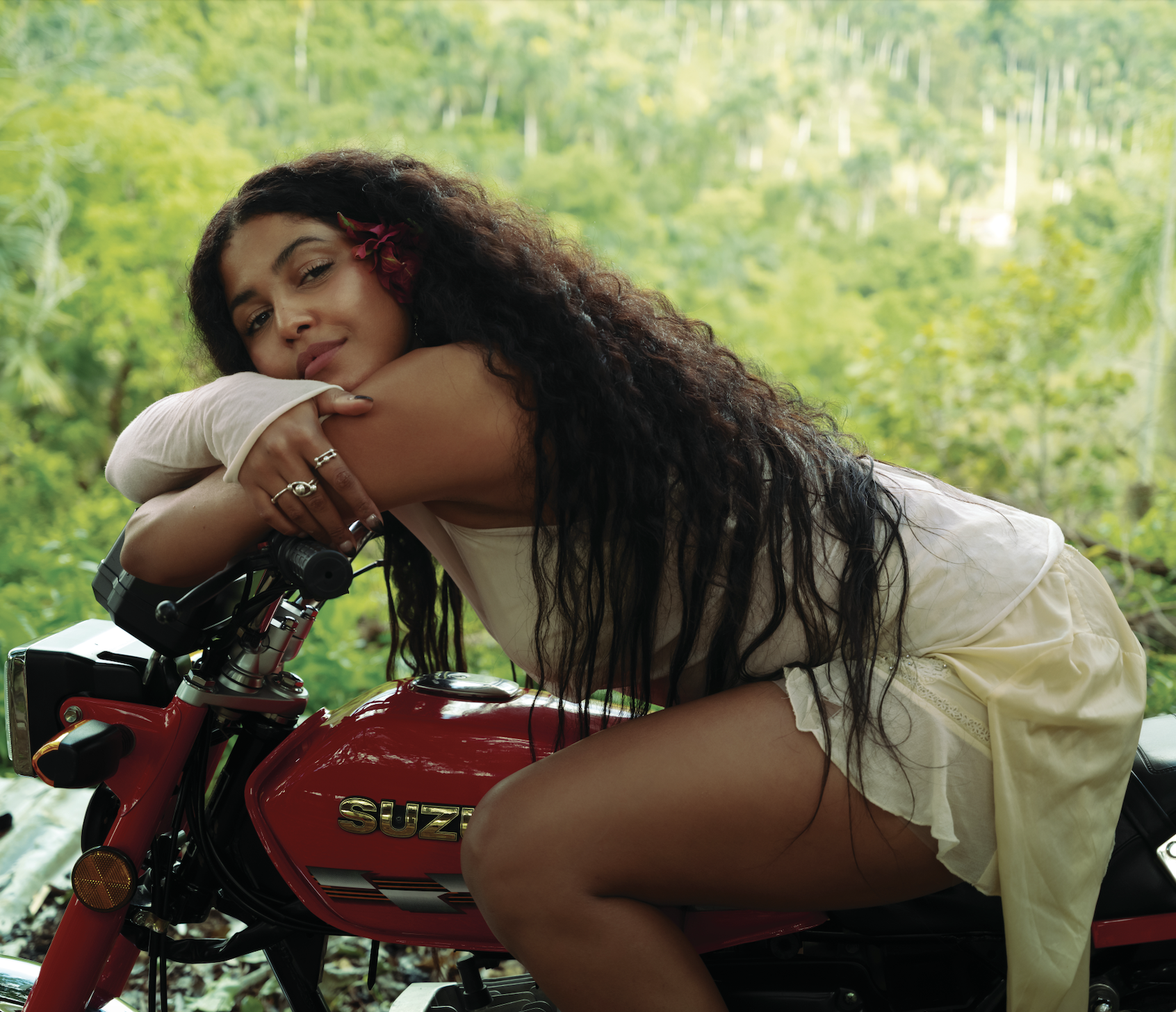
Fashion has become another important part of your creative identity, from walking for Willy Chavarria and Kenzo to attending major fashion shows. What draws you to fashion, and how does your personal style reflect the same cultural influences that shape your music?
I got into fashion first because I felt like I had to when my career started working. As a kid, I always had to wear clothes that my cousin gave me, so I always found ways to personalize it and style things in a different way to make it my style. I think that translates into the way I dress today. I don’t necessarily follow trends, because I buy mostly used clothes, but since I had shows or events to attend, I started to think about what to wear and how people would perceive me. I think this happens a lot to female artists. We’re subjected to so much scrutiny. It’s crazy and unacceptable.
But I have a new take on fashion now. I believe you can actually tell a lot about who you are and what you represent through fashion. I started caring about some things when I realized they could have an impact on someone else. After my Colors performance for example, I received a lot of messages from Dominican girls thanking me for representing their idea of beauty, and it’s all just because I keep my hair curly. That’s crazy.
You’re preparing to take Como agua on a world tour, including your London headline show at Oslo Hackney in February. What can audiences expect from these performances, and how are you translating such a personal album into a live experience?
I want the shows to feel like I’m letting people into my house. Since the album is very honest and personal, but also kind of a universal experience, I’d like to make it feel that way. I want to be myself on stage the same way I would be myself in my living room. I’m also looking for ways to include the audience, so they feel like they’re part of the show and they leave with a real experience, the same way art makes me feel when I go to see an interactive installation. I can’t wait to perform this album live, and I’m playing in some cities like London for the first time. What an honor for me.
With your debut album finally out and a world tour ahead, this feels like the beginning of an exciting new era. When you reflect on everything you’ve experienced so far, what are you most proud of, and what do you hope the next chapter of YEИDRY’s story will look like?
I feel excited about the next year, and I’m already working on new music. I have so much I want to explore in terms of sounds and live performance so this will definitely be a good year of learning for me, but I also hope I can finally have a sustainable career and focus on the creative side of it all.