
IN CONVERSATION WITH YOUNG THE GIANT
interview by JANA LETONJA
For more than a decade, Young the Giant have stood as one of alternative rock’s most enduring and emotionally resonant bands. The group broke through in 2010 with the now-generation-defining anthems My Body and Cough Syrup, setting the tone for a career rooted in anthemic scale and introspective depth. As they reflect on the 15th anniversary of those platinum-certified tracks, Young the Giant are entering a new chapter, one that reconnects with their roots while expanding their human-centred approach to songwriting. With over 2.5 billion streams, a reputation for powerful live performances, and a quietly forthcoming album and world tour, the band continues to evolve while staying deeply connected to the emotional core that first drew listeners in.
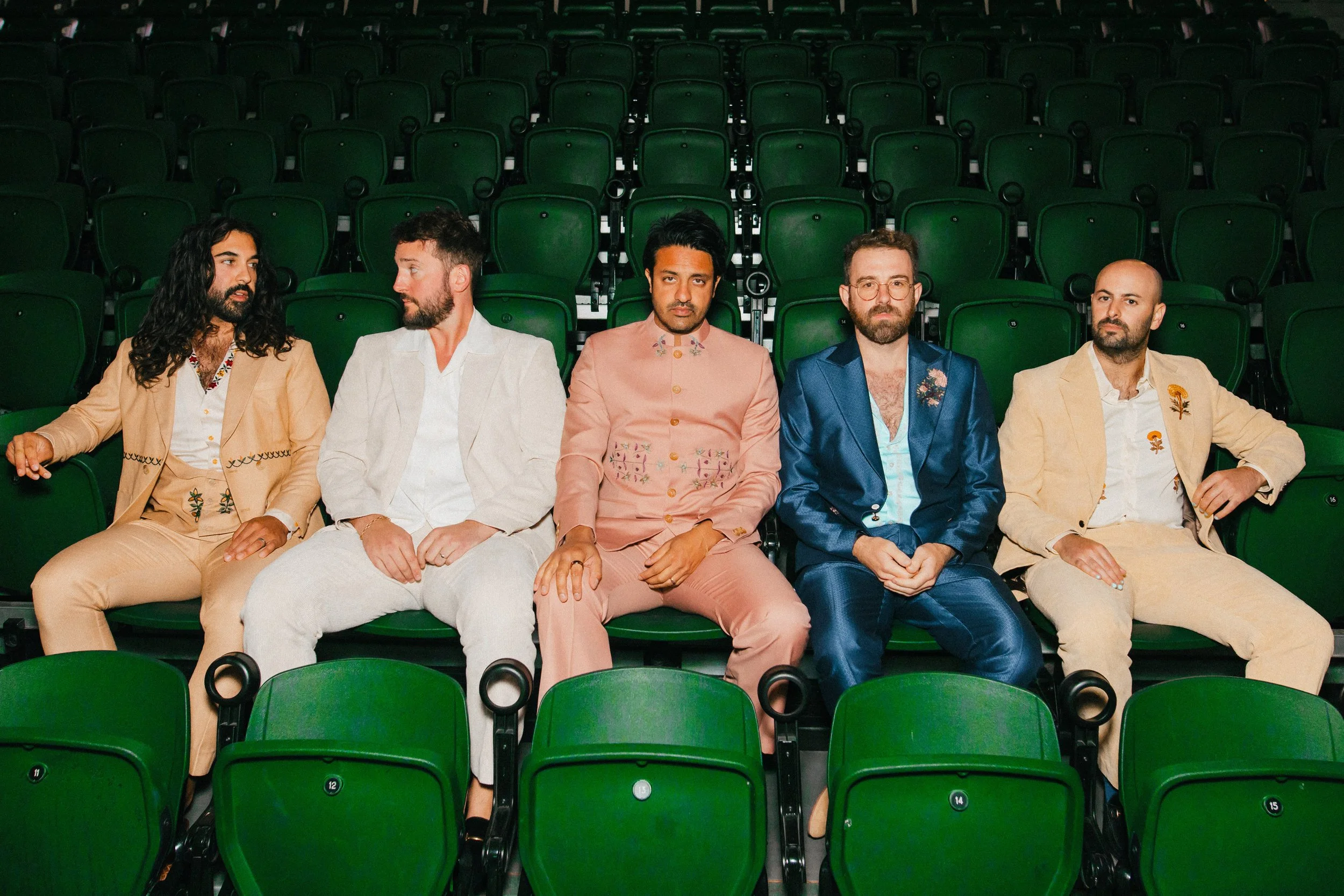
photography LUPE BUSTOS
Looking back at the 15th anniversary of My Body and Cough Syrup, what stands out most about who you were then versus who you are now as a band?
We started Young The Giant when we were teenagers, and had big dreams of making records and travelling the world. We were young, passionate, naive, and naturally questioned ourselves at times. 15 years later, we’re preparing to release our 6th studio album, Victory Garden. The record is about radical empathy, love over fear, and viewing the world with child-like wonder, inspired by the band's young children and our desire to reconnect with our humanity and community during turbulent times. These days, we are feeling more grounded and trust each other and our instincts. The spirit of our younger selves remains, but many years of experience help us to enjoy being in a band together more than ever.
Those early songs still resonate deeply with fans today. Why do you think they’ve endured across generations?
We think the songs that have stood the test of time have a soul in them that listeners find some truth in within their own lives. Songs that people can see their reflection in, like a reminder of a feeling or particular time in their lives. The songs of ours that tend to resonate the deepest with people usually evoke an emotional response in us when writing them. Many of our songs are about searching for a place to belong as well as breaking through the walls we build in our own minds to find more empathy and humanity within ourselves.
This new album marks a return to your roots. What did “going back” creatively mean for you this time around?
We had a realisation with this record that getting out of town to write was proving far more fruitful. Our collective studio in Los Angeles came with many distractions, being so close to where our lives and families are.
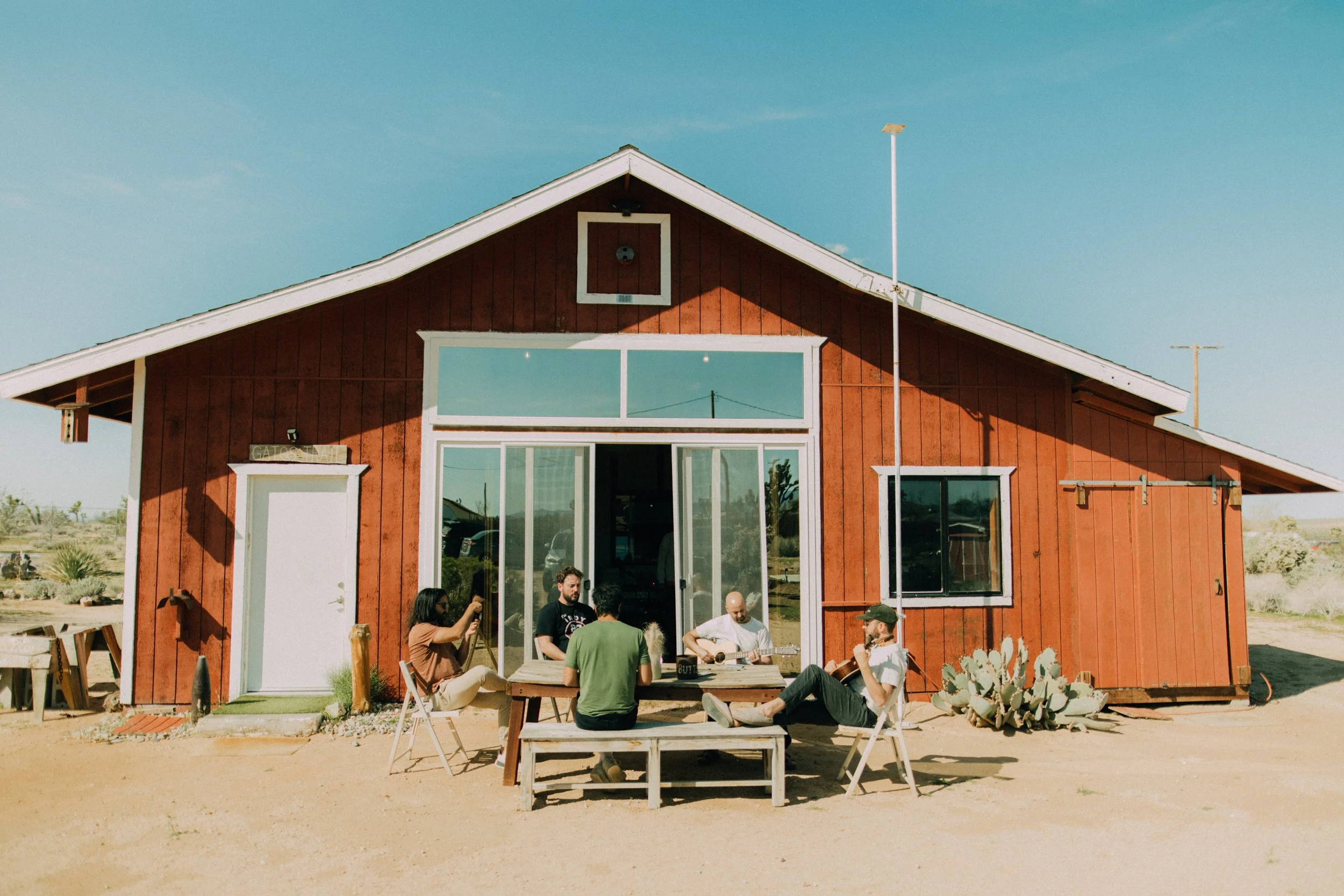
We ended up doing four writing retreats to write the album, two in the desert of Joshua Tree and two in the mountains of Idylwilld, CA. We fully immersed ourselves in the album and wrote and recorded the record altogether as a band. Over the years, we have experimented with different ways to write and record, and Victory Garden was the closest to how we wrote and recorded our first album.
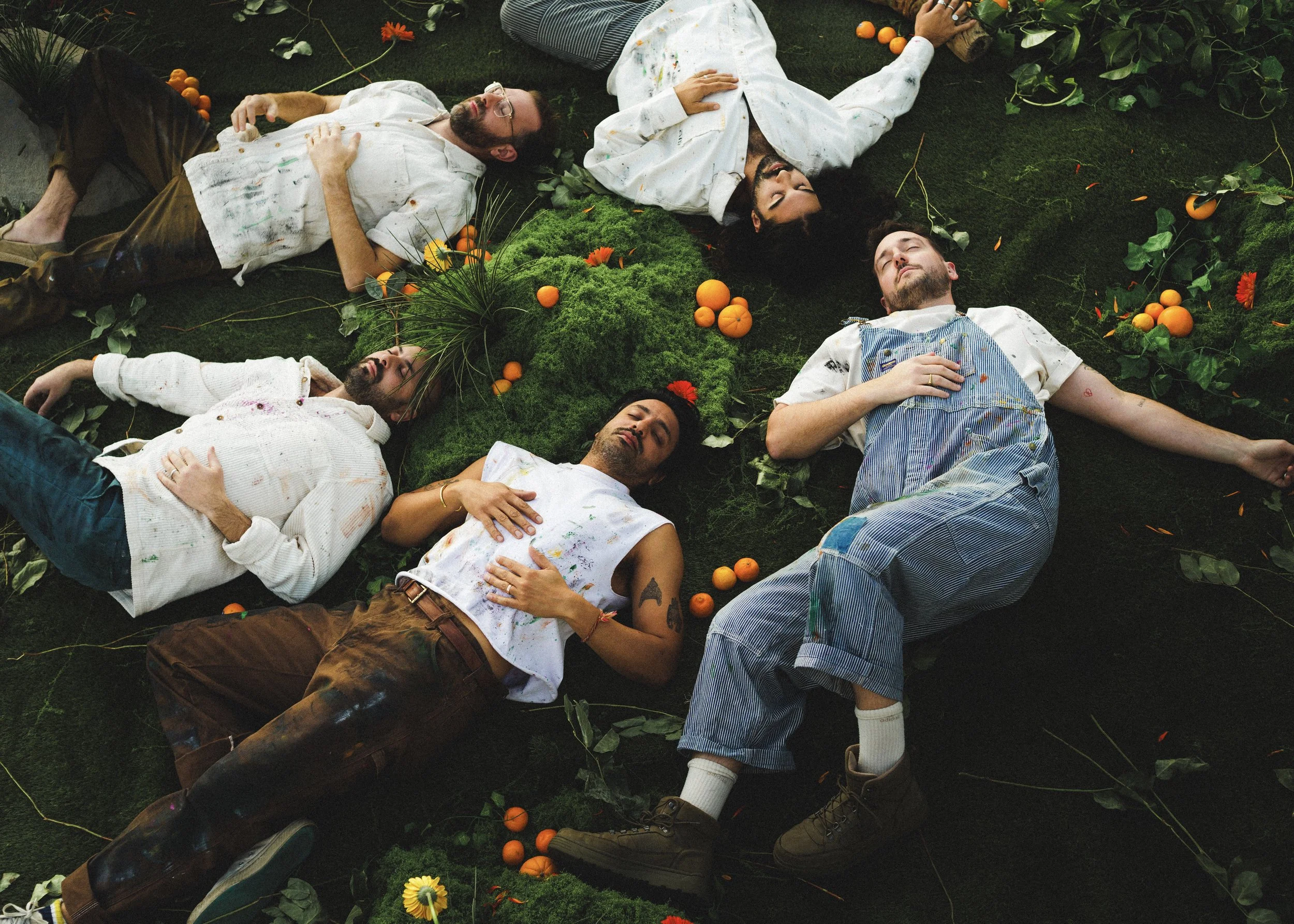
photography GEORGE GALLARDO
Sonically and emotionally, where does this album sit within your broader discography?
In a way, it feels as though Victory Garden channels some of our first two records, but with a lot more depth in lyrical and songwriting craft. Overall, it feels like a close representation of where we are as a band and as people. We recorded most of the songs live in the studio together, with our co-producer Brendan O’Brien. We wanted to work with a producer who could help get us out of our heads, capture the record quickly, and keep the momentum and energy feeling great in the studio. We were inspired by the energy captured on countless records Brendan had produced over the years. We recorded the record in 3 weeks, cutting most songs live together at Henson Studios in Los Angeles.
After five albums and years of touring, how has your relationship with each other evolved as collaborators?
We are the most trusting, honest and ego-less than we’ve ever been. We all have the same mission, and believe the song is the most important aspect of what we do. Over the years, we have gone down rabbit holes of sonic exploration and different ways of writing and recording. For Victory Garden, we focused on our connection as friends, finding joy in the creative process, writing the best songs we could, and then trusting the collaboration between Brendan and us in the studio.
Young the Giant has always balanced big, anthemic sound with intimate storytelling. How do you maintain that balance today?
We don’t think that it’s a conscious attempt, but more so what we naturally do when we collaborate. Musically, we have gravitated toward many different inspirations, from folk music to electronic, world music and rock. We follow our naturally changing tastes, and each brings our own perspectives. Lyrically, we strive to come from an honest place, one that is rooted in our lived experience. A strength of ours is being able to capture a collective feeling and channel it into songwriting that ends up feeling greater than any individual in the band.
Your music often explores identity, belonging, and inner conflict. How have those ideas matured alongside you?
These themes recur in our music because they are our lived realities. We have multiple members of the band who are 2nd-generation immigrants, who’ve experienced the feeling of not knowing where they belong culturally within the US.
These ideas have matured alongside us in the sense that the world we live in is more divided than ever and full of propaganda and misinformation designed to isolate and turn people against each other. Like many people, we struggle with depression, anxiety, social media addiction, etc., and writing and performing these songs can be like therapy for us, at times a catharsis. We want people who listen to our music and come see us live to feel like they belong, and that they are not alone, because it’s the empathy and humanity within us that can help us get through these difficult times.
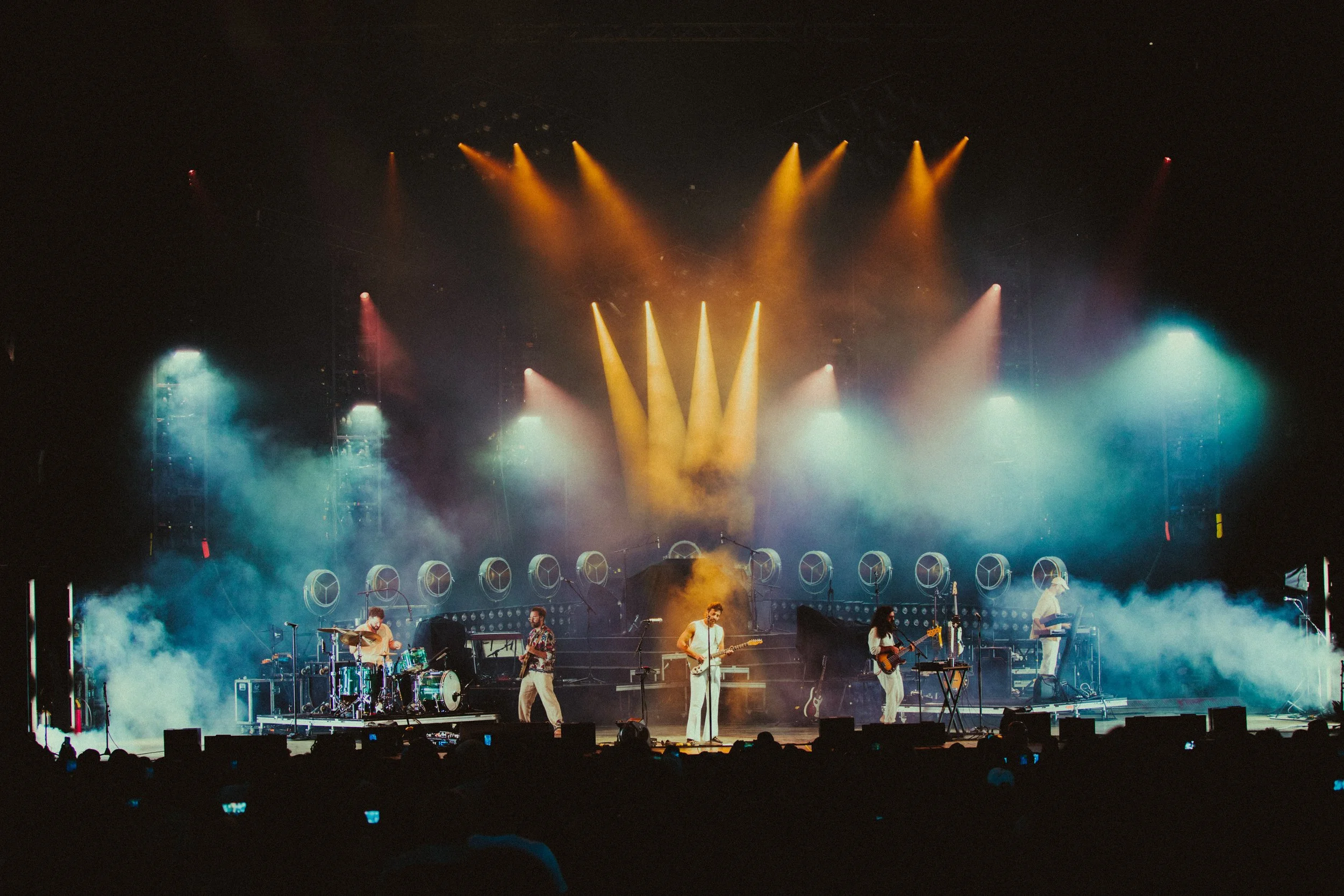
Live performance has always been central to your identity as a band. How does this new material translate on stage?
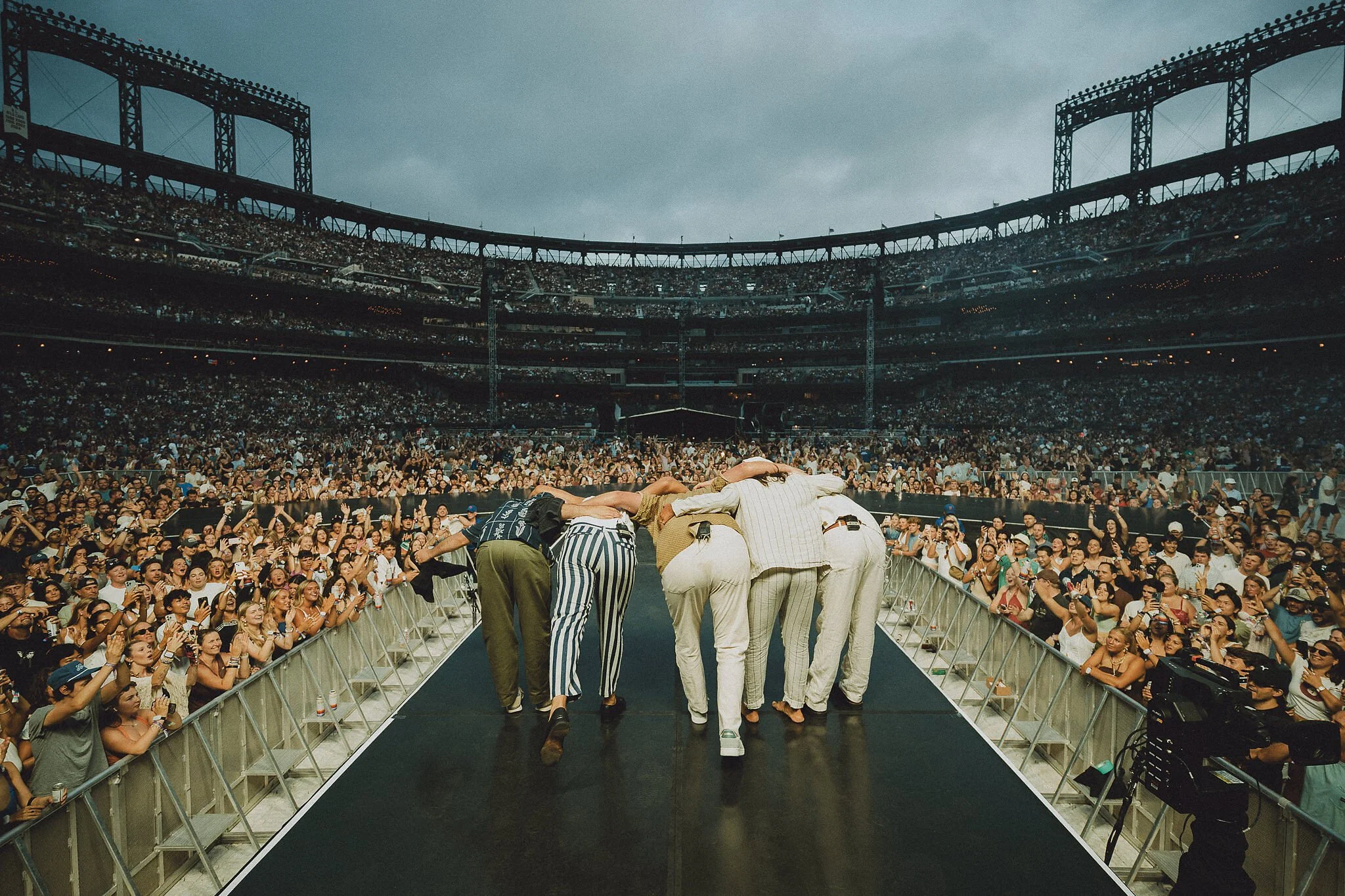
The songs on Victory Garden are, in our opinion, the strongest live songs we’ve ever performed. We recorded most of the album live to capture the energy of all of us playing together, and we believe that the euphoria we feel while playing the new material will transmute into the crowd. The songs also round out our set as we now have 6 studio albums' worth of material to pull from.
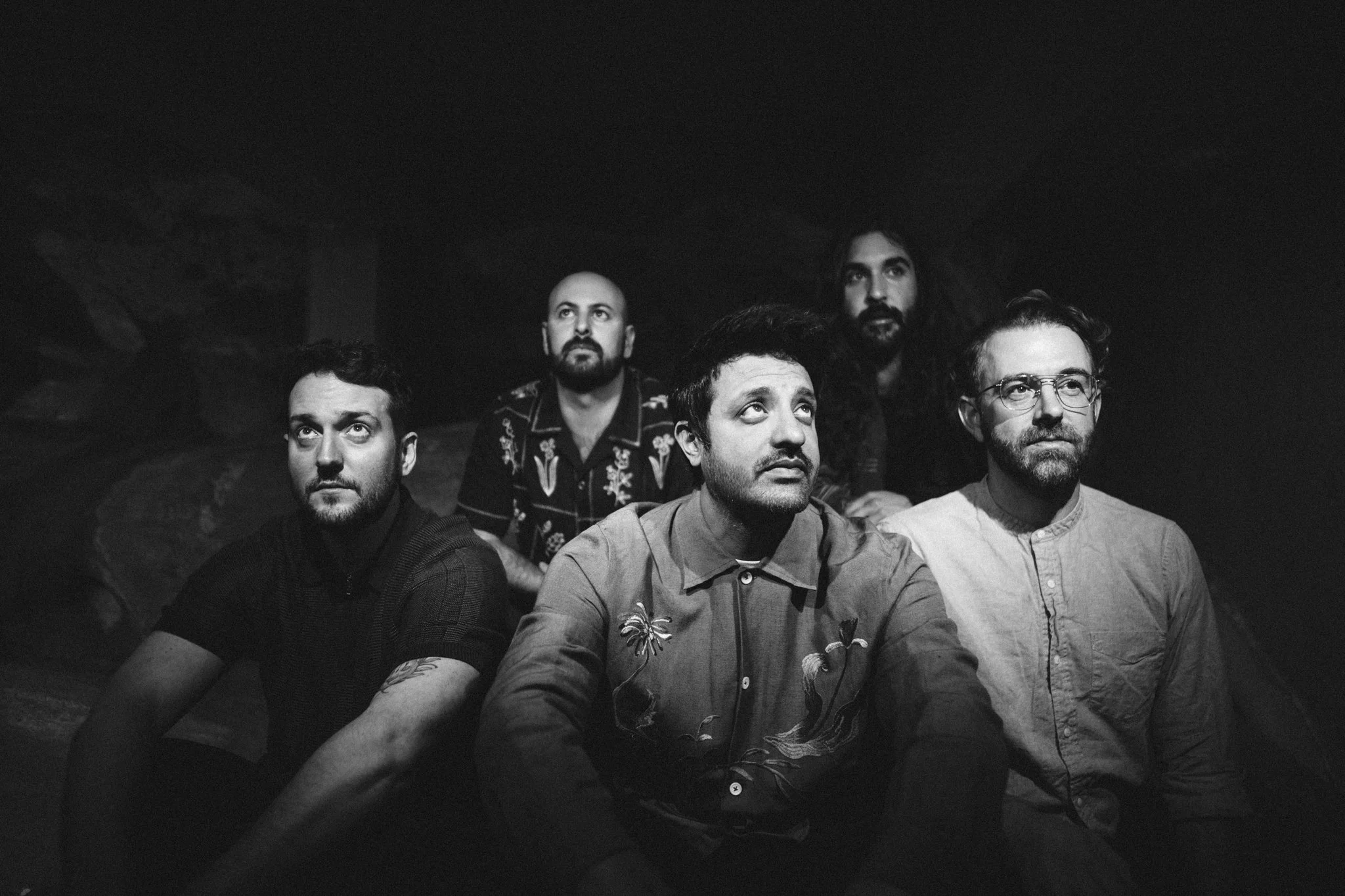
photography LUPE BUSTOS
With a world tour on the horizon, what excites you most about reconnecting with audiences globally?
We love travelling and performing internationally as it lifts our spirits, and it is a joy to explore new places and cultures. We absolutely love the Netherlands and feel at home there, having performed there many times over the years. We can’t wait to perform these new songs for you all soon enough.
Alternative rock has shifted significantly since your debut. How do you see your place within the genre today?
To us, alternative rock as a genre is about being outside of the box, exploring sonically and combining unconventional sounds in the attempt to create something new. We don’t personally think too much about our place within the genre, but more so, how we can continue to make our creative process and live shows as vital as possible. Also, the work Sameer is doing with Point of Origin is a wonderful example of our deep desire to champion up-and-coming alternative rock artists and bands from different backgrounds.
photography LUPE BUSTOS
How do you stay creatively inspired after more than a decade together?
We are more inspired than ever, especially after writing and recording Victory Garden. There are many reasons for this, including finding joy in our creative process, prioritising our friendships with one another, having hard conversations we may have avoided in the past, inspiration from the band members having young children, and our genuine restlessness and obsession with writing and recording new material and exploring new sounds.
If this chapter represents a return to your core, where do you imagine the next evolution might take you?
We’ve given up guessing where we may go next, only because we’re always surprised at what shows up during the creative process and where we land. Whatever our next evolution is, our goal is to continue to channel our childlike wonder and keep an open mind.
photography BEN ZUCKER
