
IN CONVERSATION WITH IMANI IMANI
interview by JANA LETONJA
After years of quietly building her sound behind the scenes, Imani Imani is stepping into the spotlight with the release of her debut album, Papercut. Signed to Kendrick Lamar and Dave Free’s creative company pgLang, the rising R&B artist has spent years developing her artistic identity alongside longtime collaborator and producer Daan Zinkhaan, creating music away from public scrutiny while carefully shaping a world entirely her own. The result is a debut that feels deeply intentional—at once intimate, cinematic, and refreshingly distinct. Reaching No.1 on the U.S. iTunes R&B/Soul chart, Papercut introduces an artist whose music is matched by a strong visual language, built in collaboration with a close-knit creative circle. Having also contributed to the musical curation of Chanel’s Haute Couture Spring-Summer 2024 show alongside Kendrick Lamar and pgLang, Imani is emerging as one of the most intriguing new voices at the intersection of music, fashion, and contemporary culture.
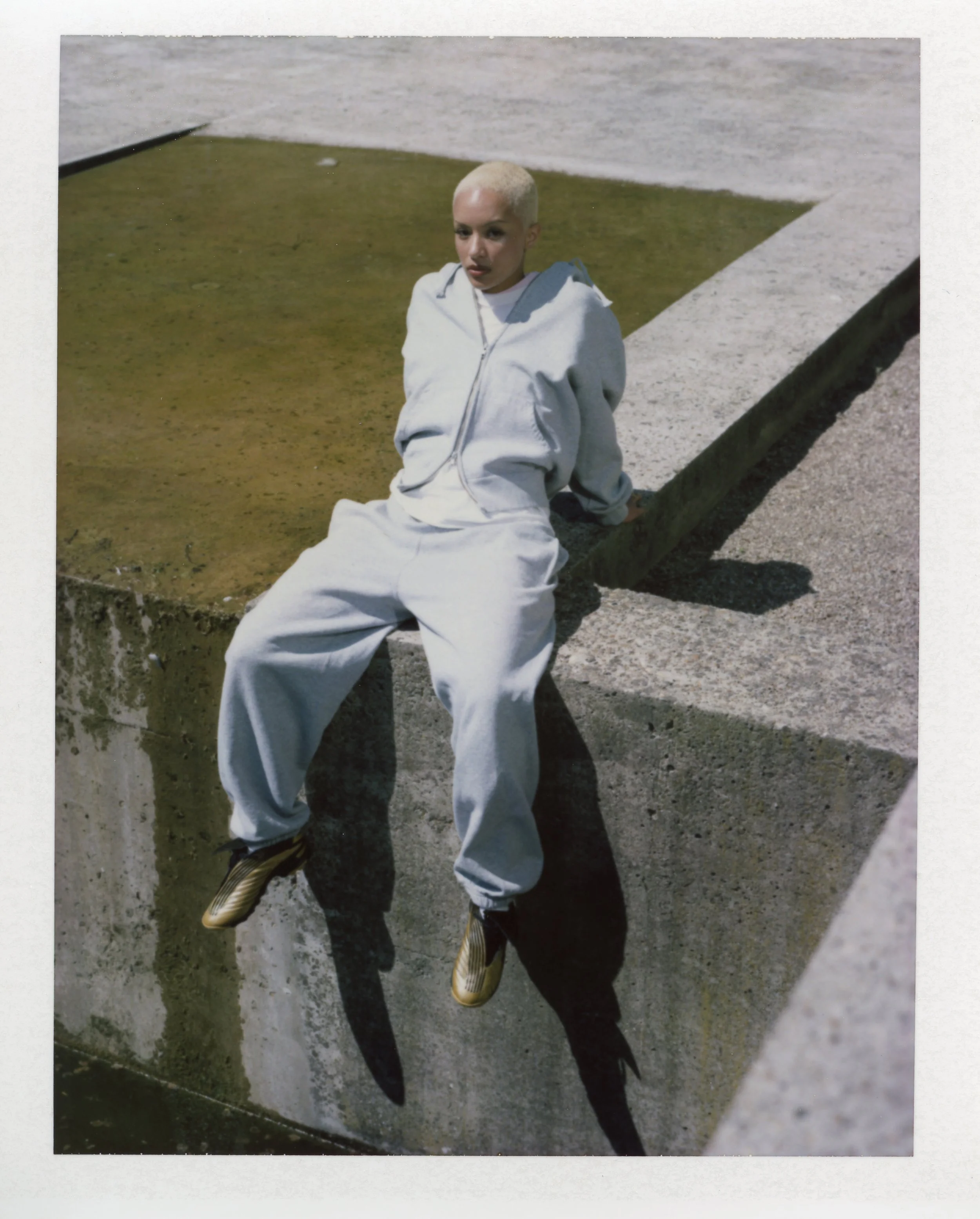
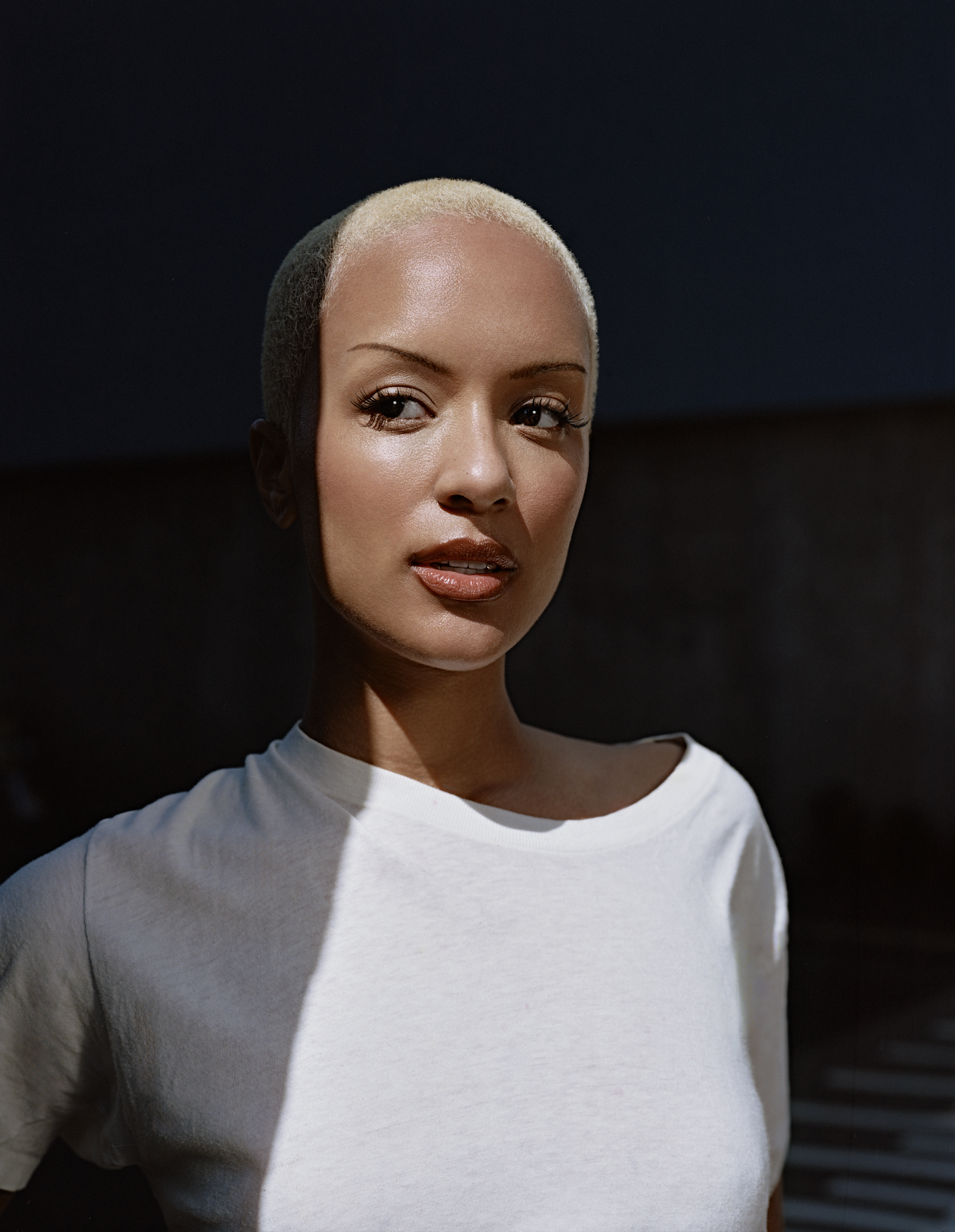
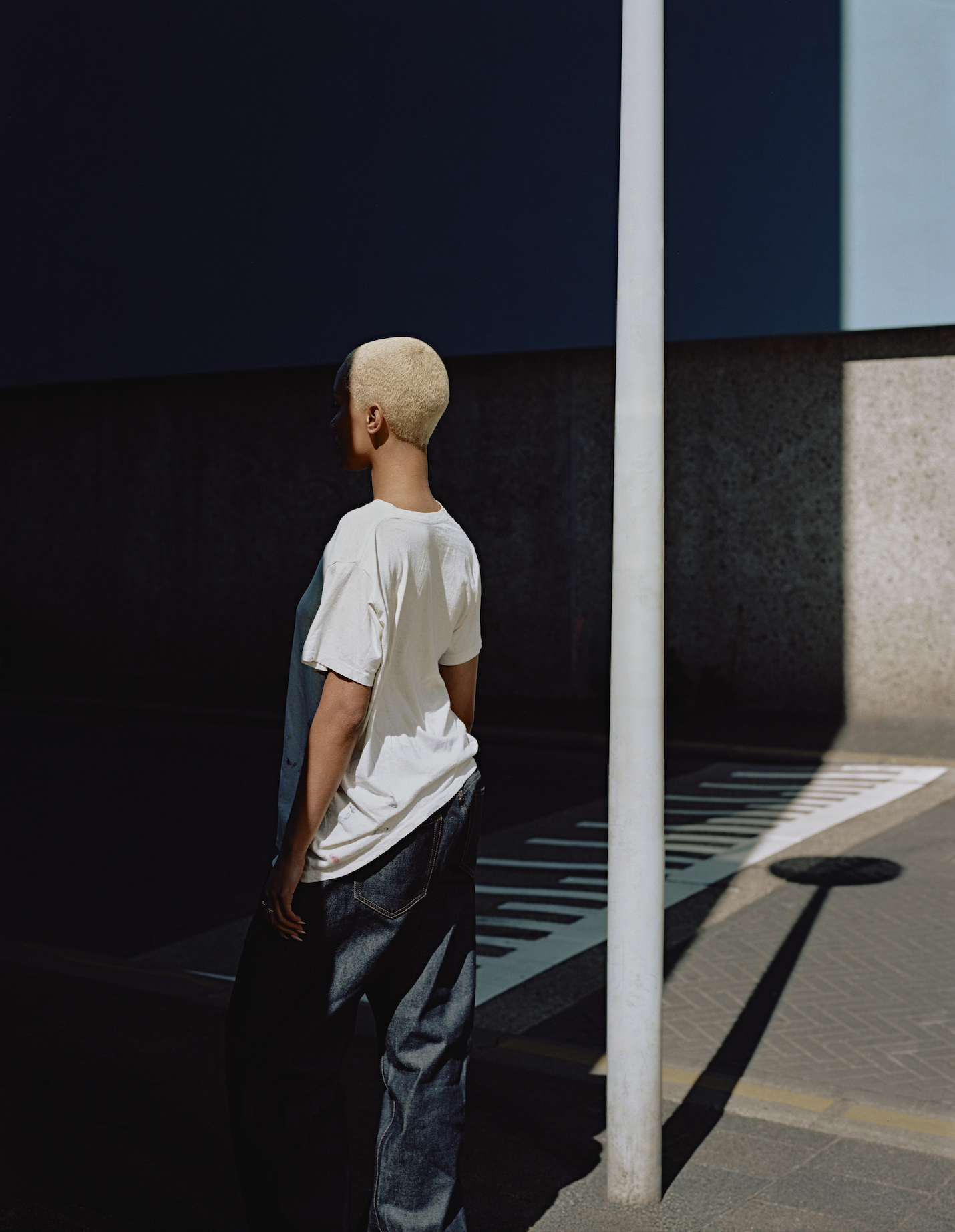
all photography by DANA LIXENBERG
Papercut has finally arrived after years of developing your sound behind the scenes. What emotions are you feeling now that the album is out in the world?
Relieved and confident. I’m happy people can finally have an opinion on both the music and me. Just like the songs, I was also kind of living “behind the scenes”. I made that choice deliberately, to fully dedicate myself to creating. But now it’s exciting to exist again.
You spent a long time creating music privately before releasing it. Why was it important to protect that creative process in the beginning?
It felt important to me to fall in love with the music before anyone else would have an opinion about it. I remember very well how it felt to kind of “discover” myself as an artist. Seeing my own potential and thinking “Wow this could really be something.” I just saw it in me and I felt that fire. But I wanted to get good at music too. Live up to the potential I saw in my mind. So I worked hard to get good at music.
Looking back, what do you think those years of experimentation gave you that you couldn’t have developed any other way?
A deep level of confidence and love for my own music. A respect for the craft, a level of resilience. Patience. You do the work everyday and there’s no audience showing up. It’s obviously so much easier to get the approval these days because the distance between the artist and the audience is so much smaller than it was back in the days without social media. And that’s great in many ways, but can also make you very dependent. It’s important to experiment on your own and get to really test what you like. Now that I have released it, I am very excited to learn from people’s opinions and go back to the drawing board too. But I do that while still feeling like I have made the first painting all by myself. That feels very freeing.
When did you first realize you had found your artistic voice?
When I started making music outside of what I was listening to. Or songs that didn’t necessarily make sense for my voice. I guess, when I stopped letting the music define me too much, which was for me when I started making more pop leaning songs, because pop felt challenging to me. Through that challenge, I had to outgrow the idea of myself and become less critical of my work. And when you remove that, you find yourself. That freedom feels like my artistic voice and whatever that sounds or looks like can change over and over again. I like that.
Your music feels incredibly cohesive sonically and visually. How important has it been to build a complete artistic world rather than simply release songs?
It’s great to do that, but honestly mostly from a creator perspective. Like, it’s really just so fun to do. When you create a whole world, there’s so much more you can pull from and you get to play with that. I am glad to hear it all feels so cohesive though because I do have to admit that I wasn’t as sure of that anymore before the release. The music had lived too long in one place for me to really see it for what it was. But I guess when you show up fully in the music, there is so much of a world already in there. I could say it feels important to build that world before releasing separate songs, but then again, I also feel like I am rebuilding that world again anyway.
The title Papercut is evocative because it suggests something small that can still leave a lasting impact. What does the title mean to you?
It has many different meanings to me. But I remember the night the title came to me, which was not too long before the actual release date. I was sitting in bed pretending to touch something or someone and then feeling like it cut or burn me in some way. Like an instant shock and pulling back your hand to stop it from hurting, putting the finger in your mouth to stop it from bleeding. It just reminded me of how much the yearning part and reaching for something is more intense and maybe even more pleasant than actually touching it, or having it. Most of my songs on the album are about that yearning. Or about that pain of wanting more. And also self soothing after, whether it’s through someone else or fully on your own. I also just liked the idea of a cut being sharp, and the songs on Papercut are both sonically and lyrically quite direct at times. Sometimes that directness can be a bit painful and uncomfortable, or sexy.
Your work often balances vulnerability with restraint. How do you decide what parts of yourself to reveal through music?
I don’t really decide. Whatever part of me wants to show itself, I’ll give it a stage.
What was it about pgLang that felt aligned with your vision as an artist?
To me PG has the perfect triangle between meaningful work, culture and taste. All their work has those elements. I have the same vision for all the work I want to put out. That can come in many different shapes and forms, but the intention always needs to be there. And it’s quality over quantity, always. We’re a good match.
You also contributed to the musical curation of Chanel’s Haute Couture Spring-Summer 2024 show. What was it like seeing your creative world intersect with fashion on that level?
So wonderful. It was the perfect symbol for me of how I view art. I like the idea of art being in service of something bigger. First the creator is in service of the art, and then the art serves others. Seeing that show with my song being played was a full circle of service. It’s also so nice to get to experience such a big moment, watching everyone hear your music in real time, without them knowing you made it. It wasn’t about me at all, and you can’t really recreate a moment like that again in your career on a stage that big.
Music and fashion often speak similar emotional languages. How do those two worlds connect for you?
I never thought of fashion too much, but I do realize how much culture there can be in your looks and I love expressing that. It’s the same in music for me. In my case, I think it’s quite subtle, but it’s about references. The gold I wear, the bass or snare I pick, the nails I have or even the adlibs and breaths I do. It’s all a reflection of what I picked up on in the world, where I’m from, and then a remix of that. On Papercut specifically, there are also strong pop culture references, but through the lens of me, Imani Imani. I think I subconsciously do the same in my appearance. It reminds you of something you know, but different.
If this album is an introduction, what do you think the next chapter of Imani Imani might look or sound like?
Free!