DOM RESTAURANT SÃO PAULO: RESHAPING BRAZILIAN CUISINE
words by FRANCESCO PIZZUTI
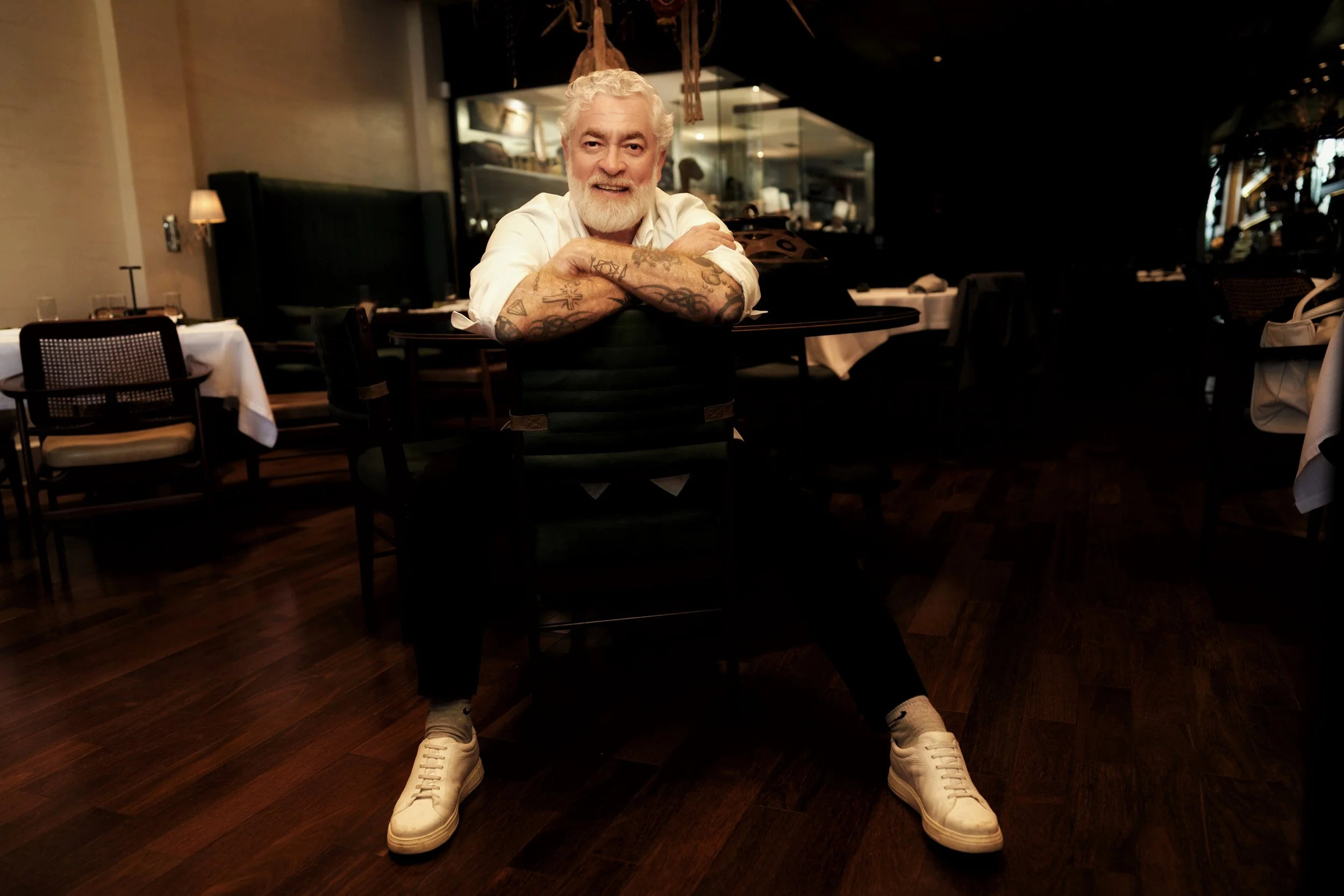
DOM is one of those restaurants that quietly reshapes an entire culinary language. Since opening in 1999, under the direction of chef Alex Atala, the São Paulo restaurant has surpassed the title of mere fine dining destination, becoming more of a long-term project that continues to question what Brazilian cuisine can be when skillfully approached with both rigor and creativity.
all images courtesy of BREJO
Atala had a clear intention from the jump; he wanted to bring Brazil’s vast socio-biodiversity to the center of the table. Regional ingredients like jambu, tucupi, priprioca, and bacuri are not presented here as novelties, but as structural elements of the cuisine. This approach has earned DOM international recognition, including two Michelin stars.
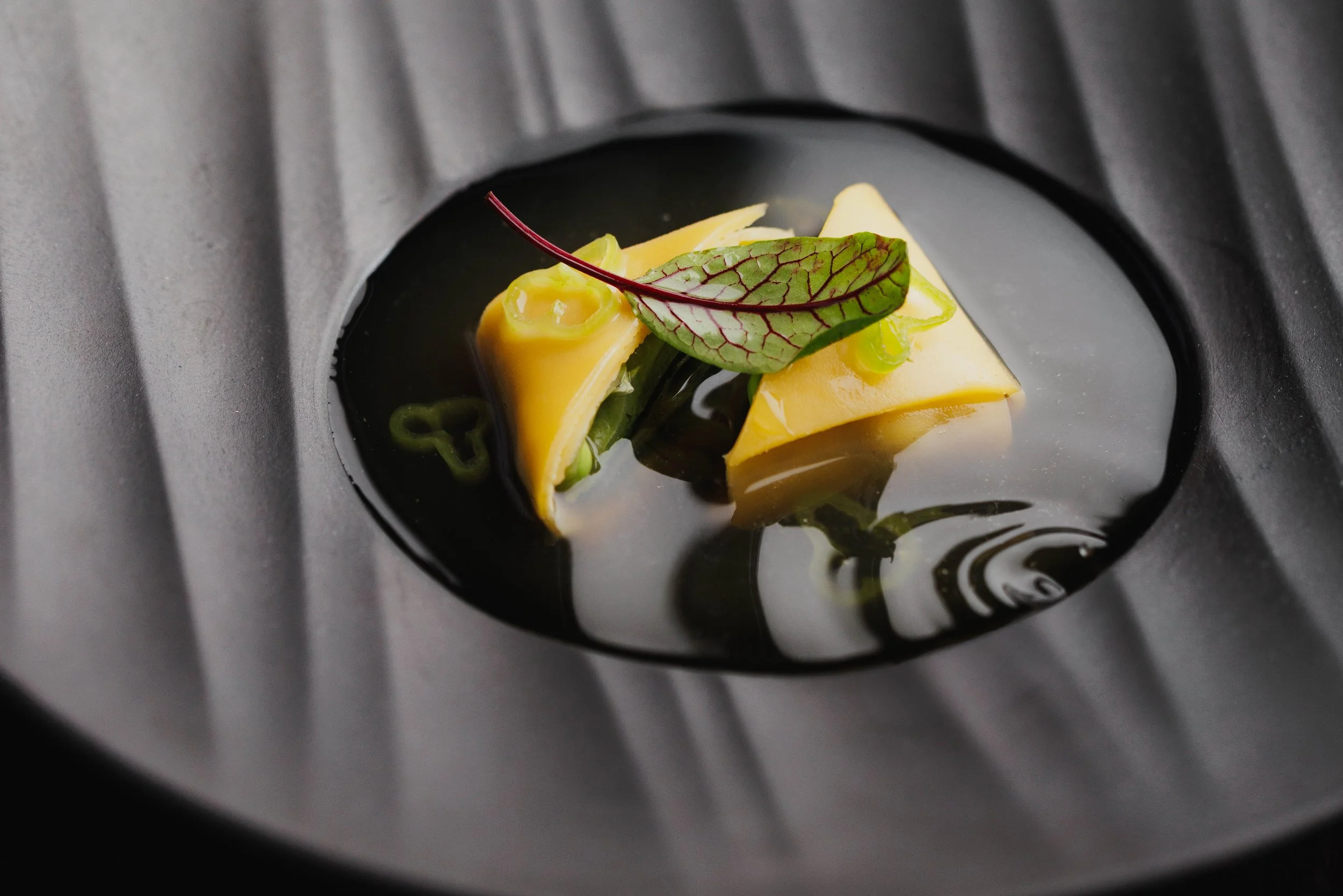
The dining experience is full of imagination; anchored in a tasting menu that evolves annually, often guided by conceptual themes. The current iteration, inspired by the phrase “when the jaguar drinks water”, leans into myth and symbolism without being too abstract. The meal unfolds across ten courses, allowing ingredients to lead the storytelling. It is a format built on trust, what the restaurant calls a Menu Confiance, a surprise for the visitor, and it largely rewards it.
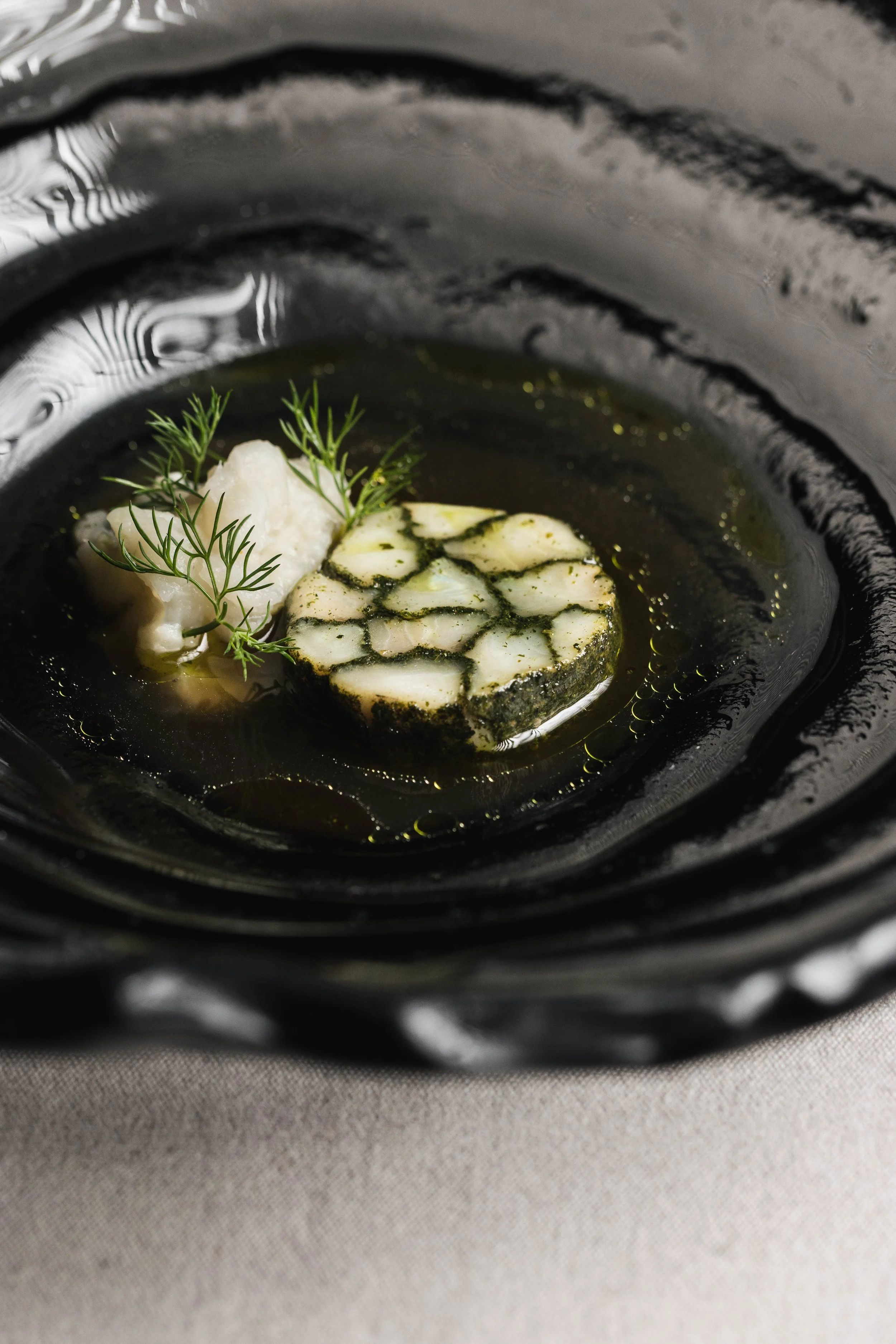
In the kitchen, European training is evident in the control of texture and balance, but it is never imposed at the expense of identity. Each element feels like part of a long study, appearing refined and placed with intention. Dishes featuring the now-iconic Amazonian ant, for example, are not presented as spectacle, but as part of a broader exploration of acidity and aroma.
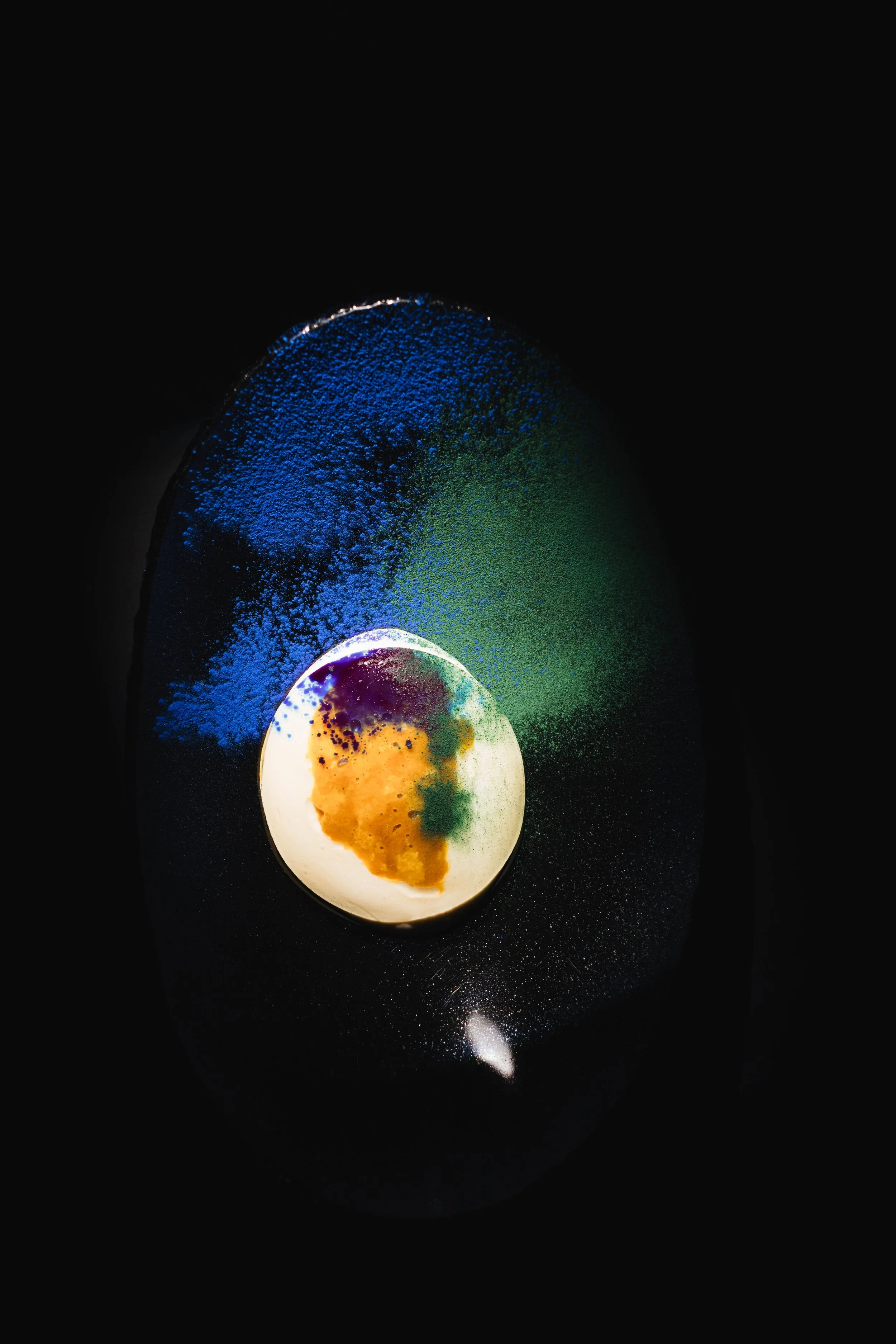
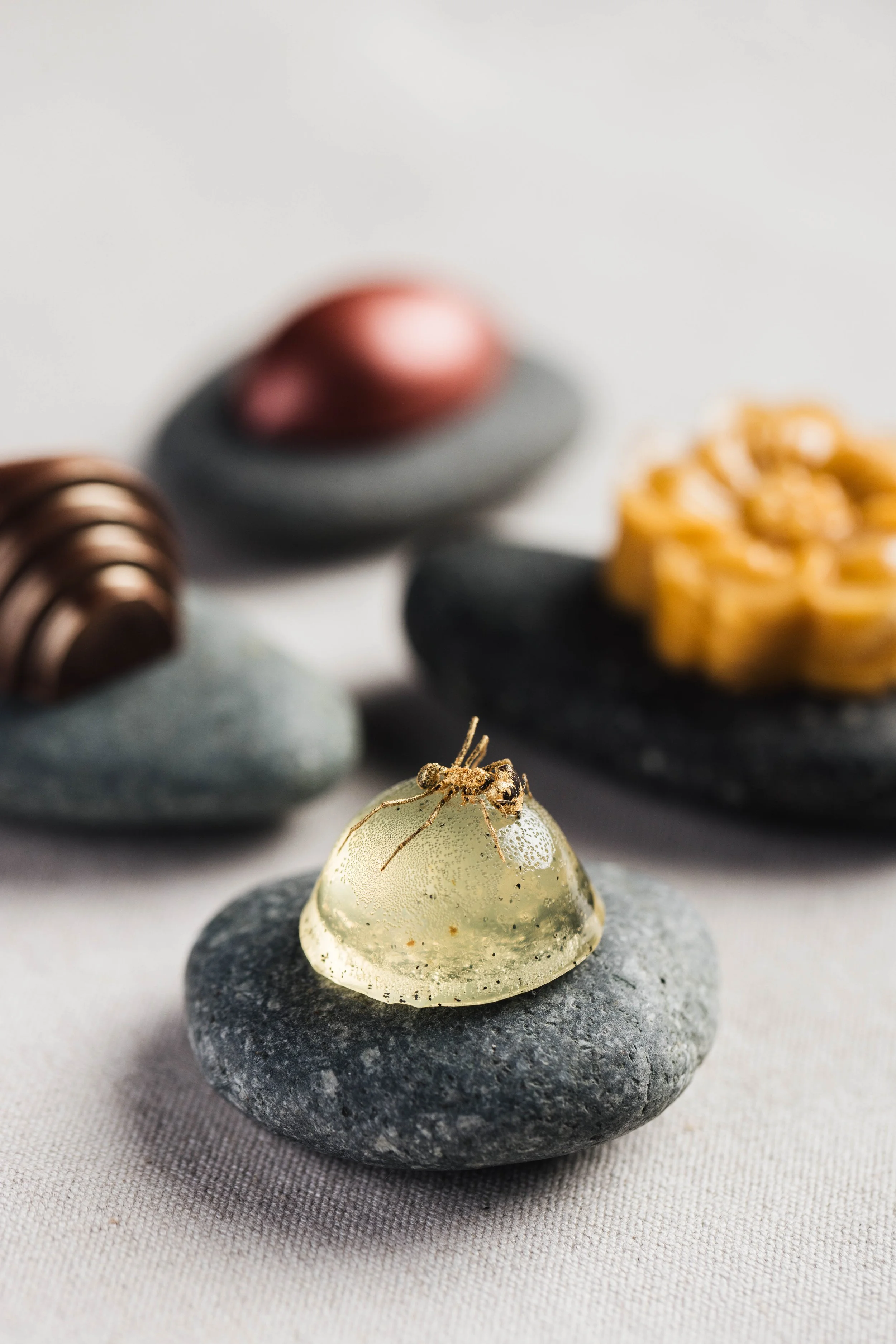
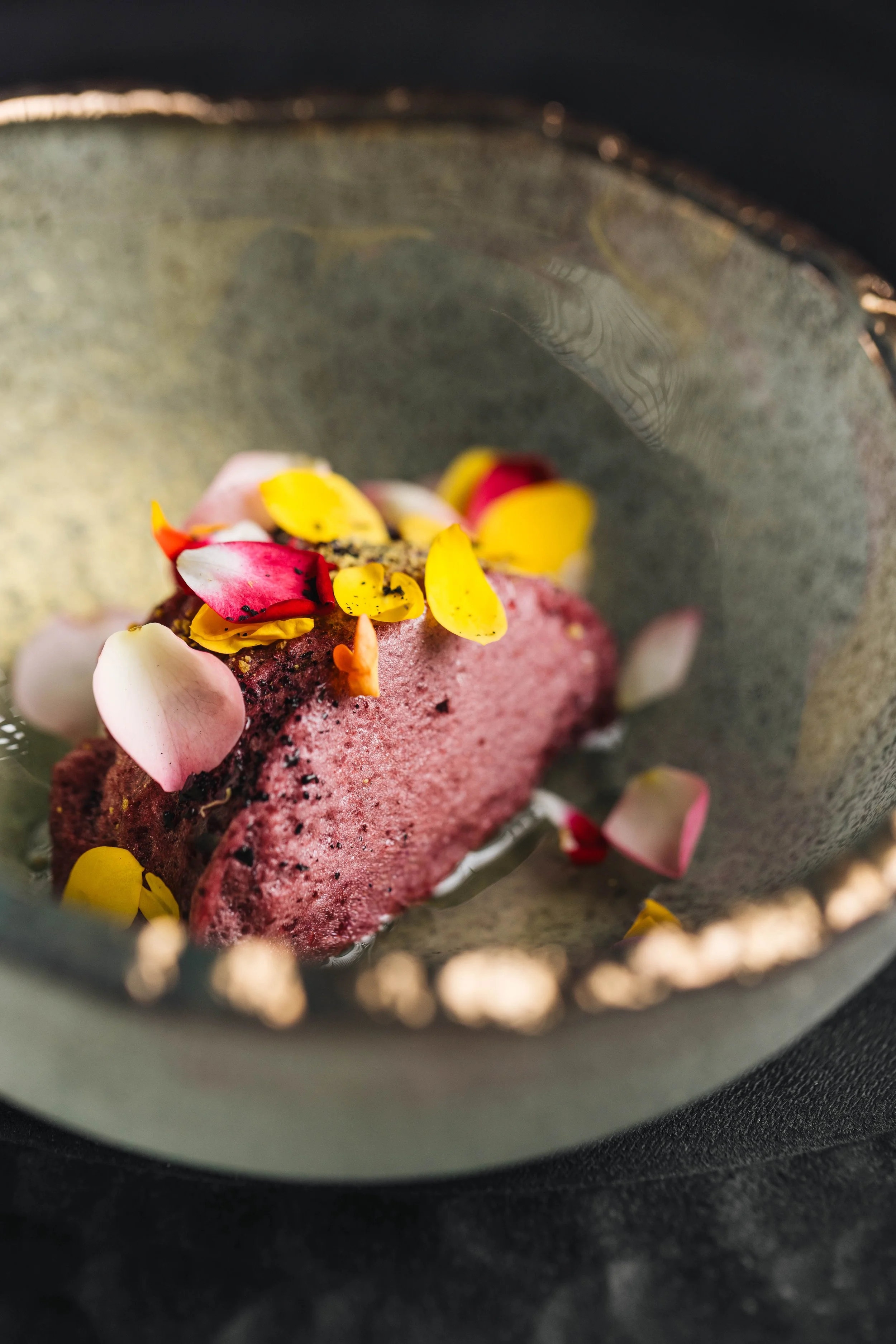
Innovation and research are also central to DOM. Atala and his team regularly travel across Brazil, working directly with producers and communities to source ingredients and understand their contexts. This ongoing immersion gives the menu a newfound depth that carries a certain cultural weight, even when expressed in minimal forms.
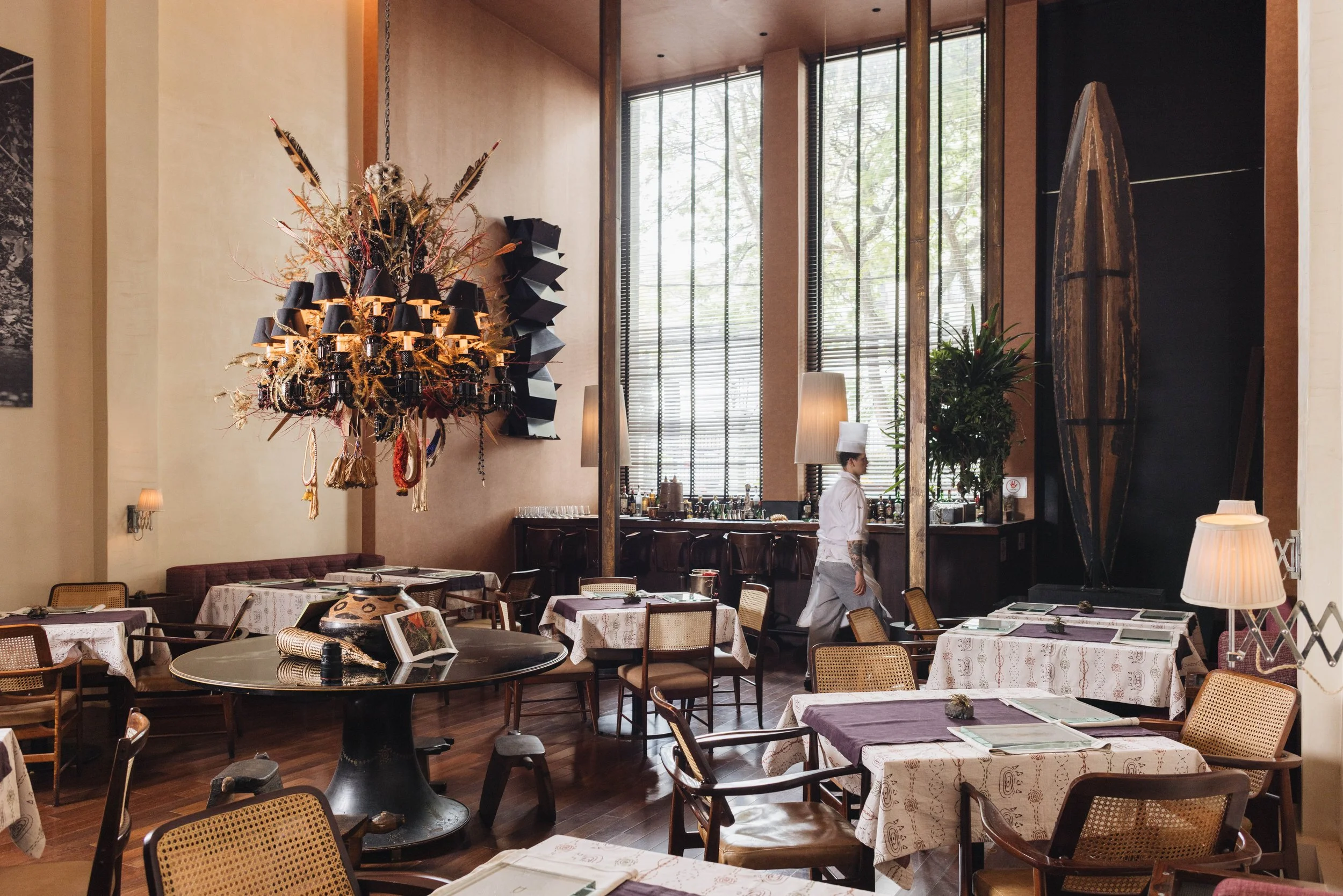
The space itself is beautiful and full of light, dominated by natural textures and colors, with hardwood floors and table cloths with fine hand-stitched patterns. The colors are warm, and the space feels alive and immersed in history.
More than two decades on, DOM continues to rebel against a fixed idea of Brazilian cuisine, instead inhabiting it as an evolving inquiry into it.