
Doobie’s has a fascinating history dating back to 1938, when it first opened as a Russian restaurant on Rue Marbeuf. The restaurant has journeyed through the decades before becoming, in the 1990s and 2000s, one of the emblematic stages of Parisian nightlife, with artists and celebrities gathering there.
Over the years, it became La Caravelle, a well-known spot on Paris’s nightlife scene, before entering a new chapter in 2026. After three years of transformation, Doobie’s reveals a new energy, driven by the ambition to bring together, under one roof, gastronomy, architecture, art, music, and a true sense of hospitality.
The space has been thoughtfully redesigned by architect Arnaud Behzadi. Arnaud believes that each place carries, beneath its surface, fragments of stories to be gathered rather than invented. For Doobie’s, he has created an atmosphere that makes you feel like you’re in a beautiful private home than a traditional restaurant. With warm materials, carefully chosen artworks and intimate spaces, the interiors are elegant as art plays an important role, adding even more personality and character.
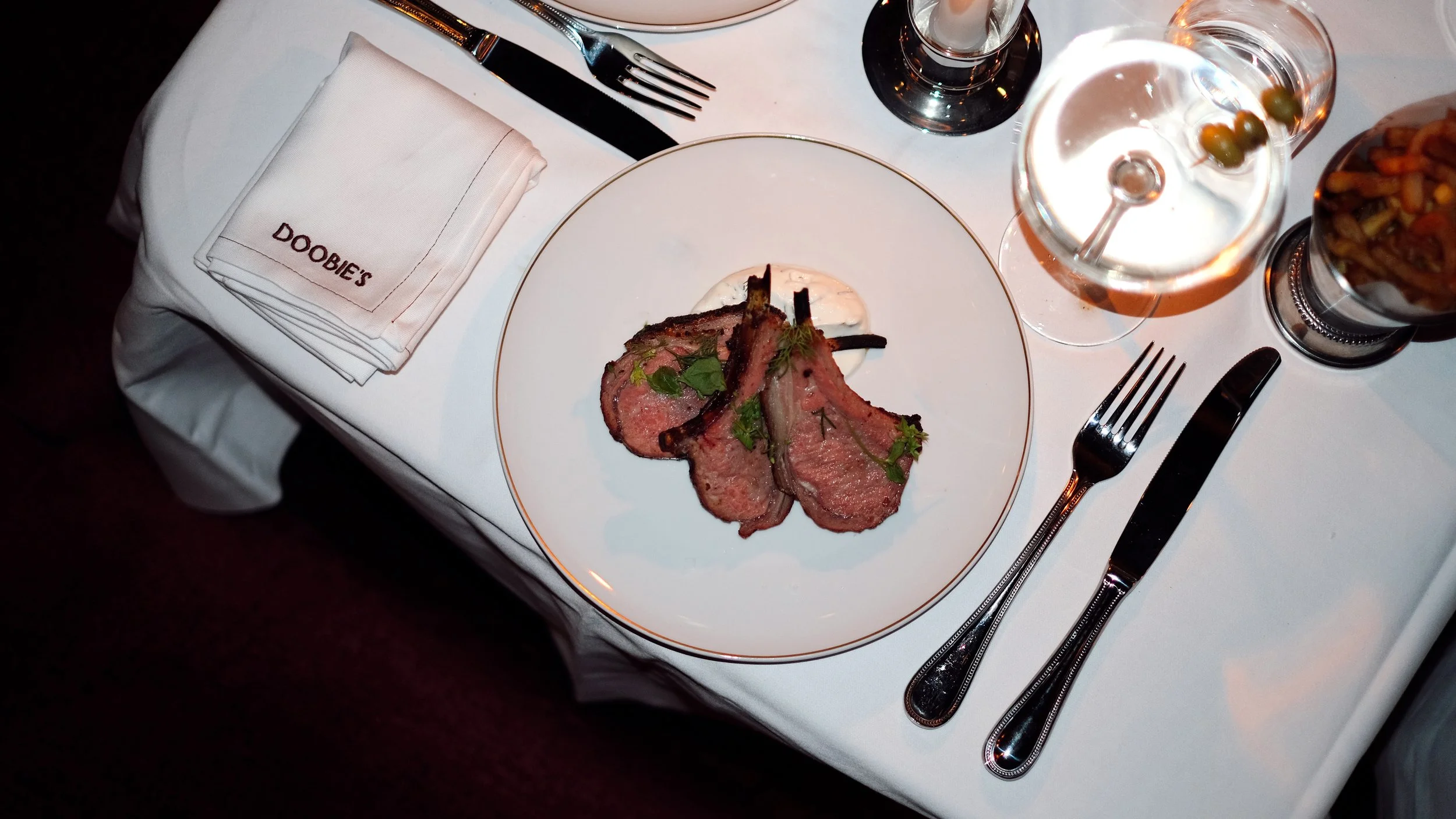
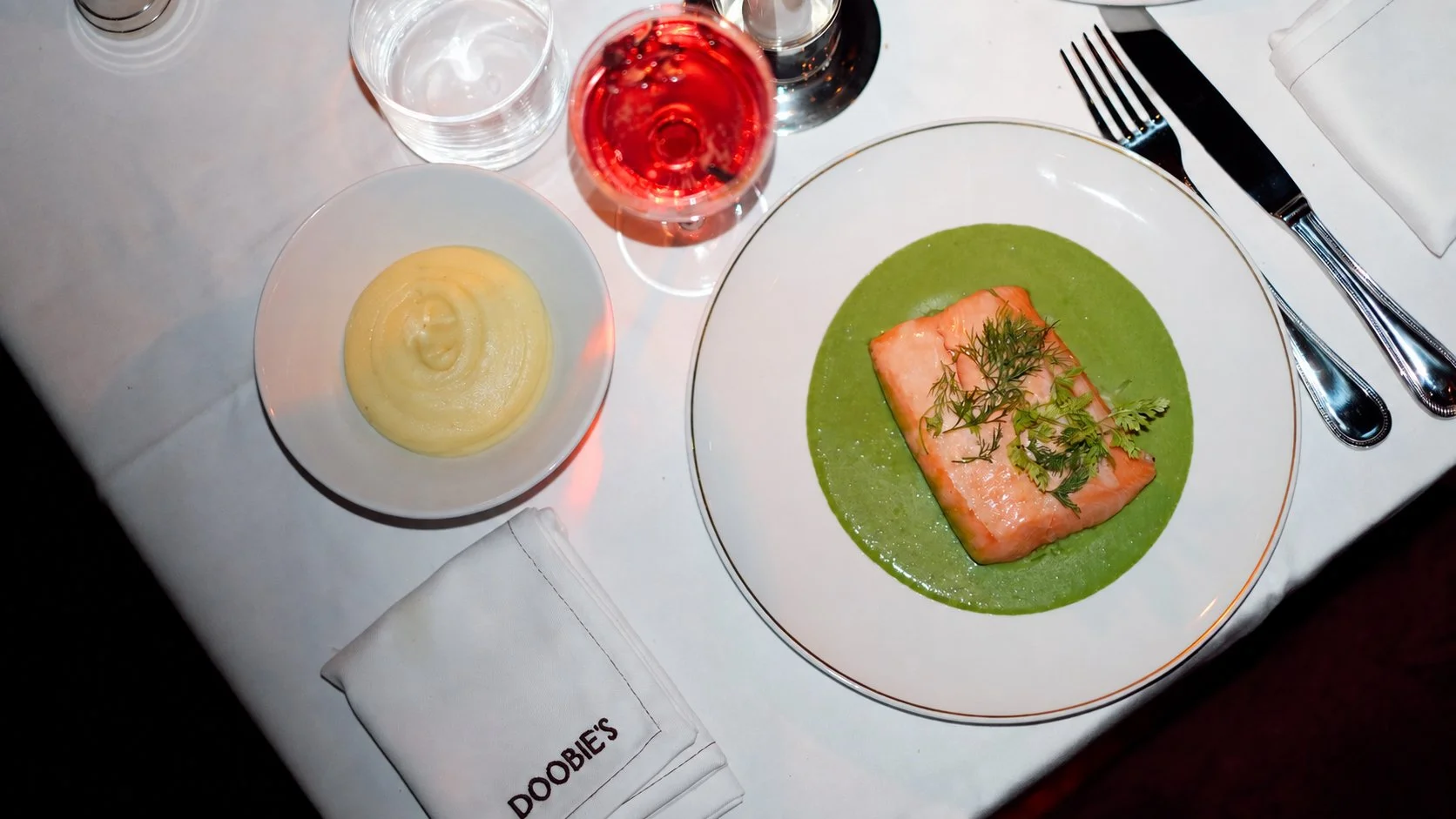
The kitchen aims to be open and well-travelled, without ever losing sight of the produce itself. The experience favours immediate pleasure, the rythm of the meal and conviviality. Dishes can be shared, larger plates bring the table together, and caviar accompanies moments of exception. Led by chef David Manzella, the menu combines French classics and international influences. Cantabrian anchovies, Ibérico bellota ham, Baltic salmon, Sicilian pistachios and Piedmont hazelnuts from a culinary language in which each origin becomes an invitation to travel.
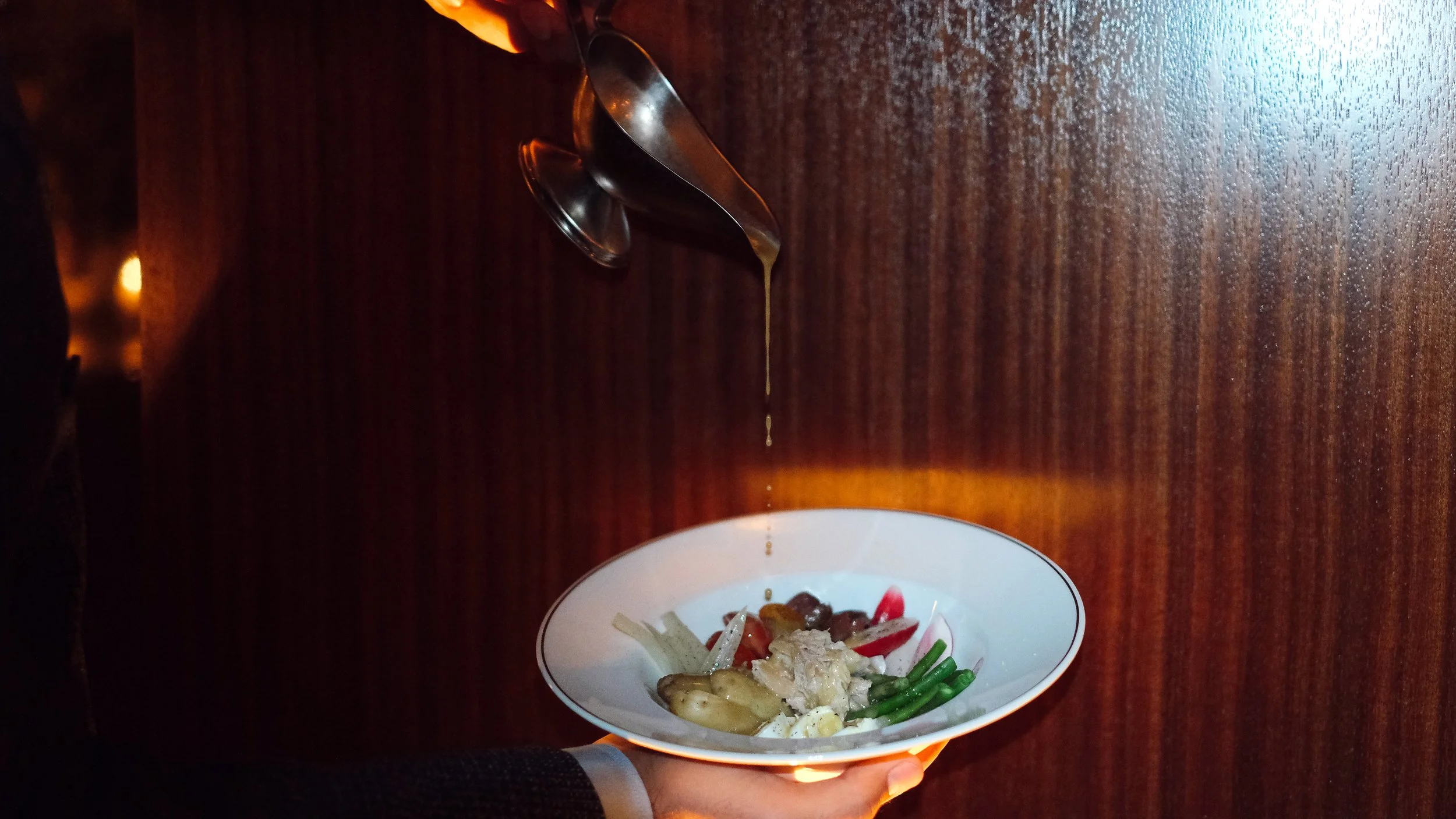
Service rests on a warm, instinctive elegance, as attention to detail is essential. Dinners at Doobie’s are intimate, from the signature Milanese veal to fresh seafood and generous meat dishes, there is a very strong focus on quality, flavour and presentation. Later in the evening, cocktails and music bring a more lively energy to the space. From the Jardin du Soir, the open kitchen reveal its inner workings and the precision of the plating.
The desserts offer familiar memories reinterpreted, such as churros, the Doobie’s cheesecake, popcorn sundae, brioche pain perdu with seasonal fruit, or baba served with rum poured to taste.
Arts holds an essential place in Doobie’s identity. Conceived as a collector’s house, the restaurant features a selection of works curated with Galerie Strouk, which designed the artistic dressing of the different spaces. The works accompany guests along their journey through the house and engage in dialogue with Arnaud Behzadi’s architecture, along with the materials and objects that make up the decor, playing a full part in the atmosphere and the story of the house.
Doobie’s offers a sophisticated place to eat well, enjoy good company and stay a little longer than planned. With its rich history, distinctive interiors and warm hospitality, Doobie’s feels like a Parisian institution with a fresh identity.
