
Words by Samo Šajn
What started with a simple question—“Why buy water when you can get it from the tap?”—has grown into a much bigger mission. For more than 15 years, DOPPER has been working to challenge our reliance on single-use plastic water bottles and make refill the norm. But real change goes beyond what we carry in our hands. It’s also about the communities we build, the culture we create and the choices we make every day. We spoke to Dopper’s PATRICIA DOUMA, Chief Brand Officer, and MAZ CARTER, Brand Activations Lead, about changing habits, connecting with a new generation and creating a different relationship with water and nature.
Dopper started with a simple idea: making tap water the norm. What inspired that idea in the first place?
PATRICIA DOUMA
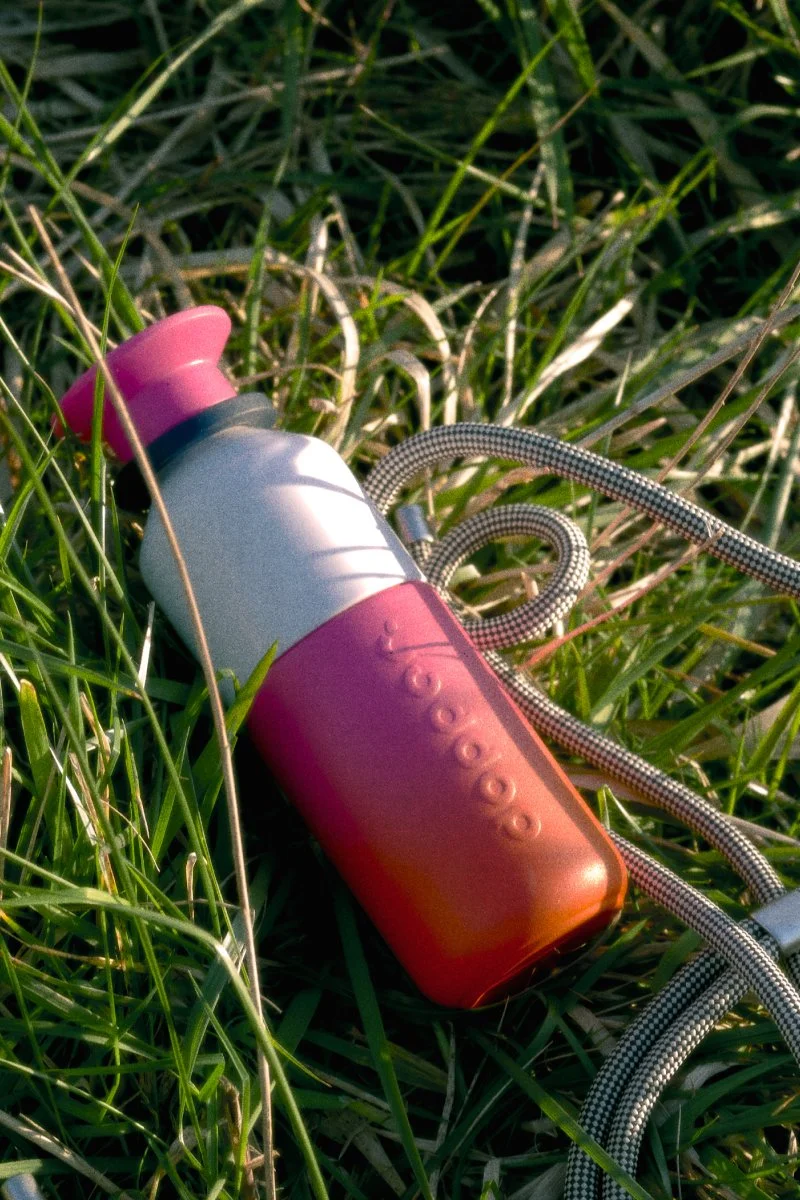
Dopper started as a movement, not a bottle company. Our founder, MERIJN EVERAARTS, was frustrated by the amount of single-use plastic water bottles created simply because people drink water. He wondered why people buy something that is available from the tap. The ambition from day one was to end packaged water and make refill the norm. The bottle came later, as a tool to make that behaviour easy, desirable and visible. The bottle has never been the point. The mission is.
Single-use plastic is still such a big part of everyday life. Why has it been so difficult to move away from it?
PD
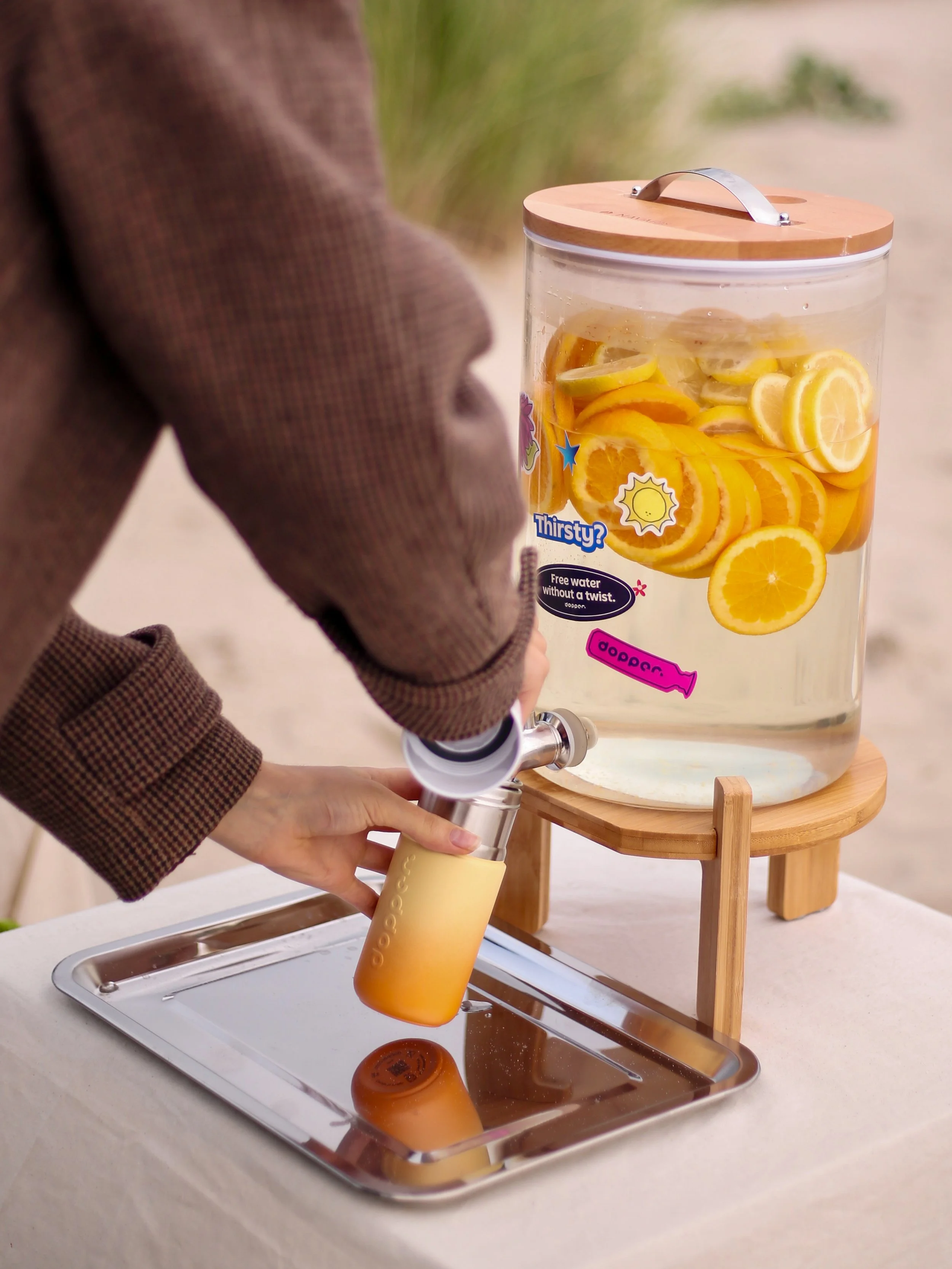
Single-use plastic is not just a consumer problem; it’s a systemic problem. People are often told that making better choices will solve the plastic crisis, but the system is designed around convenience. That’s why we educate, lobby, create refill infrastructure and work with communities and businesses. At the festival LAGO LAGO, for example, stopping the sale of single-use water bottles means thousands fewer bottles are used, while refill simply becomes part of the festival experience. We want to change the choices available, not make people feel guilty.
Dopper has grown from a water bottle into a wider movement around refill culture. What has surprised you most about that journey?
PD
Changing behaviour is much bigger than changing minds. Awareness is only one piece. You also need infrastructure, policy, businesses, culture and imagination. Dopper now works with festivals, cities, schools, artists and communities, while our products help remove barriers to refill. The Travel Mug, for example, lets you carry sparkling tap water without worrying about leaks. We are building a movement that people want to be part of.
What have you learned from working with communities and creators that has changed the way Dopper communicates?
MAZ CARTER
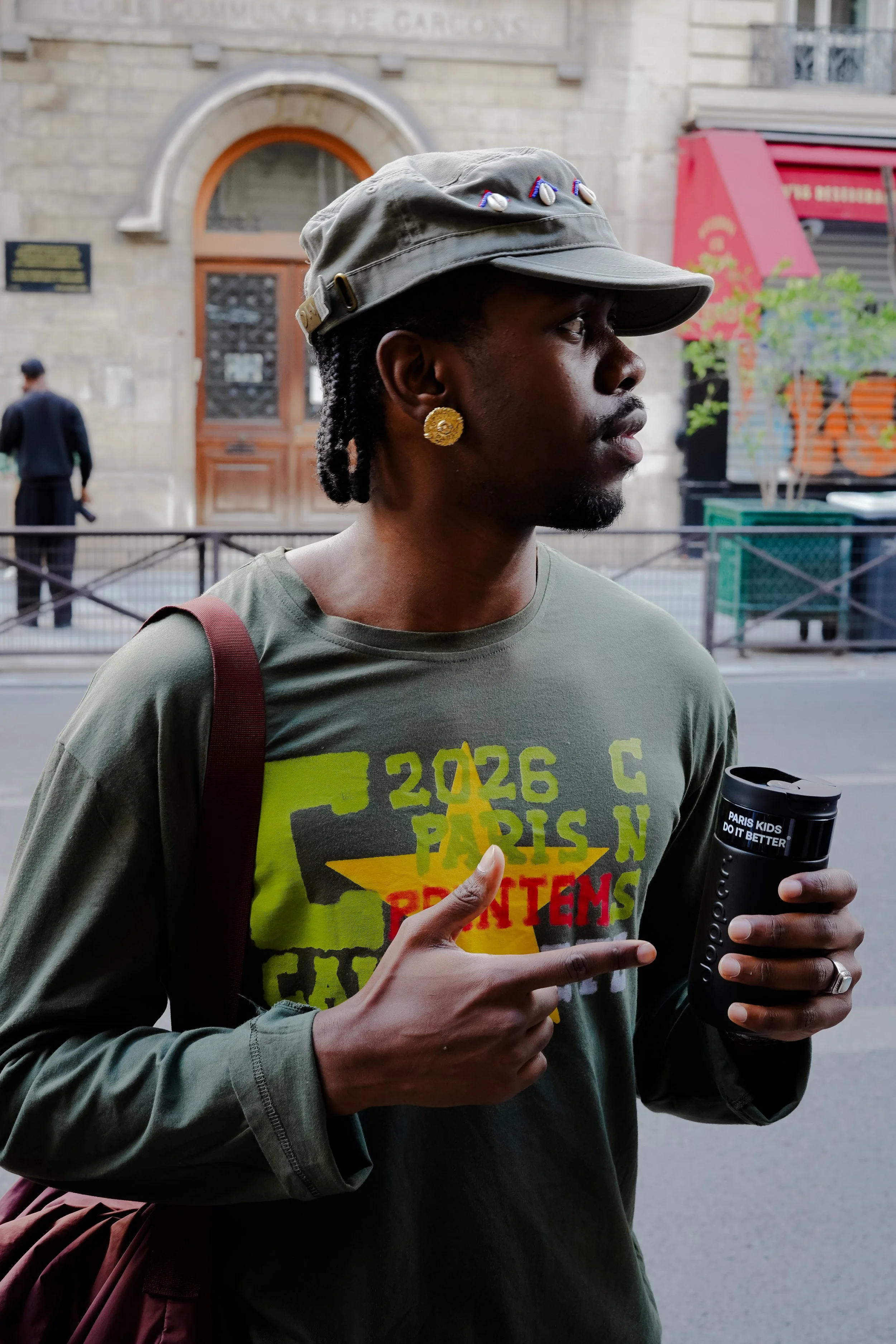
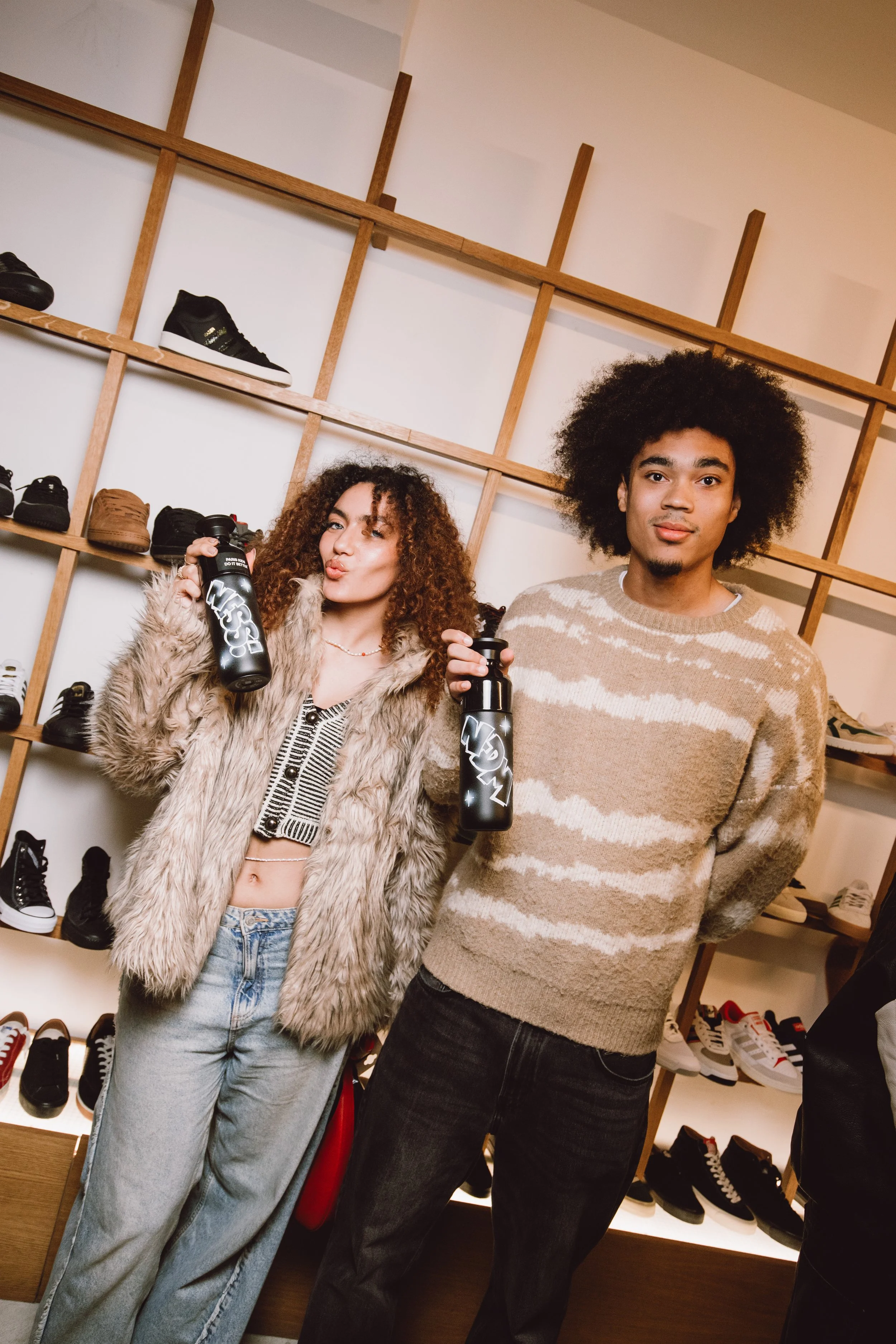
We used to work with a lot of influencers, but we realised that ending packaged water cannot be done by one person sharing one message. It requires collective change. There are so many creators and communities already challenging the status quo in their own way. We share our mission with them, and they decide how to communicate it in a way that resonates with their communities. That makes the message much more powerful.
Can you share an example of a community or collaboration that has had a real impact on Dopper?
MC
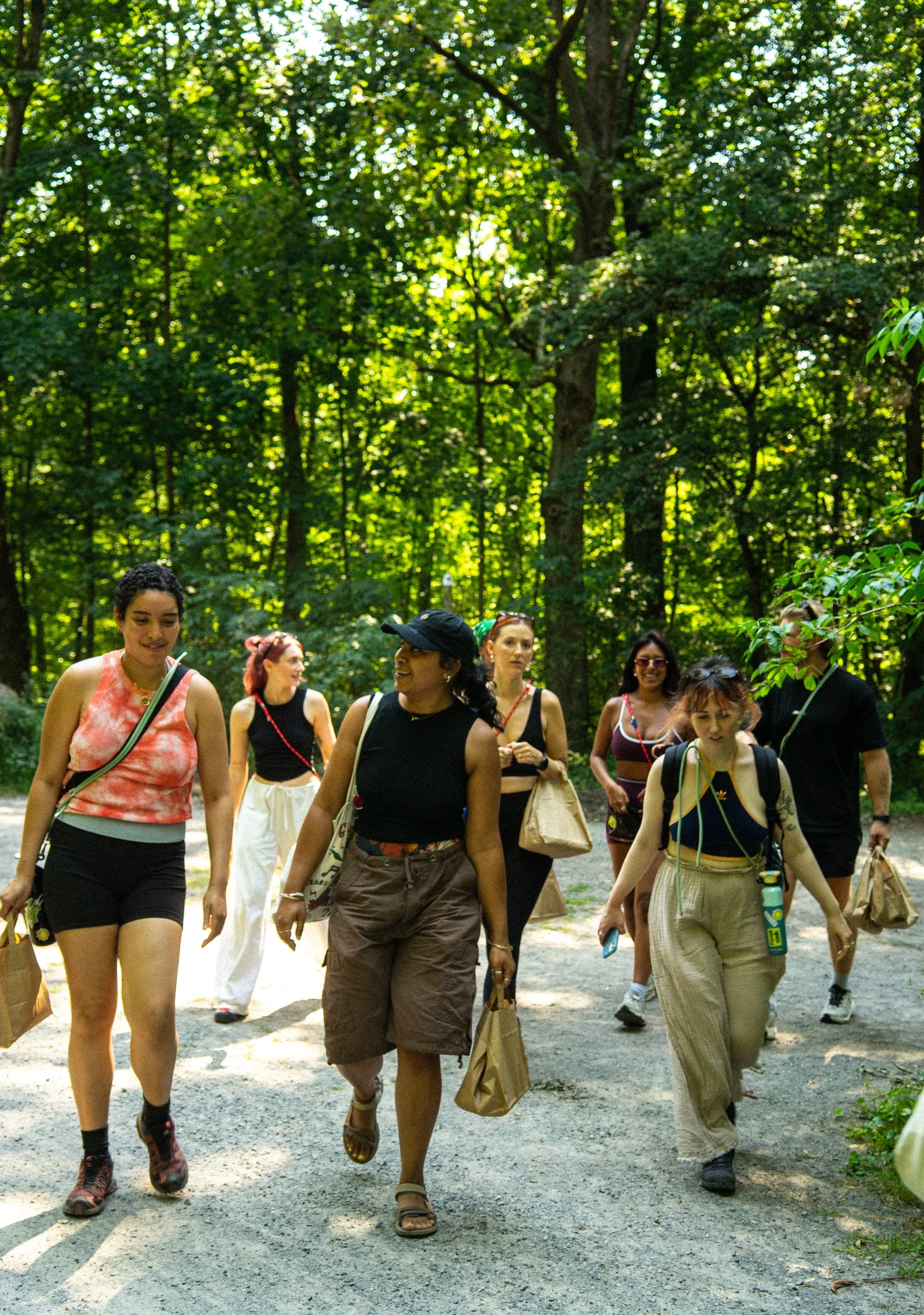
One example is our collaboration with Berlin’s REFUGE WORLDWIDE, a radio station deeply rooted in music, culture and activism. We organised a forest walk near a lake outside Berlin, with conversations about challenging the status quo and what inspires different perspectives. Music, art and creative communities have always found different ways of doing things. Connecting that with nature and the importance of protecting our water sources showed how our mission can live through culture and conversation.
What do you think Gen Z is changing about the way brands communicate and build relationships with their audiences?
MC
I am still Gen Z myself. We grew up surrounded by brands and marketing, so we have a strong bullshit radar. People are much more critical of purpose and sustainability claims, and ask, “You say you are doing this, but are you really?” I love Dopper because it walks the talk. It’s transparent and not afraid of questioning norms. Dopper has even called out brands on LinkedIn and Instagram, while challenging what we call “Big Water.” I think that authenticity is something Gen Z really values.
Dopper is also a design-led brand. How important are aesthetics when you want to make a more sustainable choice appealing?
PD
Design and aesthetics are extremely important. People should not have to compromise on design, functionality or self-expression to make a more sustainable choice. If we want to stop disposable bottles, the alternative needs to be something people want to carry, use and be seen with. Ideally, people buy a Dopper because they love the product, not only because it is sustainable. Good design makes sustainable behaviour feel natural.
Water is connected to so many environmental issues, from plastic pollution to access to clean drinking water. What makes water such a powerful starting point for Dopper’s mission?
PD
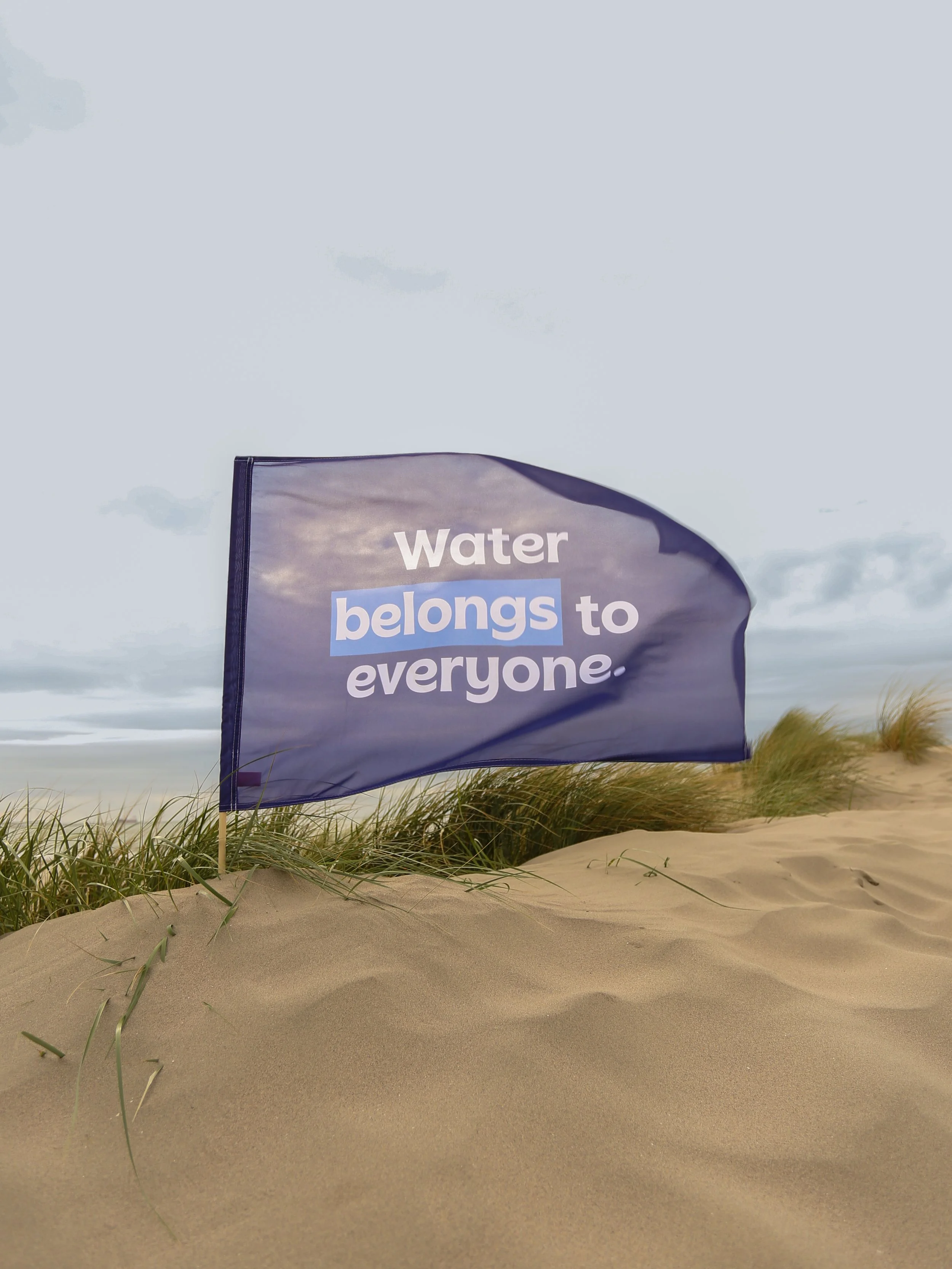
Water is fundamental. Safe, affordable drinking water is a human right, yet drinking water has become a global consumer industry. Dopper questions the idea that we need to buy something that should be accessible to everyone. That’s why we call the powerful industries shaping our relationship with water “Big Water”. Our ambition is not simply to replace single-use plastic bottles, but to challenge the system that makes packaged water feel normal and make refill the norm.
Dopper has been around for more than 15 years. What do you think has changed most in the way people think about sustainability during this time?
PD
Sustainability has moved from a niche idea to a baseline expectation. People are more critical and want to know what brands actually do, how products are made, who makes them and what happens at the end of their life. Transparency is part of our responsibility, which is why we share information about our production and work towards circularity. The next step is not simply becoming a slightly more sustainable bottle company, but challenging the system that makes disposable water feel normal.
When you look at the future, what would you most like to see change in the way we interact with nature?
PD
I would like us to stop thinking of nature as something outside of us. We are part of nature. That should change how we design, produce and consume. Instead of asking, “How can we make this less bad?” we should first ask, “Do we need to make this at all?” If we do, we should make it without harming people or the planet.
MC
I want people to feel more connected to nature and have a sense of ownership, because it is our planet. Hopefully, that feeling of ownership encourages us to protect natural resources rather than allowing them to be treated as something that can simply be sold or exploited. It is as simple as that.
