
MOUTH-WATERING TRADITION AT LISBON’S PICA-PAU RESTAURANT
In a dining landscape increasingly obsessed with reinvention, Lisbon’s Pica-Pau Restaurant deliberately lingers in the past, in the comfort of memory, habit, and repetition. From the moment you enter the 19th-century building on Rua da Escola Politécnica, the space unfolds like a sequence of lived-in rooms. A bar lined with familiar bottles greets you first, then a narrow passage where the kitchen reveals itself without too many ceremonies. It feels like slipping into someone else’s routine.
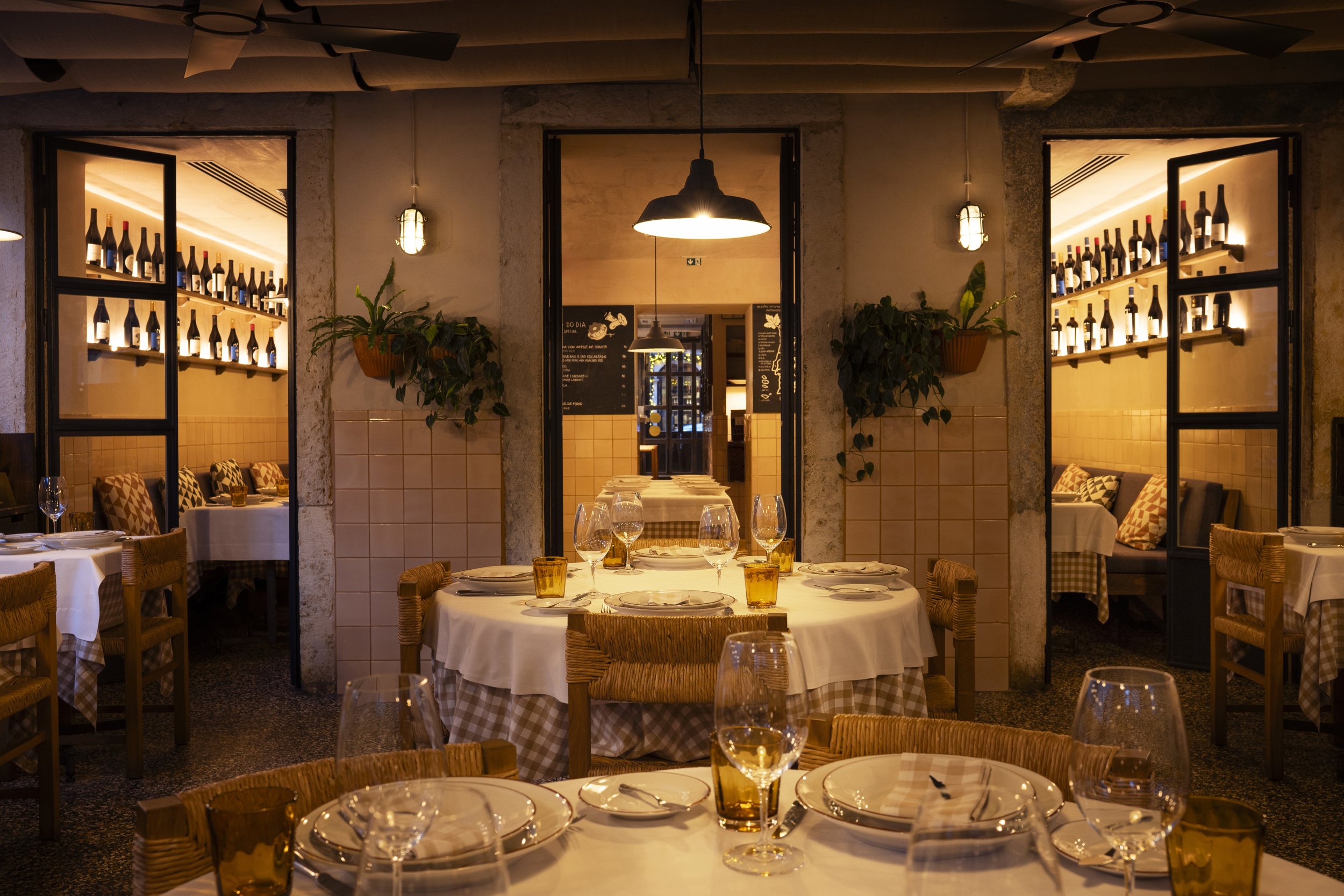
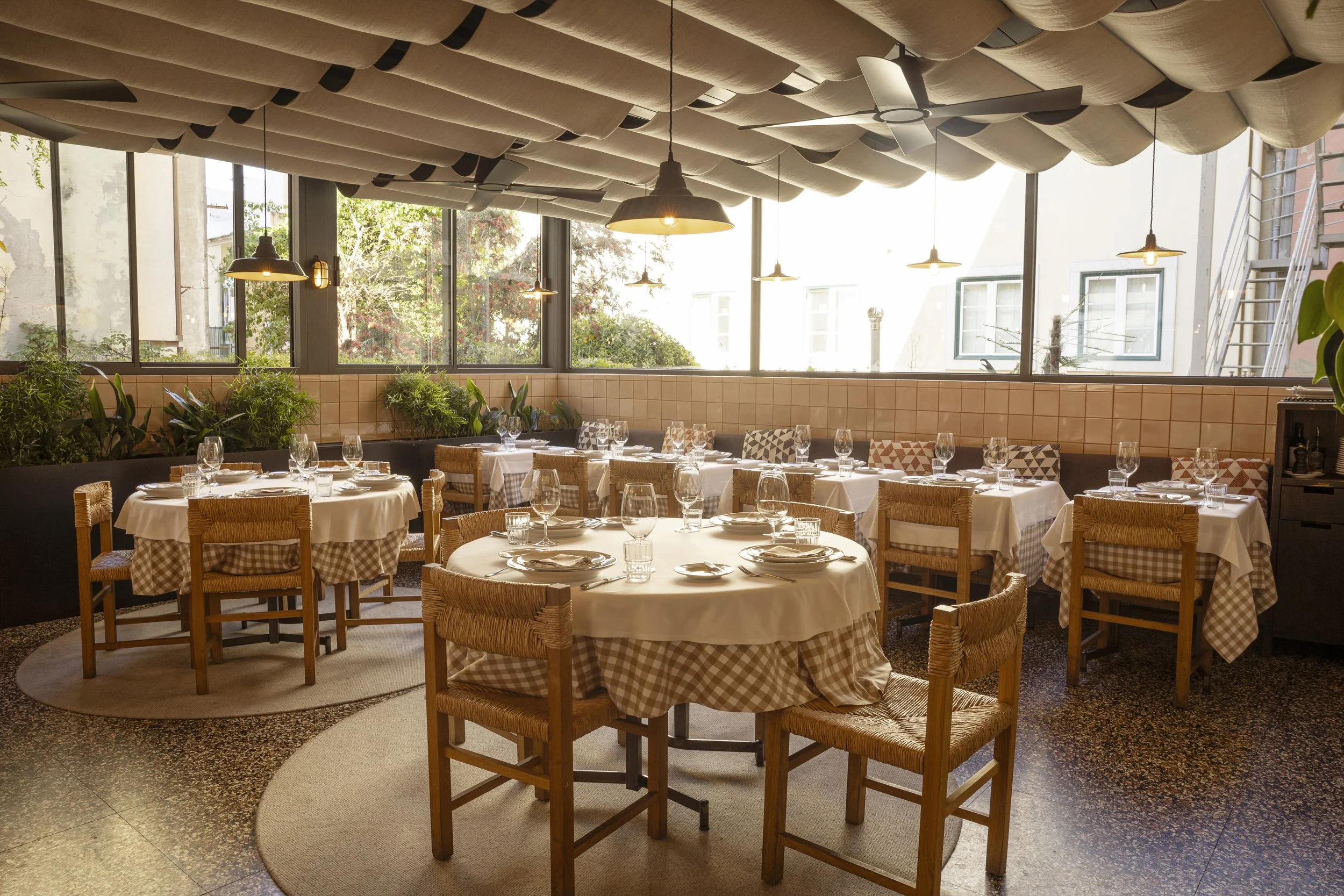
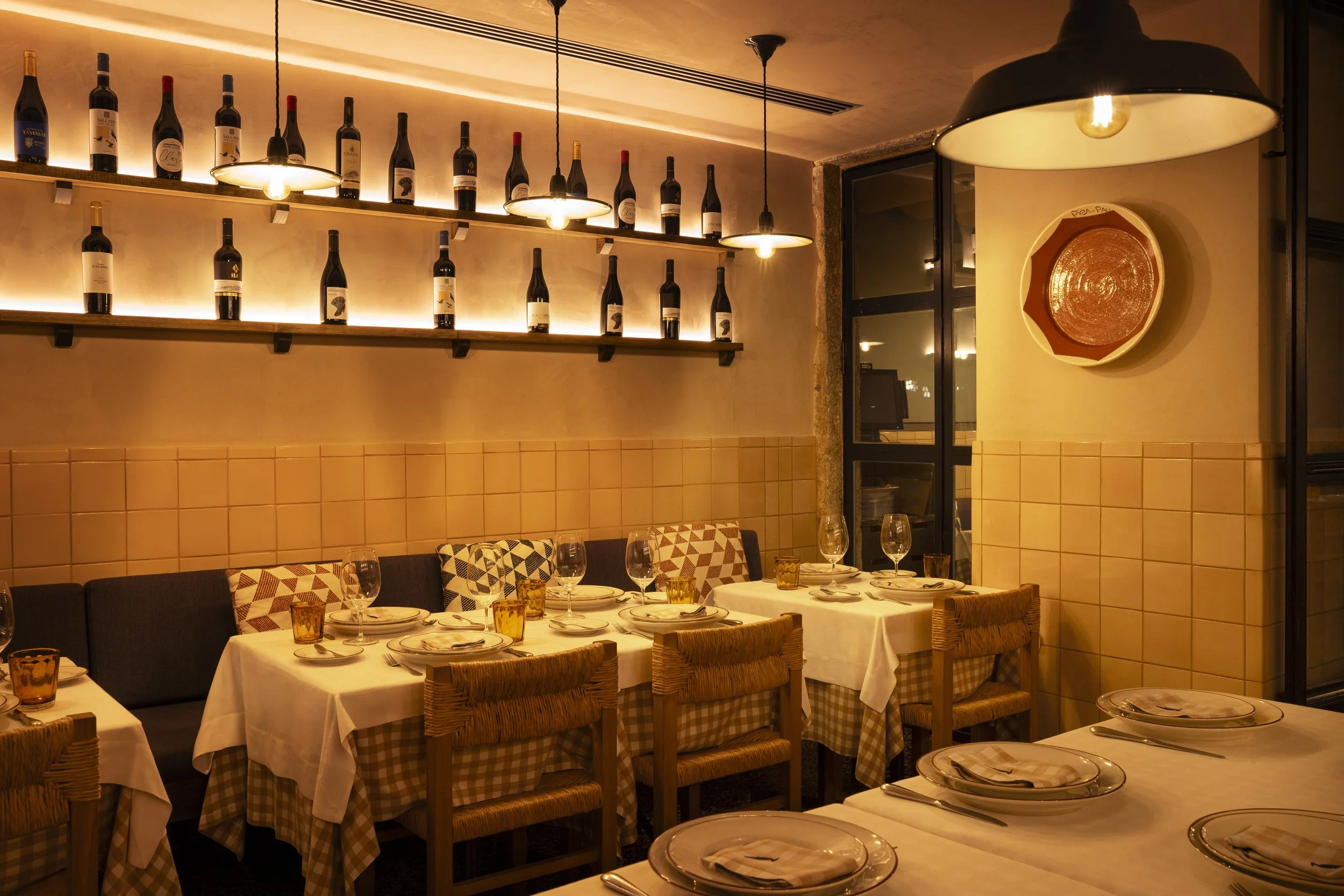
The spaces appear balanced. In the dining room, there’s a mix of materials with marmorite floors, metal shelving, and chalkboard menus; everything resists the over-designed while still feeling well thought-out and inspired. Even the terrace, softened by plants and upholstered seating, maintains a certain restraint, comfortable and elegant but never too indulgent.
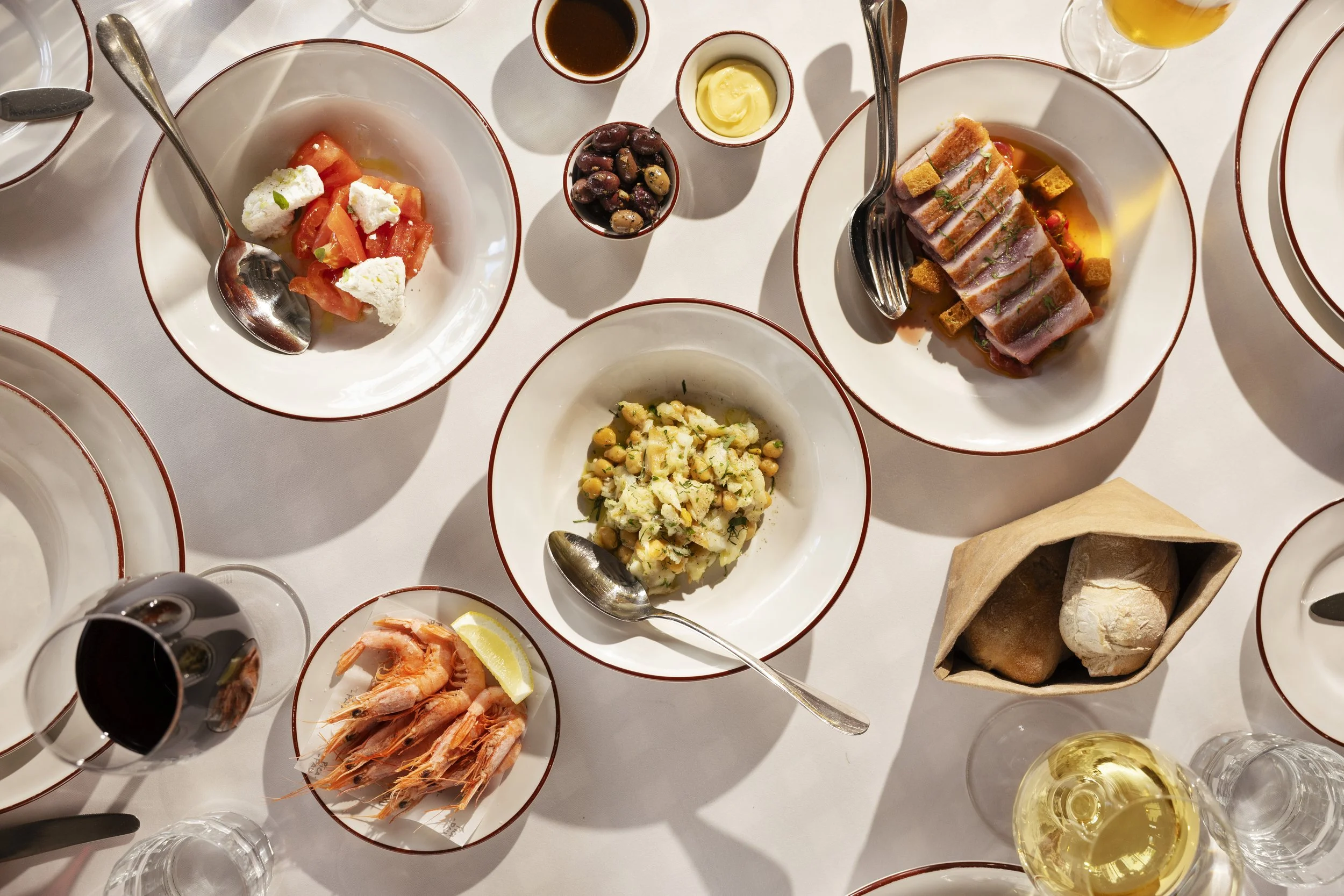
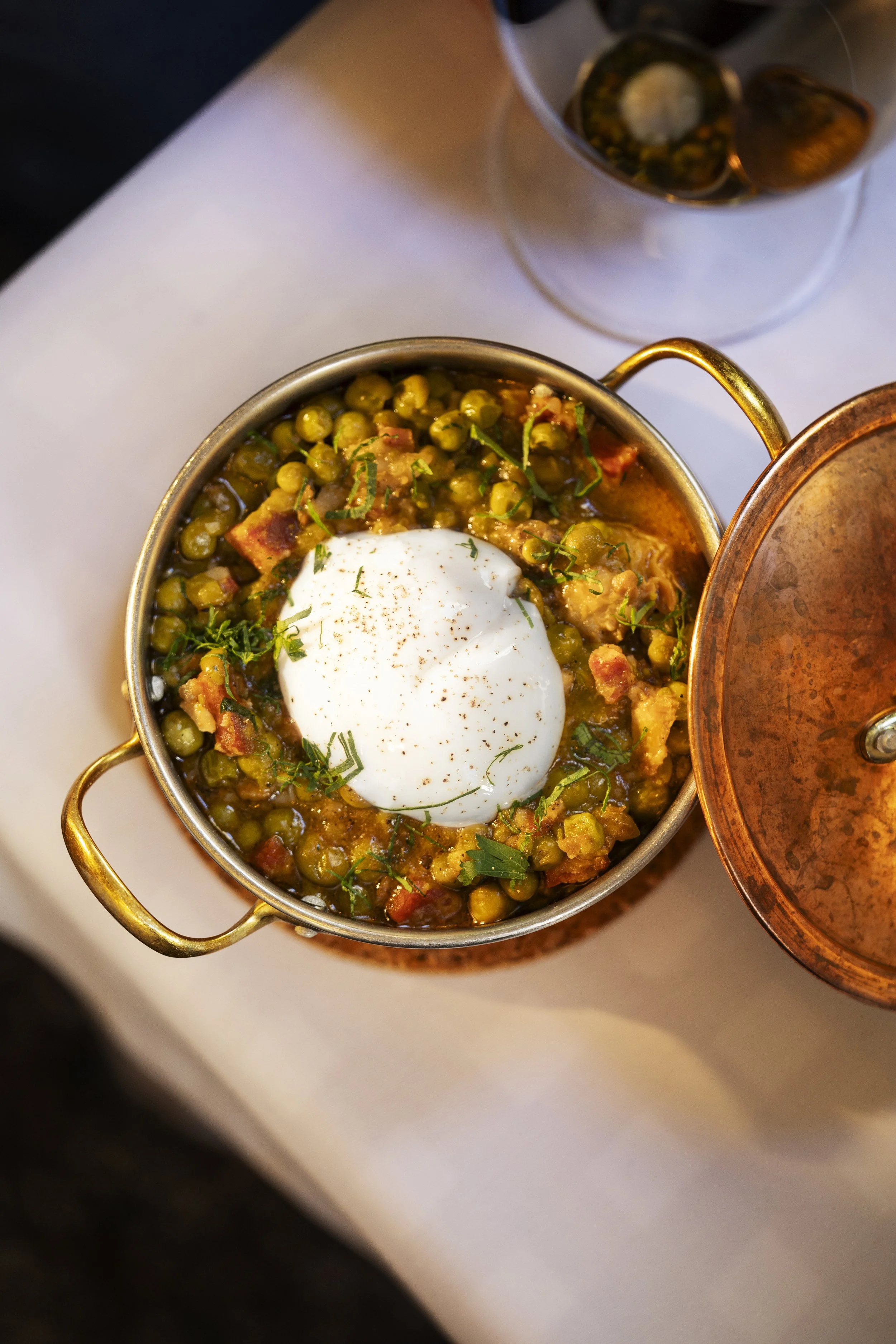
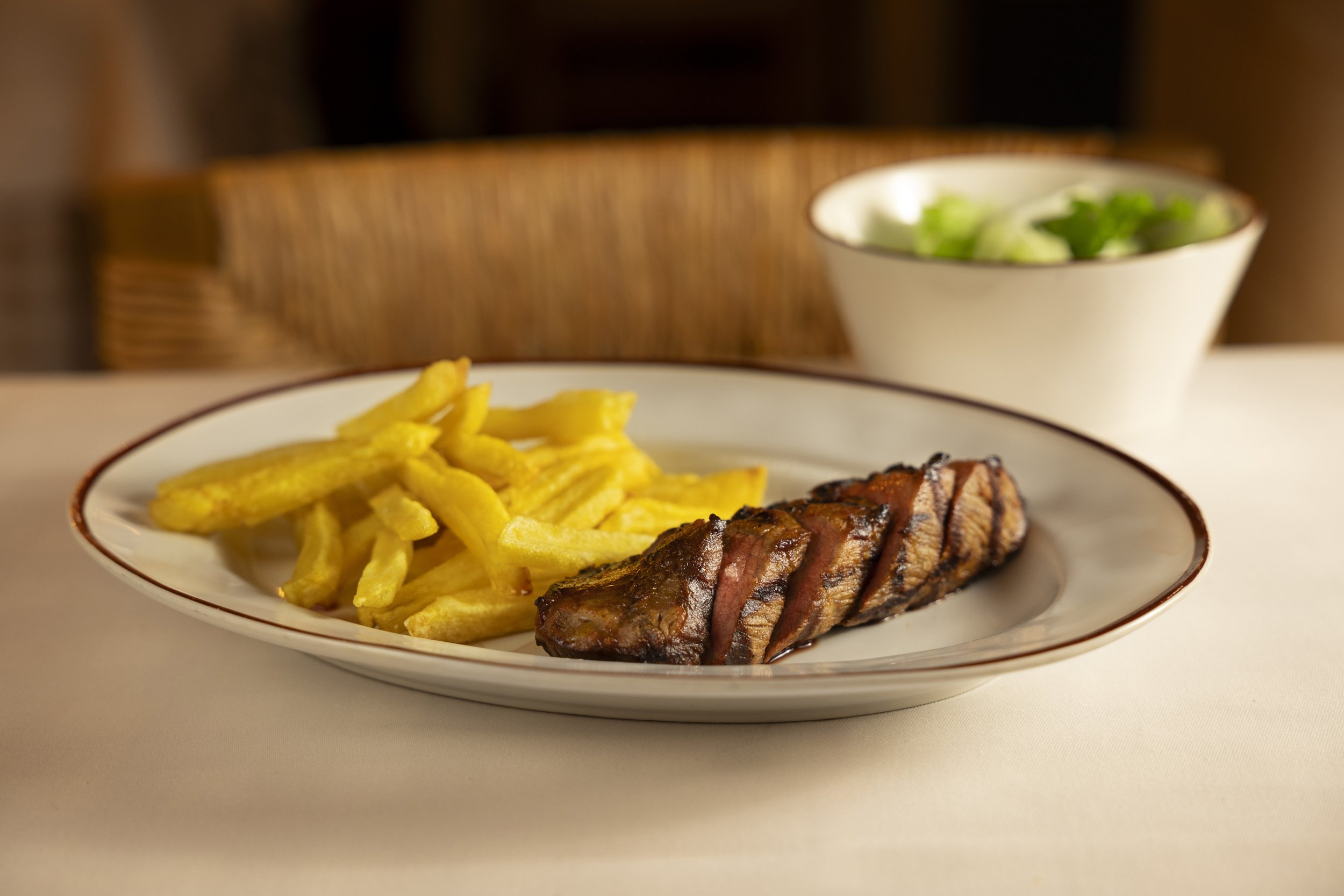
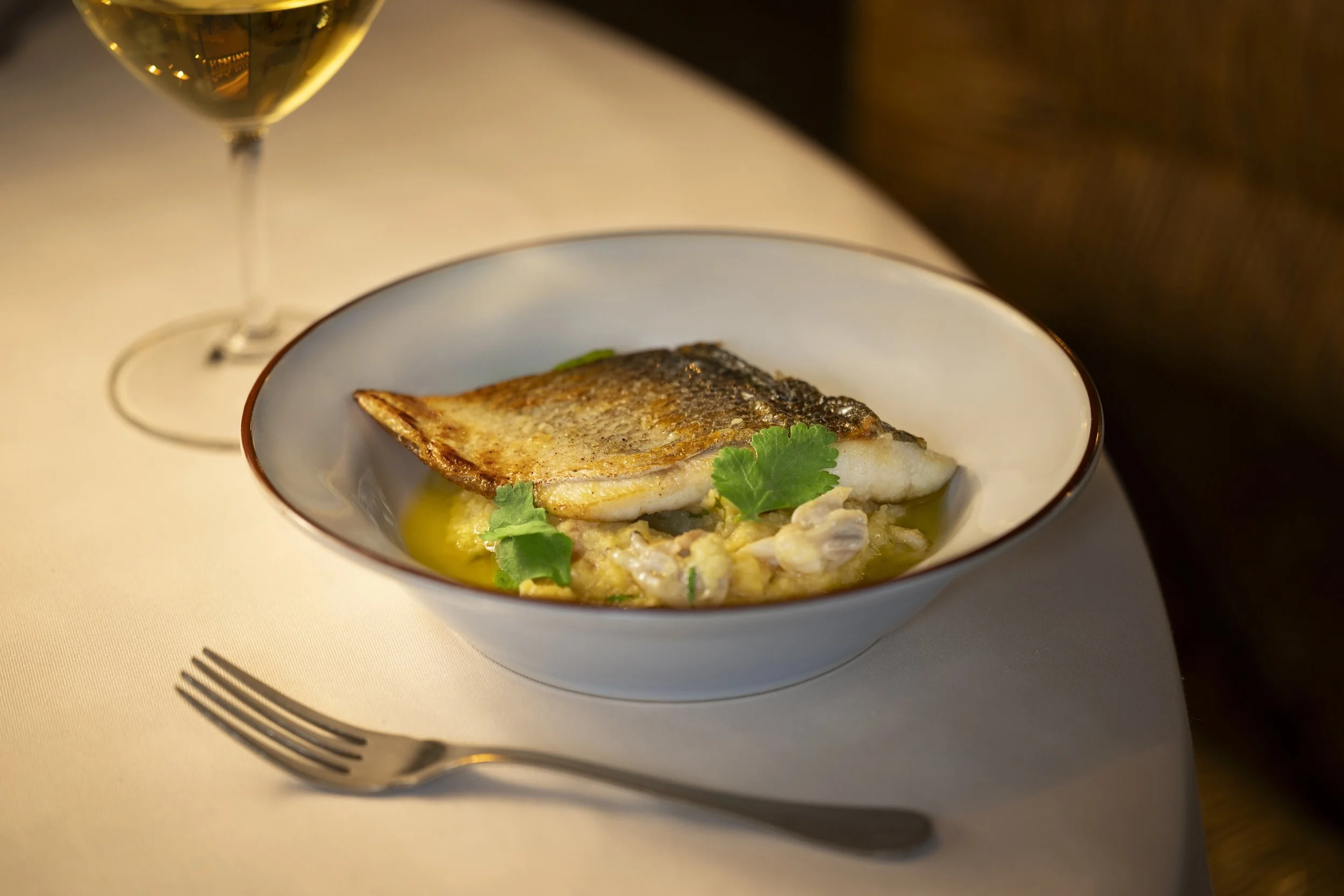
When it comes to food, Pica-Pau has no desire to surprise for the sake of it and says no to re-inventions and deconstruction. It embraces the deliciousness of classic Portuguese cooking, drawing from figures like Maria de Lourdes Modesto and the timeless tastes of everyday cuisine. It’s food you recognize.
Menus are structured generously, often beginning with bread from Mafra, Azorean butter, and marinated olives, setting a tone of abundance. Starters such as presunto, ovos com farinheira, or rissóis de leitão are designed for sharing, encouraging a kind of collective eating that feels increasingly rare. Main courses like bacalhau à Brás, arroz de garoupa e camarão, or pork cheeks with purée are true to themselves, served with no redundant fluff.
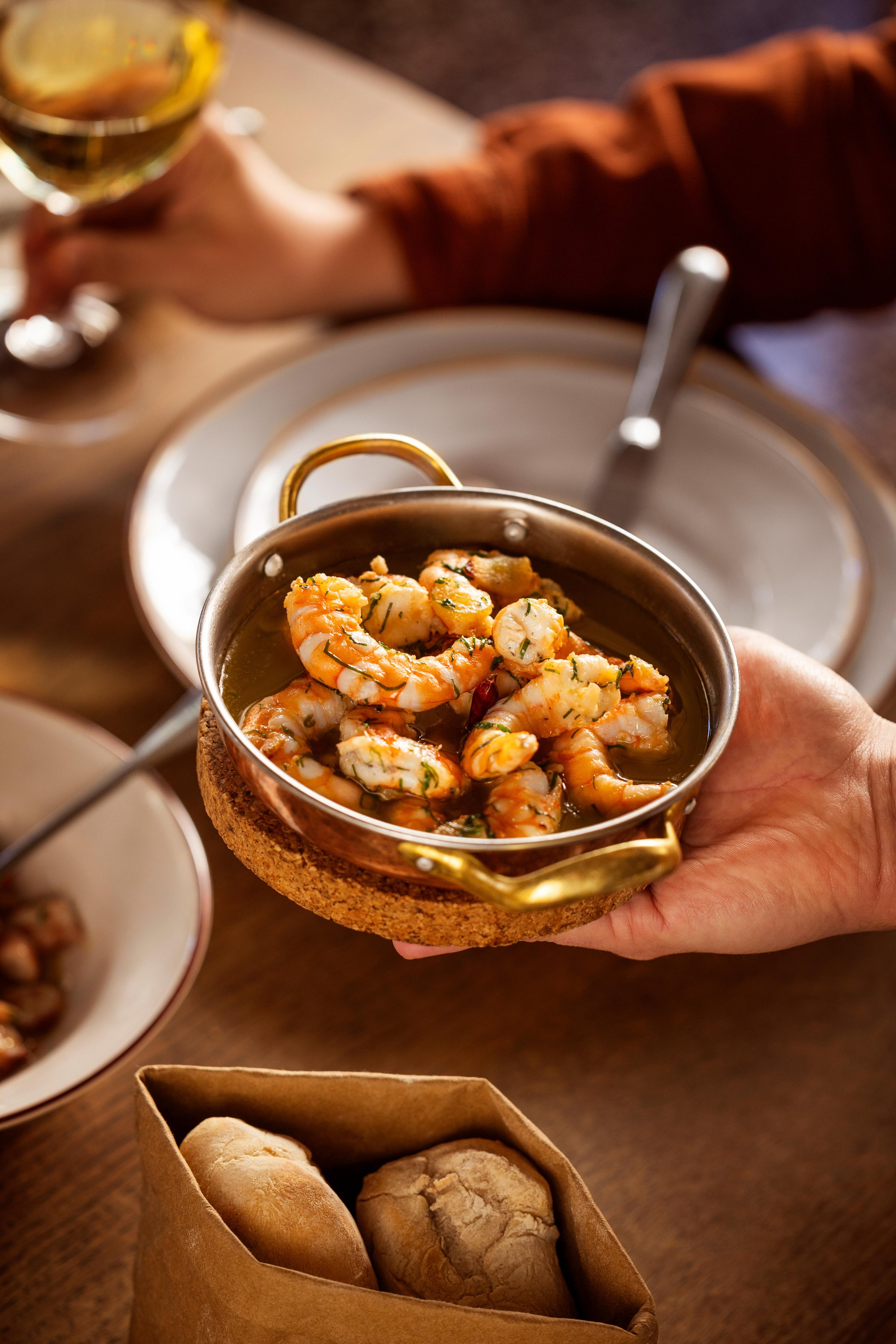
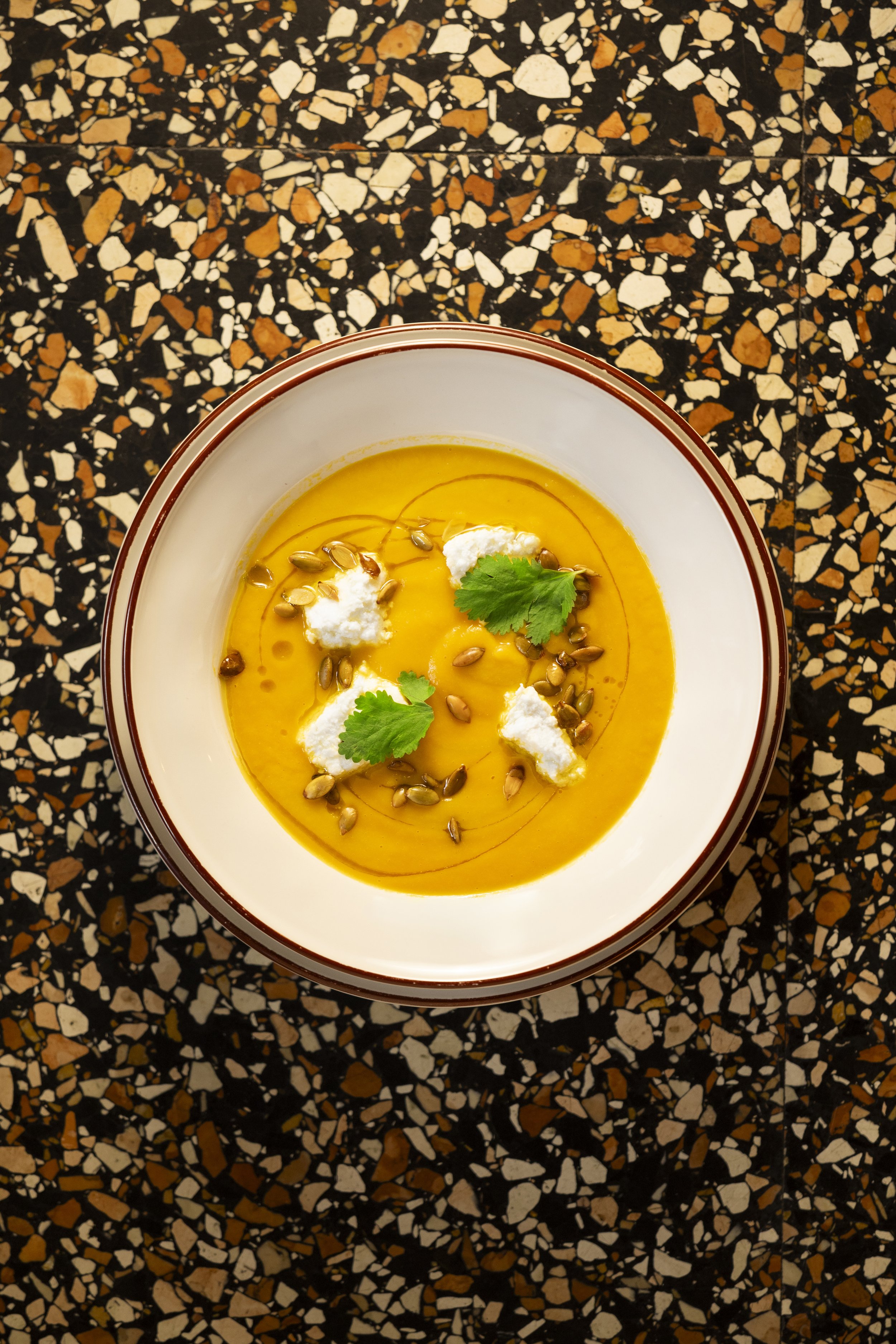
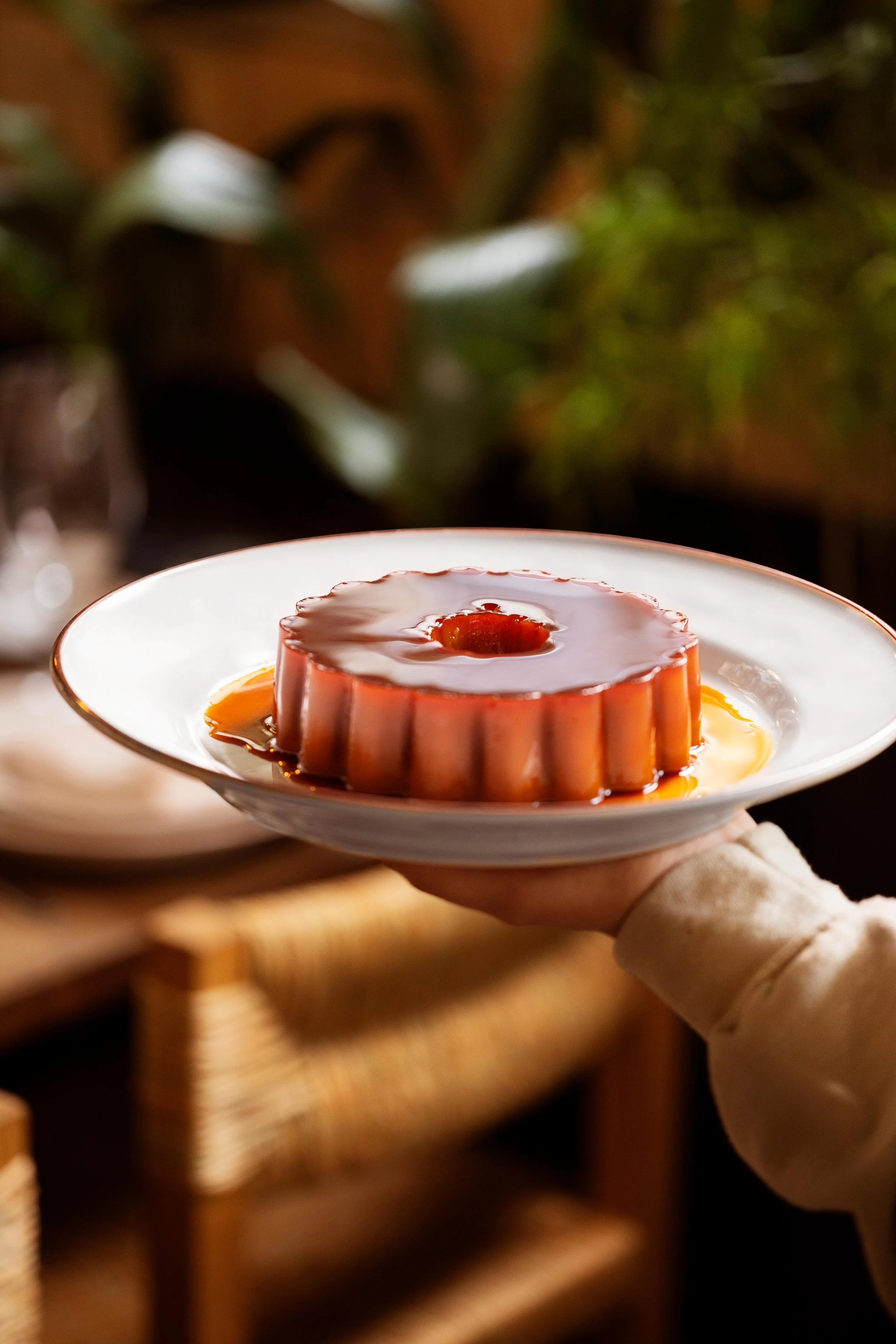
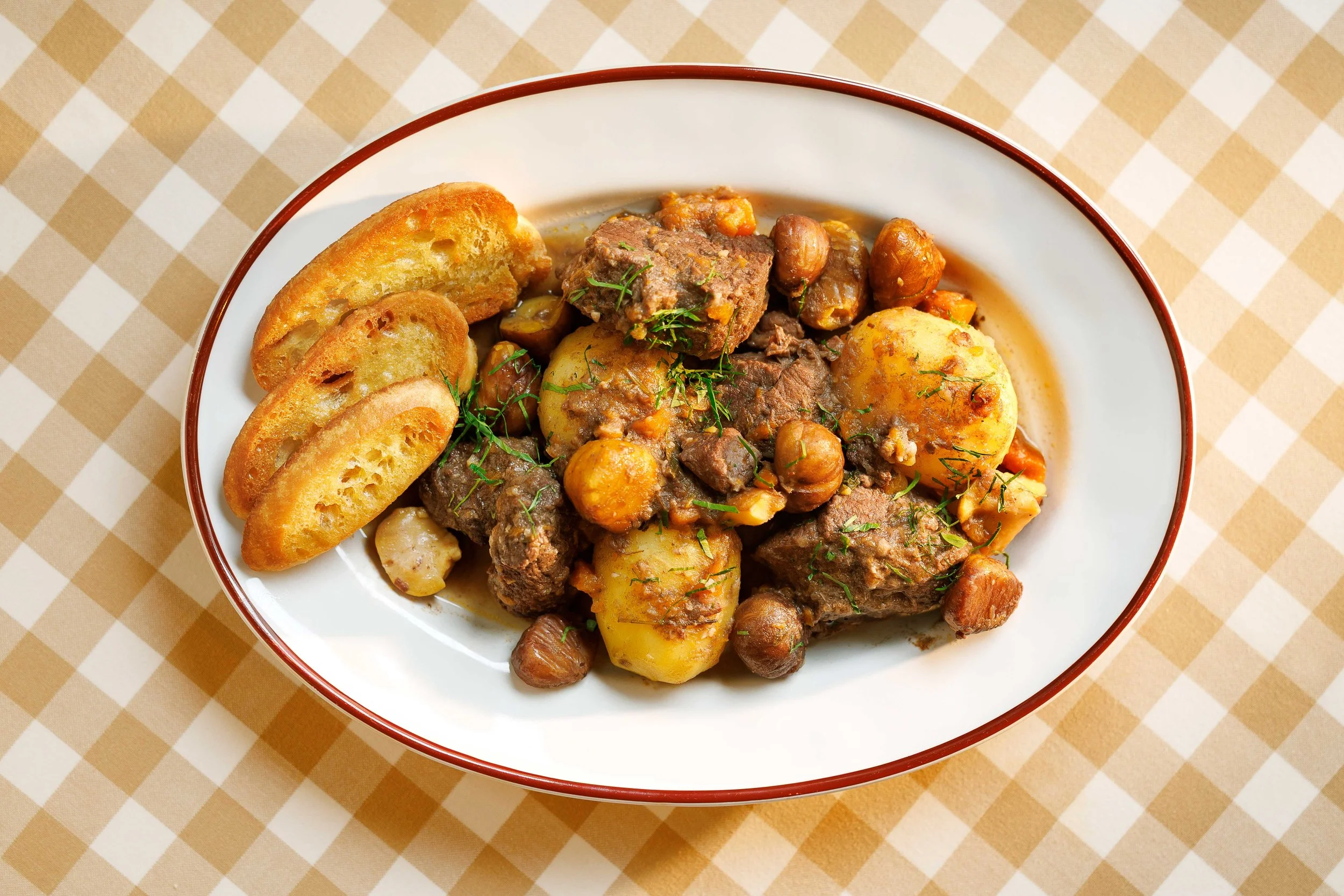
Pica-Pau constructs an atmosphere where food flows in space like a continuation of habits, histories, and shared cultural memory. And in doing so, it reminds you that sometimes the most radical — and mouth-watering — gesture is simply to cook things as they have always been cooked, and to mean it.
