
words by BEX WHITLEY
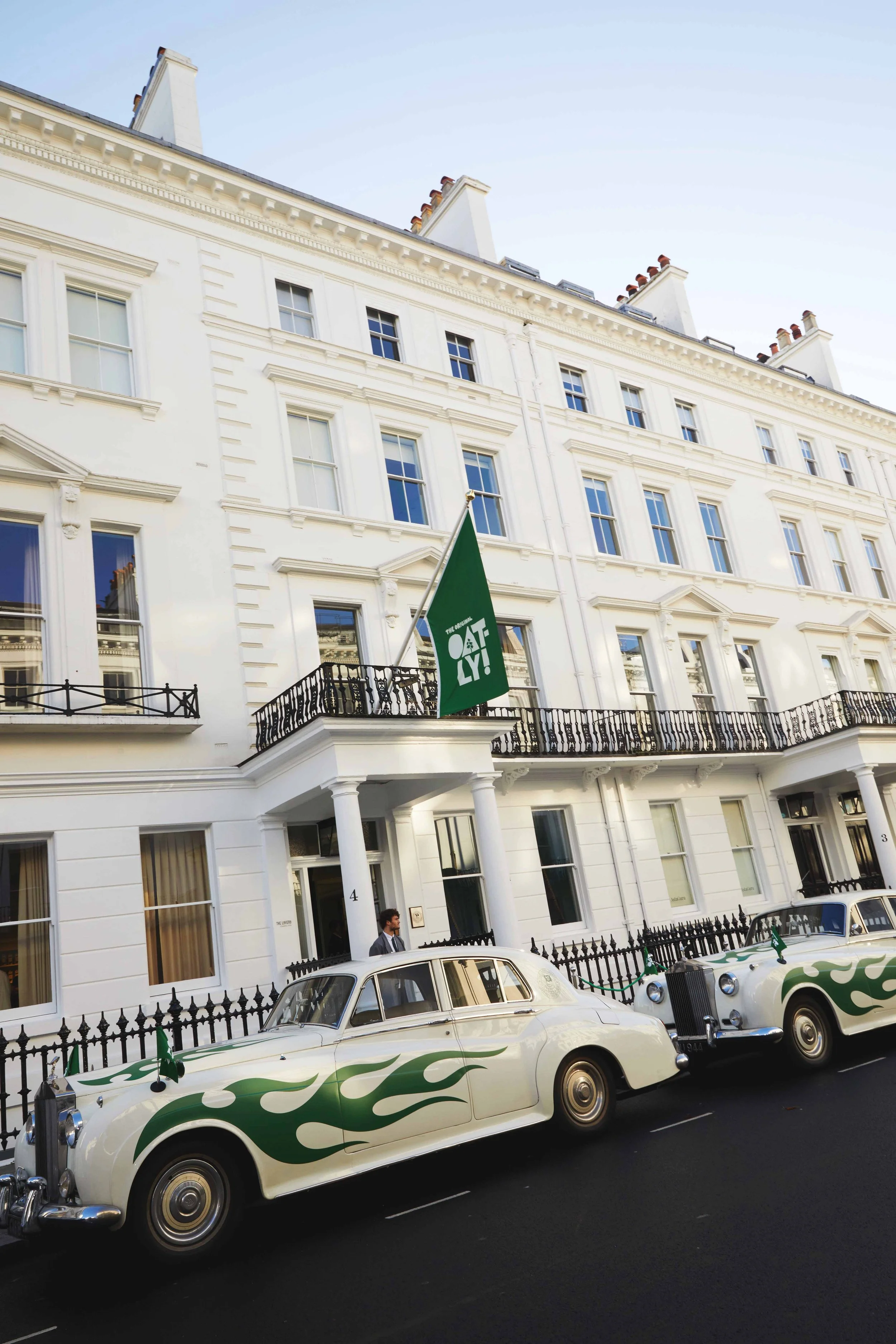
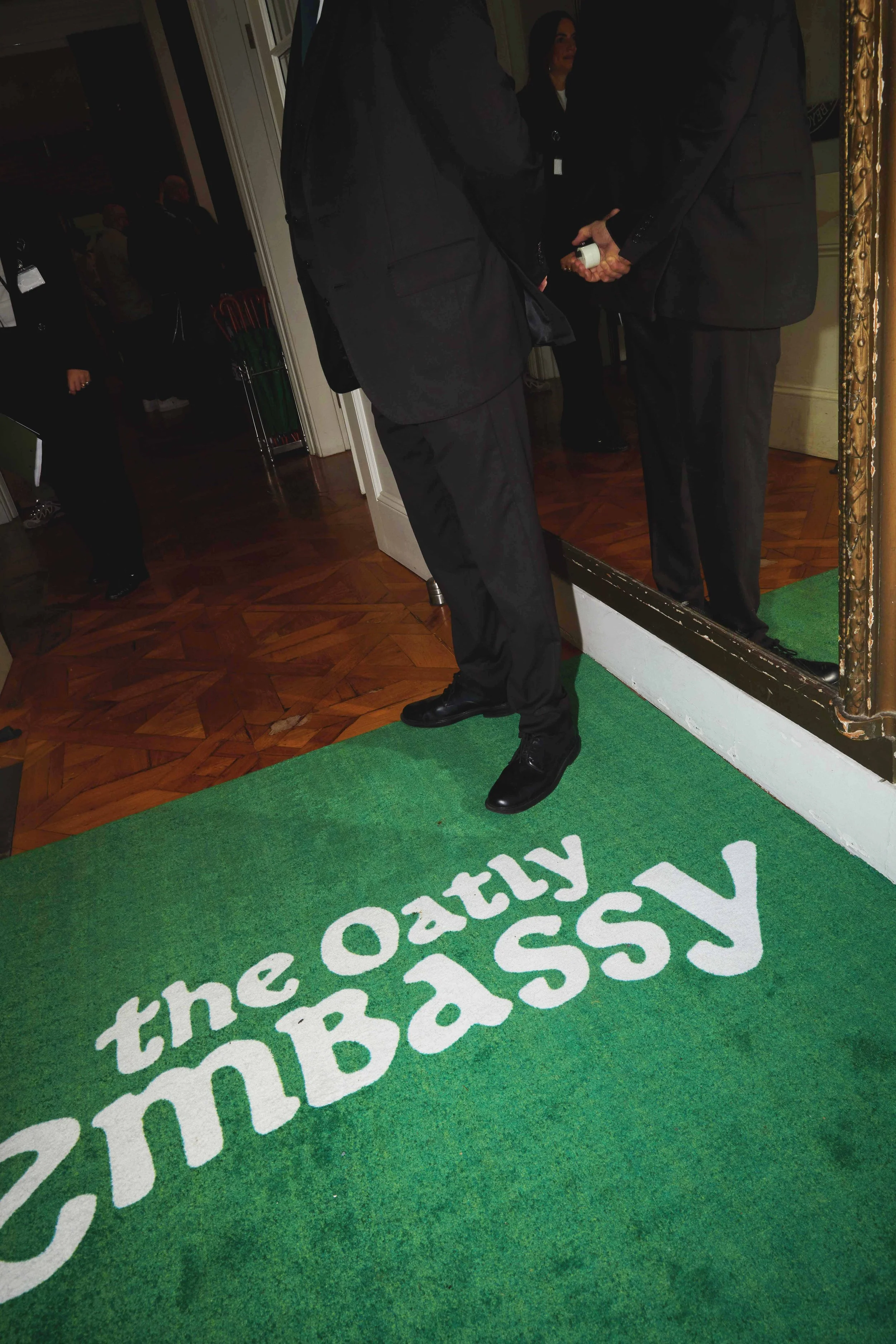
Last week, the “Oatly Embassy” took over an entire London townhouse, bringing together tastemakers from the drinks industry and beyond to discuss the trends set to shape the next era of café culture. The event, which took place over several days, marked the launch of Oatly’s second edition of “The Future of Taste”. Developed with the help of global technology company Culture Lab, drawing on interviews conducted with more than 250+ beverage experts worldwide.
all images courtesy of OATLY
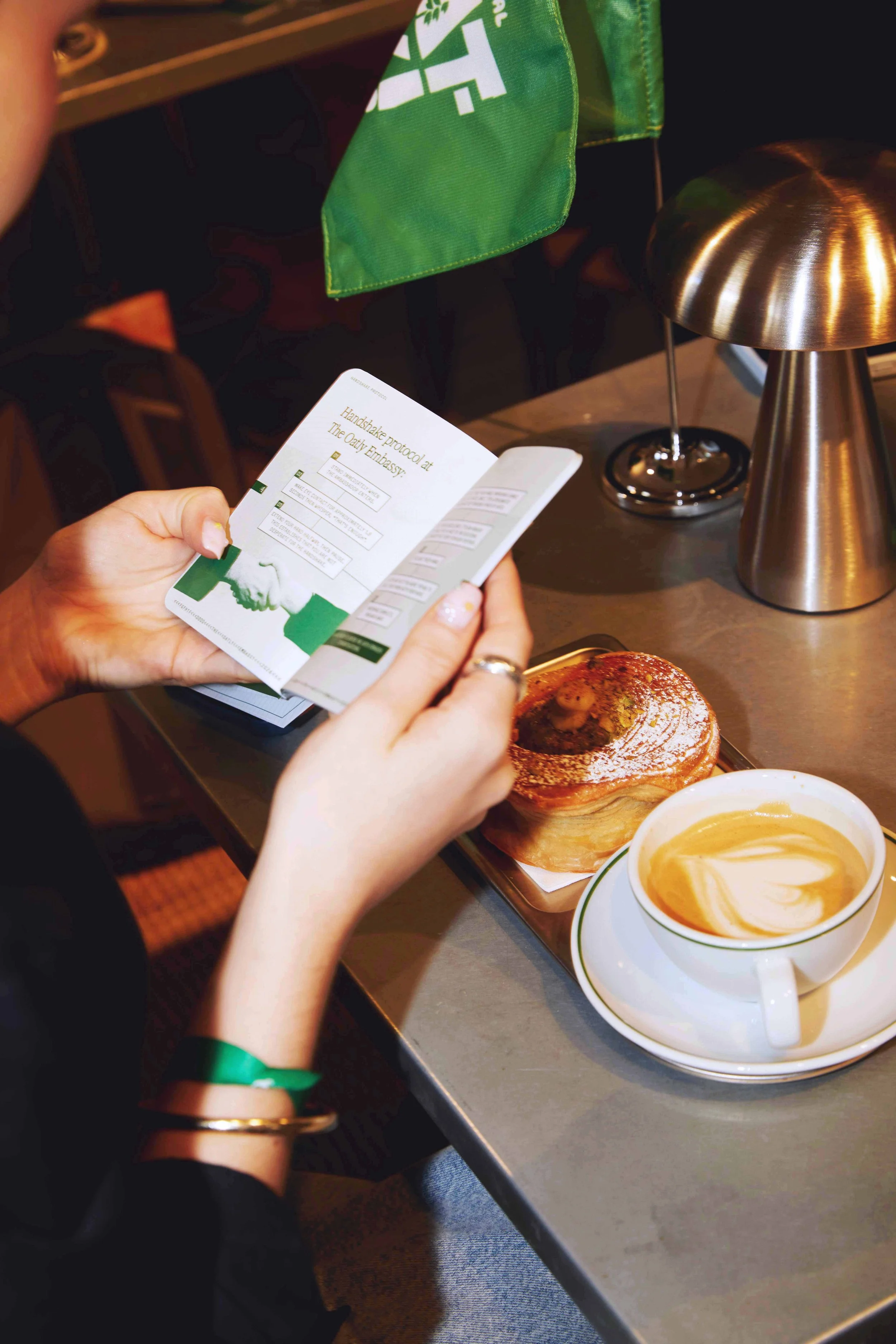
Visually, the attention to detail was unrivalled. From commissioned art at the “Museum of Modern Oat”, to branded Rolls-Royces and a passport exchange in line with the embassy’s slogan, “taste beyond borders.” Yet besides the tongue in cheek aesthetic, the space provided an opportunity for café owners, baristas and taste enthusiasts to come together, connect and gain valuable insights courtesy of Oatly’s research. Programming was extensive, ranging from science-led keynotes delving deep into the ingredients, masterclasses from leading recipe developers and fermentation workshops. The opportunity to hear from industry figures such as Max Coen, Dorian’s former head chef, reflected the breadth of Oatly’s industry relationships and its commitment to supporting café owners and the communities shaping drinks culture.
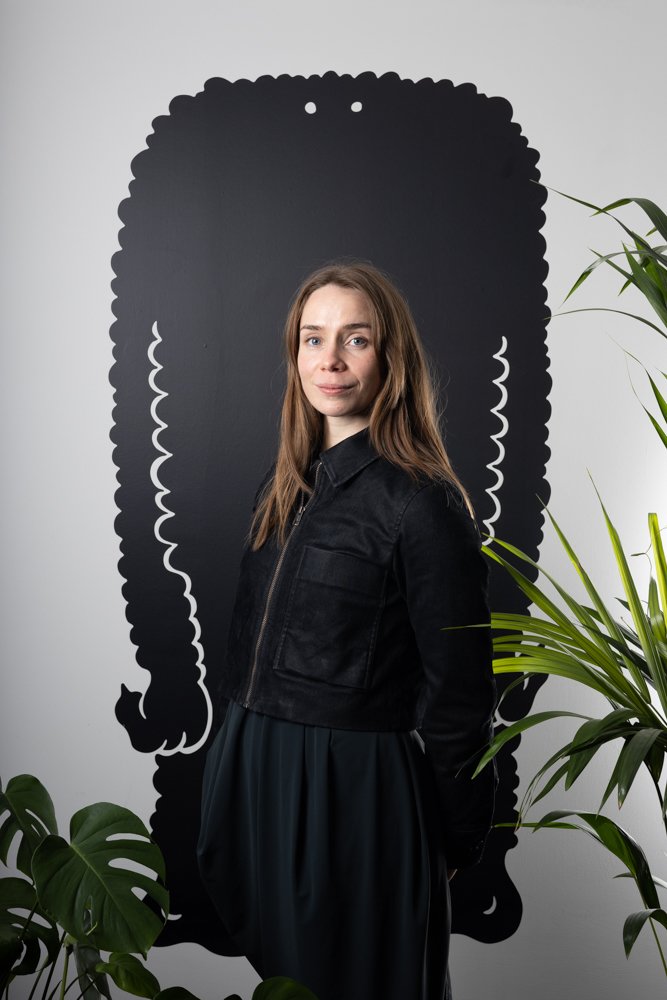
The findings within the report only reaffirmed this very balance of style and substance, finding that our expectations when ordering drinks have grown considerably. “People would like extra health benefits… a full taste experience and a full texture experience all in the same drink,” says Rowena Roos, Oatly’s Head of FADE. These ideas have been coined by Oatly as “the pharmafication of drinks” and “the squishy boom”, with botanical inclusions and focus on texture being key shifts to be aware of.
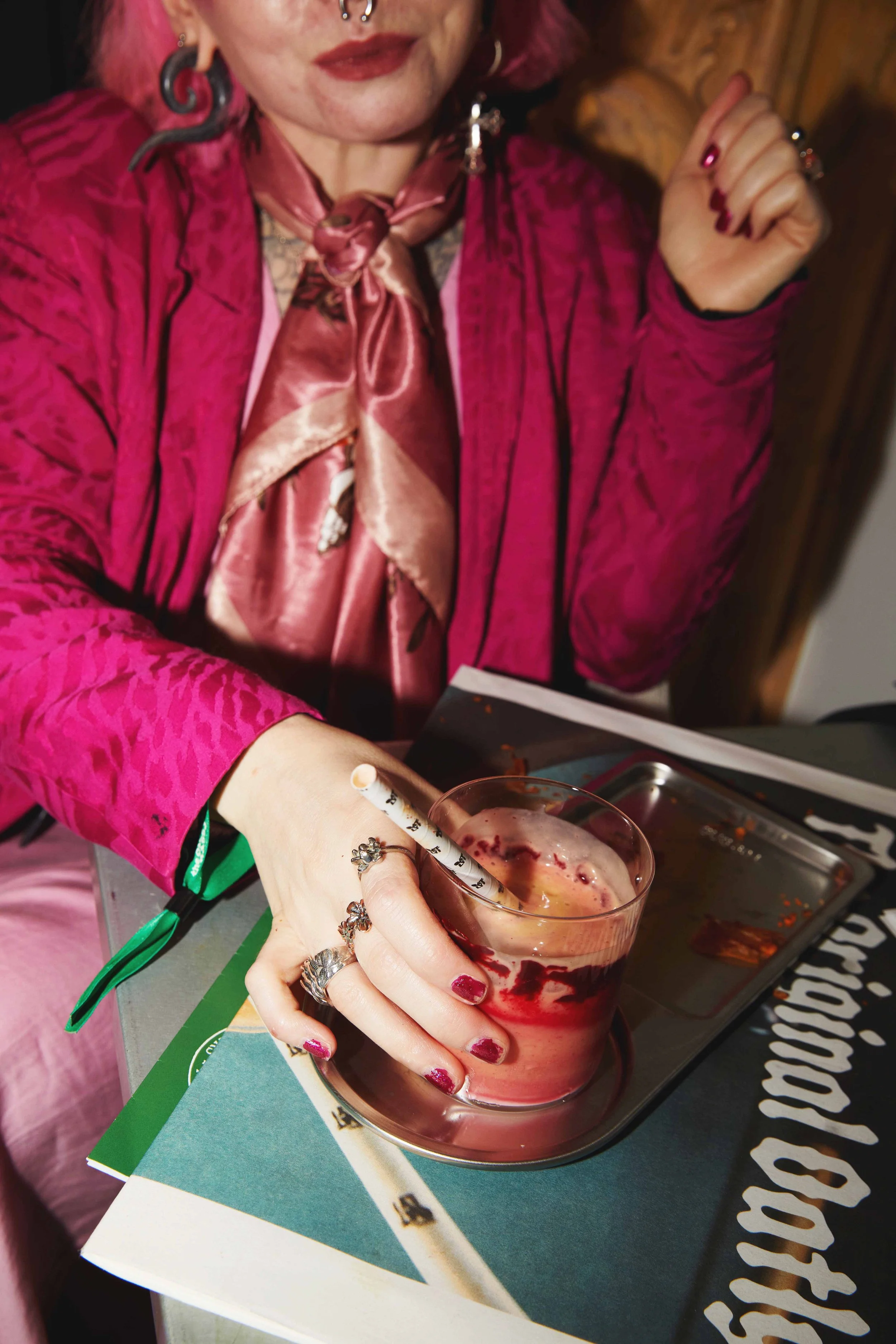
While many assume this increased demand has been driven by economic factors, the report also shows how identity and belonging shape our expectations, with our drink of choice becoming an opportunity to signal who we are to the world. “Drinks have almost become a fashion accessory”, Roos explains, “where the drink that you hold and where it's from says a lot about who you are as a person.” This shift is exponentially more visible in everyday life, whether on our social media or even within our own social circles. The chic, purist associations of the black coffee drinker find parallel in Hailey Bieber’s smoothie, a viral sensation that quickly became a status symbol. What we drink has become an extension of how we present ourselves, the communities we belong to and the lifestyles we aspire to.
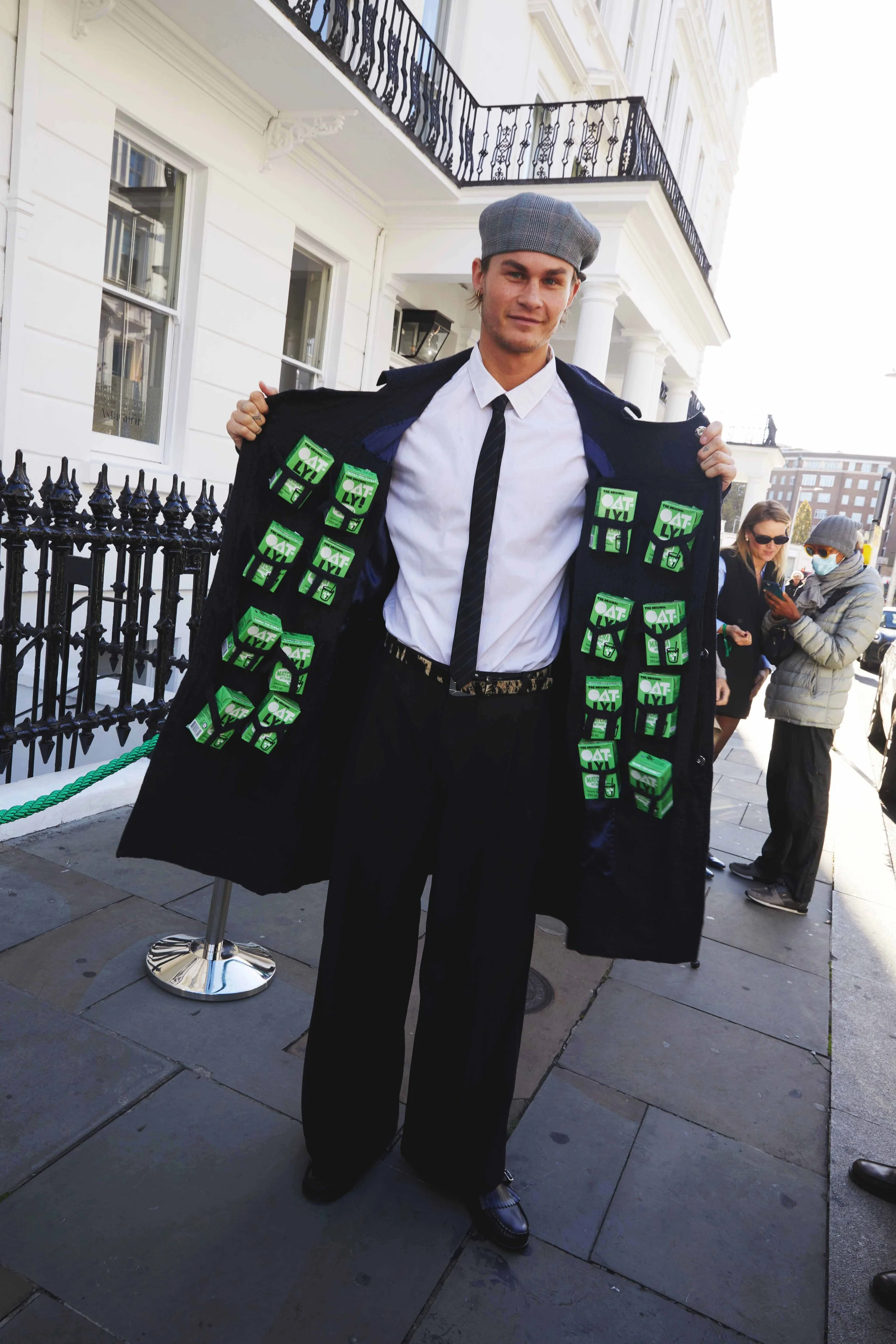
It’s this very idea that shaped Oatly’s latest look book, a format more often associated with fashion, here turned towards the culture and identities surrounding drinks. Industry transcendence has been key for Oatly’s growth, with Creative Director Filip Nilsson explaining that rather than being limited to the FMCG category, Oatly is instead a lifestyle brand. This is certainly visible through the Embassy’s attendees, with fashion creators sitting alongside baristas, next to café owners sharing a coffee with trend experts and journalists.
Yet the report’s findings go beyond the aesthetic, with the emphasis on connection and belonging one of the findings that stood out most to Rowena and her team. Cafés are described as the defining cultural hub of our times, where “new ideas are cultivated and subcultures formed.” It’s through these spaces that we can see where culture is headed, and what their growing importance says about the society we’re living in is what presents cause for concern. In fact, the report shows that 26% of American adults now report eating all their daily meals alone, an increase of more than 50% since 2003 (World Happiness Report 2025). While being “chronically online” may catapult exciting drinks into the spotlight, perhaps what matters most is who we share them with.
So, could this be the death of the flat white? It’s more about expanding horizons, with matcha a clear example of that shift. “I think Matcha is such a fantastically interesting part of the change in café menus, especially because it has kind of muscled its way in where it's become an expectation,” Roos says. “Its colour travels well online, while its health associations and the ritual and history behind it offer other reasons to order it.” Alongside the potential, Roos also points to the need to approach East and Southeast Asian tea traditions and ingredients such as osmanthus and magnolia with care, keeping their histories and delicate flavours in view.
Asked what she might order in a café a year from now, Roos answers: “I would order the fermented fruit soda with oat cold foam for us both”. Why? Firstly, she sees fermentation as a technique with a long history and plenty of room for experimentation. Secondly, “because it's going to be delicious.”